
Medically Reviewed
Dr. Jose Rossello, MD, PhD, MHCM
Preventive Medicine & Public Health Specialist
Last Reviewed: March 19, 2026
Spring arrives with blooming flowers and warmer weather, but for millions of people, it also brings sneezing, congestion, and itchy eyes. Tree pollen is the main cause of spring allergies[1], triggering uncomfortable symptoms that can last for weeks or even months. The good news is that freedom from spring allergy symptoms is possible through a combination of prevention strategies, medical treatments, and lifestyle changes that reduce exposure to allergens.
When the body encounters pollen or other allergens, it produces IgE antibodies as an immune response because it mistakenly identifies these substances as harmful invaders. This immune reaction causes the classic allergy symptoms that interfere with daily activities and overall quality of life. Understanding what triggers these reactions and how to address them makes a significant difference in managing seasonal allergies.
Starting preventive medications before the spring allergy season begins[2] can help people stay ahead of symptoms rather than constantly reacting to them. With the right approach, anyone can reduce the impact of spring allergies and enjoy the season more comfortably.
Table of Contents
Key Takeaways
- Spring allergy symptoms can be controlled through prevention, medical treatments, and reducing exposure to pollen and other allergens
- Identifying specific allergy triggers helps people create an effective treatment plan tailored to their needs
- Starting preventive measures before allergy season begins provides better relief than waiting until symptoms appear
Understanding Spring Allergy Symptoms

Spring allergies affect millions of people when trees, grasses, and weeds release pollen into the air. Recognizing the specific triggers, types of allergies, and how symptoms differ from other respiratory conditions helps people take the right steps toward relief.
What Triggers Spring Allergies
Tree pollen is the primary culprit behind early spring allergies, with oak, birch, cedar, and maple trees releasing massive amounts of pollen from February through May. These microscopic particles travel through the air and trigger immune system responses in sensitive individuals.
Grass pollen becomes more problematic as spring progresses into late May and early summer. Timothy grass, Bermuda grass, and Kentucky bluegrass are common triggers in many regions.
Mold spores also increase during spring months due to moisture from rain and melting snow. These spores thrive in damp outdoor areas like piles of wet leaves, compost, and soil.
Common spring allergen timeline:
- February to April: Tree pollen peaks
- May to June: Grass pollen increases
- Throughout spring: Mold spores flourish in damp conditions
Wind carries these allergens for miles, which means people can experience symptoms even without direct exposure to plants. Warm, dry, and windy days typically bring higher pollen counts, while rainy days temporarily wash pollen from the air.
Types of Spring Allergies
Seasonal allergic rhinitis, commonly called hay fever, is the most widespread type of spring allergy. This condition occurs when the immune system overreacts to airborne pollen, treating it as a harmful invader.
Pollen allergies affect different people depending on which plants trigger their symptoms. Some individuals react only to tree pollen, while others experience symptoms from multiple pollen types throughout the season.
Types of pollen allergies:
- Tree pollen allergies: Triggered by oak, birch, cedar, maple, and ash trees
- Grass pollen allergies: Caused by common lawn and field grasses
- Weed pollen allergies: Less common in spring but can affect some individuals
Mold allergies also fall under the seasonal allergy category during spring months. Unlike pollen allergies, mold spores can trigger symptoms both outdoors and indoors in damp areas like basements and bathrooms.
Some people experience cross-reactivity between pollens and certain foods, known as oral allergy syndrome. This causes itching or tingling in the mouth after eating raw fruits or vegetables.
Symptoms vs. Common Cold or Sinus Infection
Spring allergy symptoms[3] include sneezing, runny or stuffy nose, itchy and watery eyes, and itchy throat or ears. These symptoms appear suddenly when pollen counts rise and persist throughout the allergy season.
Allergic rhinitis does not cause fever, body aches, or fatigue as severe as those from viral infections. Nasal discharge from seasonal allergies typically remains clear and thin, rather than thick or discolored.
Key differences between conditions:
| Symptom | Spring Allergies | Cold | Sinus Infection |
|---|---|---|---|
| Duration | Weeks to months | 7-10 days | 10+ days |
| Nasal discharge | Clear, watery | Thick, changes color | Thick, yellow/green |
| Itchy eyes | Common | Rare | Rare |
| Fever | Never | Sometimes | Often |
| Sneezing | Frequent | Occasional | Rare |
Allergy symptoms often worsen at specific times, such as morning hours when pollen counts peak or after spending time outdoors. Cold and sinus infection symptoms remain relatively constant throughout the day.
The timing of symptom onset also provides clues. Seasonal allergies return predictably each spring, while colds and infections occur randomly throughout the year.
Common Spring Allergy Symptoms
Spring allergies trigger a range of physical reactions that can disrupt daily life. These symptoms occur when the immune system overreacts to airborne allergens like pollen, producing antibodies that release histamine and other chemicals into the bloodstream.
Respiratory Symptoms
The respiratory system often bears the brunt of pollen allergy symptoms[4]. Coughing develops as the throat attempts to clear irritants from the airways. This cough tends to be dry and persistent rather than productive.
Wheezing occurs when airways narrow in response to allergens. The chest may feel tight, and breathing produces a whistling sound.
Shortness of breath affects people with asthma or other respiratory conditions more severely. Physical activity can worsen this symptom. Some people experience chest tightness even during rest.
A scratchy throat results from postnasal drip and direct irritation. The throat may feel raw or inflamed throughout allergy season.
Eye and Nasal Symptoms
Itchy eyes rank among the most bothersome spring allergy complaints. The eyes may feel gritty or burning. Rubbing provides temporary relief but often worsens inflammation.
Watery eyes accompany the itchiness as tear ducts work overtime to flush out allergens. Excessive tearing can blur vision and cause discomfort.
Nasal symptoms include:
- Sneezing in rapid bursts
- Runny nose with clear, thin discharge
- Stuffy nose that makes breathing difficult
- Nasal congestion that worsens at night
Postnasal drip happens when excess mucus drains down the back of the throat. This creates throat irritation and triggers coughing, especially when lying down. The constant sneezing and runny nose[3] distinguish allergies from other conditions.
Other Signs and Complications
Sinus pressure builds up when nasal passages swell and block drainage. This creates a feeling of fullness or pain around the forehead, cheeks, and eyes. Headaches often accompany sinus pressure.
Fatigue develops from poor sleep quality and the body’s ongoing immune response. Many people feel drained even after a full night of rest. The constant production of antibodies and inflammatory chemicals taxes the body’s energy reserves.
These common spring allergy symptoms[5] can last for weeks or months depending on pollen counts. Unlike cold symptoms, allergies don’t cause fever or body aches.
Identifying Your Allergy Triggers
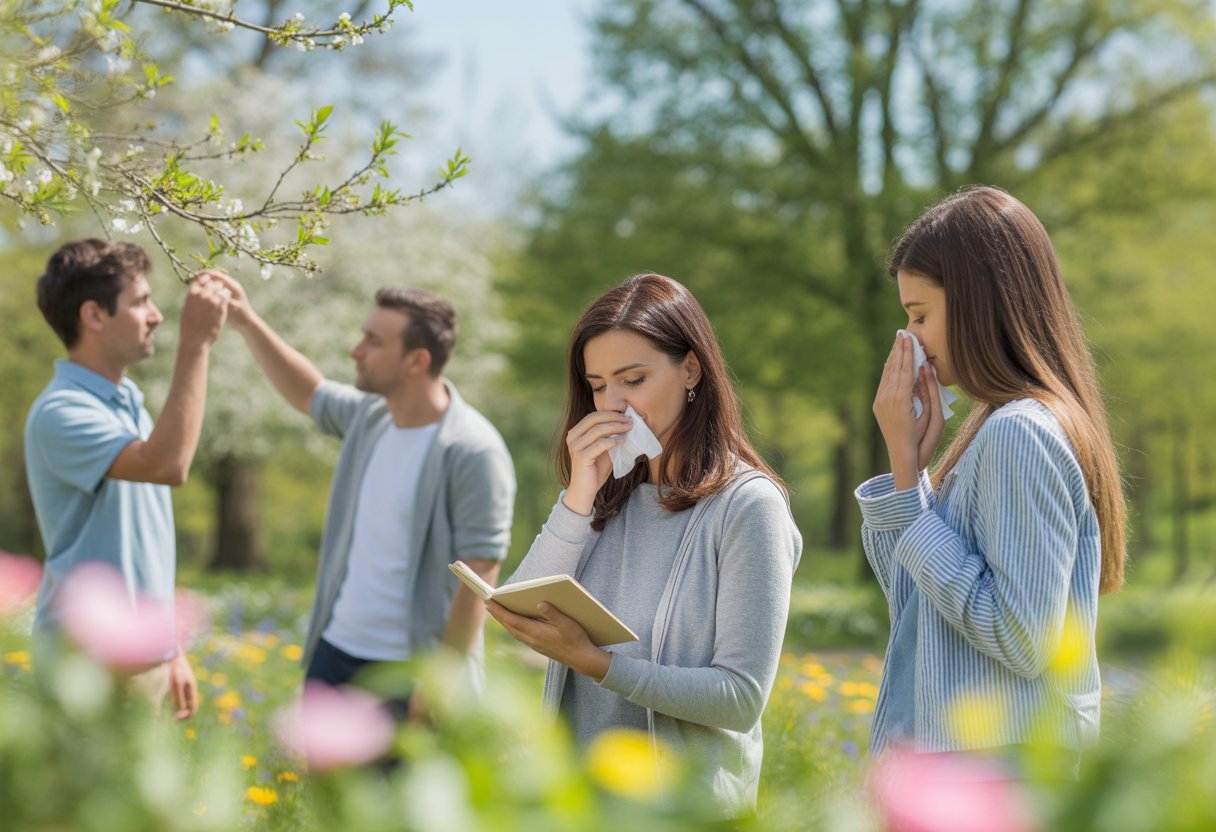
Pinpointing specific allergens helps people manage symptoms more effectively and avoid unnecessary exposure. Understanding pollen patterns, indoor environmental factors, and medical testing options provides a clear path to relief.
The Role of Pollen Counts and Forecasts
Daily pollen counts measure the amount of pollen in the air, typically expressed as grains per cubic meter. These measurements help people plan outdoor activities and adjust medication schedules accordingly.
Pollen forecasts predict upcoming pollen levels based on weather patterns, plant cycles, and historical data. Most weather services and allergy websites provide these forecasts by region and allergen type.
People can monitor pollen counts through:
- Local news stations and weather apps
- National allergy bureau websites
- Dedicated pollen tracking applications
- ACAAI-affiliated resources
Tree pollen peaks in early spring, grass pollen dominates late spring and early summer, and weed pollen appears in late summer and fall. Pollen levels typically rise early in the morning and on warm, windy days. Rain temporarily reduces pollen counts by washing particles from the air.
Environmental Allergens Indoors
Indoor spaces contain allergens that trigger symptoms year-round, though spring often worsens these reactions. Dust mites thrive in bedding, carpets, and upholstered furniture. Pet dander from cats, dogs, and other animals circulates through ventilation systems.
Mold grows in damp areas like bathrooms, basements, and around windows. Spring humidity creates ideal conditions for mold spores to multiply and spread throughout homes.
Common indoor allergy triggers include:
- Dust mites and their waste products
- Pet hair and skin flakes
- Mold spores in moisture-prone areas
- Cockroach droppings in urban settings
Opening windows during high pollen count days brings outdoor allergens inside. HVAC systems without proper filters recirculate these particles continuously.
Allergy Testing and Diagnostics
Allergy blood testing can help identify causes[6] of symptoms through laboratory analysis. An allergist performs skin prick tests by placing small amounts of allergens on the skin and monitoring reactions. Results appear within 15-20 minutes as raised bumps at positive test sites.
Blood tests measure IgE antibodies the immune system produces in response to specific allergens. These tests work well for people who take medications that interfere with skin testing or have certain skin conditions.
Component testing identifies specific proteins within allergen sources, helping allergists distinguish between similar triggers. This precision allows for targeted treatment plans and better symptom management.
Most allergists recommend testing when over-the-counter medications fail to control symptoms or when triggers remain unclear. Testing results guide personalized treatment approaches, including allergen avoidance strategies and immunotherapy options.
When to Seek Professional Help

Some allergy symptoms require more than over-the-counter medications. Knowing when to contact a doctor can prevent complications and improve quality of life during allergy season.
Recognizing Severe Allergy Symptoms
Certain allergy symptoms warrant professional medical attention[7] rather than self-treatment. Difficulty breathing, wheezing, or chest tightness should prompt immediate medical care, as these can indicate a serious allergic reaction or asthma complications.
People should contact their doctor when symptoms persist despite using over-the-counter remedies for more than a week. Severe facial pain, persistent headaches, or high fever are warning signs that need evaluation.
Allergies can lead to complications[8] such as sinus infections, ear infections, and asthma. Symptoms that significantly interfere with sleep, work, or daily activities indicate it’s time to seek help from a healthcare provider.
Diagnosis by an Allergist
An allergist specializes in identifying specific triggers through testing and evaluation. They perform skin prick tests or blood tests to determine which allergens cause reactions. This targeted approach allows for personalized treatment plans.
Primary care providers can distinguish between allergies and other conditions[9] with similar symptoms. They evaluate medical history, perform physical examinations, and recommend appropriate testing when needed.
Allergists may prescribe stronger medications than those available over the counter. They can also recommend immunotherapy, which gradually reduces sensitivity to specific allergens over time.
Allergies vs. Sinus Infection
Distinguishing between allergies and a sinus infection can be challenging since symptoms overlap. Thick, colored nasal discharge (yellow or green) typically indicates a sinus infection rather than allergies. Allergies usually produce clear, watery mucus.
Sinus infections often cause facial pain and pressure around the eyes, cheeks, and forehead. Fever commonly accompanies sinus infections but rarely occurs with allergies alone.
Duration matters when determining the cause. Allergy symptoms continue as long as exposure to allergens persists. Sinus infections typically last 7 to 10 days and may worsen before improving. Symptoms lasting beyond three weeks or recurring frequently require medical evaluation.
Reducing Exposure to Spring Allergens

Cutting down on allergen contact requires both indoor air management and smart habits when spending time outside. Simple changes like closing windows during peak pollen times and cleaning regularly can make a real difference in symptom severity.
Keeping Windows Closed and Filtering Air
Keeping windows closed on high-pollen days[1] prevents allergens from entering the home. Pollen counts typically peak in the mid-morning hours on warm, dry, and windy days. Running air conditioning instead of opening windows maintains comfort while blocking outdoor allergens.
A HEPA air purifier filters out particles as small as 0.3 microns. This includes tree pollen, grass pollen, and other common spring allergens. Placing an air purifier in the bedroom and main living areas reduces airborne allergens throughout the day and night.
The HVAC filter also plays a key role in indoor air quality. Replacing it with a high-efficiency filter rated MERV 11 or higher traps more pollen and dust. Filters should be changed every 60 to 90 days during allergy season to maintain effectiveness.
Reducing Pollen Indoors
Pollen clings to hair, skin, and clothing after time spent outdoors. A shower before bed washes away these particles and prevents them from transferring to pillows and bedding. This reduces nighttime exposure that can worsen congestion and disrupt sleep.
Regular spring cleaning removes settled allergens from floors, furniture, and fabrics. Vacuuming with a HEPA vacuum at least twice per week captures pollen without releasing it back into the air. Washing bedding in hot water weekly eliminates dust mites and any accumulated pollen.
Shoes worn outside should stay near the door rather than being worn throughout the home. This simple habit prevents tracking pollen from room to room. Wiping down pets after outdoor walks also helps reduce pollen exposure[10] since fur easily collects allergens.
Strategies for Outdoor Protection
Wearing wraparound sunglasses shields eyes from airborne pollen and reduces irritation. A well-fitted N95 or KN95 mask filters out pollen particles before they reach the nose and throat. These barriers work especially well during yard work, gardening, or exercising outdoors.
Checking daily pollen forecasts helps people plan outdoor activities for times when counts are lower. Early morning and evening hours often have less pollen in the air than midday. Rain temporarily clears pollen, making the hours after a storm ideal for being outside.
Changing clothes immediately after coming indoors prevents pollen from spreading to furniture and other surfaces. Keeping outdoor gear like jackets and hats in a mudroom or closet away from main living spaces further limits indoor allergen buildup.
Medical Treatments for Allergy Relief
Several medication options can effectively control spring allergy symptoms, from antihistamines that block allergic reactions to nasal sprays that reduce inflammation. Most treatments are available without a prescription, while stronger options require a doctor’s guidance.
Over-the-Counter Allergy Medications
Over-the-counter allergy medications provide the first line of defense against spring allergies. Antihistamines work by blocking histamine, the chemical the body releases during an allergic reaction.
Non-drowsy options include:
- Loratadine (Claritin)
- Fexofenadine (Allegra)
- Cetirizine (Zyrtec)
- Levocetirizine (Xyzal)
Most people can take cetirizine and levocetirizine without drowsiness, though the FDA notes these may affect some individuals. Antihistamines like Claritin, Zyrtec, and Allegra[11] are commonly recommended for seasonal allergies.
Decongestants containing pseudoephedrine (SUDAFED) help reduce nasal congestion. These medications require identification to purchase and should not be used for longer than seven days. They may cause insomnia in some people.
Combination products like Allegra-D, Claritin-D, and Zyrtec-D pair an antihistamine with pseudoephedrine for both symptom relief and congestion reduction.
Prescription Medications
Prescription medications offer stronger relief for severe allergy symptoms. Desloratadine (Clarinex) provides non-drowsy antihistamine relief that requires a doctor’s prescription.
Leukotriene blockers like montelukast (Singulair) and zafirlukast (Accolate) work differently than antihistamines by blocking inflammatory chemicals. Montelukast carries a black box warning for serious mental health side effects.
Oral corticosteroids such as prednisone, methylprednisolone, and dexamethasone may be prescribed for severe symptoms. These medications cause significant side effects and should not be used long term.
Sublingual immunotherapy tablets like Grastek, Oralair, and Ragwitek go under the tongue. An allergist gives the first dose under medical observation.
Steroid Nasal Sprays and Decongestants
Steroid nasal sprays reduce inflammation in the nasal passages without the side effects of oral steroids. Over-the-counter nasal corticosteroids include budesonide (Rhinocort), fluticasone propionate (Flonase), and triamcinolone acetonide (Nasacort).
Prescription steroid nasal sprays like fluticasone propionate (XHance) offer higher doses than over-the-counter versions. Other prescription options include ciclesonide (Omnaris) and beclamethasone (QNASL).
Decongestant nasal sprays containing oxymetazoline (Afrin) or phenylephrine (Neo-Synephrine) provide quick relief. Managing spring allergies[1] includes using antihistamines and nasal spray effectively.
The mast cell stabilizer cromolyn sodium (NasalCrom) prevents allergic reactions. It must be taken three to six times daily throughout allergy season to work effectively.
Immunotherapy and Long-Term Treatments

Immunotherapy builds tolerance[12] to allergens through gradual exposure, offering relief that can last years after treatment ends. Both injection and under-the-tongue options help patients with moderate to severe allergies reduce their dependence on daily medications.
Allergy Shots
Allergy shots involve regular injections of small amounts of allergens to retrain the immune system. Patients typically receive shots once or twice weekly during the buildup phase, which lasts three to six months. The maintenance phase follows, requiring injections every two to four weeks for three to five years.
This treatment works best for people with environmental allergies to pollen, dust mites, mold, and pet dander. Allergy shots reduce persistent symptoms[13] and offer long-term relief for those who don’t respond well to antihistamines or nasal sprays.
Healthcare providers administer shots in their office. Patients must wait 30 minutes after each injection to monitor for reactions. Most people see improvement within the first year of treatment.
Sublingual Immunotherapy
Sublingual immunotherapy delivers allergens through tablets or drops placed under the tongue. Patients take the first dose at their doctor’s office, then continue daily treatment at home. This option eliminates the need for frequent office visits.
The tablets dissolve quickly and work for specific allergens like grass pollen, ragweed, and dust mites. Treatment typically lasts three to five years. Side effects usually involve mild itching or swelling in the mouth.
This method suits patients who prefer avoiding needles or cannot commit to regular office appointments.
When Immunotherapy is Recommended
Doctors recommend immunotherapy for individuals with moderate to severe allergies[12] who struggle with conventional medications. Candidates include those experiencing symptoms more than three months per year or those whose quality of life suffers significantly.
Patients must commit to years of treatment for best results. Those with uncontrolled asthma, certain heart conditions, or who take beta-blockers may not qualify. Allergy testing identifies specific triggers before starting treatment.
Research shows persistent clinical benefits[14] after treatment ends, making it a valuable option for lasting relief. The treatment can also prevent new allergies from developing and reduce asthma symptoms in allergic patients.
Natural and Home Remedies for Spring Allergies

Several natural approaches can help reduce spring allergy symptoms without relying solely on medication. Saline rinses clear pollen from nasal passages, air purifiers remove allergens from indoor spaces, and local honey may build tolerance to regional pollen.
Saline Nasal Rinses
A saline nasal rinse flushes pollen and other allergens directly from the nasal passages. This simple practice reduces congestion and helps prevent sinus infections that often follow allergic reactions.
A neti pot is an effective tool[15] for delivering saline solution through the nostrils. Users fill the small pot with warm water mixed with salt, tilt their head to one side, and pour the solution into one nostril. The liquid flows through the nasal cavity and exits through the other nostril, washing away irritants.
Saline nasal spray offers a convenient alternative for those who find neti pots uncomfortable. The spray delivers a gentle mist that moisturizes dry nasal passages while removing allergens. Both methods work best when used once or twice daily during allergy season.
Key points for safe nasal rinsing:
- Always use distilled, sterile, or previously boiled water
- Clean the neti pot or spray bottle after each use
- Replace devices every few months to prevent bacterial growth
Using Air Purifiers and Filters
Air purifiers equipped with HEPA filters trap airborne pollen particles before they trigger allergy symptoms. These devices pull air through fine filters that capture 99.97% of particles as small as 0.3 microns.
Placement matters when using an air purifier. Bedrooms benefit most from these devices since people spend roughly eight hours sleeping there each night. Running the purifier continuously maintains cleaner air throughout the day and night.
Vacuuming with a HEPA filter[15] removes pollen that settles on floors and carpets. Regular vacuuming prevents allergens from becoming airborne again when people walk through rooms. Changing HVAC filters monthly during spring also reduces pollen circulating through heating and cooling systems.
Air purifiers work best when combined with other preventive measures like keeping windows closed during high pollen days.
Role of Local Honey in Symptom Relief
Local honey contains small amounts of pollen from plants in the surrounding area. The theory suggests that consuming this honey regularly exposes the body to local allergens in tiny doses, potentially building tolerance over time.
People who try this remedy typically take one tablespoon of raw, unfiltered honey daily. The honey must come from local beekeepers within the same region where allergy sufferers live and experience symptoms. Processed honey from grocery stores usually lacks the pollen content needed for this approach.
Research on honey’s effectiveness for allergies remains limited. Some people report fewer symptoms after several weeks of daily consumption, while others notice no change. The remedy carries minimal risk for most adults, though it should not be given to children under one year old due to botulism concerns.
Those interested in trying local honey should start several months before allergy season begins for potential benefits.
Lifestyle Adjustments for Managing Spring Allergies
Simple changes to daily habits and home environment can significantly reduce exposure to pollen and other allergens. These adjustments work alongside medication to provide better control over symptoms throughout the season.
Daily Routines to Minimize Symptoms
Showering after spending time outdoors removes pollen from skin and hair before it spreads throughout the home. This practice prevents allergens from transferring to bedding and furniture where they continue causing symptoms for hours.
Changing clothes immediately after coming inside keeps outdoor allergens contained. Pollen clings to fabric and continues releasing particles into the air when people wear the same outfit indoors.
Timing outdoor activities matters for allergy relief. Pollen counts typically peak in early morning hours between 5 AM and 10 AM. Planning walks, exercise, or yard work for late afternoon or evening reduces exposure.
Keeping windows closed in both home and car prevents pollen from entering indoor spaces. Using air conditioning on recirculation mode filters air without bringing in outside allergens. On particularly high pollen days, limiting time outdoors altogether provides the most protection.
Spring Cleaning and Indoor Environment
Regular spring cleaning helps reduce allergens[1] that accumulate inside the home during pollen season. Washing bedding weekly in hot water removes pollen particles that settle on sheets and pillowcases.
Air filtration plays a key role in managing spring allergies indoors:
- Replace HVAC filters monthly with high-efficiency options
- Run air purifiers in bedrooms during sleep hours
- Vacuum carpets and upholstery twice weekly using HEPA filters
- Wipe down hard surfaces to capture settled pollen
Pets that go outdoors collect pollen on their fur and bring it inside. Grooming pets regularly with wipes after outdoor time reduces this transfer. Keeping pets out of bedrooms prevents allergen buildup in sleeping areas.
Building Allergy-Friendly Habits
Nasal rinses with saline solution flush pollen from sinuses before symptoms develop. Using a neti pot or nasal spray once or twice daily clears allergens from nasal passages.
Monitoring daily pollen counts helps people plan activities and adjust exposure. Many weather apps and websites provide local pollen forecasts. High pollen days call for extra precautions like wearing sunglasses outdoors to protect eyes.
Creating a dedicated “outdoor zone” near entryways prevents tracking pollen deeper into the home. Removing shoes at the door and storing outdoor clothing separately contains allergens in one area. This habit becomes especially important during peak pollen season from February through June in most areas.
Preventing Future Allergy Flare-Ups
Taking steps now can reduce the severity and frequency of symptoms during upcoming allergy seasons. Tracking pollen trends, using forecast data strategically, and sticking to treatment plans help people stay ahead of allergic reactions rather than constantly reacting to them.
Monitoring Allergy Season Trends
Understanding when allergy season peaks in a specific region helps people prepare before symptoms start. Tree pollen typically appears first in early spring, followed by grass pollen in late spring and early summer. Ragweed and other weed pollens emerge in late summer and fall.
Different trees release pollen at different times. Oak, birch, and cedar trees often start the season, while maple and ash trees follow shortly after. Keeping a personal allergy journal helps identify which specific times trigger the worst reactions.
Weather patterns affect pollen levels significantly. Warm, dry, and windy days spread more pollen through the air. Rain temporarily reduces pollen counts by washing particles from the air, but mold spores may increase afterward in damp conditions.
People who track their symptoms alongside local pollen data can spot patterns. This information allows them to adjust outdoor activities and increase preventive measures during high-risk periods.
Using Pollen Forecasts Effectively
Pollen forecasts[16] provide daily predictions about allergen levels in the air. Most weather apps and websites now include pollen counts rated as low, moderate, high, or very high. These ratings help people plan their day around exposure risks.
Checking forecasts the night before allows time to prepare. On high pollen days, people can take antihistamines early in the morning before symptoms begin. They can also reschedule outdoor exercise or yard work for days when counts are lower.
Pollen levels peak between 5 a.m. and 10 a.m. on most days. Planning outdoor activities for late afternoon or after rain gives people more comfortable windows to be outside. Keeping car and home windows closed on high-count days prevents pollen from entering indoor spaces.
Maintaining Treatment Plans
Consistency with allergy medications produces better results than sporadic use. Starting antihistamines or nasal sprays a few weeks before pollen season begins builds up protection in the body. This approach prevents symptoms more effectively than waiting until they appear.
Daily medications work best when taken at the same time each day. Setting phone reminders or keeping pills next to morning coffee helps build the habit. Skipping doses allows allergens to trigger inflammation that takes days to calm down again.
People using multiple treatments should follow their doctor’s instructions about timing. Nasal sprays often work best in the morning, while some antihistamines cause drowsiness and should be taken at night. Long-term treatments like immunotherapy[17] require several months to show full benefits but can reduce sensitivity to allergens over time.
Refilling prescriptions before they run out prevents gaps in treatment. Keeping extra supplies on hand ensures protection continues even during busy periods or unexpected pollen spikes.
Frequently Asked Questions
Spring allergies affect millions of people each year, leading to questions about treatment options, identifying triggers, and reducing exposure to allergens. Understanding the answers to common concerns helps people take control of their symptoms and improve their quality of life.
What are common strategies for managing severe seasonal allergy symptoms?
People with severe spring allergies need a multi-layered approach to find relief. Antihistamines work well for basic symptoms like sneezing and itching, while steroid nasal sprays help with congestion and sinus pressure.
Allergy immunotherapy offers the only potential cure[1] for allergic rhinitis when other treatments fall short. Allergy shots can reduce symptoms in up to 85% of patients with seasonal allergies.
Decongestants provide temporary relief but aren’t suitable for everyone. People with heart problems or those over 40 should avoid regular use of these medications. A healthcare provider can help determine which combination of treatments works best for individual needs.
How can I identify the specific triggers for my allergy?
Getting tested by an allergist reveals exactly which allergens cause reactions. This testing helps people avoid their specific triggers and choose the most effective treatments.
Spring allergies typically stem from tree pollen, which peaks from February through June in most areas. Grass pollen emerges in summer, while fall brings weed pollen and mold.
Keeping a symptom diary helps track when reactions occur. People who notice symptoms after spending time outdoors on windy days likely react to airborne pollen. Clear nasal discharge combined with itchy, watery eyes[18] points to allergies rather than other conditions.
What are the typical signs of a blood-related allergic reaction?
Blood-related allergic reactions differ significantly from typical spring allergies. Severe allergic reactions can cause hives, swelling, difficulty breathing, and a rapid drop in blood pressure.
Spring allergies primarily affect the respiratory system and eyes. Common symptoms include sneezing, runny nose, itchy eyes, and sinus pressure. Some people develop contact dermatitis with itchy rashes and blisters when they touch allergens directly.
Anyone experiencing symptoms beyond typical seasonal allergies should seek medical attention. Healthcare providers can distinguish between different types of allergic reactions and rule out other conditions that mimic allergy symptoms.
What natural remedies are effective for immediate allergy relief?
Neti pots and saline nasal rinses flush pollen and allergens from nasal passages without medication. These rinses use salt water to clean the nasal cavity and provide relief from congestion.
However, many popular natural remedies lack scientific backing. Raw honey and stinging nettle tea have historical use but haven’t been proven effective through rigorous studies.
People allergic to plants should exercise caution with herbal remedies. Those with ragweed allergies may experience serious reactions[1] to echinacea, which comes from a close relative of ragweed. Just because something is natural doesn’t mean it’s safe or non-allergenic.
What treatment options are available for chronic allergy sufferers?
Chronic allergy sufferers have several long-term treatment options beyond daily medications. Allergy shots provide the most effective long-term solution by gradually building tolerance to specific allergens.
Daily antihistamines and steroid nasal sprays help manage ongoing symptoms. Starting steroid nasal sprays a few weeks before allergy season begins provides better results than waiting until symptoms appear.
People who don’t find relief from medications and lifestyle changes[1] should consult an allergist. Healthcare providers can identify other conditions that look like allergies but require different treatments.
How can one reduce the presence of pollen in their home environment?
Keeping windows closed prevents pollen from entering the home, even when spring breezes feel inviting. Car windows should stay closed too, with air conditioning set to recirculation mode.
High-quality HVAC filters trap airborne allergens when changed regularly according to package directions. Air purifiers provide additional protection, especially when placed in bedrooms where people spend many hours.
Showering after coming indoors removes pollen from skin and hair. Pets that go outside collect pollen on their fur, so regular grooming and using pet wipes helps reduce indoor allergen levels. Washing bedding frequently and keeping pets out of bedrooms further minimizes exposure to trapped pollen.
Post Views: 8
References
- Managing Spring Allergies. https://health.clevelandclinic.org/how-to-manage-spring-allergies Accessed March 20, 2026
- The Scope Blog – Spring Allergies 101: Symptoms, Remedies and Seeking Help. https://www.tanner.org/the-scope/spring-allergies-101 Accessed March 20, 2026
- Spring Allergy Symptoms. https://compassionhealthcare.org/spring-allergy-symptoms/ Accessed March 20, 2026
- Spring Allergies: Understanding Pollen Allergies. https://www.summithealth.com/health-wellness/spring-allergies-understanding-pollen-allergies Accessed March 20, 2026
- Common Spring Allergy Symptoms To Watch Out For. https://www.afcurgentcare.com/edgewater/blog/common-spring-allergy-symptoms-to-watch-out-for/ Accessed March 20, 2026
- Spring Allergy Action Plan. https://www.hnl.com/resources/blog/spring-allergy-action-preparedness-plan Accessed March 20, 2026
- When to talk to your doctor about seasonal allergies. https://www.gundersenhealth.org/health-wellness/staying-healthy/when-to-talk-to-your-doctor-about-seasonal-allergies Accessed March 20, 2026
- Your Guide to Allergists: When to Seek Professional Help for Allergies. https://www.aspireallergy.com/blog/when-to-seek-professional-help-for-allergies Accessed March 20, 2026
- Understanding & Managing Spring Allergies · Conway Medical Center. https://www.conwaymedicalcenter.com/news/topic/understanding-managing-spring-allergies/ Accessed March 20, 2026
- How to Limit Spring Allergies, Plus 7 Natural Remedies. https://ancientnutrition.com/blogs/all/spring-allergies Accessed March 20, 2026
- Spring Allergies: Medication for Seasonal Allergies (2026)
| Wyndly. https://www.wyndly.com/blogs/learn/medicine-for-spring-allergies Accessed March 20, 2026 - Spring Allergies: When to Consider Testing and Immunotherapy with Victoria Ragan, PA-C. https://www.avancecare.com/spring-allergies-when-to-consider-testing-and-immunotherapy/ Accessed March 20, 2026
- Allergy shots (immunotherapy): What patients should know. https://www.utmb.edu/news/article/health-blog/2026/03/09/allergy-shots-(immunotherapy)–what-patients-should-know Accessed March 20, 2026
- Just a moment…. https://www.jacionline.org/article/S0091-6749%2822%2900075-6/fulltext Accessed March 20, 2026
- 8 Natural Ways to Beat Spring Allergies in 2026. https://blog.ochsner.org/articles/8-natural-ways-to-beat-spring-allergies/ Accessed March 20, 2026
- Spring Allergy Survival Guide: Proven Strategies for Staying Symptom-Free. https://eshcs.com/2025/03/18/spring-allergy-survival-guide/ Accessed March 20, 2026
- Spring Allergies: How to Reduce Symptoms and Feel Your Best. https://www.thorek.org/news/spring-allergies-how-to-reduce-symptoms-and-feel-your-best Accessed March 20, 2026
- With Spring in Bloom, Here’s How to Navigate Allergies. https://www.rutgers.edu/news/spring-bloom-heres-how-navigate-allergies Accessed March 20, 2026

















