Medically Reviewed
Dr. Jose Rossello, MD, PhD, MHCM
Preventive Medicine & Public Health Specialist
Last Reviewed: April 3, 2026
Your brain changes as you get older, but cognitive decline isn’t inevitable. Research shows that up to 45% of dementia cases may be preventable through lifestyle choices and healthy habits that protect brain health throughout life. While aging brings natural changes to memory and thinking speed, there are proven ways to keep your brain sharp and reduce your risk of serious cognitive problems.
Women face unique challenges when it comes to brain health. They make up about two-thirds of people with Alzheimer’s disease and tend to experience faster cognitive decline than men. Hormonal changes during menopause, genetic factors, and social circumstances all play a role in this increased risk.
The good news is that simple daily habits can make a real difference in protecting your brain. From what you eat to how much you move, sleep, and connect with others, many factors influence your cognitive health. Taking action now can help build a stronger, more resilient brain for the years ahead.
Table of Contents
Key Takeaways
- Regular exercise and a diet rich in whole foods[1] are among the most powerful ways to protect your brain from cognitive decline
- Managing health conditions like high blood pressure and diabetes, along with getting quality sleep, helps reduce dementia risk
- Staying socially connected and challenging your brain with new learning experiences builds cognitive resilience as you age
Understanding Brain Aging and Cognitive Decline

The brain changes in predictable ways as people get older, including shrinkage in certain areas and slower processing speeds. Some memory changes are normal, but significant cognitive impairment signals a more serious problem that needs medical attention.
What Happens to the Brain as You Age
The brain naturally loses some volume as people age, typically starting around age 60. The prefrontal cortex and hippocampus tend to shrink the most. These areas control memory, planning, and complex thinking.
Blood flow to the brain decreases over time. The connections between brain cells also slow down. This makes processing information take longer than it did in younger years.
The brain produces fewer chemical messengers called neurotrophins after age 40. These chemicals help brain cells stay healthy and form new connections. Lower levels can affect how well the brain works.
White matter, which helps different brain regions communicate, often develops small areas of damage. This is common in older adults and can slow down thinking speed.
Normal Aging vs. Cognitive Impairment
Normal aging includes occasional memory lapses like forgetting names or where keys were placed. People can still learn new information and handle daily tasks without help.
Normal aging signs:
- Occasionally forgetting appointments
- Taking longer to learn new things
- Sometimes searching for the right word
- Making occasional poor decisions
Cognitive impairment signs:
- Getting lost in familiar places
- Repeating questions within minutes
- Unable to follow instructions or recipes
- Poor judgment that affects safety
Cognitive impairment goes beyond normal brain aging. It interferes with daily life and gets worse over time. Memory loss becomes severe enough that family members notice clear changes.
Recognizing Early Signs of Cognitive Decline
Changes in short-term memory often appear first. A person might forget conversations that happened earlier the same day. They may ask the same question multiple times within an hour.
Difficulty with familiar tasks is another warning sign. Someone who cooked for years might struggle to follow a known recipe. Paying bills or managing money becomes confusing.
Language problems can emerge early. Finding the right words takes much longer. People may substitute incorrect words or stop mid-sentence because they cannot remember what they wanted to say.
Changes in mood or personality sometimes occur. A typically calm person might become anxious or suspicious. Loss of interest in hobbies or social activities is common. These signs warrant a medical evaluation to determine the cause.
Key Risk Factors for Dementia and Cognitive Decline

Research shows that up to half of all dementia cases[2] are linked to factors people can change through lifestyle choices and medical care. Understanding which risks can be modified and how the heart and brain are connected helps people take action to protect their cognitive health.
Modifiable and Non-Modifiable Risks
Age stands as the biggest non-modifiable risk for dementia. Most early symptoms of Alzheimer’s disease appear after age 60[3], and the risk grows higher with each passing year. Genetics also play a role that cannot be changed.
However, researchers have identified 14 modifiable risk factors that people can address. These include untreated vision loss, hearing loss, obesity, diabetes, high LDL cholesterol, and hypertension. Other controllable risks are physical inactivity, smoking, lack of education, social isolation, excessive alcohol use, depression, head injury, and air pollution exposure.
The data shows clear benefits from managing these factors. People who adopt healthy lifestyles not only lower their dementia risk but also delay onset by years. This means more time living independently and fewer years dealing with cognitive decline.
How Cardiovascular Health Affects the Brain
The connection between heart health and brain health is strong. High blood pressure in midlife increases the risk of both Alzheimer’s disease and vascular dementia.
High LDL cholesterol levels can increase stroke risk[2] and lead to accumulation of harmful proteins in the brain. Diabetes damages blood vessels throughout the body, including those in the brain, which affects how nerve cells get the glucose they need for energy.
Key cardiovascular risks include:
- Hypertension (high blood pressure)
- High LDL “bad” cholesterol
- Type 2 diabetes
- Obesity, especially around the belly
Managing these conditions through medication, diet, and exercise protects both the heart and the brain. Studies show that people who control these risk factors in midlife see significant reductions in dementia risk later.
The Role of Lifestyle Choices
Daily habits shape cognitive health more than many people realize. Physical inactivity raises dementia risk, while regular exercise reduces it by about 20 percent. Exercise increases blood flow to the brain and triggers the release of protective proteins.
Smoking damages the brain in multiple ways, but quitting helps immediately. Former smokers show 20 percent slower memory decline and 50 percent slower decline in verbal fluency compared to those who continue smoking.
Social connections matter greatly. Nearly one in four adults over 65 experiences social isolation, which strongly links to higher dementia risk. Staying engaged with others builds cognitive reserve and encourages healthy behaviors.
Excessive alcohol consumption[2] increases risk through multiple pathways, including raising the chances of obesity, depression, and high blood pressure. Light drinking or cutting back on heavy drinking lowers risk compared to excessive use.
Depression at any age increases dementia risk and requires effective treatment. Untreated hearing loss and vision problems reduce stimulation to the brain, which weakens important neural connections over time.
Essential Dietary Approaches to Support Brain Health
Research shows that specific eating patterns can reduce cognitive decline[4] by up to 53% in older adults. The brain uses 20% of daily calories despite being only 2% of body weight, making diet choices particularly important for long-term brain function.
Mediterranean Diet Benefits
The Mediterranean diet stands out as the most well-researched approach for brain health. This eating pattern emphasizes vegetables, fruits, whole grains, legumes, nuts, and olive oil as primary foods. Fish and poultry appear in moderate amounts, while red meat stays limited.
Studies tracking over 7,000 participants found that people who followed a Mediterranean diet showed brain volume equivalent to being 5 years younger than their actual age. The diet reduces the risk of cognitive impairment by 33%[4] compared to other eating patterns.
Extra-virgin olive oil provides especially strong benefits. It contains oleocanthal, a compound that helps clear harmful protein buildup in the brain. Three to four tablespoons daily delivers meaningful protection against age-related decline.
MIND and DASH Diets
The MIND diet combines Mediterranean and DASH approaches[5] specifically for brain protection. Created by researchers studying Alzheimer’s prevention, it identifies 10 brain-healthy food groups and 5 categories to limit.
Key MIND diet recommendations include:
- Green leafy vegetables: 6 or more servings per week
- Berries: 2 or more servings per week
- Nuts: 5 servings per week
- Fish: At least 1 meal per week
- Beans: 3 or more meals per week
People with high adherence to the MIND diet show a 53% lower risk of Alzheimer’s disease. Even moderate adherence reduces risk by 35%. The DASH diet also supports brain health by controlling blood pressure, which directly affects blood flow to the brain.
Foods to Include and Avoid
Certain foods actively protect brain cells[6] while others accelerate decline. Blueberries and strawberries contain anthocyanins that accumulate in memory centers of the brain. Fatty fish like salmon and sardines provide omega-3 fats that maintain brain cell structure.
Brain-protective foods:
- Dark leafy greens (spinach, kale, collards)
- Berries (blueberries, strawberries, blackberries)
- Nuts (walnuts, almonds)
- Fatty fish
- Whole grains
- Beans and legumes
Foods that harm brain health:
- Refined sugars and sweets
- Fried and fast foods
- Red meat (limit to 4 servings per week or less)
- Butter and stick margarine
- Cheese (limit to once per week)
Simple carbohydrates cause blood sugar spikes and crashes that reduce attention and slow reaction times.
Managing a Healthy Weight
Maintaining a healthy weight protects brain function as people age. Excess body weight in midlife increases dementia risk by damaging blood vessels that supply the brain. Obesity also promotes inflammation throughout the body, including in brain tissue.
Weight loss doesn’t require extreme restriction. The Mediterranean and MIND diets naturally support healthy weight because they emphasize filling, nutrient-dense foods. These eating patterns focus on vegetables, whole grains, and lean proteins that satisfy hunger without excess calories.
Regular eating schedules help stabilize blood sugar levels. This steady fuel supply keeps the brain functioning efficiently throughout the day. People who combine healthy eating patterns with moderate portion sizes show better cognitive outcomes than those who follow restrictive diets.
Physical Activity for a Stronger and Healthier Brain
Regular physical activity strengthens brain function through improved blood flow, hormone release, and reduced disease risk. Exercise also helps manage high blood pressure, maintain a healthy weight, and stabilize mood.
Benefits of Regular Exercise
Physical activity delivers multiple benefits for brain health at any age. Studies show that people who exercise regularly are less likely to develop cognitive decline[7], with exercise being one of the most effective factors for reducing this risk.
Exercise helps the brain by pumping more blood to brain tissue. The brain requires significant blood flow to function properly, and a strong cardiovascular system ensures adequate blood supply. Physical activity also releases dopamine, serotonin, and endorphins, which act as chemical messengers between nerve cells.
Research involving 454 older adults tracked over 20 years found that participants who moved more scored better on memory and thinking tests. Those with higher physical activity levels had a 31% lower risk of dementia. Another study of nearly 90,000 older adults in the U.K. found that at least 35 minutes of weekly physical activity was associated with a 41% lower risk of developing dementia.
Exercise also increases neuroplasticity, which is the brain’s ability to learn and adapt. Aerobic exercise can increase the volume of the hippocampus, the brain region responsible for memory and learning.
Types of Physical Activities That Support Cognition
Aerobic exercises provide the strongest cognitive benefits. Walking, jogging, swimming, and cycling all improve blood flow to the brain and support memory function.
Strength training helps treat depression and builds overall fitness. Lifting weights or using resistance bands twice per week complements aerobic activity.
Yoga combines physical movement with stress reduction. It addresses both mental health and physical fitness in one activity.
People should aim for 150 minutes of exercise per week to get brain-boosting effects. Starting small works well for beginners. A person can begin by walking for ten minutes three days per week, then slowly increase activity by 10% each week.
Exercising outdoors in sunshine provides additional mood benefits. Working out with other people adds social interaction, which contributes to the brain-health-promoting effects of exercise.
Impact on Blood Pressure, Weight, and Mood
Exercise helps manage high blood pressure, which is a major risk factor for stroke and cognitive decline. People who engaged in moderate physical activity showed a 36% lower risk of stroke compared to those who didn’t exercise at all.
Physical activity helps maintain a healthy weight and control blood sugar levels. Both factors directly affect brain health and reduce inflammation throughout the body.
The American Psychiatric Association recommends exercise as a treatment option for depression, either alone or combined with therapy and medication. A review of 218 studies identified jogging, strength training, walking, and yoga as the most effective forms of exercise for treating depression.
Exercise also improves sleep quality[7], which is essential for brain health. Physical activity regulates body temperature, increases melatonin production, and reduces stress and anxiety. When a person feels mentally at ease, they sleep better and wake up more refreshed.
Protecting Your Head and Senses
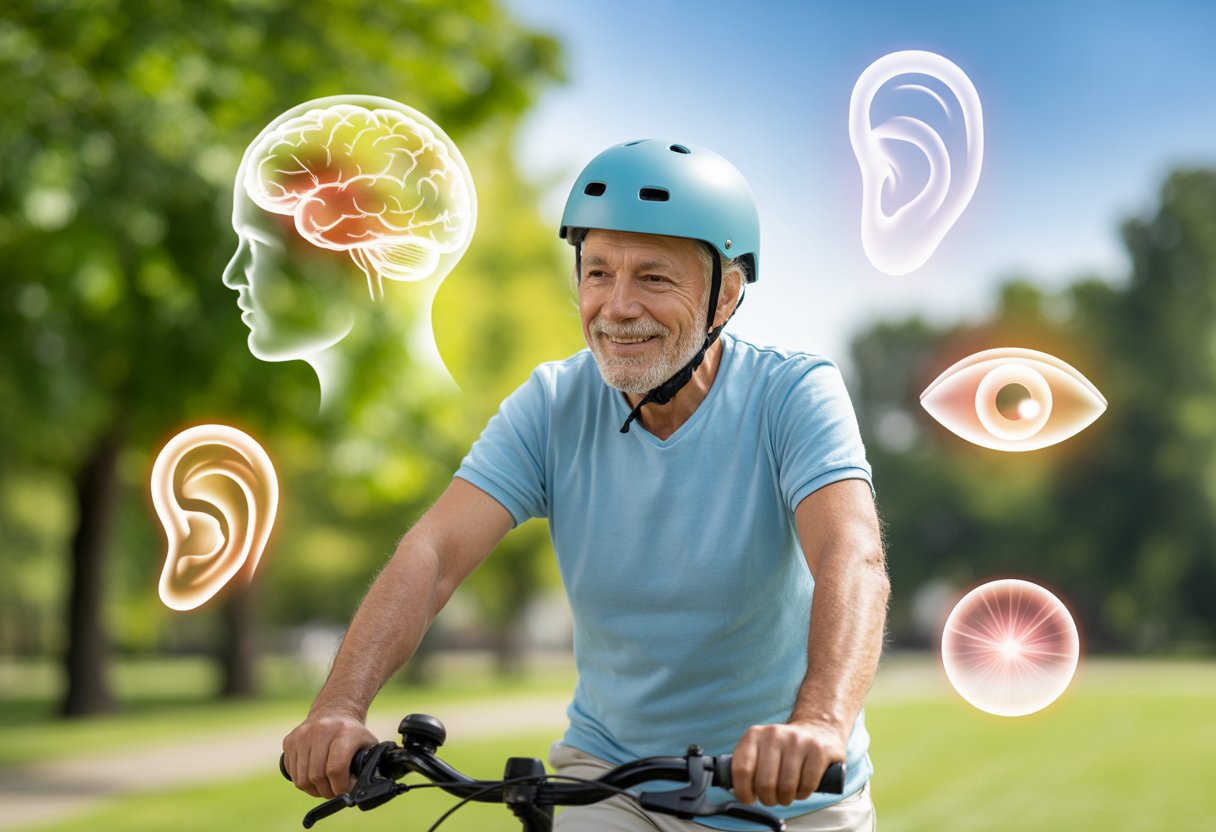
Physical protection of the head and maintaining healthy sensory function play direct roles in preserving brain health. Head injuries can increase dementia risk, while untreated hearing and vision problems create additional cognitive strain.
Preventing Head Injuries
Brain injuries at any age can raise the risk of cognitive decline later in life. Wearing a helmet during activities like biking[8] provides essential protection. Seatbelts should be worn during every car trip, no matter how short the distance.
Older adults face particular risks from falls. Simple home modifications can reduce these dangers. Remove loose rugs and clutter from walkways. Install grab bars in bathrooms near toilets and showers. Ensure stairways have sturdy handrails on both sides.
Good lighting throughout the home helps prevent trips and stumbles. Keep frequently used items within easy reach to avoid standing on chairs or stools. Regular vision checks help identify problems that might increase fall risk.
Athletes and sports enthusiasts need proper protective equipment for their specific activities. This includes helmets for skiing, skating, and contact sports. Following safety guidelines and rules during recreational activities protects against unexpected impacts.
The Impact of Hearing Loss on Cognitive Health
Untreated hearing loss forces the brain to work harder to process sounds and conversations. This extra effort can reduce mental resources available for memory and thinking. Research shows connections between hearing problems and faster cognitive decline.
Hearing aids help reduce this cognitive strain by restoring clearer sound input. Modern devices are smaller and more effective than older models. Many people wait years before getting help for hearing problems, missing opportunities for protection.
Warning signs of hearing loss include:
- Frequently asking people to repeat themselves
- Difficulty following conversations in noisy places
- Turning up television or radio volume
- Trouble hearing high-pitched sounds
Getting a hearing test establishes a baseline and identifies any current issues. Audiologists can recommend appropriate solutions based on individual needs. Regular earwax removal and protecting ears from loud noises also support hearing health.
Managing Vision Changes
Clear vision helps the brain process visual information efficiently. Vision problems force the brain to work harder to interpret what the eyes see. Regular eye exams catch issues like cataracts, glaucoma, and macular degeneration early.
Corrective lenses should match current vision needs. Prescriptions often change over time, requiring updates to glasses or contacts. Proper lighting while reading or doing detailed work reduces eye strain.
Certain nutrients support eye health. Leafy greens, fish high in omega-3 fatty acids, and colorful vegetables provide beneficial compounds. Wearing sunglasses outside protects eyes from UV damage that accumulates over decades.
The Power of Cognitive Training and Mental Stimulation

Cognitive training[9] involves regular mental activities designed to maintain or sharpen brain functions like memory, attention, and problem-solving. Research suggests that keeping the brain active through mental stimulation[10] may enhance attention span, memory, and reasoning abilities while potentially reducing the risk of age-related cognitive decline.
Lifelong Learning and Cognitive Reserve
Cognitive reserve refers to the brain’s ability to maintain function despite age-related changes or damage. People who engage in lifelong learning build up this reserve through years of mental activity.
Learning new subjects or skills creates additional neural pathways in the brain. These pathways act as backup routes when primary connections weaken with age. The more someone challenges their brain throughout life, the more resilient it becomes.
Activities that build cognitive reserve include:
- Taking classes or workshops
- Reading challenging books
- Studying new subjects
- Pursuing advanced education
- Attending lectures or seminars
Research shows that individuals with higher cognitive reserve often experience delayed onset of dementia symptoms. Even when brain changes occur, they may continue functioning normally for longer periods than those with less reserve.
Brain-Boosting Activities and Games
Simple games and puzzles provide accessible ways to exercise the brain daily. Crossword puzzles challenge vocabulary and memory recall. Sudoku strengthens logical thinking and pattern recognition. Jigsaw puzzles improve visual-spatial reasoning and attention to detail.
Brain training exercises may improve specific cognitive skills, though researchers debate whether these improvements transfer to real-world activities. A 2016 study found that training focused on processing speed reduced dementia risk a decade later.
Popular brain-boosting activities:
- Crossword puzzles
- Sudoku
- Jigsaw puzzles
- Memory card games
- Pattern recognition exercises
- Mental math
People should be cautious about claims made by brain training companies. Many apps and games lack scientific testing to prove their effectiveness. Regular engagement in mentally stimulating activities remains beneficial regardless of whether formal brain training programs deliver promised results.
Challenging the Brain with New Skills
Learning completely new skills forces the brain to create fresh neural connections. Learning a new language stands out as one of the most effective cognitive challenges. It engages multiple brain areas simultaneously, including memory, speech, and comprehension centers.
Musical training offers similar benefits. Learning to play an instrument[9] requires coordination, memory, and auditory processing. These complex demands activate diverse brain regions.
Other skill-building activities include drawing maps from memory, learning a new craft, or mastering a sport. The key is choosing activities that feel genuinely challenging and unfamiliar. Tasks that become automatic provide less cognitive benefit than those requiring active concentration and effort.
New skills work best when practiced regularly over extended periods. Brief, intense training sessions typically produce less lasting impact than consistent, long-term engagement.
Social Engagement and Staying Connected
Staying socially connected plays a direct role in maintaining brain function as people age. Regular interaction with others keeps the mind active and helps protect against mental decline.
Benefits of Social Interaction for Brain Health
Social interaction provides multiple ways to support brain health throughout the aging process. When people engage with others, their brains stay active through conversation, problem-solving, and emotional processing.
Research shows that social engagement directly affects brain health[11] through various types of connections. These include digital communications, close relationships, and community involvement. Each type of interaction stimulates different parts of the brain.
People who maintain social connections experience better cognitive health over time. Their brains build resilience through regular mental stimulation that comes from social activities.
The benefits extend beyond basic conversation. Social activities require memory recall, attention, and quick thinking. These mental exercises help keep the brain sharp and responsive.
Preventing Isolation and Its Effects
Social isolation creates serious risks for older adults. People without regular social connections face higher chances of cognitive decline and other health problems.
Studies indicate that social disconnection leads to cognitive decline, disability, and early death[12] in older populations. The effects go beyond brain health to impact overall well-being.
Adults who lack social connections report worse brain health compared to those with active social lives. The isolation can create a cycle where reduced social contact leads to further mental decline.
Loneliness and social isolation increase the risk for heart disease, depression, and cognitive problems[13]. These conditions compound each other and accelerate aging processes in the brain and body.
Activities to Foster Social Connections
Building and maintaining social connections requires regular effort and varied approaches. People can choose from many activities based on their interests and abilities.
In-person activities:
- Joining clubs or hobby groups
- Volunteering in the community
- Attending religious or cultural gatherings
- Taking classes or workshops
- Participating in exercise groups
Digital connections:
- Video calls with family and friends
- Online discussion groups
- Social media interactions
- Virtual book clubs or game nights
Pet ownership offers another way to stay socially connected. Pets provide companionship and often create opportunities to interact with other people during walks or at pet-related activities.
The key is to stay socially connected through regular, meaningful interactions rather than occasional contact. Consistency matters more than the specific type of activity chosen.
Managing Health Conditions That Affect the Brain

Chronic medical problems can speed up mental decline and increase dementia risk. Keeping blood pressure and blood sugar under control, treating sleep disorders, and working with doctors to review medications all help protect brain function.
Controlling Blood Pressure and Diabetes
High blood pressure damages blood vessels in the brain over time. This damage can lead to stroke and memory problems. People should aim for a blood pressure reading below 120/80 mm Hg when possible.
Regular monitoring helps catch problems early. Taking prescribed medications as directed is important. Reducing salt intake and maintaining a healthy weight also help manage high blood pressure[14].
Diabetes affects the brain by damaging small blood vessels and nerves. High blood sugar levels over time increase the risk of dementia and cognitive decline. People can manage diabetes[15] through diet, exercise, and medication.
Checking blood sugar regularly keeps levels in the target range. Eating whole grains, vegetables, and lean proteins helps stabilize blood sugar. Working with a healthcare team to adjust treatment plans ensures the best brain protection.
Addressing Sleep Disorders and Obstructive Sleep Apnea
Obstructive sleep apnea[16] stops breathing during sleep and reduces oxygen to the brain. This condition doubles dementia risk when left untreated. Common signs include loud snoring, gasping during sleep, and daytime tiredness.
A sleep study can diagnose the problem. CPAP machines are the most common treatment. They keep airways open during sleep and restore normal oxygen levels.
Other sleep problems also harm brain health. Sleeping fewer than five hours per night doubles dementia risk. Adults need seven to nine hours of quality sleep for proper brain maintenance. Getting help for insomnia or other sleep troubles protects mental function.
Reviewing Medications with Your Healthcare Provider
Some medications affect memory and thinking skills. Anticholinergic drugs used for allergies, bladder control, and depression can cause confusion in older adults. Taking multiple medications increases the risk of harmful interactions.
Regular medication reviews help identify problems. Doctors can suggest safer alternatives or adjust dosages. Patients should bring all medications, including over-the-counter drugs and supplements, to appointments.
Keeping an updated list of all medications prevents dangerous combinations. This list should include the drug name, dose, and reason for taking it. Sharing this information with all healthcare providers ensures coordinated care and better brain protection.
Lifestyle Habits That Influence Cognitive Health
Smoking, alcohol consumption, and sleep quality directly affect brain function and long-term cognitive health. Making changes to these daily habits can reduce the risk of cognitive decline.
Quit Smoking and Avoid Tobacco Products
Quitting smoking can lower the risk of cognitive decline[8] back to levels similar to those who have never smoked. Tobacco use damages blood vessels throughout the body, including those in the brain. This reduces blood flow and oxygen delivery to brain cells.
Smokers face a higher risk of stroke and vascular dementia compared to non-smokers. The chemicals in tobacco also increase inflammation and oxidative stress in the brain. These processes damage neurons and speed up cognitive aging.
The good news is that it’s never too late to quit. Brain health benefits begin within months of stopping tobacco use. Former smokers show improved memory and cognitive function compared to those who continue smoking.
Limiting Alcohol Consumption
Heavy alcohol consumption damages brain tissue and impairs cognitive function over time. Excessive drinking can lead to memory problems, reduced attention span, and difficulty with problem-solving.
Moderate alcohol intake may have different effects than heavy use. However, limiting alcohol provides clearer benefits for brain health. Heavy drinkers who reduce their consumption often see improvements in cognitive performance.
Alcohol disrupts sleep patterns and interferes with the brain’s ability to form new memories. It also depletes essential nutrients like thiamine that support brain function.
The Importance of Quality Sleep
Good quality sleep is important for brain health[8] because the brain clears out waste products during rest. Poor sleep prevents this cleaning process and allows harmful proteins to accumulate.
Adults need seven to nine hours of sleep per night for optimal brain function. Sleep deprivation impairs attention, decision-making, and memory formation. Chronic sleep problems increase the risk of cognitive decline and dementia.
Creating a comfortable sleep environment helps improve sleep quality. This means keeping the bedroom dark, quiet, and cool. Avoiding screens before bedtime allows the brain to prepare for rest naturally.
Sleep disorders like sleep apnea require medical attention. Untreated sleep apnea reduces oxygen flow to the brain during sleep, which damages brain tissue over time.
Proactive Steps for Long-Term Brain Health
Taking deliberate action to protect your brain requires consistent monitoring and personalized planning. Working with healthcare providers and tracking cognitive changes helps people catch potential problems early and adjust their approach as needed.
Regular Check-Ups and Screenings
Annual physical exams provide opportunities to address risk factors that affect brain health. Blood pressure monitoring, cholesterol checks, and blood sugar tests help identify conditions that can damage the brain over time.
Healthcare providers can screen for cognitive changes during routine visits. These screenings involve simple questions and tasks that measure memory, attention, and problem-solving abilities. Early detection allows for timely intervention.
People with diabetes, heart disease, or high blood pressure need more frequent monitoring. These conditions directly impact blood flow to the brain and increase dementia risk when left unmanaged.
Vision and hearing tests also matter for brain health. Untreated sensory impairments force the brain to work harder and may contribute to cognitive decline. Correcting these issues with glasses or hearing aids reduces unnecessary strain.
Monitoring Changes in Memory or Cognition
Normal aging causes some memory changes, like occasionally forgetting names or misplacing items. More serious warning signs include getting lost in familiar places, difficulty managing finances, or repeatedly asking the same questions.
Keeping a journal of cognitive experiences helps people track patterns. Writing down instances of forgetfulness or confusion creates a record to share with doctors. Family members often notice changes before the person experiencing them does.
Anyone noticing persistent memory problems should schedule an evaluation. Cognitive decline is not a normal part of aging and may signal conditions that require treatment. Early assessment leads to better outcomes.
Some medications cause confusion or memory problems as side effects. Reviewing all prescriptions and supplements with a pharmacist or doctor can identify drugs that might affect cognition.
Building a Personalized Brain Health Plan
A brain health plan combines multiple strategies based on individual needs and preferences. Protecting your brain health[8] involves addressing physical activity, mental stimulation, social connections, diet, and medical conditions.
Key components to include:
- Physical activity goals tailored to current fitness level
- Mental challenges like learning new skills or hobbies
- Social activities that provide regular interaction with others
- Dietary changes emphasizing vegetables and whole foods
- Sleep targets of 7-9 hours per night
People should reassess their plans every few months and adjust based on what works. A plan that feels overwhelming or unrealistic won’t last. Starting with one or two changes and gradually adding more creates sustainable habits.
Healthcare providers can help develop plans that address specific risk factors. Someone with high blood pressure needs different priorities than someone managing diabetes or recovering from a head injury.
Frequently Asked Questions
Brain health depends on specific daily actions like getting 150 minutes of weekly exercise and eating whole foods while limiting alcohol to less than seven drinks per week. Understanding what’s normal aging versus warning signs helps people take action at the right time.
What are the most effective daily habits for maintaining brain health with age?
Regular physical activity stands out as the single most important habit for protecting the brain. People should aim for 150 minutes of moderate-intensity aerobic exercise each week plus two strength training sessions lasting 20 to 45 minutes each.
Getting seven to nine hours of sleep each night allows the brain’s glymphatic system to clear out waste products, including amyloid plaques linked to cognitive decline. Quality sleep directly impacts the brain’s ability to maintain healthy function.
Challenging the brain through learning activities builds cognitive resilience. This means taking on new skills like learning an instrument or language rather than just staying mentally busy on autopilot.
Social connection matters too. Spending regular time with friends and family provides mental stimulation through conversations and activities while also supporting mood.
Which nutrients and foods best support long-term cognitive function?
The Mediterranean and MIND diets show the strongest evidence[1] for protecting brain health. These eating patterns focus on vegetables, fruits, whole grains, beans, and fish.
Green leafy vegetables appear especially beneficial for cognitive function. The MIND diet specifically emphasizes foods like berries, leafy greens, and nuts while limiting red meat, sweets, cheese, and butter.
Ultra-processed foods likely harm brain health. Studies connecting high consumption of these foods to cognitive decline suggest people should focus on whole, minimally processed options instead.
The key is eating mostly plant-based whole foods rather than relying on supplements or specific “brain foods” that lack scientific support.
What types of exercise are most beneficial for memory and overall brain performance?
Both aerobic exercise and resistance training create physical and chemical changes that support brain health. Moderate-intensity aerobic activity protects the hippocampus, the brain region most involved in memory.
Regular aerobic exercise helps reduce the buildup of tau proteins and amyloid plaques in people with cognitive decline. This means activities like brisk walking, cycling, or swimming provide measurable brain benefits.
High-intensity interval training offers additional advantages for people who are healthy enough to do it safely. Anyone considering more intense exercise should check with their doctor first.
The combination of cardio and strength work provides the most complete protection. Each type of exercise supports different aspects of brain function and structure.
What are the early signs of age-related cognitive decline versus normal forgetfulness?
Occasional memory lapses like misplacing keys or forgetting a word fall within normal aging. These minor incidents don’t typically interfere with daily life or routine tasks.
Memory changes that disrupt everyday activities[17] signal something more serious. This includes difficulty completing familiar tasks, confusion about time or place, or trouble following conversations.
Many women experience brain fog, memory lapses, or word-finding difficulties during menopause due to dropping estrogen levels. These symptoms often improve as the body adjusts to hormonal changes.
Depression and insomnia can also impact cognition and memory. These conditions affect brain function but don’t necessarily indicate dementia.
How do sleep quality and stress levels affect brain aging and memory?
The brain filters out waste products during sleep, including proteins that contribute to cognitive decline. Not getting enough sleep may allow harmful buildup of amyloid plaque, raising the risk of memory problems.
Chronic stress particularly strains the brain’s memory system. While stress isn’t a direct risk factor like smoking or heavy drinking, people who experience ongoing stress show worse brain health outcomes in both the short and long term.
Managing stress through exercise and mindfulness meditation gives the brain a break from harmful stress responses. Even five minutes of daily meditation practice can help.
Sleep quality and stress interact with each other. Poor sleep increases stress, while high stress makes quality sleep harder to achieve.
What changes commonly occur in the brain in the 70s, and which ones are considered normal?
The brain naturally experiences some changes with advanced age. Processing speed may slow down, and it might take longer to learn new information or recall names.
Some mild forgetfulness represents typical aging. This includes occasionally losing items, missing appointments, or taking longer to remember familiar words.
Normal aging doesn’t prevent people from living independently or managing their daily responsibilities. When cognitive changes start limiting self-care, financial management, or safety, they’ve moved beyond normal aging.
The brain remains capable of forming new neural pathways throughout life. This means brain health can improve[18] at any age through lifestyle changes and mentally stimulating activities.
Post Views: 4
References
- 7 Ways to Protect Your Brain Health as You Age. https://www.self.com/story/how-to-protect-brain-health-as-you-age Accessed April 4, 2026
- 14 Risk Factors That May Help Prevent or Delay Dementia. https://www.aarp.org/health/healthy-living/dementia-risk-factors/ Accessed April 4, 2026
- 7 Strategies to Lower Your Risk for Dementia | News. https://www.yalemedicine.org/news/7-strategies-to-lower-your-risk-for-dementia Accessed April 4, 2026
- Best Diets for Brain Performance: 2026 Guide. https://neurosity.co/guides/best-diets-brain-performance-evidence-based Accessed April 4, 2026
- How To Follow the MIND Diet. https://health.clevelandclinic.org/mind-diet-boost-memory Accessed April 4, 2026
- Neuroprotective Foods: What Should You Eat for a Healthier Brain?. https://lonestarneurology.net/others/neuroprotective-foods-what-should-you-eat-for-a-healthier-brain/ Accessed April 4, 2026
- How Exercise Improves Your Brain’s Health. https://health.clevelandclinic.org/exercise-and-brain-health Accessed April 4, 2026
- 10 Healthy Habits for Your Brain. https://www.alz.org/help-support/brain_health/10-healthy-habits-for-your-brain Accessed April 4, 2026
- Cognitive training. https://www.verywellmind.com/cognitive-training-long-term-improvement-2795014 Accessed April 4, 2026
- How to Increase Your Brainpower With Mental Stimulation. https://drruscio.com/mental-stimulation/ Accessed April 4, 2026
- Social Engagement’s Role In Brain Health. https://www.aarp.org/health/brain-health/global-council-on-brain-health/social-engagement-and-brain-health/ Accessed April 4, 2026
- Staying connected: social ties can protect ageing brains. https://www.unsw.edu.au/newsroom/news/2025/11/staying-connected-social-ties-can-protect-ageing-brains Accessed April 4, 2026
- How (and why) to stay social as you age. https://www.uclahealth.org/news/article/how-and-why-stay-social-you-age Accessed April 4, 2026
- The 6 Pillars of Brain Health. https://health.clevelandclinic.org/brain-health Accessed April 4, 2026
- Attention Required!. https://www.hopkinsmedicine.org/health/wellness-and-prevention/memory-5-ways-to-protect-your-brain-health Accessed April 4, 2026
- Just a moment…. https://www.browardhealth.org/blogs/7-ways-to-maintain-your-brain Accessed April 4, 2026
- Mind over age: How to keep your brain healthy. https://www.uab.edu/medicine/news/neurology/mind-over-age-how-to-keep-your-brain-healthy Accessed April 4, 2026
- 7 ways to support your brain and body in older adulthood. https://www.peacehealth.org/healthy-you/7-ways-support-your-brain-and-body-older-adulthood Accessed April 4, 2026

















