Medically Reviewed
Dr. Jose Rossello, MD, PhD, MHCM
Preventive Medicine & Public Health Specialist
Last Reviewed: March 26, 2026
Getting enough quality sleep does more than make you feel refreshed. When you sleep 7-9 hours each night, your skin repairs itself by boosting collagen production, increasing blood flow, and speeding up cell turnover. This natural process helps reduce wrinkles, clear up breakouts, and create a healthy glow that no cream can fully replicate.

Poor sleep shows up on your face fast. Dark circles, puffiness, and dull skin are just the start. Not getting enough rest raises stress hormones that break down collagen and trigger inflammation. Over time, this speeds up aging and makes skin problems worse.
The good news is that improving sleep quality can transform your skin[1]. Simple changes to your sleep habits, bedroom setup, and nighttime routine can help your skin look its best. Understanding how sleep and skin health connect makes it easier to create a plan that works.
Table of Contents
Key Takeaways
- Quality sleep allows skin to repair itself through increased collagen production and better blood flow
- Sleep deprivation causes visible aging signs like wrinkles, dark circles, and breakouts
- Creating good sleep habits and optimizing your bedroom environment supports healthier skin
The Science Behind Beauty Sleep
The body runs specific repair processes during sleep that directly affect skin appearance and health. Growth hormone stimulates collagen production[2], stress hormones drop to protect existing skin structure, and blood flow increases to deliver nutrients to skin cells.
How Sleep Impacts Skin Cell Repair
During quality sleep, the body increases blood flow to the skin, delivering oxygen and nutrients that cells need for repair. This process allows damaged cells to recover from daily exposure to UV light, pollution, and other environmental stressors.
Cell repair activity peaks between 9 PM and midnight. The skin barrier rebuilds its protective lipid layer during these early sleep hours, restoring moisture levels and reducing water loss. Melatonin acts as a powerful antioxidant that neutralizes free radical damage accumulated throughout the day.
When sleep gets interrupted or cut short, each of these repair mechanisms suffers. A study at University Hospitals Case Medical Center found that poor sleepers[2] showed faster skin aging and slower recovery from UV exposure compared to good sleepers of the same age.
Circadian Rhythms and Skin Health
Skin cells operate on their own internal clock that regulates when they turn over and repair themselves. This circadian rhythm runs independently of how tired someone feels, which means irregular sleep schedules disrupt skin health even if total sleep hours seem adequate.
The timing of sleep matters as much as duration. Sleeping at consistent hours supports the skin’s natural repair cycle and helps maintain a radiant complexion. Bright light exposure at night or inconsistent bedtimes suppresses melatonin production and reduces sleep depth.
The skin becomes more permeable during nighttime hours, making it the most effective window for absorbing skincare products. This increased permeability works alongside the body’s natural repair processes.
Collagen Production During Sleep
Growth hormone secretion happens primarily during deep slow-wave sleep, which typically occurs in the first half of the night. This hormone directly stimulates collagen production and accelerates the rate at which new skin cells form.
At the same time, cortisol levels drop to their lowest point during sleep. This matters because elevated cortisol actively breaks down the collagen matrix in skin. Poor sleep keeps cortisol elevated overnight while reducing growth hormone output.
Research published in Clinical and Experimental Dermatology found that poor sleepers showed more signs of aging[2], including fine lines and reduced elasticity, compared to good sleepers. The combination of less collagen production and more collagen breakdown explains why sleep deprivation accelerates visible aging. Beauty sleep provides the biological environment where collagen synthesis occurs most effectively.
How Sleep Quality Shapes Skin Appearance
During sleep, the skin shifts into repair mode with increased blood flow and cellular activity. The depth and quality of sleep directly determine how effectively the skin can complete these overnight processes.
Skin Benefits of Deep and REM Sleep
Deep sleep triggers the body’s repair mechanisms. During this stage, growth hormone levels rise, which helps repair damaged cells and build new tissue. The skin produces more collagen during these hours, strengthening its structure and reducing the formation of fine lines.
REM sleep supports the skin differently. This stage involves increased brain activity and blood circulation throughout the body. Enhanced blood flow delivers more oxygen and nutrients to skin cells. The skin’s circadian rhythm uses light cues[3] to switch between defense mode during the day and rejuvenation mode at night.
When someone consistently gets both deep and REM sleep, their skin shows visible improvements. The complexion appears brighter and more even-toned. Inflammation decreases throughout the body, which can reduce redness and puffiness in the face.
Visible Signs of Restorative Sleep
Quality sleep produces noticeable changes in how skin looks and feels. After a good night’s rest, the skin typically appears plumper and more hydrated. The face looks less puffy, particularly around the eyes.
Poor sleep creates opposite effects. A lack of sleep can lead to inflammation and cell damage[4], making the complexion look dull and tired. Dark circles form under the eyes when blood vessels dilate due to inadequate rest. The skin may feel rough or uneven to the touch.
People who maintain consistent sleep schedules often notice their skin bounces back faster from irritation. Their natural glow returns more quickly after stress or environmental exposure. The skin barrier functions better, protecting against external aggressors more effectively.
Transepidermal Water Loss During the Night
The skin loses water continuously through its surface in a process called transepidermal water loss. This process speeds up at night when the skin becomes more permeable. While increased permeability helps products penetrate deeper, it also means moisture escapes faster.
Sleep quality affects how well the skin manages this water loss. During restorative sleep, the skin works to rebuild its protective barrier using natural lipids and proteins. A stronger barrier reduces excessive water loss and keeps skin hydrated.
Poor sleep disrupts this balance. The skin struggles to maintain adequate hydration levels when repair processes are interrupted. This explains why people often wake with tight, dehydrated skin after sleeping poorly. Using hydrating products before bed helps compensate for nighttime moisture loss by creating an additional protective layer.
What Happens to Skin During Sleep
Your skin shifts into repair mode at night, working to undo daily damage through increased cell turnover, hormone production, and enhanced blood flow. These overnight processes help maintain healthy skin barrier function and support long-term skin health.
Cellular Regeneration and DNA Repair
During sleep, skin cell turnover accelerates dramatically compared to daytime hours. Old, damaged cells shed more rapidly while new cells move to the surface to replace them. This process peaks during deep sleep stages when the body prioritizes tissue repair.
The skin also works to fix DNA damage accumulated from UV exposure and environmental stressors during waking hours. Cell division rates can increase by up to three times at night compared to midday levels. This accelerated renewal helps maintain skin texture and appearance over time.
Without adequate sleep, this regeneration process slows down. The skin struggles to repair itself effectively, leading to a buildup of damaged cells that can affect skin tone and texture.
Hormone Release and Barrier Restoration
Growth hormone release peaks during deep sleep, stimulating collagen production and tissue repair. This hormone plays a key role in maintaining skin structure and firmness. When sleep is cut short, growth hormone production drops[5], reducing the skin’s ability to rebuild collagen.
Cortisol levels naturally fall at night, which reduces inflammation and allows the skin barrier to recover. The barrier repairs itself more efficiently during nighttime hours, particularly in people with consistent sleep schedules.
Key nighttime processes include:
- Increased production of ceramides and other lipids
- Enhanced moisture retention
- Reduced transepidermal water loss
- Improved barrier integrity
Melatonin also rises during sleep, acting as an antioxidant that protects skin cells from oxidative stress.
Blood Circulation and Nutrient Delivery
Blood flow to the skin increases significantly during sleep, delivering oxygen and essential nutrients to skin cells. This enhanced circulation supports the repair processes happening throughout the night.
The increased blood flow also helps remove toxins and metabolic waste products from skin tissue. Better circulation contributes to skin radiance and a healthier complexion upon waking.
Temperature regulation plays a role too. The skin conducts natural repairing activity[6] that depends on proper blood flow and nutrient availability. When sleep is disrupted, circulation patterns change, potentially leaving skin looking dull or pale the next day.
Consequences of Sleep Deprivation for Skin
Not getting enough sleep triggers visible changes in the skin that go beyond simple tiredness. The skin loses its ability to repair itself properly, leading to a breakdown in normal protective functions and accelerated damage.
Dark Circles and Puffy Eyes
Poor sleep causes blood vessels under the thin skin around the eyes to dilate, creating the dark appearance many people recognize as tired-looking eyes. The delicate skin in this area makes these blood vessels more visible than in other parts of the face.
Fluid retention increases when sleep is insufficient. This fluid accumulates in the tissues around the eyes, creating puffiness and swelling that becomes especially noticeable in the morning. The lymphatic system, which normally drains excess fluid during rest, works less efficiently without adequate sleep.
Inflammation throughout the body increases with sleep loss. This inflammatory response contributes to both the dark coloring and the swelling around the eyes. The combination of dilated blood vessels, fluid buildup, and inflammation creates the classic appearance of sleep-deprived eyes that no amount of concealer fully hides.
Dullness and Loss of Radiance
Sleep deprivation weakens the skin barrier, which normally keeps moisture in and irritants out. Poor sleep makes this barrier weaker[7], leaving skin dry, sensitive, and prone to irritation.
Blood flow to the skin decreases without proper rest. This reduced circulation means less oxygen and fewer nutrients reach skin cells, resulting in a pale, lackluster complexion. The natural glow that comes from healthy circulation simply disappears.
The skin’s pH balance shifts when sleep is disrupted. This imbalance affects how well the skin can retain moisture and maintain its protective functions. Dead skin cells also build up more quickly on the surface without adequate sleep, creating a dull, rough texture that blocks the skin’s natural radiance.
Accelerated Aging and Wrinkle Formation
Sleep deprivation accelerates skin aging[8] as an extrinsic factor alongside sun exposure and pollution. Studies show that good sleepers have significantly better skin aging scores and improved recovery from UV exposure compared to those who sleep poorly.
The body produces less collagen when sleep is insufficient. Collagen gives skin its firmness and elasticity, so reduced production leads to sagging and fine lines. The skin also struggles to prevent wrinkles from forming without the nightly repair processes that occur during deep sleep.
Cortisol levels rise with sleep deprivation. This stress hormone breaks down collagen and elastin fibers in the skin, making existing wrinkles deeper and new ones more likely to form. The skin loses its ability to bounce back from daily stresses, and damage accumulates faster than the body can repair it.
Building a Sleep Routine for Healthy Skin
Your body repairs skin damage most effectively during sleep, but only when you maintain regular habits that support this natural process. Going to bed at the same time each night[9] helps reinforce circadian rhythms that control everything from hormone production to cellular repair.
Creating a Consistent Sleep Schedule
A consistent sleep schedule matters more than most people realize. Research shows that sleep regularity is the most important predictor of long-term health, even more than sleep duration or quality.
When someone goes to bed at roughly the same time each night, their body can better move through deeper sleep stages where restoration happens. The skin relies on this rhythm to optimize overnight repair processes.
Benefits of sleep consistency:
- Reinforces hormone production patterns
- Improves cellular repair efficiency
- Reduces morning puffiness and fatigue
- Supports collagen production
People don’t need to be perfect about their bedtime. Aiming for a predictable window within 30 minutes each night will improve how rested their face looks the next morning.
Pre-Bedtime Wind Down Strategies
The hour before bed sets the stage for quality sleep and skin repair. Stress and tension carried from the day can interfere with both.
Gentle neck and shoulder stretches release built-up tightness that many people accumulate from looking down at phones and laptops. This tension can influence facial muscles, particularly the jaw, which affects facial structure over time.
A 10-minute meditation session calms the nervous system and reduces stress signals that keep the body alert. When cortisol levels stay elevated at night, it makes falling asleep harder and can lead to collagen decline and wrinkle formation[9].
Limiting Blue Light Exposure at Night
Blue light from screens suppresses melatonin, the hormone that signals the body to wind down. When melatonin release gets delayed, sleep becomes lighter and more fragmented.
This affects more than just sleep quality. Melatonin actually helps repair skin cells and reduce inflammation[9], so suppressing it interferes with overnight skin repair.
People who can’t fully unplug should switch devices to night mode or enable blue-light filtering settings past 9 p.m. This small adjustment makes it easier for the brain to transition into sleep mode, which means better chances of waking up looking rested rather than puffy.
Optimizing Your Sleep Environment
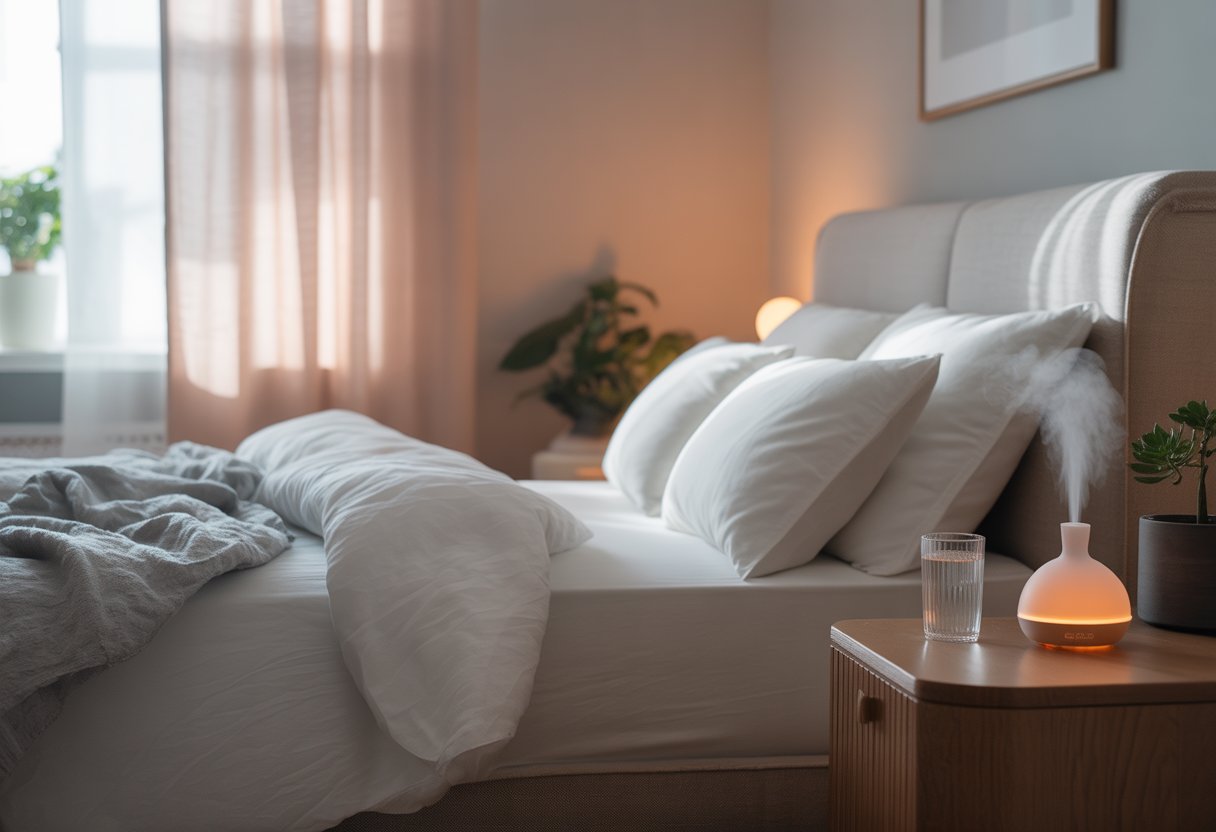
The bedroom setup plays a direct role in both sleep quality and skin health. Small changes to temperature, lighting, bedding materials, and air quality can create conditions that support better rest and overnight skin repair.
Room Temperature and Darkness
The ideal bedroom temperature for sleep falls between 60 and 67 degrees Fahrenheit. Cooler temperatures help the body maintain its natural sleep cycle and prevent excessive sweating that can clog pores or irritate skin.
Complete darkness is equally important for skin repair. Light exposure at night can interfere with the skin’s circadian rhythm[3], reducing its ability to repair damage from the day. During darkness, the body produces more melatonin, which supports cellular repair processes in the skin.
Blackout curtains or a sleep mask can block external light sources. Even small amounts of light from electronics can disrupt sleep patterns. Covering or removing devices that emit light helps maintain a truly dark sleep environment.
Choosing the Right Bedding
Pillowcase material affects skin health during sleep. Cotton pillowcases can absorb moisture from the skin and create friction that leads to sleep lines and irritation.
A silk pillowcase reduces friction against the skin compared to cotton. The smooth surface of silk pillowcases helps prevent tugging on delicate facial skin throughout the night. Silk also retains less moisture than cotton, allowing skin care products to stay on the face rather than being absorbed into the fabric.
A satin pillowcase offers similar benefits at a lower price point. Both silk and satin options help reduce pressure marks and creases that can form on the face during sleep. These materials also create less friction on hair, which can indirectly benefit facial skin by reducing the transfer of hair products and oils.
Reducing Noise and Allergens
Unwanted sounds can fragment sleep and prevent the deep rest needed for skin repair. White noise machines or fans can mask disruptive noises from traffic, neighbors, or household sounds. Earplugs offer another simple solution for blocking sound.
Allergens in the bedroom trigger inflammation that shows up on the skin. Dust mites, pet dander, and pollen can cause breakouts, redness, and irritation. Washing bedding weekly in hot water eliminates most allergens.
An air purifier with a HEPA filter removes airborne particles that settle on skin during sleep. Keeping pets out of the bedroom reduces dander exposure. Hypoallergenic pillow and mattress covers create a barrier against dust mites while maintaining proper sleep hygiene[10] practices.
The Role of Nighttime Skincare
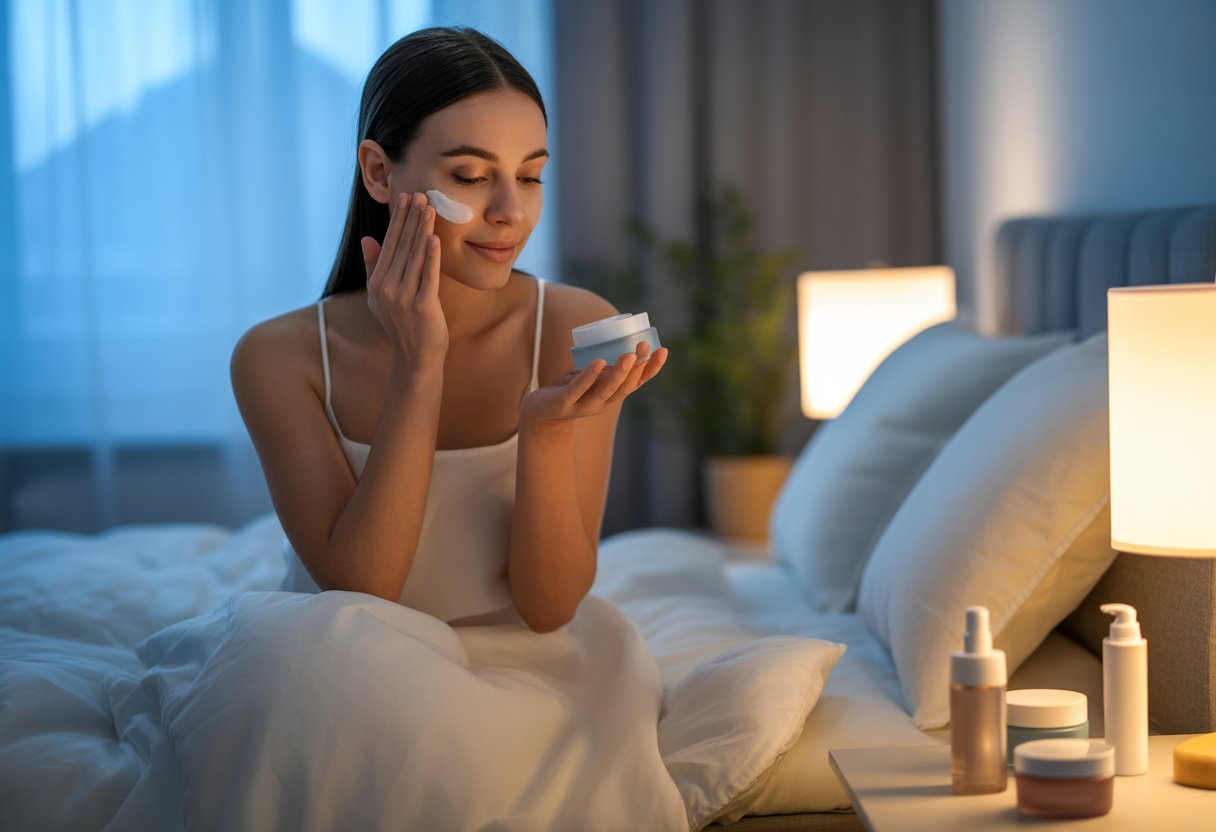
Your skin enters repair mode while you sleep, making nighttime skincare essential for supporting natural healing processes. The right products applied before bed can boost hydration, support cell turnover, and strengthen the skin barrier.
Gentle Cleansing Before Bed
Washing your face before bed removes makeup, dirt, and pollution that accumulate throughout the day. A gentle cleanser effectively removes these impurities without stripping the skin of its natural oils.
Double cleansing provides the most thorough results[11]. The first step uses an oil-based cleanser to dissolve makeup and sunscreen. The second step uses a water-based gentle cleanser suited to your skin type.
People with oily or acne-prone skin may benefit from cleansers containing salicylic acid. Those with dry or sensitive skin should look for creamy, hydrating formulas. Clean skin allows the products applied afterward to penetrate more effectively.
Hydrating With Moisturizers
Moisturizers lock in hydration and prevent water loss during sleep. The skin loses more moisture at night, so applying a moisturizer creates a protective barrier.
Key moisturizing ingredients to look for:
- Ceramides: Strengthen the skin barrier and prevent moisture loss
- Hyaluronic acid: Draws water into the skin and plumps fine lines
- Squalane: Seals in hydration without feeling heavy
Night creams tend to be richer than daytime formulas. They contain higher concentrations of nourishing ingredients that work while the body rests. People with very dry skin can layer a face oil over their moisturizer for extra protection.
Key Nighttime Ingredients for Skin Repair
The skin becomes more permeable at night[12], allowing it to absorb active ingredients more effectively. This makes evening the ideal time to apply treatments that support repair and renewal.
Most effective nighttime ingredients:
| Ingredient | Benefit |
|---|---|
| Retinoids | Boost collagen production and speed cell turnover |
| Peptides | Support skin elasticity and firmness |
| Vitamin C | Brightens skin and fights free radical damage |
| Niacinamide | Calms redness and strengthens the barrier |
Retinoids remain the gold standard for anti-aging. They help reduce fine lines, even skin tone, and improve texture. Beginners should start with a low concentration and gradually increase frequency to avoid irritation.
Peptides work well for those with sensitive skin who cannot tolerate retinoids. These amino acid chains signal the skin to produce more collagen. Vitamin C works as a powerful antioxidant that protects against environmental damage while brightening the complexion.
Aligning Sleep and Skincare Routines
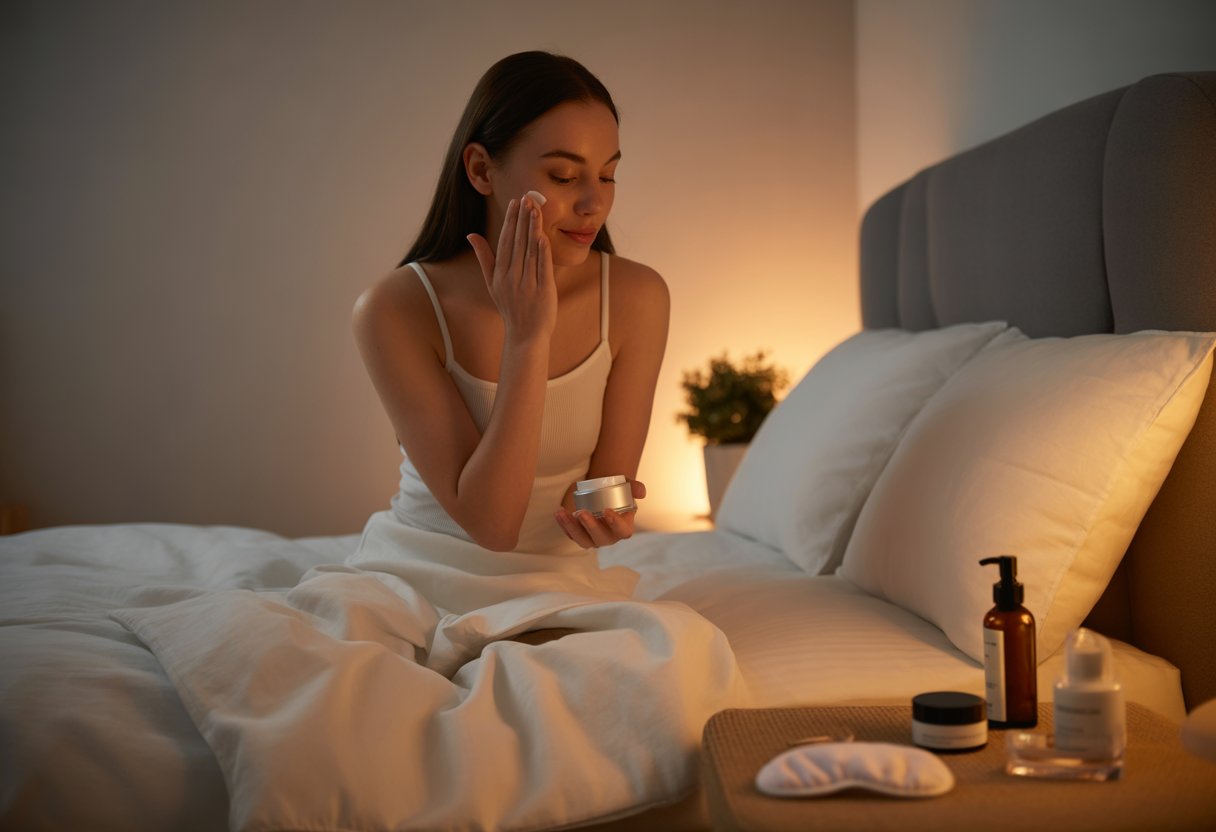
The skin operates on a 24-hour cycle, shifting between protective functions during the day and repair functions at night. Proper timing of skincare application and choosing products that support this natural rhythm can significantly enhance results.
Timing Application for Maximum Efficacy
The skin’s permeability increases at night, which means it absorbs products more effectively during evening hours. Research shows that cell renewal peaks between 10 PM and 2 AM[13], making this the ideal window for active ingredients to work.
Applying nighttime skincare products around 9 PM allows them to fully absorb before the body enters its deepest repair phase. Active ingredients like retinol, peptides, and hyaluronic acid work best during this time because the skin is primed for regeneration rather than defense.
Key timing guidelines:
- Apply heavy repair serums 1-2 hours before bed
- Use lighter moisturizers immediately before sleep
- Avoid applying new products right at bedtime when absorption rates are changing
The skin also loses more water at night through a process called transepidermal water loss. Using occlusive ingredients like ceramides in the evening helps lock in moisture while the skin naturally becomes more permeable.
Supporting Circadian Rhythms With Skincare
Different ingredients align better with the skin’s natural day and night cycles. Morning routines should focus on protection with antioxidants and SPF, while evening routines should emphasize repair and hydration.
Topical melatonin has become a popular ingredient in nighttime skincare routines[11] because it acts as an antioxidant that neutralizes daytime damage. It doesn’t cause drowsiness but works with the skin’s natural repair processes.
Day vs. night ingredient focuses:
| Time | Skin Mode | Best Ingredients |
|---|---|---|
| Morning | Protection | Vitamin C, SPF, antioxidants |
| Evening | Repair | Retinol, peptides, ceramides |
Beauty sleep is real[9] because the body produces growth hormones during deep sleep that support skin cell regeneration. Matching skincare choices to these biological processes creates better conditions for the skin to heal and renew itself naturally.
The Impact of Sleep Position on Your Skin

The way a person positions their body during sleep directly affects how their skin ages over time. Different sleeping positions can cause wrinkles, acne, and puffiness[14] due to constant pressure and contact with the pillow.
Best Positions to Prevent Wrinkles
Sleeping on the back is the top choice for maintaining youthful skin. This position keeps the face away from the pillow, eliminating friction and pressure that create sleep lines.
Side sleeping can lead to wrinkles[15] on the face and décolletage from skin rubbing against the pillow. The shearing forces created by this movement accelerate aging when repeated night after night over many years.
Stomach sleeping poses the worst risk for skin health. When the face presses into a pillow for hours, it causes cyclical swelling and reinforces frown lines around the eyes and lips. This position creates permanent fine lines and creases on the forehead and increases puffiness around the eyes.
Elevating the head 20 to 30 degrees while back sleeping helps prevent fluid buildup that causes morning puffiness. A body pillow can help people who naturally roll onto their side or stomach stay in the back position throughout the night.
Bedding Materials for Skin Health
The type of pillowcase a person uses makes a real difference in preventing skin damage during sleep. Standard cotton pillowcases create more friction against the skin as someone moves during the night.
A silk pillowcase reduces skin chafing[15] for side sleepers by allowing the skin to glide smoothly across the surface. Satin pillowcases offer similar benefits at a lower price point. Both materials minimize the negative effects of side sleeping by reducing the friction that creates wrinkles.
These smoother fabrics also help keep skincare products on the face instead of absorbing them like cotton does. They stay cooler throughout the night, which can reduce inflammation and irritation for sensitive skin types.
How Sleep Disorders Affect Skin Health
Sleep disorders create specific problems for skin through disrupted repair processes and increased inflammation. These conditions require medical attention to protect both sleep quality and skin appearance.
Recognizing Sleep Disorders
Sleep disorders go beyond occasional restlessness and create measurable damage to skin health. Insomnia, sleep apnea, and circadian rhythm disorders all interrupt the body’s natural repair cycle.
People with obstructive sleep apnea often show visible signs on their skin. The repeated drops in oxygen levels during sleep increase inflammation throughout the body. Stress and sleep disorders directly impact skin appearance[16] through multiple pathways.
Common signs that point to a sleep disorder include:
- Waking up frequently during the night
- Loud snoring or gasping for air
- Extreme daytime fatigue despite spending enough time in bed
- Difficulty falling asleep that lasts for weeks
- Falling asleep at inappropriate times
Skin conditions like rosacea, hidradenitis suppurativa, and psoriasis show higher rates of sleep disorders among patients. The relationship works both ways—poor sleep worsens these conditions, while the conditions themselves disrupt sleep through itching and discomfort.
Seeking Professional Help for Better Sleep and Skin
A sleep specialist can identify underlying disorders that damage skin health. They use sleep studies and other tests to find the root cause of sleep problems.
Treatment options vary based on the specific disorder. CPAP machines help people with sleep apnea breathe properly during sleep. Cognitive behavioral therapy addresses insomnia without medication. Light therapy can reset circadian rhythms for shift workers.
Medical treatment for sleep disorders often leads to noticeable skin improvements within weeks. Studies show that good sleepers have better skin aging scores[8] and recover faster from UV damage than poor sleepers.
Dermatologists and sleep doctors can work together on treatment plans. This team approach addresses both the skin symptoms and sleep problems at the same time. Patients who treat their sleep disorders often see reduced inflammation, better wound healing, and improved skin barrier function.
Frequently Asked Questions
Sleep affects skin through multiple pathways, from the position someone sleeps in to the hormones released during rest. The right bedroom conditions, timing, and pre-bed habits all play distinct roles in how skin repairs and regenerates overnight.
What are the optimal sleeping conditions for improving skin health?
The bedroom environment should support uninterrupted, deep sleep for maximum skin benefits. Temperature matters more than most people realize—the ideal range sits between 60 and 67 degrees Fahrenheit because cooler temperatures help the body maintain proper sleep cycles.
Darkness is equally important for skin repair. Even small amounts of light can disrupt melatonin production, which helps repair skin cells and reduce inflammation[9]. Complete darkness signals the body to produce optimal levels of this hormone.
Humidity levels between 30 and 50 percent prevent the skin from drying out overnight. Air that’s too dry increases transepidermal water loss, leaving skin dehydrated by morning.
Can certain sleep positions affect skin quality and how?
Sleep position directly impacts how the face ages over time. Sleeping on the stomach or side presses the face into the pillow for hours, creating compression that can lead to permanent sleep lines and wrinkles.
The fabric matters too. Cotton and linen pillowcases absorb skin care products and natural oils from the face while creating friction against the skin. Silk or satin pillowcases reduce this friction and help retain moisture in the skin throughout the night.
Back sleeping eliminates facial compression entirely. This position allows the face to remain neutral without any pressure points that could contribute to creasing or sagging over time.
What is the relationship between sleep duration and skin rejuvenation?
The skin completes most of its repair work during deep sleep stages, which occur in longer sleep cycles. Getting less than seven hours of sleep limits the time available for cellular repair and collagen production.
Research shows that sleeping only four hours per night leads to twice as many wrinkles compared to getting a full eight hours. The skin needs adequate time to complete its natural restoration processes.
However, sleep regularity matters more than duration alone[9]. Going to bed at consistent times helps the body establish predictable repair cycles, making those hours more effective for skin health.
How do sleep-related hormones impact skin appearance?
Melatonin rises in the evening to prepare the body for sleep. This hormone doesn’t just regulate sleep timing—it also acts as an antioxidant that protects skin cells from damage and supports repair mechanisms.
Growth hormone peaks during deep sleep, typically in the first few hours after falling asleep. This hormone stimulates cell regeneration and collagen synthesis, which keeps skin firm and reduces fine lines.
Cortisol naturally drops at night when sleep quality is good. When sleep is poor or insufficient, cortisol remains elevated and breaks down collagen, leading to faster skin aging and increased inflammation.
Are there specific skincare routines recommended before bedtime to enhance skin health?
A basic nighttime routine requires just two steps: cleansing and moisturizing. Washing the face removes sunscreen, makeup, pollution, and excess oil that accumulated during the day, preventing congestion and inflammation.
Following cleansing with a hydrating product containing ingredients like glycerin, hyaluronic acid, or ceramides helps counteract overnight water loss. The skin naturally loses moisture while sleeping, so hydration before bed maintains plumpness.
For enhanced results, serums containing retinoids, peptides, or antioxidants can be applied after cleansing and before moisturizing. These ingredients work with the skin’s natural repair processes during sleep. Adding a facial oil as the final step creates a barrier that locks in moisture and active ingredients.
How does diet and hydration before bed influence skin condition overnight?
Drinking enough water throughout the day maintains skin hydration levels, but drinking large amounts right before bed can disrupt sleep with bathroom trips. The best approach involves consistent hydration during waking hours rather than front-loading fluids at bedtime.
Foods high in sugar or refined carbohydrates eaten close to bedtime can spike insulin and promote inflammation, which affects skin quality. Heavy, spicy, or acidic foods may also interfere with sleep quality itself.
Foods containing tryptophan, magnesium, or omega-3 fatty acids support better sleep quality. These include fatty fish, nuts, seeds, and certain fruits like cherries or kiwis. Better sleep quality translates directly to improved skin repair and reduced signs of aging.
Post Views: 3
References
- Beauty Sleep Is Real: How Sleep Improves Your Skin. https://www.schweigerderm.com/skin-care-articles/beauty/pillow-talk-is-beauty-sleep-for-real/ Accessed March 26, 2026
- Beauty Sleep Benefits Go Deeper Than Rest: What Happens to Skin While You Sleep. https://www.beautyworldnews.com/articles/235616/20260321/beauty-sleep-benefits-go-deeper-rest-what-happens-skin-while-you-sleep.htm Accessed March 26, 2026
- How Sleep Shapes Your Skin: Science-Backed Rituals For Long-Term Skin Health. https://www.mindbodygreen.com/articles/how-sleep-shapes-your-skin-science-backed-rituals-for-long-term-skin-health Accessed March 26, 2026
- Beauty Sleep: How Sleep Affects Your Skin & Appearance . https://ouraring.com/blog/beauty-sleep-how-sleep-affects-your-appearance/ Accessed March 26, 2026
- How Sleep Affects Skin Health: The Science Behind Beauty Sleep. https://www.baileysleep.co.uk/post/sleep-skin-health Accessed March 26, 2026
- Here’s How Sleep Affects Your Skin. https://www.isdin.com/us/blog/skincare/the-science-of-beauty-sleep-and-your-skin/ Accessed March 26, 2026
- 5 Ways of How Poor Sleep Hygiene Affects Your Skin. https://onskin.com/how-poor-sleep-hygiene-messes-with-your-skin/ Accessed March 26, 2026
- Talking Sleep. https://aasm.org/talking-sleep-beauty-sleep-how-skin-health-and-sleep-are-connected/ Accessed March 26, 2026
- 10 Research-Backed Tips To Improve Sleep & Skin At The Same Time. https://www.mindbodygreen.com/articles/research-backed-tips-to-improve-sleep-and-skin-at-same-time Accessed March 26, 2026
- Mastering Sleep Hygiene: Your Path to Quality Sleep. https://www.sleepfoundation.org/sleep-hygiene Accessed March 26, 2026
- Double cleansing provides the most thorough results. https://www.womenshealthmag.com/beauty/a69093454/nighttime-skincare-routine/ Accessed March 26, 2026
- more permeable at night. https://www.prevention.com/beauty/skin-care/a63217244/nighttime-skincare-routine/ Accessed March 26, 2026
- The Sleep-Sync Method: A Circadian Nighttime Skincare Routine (2026). https://theunleashedbeauty.com/the-sleep-sync-method-how-to-hack-your-circadian-rhythm-for-better-skin/ Accessed March 26, 2026
- Sleeping Positions & Their Effects on Your Skin. https://zomasleep.com/blog/sleeping-positions-and-their-effect-on-skin Accessed March 26, 2026
- Side sleeping can lead to wrinkles. https://www.realsimple.com/beauty-fashion/skincare/anti-aging/best-sleep-positions Accessed March 26, 2026
- Zoma. https://zomasleep.com/how-stress-and-sleep-disorders-affect-your-skin Accessed March 26, 2026

















