
Medically Reviewed
Dr. Jose Rossello, MD, PhD, MHCM
Preventive Medicine & Public Health Specialist
Last Reviewed: March 8, 2026
Spring brings warmer weather and blooming flowers, but for millions of people it also means dealing with sneezing, itchy eyes, and constant congestion. Nearly 26% of adults and 19% of children suffer from seasonal allergies[1], making it one of the most common health issues during this time of year. The main culprit is tree pollen, which starts spreading through the air as early as February in many areas.
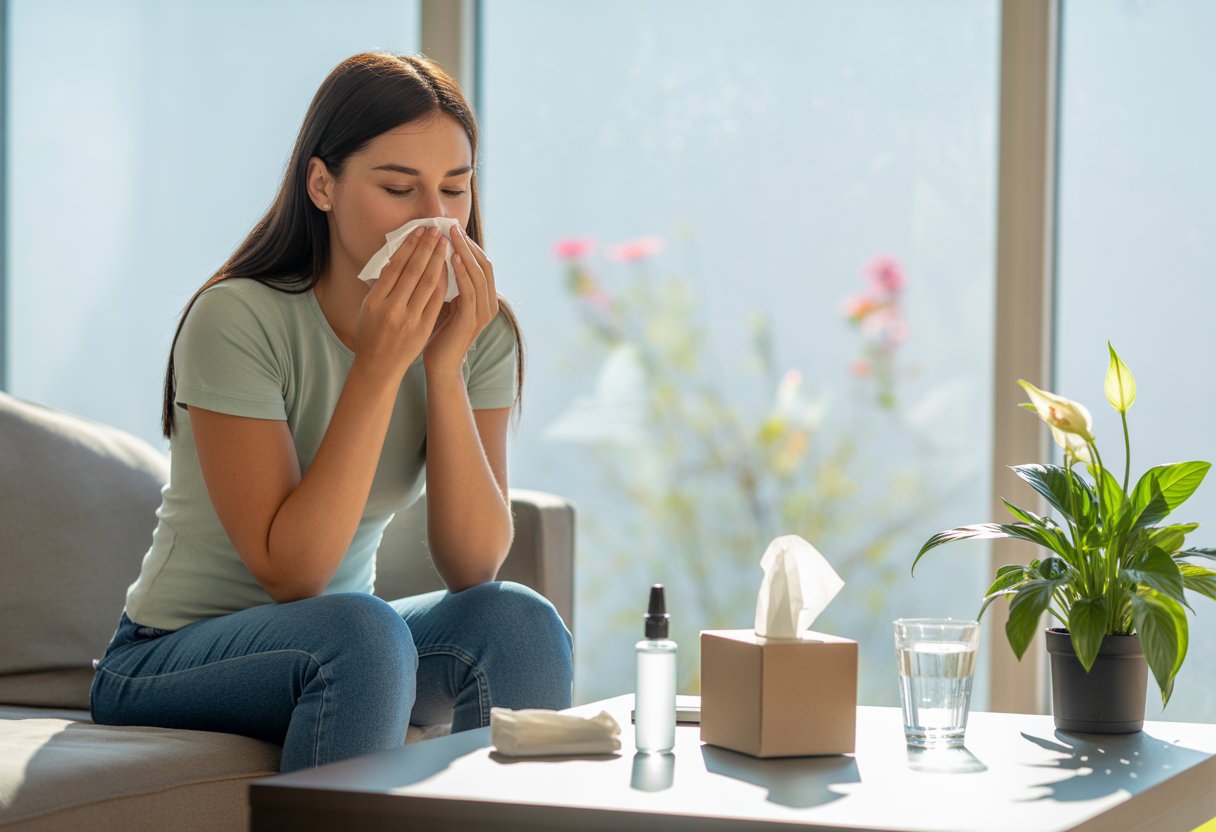
Managing spring allergies effectively requires a combination of medication, lifestyle changes, and steps to reduce exposure to pollen both indoors and outdoors. Simple actions like keeping windows closed, showering after spending time outside, and using the right allergy medications can make a significant difference in symptom relief.
Understanding what triggers allergies and knowing which strategies work best can help people enjoy spring without constant discomfort. From choosing the right medications to making the home environment less allergy-friendly for pollen, there are practical solutions that provide real relief throughout the season.
Table of Contents
Key Takeaways
- Tree pollen is the primary cause of spring allergies and spreads most heavily from February through June
- Over-the-counter antihistamines and nasal sprays[2] combined with reduced pollen exposure provide effective symptom relief
- Keeping indoor spaces clean, using air filters, and showering after outdoor activities helps minimize allergy triggers at home
Understanding Spring Allergies
Tree pollen dominates the spring season and causes most allergic reactions during this time of year. Temperature swings and weather patterns can make symptoms worse by affecting how much pollen spreads through the air.
What Causes Spring Allergies
Spring allergies happen when the immune system overreacts to harmless substances in the environment. The body treats these allergens as dangerous invaders and releases chemicals like histamine to fight them off. This immune response triggers the uncomfortable symptoms people experience.
Allergic rhinitis[2], also called hay fever, is the medical term for these seasonal allergies. When someone breathes in pollen or other allergens, their body launches an immune attack. The release of histamine and other chemicals causes inflammation in the nose, eyes, and airways.
People can develop seasonal allergies at any age. Some inherit a tendency toward allergies from their parents. Others may develop sensitivities after repeated exposure to certain allergens over time.
The severity of spring allergies varies from person to person. Some people experience mild sniffles while others face symptoms so intense they struggle to work or sleep.
Common Allergy Triggers in Spring
Tree pollen is the main culprit[3] behind spring allergies in most regions. Trees release tiny pollen grains into the air to fertilize other trees. Common problem trees include oak, birch, maple, elm, and cedar.
Grass pollen starts appearing later in spring, usually overlapping with tree pollen season. This creates extra trouble for people allergic to both types of pollen. In most of the United States, this overlap happens from about February through June.
Mold spores also increase during spring as moisture from rain and melting snow creates ideal growing conditions. Mold can grow on dead leaves, compost piles, and damp areas around homes.
Dust mites remain present year-round indoors but can worsen spring allergy symptoms. When people open windows to enjoy spring weather, they let in outdoor allergens that mix with existing indoor triggers.
How Weather and Climate Affect Allergies
Weather patterns directly impact how severe spring allergies become[2]. Warm, dry, and windy days spread pollen over wider areas and push it deeper into airways. Rain temporarily clears pollen from the air, providing relief for allergy sufferers.
Temperature swings make spring particularly difficult for allergy sufferers. When temperatures aren’t consistent, pollination stops and starts repeatedly. This causes multiple types of allergens to build up at the same time instead of appearing in separate waves.
Warmer winters and springs can extend pollen season significantly. In regions without cold weather or frost to stop plant growth, trees and grass may produce pollen for much longer periods. Some areas now see spring allergy seasons lasting well beyond traditional spring months.
Climate also affects which plants grow in different regions. People who move to new locations may develop allergies to plants they’ve never encountered before.
Recognizing Spring Allergy Symptoms
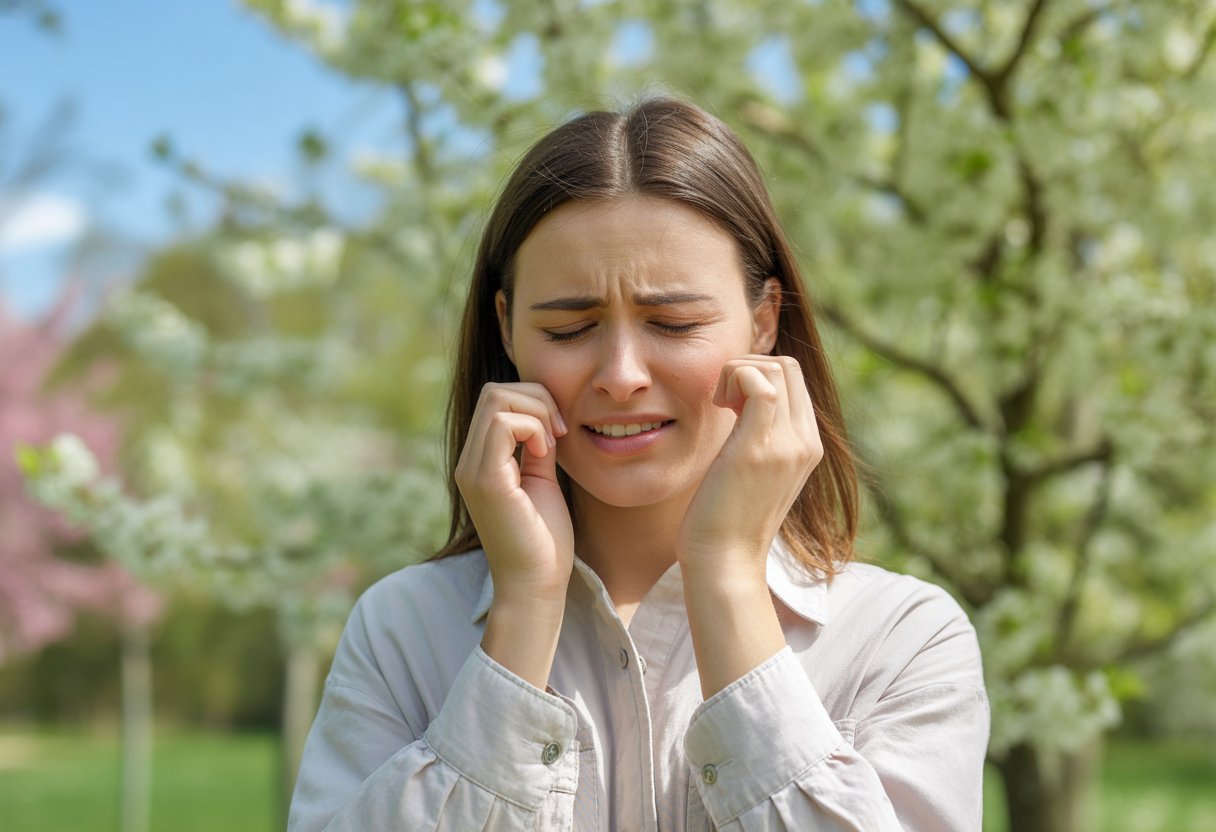
Spring allergies trigger a distinct set of physical reactions when pollen enters the body. These symptoms can range from mild annoyance to severe disruption, and knowing what to look for helps people take action quickly.
Most Common Signs to Watch For
The most recognizable spring allergy symptoms affect the nose and eyes first. Sneezing often comes in rapid bursts, sometimes five or ten times in a row. A runny nose produces clear, thin mucus that drips constantly throughout the day.
Nasal congestion makes breathing through the nose difficult or impossible. This stuffed nose feeling often switches between nostrils or affects both sides at once. Many people also experience itchy eyes that feel scratchy and irritated, accompanied by watery eyes that produce excessive tears.
Coughing develops when postnasal drip irritates the throat. This happens when excess mucus runs down the back of the throat instead of out through the nose. Sinus pressure builds up in the cheeks, forehead, and around the eyes, sometimes leading to sinus pain that feels like a dull ache or sharp throb.
Respiratory symptoms include:
- Shortness of breath
- Wheezing or whistling sounds when breathing
- Chest tightness
How Symptoms Affect Daily Life
Spring allergies can interfere with daily activities and sleep[1], making it hard to focus at work or school. Fatigue sets in because the body uses extra energy to fight off what it perceives as threats. Poor sleep quality results from congestion that makes breathing difficult at night.
The constant need to blow the nose or wipe watery eyes disrupts conversations and meetings. Sinus pressure causes headaches that make concentration nearly impossible. People with allergic asthma may find their regular asthma symptoms worsen during spring, requiring more frequent use of rescue inhalers.
Physical activities become challenging when shortness of breath and wheezing limit exercise capacity. The combination of fatigue and breathing difficulties often forces people to reduce their outdoor time during peak pollen seasons.
Distinguishing Allergies from Other Conditions
Allergy symptoms differ from cold or flu symptoms in several key ways. Allergies never cause fever, while infections often do. Cold symptoms typically resolve within seven to ten days, but allergy symptoms persist as long as pollen remains in the air.
Key differences:
| Allergies | Cold/Flu |
|---|---|
| Clear, watery nasal discharge | Thick, yellow or green mucus |
| Itchy eyes and nose | Rarely causes itching |
| Symptoms start immediately after exposure | Symptoms develop gradually |
| No body aches | Often includes muscle pain |
Allergy symptoms appear suddenly when someone encounters their trigger and improve quickly when they move indoors or away from pollen. Itchy eyes serve as a strong indicator of allergies rather than illness, since colds rarely cause this sensation.
Tracking and Monitoring Pollen

Knowing when pollen levels are highest helps people with allergies plan their days and reduce exposure. Checking daily pollen counts and understanding peak times allows allergy sufferers to take preventive steps before symptoms start.
Understanding Pollen Counts
Pollen count measures the number of pollen grains in the air per cubic meter. Weather stations and allergists collect this data using special devices that trap pollen particles over 24 hours.
The counts get divided into ranges that indicate severity. Low counts mean fewer than 30 grains per cubic meter. Medium ranges from 30 to 60 grains. High counts fall between 60 and 120 grains. Very high means more than 120 grains per cubic meter.
Different types of pollen affect people at different times. Tree pollen causes most spring allergies[2] and peaks from March through May. Grass pollen dominates late spring and summer. Weed pollen appears in late summer and fall.
Best Times to Be Outdoors
Pollen levels change throughout the day based on weather patterns and plant behavior. Morning hours from 5 a.m. to 10 a.m. typically see the highest pollen counts as plants release pollen with the warming temperatures.
Evening hours after 6 p.m. offer lower pollen exposure for most areas. Rain washes pollen from the air and provides relief for several hours after showers end.
Windy days spread pollen over longer distances and increase exposure even in areas without many plants. Calm, cloudy days following rain provide the best conditions for outdoor activities. High pollen days require extra precautions like wearing sunglasses and changing clothes after being outside.
How to Use Daily Pollen Forecasts
Daily pollen forecasts show expected levels[4] for specific regions and help people prepare. These forecasts predict pollen activity up to five days in advance based on weather patterns and historical data.
People should check forecasts each morning before planning outdoor activities. High forecast days call for taking antihistamines before symptoms start rather than waiting for reactions. They also signal when to keep windows closed and avoid early morning exercise outdoors.
Mobile apps and websites provide location-specific forecasts with breakdowns by pollen type. Some services send alerts when counts reach high levels in a person’s area. Tracking personal symptoms alongside daily pollen counts helps identify which specific pollens trigger the worst reactions.
Minimizing Exposure to Allergens
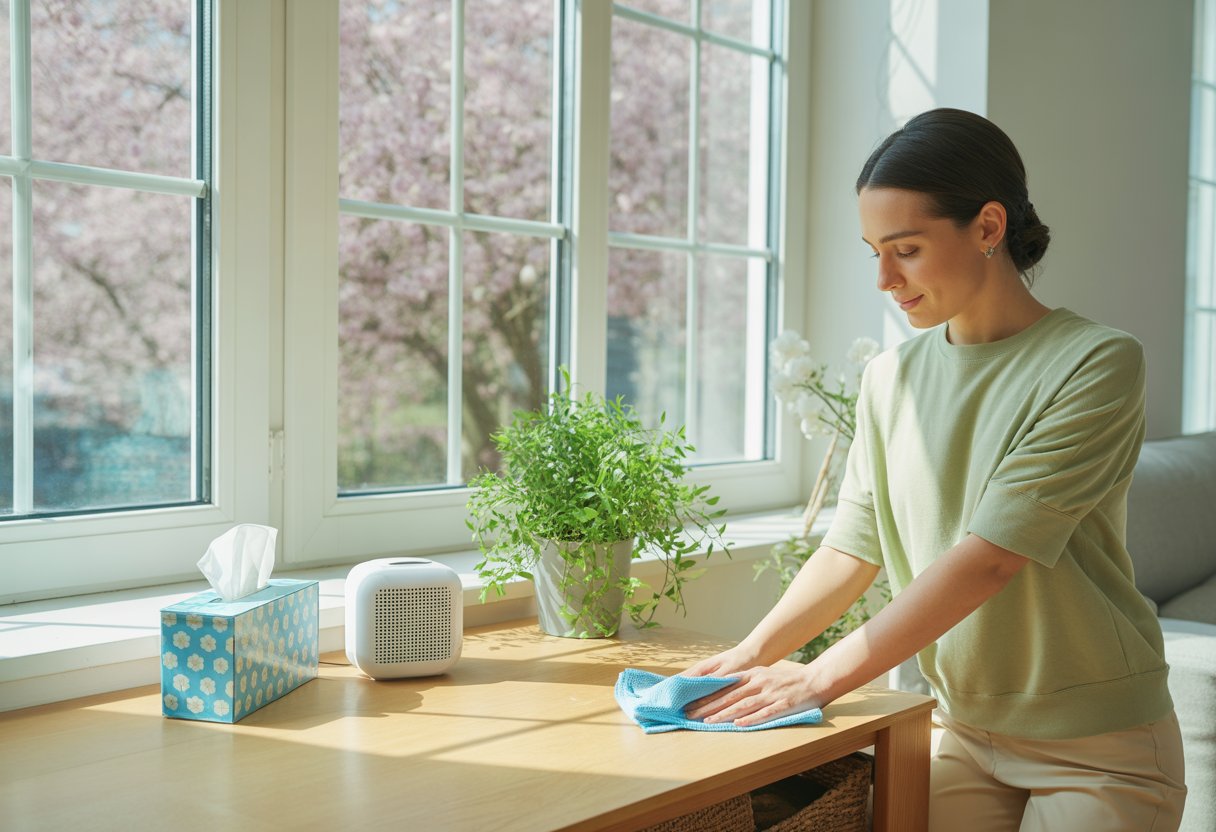
Keeping allergens out of living spaces and off the body requires specific daily actions. Simple changes to home care routines and outdoor habits can significantly reduce pollen exposure and other allergy triggers.
Reducing Pollen in the Home
Pollen travels indoors through open windows and doors, so keeping windows closed during high pollen days is one of the most effective ways to reduce pollen exposure[5]. Air conditioning should run instead to maintain comfort while filtering out allergens.
Indoor surfaces collect pollen that people track inside. Vacuuming at least twice weekly removes accumulated allergens from carpets and floors. Regular spring cleaning helps control dust and other particles that worsen symptoms.
Bedding collects pollen, dust mites, and pet dander throughout the week. Washing bedding weekly in hot water eliminates these allergens and provides relief during sleep hours. Pillowcases especially need frequent washing since they contact the face directly.
Adjusting Outdoor Activities
High pollen count days require strategic planning of outdoor time[6]. Checking daily pollen forecasts helps people schedule activities for times when counts are lower.
Those who must spend extended periods outside should consider wearing a dust or pollen mask. Lawn work stirs up grass pollen and mold, so asking someone else to mow or rake reduces direct exposure to these allergens.
After outdoor activities, showering and changing clothes removes pollen before it spreads throughout the home. Hair traps significant amounts of pollen, so washing it prevents transfer to pillows and furniture.
Pet and Clothing Management
Pets bring outdoor allergens inside on their fur and paws. Regular bathing and wiping down pets after outdoor time reduces the amount of pollen they carry indoors. Pet dander itself serves as an allergy trigger for many people, making pet hygiene doubly important.
Clothes worn outside become covered in pollen. Leaving outdoor shoes at the doorstep prevents tracking allergens through the house. Avoiding drying clothes outdoors[7] keeps pollen from settling into fabric fibers where it remains until the next wearing.
Improving Indoor Air Quality
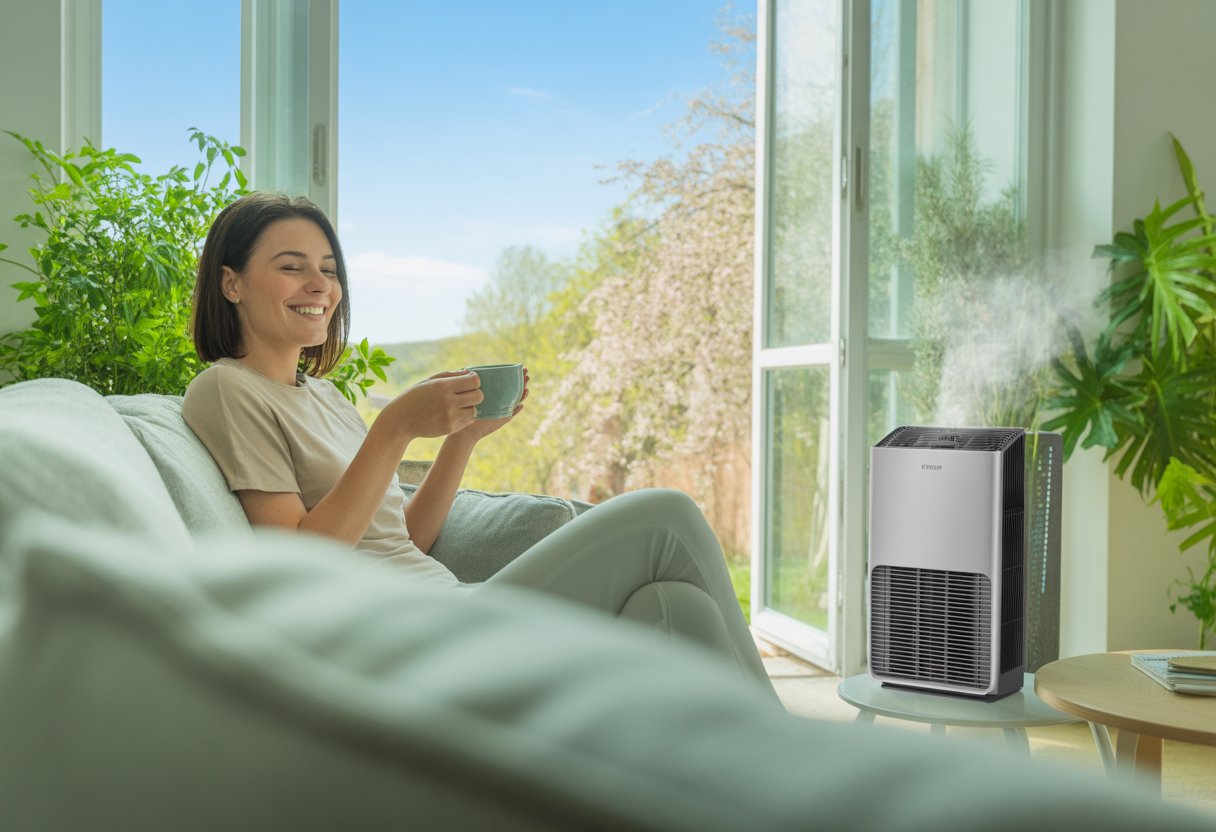
Clean indoor air can reduce allergy symptoms significantly during spring months. Controlling indoor allergens[8] through proper filtration, ventilation, and humidity management creates a healthier home environment.
Using Air Purifiers and HEPA Filters
An air purifier equipped with a HEPA filter removes up to 99.97% of airborne particles as small as 0.3 microns. These devices capture pollen, dust mites, pet dander, and mold spores that trigger allergy symptoms.
When selecting air purifiers, the Clean Air Delivery Rate (CADR) indicates how quickly the unit filters air in a specific room size. Higher CADR numbers mean faster filtration. Match the purifier’s coverage area to the room size for best results.
HEPA air purifiers work by drawing dirty air through multiple filtration layers. The HEPA filter traps microscopic particles while circulating cleaner air back into the room. Place units in bedrooms and main living areas where people spend the most time.
Regular maintenance keeps these systems effective. Replace HEPA filters according to manufacturer guidelines, typically every 6-12 months depending on usage and air quality conditions.
Best Practices for Air Conditioning
Air conditioning systems filter and circulate indoor air throughout the home. Replace standard air filters every 60-90 days to maintain optimal performance. Households with pets should change filters every 60 days.
Clogged or dirty filters recirculate allergens instead of trapping them. This spreads pollen, dust, and other irritants through ventilation systems. Check filters monthly during peak allergy season.
Keep windows closed during high pollen days to prevent outdoor allergens from entering. Run the air conditioning on recirculate mode to filter existing indoor air rather than pulling in fresh outdoor air laden with pollen.
Schedule professional HVAC maintenance annually. Technicians clean ductwork, check for mold growth, and ensure proper system function. Clean ducts prevent the spread of accumulated dust and allergens.
Controlling Humidity and Mold
Humidity levels between 30-40% reduce airborne allergens and prevent mold growth. A humidifier adds moisture when air becomes too dry, while a dehumidifier removes excess moisture in damp conditions.
Mold spores thrive in environments with humidity above 50%. These spores trigger severe allergic reactions in sensitive individuals. Monitor humidity with an inexpensive hygrometer available at hardware stores.
Common moisture problem areas:
- Bathrooms without proper ventilation
- Basements and crawl spaces
- Around windows with condensation
- Under sinks and around plumbing leaks
Fix water leaks immediately to prevent mold colonies from forming. Use exhaust fans in bathrooms and kitchens to remove moisture-laden air. Clean visible mold with appropriate cleaning solutions or hire professionals for extensive growth.
Dry humidity below 30% can irritate nasal passages and make allergy symptoms worse. Maintain consistent levels within the recommended range for comfort and allergy relief.
Effective Medical Treatments
Multiple medication options can help control spring allergy symptoms, ranging from drugstore remedies to prescription treatments and long-term immunotherapy solutions.
Over-the-Counter Allergy Medications
Most allergy medications are available without a prescription[1] at local drugstores. Antihistamines block the chemical histamine that causes sneezing, itching, and runny nose. Popular options include:
- Cetirizine (Zyrtec) – Works for 24 hours and starts working within one hour
- Loratadine (Claritin) – Provides all-day relief with less drowsiness
- Fexofenadine (Allegra) – Non-drowsy option that lasts 24 hours
Nasal sprays deliver medicine directly to irritated nasal passages. Steroid nasal sprays like Flonase, Nasacort, and Nasonex reduce inflammation and swelling. These work best when used daily before symptoms start.
Decongestants such as Sudafed relieve stuffy noses by shrinking swollen blood vessels. They should only be used for a few days at a time to avoid rebound congestion.
Prescription Options
An allergy specialist may recommend prescription medications[2] when over-the-counter treatments fail to control symptoms. Prescription-strength nasal steroids provide stronger anti-inflammatory effects than drugstore versions.
Some prescription antihistamines offer different formulations or combinations not available over the counter. Nasal sprays that combine antihistamines with steroids can target multiple allergy symptoms at once.
An allergist can also prescribe oral corticosteroids for severe allergic reactions. These powerful medications reduce inflammation throughout the body but are typically used for short periods due to potential side effects.
When to Consider Allergy Shots
Allergy shots, also called immunotherapy, provide a long-term solution for people with severe seasonal allergies. This treatment involves regular injections of small amounts of allergens over several years.
The process trains the immune system to become less sensitive to specific triggers like pollen. Treatment typically begins with weekly shots for several months, then shifts to monthly maintenance doses.
Immunotherapy works best for patients who don’t respond well to medications or want to reduce their dependence on daily pills and sprays. An allergist must perform allergy testing first to identify specific triggers before starting shots.
Natural and Alternative Remedies
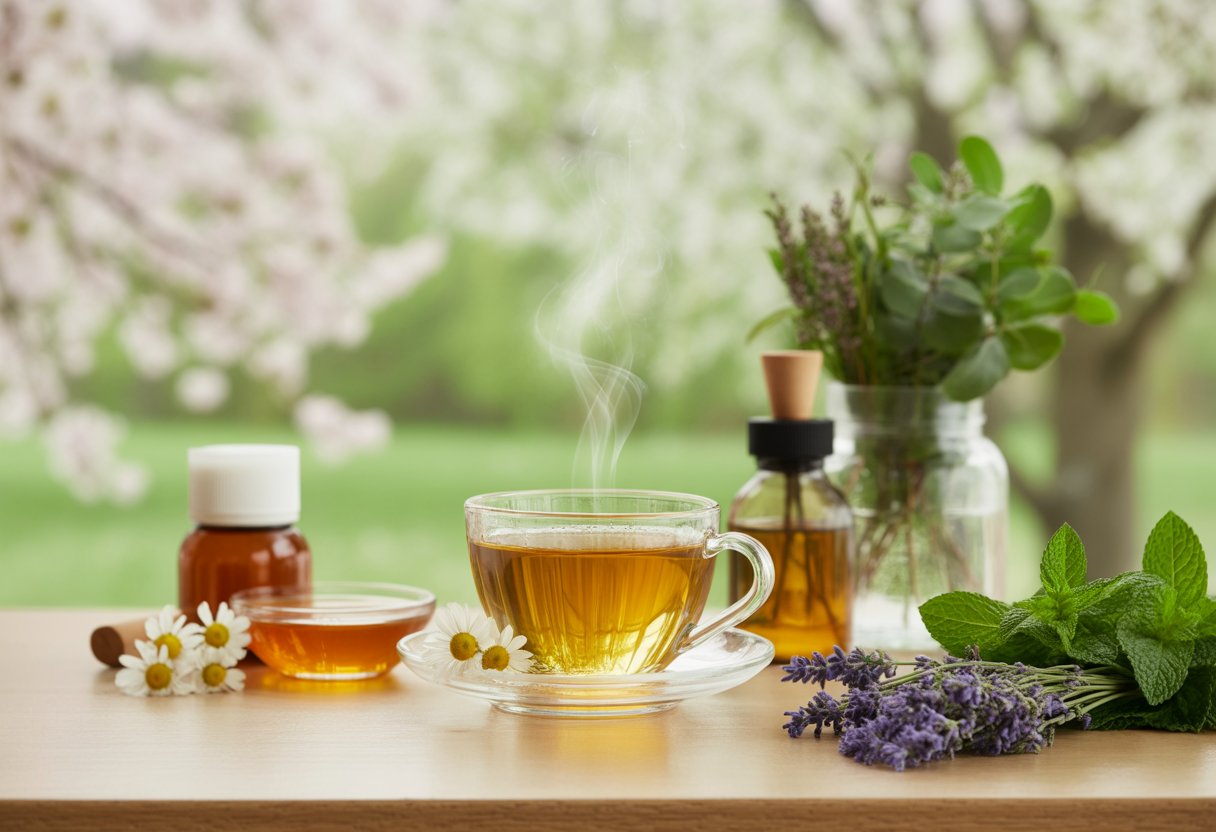
Several natural approaches can help manage spring allergy symptoms without relying solely on medications. Nasal irrigation removes allergens directly from the sinuses, while certain herbs and nutrients may reduce the body’s inflammatory response.
Nasal Rinses and Irrigation
Saline nasal irrigation physically flushes pollen and mucus from the nasal passages and sinuses. A neti pot, squeeze bottle, or bulb syringe[9] can deliver the saline solution through one nostril and out the other.
Research shows that regular nasal rinse use reduces allergy severity in both adults and children. The salt water clears allergens while soothing inflamed tissue.
To make a safe saline solution:
- Mix 3 teaspoons iodide-free salt with 1 teaspoon baking soda
- Use 1 teaspoon of this mixture per 8 ounces of lukewarm water for adults
- Always use distilled or boiled water, never tap water
People should avoid saline nasal irrigation when their nose is completely blocked. Anyone experiencing pain or nosebleeds during rinsing should stop and consult a healthcare provider.
Herbal and Nutrient Support
Butterbur has shown promise in limited studies, performing similarly to over-the-counter antihistamines. However, it contains compounds that can damage the liver. Anyone considering butterbur should choose preparations labeled low in pyrrolizidine alkaloids and consult their doctor first.
Quercetin, a plant compound found in onions and apples, may stabilize cells that release histamine. Stinging nettle is another herb traditionally used for allergies, though scientific evidence remains limited.
Probiotics support gut health, which plays a role in immune function. Spirulina, a blue-green algae, has been studied for its potential to reduce allergy symptoms.
Most herbal remedies lack FDA regulation[9], making their safety and effectiveness uncertain. Pregnant women, nursing mothers, and children should avoid these supplements without medical guidance.
Lifestyle Adjustments and Diet
Keeping windows closed during high pollen days prevents allergens from entering indoor spaces. Air purifiers with HEPA filters capture pollen particles that do enter the home.
People should shower immediately after spending time outdoors to remove pollen from skin and hair. Wearing wraparound sunglasses protects eyes from airborne allergens.
Diet changes that may help reduce allergy symptoms:
- Eating anti-inflammatory foods like fatty fish and leafy greens
- Avoiding dairy if it increases mucus production
- Staying well-hydrated to thin nasal secretions
- Limiting alcohol, which can worsen congestion
Face masks worn during yard work prevent direct inhalation of pollen and mold spores stirred up by mowing or raking.
Creating an Allergy-Proof Home
Making a home resistant to allergens requires regular maintenance and smart choices about household materials. Keeping humidity below 50%, using protective barriers on sleeping surfaces, and establishing consistent cleaning habits can significantly reduce allergy triggers indoors.
Cleaning Routines That Work
Regular cleaning removes allergens before they accumulate and trigger symptoms. A person should vacuum carpets, rugs, and upholstered furniture at least twice per week using a vacuum with a HEPA filter. These filters trap tiny particles that regular vacuums blow back into the air.
Dusting surfaces with a damp cloth prevents allergens from becoming airborne. Dust allergens[10] include mites, pet dander, and pollen particles that settle on furniture and electronics.
Hard floors should be mopped weekly to capture what vacuuming misses. Bathrooms need special attention since mold thrives in damp areas. Using exhaust fans during showers and fixing leaks promptly prevents mold growth.
Spring cleaning presents an opportunity to address neglected areas. Deep cleaning curtains, washing walls, and cleaning air vents removes accumulated allergens from months of indoor living.
Managing Carpets, Bedding, and Furnishings
Bedrooms harbor dust mites that feed on dead skin cells. A person should wash bedding weekly in hot water at 130°F or higher to kill these microscopic creatures. This includes sheets, pillowcases, and blanket covers.
Carpets trap more allergens than hard flooring. Pet dander and dust mites[11] accumulate deep in carpet fibers where vacuuming cannot reach them all. Removing carpeting in bedrooms provides the most relief, but frequent vacuuming with HEPA filters helps when replacement is not possible.
Stuffed animals and decorative pillows collect dust. Washing these items every two weeks or storing them away reduces allergen exposure. Leather or vinyl furniture releases fewer allergens than fabric upholstery.
Using Protective Covers and Materials
Allergy-proof mattress covers create a barrier between sleepers and the dust mites living inside mattresses. These covers use tightly woven fabric that prevents mites and their waste from escaping. They should encase the entire mattress with a zipper closure.
Allergy-proof pillows work the same way, keeping allergens contained. Both products need regular washing following manufacturer instructions. These protective covers reduce exposure during the eight hours most people spend in bed each night.
Hypoallergenic materials do not guarantee allergen-free products, but they resist dust mite colonization better than traditional materials. Synthetic pillow fills often work better than down for allergy sufferers. Window treatments made from washable materials or easy-to-clean blinds collect fewer allergens than heavy drapes.
When to Seek Medical Help

Over-the-counter medications don’t always provide enough relief for spring allergy sufferers. Some people develop complications that require professional allergy care and specialized treatment plans.
Signs That Require a Doctor’s Visit
A person should schedule an appointment with a doctor when allergy symptoms interfere with daily activities or sleep. Sinus infections, headaches, or ear infections on top of seasonal allergies[1] indicate the need for medical attention.
Symptoms that last longer than two weeks despite using over-the-counter treatments warrant a professional evaluation. Difficulty breathing, chest tightness, or wheezing requires immediate medical care. These signs may point to asthma triggered by allergies.
Persistent facial pain or pressure around the eyes and forehead often signals sinus infections. Yellow or green nasal discharge combined with fever suggests a bacterial infection that needs antibiotics. Frequent nosebleeds or constant fatigue that affects work or school performance are also reasons to see a doctor.
Allergy Testing and Diagnosis
An allergist can identify specific allergens through skin tests or blood work. Skin prick tests involve placing small amounts of common allergens on the skin to see which ones cause reactions. Blood tests measure antibodies the immune system produces in response to allergens.
An allergy specialist can help figure out what a person is allergic to[1] and create a personalized treatment plan. Testing typically takes about an hour and provides results within days. Knowing exact triggers helps people avoid specific pollens more effectively.
The allergist reviews medical history and symptoms before recommending appropriate tests. They examine patterns in when and where symptoms occur. This information helps narrow down potential allergens before testing begins.
Managing Complications and Severe Cases
Prescription medications offer stronger relief than over-the-counter options for severe cases. Prescription nasal sprays, antihistamines, and decongestants provide better symptom control. Some people need multiple medications working together for adequate relief.
Allergy shots provide long-term treatment by gradually building tolerance to allergens. These injections take six to 18 months to become effective. Patients need to take allergy medications during this period while the shots start working.
People with allergy-triggered asthma require additional monitoring and medication. They may need inhalers or breathing treatments alongside standard allergy treatments. Regular follow-up appointments help track progress and adjust treatment plans as needed.
Long-Term Strategies for Allergy Relief
Managing spring allergies effectively requires thinking beyond immediate symptom relief. A proactive approach that includes preparation before pollen season arrives and a structured ongoing management plan can significantly reduce the severity of allergic reactions.
Planning for Future Seasons
People who want to manage spring allergies need to start preparing months before symptoms typically begin. Sublingual immunotherapy tablets must be started several months before allergy season[12] to build up tolerance effectively.
Tracking pollen patterns from previous years helps identify when symptoms are likely to start. Most people experience peak allergy symptoms between March and June, though timing varies by region and specific allergens.
Key preparation steps include:
- Meeting with an allergist in January or February to discuss treatment options
- Starting prescription nasal sprays 2-3 weeks before pollen season begins
- Stocking up on medications and air filters before symptoms start
- Scheduling any necessary allergy testing during winter months
- Reviewing what worked and what didn’t from the previous year
Starting allergy prevention[13] strategies early gives treatments time to build effectiveness before pollen counts rise.
Building an Ongoing Allergy Management Plan
A comprehensive allergy management plan provides structure for handling symptoms year after year. The plan should document specific allergens, effective medications, and lifestyle adjustments that provide relief.
Allergy immunotherapy treatment can continue for as long as three years[14], making it essential to track progress throughout the process. Regular appointments with an allergist help adjust treatments as needed.
An effective management plan includes:
- A list of confirmed allergens from testing
- Daily medication schedules with dosages
- Emergency medications for severe reactions
- Contact information for healthcare providers
- Home modifications like HEPA filters and cleaning routines
- Guidelines for outdoor activities during high pollen days
This spring allergy survival guide[15] approach helps people take control of their symptoms. Keeping detailed records of symptom severity and treatment effectiveness allows for better adjustments in future seasons.
Frequently Asked Questions
Spring allergy sufferers often wonder about quick relief methods, long-term solutions, and why symptoms seem worse some years. Understanding natural remedies, treatment options, and environmental factors can help people manage their allergies more effectively.
What natural remedies can provide immediate relief from allergy symptoms?
Nasal irrigation with a saline solution can flush out allergens from the nasal passages and reduce congestion quickly. This simple method helps remove pollen and other particles that trigger allergy symptoms.
Local honey may help some people build tolerance to local pollen over time, though scientific evidence remains limited. Consuming a small amount daily during allergy season could provide mild benefits.
Quercetin, a natural compound found in onions and apples, has anti-inflammatory properties that may help reduce histamine release. Taking quercetin supplements or eating foods rich in this compound might ease symptoms like itchy eyes and sneezing.
Butterbur and spirulina are herbal options that show promise for allergy relief. These natural supplements can help reduce inflammation in the airways and nasal passages.
Is it possible to permanently eliminate seasonal allergies, and if so, how?
Allergen immunotherapy offers the closest option to permanent relief from seasonal allergies. This treatment involves regular exposure to small amounts of allergens through shots or sublingual drops over several years.
Allergy shots typically require three to five years of treatment to achieve lasting results. The immune system gradually becomes less sensitive to allergens, reducing or eliminating symptoms even after treatment ends.
Sublingual immunotherapy uses tablets or drops placed under the tongue instead of injections. This method works similarly to allergy shots but can be done at home after the first dose is given at a doctor’s office.
Not everyone achieves complete elimination of symptoms, but many people experience significant long-term improvement. Success rates vary based on the specific allergens and individual response to treatment.
Are there fast-acting strategies to alleviate seasonal allergy discomfort?
Showering immediately after being outdoors removes pollen from skin and hair before it spreads throughout the home. Changing clothes after outdoor activities prevents allergens from settling on furniture and bedding.
Antihistamines like cetirizine, loratadine, and fexofenadine can start working within one to three hours. These medications block histamine receptors and reduce symptoms like sneezing, itching, and runny nose.
Cold compresses applied to the eyes provide quick relief from itching and swelling. The cool temperature reduces inflammation and soothes irritated tissues.
Staying indoors during peak pollen hours, typically mid-morning through afternoon, minimizes exposure. Checking daily pollen counts[16] helps people plan activities when levels are lower.
What at-home methods can help manage allergy symptoms effectively?
Using HEPA filters in air purifiers and HVAC systems captures airborne pollen particles indoors. These filters trap 99.97% of particles as small as 0.3 microns, including most allergens.
Keeping windows and doors closed during high pollen days prevents outdoor allergens from entering the home. Air conditioning provides ventilation while filtering out pollen.
Regular vacuuming with a HEPA-filter vacuum removes pollen tracked inside on shoes and clothing. Vacuuming at least twice weekly reduces indoor allergen levels significantly.
Washing bedding in hot water weekly kills dust mites and removes accumulated pollen. Using allergen-proof covers on pillows and mattresses creates an additional barrier against allergens.
How can one treat severe seasonal allergies with a high success rate?
Prescription nasal corticosteroid sprays like fluticasone and mometasone reduce nasal inflammation more effectively than over-the-counter options. These medications work best when started before allergy season begins.
Combining multiple treatment approaches yields better results than using a single method. Antihistamines, nasal sprays, and decongestants[2] work together to address different aspects of allergic reactions.
Consulting an allergy specialist for comprehensive testing identifies specific triggers. Knowing exactly which pollens cause symptoms allows for more targeted treatment and prevention strategies.
Prescription-strength medications and immunotherapy provide relief when over-the-counter options fail. An allergist can develop a personalized treatment plan based on individual needs and symptom severity.
Why might this year’s spring allergies feel more intense than usual?
Climate change extends growing seasons and increases pollen production from plants. Warmer temperatures and higher carbon dioxide levels cause trees and grasses to produce more pollen than in previous decades.
Air pollution worsens allergy symptoms[17] by irritating airways and making them more reactive to allergens. Pollutants can also make pollen grains more potent and allergenic.
Weather patterns affect pollen distribution and concentration in the air. Dry, windy conditions spread pollen over larger areas, while rain temporarily clears the air but promotes more plant growth afterward.
First-time exposure to certain allergens or moving to new areas introduces people to different types of pollen. The immune system may react more strongly to unfamiliar allergens compared to those encountered regularly.
Post Views: 1
References
- How to Survive Spring Allergies. https://blogs.cooperhealth.org/ehealth/2025/03/20/how-to-survive-spring-allergies/ Accessed March 8, 2026
- Managing Spring Allergies. https://health.clevelandclinic.org/how-to-manage-spring-allergies Accessed March 8, 2026
- Spring Allergies: Causes, Symptoms & Management. https://www.zyrtec.com/allergy-guide/outdoors/understanding-spring-allergies Accessed March 8, 2026
- National Allergy Forecast & Info About Allergies. https://www.pollen.com/ Accessed March 8, 2026
- Three ways to survive the pollen this spring. https://www.vcuhealth.org/news/three-ways-to-survive-the-pollen-this-spring/ Accessed March 8, 2026
- 403 Forbidden. https://www.commonspirit.org/blog/allergy-season-survival-guide-symptoms-triggers-and-relief Accessed March 8, 2026
- 10 Easy Ways to Minimize Spring 2026 Allergy Symptoms. https://blog.ochsner.org/articles/minimizing-spring-allergy-symptoms/ Accessed March 8, 2026
- Control Indoor Allergens to Improve Indoor Air Quality. https://aafa.org/allergies/prevent-allergies/control-indoor-allergens/ Accessed March 8, 2026
- neti pot, squeeze bottle, or bulb syringe. https://www.verywellhealth.com/seasonal-allergies-natural-treatments-11828948 Accessed March 8, 2026
- How to Allergy-Proof Your Home: A Comprehensive Guide to Tackling Household Allergens. https://www.aspireallergy.com/blog/how-to-allergy-proof-your-home Accessed March 8, 2026
- How to Allergy-Proof Your Home: Complete Guide (2025)
| Wyndly. https://www.wyndly.com/blogs/learn/how-to-make-your-home-allergenfriendly Accessed March 8, 2026 - How to Treat Spring Allergies: A Graduated Approach. https://www.healthday.com/a-to-z-health/allergies/how-to-treat-spring-allergies-a-graduated-approach Accessed March 8, 2026
- Spring Allergy Survival Guide: Proven Strategies for Staying Symptom-Free. https://eshcs.com/2025/03/18/spring-allergy-survival-guide/ Accessed March 8, 2026
- How to Treat Spring Allergies: A Graduated Approach. https://www.healthday.com/a-to-z-health-allergies/how-to-treat-spring-allergies-a-graduated-approach Accessed March 8, 2026
- Prepare for Spring Allergies in 2026: How to Breathe Easier. https://www.schweigerderm.com/skin-care-articles/allergy/survival-guide-breathe-easier-during-spring-allergy-season/ Accessed March 8, 2026
- Spring Allergies: Your Complete Guide to Fighting Pollen Season. https://www.austinallergist.com/spring-allergies-complete-guide-fighting-pollen-season/ Accessed March 8, 2026
- With Spring in Bloom, Here’s How to Navigate Allergies. https://www.rutgers.edu/news/spring-bloom-heres-how-navigate-allergies Accessed March 8, 2026

















