Medically Reviewed
Dr. Jose Rossello, MD, PhD, MHCM
Preventive Medicine & Public Health Specialist
Last Reviewed: March 29, 2026
Your daily food choices might be working against your skin more than you realize. What you eat directly affects how quickly your skin ages, with certain foods accelerating wrinkles, dryness, and loss of elasticity while others help protect and repair skin cells. Research shows that antioxidant-rich diets help slow skin aging[1], while high intake of refined sugars and trans fats speeds up the process.
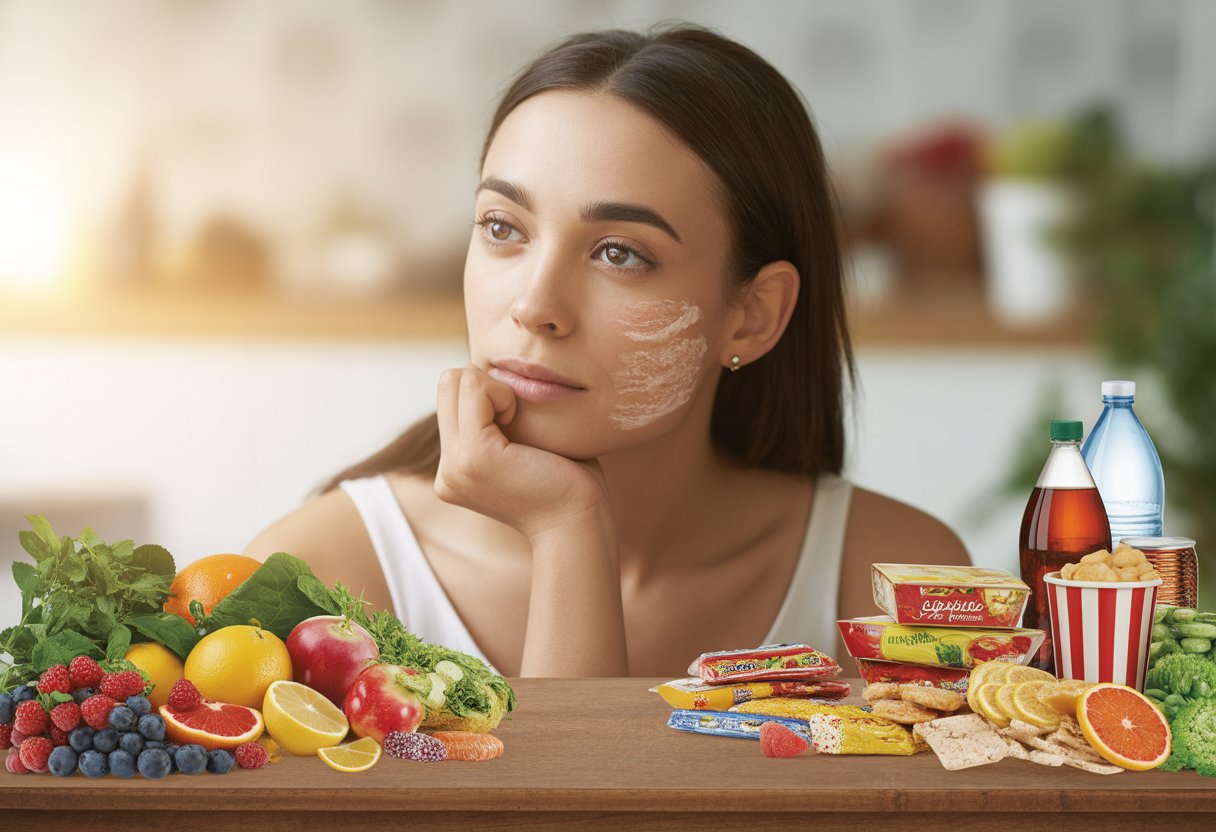
The skin makes up about 15% of body weight and serves as a protective barrier against damage. As people age, skin naturally loses collagen and elastin, but poor diet speeds up this decline. Foods high in sugar create harmful compounds that stiffen skin, while salty and processed foods trigger inflammation that breaks down healthy tissue.
Understanding the impact of diet on skin health[2] gives people real control over how their skin ages. Simple changes to what goes on the plate can make a visible difference in skin appearance within weeks. The connection between nutrition and skin quality is backed by science, not just marketing claims.
Table of Contents
Key Takeaways
- Foods rich in antioxidants, omega-3 fatty acids, and vitamins help slow skin aging while refined sugars and trans fats accelerate it
- Sugar damages skin by forming compounds that stiffen collagen, leading to wrinkles and loss of elasticity
- Staying hydrated and eating nutrient-dense whole foods supports skin repair and maintains a youthful appearance
How Diet Influences Skin Aging
The relationship between diet and skin aging involves complex biological processes that either protect or damage skin cells over time. Food choices directly affect oxidative stress levels, inflammation, and structural protein integrity in skin tissue.
External and Internal Factors Affecting Skin
Skin aging occurs through two distinct pathways that work simultaneously. Intrinsic aging is the natural, time-dependent process where collagen and elastin production decreases, skin cell renewal slows down, and skin gradually becomes thinner.
Extrinsic aging comes from environmental stressors that accelerate damage. These include:
- Ultraviolet radiation exposure
- Air pollution
- Cigarette smoke
- Poor sleep quality
- Unhealthy dietary patterns
Diet and skin health[2] are undeniably connected, as food choices influence how quickly external factors damage skin. Poor nutrition disrupts normal skin functions and contributes to various skin conditions. Meanwhile, nutrient-rich diets support the skin’s natural repair processes and help delay visible signs of aging.
Diet and Skin Aging Mechanisms
At the molecular level, diet affects skin through several biological pathways. Oxidative stress plays a central role by increasing reactive oxygen species (ROS), which damage skin proteins and trigger inflammatory responses. These processes activate enzymes that break down collagen and elastin fibers.
Scientists have found that antioxidant-rich diets help slow skin aging[1], while high intake of refined sugars and trans fats accelerates it. Excessive sugar consumption leads to glycation, where sugar molecules bind to proteins and form advanced glycation end products (AGEs). These compounds stiffen skin tissue and impair elasticity.
Other mechanisms include telomere shortening, genetic mutations, cellular senescence, and chronic inflammation. Together, these processes reduce skin hydration, elasticity, and regeneration capacity.
Chronological Aging Versus Premature Aging
Chronological aging follows a predictable timeline based on a person’s age. This natural process involves gradual structural and cellular changes that occur regardless of lifestyle choices.
Premature aging happens when external factors speed up the aging process beyond what would normally occur at a given age. Diet plays a significant role in determining whether someone experiences premature aging or maintains youthful skin longer.
A balanced, nutrient-dense diet can slow the visible signs of aging by providing antioxidants, healthy fats, and proteins that support skin repair. Conversely, diets high in processed foods, refined carbohydrates, and unhealthy fats accelerate premature aging by promoting inflammation and oxidative damage. The difference between these two aging types often becomes visible in the skin’s texture, tone, and wrinkle patterns.
The Role of Sodium and Salty Foods in Accelerating Skin Aging
Excess sodium disrupts the body’s fluid balance and triggers inflammatory responses that directly compromise skin structure and appearance. High salt consumption depletes moisture from skin cells, impairs the proteins that keep skin firm, and causes visible swelling that makes aging signs more pronounced.
High-Sodium Diet and Skin Puffiness
When someone consumes too much salt, their body holds onto extra water to dilute the sodium in the bloodstream. This process leads to noticeable swelling in the face, particularly around the eyes and cheeks.
A single salty meal like movie-theater popcorn or french fries can cause temporary puffiness that resolves within a day or two. However, eating salty foods regularly causes persistent water retention[3] that makes the face appear bloated and older. The American Heart Association recommends limiting sodium intake to no more than 2,300 milligrams daily, with an ideal target of 1,500 milligrams for most adults.
Chronic high-sodium diets create lasting changes in how the body manages fluids. People who consistently eat processed foods, canned soups, and salty snacks often develop permanent puffiness that masks their natural facial contours and emphasizes aging.
Impact on Collagen Production and Skin Health
Sodium creates oxidative stress in the body, which damages cells and accelerates the breakdown of proteins essential for youthful skin. Collagen maintains skin’s structure and elasticity, but excess sodium disrupts this critical protein.
High salt intake promotes inflammation throughout the body, including the skin. This skin inflammation interferes with collagen production[3] and speeds up the degradation of existing collagen fibers. The result is skin that loses its firmness faster and develops wrinkles earlier than it would otherwise.
Dehydration from excess sodium further compounds the problem. Salt pulls water out of cells, leaving skin dry and less able to maintain its protective barrier. Dehydrated skin cannot produce collagen efficiently or protect itself from environmental damage that causes premature aging.
Fluid Retention and Puffy Under Eyes
The delicate skin under the eyes shows the effects of fluid retention more visibly than other facial areas. Excess sodium causes blood vessels to dilate and leak fluid into surrounding tissues, creating those characteristic puffy under eyes.
Salty meals consumed in the evening particularly affect morning eye appearance. The body processes sodium while lying down, allowing fluid to accumulate in the face overnight. People prone to edema experience more severe puffiness from salt than others.
Regular consumption of high-sodium foods like salty french fries and processed meats keeps fluid levels elevated. This chronic retention stretches the thin skin under the eyes, making it sag and appear aged beyond its years.
Sugar, Advanced Glycation End Products, and Skin Damage
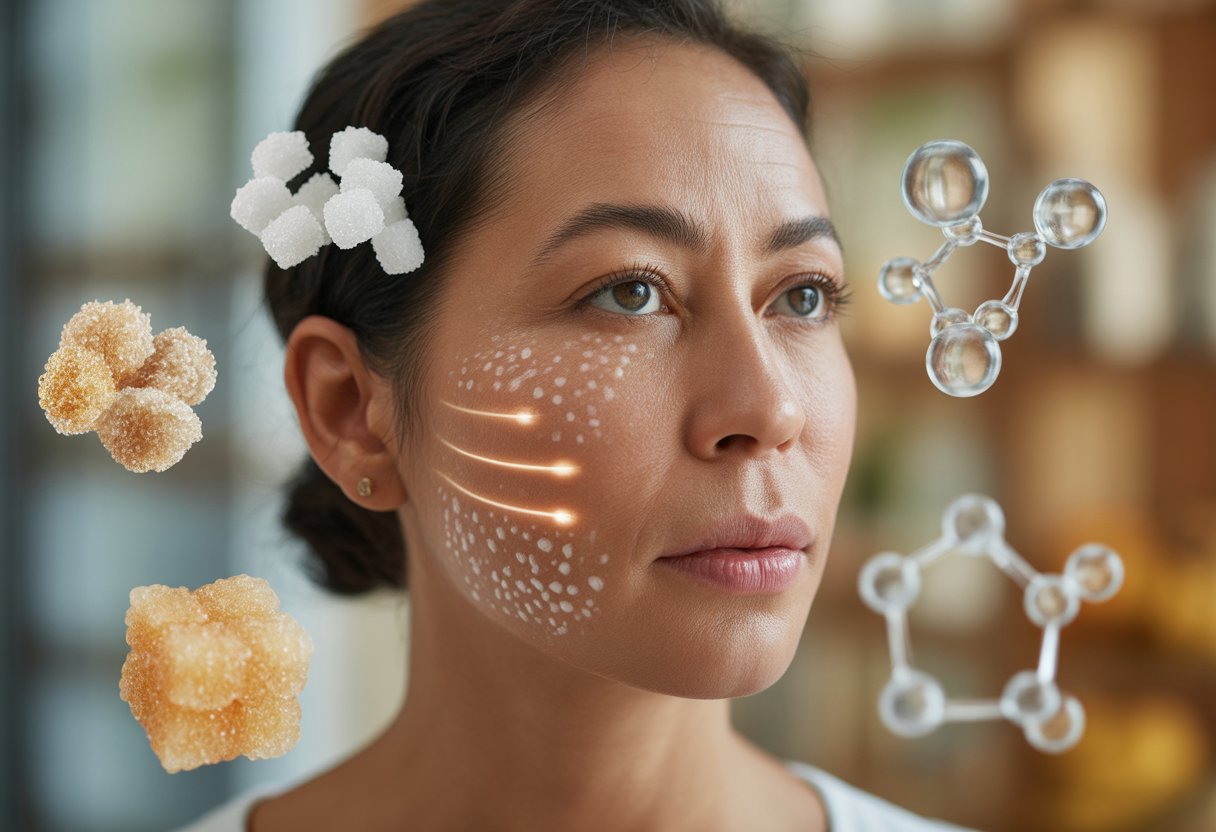
When sugar binds with proteins in the skin, it creates harmful compounds called advanced glycation end products that damage collagen and elastin. This process speeds up visible signs of aging like wrinkles and sagging skin.
How Sugar Leads to Advanced Glycation End Products (AGEs)
When someone eats foods high in sugar, excess sugar molecules enter the bloodstream and travel throughout the body. These sugar molecules attach themselves to proteins, fats, and other molecules through a chemical reaction called glycation.
This binding process creates advanced glycation end products[4], or AGEs for short. The body cannot easily break down or remove these compounds once they form. AGEs accumulate in tissues over time, including in the skin.
The skin contains high amounts of collagen and elastin proteins. Sugar molecules particularly target these structural proteins. Once AGEs form on collagen and elastin fibers, they cause the proteins to become stiff and lose their normal function.
Wrinkles, Glycation, and Loss of Skin Elasticity
Collagen provides firmness and structure to the skin. Elastin allows skin to stretch and bounce back to its original shape. When AGEs damage these proteins, the skin loses its ability to stay smooth and tight.
The glycation process affects how skin ages[5] by making collagen fibers rigid and brittle. This leads to several visible changes:
- Fine lines and wrinkles appear more easily
- Skin begins to sag and lose its youthful plumpness
- The face develops a dull or yellowed appearance
- Dark spots and uneven skin tone become more noticeable
Higher sugar intake accelerates this damage. The more sugar someone consumes, the more AGEs form in their skin.
Sources of Sugar and Hidden Sugars in Everyday Foods
Obvious sources of sugar include candy, cookies, cakes, and other desserts. Soda and sugary drinks contain especially high amounts that quickly spike blood sugar levels.
Many foods contain hidden sugars that people might not expect. Sugar-sweetened beverages like fruit juices, sports drinks, and flavored coffees add significant amounts to daily intake. Breakfast cereals, granola bars, yogurt, and salad dressings often contain added sugars.
Common foods with hidden sugars:
- Pasta sauce and ketchup
- Bread and crackers
- Protein bars and shakes
- Dried fruit and trail mix
- Flavored oatmeal packets
Food labels may list sugar under different names like high fructose corn syrup, dextrose, maltose, or cane juice. Reading ingredient lists helps identify these hidden sources.
Inflammatory Foods and Their Hidden Impact
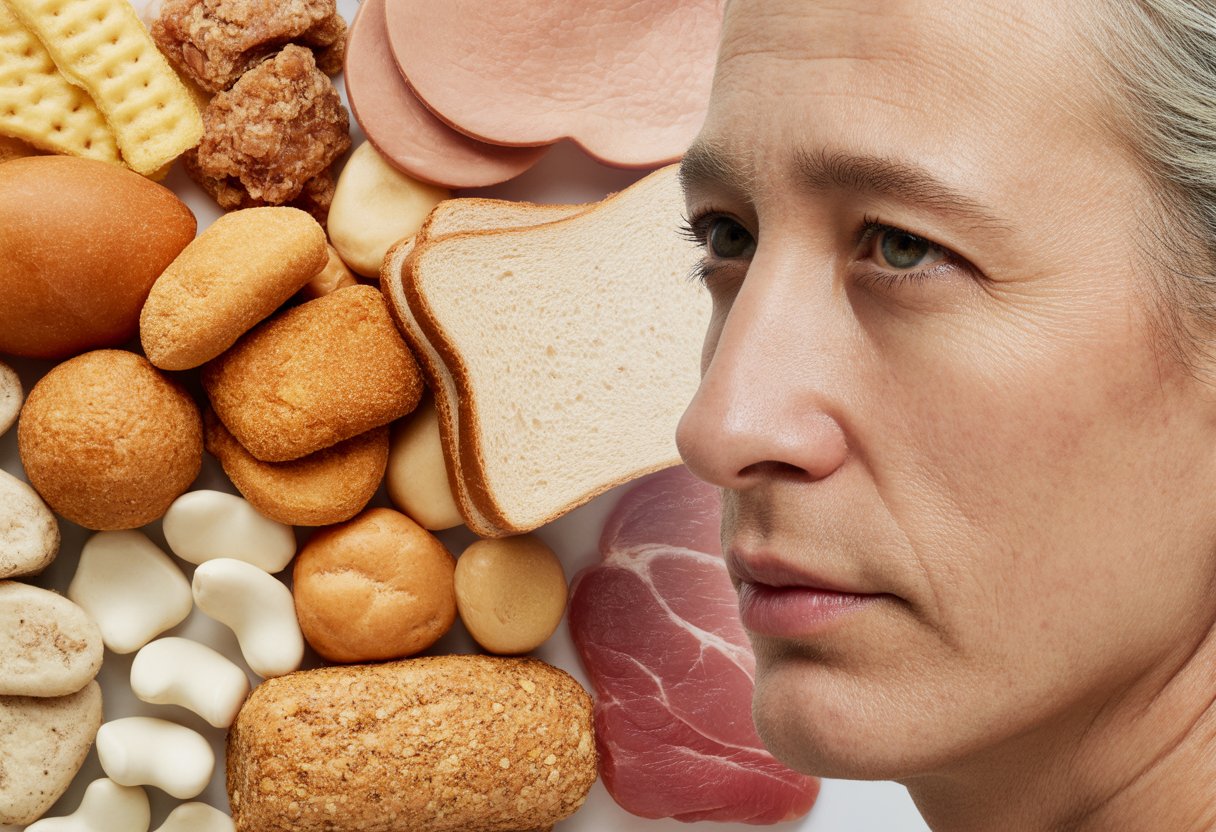
Certain foods trigger inflammatory responses that directly damage skin structure and accelerate visible aging. Processed meats and high-fat animal products[6] create compounds that break down collagen while alcohol dehydrates and inflames skin tissue at the cellular level.
Processed Meats and Saturated Fats
Processed meats like hot dogs, salami, and sausage contain sodium nitrates and preservatives that encourage free radical development in the body. These free radicals cause cellular damage that makes skin appear dull and saggy over time.
The grilling process creates additional problems. When meat heats above 300 degrees Fahrenheit, it forms heterocyclic amines (HAs) and polycyclic aromatic hydrocarbons (PAHs). These carcinogenic byproducts increase inflammation throughout the body.
Full-fat dairy products present similar issues. Saturated fats in cheese, butter, and cream elevate inflammatory markers that lead to oxidative stress. This stress inhibits collagen production, breaks down elastin, and limits hyaluronic acid creation. Research shows that diets heavy in meat and dairy cause inflammation[6] and make skin age faster than plant-based alternatives.
Alcohol and Skin Inflammation
Alcohol functions as a diuretic that dehydrates skin and reduces elasticity. This dehydration makes wrinkles more noticeable and prominent across the face.
The damage goes deeper than surface dryness. Alcohol creates a chemical compound called acetaldehyde that harms DNA and disrupts natural repair processes. Studies comparing alcohol’s aging effects to smoking found that the face ages quickly in people who drink regularly.
Acetaldehyde also accelerates telomere shortening. Telomeres protect chromosomes from aging damage. Shorter telomeres leave cells vulnerable to oxidative stress and speed up visible aging signs.
Red Meat versus Lean Proteins
Red meats like lamb and goat contain higher levels of saturated fat compared to lean options. This fat content contributes to chronic inflammation that damages skin cells[7] and internal systems.
Switching to lean proteins like chicken and turkey reduces inflammatory load on the body. These alternatives provide necessary protein without the excess saturated fat that triggers oxidative stress. Plant-based protein sources offer even more benefits by including fiber and antioxidants that combat free radicals.
Oxidative Stress and the Link to Aging Skin
Certain foods create harmful molecules in the body that directly attack skin cells and speed up visible aging. These molecules damage the building blocks of skin and alter how cells function at their core.
Fried Foods and Free Radicals
Fried foods generate massive amounts of free radicals during the cooking process. When oils are heated to high temperatures, they break down and create unstable molecules that enter the body through eating.
These free radicals attack healthy skin cells once they enter the bloodstream. They steal electrons from cell membranes, proteins, and fats in the skin. This theft sets off a chain reaction where damaged molecules try to stabilize themselves by taking electrons from nearby healthy cells.
The skin experiences oxidative stress when free radicals overwhelm its natural defenses[8]. Collagen and elastin fibers break down faster under this assault. The result is wrinkles, sagging, and rough texture that appears earlier than it would naturally. Dark spots and uneven skin tone also develop as melanin-producing cells get damaged.
DNA Damage and Biological Age Acceleration
Oxidative stress doesn’t just affect the surface of skin cells. Free radicals penetrate into the cell nucleus and damage DNA strands directly. This genetic damage changes how cells copy themselves and function.
When DNA gets damaged repeatedly, cells can’t repair themselves properly. They either die early or become senescent, meaning they stop dividing but remain in the tissue. These damaged cells release inflammatory signals that harm nearby healthy cells.
This process makes biological age advance faster than chronological age. A person might be 35 years old but have skin that functions like it belongs to someone 45. The cumulative DNA damage shortens telomeres, the protective caps on chromosomes that indicate cellular age. Shorter telomeres mean cells reach their division limit sooner and the skin loses its ability to regenerate efficiently.
Hydration: Water, Beverages, and Skin Youthfulness
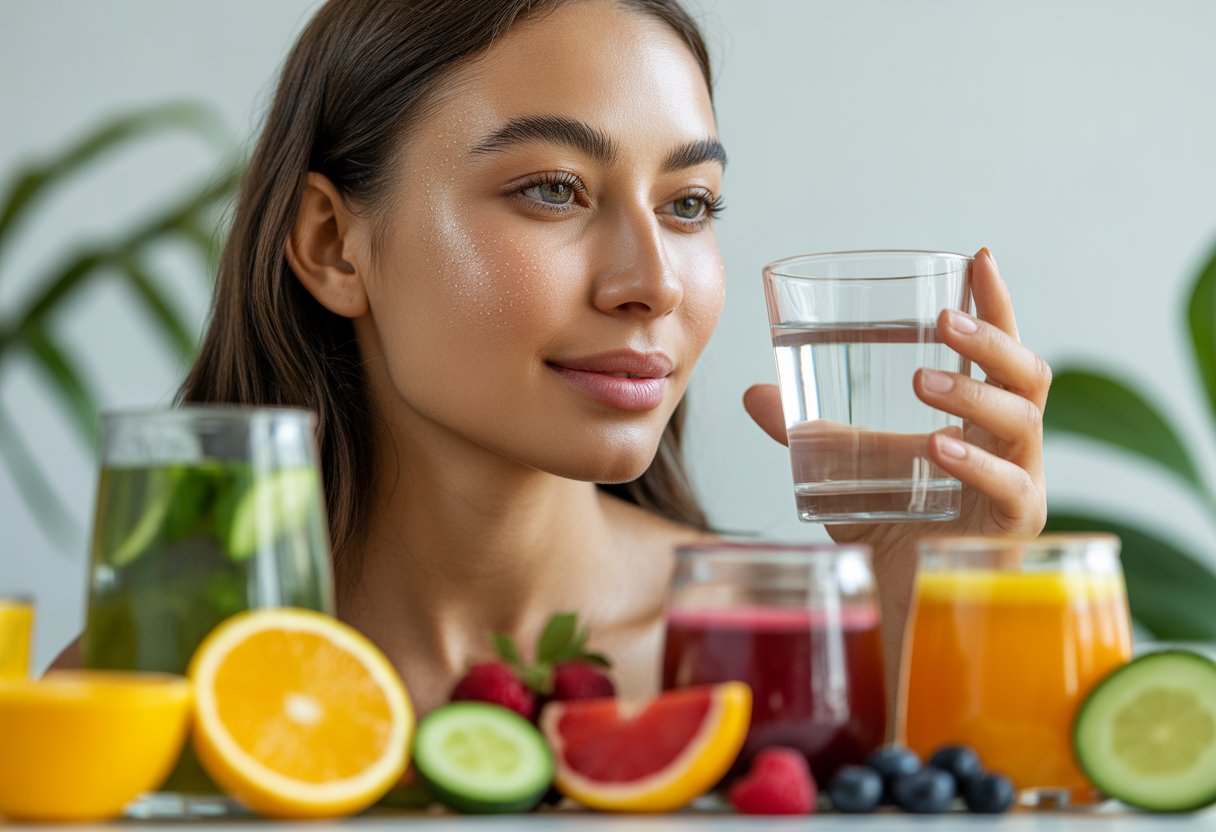
The beverages people consume daily affect their skin’s appearance and aging process. While water supports skin health, sugary drinks and alcohol can accelerate visible signs of aging through dehydration and inflammation.
Importance of Drinking Water
Water plays a vital role in maintaining skin elasticity and overall appearance. The body is approximately 60% water, and skin cells require adequate moisture to function properly.
Proper hydration helps transport nutrients to skin cells and flush out toxins through the kidneys. When someone drinks enough water, their skin maintains better texture and may appear more plump.
Dehydration affects skin health[9] by causing dryness and making fine lines more visible. While drinking water alone cannot reverse aging, staying hydrated supports the skin’s natural barrier function.
Most adults need about 8 glasses of water daily, though individual needs vary based on activity level and climate. People can also get hydration from water-rich foods like cucumbers and watermelon.
Risks of Sugary and Sweetened Drinks
Sugar-sweetened beverages damage skin through multiple mechanisms. These drinks cause blood sugar spikes that lead to a process called glycation, where sugar molecules attach to proteins like collagen.
Effects of sugary drinks on skin:
- Break down collagen and elastin fibers
- Increase inflammation throughout the body
- Contribute to acne and breakouts
- Accelerate wrinkle formation
Soda, sweetened tea, and energy drinks contain high amounts of added sugars. A single can of soda often contains 39 grams of sugar, far exceeding recommended daily limits.
These beverages also displace water intake, leading to dehydration. The combination of sugar damage and reduced hydration creates conditions for premature aging.
Alcohol’s Impact on Skin Hydration
Alcohol acts as a diuretic, causing the body to lose water through increased urine production. This dehydration shows up quickly on the skin as dullness and pronounced fine lines.
Regular alcohol consumption depletes vitamins and minerals essential for skin health. It particularly reduces vitamin A levels, which are crucial for cell renewal and collagen production.
Alcohol also dilates blood vessels, leading to redness and broken capillaries over time. Heavy drinkers often develop a flushed appearance that becomes permanent.
The liver processes alcohol as a toxin, diverting resources from normal skin repair functions. Even moderate drinking can interfere with sleep quality, which further affects skin regeneration that occurs overnight.
Best Foods for Youthful, Healthy Skin
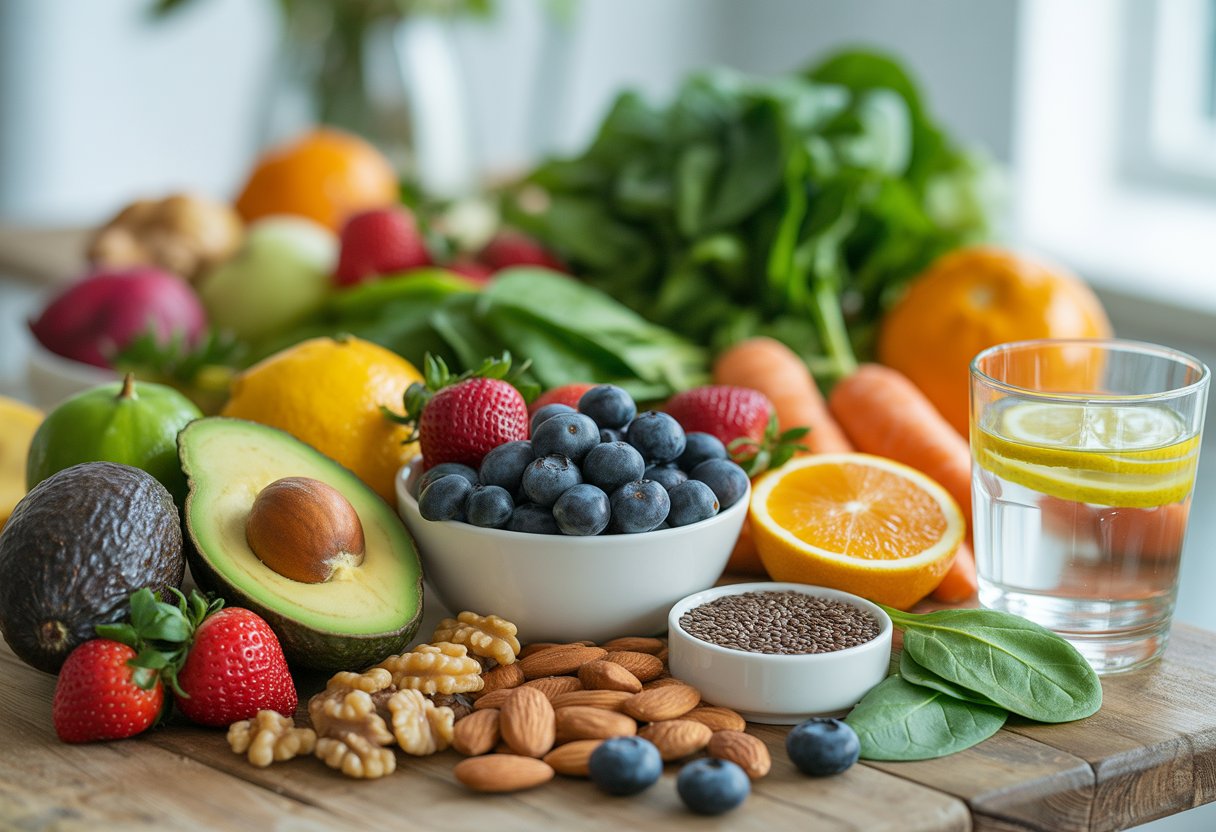
Certain foods deliver powerful nutrients that protect skin cells, boost collagen production, and fight the damage that leads to premature aging. Vitamins A, C, and E, along with omega-3 fatty acids and protein, work together to maintain firm, hydrated, and smooth skin.
Antioxidant-Rich Fruits and Vegetables
Berries rank among the most effective foods for protecting skin from aging. Blueberries, strawberries, raspberries, and blackberries contain antioxidants[10] that shield cells from oxidative stress damage. These compounds help prevent the breakdown of collagen and elastin.
Bell peppers provide both vitamin C and vitamin A while delivering hydration through their high water content. The vitamin C in these colorful vegetables supports collagen production, which keeps skin firm and reduces the appearance of fine lines.
Leafy greens supply vitamin E and other protective compounds that nourish skin cells. Dark leafy varieties contain nutrients that support the skin’s natural repair processes.
Key antioxidant sources:
- Berries (blueberries, strawberries, blackberries)
- Bell peppers (all colors)
- Leafy greens
- Tomatoes
Nourishing Fats: Avocado, Nuts, and Salmon
Avocados contain healthy fats plus vitamins C and E[10], and eating them daily may increase skin elasticity and firmness. The monounsaturated fats in avocados help maintain the skin’s moisture barrier.
Salmon delivers omega-3 fatty acids[10] that reduce inflammation and keep skin hydrated. Other fatty fish like mackerel and sardines provide the same benefits for maintaining supple, youthful-looking skin.
Nuts offer multiple skin-supporting nutrients. Walnuts contain the highest concentration of omega-3s among all nuts, while almonds provide vitamin E, a fat-soluble vitamin essential for skin health. These foods protect skin from environmental damage while supporting its structure.
Whole Grains and Legumes for Skin Support
Quinoa provides antioxidants, particularly quercetin[10], which promotes skin barrier repair and reduces pigmentation and scarring. This whole grain delivers more benefits than refined grains, which can accelerate aging.
Chickpeas contain protein, vitamin E, zinc, and magnesium[10] that reduce inflammation and support collagen production. Legumes provide the building blocks skin needs to maintain firmness and elasticity.
Whole grains and legumes also stabilize blood sugar levels, which prevents the glycation process that damages collagen fibers. Adding these whole foods to meals creates a foundation for healthier, more resilient skin.
Balanced Diet Strategies to Combat Premature Aging
A well-planned eating approach protects skin from premature aging by providing essential nutrients while limiting harmful compounds. Strategic food choices throughout the day and careful attention to processed ingredients make a measurable difference in skin appearance and health.
The Importance of a Balanced Diet for Skin
The skin requires a steady supply of vitamins, minerals, proteins, and healthy fats to maintain its structure and function. Foods rich in antioxidants like vitamins A, C, and E[1] combat oxidative stress that breaks down collagen and accelerates aging.
A balanced diet centered on whole foods delivers these protective nutrients naturally. Vegetables, fruits, legumes, nuts, seeds, and fatty fish provide polyphenols, omega-3 fatty acids, and minerals like zinc and selenium. These compounds support collagen production, reduce inflammation, and strengthen the skin’s barrier function.
Key skin-supporting nutrients include:
- Vitamin C – supports collagen synthesis
- Vitamin E – enhances skin elasticity
- Omega-3 fatty acids – improve hydration and barrier function
- Copper, selenium, and zinc – aid enzymatic repair processes
- Amino acids (lysine and proline) – essential for collagen structure
People who eat diverse whole foods give their skin the building blocks it needs for repair and regeneration. This approach addresses both intrinsic aging processes and damage from environmental stressors.
Minimizing Processed Foods and Hidden Salt
Processed foods contain refined sugars, trans fats, and excessive sodium that accelerate skin aging. Refined carbohydrates and sugars create advanced glycation end products (AGEs) that bind to collagen and elastin, making skin stiff and less resilient.
Trans fats found in margarine, packaged snacks, and fried foods trigger inflammation and oxidative damage. These unhealthy fats compromise the skin’s protective barrier and speed up visible signs of aging like wrinkles and sagging.
Hidden salt in processed items causes water retention and dehydration at the cellular level. This affects skin texture and leads to puffiness and dryness.
Foods to limit for healthier skin:
- Packaged snacks with trans fats
- Refined sugar and sweetened beverages
- White bread and processed grains
- Deli meats high in sodium
- Margarine and hydrogenated oils
Reading ingredient labels helps identify these problematic components. Choosing fresh, minimally processed alternatives protects collagen structures and maintains skin hydration.
Role of Nutrient Timing and Snacking Choices
When people eat affects how their bodies process nutrients for skin repair. The skin undergoes most of its regeneration during sleep, making evening nutrition particularly important for providing repair materials.
Protein-rich snacks in the afternoon supply amino acids needed for overnight collagen synthesis. Greek yogurt, nuts, or hummus with vegetables deliver these building blocks without excessive sugar that interferes with repair processes.
Morning meals that include antioxidant-rich berries or citrus fruits help protect skin from daytime environmental stressors. Pairing these with healthy fats from avocado or seeds improves absorption of fat-soluble vitamins A and E.
Smart snacking choices prevent blood sugar spikes that contribute to glycation. Whole food options like raw vegetables, fresh fruit, or a small handful of almonds maintain steady energy without creating AGEs. These strategic eating patterns support continuous skin maintenance throughout the day and night.
Emerging Nutrition Approaches: Autophagy and Anti-Aging Compounds
Scientists are exploring how specific eating patterns and compounds can trigger the body’s natural repair systems. These approaches focus on autophagy, a process where cells remove damaged parts and recycle them for energy.
Intermittent Fasting and Cellular Renewal
Intermittent fasting activates autophagy by creating periods when the body stops digesting food and starts cleaning out damaged cells. This process typically begins after 12-16 hours without eating.
Research shows that autophagy helps remove old proteins and cell parts that contribute to skin aging. When cells clean themselves through this process, they function better and show fewer signs of damage.
Common intermittent fasting schedules include:
- 16:8 method (16 hours fasting, 8 hours eating)
- 5:2 approach (normal eating 5 days, reduced calories 2 days)
- Alternate day fasting
The body uses autophagy to break down and reuse cellular components. This recycling process may help skin cells maintain their structure and produce collagen more efficiently. Studies in animals show that regular fasting periods can improve skin thickness and reduce wrinkles.
Curcumin, Rapamycin, and Other Novel Nutritional Compounds
Curcumin, found in turmeric, activates autophagy pathways in skin cells. Studies show it helps protect against UV damage and reduces inflammation that breaks down collagen.
Rapamycin, originally used in medicine, triggers autophagy at low doses. Research indicates it may extend cell lifespan and improve skin barrier function. However, its use as a supplement requires medical supervision.
Other compounds being studied for skin benefits:
- Resveratrol (from grapes)
- Spermidine (from wheat germ)
- Quercetin (from onions and apples)
These compounds work by activating cellular cleanup processes. They help cells remove damaged proteins and fats that accumulate with age. Most research focuses on concentrated forms rather than dietary sources alone.
Skin Health Beyond Diet: Lifestyle and Skincare Synergy
Cardiovascular health directly affects how nutrients reach the skin, while topical skincare products work together with internal nutrition to protect and repair skin cells.
Influence of Cardiovascular Health
Blood flow delivers oxygen and nutrients to skin cells while removing waste products. When cardiovascular health declines, the skin receives fewer nutrients regardless of diet quality.
Regular exercise improves circulation and increases blood flow to the skin. This enhanced delivery system helps skin cells access vitamins, minerals, and amino acids more efficiently. Studies show that people who exercise regularly often have skin that appears more vibrant because of improved nutrient delivery.
Poor cardiovascular health can also contribute to inflammation throughout the body. This inflammation affects collagen production and speeds up the breakdown of elastin fibers in the skin. High blood pressure and cholesterol levels create oxidative stress that damages skin cells from the inside.
Activities like walking, swimming, or cycling for 30 minutes most days support both heart and skin health. The increased blood flow during exercise also helps flush cellular debris and supports the skin’s natural detoxification processes.
Skincare Routines and Dietary Support
Topical skincare products work better when the body has proper nutrition. Vitamin C serums require adequate vitamin C intake to support collagen synthesis from within. Retinol creams complement vitamin A from foods to enhance cell turnover.
Key combinations include:
- Antioxidant serums + berry consumption: Both fight free radical damage
- Hyaluronic acid products + hydration: Internal water intake enhances topical moisture retention
- Sunscreen + dietary antioxidants: Provides dual protection against UV damage
The skin barrier functions best when supported from both sides. Ceramide creams work alongside healthy fats from foods like avocados and nuts to maintain moisture. Niacinamide products pair well with B vitamin intake to reduce inflammation and regulate oil production.
Topical treatments cannot fully compensate for nutritional deficiencies. Similarly, diet affects skin health[11] but cannot replace proper cleansing and protection from environmental damage.
Frequently Asked Questions
Foods rich in antioxidants like berries and fatty fish can help protect skin from aging, while high-sugar foods and trans fats speed up wrinkle formation. Diet changes can improve skin appearance, though results typically take several weeks to months.
Which foods are most effective for keeping skin looking younger?
Vegetables and fruits rich in polyphenols and carotenoids[1] rank among the most effective foods for maintaining youthful skin. Tomatoes, leafy greens, citrus fruits, and berries provide powerful antioxidants that combat free radical damage.
Fatty fish like salmon and tuna deliver omega-3 fatty acids that improve skin barrier function and hydration. Seeds such as chia and flax, along with nuts like almonds and pistachios, also supply beneficial omega-3s.
Fermented foods support the skin microbiome and help protect against UV damage while reducing wrinkles. Legumes and whole grains provide essential nutrients for skin repair. Healthy oils contribute to overall skin health when consumed in moderation.
What foods and drinks can accelerate wrinkles and premature skin aging?
Foods high in refined sugars accelerate skin aging by forming advanced glycation end products (AGEs). These compounds damage collagen and cause the skin to lose elasticity and develop wrinkles more quickly.
Trans fats found in processed snacks and margarine harm skin structure and appearance. Excessive consumption of refined carbohydrates also negatively impacts the skin.
Large quantities of alcohol damage the skin[1] and contribute to premature aging. Low water intake leads to rough, dry skin that shows age more readily. Some omega-6 fats, when consumed in excess, may also prove detrimental to skin health.
How does a poor diet impact skin texture, dullness, and breakouts?
Poor dietary habits disrupt normal skin functions and contribute to various skin problems. When the body lacks proper nutrients, skin repair processes slow down and cellular damage increases.
Diets lacking in antioxidants leave skin vulnerable to oxidative stress from environmental factors. This stress triggers inflammatory pathways that break down collagen and affect skin texture.
Insufficient hydration from low water intake causes skin to appear dull and rough. Highly processed foods negatively impact skin[12] by promoting inflammation and disrupting the skin barrier. These changes can lead to increased breakouts, uneven texture, and a loss of natural radiance.
Can changing your diet visibly improve signs of aging, and how long does it take?
Dietary changes can support skin health and potentially slow visible aging signs. The skin requires time to regenerate and respond to improved nutrition, so results do not appear immediately.
Most people need several weeks to a few months of consistent dietary improvements before noticing changes in their skin. The timeline varies based on individual factors like age, current skin condition, and the extent of dietary modifications.
Antioxidants from fruits and vegetables can reduce oxidative stress damage with regular daily intake. Collagen-boosting nutrients and omega-3 fatty acids may improve skin elasticity and hydration over time. Changing one’s diet represents one of the most practical interventions[1] available to support skin health and delay aging signs.
What are the top wrinkle-fighting nutrients, and which foods are the best sources?
Vitamin C stands out as a critical nutrient for wrinkle prevention because it supports collagen production. Citrus fruits, berries, and leafy greens provide abundant vitamin C.
Vitamin E enhances skin elasticity and works as a powerful antioxidant. Nuts, seeds, and healthy oils contain high levels of vitamin E. Vitamin A supports skin cell turnover and repair.
Amino acids like lysine and proline are essential for collagen synthesis. Proteins and collagen peptides from fish, poultry, and bone broth supply these building blocks.
Minerals including copper, selenium, and zinc support antioxidant activity and enzymatic repair processes. Phytoestrogens found in soy and flaxseed may improve skin moisture and thickness, particularly in postmenopausal women. Polyphenols from colorful fruits and vegetables combat oxidative damage that leads to wrinkles.
Can dietary choices contribute to folliculitis or other inflammatory skin conditions?
Dietary choices can influence inflammatory skin conditions through multiple pathways. Foods that trigger inflammation in the body may worsen existing skin problems or contribute to new ones.
High-sugar diets and processed foods promote inflammation throughout the body, including in the skin. This inflammatory response can affect hair follicles and oil glands, potentially contributing to conditions like folliculitis.
Poor dietary habits disrupt skin functions and contribute to skin diseases[1], while nutrient-rich diets support skin repair. Omega-3 fatty acids and antioxidants help reduce inflammation that underlies many skin conditions. Probiotics and prebiotics support a healthy skin microbiome, which plays a role in preventing inflammatory skin problems.
Post Views: 11
References
- Attention Required!. https://www.news-medical.net/news/20250506/Can-your-diet-slow-skin-aging-New-review-reveals-what-helps-and-what-harms.aspx Accessed April 1, 2026
- The Impact of Diet on Skin Health: Insights from Dermatologists. https://metropolisdermatology.com/the-impact-of-diet-on-skin-health-insights-from-dermatologists/ Accessed April 1, 2026
- Here’s How Salt (Sodium) Affects Skin Health & Appearance. https://www.westlakedermatology.com/blog/how-salt-intake-affects-the-skin/ Accessed April 1, 2026
- This Is What Sugar Does to Your Skin—and How to Fix It. https://www.self.com/story/does-eating-sugar-age-your-skin Accessed April 1, 2026
- Skin Glycation And Aging – More Than Sugar Intake. https://www.brainzmagazine.com/post/skin-glycation-and-aging-more-than-sugar-intake Accessed April 1, 2026
- Unexpected Foods That Are Secretly Aging You, According To Our Experts. https://www.healthdigest.com/1729175/experts-explain-unexpected-foods-secretly-aging-you/ Accessed April 1, 2026
- Everyday Foods That Are Secretly Accelerating Your Aging Process. https://dallassinglemom.com/everyday-foods-that-are-secretly-accelerating-your-aging-process/ Accessed April 1, 2026
- What Is Oxidative Stress & What Does It Do To Skin? Our Deep Dive. https://www.mindbodygreen.com/articles/what-is-oxidative-stress-and-what-does-it-do-to-skin Accessed April 1, 2026
- Dehydration affects skin health. https://www.eatingwell.com/skin-and-dehydration-11832491 Accessed April 1, 2026
- Blueberries, strawberries, raspberries, and blackberries contain antioxidants. https://www.prevention.com/food-nutrition/a66127718/foods-for-skin-health/ Accessed April 1, 2026
- Here’s How Your Diet Affects Your Skin. https://www.isdin.com/us/blog/skincare/how-diet-and-nutrition-affects-skin/ Accessed April 1, 2026
- WordPress › Error. https://blogs.bcm.edu/2025/02/03/is-your-diet-impacting-your-skin-heres-what-to-know/ Accessed April 1, 2026

















