
Medically Reviewed
Dr. Jose Rossello, MD, PhD, MHCM
Preventive Medicine & Public Health Specialist
Last Reviewed: March 20, 2026
Spring brings warmer weather and blooming flowers, but for millions of people, it also means dealing with sneezing, itchy eyes, and congestion. These uncomfortable symptoms happen when the immune system overreacts to pollen from trees, grasses, and weeds floating through the air. The good news is that spring allergy symptoms[1] can be controlled through a combination of prevention strategies, medication, and environmental changes that allow people to enjoy the season without constant discomfort.

Taking action before allergy season starts makes a real difference in how severe symptoms become. Tree pollen causes most spring allergies[2], and it starts spreading weeks before many people expect it. Understanding what triggers reactions and knowing which treatments work best helps people create a plan that fits their daily routine.
This guide covers everything needed to manage spring allergies effectively. From recognizing early symptoms to choosing the right medications, readers will learn practical steps to reduce their exposure to pollen and find relief when symptoms strike.
Table of Contents
Key Takeaways
- Spring allergies occur when pollen from trees, grasses, and weeds triggers an immune system reaction that causes sneezing, congestion, and itchy eyes
- Starting treatment at least two weeks before allergy season and taking medication daily provides better symptom control than waiting until problems start
- Combining indoor air quality improvements, pollen avoidance strategies, and appropriate medical treatments offers the most effective approach to managing spring allergies
Understanding Spring Allergies
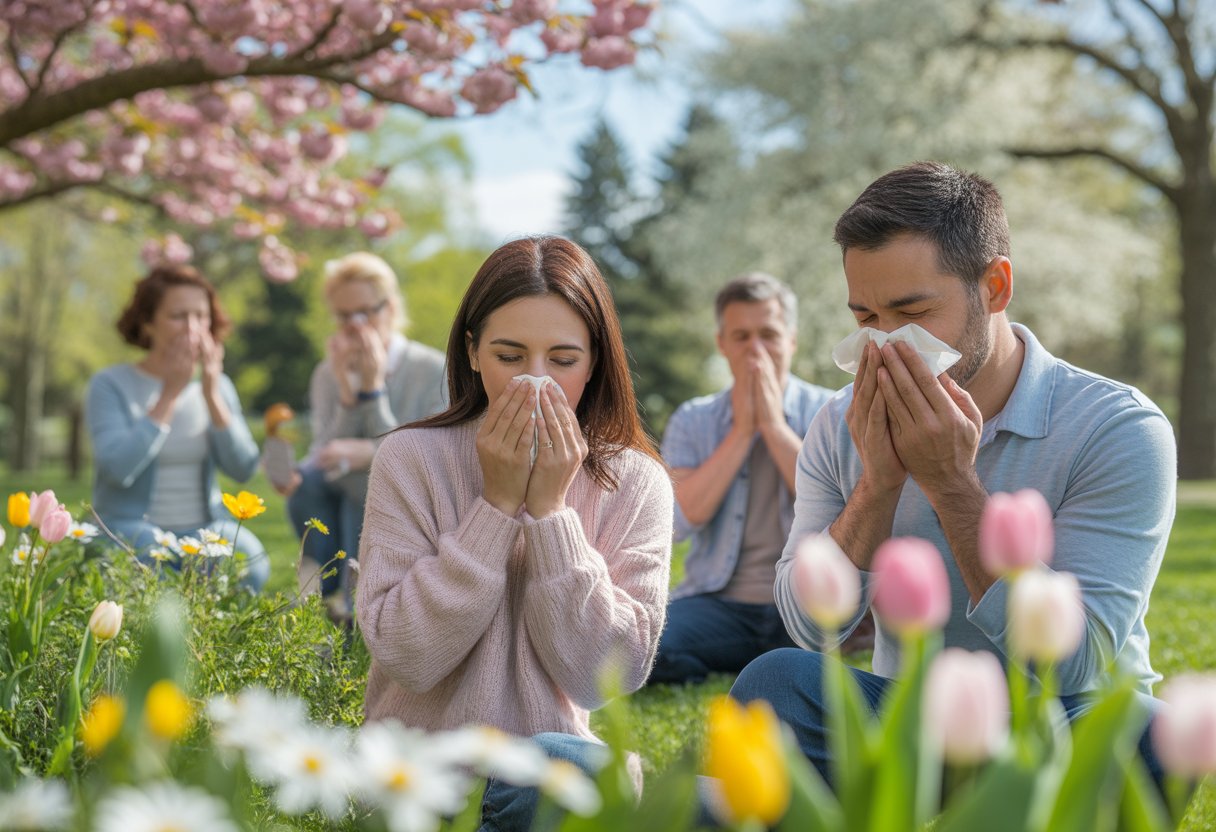
Spring allergies affect millions of people each year when trees, grasses, and weeds release pollen into the air. The immune system’s overreaction to these harmless particles creates uncomfortable symptoms that can last for months.
What Are Spring Allergies?
Spring allergies are a type of seasonal allergies that occur when plants release pollen during their growing season. Trees typically pollinate first, starting as early as February in warmer climates. Grasses follow in late spring, while weeds continue through early summer.
Medical professionals call this condition allergic rhinitis when it affects the nasal passages. The condition develops when a person’s body identifies pollen as a threat. Common pollen sources include oak, birch, cedar, maple, and pine trees.
Seasonal allergies affect nearly 81 million Americans[3], including one in four adults and nearly one in five children. Symptoms typically include sneezing, runny nose, itchy eyes, and nasal congestion.
How the Immune System Reacts to Allergens
The immune system normally protects the body from harmful invaders like bacteria and viruses. In people with spring allergies, the immune system mistakes harmless pollen for a dangerous substance.
When pollen enters the body through the nose or mouth, immune cells called mast cells release histamine and other chemicals. This immunology response causes blood vessels to expand and tissues to swell. Histamine also triggers mucus production and irritates nerve endings.
The body remembers these encounters with specific allergens. Each time a person encounters the same pollen, their immune system launches the same defensive reaction. This explains why symptoms return every spring when the same plants begin pollinating.
Common Misconceptions About Spring Allergies
Many people believe spring allergies are just a minor inconvenience, but they can significantly impact daily life and productivity. Some individuals think they cannot develop allergies later in life, but adults can develop new allergies at any age.
Another misconception is that all allergy medications work the same way for everyone. Different people respond differently to various treatments, and some medications may not work[4] for certain individuals.
People often confuse spring allergy symptoms with a cold[5]. Allergies typically cause itchy eyes and clear nasal discharge, while colds produce body aches and thick, colored mucus. Allergy symptoms persist as long as pollen remains in the air, whereas colds usually resolve within a week or two.
Key Spring Allergy Symptoms
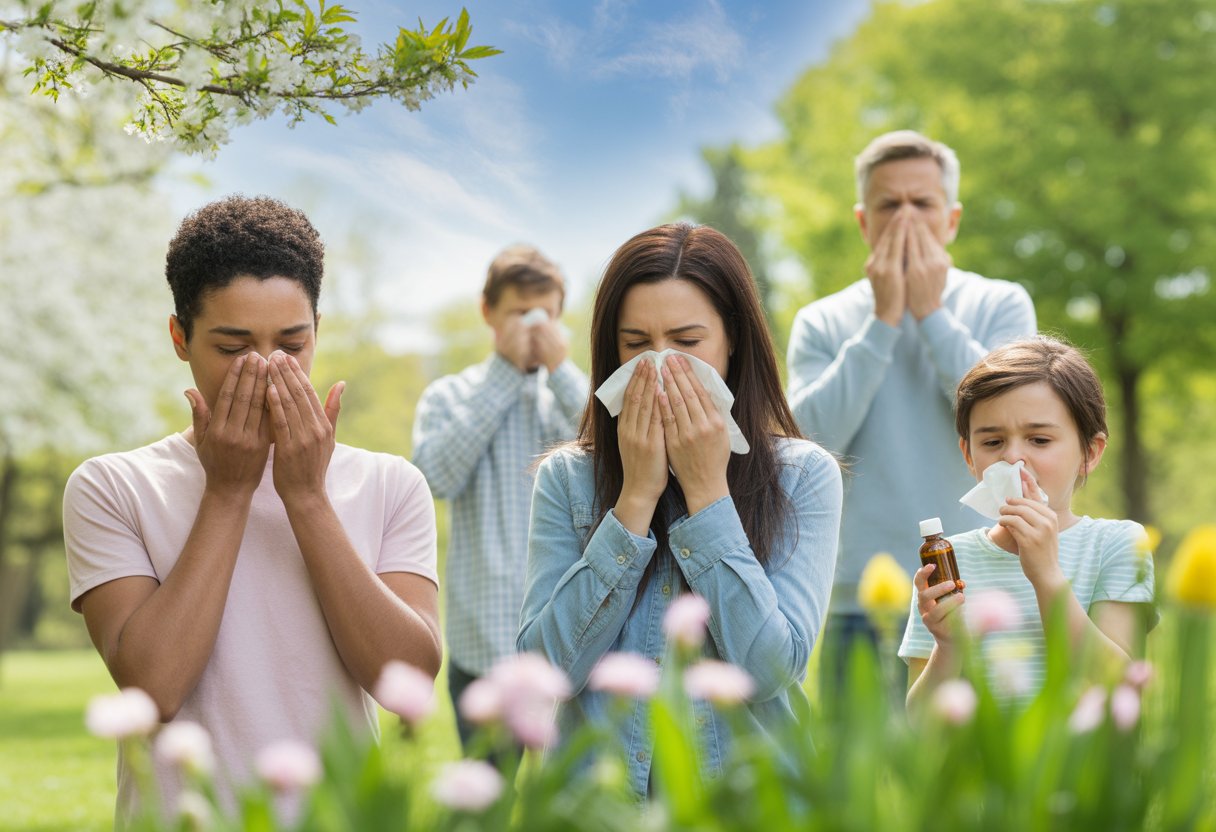
Spring allergies affect the respiratory system and eyes, causing a range of uncomfortable symptoms that can disrupt daily activities. These symptoms occur when the immune system releases histamine and other chemicals in response to pollen exposure.
Nasal Congestion and Runny Nose
Nasal congestion ranks among the most bothersome spring allergy symptoms. When pollen enters the nasal passages, it triggers inflammation that causes the tissues inside the nose to swell. This swelling blocks airflow and creates that familiar stuffed-up feeling.
A runny nose often accompanies congestion as the body tries to flush out allergens. The discharge is typically clear and watery, unlike the thick, colored mucus associated with colds or infections. Many people experience both symptoms at the same time, alternating between a blocked nose and constant dripping.
Sinus pressure often develops alongside nasal congestion. The inflammation can block the sinus cavities, leading to a feeling of fullness or pressure around the forehead, cheeks, and eyes. This pressure can sometimes cause headaches that make it difficult to concentrate on work or school tasks.
Itchy or Watery Eyes
Itchy, watery eyes[1] are hallmark signs of pollen allergies. When airborne pollen particles land on the eyes, they trigger the release of histamine in the eye tissues. This chemical response causes the blood vessels in the eyes to dilate and leak fluid.
The itching sensation can be intense and persistent. Rubbing the eyes provides temporary relief but actually makes symptoms worse by releasing more histamine and potentially introducing additional allergens from the hands.
Dark circles under the eyes, called allergic shiners, may appear due to increased blood flow and congestion in the small blood vessels beneath the eyes. The eyes may also appear red and swollen as inflammation affects the conjunctiva, the clear membrane covering the white part of the eye.
Sneezing and Coughing
Sneezing represents the body’s attempt to expel pollen and other irritants from the nasal passages. People with spring allergies often sneeze multiple times in succession, especially after going outdoors or being exposed to high pollen levels. These sneezing fits can occur suddenly and repeatedly throughout the day.
Coughing develops when pollen irritates the throat or when postnasal drip triggers the cough reflex. A scratchy throat[1] often precedes the cough as mucus drains down the back of the throat. This type of cough is usually dry rather than productive.
For individuals with allergy asthma[1], pollen exposure can trigger more serious respiratory symptoms. Wheezing and shortness of breath occur when airways become inflamed and constricted. These symptoms require careful management and may need prescription medications.
Fatigue and Brain Fog
Fatigue affects many people with spring allergies, though it often goes unrecognized as an allergy symptom. The immune system’s constant battle against pollen drains energy reserves. Poor sleep quality due to nasal congestion and breathing difficulties compounds this exhaustion.
Brain fog describes the mental cloudiness that accompanies seasonal allergies. People report difficulty concentrating, slower thinking, and problems with memory. This cognitive impact results from a combination of factors including inflammation, disrupted sleep, and the side effects of some allergy medications.
The constant discomfort from other allergy symptoms also contributes to mental and physical tiredness. When the body fights inflammation day after day, it uses significant energy that would normally be available for other activities.
Identifying Your Allergy Triggers
Spring allergy triggers include tree, grass, and weed pollen that fill the air during warmer months, along with indoor allergens like dust mites and pet dander that cause problems year-round. Weather conditions and air quality also play a major role in how severe symptoms become.
Tree, Grass, and Weed Pollen
Tree pollen kicks off the spring allergy season as early as February in some regions. Oak, birch, cedar, and maple trees release large amounts of pollen that can travel for miles on windy days. These tiny particles easily enter the nose and eyes.
Grass pollen becomes the main issue from late spring through early summer. Timothy, Bermuda, and Kentucky bluegrass are common culprits that affect people in yards, parks, and fields.
Weed pollen extends the allergy season into late summer and fall. Ragweed is the most problematic weed allergen and produces billions of pollen grains that can travel hundreds of miles. A single ragweed plant releases up to one billion pollen grains during its season.
People with pollen allergies often react to multiple types throughout the year. Common spring allergy triggers[6] can range from pollen and mold to insect bites, and exposure leads to the body producing antibodies that cause symptoms.
Year-Round Indoor Allergens
Dust mites live in bedding, upholstered furniture, and carpets where they feed on dead skin cells. These microscopic creatures thrive in warm, humid environments and their waste particles become airborne when people walk or vacuum.
Pet dander consists of tiny flakes of skin shed by cats, dogs, and other furry animals. The proteins in dander trigger allergic reactions and can remain in homes for months even after a pet is removed. Pet saliva and urine also contain allergens that stick to surfaces.
Mold spores grow in damp areas like bathrooms, basements, and around leaky pipes. Indoor mold releases spores into the air that people breathe in throughout the year. Spring rainfall increases outdoor mold growth as well, adding to the total allergen load.
Weather and Air Quality Factors
Temperature and humidity directly affect pollen counts and allergen levels. Warm, dry, and windy days send pollen counts soaring as plants release more particles that travel farther. Rain temporarily washes pollen from the air but causes mold spores to multiply afterward.
Air quality impacts how severely symptoms appear. Pollution and smog irritate airways and make them more sensitive to allergens. Poor air quality days amplify reactions to even small amounts of pollen or mold.
Morning hours typically have the highest pollen concentrations as plants release their pollen at dawn. Pollen counts drop in the evening and after rainfall, offering temporary relief for those affected.
Timing and Duration of Allergy Season
Spring allergy season now begins earlier and lasts longer than in previous decades. Pollen counts peak during specific months and times of day, which helps allergy sufferers plan their activities and reduce exposure.
When Does Spring Allergy Season Start?
Spring allergy season no longer waits for warm weather to arrive. Pollen season often begins in late winter, with some people experiencing symptoms as early as February or March.
The exact start date depends on where someone lives and local weather patterns. Warmer regions see tree pollen release earlier than colder areas. Trees begin producing pollen before flowers bloom, which catches many people off guard.
Tree pollen marks the first wave of spring allergies. Oak, birch, cedar, and pine trees release their pollen into the air during this early period. This initial phase can last several weeks before grass pollen takes over.
Peak Pollen Months and Hours
Different types of pollen dominate during specific months throughout spring. February through April brings the highest tree pollen counts. April through June shifts focus to grass pollen, which causes another round of allergy symptoms.
Peak pollen hours occur between 5 AM and 10 AM on most days. Pollen counts tend to be highest during dry, windy mornings when plants release their pollen into the air. Rainy days provide temporary relief because moisture weighs down pollen particles.
People can check daily pollen forecasts[3] through weather apps and specialized websites to plan outdoor activities. Staying indoors during peak pollen hours reduces pollen exposure significantly.
How Climate Change is Affecting Allergy Seasons
Climate change has made allergy seasons more intense and longer. Pollen season has extended by nearly 20 days over the past 30 years[3], according to research from 2021.
Warmer temperatures allow trees and grasses to produce higher concentrations of pollen. Plants also start their pollen production earlier in the year due to milder winters. This combination increases both the duration and severity of symptoms for allergy sufferers.
The trend shows no signs of slowing down. Each year brings earlier start dates and higher pollen counts than the previous year, making preparation more important for managing symptoms effectively.
Diagnosing Spring Allergies
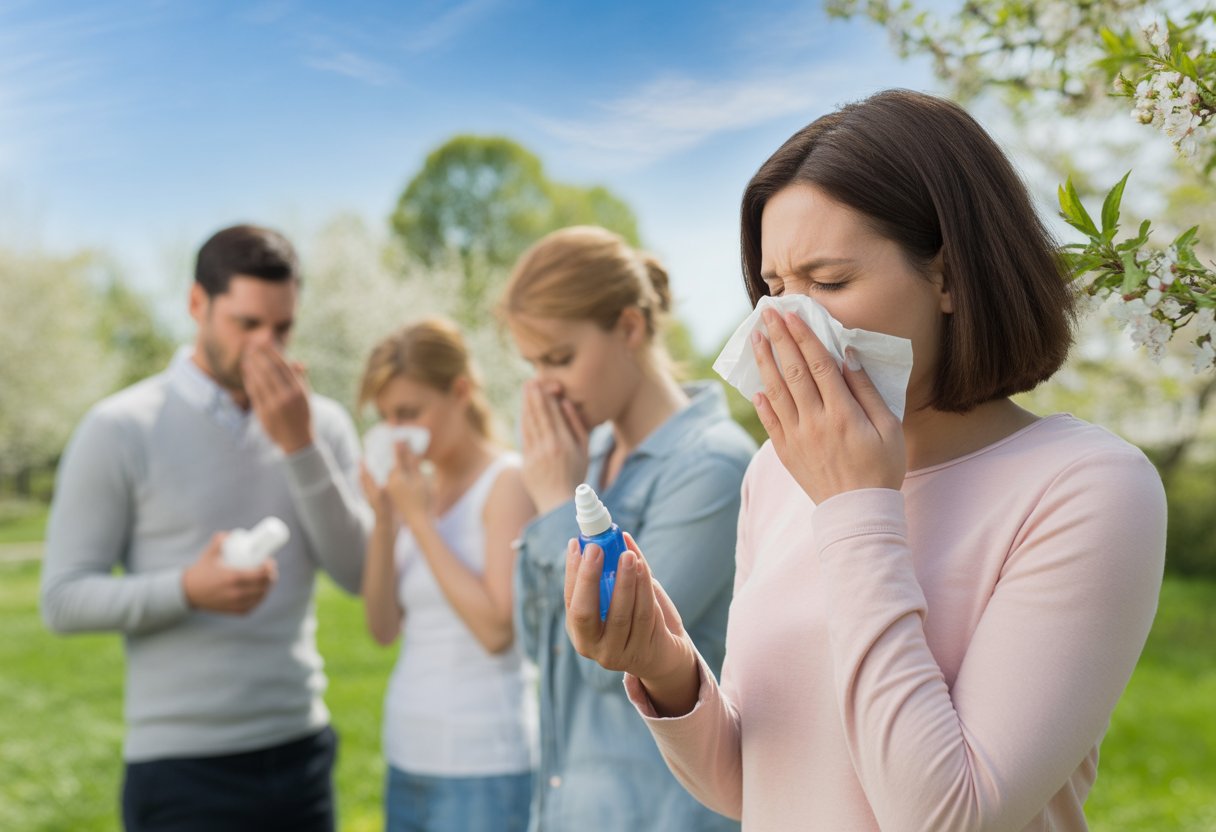
Getting a proper diagnosis helps people understand their triggers and find the right treatment. Testing methods range from simple self-checks to detailed medical procedures that identify specific allergens.
Self-Assessment vs. Professional Testing
People can start by tracking their symptoms in a diary or app. Writing down when symptoms appear, what they were doing, and how severe the reactions were helps identify patterns. Common signs include sneezing, runny nose, itchy eyes, and congestion that return each spring.
Self-assessment has limits though. Seasonal allergies cause symptoms[7] that often look like other health issues. Someone might think they know their triggers but be wrong about the actual cause.
Professional testing provides accurate answers. Allergists have specialized training in immunology and can pinpoint exact allergens. They use medical-grade tests that reveal sensitivities a person might not notice on their own.
Allergy Testing Methods
Skin prick tests are the most common diagnostic tool. A doctor places tiny amounts of allergens on the skin, usually on the forearm or back. If a raised bump appears within 15-20 minutes, the test is positive for that allergen.
Blood tests measure antibodies the immune system makes in response to allergens. These work well for people who take certain medications or have skin conditions that make skin testing difficult.
Intradermal tests inject small amounts of allergen under the skin. Doctors use these when skin prick tests give unclear results.
| Test Type | Time for Results | Best For |
|---|---|---|
| Skin Prick | 15-20 minutes | Most people |
| Blood Test | 1-2 weeks | Those on antihistamines |
| Intradermal | 15-20 minutes | Confirming unclear results |
Differentiating Allergies from Other Conditions
Spring allergy symptoms overlap with colds, sinus infections, and COVID-19. The key differences help determine what someone actually has.
Allergy symptoms last for weeks or months as long as pollen is present. Colds typically clear up within 7-10 days. Allergies cause clear, watery nasal discharge while infections produce thick, colored mucus.
Fever indicates infection rather than allergies. Body aches and fatigue are stronger with illness than with pollen allergy symptoms[1]. Itchy eyes and nose point more toward allergies since infections rarely cause itching.
Primary care providers diagnose and treat allergies[8] as a first step. They refer patients to specialists when symptoms are severe or unclear.
Everyday Strategies to Reduce Pollen Exposure
Simple daily habits can significantly reduce pollen exposure and lessen allergy symptoms. Keeping allergens out of living spaces and off the body requires consistent attention to windows, outdoor time, and personal hygiene.
Limiting Outdoor Activities
Peak pollen hours occur during early morning and on dry, windy days. People with allergies should stay indoors during these high-pollen times[9] when possible.
Checking daily pollen forecasts helps people plan their schedules around lower pollen counts. Many weather apps and websites provide this information.
Yard work presents particular challenges for allergy sufferers. Mowing, weeding, and gardening stir up pollen and should be avoided during symptom flare-ups. When these tasks cannot be postponed, wearing a mask provides some protection against airborne allergens.
Outdoor exercise is better scheduled for late afternoon or after rain, when pollen counts drop. Indoor alternatives like gyms or home workouts offer symptom-free options during high pollen seasons.
Keeping Windows Closed and Air Quality High
Closed windows in homes and vehicles create a barrier against pollen. This simple step prevents allergens from entering indoor spaces where people spend most of their time.
Air conditioning keeps indoor temperatures comfortable without opening windows. Running the AC also filters and circulates air, which helps remove particles that do enter the home.
HEPA filters trap 99.97% of airborne particles. Installing these filters in HVAC systems provides superior allergen removal compared to standard filters. An air purifier with a HEPA filter adds extra protection in bedrooms and main living areas.
Filter maintenance matters as much as filter quality. HEPA filters should be changed every six months to maintain effectiveness. Dirty filters lose their ability to capture pollen and other allergens.
Regular vacuuming with a HEPA-equipped vacuum cleaner removes pollen that settles on carpets and rugs. This prevents allergens from becoming airborne again when people walk through rooms.
Showering and Changing Clothes After Exposure
Pollen clings to hair, skin, and clothing throughout the day. Showering after outdoor activities washes away these accumulated allergens before they spread throughout the home.
Evening showers provide particular benefits. Washing before bed prevents pollen transfer to pillows and sheets, leading to better sleep quality and fewer nighttime symptoms.
Clean clothes should replace pollen-covered garments immediately after coming indoors. Leaving worn clothes in a hamper or bathroom prevents allergens from contaminating other rooms. Washing clothes promptly removes trapped pollen particles completely.
Hair collects significant amounts of pollen. Rinsing or washing hair removes these allergens and prevents them from touching the face during sleep.
Optimizing Your Indoor Environment
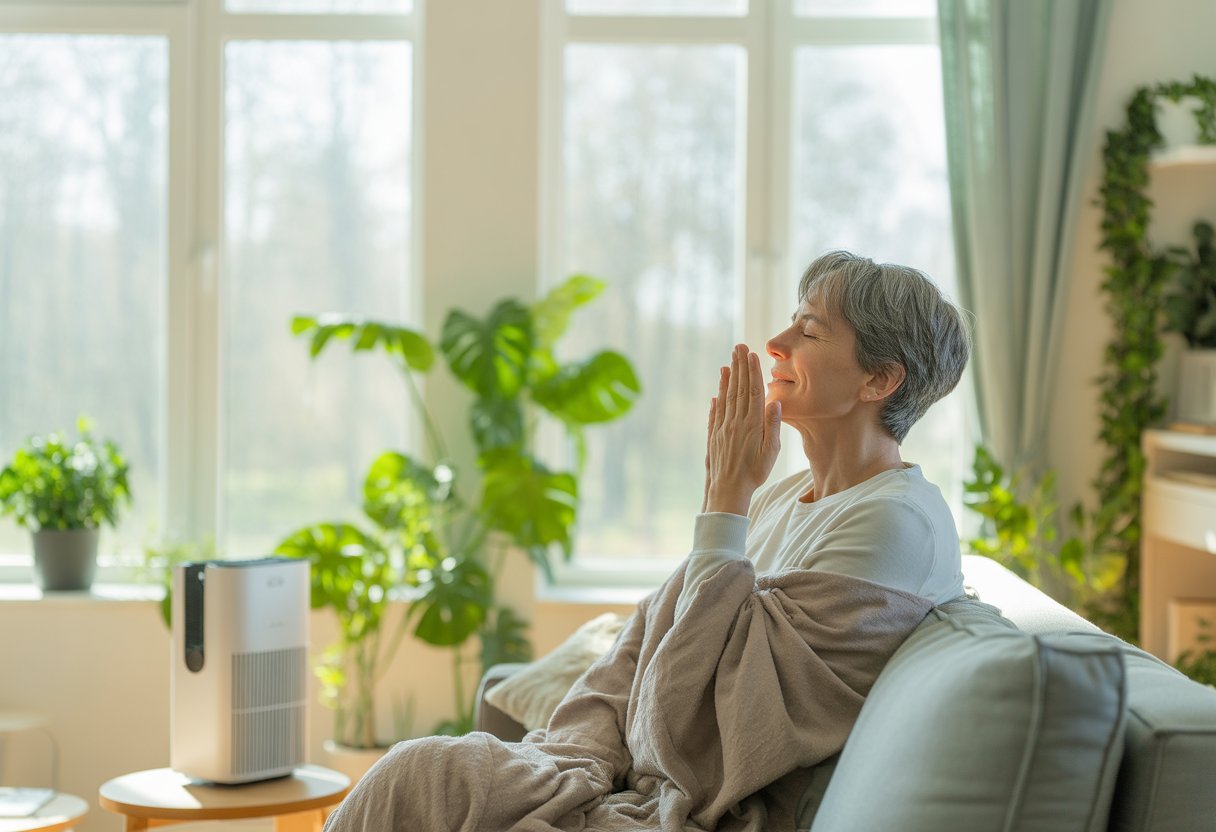
Indoor air quality plays a major role in controlling spring allergy symptoms, as allergens like pollen, dust mites, and mold spores can accumulate inside homes. Taking steps to filter air, reduce dust buildup, and control moisture creates a healthier living space year-round.
Using HEPA Filters and Air Purifiers
HEPA filters trap 99.97% of airborne particles as small as 0.3 microns, making them highly effective at removing pollen, dust mites, pet dander, and mold spores from indoor air. An air purifier equipped with a HEPA filter works continuously to clean the air in bedrooms, living rooms, and other frequently used spaces.
People should place air purifiers in rooms where they spend the most time, particularly bedrooms where they sleep for extended periods. Running the unit on a higher setting during peak pollen hours helps maintain cleaner air throughout the day.
HVAC systems benefit from filters with a MERV rating of 11 or 12[10], which capture smaller particles than standard filters. Homeowners should replace these filters every three months to maintain optimal performance. Pairing quality HVAC filters with standalone air purifiers provides comprehensive protection against airborne allergens.
Regular Cleaning and Dust Control
Dust accumulation harbors allergens that trigger sneezing, congestion, and other symptoms. Using a vacuum with cyclonic technology helps spin dust and dirt away from floors more effectively than traditional models.
Weekly vacuuming of carpets, rugs, and upholstered furniture removes dust mites and their waste products. Hard floors require damp mopping rather than dry sweeping, which can stir allergens into the air. Washable items like curtains, throw pillows, and bedding should go through hot water cycles every one to two weeks.
Key cleaning priorities include:
- Washing bedding in water above 130°F to kill dust mites
- Wiping down surfaces with damp cloths instead of dry dusters
- Vacuuming mattresses and upholstered furniture monthly
- Removing clutter that collects dust
Pet owners need to pay special attention to areas where animals spend time, as fur and dander contribute significantly to indoor allergen levels.
Managing Humidity and Mold
Mold thrives in damp conditions, releasing spores that cause respiratory irritation and allergy symptoms. Maintaining humidity below 60%[10] prevents mold growth and creates an environment where dust mites cannot survive.
Bathrooms, basements, and other moisture-prone areas require extra attention. Installing exhaust fans in bathrooms and running them during and after showers removes excess moisture from the air. Dehumidifiers work well in basements and other spaces with poor ventilation.
Visible mold requires immediate cleaning with detergent and water, followed by thorough drying of the affected area. Standing water should never remain in sinks, tubs, or floor surfaces. Checking for leaks around windows, pipes, and roofs prevents moisture from entering walls and creating hidden mold colonies.
People should inspect areas where water accumulates, including window sills, under sinks, and around washing machines, at least monthly to catch problems early.
Medical Treatments for Spring Allergy Relief
Multiple medication options can control spring allergy symptoms, ranging from drugstore purchases to doctor-prescribed treatments and long-term immunotherapy solutions. Antihistamines, nasal steroids, and decongestants[11] each address different aspects of the allergic response.
Over-the-Counter Allergy Medications
Antihistamines block histamine release and reduce sneezing, itching, and runny nose symptoms. Common options include cetirizine (Zyrtec), loratadine (Claritin), and fexofenadine (Allegra). These medications work best when taken daily rather than waiting for symptoms to appear.
Steroid nasal sprays like fluticasone (Flonase) reduce inflammation in nasal passages. They typically require one to two weeks of consistent use before reaching full effectiveness. These sprays help with congestion, sneezing, and post-nasal drip.
Decongestants such as Sudafed shrink swollen blood vessels in the nose to relieve stuffiness. However, these medications should not be used for more than three consecutive days to avoid rebound congestion. Some people experience increased heart rate or difficulty sleeping with decongestants.
Many patients find success combining antihistamines with nasal sprays for comprehensive symptom control. Most allergy medications work best if taken daily and at least two weeks before allergy season starts[12].
Prescription Options
Doctors prescribe stronger medications when over-the-counter options fail to provide adequate relief. Prescription-strength antihistamines offer higher doses than store-bought versions. Prescription nasal steroids may contain different active ingredients or higher concentrations than their over-the-counter counterparts.
Leukotriene modifiers block chemicals the body produces in response to allergens. These medications come in pill form and work well for people who experience both allergies and asthma. Prescription eye drops can target severe eye itching and redness that oral medications miss.
Some patients require combination medications that blend antihistamines with decongestants or other active ingredients. A healthcare provider can determine which prescription approach matches specific symptom patterns and medical history.
Allergy Shots and Immunotherapy
Allergy immunotherapy[11] trains the immune system to tolerate allergens over time. Traditional allergy shots involve regular injections at a doctor’s office, starting with weekly visits that eventually space out to monthly maintenance doses. This treatment typically spans three to five years.
Sublingual immunotherapy places small allergen doses under the tongue at home. This option eliminates the need for frequent office visits while delivering similar long-term benefits. Both methods can provide lasting relief even after treatment ends.
Immunotherapy works best for people with severe symptoms that medications cannot fully control. The treatment addresses the root cause of allergies rather than just masking symptoms. Patients often see gradual improvement after several months of consistent treatment.
Effective Nasal and Sinus Care
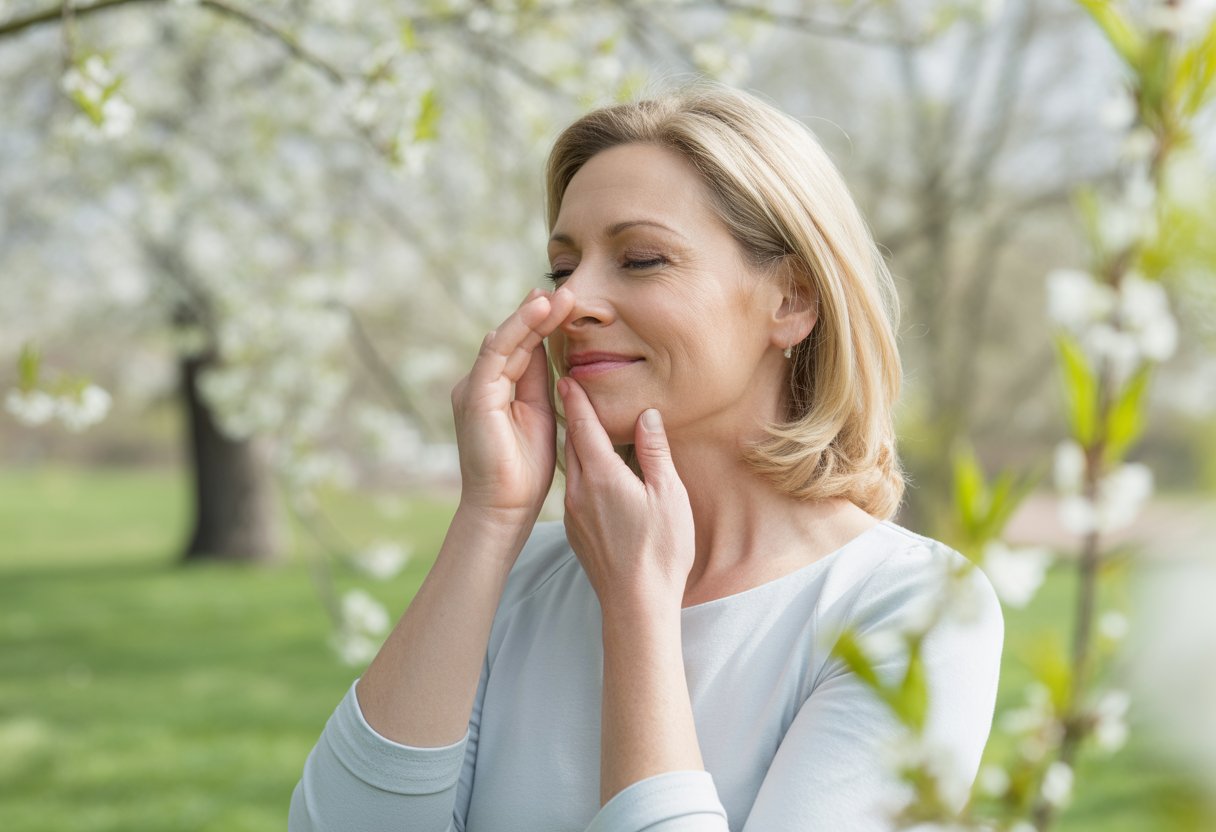
Nasal irrigation and proper sinus management can flush out pollen and allergens while reducing inflammation in the nasal passages. These methods work by physically removing irritants and keeping the sinuses clear during peak allergy season.
Saline Nasal Rinses and Sprays
Saline nasal rinses use a salt water solution to flush pollen, dust, and other allergens from the nasal passages. This simple approach helps reduce inflammation without medication. A typical saline solution contains about 0.9% salt, which matches the body’s natural salt concentration.
People can choose between pre-mixed saline sprays or make their own solution at home. Store-bought saline spray offers convenience and sterility. Homemade solutions require distilled or boiled water that has cooled down, never tap water straight from the faucet.
Nasal rinses and nasal mists[2] provide medicine-free relief by flushing out the nasal cavity. Regular use keeps pollen from building up in the sinuses. Many allergy sufferers find that using saline nasal rinse twice daily during spring reduces their symptoms significantly.
Neti Pot Techniques
A neti pot looks like a small teapot designed to pour saline solution through the nasal passages. The person tilts their head to one side over a sink and pours the solution into the upper nostril. The liquid flows through the nasal cavity and exits through the lower nostril.
Proper technique matters for safety and effectiveness. The head should tilt at about a 45-degree angle. Users should breathe through their mouth during the process. They must only use distilled, sterile, or previously boiled water to avoid infections.
After rinsing, people should gently blow their nose to remove excess solution. They should clean and dry the neti pot after each use. Regular cleaning prevents bacteria or mold growth in the device.
Managing Sinus Pressure and Congestion
Steroid nasal sprays work best for nasal congestion[2], postnasal drip, and sinus pressure. However, they don’t provide immediate relief. Starting them a few weeks before spring allergy season begins gives better results.
Applying warm compresses to the face helps relieve sinus pressure. The warmth increases blood flow and reduces inflammation in the sinus cavities. People can use a warm, damp towel across the nose and forehead for 10-15 minutes several times daily.
Staying hydrated thins mucus and makes drainage easier. Drinking water throughout the day keeps nasal passages moist. Steam from a hot shower also provides temporary relief by opening up congested sinuses.
Sleeping with the head elevated reduces nighttime congestion. This position helps mucus drain more effectively. An extra pillow or wedge can make breathing easier during sleep.
Natural and Lifestyle Remedies for Allergy Relief
Several herbal options and dietary changes can help reduce spring allergy symptoms without relying solely on medications. Raw honey from local sources may provide immune support, while certain herbs have shown promise in clinical studies.
Integrating Herbal Remedies and Raw Honey
Butterbur stands out as one of the most effective herbal remedies[13] for spring allergies. Swiss researchers found this herb works as a strong antihistamine to control hay fever symptoms. Unlike some over-the-counter medications, it does not cause drowsiness.
Green tea contains compounds that block certain allergic responses in the body. Japanese scientists discovered that regular consumption may reduce sneezing and itchy eyes associated with seasonal allergies.
Raw honey from local bees may help build tolerance to area pollen over time. People who consume a spoonful of local raw honey daily before allergy season sometimes experience fewer symptoms. The honey should come from sources within a few miles of where someone lives for the best results.
Eucalyptus oil reduces inflammation caused by allergies. A person can add a few drops to a bowl of steaming water and breathe in the vapors for relief.
Diet and Hydration Considerations
Certain foods can naturally help fight allergy symptoms. Spicy foods containing capsaicin, like cayenne pepper, reduce nasal congestion. Garlic contains allicin, an anti-inflammatory compound that decreases swelling from allergic reactions.
Staying well-hydrated helps thin mucus and keeps nasal passages moist. Drinking plenty of water throughout the day supports the body’s natural defenses against allergens.
Hot liquids like herbal teas or broth provide additional benefits. The steam from warm beverages helps open airways while the fluids keep tissues hydrated.
Cautions with Natural Treatments
Natural remedies require the same careful consideration as conventional medications. Some herbs interact with prescription drugs or cause side effects in certain individuals.
Pregnant women should consult their doctors before using herbal remedies. Butterbur products must be processed to remove toxic compounds called pyrrolizidine alkaloids.
People with ragweed allergies may react to certain herbs in the same plant family. Anyone trying a new natural allergy treatment[14] should start with small amounts to test for adverse reactions. Those with severe allergies need medical supervision and should not replace prescribed treatments without consulting their healthcare provider.
Frequently Asked Questions
Tree pollen triggers most spring allergies, and while complete elimination isn’t possible, several treatments and lifestyle changes can significantly reduce symptoms. Understanding the difference between allergies and colds, knowing which medications work best, and learning why spring intensifies symptoms helps people manage their reactions more effectively.
What are the most effective natural remedies for immediate allergy relief?
Saline sprays and neti pots offer medicine-free relief by flushing pollen and allergens from nasal passages. These salt water rinses help clear the sinuses and can provide quick symptom reduction.
Showering immediately after coming indoors removes pollen from skin and hair. This prevents continued exposure and helps symptoms improve faster.
While some people use raw honey or stinging nettle tea, these remedies lack scientific evidence. People who are allergic to plants should avoid herbal remedies, as they can actually worsen symptoms or trigger additional reactions.
Can allergies be completely eliminated, and if so, how?
Allergy immunotherapy is the only treatment that has the potential to cure allergic rhinitis[2]. These allergy shots work by gradually exposing the body to allergens over time.
Complete elimination of spring allergies isn’t guaranteed even with immunotherapy. However, this treatment can significantly reduce or eliminate the need for daily medications in many people.
Most other treatments only manage symptoms rather than cure the underlying allergy. Medications, lifestyle changes, and environmental controls provide relief but must be continued each allergy season.
What over-the-counter medications are best for treating spring allergies?
Antihistamines work well for basic symptoms like itching, sneezing, and runny nose. These daily medications are the most commonly recommended first-line treatment.
Steroid nasal sprays provide the best relief for nasal congestion, postnasal drip, and sinus pressure[2]. They don’t work immediately, so starting them a few weeks before spring allergy season begins produces better results.
Decongestants like Sudafed can help with congestion but aren’t suitable for everyone. People with heart problems or those over 40 should avoid regular use of these medications.
Are there any effective home treatments for pollen allergies?
Keeping windows closed during spring allergy season[7] prevents pollen from entering homes and cars. Switching car air conditioning to recirculation mode adds extra protection.
Using allergy-reducing HVAC filters and changing them regularly minimizes allergens indoors. Air purifiers, especially in bedrooms, further clean the air.
Regular cleaning of sheets and keeping pets groomed reduces pollen buildup. Pets that spend time outdoors collect pollen on their fur, so wiping them down after outdoor activities helps reduce indoor allergen levels.
How can one differentiate between spring allergy symptoms and common cold symptoms?
Allergy symptoms last as long as exposure to the allergen continues, while colds typically resolve within 7-10 days. Allergies also tend to occur at the same time each year when specific plants pollinate.
Itchy, watery eyes are a hallmark of allergies but rarely occur with colds. Clear, thin nasal discharge is more common with allergies, while colds often produce thicker, yellow or green mucus.
Allergies don’t cause fever, but colds sometimes do. Body aches are also more common with colds than with seasonal allergies.
Why do allergy symptoms tend to intensify during the spring season?
Tree pollen is to blame for most spring allergies[2]. Trees release massive amounts of pollen from approximately February through June in most areas.
Temperature swings during spring make symptoms worse because pollination stops and starts inconsistently. When pollination cycles overlap, allergens compound on each other and create more severe reactions.
Dry, windy days carry allergens farther and in higher concentrations. Increased humidity and rainfall in spring[3] also worsen symptoms from dust mites, pet dander, and mold.
Post Views: 4
References
- Spring Allergies: Understanding Pollen Allergies. https://www.summithealth.com/health-wellness/spring-allergies-understanding-pollen-allergies Accessed March 20, 2026
- Managing Spring Allergies. https://health.clevelandclinic.org/how-to-manage-spring-allergies Accessed March 20, 2026
- Is it allergy season? How to prepare for spring allergies.. https://www.citymd.com/health-and-wellness/is-it-allergy-season-how-to-prepare-for-spring-allergies Accessed March 20, 2026
- Spring Allergy Action Plan. https://www.hnl.com/resources/blog/spring-allergy-action-preparedness-plan Accessed March 20, 2026
- Spring Allergy Symptoms. https://compassionhealthcare.org/spring-allergy-symptoms/ Accessed March 20, 2026
- Spring Allergies | Symptoms and Treatment | Allergy Insider. https://www.thermofisher.com/allergy/us/en/allergy-types-symptoms/seasonal-allergies/spring-allergies.html Accessed March 20, 2026
- Making the Most of Your Spring Allergy Visit. https://www.aaaai.org/tools-for-the-public/conditions-library/allergies/spring-allergy Accessed March 20, 2026
- Understanding & Managing Spring Allergies · Conway Medical Center. https://www.conwaymedicalcenter.com/news/topic/understanding-managing-spring-allergies/ Accessed March 20, 2026
- Attention Required!. https://www.nuvancehealth.org/health-tips-and-news/8-tips-to-reduce-your-spring-allergy-symptoms Accessed March 20, 2026
- Spring Cleaning: Spruce up Your House While Toning Down Allergies. https://acaai.org/news/spring-cleaning-spruce-up-your-house-while-toning-down-allergies/ Accessed March 20, 2026
- Spring Allergies: Medication for Seasonal Allergies (2026)
| Wyndly. https://www.wyndly.com/blogs/learn/medicine-for-spring-allergies Accessed March 20, 2026 - The Village Medical Spring Allergy Guide: Managing Symptoms & What to Expect. https://www.villagemedical.com/journey-to-well/spring-allergies-what-to-expect-and-how-to-reduce-symptoms Accessed March 20, 2026
- 8 Natural Ways to Beat Spring Allergies in 2026. https://blog.ochsner.org/articles/8-natural-ways-to-beat-spring-allergies/ Accessed March 20, 2026
- 7 Natural Remedies for Seasonal Allergies. https://www.everydayhealth.com/seasonal-allergies/natural-remedies-for-allergies/ Accessed March 20, 2026

















