When people think about attention-deficit/hyperactivity disorder (ADHD), they often picture a hyperactive young boy running around a classroom, not the quiet girl daydreaming in the corner, the chatty student who can’t finish her work or the mother who is chronically late and constantly searching for her keys.
Yet all of these individuals — boys and girls, men and women — may be showing signs of ADHD, a neurodevelopmental condition that can significantly affect daily functioning.
As psychologists and researchers who are focused on understanding ADHD in girls and women across the lifespan, we want to better understand the social, emotional, cognitive and hormonal factors that uniquely intersect with ADHD in girls and women. Our combined research examines the experiences of ADHD in girls in childhood and adolescence through adulthood and older adulthood, with a focus on understanding how girls and women can thrive.
Table of Contents
Girls with ADHD
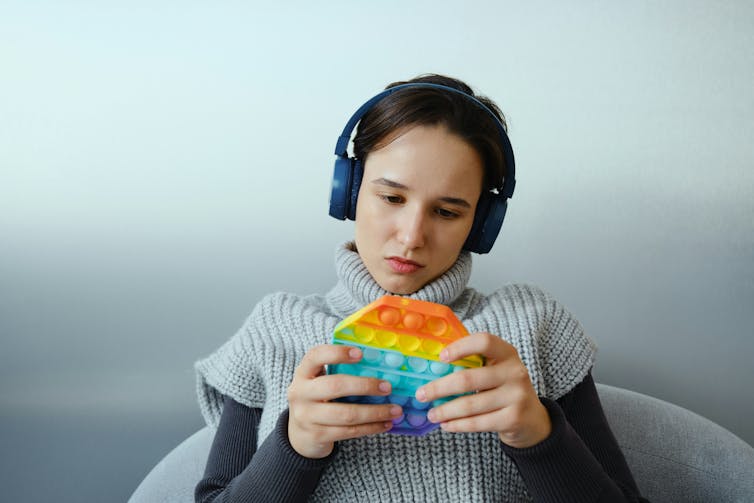
School-aged and adolescent girls with ADHD often slip through the cracks. They are frequently described as “spacey” or daydream-y and tend to display fewer overtly disruptive behaviours than boys. Instead, they may hold in their stress, which can lead to misdiagnoses of anxiety or depression, rather than accurate identification of ADHD.
(Unsplash/Andrej Lisakov)
There are, however, clear signs. Girls with ADHD are often emotionally sensitive, may experience social difficulties (such as interrupting conversations or struggling to read social cues) and tend to show more “internalized” hyperactivity, like hair-twirling, skin-picking or leg-bouncing.
As they enter puberty (often beginning between ages nine and 11), girls with ADHD face heightened risks of academic difficulties, earlier substance-related concerns and increased rates of mood disorders.
Hormonal changes during this period may also affect the effectiveness of ADHD medications, creating additional challenges at an already vulnerable developmental stage.
Women with ADHD
When we work with women with ADHD, we often hear comments like: “I was diagnosed because my child was diagnosed.” Many women were not identified in childhood, only later recognizing that the challenges their children face closely mirror their own experiences growing up.
Women who have been living with unrecognized ADHD symptoms for many years often develop strong coping strategies that allow them to function well, but major life transitions (such as becoming a parent or entering menopause) can disrupt these strategies. When that happens, approaches that once worked may become less effective, leading to more noticeable challenges. Currently, women in their 30s and 40s represent one of the fastest-growing groups receiving stimulant prescriptions for ADHD, suggesting a rise in diagnoses in this demographic.
So, what does ADHD look like in women?
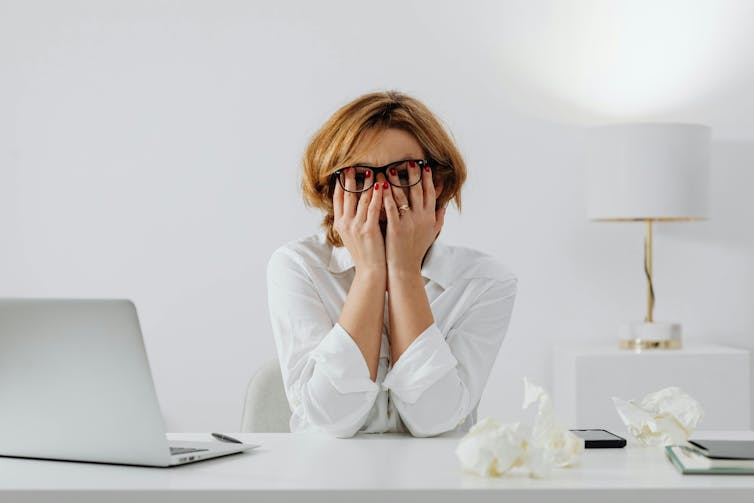
Women with ADHD frequently describe a range of experiences that, while not explicitly listed in the diagnostic criteria, significantly affect their daily lives. For example, many report “masking” their behaviour or emotions, in an effort to not stand out. They may overcompensate to appear organized and competent, spending excessive time on tasks to avoid mistakes or criticism.
Over time, these patterns can contribute to chronic stress and exhaustion and often present as anxiety or depression, further delaying accurate identification and appropriate support. In addition, women with ADHD often experience difficulties with task initiation, procrastination and completing tasks on time. These challenges can affect both their personal and professional lives, contributing to chronic stress, self-doubt and burnout.
(Pexels/Karola)
ADHD in later life
As women enter mid-life, many say they experience a significant worsening of their ADHD symptoms, likely resulting from both normal brain aging and menopausal changes. The frontal lobes of the brain usually begin to function less efficiently as people get older, and people aging with ADHD may be particularly impacted by these age-related changes because of pre-existing differences in the structure and functioning of their brain’s frontal lobes.
Women with ADHD may face even greater challenges than men as they age, in part because of declines in estrogen that occur during menopause. Estrogen works together with dopamine (an important brain chemical) to enhance mood and cognition; when estrogen levels decrease (for example, during peri-menopause), dopamine’s positive effects are less pronounced.
Many women with ADHD experience these hormone fluctuations as more extreme than other women, suggesting that perimenopause might be an especially challenging time for them.
What do I do if I think I have ADHD?
If you think you may have ADHD, an important step in diagnosis is determining that at least some symptoms have been present for a long time (rather than having started only recently), and ensuring those symptoms aren’t better accounted for by another medical or psychiatric condition.
A family doctor is often well positioned to make these determinations because they are familiar with your health history and usually have followed you over an extended period of your life. If you think you may have ADHD, speaking with your family doctor about your concerns is typically a good first step.
You can also connect with the Centre for ADHD Awareness, Canada to get more information about ADHD testing, diagnoses and supports.

















