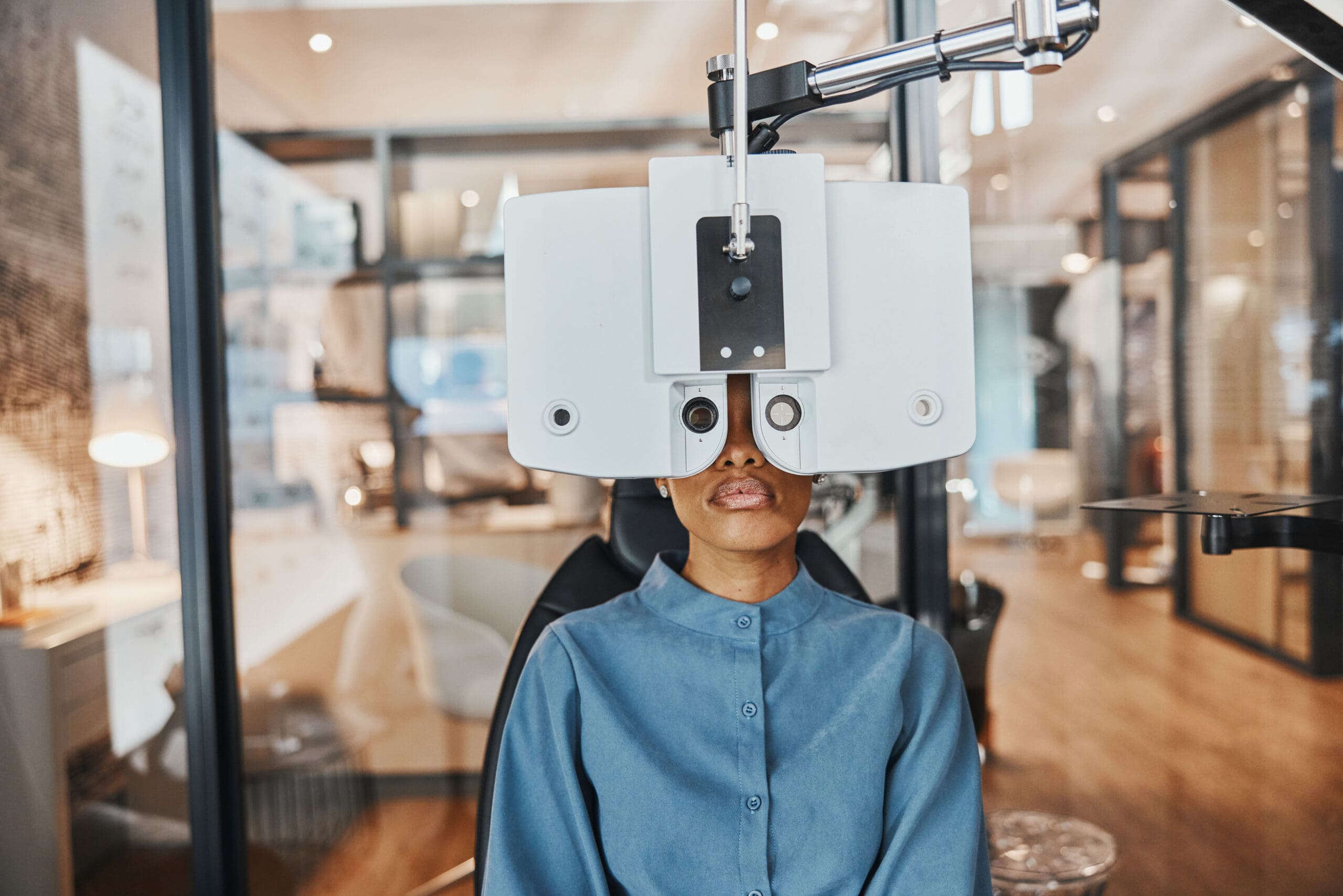
Glaucoma is the leading cause of blindness in African Americans after cataracts, and nearly half of the people who have it do not know it, according to the Glaucoma Research Foundation. It also develops earlier and progresses faster in Black adults, often appearing about 10 years earlier than in other groups.
That is precisely why regular screenings matter. A glaucoma screening is simple, painless, and one of the most powerful ways to protect your sight. If you have never taken one or are unsure what to expect during the exam, here is a guide to help you walk in with confidence.
Table of Contents
What is Glaucoma?
Glaucoma is a group of eye diseases that damage the optic nerve, the part of the eye that sends visual information to the brain. This usually occurs when fluid inside the eye doesn’t drain properly, causing pressure to build up over time. You may not feel this pressure, but it can damage the optic nerve and lead to vision loss, especially in peripheral vision. Glaucoma is one of the leading causes of blindness worldwide, but early detection can slow or prevent further damage.
It’s a Real Risk for Us
Glaucoma often develops under the radar. Most people don’t feel pain or notice vision changes until the disease has already caused damage. That is why screenings are so important, especially for Black families who face a higher risk and earlier onset.
Research shows that glaucoma appears earlier and progresses faster in African Americans, and blindness from glaucoma is significantly more common in our communities. And this is precisely why glaucoma screenings are so important. Glaucoma can affect anyone, but it shows up earlier and hits harder in our community.
Who Should Get Screened
How often you need an eye exam depends on your age and your risk. If you’re under 40 and don’t have any risk factors, an eye exam every few years is generally fine.
For our community, the risk is higher. Because glaucoma often shows up earlier and moves faster for Black people, experts recommend a comprehensive eye exam every one to two years beginning at age 40. The National Eye Institute notes that African Americans should begin glaucoma evaluations earlier than other groups because of this increased risk.
The American Academy of Ophthalmology also offers general guidance on how often to get checked:
- Every 2-4 years for adults ages 40–54
- Every 1–3 years for adults ages 55–64
- Every 1–2 years for adults 65 and older
For our community, these timelines often shift earlier because of the higher risk.
You should also get screened if:
- You have a parent or sibling with glaucoma
- You have diabetes or high blood pressure
- You have had an eye injury
- You have been using steroid medications long-term
Family history is significant. Siblings of people with glaucoma have a much higher chance of developing it themselves.
How Glaucoma Screening Works
A glaucoma screening is typically included in a comprehensive eye exam. It is not scary, and nothing should hurt. The BrightFocus Foundation provides a clear overview of the tests involved, and here is what the appointment typically includes.
A conversation about your eye health
Your doctor will ask about your vision, family history, and any medical conditions. This helps them understand your personal risk.
A check of your eye pressure
This is called tonometry. Some clinics use the puff of air. Others use a small device that gently touches the surface of your eye after numbing drops are applied. High pressure can be a sign of glaucoma, but pressure alone does not confirm the disease.
A look at your optic nerve
Using a bright light and a magnifying lens, your doctor examines the optic nerve at the back of your eye. Glaucoma affects this nerve first, so this step is essential.
A test of your side vision
This is the visual field test. You look straight ahead and press a button whenever you see small lights appear in your peripheral vision. Glaucoma often affects side vision before central vision.
A measurement of your corneal thickness
This is called pachymetry. A small probe touches your eye after numbing drops are applied. Corneal thickness can affect how intraocular pressure is measured, and thinner corneas are associated with higher glaucoma risk.
Imaging of the optic nerve
Some clinics use OCT imaging, which provides detailed images of the optic nerve and retinal layers. It helps track changes over time and can detect early damage.
What Happens After the Screening
Your doctor will review your results and let you know if anything looks concerning. They may recommend follow-up testing or regular monitoring. If glaucoma is suspected, early treatment can slow or prevent vision loss. Most people start with prescription eye drops, and many never need surgery.
How to Prepare for Your Appointment
Bring your glasses or contacts, a list of medications, and any information about family history. Expect your eyes to be dilated, which can make you sensitive to light for a few hours. And remember, choosing to get screened is something to be proud of. It’s a meaningful step to protect your health.
What to Remember
Glaucoma screenings are quick, painless, and one of the best ways to protect your vision. If your results show anything concerning, your doctor will walk you through the following steps. There are several effective treatments for glaucoma, but the first and most crucial step is getting screened.
Resources:
African Americans And Glaucoma – Glaucoma Research Foundation
Racial Disparities in Glaucoma: From Epidemiology to Pathophysiology – PMC
Eye Health Among Black/African American People | National Eye Institute
Frequency of Ocular Examination – American Academy of Ophthalmology

















