Medically Reviewed
Dr. Jose Rossello, MD, PhD, MHCM
Preventive Medicine & Public Health Specialist
Last Reviewed: March 18, 2026
If you’ve noticed your spring allergies feel more intense lately, you’re not imagining it. Climate change is causing allergy seasons to start about three weeks earlier, last longer into fall, and produce roughly 20% more pollen than they did 50 years ago. According to the CDC, more than 1 in 3 adults and 1 in 4 children now suffer from seasonal allergies[1], leading to millions of missed work and school days each year.
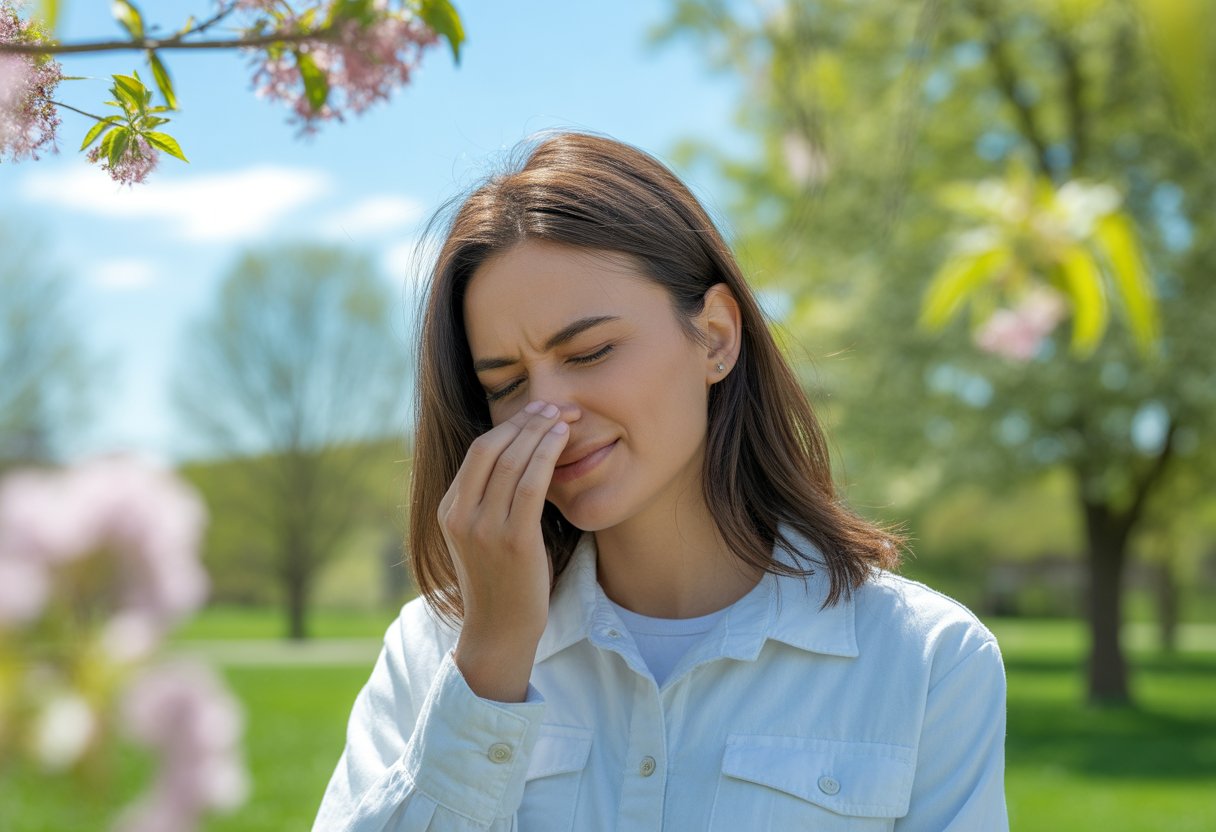
The warming climate affects allergies in multiple ways. Higher temperatures extend the freeze-free season, allowing trees to start producing pollen earlier in spring and continue later into fall. Increased carbon dioxide levels in the atmosphere cause plants to produce more pollen overall, making symptoms worse for allergy sufferers.
Even people who never had allergies before are experiencing symptoms for the first time. Changes in temperature and rainfall patterns allow new types of plants to grow in areas where they couldn’t before, exposing residents to unfamiliar pollen types.
Table of Contents
Key Takeaways
- Allergy seasons now start three weeks earlier and produce 20% more pollen compared to 50 years ago due to climate change
- Warming temperatures and higher carbon dioxide levels cause plants to grow longer and produce more pollen each season
- Starting allergy medications two weeks before symptoms typically begin can help control reactions more effectively
The Changing Landscape of Spring Allergies
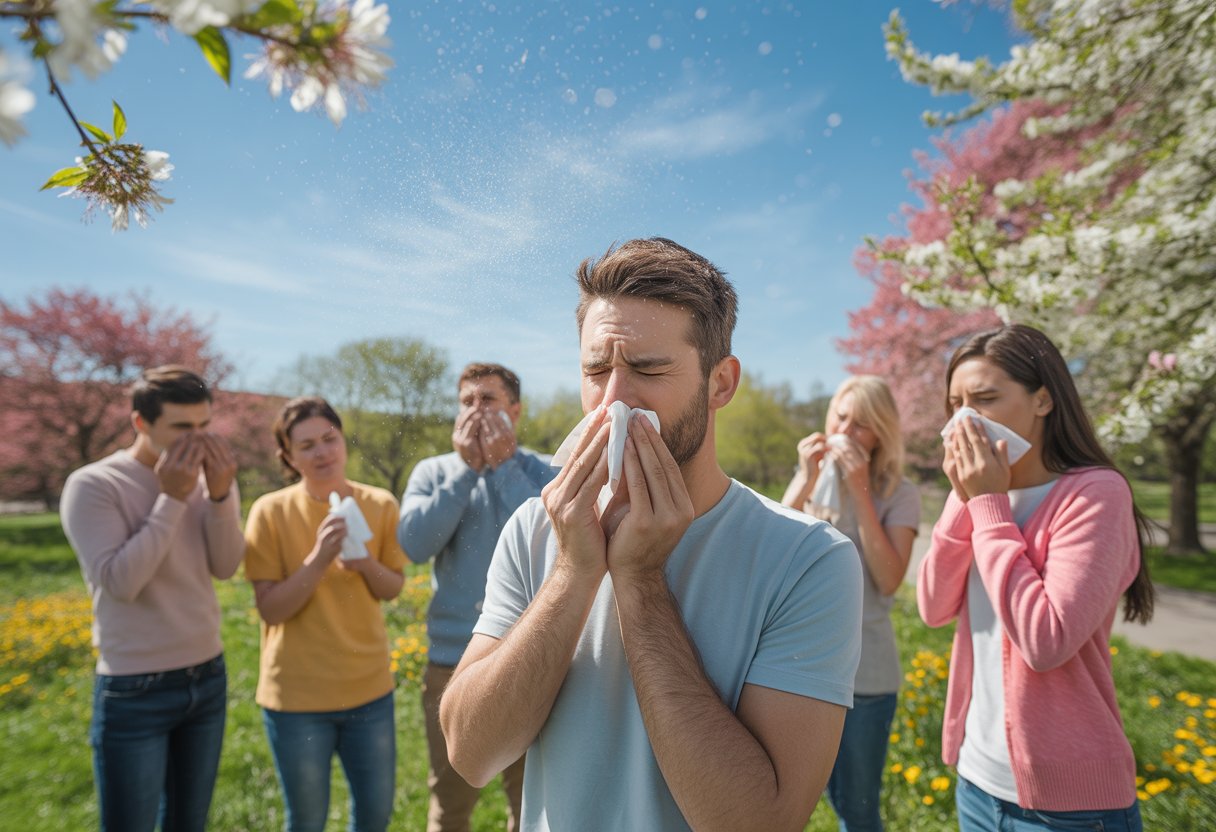
The pollen season now starts approximately three weeks earlier and lasts significantly longer than it did 50 years ago, while plants produce about 20% more pollen due to increased carbon dioxide levels in the atmosphere.
Earlier and Longer Pollen Seasons
Warmer temperatures have extended the freeze-free season across the United States. The ground thaws earlier in spring, which allows trees to begin growing and releasing pollen weeks before they traditionally would.
This earlier start combines with a delayed first frost in fall. The result is allergy seasons getting worse[1] due to climate change impacts on vegetation cycles.
Allergy sufferers now face symptoms that can begin in late winter and continue well into autumn. The extended pollen season means more days of sneezing, congestion, and itchy eyes. People who previously experienced only brief periods of discomfort now deal with allergies for several additional weeks each year.
Rising Pollen Production Rates
Higher atmospheric carbon dioxide levels directly affect how much pollen plants and trees produce. Research shows that pollen production has increased by roughly 20% compared to levels from five decades ago.
This increase means daily pollen counts reach higher peaks during the season. High pollen counts trigger more severe reactions in people with pollen allergies. Even those with mild sensitivities may experience stronger symptoms than they did in previous years.
The combination of more pollen and longer exposure periods creates a compounding effect. Allergy sufferers face both increased intensity and duration of their symptoms throughout spring allergy season.
Changing Patterns in Allergy Triggers
Climate change has altered temperature and precipitation patterns across different regions. These changes allow plants and trees to grow in areas where they could not survive before.
People who have lived in the same location for years may suddenly encounter new types of pollen. Trees and plants that were previously uncommon in their area now thrive due to warmer conditions. This exposes them to allergens they have never experienced.
Some individuals develop seasonal allergies for the first time as adults. The introduction of new vegetation in their environment can trigger immune responses that did not exist previously. Even those without a history of spring allergies may find themselves affected by these shifting patterns in pollen distribution.
The Science Behind Worsening Spring Allergies
Rising temperatures and increased carbon dioxide levels are fundamentally changing how plants produce pollen, while urban environments create conditions that make allergy symptoms more severe.
How Climate Change Impacts Allergy Seasons
Warmer global temperatures are extending the freeze-free season across most regions. The ground thaws earlier in spring, which allows trees to start growing and releasing pollen weeks before they did in previous decades. Research shows that pollen seasons now start about 20 days earlier[2] than they did in recent years.
The allergy season also lasts longer at the end. Fall temperatures stay warmer, so the ground freezes later in the year. This gives grass pollen and weed pollen more time to circulate in the air. On average, the pollen season is approximately three weeks longer[1] now in the United States than it was 50 years ago.
Climate change also affects precipitation patterns. Some areas experience more moisture, which increases mold spores in homes and outdoor environments. Other regions face drought conditions that can concentrate pollen in the air on high pollen days.
Why Higher CO2 Leads to More Pollen
Plants use carbon dioxide during photosynthesis to grow and reproduce. As atmospheric CO2 levels rise, plants produce more pollen as a direct biological response. Studies show that plants and trees produce about 20% more pollen[1] compared to 50 years ago.
Higher CO2 levels don’t just increase pollen production. The pollen itself becomes more potent. Laboratory research demonstrates that pollen grown in high-CO2 environments contains higher concentrations of allergenic proteins. This means each pollen grain triggers stronger immune responses in people with allergies.
Tree pollen, grass pollen, and weed pollen all show this increased production pattern. Ragweed, one of the most common allergens, is particularly responsive to elevated CO2. A single ragweed plant can produce up to a billion pollen grains in one season under current atmospheric conditions.
Urbanization and Air Pollution Effects
Cities create heat islands where temperatures run several degrees warmer than surrounding areas. This extra warmth extends local pollen seasons even longer than in rural regions. Urban trees also experience more stress, which can alter their pollen production cycles.
Air pollution from vehicles and industry makes allergy symptoms worse. Diesel exhaust particles attach to pollen grains and make them more likely to trigger allergic reactions. These pollutants also damage the respiratory system, making people more sensitive to allergens.
Pollen forecasts in urban areas often show higher readings because buildings and pavement trap pollen close to ground level. Dust mites also thrive in urban homes where heating systems and insulation create stable environments. The combination of outdoor pollen levels and indoor allergens creates year-round challenges for allergy sufferers in cities.
Main Spring Allergy Triggers
Spring allergies stem from several key sources that release irritating particles into the air. Tree pollen is a major trigger[3] of seasonal symptoms, while grass pollen and mold spores add to the problem as temperatures rise.
Tree Pollen and Tree Pollen Season
Tree pollen season begins earlier each year due to warming temperatures. Trees like birch, cedar, oak, maple, and elm release tiny pollen grains that travel through the air for miles.
Tree pollen causes spring allergy symptoms[4] for millions of people each year. These microscopic particles can trigger sneezing, itchy eyes, and congestion when inhaled. Different trees pollinate at different times throughout spring, which means allergy sufferers may experience symptoms for weeks or even months.
The pollen season now starts weeks ahead of schedule in many regions. Some trees begin releasing pollen as early as February in warmer climates. This extended timeline gives allergens more time to accumulate in the air and affect sensitive individuals.
Grass and Weed Pollen
Grass pollen becomes problematic in late spring and early summer as temperatures climb. Only a small number of grass types cause most allergic reactions, including timothy, Kentucky bluegrass, and Bermuda grass.
These grasses release pollen during their growing season when lawns are mowed or wind carries particles through neighborhoods. Peak grass pollen times occur in the morning hours between 5 AM and 10 AM.
Weed pollen, particularly from ragweed, typically peaks later in the year. However, some weed species begin pollinating in late spring. People who react to grass pollen often experience cross-reactivity with certain weed pollens due to similar protein structures.
Mold Spores and Indoor Allergens
Mold spores thrive in spring’s damp conditions. Outdoor mold grows on wet leaves, garden soil, compost piles, and areas with poor drainage. Spring rainfall creates ideal conditions for mold growth both outside and inside homes.
Dust mites and mold can cause symptoms anytime[5], but they often worsen in spring due to increased humidity. Indoor allergens accumulate in bedding, carpets, curtains, and upholstered furniture throughout winter months.
Air conditioning systems and dirty filters can circulate these allergens continuously. Dust mites feed on dead skin cells and multiply rapidly in warm, humid environments. Unlike pollen triggers that come and go with seasons, these indoor allergens remain present year-round but intensify as people open windows and increase humidity levels during spring months.
Why Some People Are Affected for the First Time
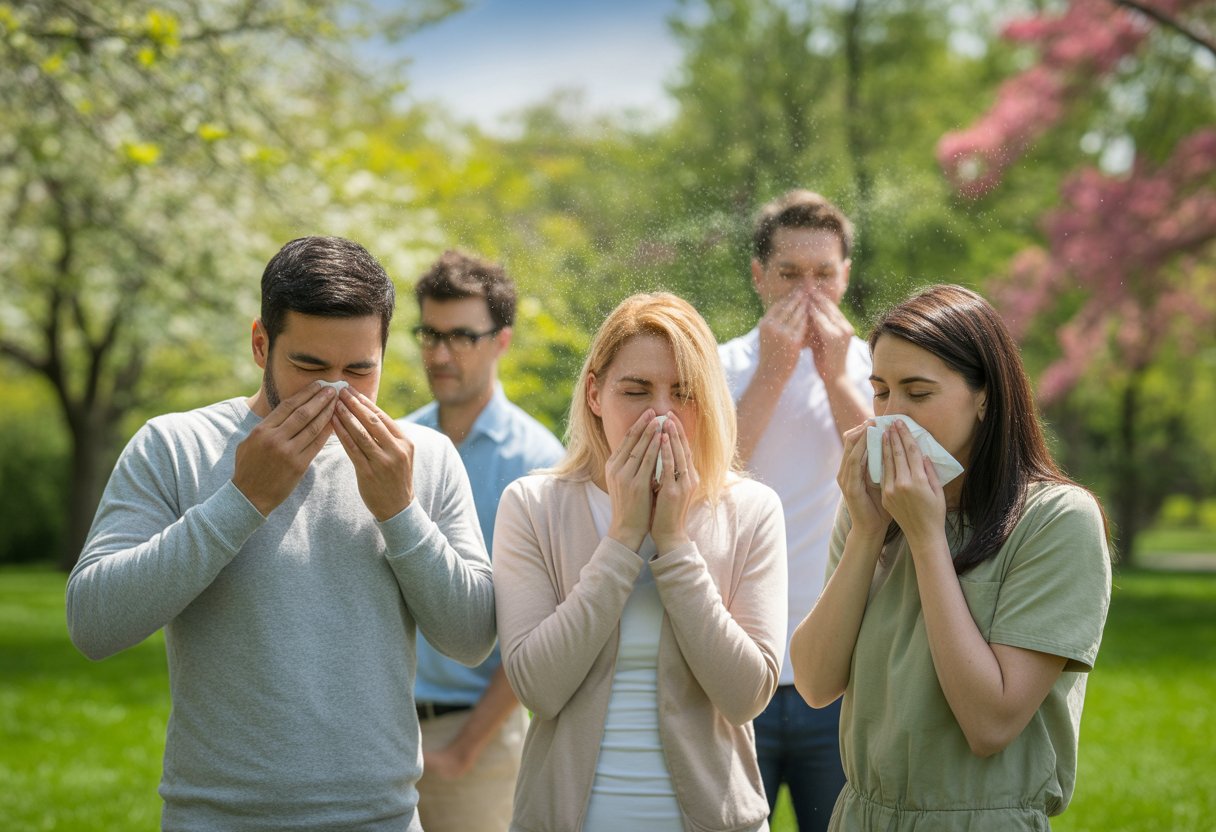
Adults who never dealt with spring allergies before are now experiencing symptoms like sneezing, congestion, and itchy eyes. Climate-driven changes in plant growth patterns and new pollen exposures are causing first-time allergic reactions in people of all ages.
New Environmental Exposures
Moving to a different city or state introduces people to completely new types of vegetation and pollen. Someone who relocates from the desert to a heavily forested area will encounter tree pollen they’ve never been exposed to before. Their immune system may identify these unfamiliar pollen types as threats and trigger an allergic response.
Even short trips can cause problems. Visiting family in another region during peak pollen season can expose someone to allergens their body doesn’t recognize. After repeated exposure during multiple visits, some people develop sensitivities that persist even after they return home.
Common new allergy triggers include:
- Oak, birch, and maple tree pollen in wooded regions
- Grass pollen in suburban areas
- Ragweed in rural farmland
- Specific flowering plants native to certain climates
The body typically needs multiple exposures to the same allergen before developing a full allergic response. This explains why some people experience allergies for the first time[1] after living in a new area for a year or two.
Changing Local Vegetation
Climate change allows plants and trees to grow in places where they couldn’t survive before. Warmer temperatures and altered precipitation patterns expand the geographic range of allergenic plants. People who have lived in the same location for decades now encounter pollen from species that never grew there previously.
Trees that once died in cold winters now thrive year-round in previously inhospitable climates. Ragweed has spread northward into Canada as temperatures rise. Grasses that prefer warmer weather now flourish in regions that used to be too cool.
These vegetation changes mean someone can develop new pollen allergies without ever leaving their hometown. The allergens come to them instead. A person might wake up with spring allergy symptoms after 40 years of being symptom-free simply because new allergenic plants have moved into their area.
Weakened Immune Responses Post-Pandemic
The COVID-19 pandemic altered how immune systems function in some individuals. Extended periods indoors reduced exposure to common environmental allergens. When people returned to normal outdoor activities, their immune systems overreacted to pollen they had encountered without issue in previous years.
Recent viral infections can also temporarily change immune system sensitivity. Some people who recovered from respiratory illnesses now experience heightened responses to airborne particles like pollen. Their bodies became more reactive to substances they previously tolerated.
Increased indoor time during lockdowns meant less gradual seasonal exposure to rising pollen levels. This lack of regular low-level exposure may have reset some people’s tolerance thresholds. Their immune systems now treat familiar spring pollen as a new threat requiring a defensive response.
Common Symptoms of Intensified Spring Allergies
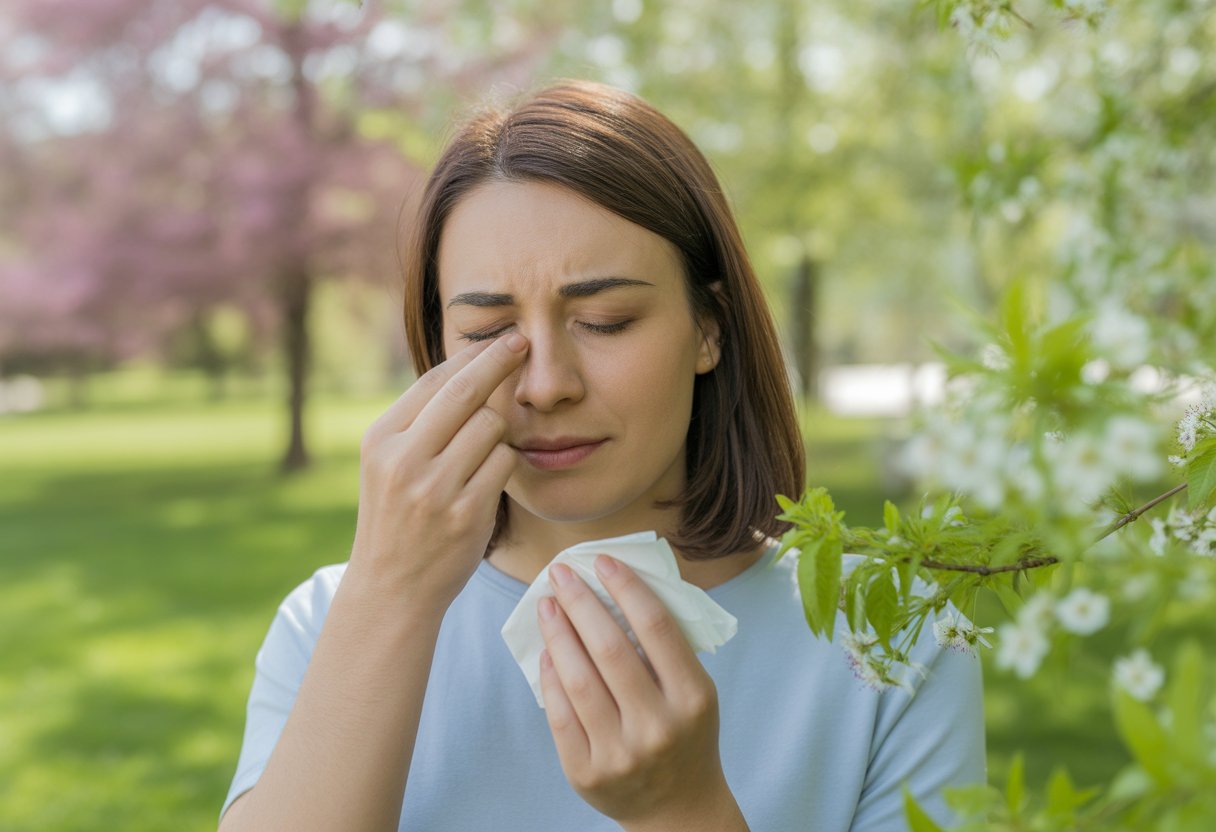
Spring allergy symptoms affect the nose, eyes, and respiratory system with varying degrees of severity. People experiencing worsening allergies often deal with multiple symptoms at once, ranging from mild irritation to reactions that interfere with daily activities.
Recognizing Allergy vs. Cold Symptoms
Distinguishing between allergies and colds helps people choose the right treatment approach. Allergic rhinitis typically causes clear, watery nasal discharge, while colds produce thicker, yellowish mucus. Sneezing from allergies often occurs in rapid bursts of multiple sneezes, whereas cold-related sneezing happens less frequently.
Itchy eyes, nose, and throat strongly indicate allergies rather than a viral infection. Colds rarely cause itching but commonly bring body aches and fever, which allergies do not trigger. Allergy symptoms persist as long as pollen exposure continues, sometimes for weeks or months. Cold symptoms usually resolve within 7-10 days.
The timing of symptoms also provides clues. Allergies worsen during specific seasons when particular plants release pollen, while colds can strike any time of year.
Nasal and Eye Symptoms
Nasal congestion and a stuffy nose rank among the most bothersome spring allergy complaints. The nasal passages swell when histamines flood the body in response to pollen, making breathing through the nose difficult. A runny nose with thin, clear discharge accompanies this stuffiness in most cases.
Postnasal drip develops when excess mucus drains down the back of the throat. This symptom often leads to throat irritation, frequent throat clearing, and a persistent cough. Many people notice these symptoms worsen at night when lying down.
Watery eyes and itchy eyes occur when pollen contacts the eye surface. The eyes may appear red and feel gritty or burning. Some people experience such severe eye symptoms that wearing contact lenses becomes uncomfortable. Rubbing the eyes provides temporary relief but can worsen inflammation and introduce additional irritants.
Respiratory and Systemic Reactions
Coughing and wheezing signal that allergies affect the lower airways. People with allergic asthma face increased risk of asthma attacks during high pollen seasons. Shortness of breath may develop when airways narrow in response to allergen exposure.
Fatigue affects many allergy sufferers due to poor sleep quality from nighttime congestion and the body’s immune response. Brain fog and difficulty concentrating often accompany this tiredness, reducing productivity at work or school. Headaches develop from sinus pressure when nasal passages become inflamed and blocked.
These systemic symptoms demonstrate how allergies impact more than just the nose and eyes. The body’s widespread inflammatory response explains why people feel generally unwell during severe allergy episodes.
Health Risks and Quality of Life Impacts
Spring allergies extend beyond simple sniffles and sneezing. They can trigger serious respiratory problems, disrupt sleep patterns, and create cognitive difficulties that affect work and school performance, with certain groups facing heightened vulnerability.
Sleep, Fatigue, and Cognitive Issues
Nasal congestion from allergies often prevents people from breathing properly at night. This leads to poor sleep quality and leaves allergy sufferers exhausted during the day.
The fatigue from disrupted sleep creates additional problems. People experience brain fog, which makes it hard to concentrate at work or school. Memory problems and slower reaction times become common. These cognitive issues reduce productivity significantly.
Presenteeism affects workers[6] who show up but can’t function at full capacity. The combination of physical discomfort and mental sluggishness creates a cycle where people struggle through their daily tasks while feeling miserable.
Asthma and Respiratory Complications
Pollen acts as a trigger for people with asthma. When they breathe in allergens, their airways become inflamed and narrow. This creates allergic asthma, which combines regular allergy symptoms with breathing difficulties.
For people with asthma, exposure to spring allergens[7] can make their symptoms much worse. Asthma attacks become more frequent during high pollen days. People experience shortness of breath, wheezing, and chest tightness.
Between 35,000 and 60,000 asthma-related emergency department visits were linked to pollen exposure, with projections showing visits could increase by 14% by 2090[6]. Pollen also damages DNA in the nasal cavity and lungs, causing inflammation that goes beyond temporary discomfort.
Impact on Children, Seniors, and Vulnerable Groups
Children face particular challenges with spring allergies. Their developing immune systems make them more susceptible to severe reactions. School performance drops when kids can’t focus due to symptoms or medication side effects.
In 2021, 1 in 5 children in the United States reported suffering from seasonal allergies[6]. Young kids often can’t articulate their symptoms clearly, which delays proper treatment.
Seniors with existing health conditions face compounded risks. Extreme heat can increase the risk of heart disease and cause respiratory health complications[1], which overlap with allergy season. Their medications may interact poorly with allergy treatments. People with compromised immune systems or chronic respiratory diseases need careful monitoring during peak pollen periods.
Monitoring and Tracking Allergy Seasons

Keeping track of pollen levels helps people with allergies plan their days and manage symptoms before they start. Daily monitoring tools and forecast systems provide specific information about when pollen will be highest in local areas.
Understanding Daily Pollen Counts
Daily pollen counts measure the amount of pollen in the air at a specific time and location. These measurements are taken by collecting air samples and counting pollen grains under a microscope. The counts are usually reported as grains per cubic meter of air.
Pollen counts are typically classified into categories:
- Low: Few people with allergies will have symptoms
- Moderate: Many allergy sufferers may experience symptoms
- High: Most people with allergies will have symptoms
- Very High: Nearly all allergy sufferers will have symptoms
Different types of pollen peak at different times. Tree pollen is highest in early spring, grass pollen peaks in late spring and early summer, and weed pollen dominates in late summer and fall. Each person may react to different types of pollen.
Using Pollen Forecasts Effectively
Pollen forecasts predict when pollen levels will be high over the next few days. These forecasts consider weather patterns like temperature, wind, and rain. Warm, dry, and windy days typically have higher pollen counts than cool, rainy days.
People with allergies should check pollen forecasts daily through weather apps or environmental health websites. Peak pollen hours usually occur in early morning between 5 a.m. and 10 a.m. Planning outdoor activities for late afternoon or after rain can reduce exposure.
An allergy expert may recommend starting medications[1] before the season begins based on forecast trends. Some allergy medicines need two weeks to reach full effectiveness. Tracking forecasts helps people prepare rather than react to symptoms.
Prevention Strategies for Reducing Pollen Exposure
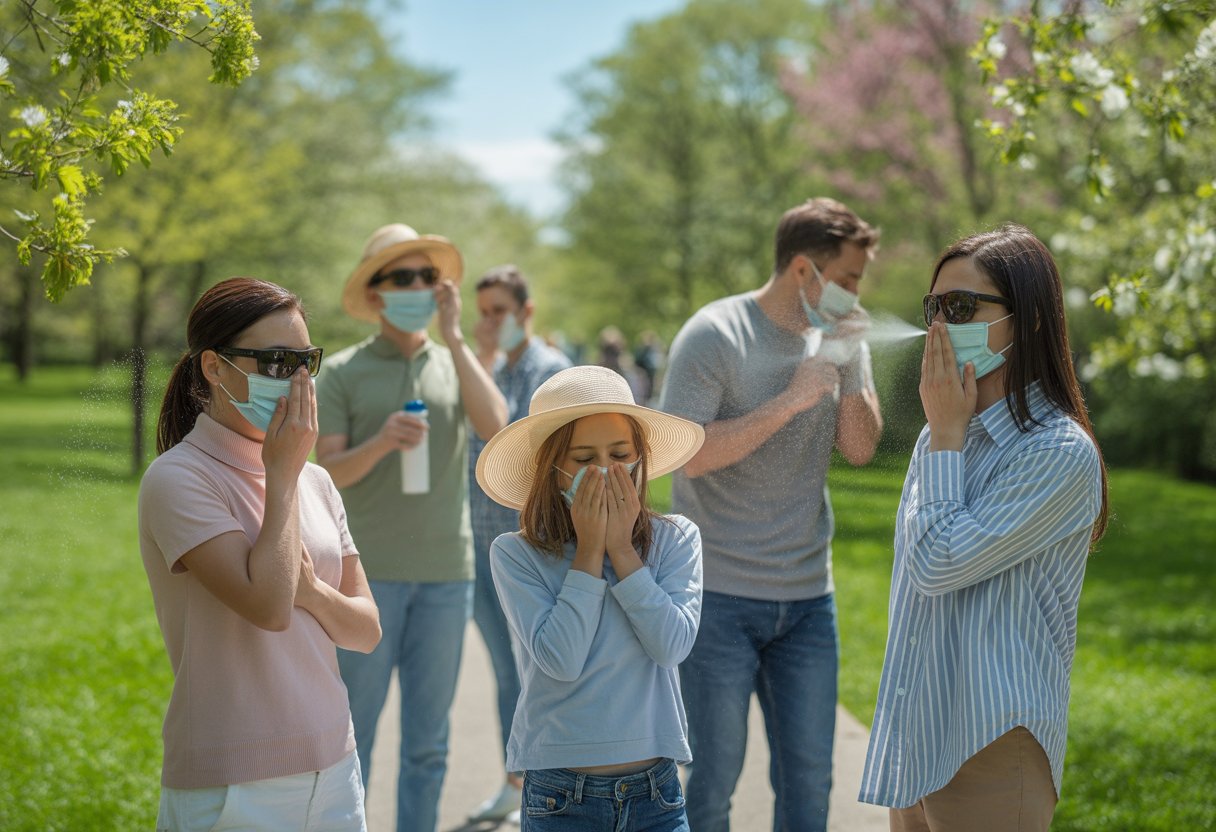
Keeping pollen out of indoor spaces and off your body requires deliberate actions throughout the day. Simple changes like sealing your home, filtering air, and maintaining personal cleanliness can significantly reduce pollen exposure.
Keeping Windows Closed
Closed windows create a barrier that prevents pollen from drifting into your home. When windows at home and in the car stay closed[8], pollen particles can’t blow inside during high-count days.
Many people want fresh air during spring. However, opening windows even briefly allows thousands of pollen grains to enter. Once inside, pollen settles on furniture, floors, and bedding.
Air conditioning provides cooling without introducing outdoor allergens. Running the AC with windows closed keeps indoor air cleaner. Car windows should also remain up while driving, especially during morning hours when pollen counts peak.
Home Air Filtration and HEPA Filters
HEPA filters trap 99.97% of particles as small as 0.3 microns, including pollen grains. These filters work in both standalone air purifiers and HVAC systems.
Air purifiers with HEPA filters remove airborne pollen from individual rooms. Placing units in bedrooms helps reduce nighttime exposure. Running purifiers continuously during allergy season maintains cleaner air.
HVAC systems equipped with HEPA filters clean air throughout the entire home. Regular filter replacement keeps these systems working effectively. Standard furnace filters don’t capture pollen as well as HEPA versions.
Filter quality matters more than brand name. Check the MERV rating when shopping. Higher ratings mean better filtration.
Changing Clothes and Personal Hygiene
Pollen clings to clothing, hair, and skin after time outdoors. Removing jackets, hats, and shoes when entering the house[8] prevents tracking pollen into living spaces.
Showering after outdoor activities washes pollen from hair and skin. Evening showers before bed keep pollen off pillows and sheets. Hair collects significant amounts of pollen, so washing it daily during peak season helps.
Change clothes after spending time outside, even for short periods. Outdoor clothes should go straight into the hamper. Wearing fresh indoor clothing prevents pollen transfer to furniture and bedding.
Keep outdoor shoes near the door. Walking through the house in shoes worn outside spreads pollen across floors.
Spring Cleaning Best Practices
Regular cleaning removes settled pollen from indoor surfaces. Vacuuming with a HEPA filter captures pollen without releasing it back into the air. Standard vacuums can blow fine particles around.
Damp mopping and wet dusting trap pollen instead of stirring it up. Dry dusting launches particles into the air where they’re easily inhaled. Microfiber cloths work better than traditional dusters.
Wash bedding weekly in hot water. Sheets, pillowcases, and blankets accumulate pollen from hair and skin. Hot water kills dust mites and removes allergens more effectively than cold water.
Clean surfaces frequently during spring. Windowsills, countertops, and tables need wiping several times per week. Don’t forget ceiling fans and air vents where pollen accumulates.
Medical Treatments and Allergy Relief Options

Several types of medications can help control allergy symptoms, from quick-acting pills to longer-term treatments that reduce the body’s allergic response. Starting treatment before symptoms peak and combining different approaches often provides the best allergy relief.
Antihistamines and Oral Medications
Oral antihistamines work by blocking histamine, a chemical the body releases during an allergic reaction. These medications provide quick relief from sneezing, itching, and runny nose symptoms.
Common over-the-counter options include:
- Cetirizine (Zyrtec)
- Loratadine (Claritin)
- Fexofenadine (Allegra)
These second-generation antihistamines cause less drowsiness than older versions. They typically start working within one to two hours of taking them. Most people take one pill daily during allergy season.
Some antihistamines work better for certain people than others. Finding the right one may require trying different options. These medications work best when taken regularly rather than waiting until symptoms become severe.
Nasal Sprays and Steroid Treatments
Nasal steroid sprays reduce inflammation inside the nose and nasal passages. Products like Flonase are available without a prescription and treat congestion, sneezing, and runny nose.
These sprays take longer to work than oral antihistamines. Most nasal steroid spray options need about two weeks of daily use before they reach full effectiveness. Starting them before allergy season begins helps ensure better symptom control.
People should spray once or twice daily in each nostril. The medication works directly where symptoms occur, which means less enters the bloodstream compared to pills. Side effects are usually mild and may include nosebleeds or nasal dryness.
Allergy Shots and Immunotherapy
Allergy immunotherapy involves exposing the body to small amounts of allergens over time. This helps the immune system become less sensitive to triggers like pollen. Allergy shots[9] may be recommended when other allergy medications don’t provide enough relief.
The treatment starts with weekly injections containing tiny amounts of allergens. After several months, the frequency decreases to monthly shots. Most people continue treatment for three to five years.
Allergy immunotherapy can reduce symptoms long-term, even after stopping treatment. It works well for people with severe seasonal allergies or multiple triggers. A healthcare provider must determine if someone is a good candidate for this allergy treatment option.
Other Remedies and Decongestants
Decongestants help relieve stuffy noses by shrinking swollen blood vessels in nasal passages. They come as pills or nasal sprays. Nasal decongestant sprays should only be used for three days or less to avoid rebound congestion.
Saline nasal rinses wash out pollen and mucus from nasal passages. Using a neti pot or squeeze bottle with sterile water can provide relief without medication. Rinsing once or twice daily during high pollen days helps reduce symptoms.
Some people combine different allergy medications for better control. Taking an oral antihistamine along with a nasal steroid spray often works better than either alone. Anyone struggling with uncontrolled symptoms should talk to their healthcare provider about adjusting their treatment plan.
When to See an Allergist or Allergy Expert
Over-the-counter treatments work for many people, but some allergy sufferers need professional help to get their symptoms under control. Persistent symptoms that disrupt daily life or don’t respond to standard medications signal it’s time to consult an expert.
Recognizing Severe Symptoms
Some spring allergy symptoms require more than drugstore solutions. If spring allergies interfere with sleep, work performance, or asthma control[9], it’s time to see an allergist.
People should seek professional care when they experience any of these warning signs:
- Breathing difficulties or wheezing that gets worse during allergy season
- Persistent symptoms lasting more than two weeks despite using antihistamines
- Severe congestion that causes sinus pain or headaches
- Sleep disruption from nasal congestion or coughing at night
- Daily activities affected by fatigue, brain fog, or constant sneezing
An allergist can perform skin-prick testing to identify specific triggers. This testing helps create a personalized treatment plan that targets the exact allergens causing problems.
Seeking Long-Term Allergy Management
An allergy expert offers solutions beyond temporary symptom relief. Many people don’t realize that long-term allergy management can reduce or even eliminate symptoms over time.
Allergists provide prescription-strength medications that work better than over-the-counter options. They can also recommend allergy immunotherapy, which gradually trains the body to tolerate allergens. This treatment involves regular allergy shots or under-the-tongue tablets over several years.
Professional allergy management becomes especially important as allergy seasons extend by nearly 20 days over recent decades[5]. Longer exposure periods mean allergy sufferers face more cumulative effects each year. Working with an allergist helps people develop strategies that protect them throughout the entire season rather than just treating symptoms as they appear.
Looking Ahead: Adapting to Future Spring Allergy Seasons
Medical experts are updating their recommendations for when to start taking medications, while new treatment options offer better relief for people struggling with worsening symptoms. These advances help patients manage longer and more intense allergy seasons.
Changes in Medication Guidelines
Doctors now recommend starting allergy medications at least two weeks before the season begins[10] rather than waiting for symptoms to appear. This shift recognizes that allergy seasons now start earlier due to climate change.
Intranasal steroid sprays require about two weeks of regular use before they reach full effectiveness. Starting these medications early provides better symptom control when pollen counts rise.
Some patients may need year-round allergy treatment instead of seasonal approaches. Healthcare providers are adjusting medication regimens based on individual symptom patterns and local pollen trends. Patients who find their current allergy relief insufficient should discuss medication adjustments with their doctors to address changing symptom severity.
Emerging Treatments and Technologies
New allergy treatment options focus on reducing inflammation more effectively and providing longer-lasting relief. Researchers are developing improved formulations of existing medications that work faster and cause fewer side effects.
Pollen tracking technology now allows patients to monitor real-time allergen levels in their area. Mobile apps and websites provide daily forecasts that help people plan outdoor activities around peak pollen times.
Immunotherapy treatments continue to evolve with options that require fewer office visits. These treatments train the immune system to tolerate specific allergens over time, potentially reducing the need for daily medications in the future.
Frequently Asked Questions
Climate change, environmental factors, and individual health conditions all play a role in making spring allergies more troublesome each year. Understanding these influences helps people better manage their symptoms and prepare for allergy season.
What factors contribute to the worsening of spring allergies over the years?
Warmer temperatures caused by climate change allow plants to start blooming earlier and extend their growing periods. This creates longer pollen seasons where people face extended exposure to allergens.
Higher levels of carbon dioxide in the atmosphere stimulate plants to produce more pollen overall. Studies show that pollen production increases significantly[11] as CO2 levels rise, giving allergy sufferers a heavier pollen load to deal with.
Air pollution makes pollen particles more potent and irritating to the respiratory system. These pollutants damage the protective linings in airways, making people more sensitive to allergens they encounter.
How might age impact the severity of seasonal allergies?
Allergies can develop at any age, even in people who never had them before. The immune system changes over time, which can lead to new sensitivities or make existing allergies worse.
Older adults may experience more severe allergy symptoms because their immune systems respond differently to allergens. Some medications commonly taken by older people can also interact with allergy treatments or worsen symptoms like dry mouth and congestion.
Children often outgrow certain allergies as their immune systems mature. However, prolonged exposure to increasing pollen levels can trigger allergies in people who previously had no symptoms.
Why do some people experience heightened allergy symptoms at night?
Pollen counts often peak in the early morning but can remain elevated throughout the day. When people come inside after being outdoors, they bring pollen into their homes on their clothes, hair, and skin.
Lying down causes mucus to pool in the nasal passages and throat. This makes congestion feel worse at night and can trigger coughing or difficulty breathing.
Indoor allergens like dust mites and pet dander concentrate in bedrooms. These allergens combine with any pollen brought inside, creating a higher total allergen load that affects sleep quality.
Could increased exposure to allergens lead to more severe allergic reactions?
Regular exposure to allergens can make the immune system more reactive over time. Each encounter with pollen or other allergens trains the body to respond more aggressively, leading to worse symptoms.
The lengthening of pollen seasons[12] means people face continuous exposure without relief periods. This constant bombardment prevents the immune system from calming down between exposures.
Higher pollen concentrations in the air increase the amount of allergen particles entering the body. More pollen means stronger immune responses and more intense symptoms like sneezing, congestion, and itchy eyes.
What changes in my environment might be making my allergies more intense each season?
Urban areas often feature landscaping with highly allergenic plants that release large amounts of pollen. Cities also trap air pollution and pollen between buildings, creating concentrated allergen zones.
Rising temperatures and humidity levels promote mold growth both indoors and outdoors. Mold spores add another layer of allergens that can worsen spring allergy symptoms.
Changes in rainfall patterns affect plant growth cycles and pollen production. Wet springs followed by warm, dry periods create ideal conditions for heavy pollen release that overwhelms allergy sufferers.
What are the peak times during spring when allergies tend to be most severe?
Tree pollen typically dominates early spring, usually from March through May in most regions. Different tree species release pollen at different times, creating waves of allergen exposure.
Grass pollen becomes more prevalent in late spring and early summer. Windy days cause particularly high pollen dispersal, making symptoms worse for people spending time outdoors.
Morning hours between 5 AM and 10 AM usually see the highest pollen counts. However, pollen can remain airborne throughout the day, especially on warm, breezy days when plants actively release their pollen.
Post Views: 2
References
- An Expert Explains: Why Are My Allergies Getting Worse?. https://www.lung.org/blog/allergies-climate-change Accessed March 19, 2026
- Just a moment…. https://www.michiganmedicine.org/health-lab/why-your-seasonal-allergies-may-be-worse-year Accessed March 19, 2026
- Spring Allergies: Why Tree Pollen Triggers Symptoms. https://www.medboundtimes.com/medicine/pollen-allergy-triggers-symptoms-spring Accessed March 19, 2026
- What Are the Main Causes of Spring Allergies?. https://www.afcurgentcare.com/east-tennessee/blog/what-are-the-main-causes-of-spring-allergies/ Accessed March 19, 2026
- Is it allergy season? How to prepare for spring allergies.. https://www.citymd.com/health-and-wellness/is-it-allergy-season-how-to-prepare-for-spring-allergies Accessed March 19, 2026
- Do seasonal allergies seem to be getting worse? Blame climate change. https://www.aamc.org/news/do-seasonal-allergies-seem-be-getting-worse-blame-climate-change Accessed March 19, 2026
- Spring Allergies Attack More Than Just Your Nose. https://acaai.org/news/spring-allergies-attack-more-than-just-your-nose/ Accessed March 19, 2026
- Human Verification. https://www.aao.org/eye-health/tips-prevention/minimize-spring-allergies Accessed March 19, 2026
- What’s Triggering Your Spring Allergies?. https://www.iowaclinic.com/specialties/allergy-immunology/allergy/whats-triggering-your-spring-allergies/ Accessed March 19, 2026
- Preparing for an Earlier Spring Allergy Season. https://www.bannerhealth.com/healthcareblog/better-me/are-spring-allergies-starting-earlier-what-to-know-and-how-to-prepare Accessed March 19, 2026
- Why Your Spring Allergies Are Worse Than Ever This Year. https://continentalhospitals.com/blog/why-your-spring-allergies-are-worse-than-ever-this-year/ Accessed March 19, 2026
- The lengthening of pollen seasons. https://www.medicaldaily.com/why-seasonal-allergies-hay-fever-symptoms-are-getting-worse-changes-you-should-know-474099 Accessed March 19, 2026

















