
Medically Reviewed
Dr. Jose Rossello, MD, PhD, MHCM
Preventive Medicine & Public Health Specialist
Last Reviewed: March 3, 2026
Holistic health focuses on treating the whole person rather than just individual symptoms or conditions. This approach considers how physical health, mental state, emotional well-being, and spiritual balance all connect and influence each other. People who adopt holistic practices often find they experience improvements across multiple areas of their lives.
Holistic living principles[1] can help individuals achieve better mind-body balance through simple daily habits that address physical, emotional, and mental wellness. These practices range from movement-based activities and breathing exercises to nutrition changes and stress management techniques. Each method works to support the body’s natural ability to heal and maintain health.
The following practices offer practical ways to begin a holistic health journey. They require no special equipment or extensive training to start. Most can be adapted to fit different lifestyles and schedules.
Table of Contents
1) Mindful Meditation for Stress Reduction
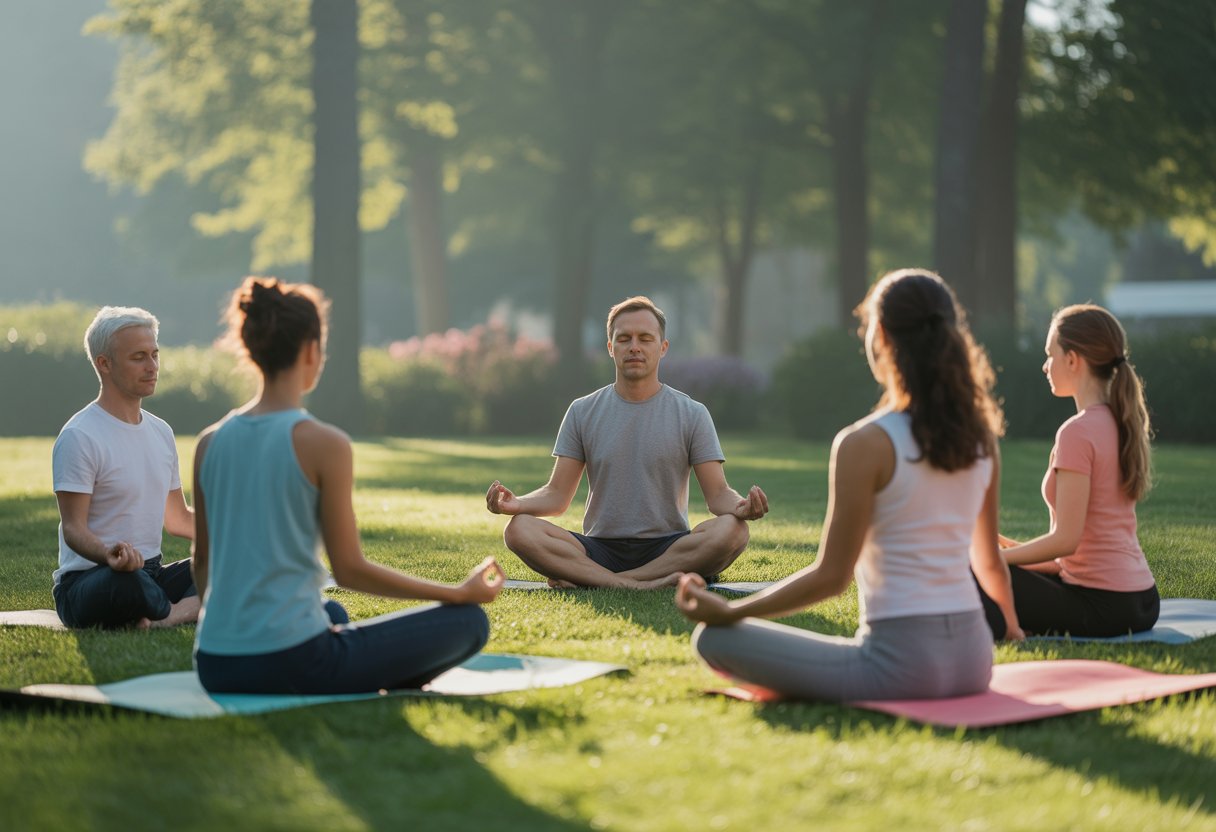
Mindful meditation helps people pause and create space between stressful moments and their reactions. This practice trains the mind to focus on the present moment rather than worrying about the past or future.
Mindfulness meditation can help interrupt the stress cycle[2] by giving individuals time to respond thoughtfully instead of reacting automatically. The technique involves paying attention to thoughts, feelings, and body sensations without judgment.
Simple practices like mindful breathing and body scans fit easily into daily routines. A person can start with just five minutes per day and gradually increase the duration as they become more comfortable with the practice.
Regular meditation practice supports mental clarity and emotional balance. It helps reduce anxiety by teaching the brain to recognize stress patterns before they escalate. Many people notice improvements in their ability to handle difficult situations after practicing consistently for several weeks.
Free guided meditations are available online[3] for those who want structured support while learning. These resources make it easier for beginners to develop a consistent meditation habit at home.
2) Yoga for Physical and Mental Balance
Yoga brings together the body and mind through intentional movement and breathing. This practice helps people find balance in their daily lives.
The physical side of yoga strengthens muscles and improves flexibility. Regular practice helps with posture and reduces tension in the body. People who do yoga often notice they move more easily and feel less stiff.
Yoga also supports mental health in meaningful ways. Holistic yoga integrates the mind, body, and spirit[4] to create harmony. The breathing exercises calm the nervous system. This helps reduce stress and anxiety.
Many people find that yoga improves their focus and clarity. The practice teaches awareness of thoughts and feelings without judgment. This mental training carries over into everyday situations.
Yoga works as a complete system rather than just exercise. It addresses physical fitness while supporting emotional wellbeing. The combination makes it effective for people seeking better overall health. Even short sessions a few times per week can lead to noticeable improvements in flexibility and stress relief[5].
3) Nutrient-Dense Plant-Based Diets

A whole-person approach to nutrition[6] focuses on eating foods that provide maximum vitamins, minerals, and other beneficial compounds. Plant-based diets centered on whole foods deliver these nutrients in their most natural form.
Leafy greens like spinach and kale offer iron, calcium, and folate. Legumes provide protein, fiber, and B vitamins. Nuts and seeds contain healthy fats and minerals that support brain and heart function.
The key is choosing foods in their whole form rather than processed versions. Fresh vegetables, fruits, whole grains, and legumes retain their nutritional value. These foods also contain phytonutrients and antioxidants that help protect cells from damage.
People who eat nutrient-dense plant foods often notice improved energy levels and better digestion. Their bodies receive a steady supply of vitamins and minerals without excess calories or unhealthy additives.
This eating pattern doesn’t require eliminating all animal products. Many people benefit from simply adding more plant-based whole foods to their meals. They can start by filling half their plate with vegetables or choosing beans instead of meat a few times per week.
4) Regular Digital Detox Practices

Taking breaks from screens and devices helps people reconnect with themselves and their surroundings. A digital detox involves stepping away from phones, computers, and tablets for set periods of time.
Best practices for digital detox and wellbeing[7] include setting specific times to check devices rather than constantly scrolling. Many people start small with device-free meals or putting phones away an hour before bed.
Regular breaks from technology reduce stress and improve sleep quality. When someone unplugs from digital noise, they create space for better focus and mental clarity.
Mindful digital detox practices[8] can transform how a person relates to technology. Simple steps like turning off notifications or designating tech-free zones in the home make a real difference.
People who practice regular digital detoxes report feeling more present in their daily lives. They spend more quality time with family and friends without distractions. These breaks also help reduce eye strain and improve posture from less screen time.
Starting with one device-free hour per day builds the habit gradually.
5) Daily Journaling for Emotional Clarity

Writing down thoughts and feelings each day helps people understand their emotions better. When someone puts their experiences on paper, they create space to process what happened and why they feel certain ways.
Daily journaling supports mental health[9] by giving people a private place to explore their inner world. This practice takes only 10 to 15 minutes but creates lasting benefits. Many people find that regular writing helps them spot patterns in their moods and reactions.
The emotional, physical, mental, and spiritual aspects of life become clearer through journaling for holistic self-discovery[10]. A person doesn’t need special skills or expensive supplies to start. A simple notebook and pen work perfectly fine.
Journaling works best when done at the same time each day. Morning sessions help people set intentions, while evening writing lets them reflect on daily events. The key is consistency rather than perfection. Even a few sentences can make a difference in how someone understands their emotional landscape.
6) Breathwork Techniques to Enhance Energy
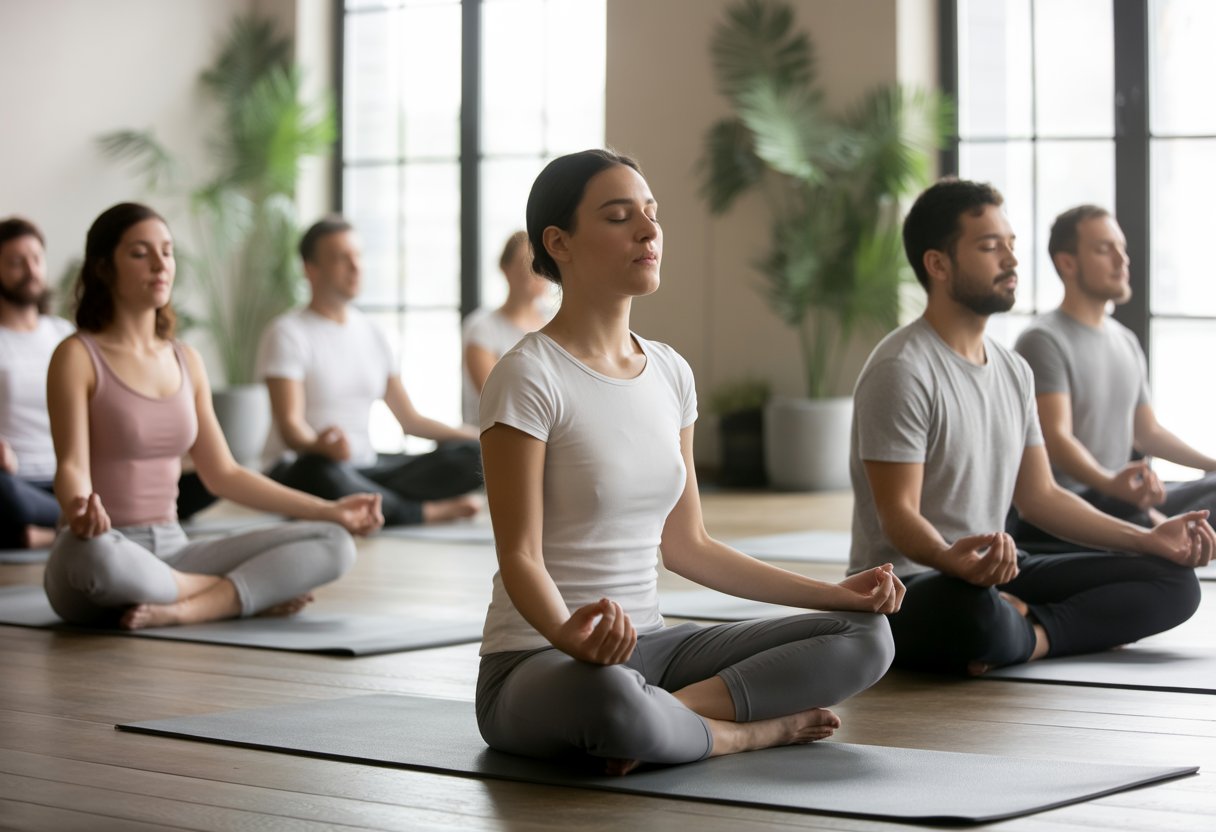
Breathwork uses controlled breathing patterns to improve physical and mental well-being. These techniques help regulate the nervous system[11] and can increase daily energy levels.
Diaphragmatic breathing is one of the most accessible methods. A person breathes deeply into their belly rather than their chest. This allows more oxygen to enter the bloodstream and helps the body feel more alert.
Box breathing offers another simple approach. It involves inhaling for four counts, holding for four counts, exhaling for four counts, and holding again for four counts. This pattern creates balance in the nervous system.
Guided visualization with breath[12] combines breathing exercises with mental focus. Practitioners sit or lie down in a quiet space and direct their attention toward specific intentions while maintaining conscious breathing patterns.
Different forms of breathwork exist[13], including Pranayama, Holotropic Breathwork, and the Wim Hof Method. Each approach has unique characteristics but shares the goal of using breath to support better health.
Regular practice helps people reduce anxiety, improve focus, and maintain steadier energy throughout the day.
7) Consistent Sleep Hygiene Routine

Quality sleep forms the foundation of good health. A regular sleep routine helps the body maintain its natural rhythm and supports overall wellness.
Going to bed and waking up at the same time each day trains the body’s internal clock. This consistency makes falling asleep easier and improves sleep quality. Even on weekends, keeping similar hours helps maintain this pattern.
The bedroom environment plays a key role in sleep quality. A cool, dark, and quiet space promotes better rest. Removing screens and electronic devices an hour before bed reduces blue light exposure that interferes with natural sleep signals.
Creating a holistic sleep routine[14] includes calming activities before bed. Reading, gentle stretching, or taking a warm bath signals to the body that sleep time approaches. These rituals help the mind transition from the day’s activities to rest.
Physical activity during the day supports better sleep at night. However, exercising too close to bedtime can have the opposite effect. Finishing workouts at least three hours before sleep gives the body time to wind down.
8) Nature Walks to Reconnect Spirit and Body

Walking in natural settings creates a direct path to better health. Research shows that time spent outdoors reduces stress and improves mood. The simple act of stepping into a forest or park can shift someone’s entire day.
Nature connection rituals[15] involve intentional practices that deepen a person’s relationship with the earth. Regular walks allow individuals to observe seasonal changes and notice small details they might otherwise miss. This awareness brings the mind into the present moment.
Physical benefits accompany the mental ones. Walking improves cardiovascular health and strengthens muscles. Fresh air and natural light support the body’s systems in ways indoor exercise cannot replicate.
The practice works best when someone leaves distractions behind. Phones can stay silent or at home. This creates space for genuine connection with surroundings. Many people find that nature-based spiritual practices enhance holistic living[16] by reducing stress and improving emotional balance.
Starting small makes the practice sustainable. Even fifteen minutes in a local park offers benefits. Consistency matters more than duration when building this healthy habit.
9) Tai Chi for Gentle Movement and Focus

Tai chi offers a low-impact exercise option that combines slow, flowing movements with controlled breathing. Originally developed in ancient China as a martial art[17], it has evolved into a widely practiced form of exercise focused on health and wellness.
The practice works by guiding individuals through deliberate, graceful movements that require attention and presence. This approach helps improve balance, flexibility, and muscle strength without placing stress on joints or requiring high levels of fitness.
Tai chi promotes serenity through gentle movements that connect the mind and body[18]. Practitioners focus on their breathing patterns while moving through each pose, which naturally reduces mental clutter and stress.
Regular practice can enhance physical stability and coordination. The slow pace allows people of different ages and fitness levels to participate safely.
The mental benefits come from the concentration required during sessions. Participants must pay attention to their body position, breathing rhythm, and movement quality, which creates a meditative state that carries benefits beyond the practice session itself.
10) Aromatherapy with Essential Oils
Aromatherapy uses concentrated plant extracts to support health and wellness. These essential oils contain natural compounds that interact with the body through smell and skin absorption.
People use aromatherapy in several ways. They diffuse oils into the air, add them to baths, or apply diluted versions to the skin. Each method delivers the plant compounds differently.
Essential oils for holistic therapy practices[19] work by treating the whole person rather than just symptoms. Lavender oil helps many people relax and sleep better. Peppermint oil can ease headaches and improve focus.
The practice offers benefits for both emotional and physical well-being[20]. Some people find relief from everyday stress through regular use. Others use specific oils to address particular concerns like muscle tension or poor sleep.
Safety matters when using essential oils. Most require dilution with carrier oils before skin application. Some oils can irritate sensitive skin or interact with medications. People should research proper usage or consult practitioners before starting aromatherapy.
The effectiveness varies between individuals. What works for one person may not work for another.
Core Principles Behind Holistic Health
Holistic health focuses on treating the complete person rather than isolated symptoms, recognizing that physical ailments often connect to emotional and spiritual well-being. This approach views all aspects of a person’s life as interconnected parts of their overall health.
What Makes a Health Practice Truly Holistic?
A health practice becomes truly holistic when it addresses the whole integrated being rather than focusing on a single symptom or body part. Holistic medicine integrates conventional and alternative therapies[21] to prevent disease and promote optimal health.
True holistic practices consider multiple factors that affect a person’s well-being. These include physical health, mental state, emotional balance, social connections, and spiritual beliefs. A holistic practitioner asks questions about diet, sleep patterns, stress levels, relationships, and life satisfaction.
The practice also emphasizes prevention over treatment. Rather than waiting for illness to appear, holistic approaches help people maintain wellness through lifestyle choices and early intervention. Practitioners work with patients as partners in their healing journey, not just as recipients of treatment.
The Interconnection of Mind, Body, and Spirit
The mind, body, and spirit function as one connected system where changes in one area affect the others. Chronic stress damages physical health by weakening the immune system and increasing inflammation. Physical pain creates mental distress and emotional suffering.
Holistic healing practices[22] recognize that emotional trauma can manifest as physical symptoms like headaches, digestive problems, or muscle tension. When someone addresses their emotional struggles through therapy or meditation, their physical symptoms often improve without direct medical intervention.
Spiritual wellness provides meaning and purpose, which supports mental resilience during difficult times. People with strong spiritual practices often recover faster from illness and cope better with chronic conditions. This connection works in reverse too, as physical exercise releases chemicals that improve mood and mental clarity.
Scientific Support for Holistic Approaches
Research shows that many holistic practices produce measurable health benefits, though the quality of studies varies widely. Evidence ranges from rigorous clinical trials to observational data, with some practices having stronger scientific backing than others.
Key Research and Clinical Evidence
Meditation and mindfulness practices have extensive research support. Studies show these techniques reduce stress hormones like cortisol by 20-30% and lower blood pressure in people with hypertension. Brain imaging reveals that regular meditation increases gray matter density in areas linked to memory and emotional regulation.
Acupuncture has demonstrated effectiveness for specific conditions. Clinical trials indicate it helps manage chronic pain, with success rates comparable to standard treatments for lower back pain and osteoarthritis. The practice stimulates nerves and releases natural pain-relieving chemicals in the body.
Yoga combines physical activity with breathing exercises and shows benefits across multiple health markers. Research documents improvements in flexibility, strength, and balance, plus reductions in anxiety and depression symptoms. A 2023 meta-analysis found yoga reduced inflammation markers in people with chronic conditions.
Science-backed holistic practices[23] like breathwork, gratitude journaling, and mindful eating have documented effects on stress reduction and overall well-being.
Limitations and Considerations in Holistic Health Studies
Many holistic health studies face methodological challenges. Small sample sizes, lack of control groups, and difficulty creating placebo conditions limit the strength of conclusions researchers can draw. Some practices are hard to standardize because practitioners apply techniques differently.
Publication bias affects the research landscape. Studies showing positive results get published more often than those with neutral or negative findings. This creates an incomplete picture of how well treatments actually work.
Individual variation plays a significant role in outcomes. What helps one person may not help another due to differences in genetics, lifestyle, and health conditions. Most research reports average effects across groups rather than predicting individual responses.
The placebo effect contributes to reported benefits in some cases. When people believe a treatment will help them, they often experience real improvements regardless of the treatment’s direct biological effects.
Frequently Asked Questions
Holistic health practices combine mental, physical, and emotional wellness strategies that work together to support overall well-being. These approaches often involve lifestyle changes, self-care routines, and natural methods that address the whole person rather than isolated symptoms.
What are the key components of a holistic health lifestyle?
A holistic health lifestyle includes practices that address mind, body, and spirit together. The main components involve stress management techniques like mindful meditation, physical movement such as yoga, and proper nutrition through whole foods.
Sleep quality, emotional processing, and social connections also play important roles. Many people add regular breaks from technology to reduce mental strain. These elements work together to create balance across all areas of life.
How can holistic health practices improve mental and physical well-being?
Holistic practices target both mental and physical health at the same time. Mindful meditation reduces stress hormones while improving focus and emotional regulation. Yoga strengthens muscles and increases flexibility while calming the nervous system.
Plant-based diets rich in nutrients provide the body with vitamins and minerals needed for brain function and energy. Digital detox periods help reduce anxiety and improve sleep patterns. Daily journaling creates space for emotional processing and self-awareness.
These holistic practices promote harmony between physical, emotional, and mental well-being[24] through consistent daily habits. Regular practice leads to reduced inflammation, better mood stability, and increased energy levels.
In what ways do holistic health supplements complement a healthy diet?
Supplements fill nutritional gaps that diet alone might miss. They provide concentrated amounts of specific vitamins, minerals, or herbs that support body functions. Common options include vitamin D, omega-3 fatty acids, and probiotics.
These products work best when paired with nutrient-dense whole foods. Supplements should enhance an already balanced diet rather than replace healthy eating habits. They can support immune function, digestive health, and energy production when used appropriately.
What qualifications are necessary to receive holistic health certification?
Holistic health certification requirements vary by specialty and location. Most programs require completion of accredited training courses that cover anatomy, nutrition, and wellness practices. Students typically need between 200 and 1,000 hours of education depending on the specific certification.
Many certifying bodies require passing written exams and demonstrating practical skills. Some fields like massage therapy or acupuncture need state licensing beyond certification. Continuing education courses help practitioners maintain their credentials and stay current with new research.
How do holistic health centers differ from traditional medical clinics?
Holistic health centers focus on treating the whole person rather than specific symptoms. They typically spend more time with clients during appointments to understand lifestyle factors and root causes. Treatment plans often combine multiple approaches like nutrition counseling, movement therapy, and stress management.
Traditional medical clinics generally emphasize diagnosis and medication for specific conditions. They follow standardized protocols and shorter appointment times. Holistic centers may work alongside conventional medicine but prioritize prevention and natural healing methods.
What should one consider when choosing holistic health products?
Product quality and ingredient sourcing matter when selecting holistic health items. People should look for third-party testing certifications that verify purity and potency. Reading labels carefully helps identify fillers, additives, or allergens.
Personal health goals and existing conditions guide product selection. Consulting with a healthcare provider prevents potential interactions with medications. Reputable brands provide transparent information about manufacturing processes and ingredient origins.
Price alone does not indicate quality, but extremely cheap products may lack proper testing. Reviews from other users offer insights into effectiveness and potential side effects.
Post Views: 1
References
- 10 Principles of Holistic Living for Healthier Life. https://navacenter.com/10-principles-of-holistic-living-for-a-healthier-more-balanced-life/ Accessed March 4, 2026
- How to Manage Stress with Mindfulness and Meditation. https://www.mindful.org/how-to-manage-stress-with-mindfulness-and-meditation/ Accessed March 4, 2026
- Guided Meditations. https://www.uclahealth.org/uclamindful/guided-meditations Accessed March 4, 2026
- 10 Key Principles of Holistic Yoga You Should Know. https://realitypathing.com/10-key-principles-of-holistic-yoga-you-should-know/ Accessed March 4, 2026
- Top 10 Benefits of Yoga for a Healthy Body & Mind. https://youryoga.com/blog/top-10-benefits-of-yoga-for-a-healthy-body-mind/ Accessed March 4, 2026
- Holistic Nutrition: A Whole-Person Approach to Lasting Health. https://aanmc.org/naturopathic-medicine/holistic-nutrition-overview/ Accessed March 4, 2026
- Best Practices for Digital Detox and Wellbeing. https://realitypathing.com/best-practices-for-digital-detox-and-wellbeing/ Accessed March 4, 2026
- Digital Detox Guide: Mindful Ways to Reset Technology Habits. https://thegreatliving.net/digital-detox-guide/ Accessed March 4, 2026
- 10 daily journal prompts to boost your mental health — Calm Blog. https://blog.calm.com/blog/journal-prompts-for-mental-health Accessed March 4, 2026
- 10 Journaling Prompts for Holistic Self-Discovery. https://realitypathing.com/10-journaling-prompts-for-holistic-self-discovery/ Accessed March 4, 2026
- 7 Best Breathwork Techniques & Exercises to Use. https://positivepsychology.com/breathwork-techniques/ Accessed March 4, 2026
- 10 Breathwork Techniques to Boost Your Energy. https://realitypathing.com/10-breathwork-techniques-to-boost-your-energy/ Accessed March 4, 2026
- 403 Forbidden. https://www.humanitysteam.org/blog/the-magic-of-breathwork-in-healing-and-transformation Accessed March 4, 2026
- How to Create a Holistic Sleep Routine for Better Rest. https://realitypathing.com/how-to-create-a-holistic-sleep-routine-for-better-rest/ Accessed March 4, 2026
- Nature Connection Rituals: Transform Your Mind, Body, and Spirit. https://mysacredhealing.org/nature-connection-rituals/ Accessed March 4, 2026
- How Nature-Based Spiritual Practices Enhance Holistic Living. https://digitalnaturopath.com/2025/05/how-nature-based-spiritual-practices-enhance-holistic-living/ Accessed March 4, 2026
- Originally developed in ancient China as a martial art. https://extension.usu.edu/confidence-project/research/the-power-of-tai-chi.pdf Accessed March 4, 2026
- Tai chi promotes serenity through gentle movements that connect the mind and body. https://mcforms.mayo.edu/mc5900-mc5999/mc5997-01.pdf Accessed March 4, 2026
- 10 Essential Oils for Holistic Therapy Practices. https://realitypathing.com/10-essential-oils-for-holistic-therapy-practices/ Accessed March 4, 2026
- Aromatherapy & Essential Oils Resource Center. https://www.everydayhealth.com/aromatherapy-essential-oils/ Accessed March 4, 2026
- American Holistic Health Association. https://ahha.org/selfhelp-articles/principles-of-holistic-medicine/ Accessed March 4, 2026
- 10 Principles of Holistic Health. https://www.hhmglobal.com/knowledge-bank/news/10-principles-of-holistic-health Accessed March 4, 2026
- 11 Life-Changing Holistic Habits to Transform Your Well-Being. https://orbasics.com/blogs/stories/life-changing-holistic-habits Accessed March 4, 2026
- 10 Holistic Practices for a Healthier Life. https://www.iphm.co.uk/blog/10-holistic-practices-for-a-healthier-life/ Accessed March 4, 2026

















