Medically Reviewed
Dr. Jose Rossello, MD, PhD, MHCM
Preventive Medicine & Public Health Specialist
Last Reviewed: April 17, 2026
Making healthy home-cooked meals[1] might seem hard when life gets busy. Many people think they need fancy skills or hours of free time to cook nutritious food. The truth is simpler than that.
Good home cooking habits focus on small changes that make a big difference in both health and time spent in the kitchen. Cooking at home[2] puts people in control of what goes into their meals. They can cut back on things like extra salt, sugar, and unhealthy fats. They can add more vegetables and whole grains. These choices add up over time.
The right habits turn cooking from a chore into something manageable. Smart cooking techniques[3] help food keep its nutrients while tasting good. Simple planning helps people avoid reaching for processed foods when they get hungry. Anyone can learn these habits, no matter their current skill level.
Table of Contents
Key Takeaways
- Small changes in cooking habits can improve nutrition without requiring advanced skills or extra time
- Planning meals ahead and keeping a clean kitchen makes healthy cooking easier and more consistent
- Using the right techniques and tools helps reduce unhealthy fats while keeping food flavorful
The Importance of Cooking at Home
People who prepare meals in their own kitchens tend to weigh less and have better overall health markers than those who frequently eat out. Taking control of what goes into each dish allows for better nutrition and helps build lasting healthy habits.
Elevate Your Health for Just $29.99/Month
Join the Precision Wellness Subscription at My Healing 365 and get discounted services, priority coaching access, virtual care, and exclusive wellness resources to support your physical, emotional, and hormonal health.
Join for $29.99/MonthHealth Benefits of Home-Cooked Meals
People who cook meals at home tend to weigh less[1] compared to those who eat out frequently. They also have healthier cholesterol levels and better blood sugar control.
Home-cooked meals reduce the risk of developing type 2 diabetes. The connection between cooking at home and improved health outcomes comes from having full control over ingredients and portion sizes.
Restaurant meals often contain more calories, sodium, and unhealthy fats than people realize. A single restaurant entree can contain an entire day’s worth of sodium or saturated fat. Home cooking eliminates these hidden health risks.
Key health advantages include:
- Lower body weight
- Better cholesterol levels
- Improved blood sugar control
- Reduced diabetes risk
- Lower sodium intake
Building Healthy Eating Habits
Cooking at home creates a foundation for healthy eating habits[2] that last a lifetime. Regular meal preparation helps people learn portion control naturally.
When someone cooks regularly, they become more aware of what constitutes a balanced meal. This awareness transfers to other eating situations, making it easier to make good choices even when dining out.
Home cooking also provides opportunities to try new vegetables, whole grains, and lean proteins. These experiences expand food preferences beyond the limited options available at most restaurants. Over time, nutritious foods become familiar and preferred choices rather than obligations.
Controlling Ingredients for Better Nutrition
Controlling ingredients[4] represents one of the biggest advantages of cooking at home. Restaurant and processed foods often contain excessive amounts of sugar, salt, and unhealthy fats.
Home cooks can reduce or eliminate these problematic ingredients. They can swap refined grains for whole grains, use healthier cooking oils, and add more vegetables to any recipe. Even simple substitutions like using Greek yogurt instead of sour cream can significantly improve a meal’s nutritional profile.
Fresh herbs and spices provide flavor without added sodium. Measuring oils and fats prevents the excessive amounts restaurants typically use. These small changes add up to major improvements in daily nutrition without sacrificing taste or satisfaction.
Mastering Efficient Meal Preparation
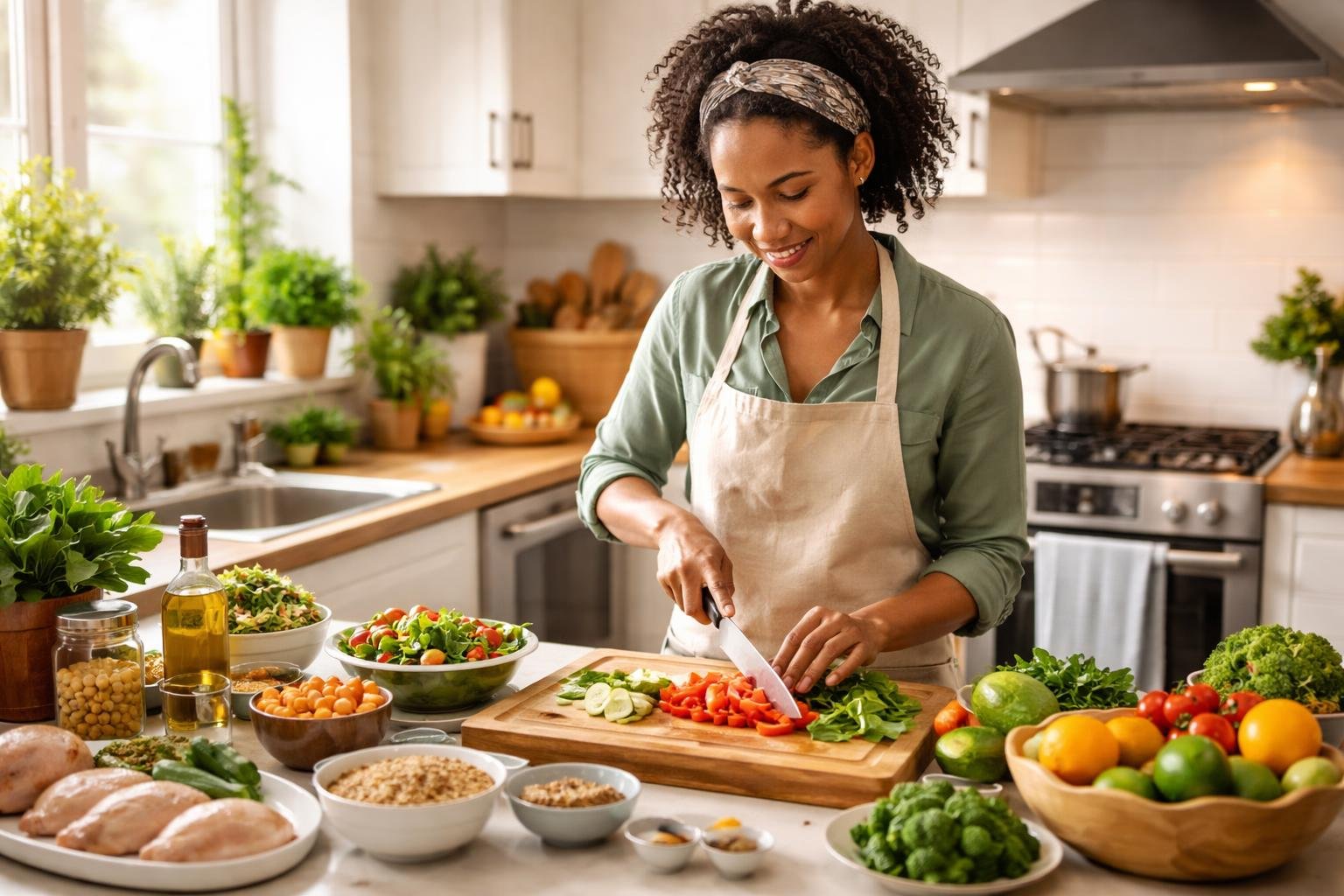
Strong meal preparation skills help home cooks save time, reduce stress, and maintain healthy eating habits throughout the week. Creating themed menus, organizing ingredients before cooking, and preparing food in larger quantities transforms the daily cooking routine into a manageable process.
A home cook who plans meals ahead avoids the stress of last-minute decisions and builds healthier eating patterns. Establishing themes for each day[5] provides a simple framework that makes menu planning easier. For example, one night could feature seafood, another focuses on vegetarian options, and Friday becomes pizza night.
This approach also streamlines grocery shopping. When a cook assigns specific protein types or cooking methods to different days, the shopping list practically writes itself. Many home cooks find success with monthly themes too, where each week follows a different cuisine or cooking style.
Weekly Theme Examples:
- Monday: Slow cooker meals
- Tuesday: Grilled chicken
- Wednesday: Seafood
- Thursday: Vegetarian
- Friday: Pizza night
The key is choosing themes that match the household’s preferences and schedule. A cook should place slow-cooker meals on the busiest nights when time is limited.
The Power of Mise en Place
Mise en place means having all ingredients measured, chopped, and ready before cooking begins. This professional cooking technique prevents mistakes and speeds up the actual cooking process. A home cook who prepares ingredients first can focus entirely on cooking techniques rather than scrambling to find or prepare items mid-recipe.
This practice works especially well for stir-fries, sheet pan dinners, and other dishes that cook quickly. Washing and chopping vegetables, measuring spices, and portioning proteins takes just 10-15 minutes but makes cooking flow smoothly.
Storage containers keep prepped ingredients fresh. A cook can chop onions, peppers, and garlic for multiple recipes at once, then store them separately in the refrigerator for up to three days.
Batch Cooking for Busy Schedules
Batch cooking saves significant time[5] by preparing larger quantities of food that work in multiple meals. A home cook might grill several chicken breasts at once, then use them in salads, sandwiches, and grain bowls throughout the week. This strategy prevents meal fatigue while maintaining efficiency.
Soups, chilis, and casseroles work particularly well for batch cooking. These dishes often taste better the next day and freeze easily for future meals. A cook can make chili and serve it traditionally one night, then transform leftovers into quesadillas or nachos.
Foods That Batch Well:
- Grains (rice, quinoa, farro)
- Roasted vegetables
- Cooked proteins (chicken, ground meat, beans)
- Soups and stews
- Sauces and dressings
Measuring and packing portions immediately after cooking prevents picking at the food and ensures equal servings. When a recipe yields six portions, measuring each one guarantees that the sixth meal contains just as much food as the first.
Choosing and Using Healthy Ingredients
The ingredients a home cook keeps on hand shape every meal they prepare. Stocking a kitchen with whole grains, legumes, and quality vegetables makes nutritious cooking simpler and more convenient.
Prioritizing Whole Grains
Whole grains retain their bran, germ, and endosperm, which means they contain more fiber, vitamins, and minerals than refined grains. Brown rice, quinoa, bulgur, and farro provide lasting energy and help maintain healthy cholesterol levels.
A cook can store dried whole grains in the pantry for six months or keep them in the freezer for up to a year. Batch cooking saves time during busy weeknights. Using an electric pressure cooker, a home cook can prepare a dozen or more half-cup servings of brown rice at once and freeze individual portions.
For quick options, cracked wheat (bulgur) needs only five minutes when covered with boiling water. Steel-cut oats work well for breakfast, while whole wheat pasta offers a simple dinner base. Each grain brings different nutrients and textures to meals.
Adding More Beans and Lentils
Beans and lentils deliver protein, fiber, iron, and other essential nutrients at a low cost. Black beans, chickpeas, navy beans, and kidney beans can replace some or all of the meat in many dishes.
Dried legumes last at least a year in the pantry. Orange lentils cook in just five to seven minutes on the stovetop, making them one of the fastest protein sources available. Other dried beans take longer but require minimal hands-on work when prepared in large batches.
Canned beans offer convenience for beginners. A cook can rinse canned beans to reduce sodium content by about 40 percent. Starting with small changes[1] like substituting beans for some of the beef in stew helps families adjust to new flavors gradually.
Making the Most of Frozen and Prepped Produce
Frozen vegetables are just as nutritious as fresh ones because they’re frozen at peak ripeness. They don’t spoil quickly, which reduces food waste and saves money.
A well-stocked freezer might include broccoli, spinach, peas, corn, and mixed vegetables. These require no washing or chopping, which cuts prep time significantly. Pre-cut fresh vegetables like butternut squash eliminate the labor-intensive steps that discourage many cooks.
Fresh produce works best when planned strategically. Tender greens and spinach should be used early in the week, while harder vegetables like carrots and cabbage last longer. This approach ensures nothing goes to waste while maintaining variety throughout the week.
Smart Swaps for Better Nutrition
Making simple ingredient substitutions helps home cooks reduce calories and boost nutrients without losing flavor. Swapping refined carbohydrates for vegetable alternatives, using protein-rich dairy products, and choosing fiber-packed grain options creates meals that support better health.
Replacing Refined Carbs with Cauliflower Rice and Zoodles
Cauliflower rice serves as a low-carb replacement for traditional white rice. A cup of cauliflower rice contains about 25 calories and 5 grams of carbohydrates, while the same amount of white rice has 200 calories and 45 grams of carbs.
Home cooks can make cauliflower rice by pulsing raw cauliflower florets in a food processor until they reach a rice-like texture. It works well in stir-fries, burrito bowls, and fried rice dishes. The mild flavor absorbs seasonings and sauces easily.
Zoodles, or zucchini noodles, replace pasta in many dishes. They contain just 20 calories per cup compared to 200 calories in regular pasta. A spiralizer creates the noodle shape quickly, and the zoodles cook in 2-3 minutes when sautéed. They pair well with marinara sauce, pesto, or light cream sauces. Home cooks should avoid overcooking them to prevent a mushy texture.
Using Greek Yogurt Instead of Sour Cream
Greek yogurt provides a protein-rich alternative to sour cream in both cooking and as a topping. It contains roughly twice the protein of regular sour cream while offering fewer calories and less saturated fat.
The thick, creamy texture makes it work well in dips, tacos, baked potatoes, and sauces. Plain low-fat Greek yogurt mixed with herbs[6] creates flavorful dressings and dips. In baking recipes, it adds moisture to muffins, cakes, and quick breads.
Full-fat Greek yogurt works better for hot dishes since it’s less likely to separate when heated. Home cooks can start by replacing half the sour cream in a recipe, then adjust based on taste preferences. The tangy flavor closely matches sour cream, making the swap nearly undetectable in most dishes.
Switching to Whole Grain and Legume Pastas
Whole grain pasta delivers more fiber, protein, and nutrients than refined white pasta. A serving provides 3-4 times the fiber, which helps with digestion and keeps people feeling full longer.
Legume-based pastas made from chickpeas, lentils, or black beans offer even more protein. These options contain 13-15 grams of protein per serving compared to 7 grams in regular pasta. They also provide iron and other minerals that refined pasta lacks.
The texture of whole grain pasta requires slightly longer cooking times than white pasta. Legume pastas can be more delicate and may become mushy if overcooked. Home cooks should follow package directions carefully and taste frequently near the end of cooking. These pastas pair well with robust sauces that complement their nuttier, earthier flavors.
Essential Healthy Cooking Techniques
The way a home cook prepares food matters just as much as the ingredients themselves. Cooking methods that preserve nutrients[3] while minimizing added fats create meals that taste better and support better health.
Stir-Frying for Flavor and Nutrition
Stir-frying uses high heat and constant motion to cook vegetables, proteins, and grains quickly in a wok or large skillet. This method requires only a small amount of oil compared to deep frying.
The high temperature cooking process helps vegetables keep their nutrients that would otherwise be lost through boiling. Quick cooking over high heat means vegetables retain their vitamins[3] and maintain a crisp texture.
A successful stir-fry depends on proper preparation. The cook should cut all ingredients into similar-sized pieces before heating the pan. This ensures everything cooks evenly in the short time frame.
Key stir-frying tips:
- Heat the pan before adding oil
- Avoid overcrowding the cooking surface
- Keep ingredients moving constantly
- Cook in batches if necessary
The technique works well for chicken, beef, shrimp, tofu, and nearly any vegetable. Adding aromatics like garlic, ginger, and scallions at the right moment creates depth of flavor without excess sodium or fat.
Roasting and Caramelization
Roasting uses dry heat in an oven to cook food evenly from all sides. This technique works particularly well for vegetables, poultry, and lean cuts of meat.
The magic of roasting happens through caramelization. When vegetables reach high temperatures, their natural sugars break down and create new flavor compounds. This process gives roasted carrots, Brussels sprouts, and sweet potatoes their characteristic golden-brown color and sweet taste.
Caramelization starts around 320°F. The cook doesn’t need to add sugar or sweeteners because the vegetables contain enough natural sugars on their own.
A light coating of oil helps food brown evenly and prevents sticking. Most recipes need only one to two tablespoons for an entire sheet pan of vegetables. Spreading ingredients in a single layer allows hot air to circulate and promotes even browning.
Root vegetables like parsnips, beets, and turnips develop concentrated flavors when roasted at 400-425°F for 25-35 minutes.
Steaming and Sautéing with Broth
Steaming cooks food over simmering water[3] rather than in it. This indirect heat method preserves water-soluble vitamins like vitamin C and folate that disappear during boiling.
A basic steamer setup requires only a pot with a small amount of water and a basket or insert to hold food above the waterline. The cook can add herbs like bay leaves or rosemary to the steaming water for subtle flavor without added calories.
Sautéing with broth offers an alternative to cooking with oil or butter. The technique involves heating a pan and adding a few tablespoons of vegetable or chicken broth instead of fat. As ingredients cook, the cook adds more broth as needed to prevent sticking.
This method cuts calories significantly while maintaining the quick-cooking benefits of traditional sautéing. The broth adds flavor depth that plain water cannot match. It works especially well for onions, mushrooms, peppers, and leafy greens that release their own moisture during cooking.
Enhancing Flavor Without Excess
Building flavor in healthy cooking doesn’t require heavy sauces or excessive salt. Home cooks can create satisfying meals by relying on herbs and spices to enhance flavor[7] instead of salt, making homemade dressings with quality ingredients, and preparing proteins ahead of time with flavorful marinades.
Making Healthy Vinaigrettes and Dressings
Homemade vinaigrettes give cooks control over ingredients while eliminating preservatives and excess sugar found in store-bought versions. A basic vinaigrette requires just three parts oil to one part acid, such as lemon juice or vinegar.
Making a sauce or dressing for the week[8] saves time during busy weeknights. Home cooks can whisk together olive oil, fresh lemon juice, minced garlic, and fresh herbs like basil or thyme. Dijon mustard adds depth and helps emulsify the mixture.
These dressings work well on salads, roasted vegetables, or grain bowls. Storing them in glass jars keeps them fresh for up to a week. A good vinaigrette transforms simple ingredients into flavorful meals without adding unnecessary calories or sodium.
Cooking with Herbs and Spices
Fresh and dried herbs provide complex flavors without adding calories or sodium to dishes. Rosemary, thyme, cumin, and smoked paprika bring depth that heavy sauces cannot match.
Timing matters when adding herbs. Dried herbs release flavor slowly and work best when added early in cooking. Fresh herbs lose their potency with heat, so cooks should add them near the end or use them as garnish.
Common combinations include garlic and rosemary for roasted meats, cumin and coriander for vegetables, and fresh basil with tomatoes. A pinch of red pepper flakes adds heat without excess salt. Experimenting with different spice blends helps cooks find their preferred flavor profiles.
Marinating Proteins in Advance
Marinating proteins overnight[8] infuses meat, poultry, or tofu with bold flavors while tenderizing tougher cuts. A basic marinade combines an acid like vinegar or citrus juice, oil, and seasonings.
The acid breaks down proteins, making meat more tender. Oil carries fat-soluble flavors into the protein. Garlic, ginger, soy sauce, or fresh herbs add distinct taste profiles.
Cooks should place proteins and marinade in sealed containers or bags in the refrigerator. Most proteins need 2 to 8 hours, though delicate fish requires less time. This preparation makes weeknight cooking faster since the protein is ready to grill, bake, or pan-sear with minimal effort.
Frequently Asked Questions
Home cooks often wonder about the best ways to build lasting habits, organize their time, stock their kitchens, and master basic techniques that lead to nutritious meals every day.
What daily habits make home cooking healthier and more consistent?
Chopping vegetables ahead of time saves minutes during busy weeknights. A cook can slice and dice produce on the weekend and store it in airtight containers to maintain freshness.
Cooking a big batch of whole grains at the start of the week provides a versatile base for multiple meals. Brown rice, quinoa, and farro add fiber and protein to bowls, salads, and side dishes.
Pre-washing greens immediately after shopping keeps them crisp and ready to use. A salad spinner removes excess water and prevents wilting.
Marinating proteins overnight infuses meat, fish, or tofu with bold flavors. A simple mix of olive oil, herbs, and spices transforms ordinary ingredients into restaurant-quality dishes.
Making a sauce or dressing for the week eliminates daily decision-making. A jar of homemade vinaigrette or tahini sauce adds instant flavor to any meal.
How can I meal prep efficiently without spending hours in the kitchen?
Cooking enough for leftovers[8] turns one cooking session into two or three meals. Doubling recipes ensures lunch or dinner is already prepared for the next day.
One-bowl meals simplify both cooking and cleanup. Combining proteins, grains, and vegetables in a single dish creates a balanced meal without multiple pots and pans.
Shopping with a weekly plan reduces waste and saves money. A grocery list based on planned meals ensures all necessary ingredients are on hand.
Batch cooking proteins and grains on Sunday provides building blocks for quick weeknight dinners. Grilled chicken, roasted vegetables, and cooked rice can be mixed and matched throughout the week.
What are the essential pantry and fridge staples for healthy home cooking?
Whole grains like brown rice, quinoa, oats, and whole wheat pasta form the foundation of nutritious meals. These items provide fiber and keep people fuller longer.
Canned beans and lentils offer quick protein and fiber without the need for overnight soaking. Chickpeas, black beans, and kidney beans work in salads, soups, and tacos.
Olive oil serves as a heart-healthy fat for cooking and dressing dishes. Extra virgin olive oil adds flavor to roasted vegetables and salad dressings.
Fresh and frozen vegetables ensure access to produce year-round. Frozen spinach, broccoli, and mixed vegetables retain their nutrients and last longer than fresh options.
Herbs and spices add flavor without extra calories or sodium. Garlic, cumin, basil, oregano, and smoked paprika transform simple ingredients into exciting meals.
Low-sodium broth provides a base for soups, stews, and sautéing without added oil. Chicken, vegetable, and beef broth enhance flavor while keeping dishes light.
How do I plan balanced meals that include protein, fiber, and vegetables?
A balanced plate contains one-quarter protein, one-quarter whole grains, and one-half vegetables. This simple formula ensures adequate nutrition without complicated calculations.
Lean proteins like chicken breast, fish, tofu, and legumes provide essential amino acids. Each meal should include a palm-sized portion of protein.
Fiber comes from whole grains, beans, vegetables, and fruits. Aim for at least three servings of fiber-rich foods per meal to support digestion and satiety.
Non-starchy vegetables like leafy greens, broccoli, peppers, and cauliflower add vitamins and minerals. These should make up the largest portion of each plate.
Greek yogurt can replace sour cream for a protein-packed alternative in recipes. This swap adds extra protein while reducing saturated fat.
What are the core cooking methods every home cook should know and when should each be used?
Roasting brings out natural sugars[3] in vegetables and creates caramelization that adds depth to dishes. Use this method for root vegetables, Brussels sprouts, and chicken thighs.
Steaming preserves nutrients[9] better than boiling and maintains the natural texture of vegetables. Steam broccoli, green beans, and fish for light, healthy meals.
Sautéing with broth instead of oil reduces calories while adding flavor. This technique works well for quick-cooking vegetables and aromatics.
Baking proteins in foil or parchment locks in moisture without added fats. Wrap fish or chicken with herbs and lemon for a no-fuss dinner.
Stir-frying quickly cooks vegetables at high heat to maintain their crunch and color. Use a small amount of oil or broth and keep ingredients moving in the pan.
Grilling adds smoky flavor without extra fat. This method works for proteins, vegetables, and even fruits like peaches and pineapple.
What do the “5 P’s” of cooking stand for, and how do they improve results in the kitchen?
The “5 P’s” stand for Proper Planning Prevents Poor Performance. This principle emphasizes that preparation determines success in the kitchen.
Planning meals in advance reduces stress and ensures all ingredients are available. A cook who plans knows exactly what to make and when.
Preparing ingredients before cooking makes the actual cooking process faster and smoother. Chopped vegetables, measured spices, and marinated proteins speed up dinner preparation.
Practicing techniques builds confidence and skill over time. A home cook doesn’t need perfection but benefits from consistent effort.
Patience during cooking prevents burnt food and allows flavors to develop properly. Rushing through steps leads to mistakes and disappointing results.
Post Views: 4
References
- Making healthy, home-cooked meals: How do you get started?. https://www.health.harvard.edu/heart-health/making-healthy-home-cooked-meals-how-do-you-get-started Accessed April 18, 2026
- How to Cook Healthier at Home. https://www.heart.org/en/healthy-living/healthy-eating/cooking-skills/cooking/how-to-cook-healthier-at-home Accessed April 18, 2026
- 12 techniques every healthy cook needs to know. https://www.healthyfood.com/advice/12-techniques-every-healthy-cook-needs-to-know/ Accessed April 18, 2026
- MyFitnessPal. https://blog.myfitnesspal.com/home-cooking-benefits/ Accessed April 18, 2026
- How to Actually Stick To Your Meal Prepping Goals. https://www.foodnetwork.com/healthyeats/healthy-tips/how-to-stick-to-meal-prepping-goals-habit Accessed April 18, 2026
- Smart Substitutions to Improve Nutrition Without Sacrificing Taste. https://www.heart.org/en/healthy-living/healthy-eating/cooking-skills/cooking/smart-substitutions-to-eat-healthy Accessed April 18, 2026
- Healthy cooking methods demystified. https://blogs.bcm.edu/2025/02/18/healthy-cooking-methods-demystified/ Accessed April 18, 2026
- 20 Healthy Cooking Habits That Make Midweek Meals Easier. https://chefstandards.com/healthy-cooking-habits/ Accessed April 18, 2026
- Don’t Fry! Give Healthy Cooking Methods a Try | American Heart Association. https://www.heart.org/en/healthy-living/healthy-eating/cooking-skills/cooking/techniques/healthy-cooking-methods Accessed April 18, 2026

























