
Medically Reviewed
Dr. Jose Rossello, MD, PhD, MHCM
Preventive Medicine & Public Health Specialist
Last Reviewed: July 1, 2026
A health risk assessment is a systematic process that helps identify potential health hazards and evaluate the level of risk they pose to individuals or groups. Organizations use these assessments to make informed decisions about protecting workers, patients, and communities from various health threats. The four main types of risk assessments that organizations commonly use are qualitative, quantitative, subjective, and objective approaches, each serving different purposes in health and safety management.

Different situations call for different assessment methods. A qualitative approach works well when data is limited or quick decisions are needed. A quantitative method provides numerical measurements and precise risk calculations. Understanding which type to use helps organizations protect people more effectively.
The choice of assessment method depends on the workplace environment, available resources, and the nature of potential hazards. Health risk assessments can range from screening individual patients for disease risk factors to evaluating entire facilities for environmental hazards. Each type offers unique benefits that support better health outcomes and safer environments.
Table of Contents
Key Takeaways
- Health risk assessments use four main approaches including qualitative, quantitative, subjective, and objective methods
- The right assessment type depends on the situation, available data, and specific health hazards being evaluated
- These assessments help organizations make informed decisions to protect people from health and safety risks
Understanding Health Risk Assessment Methods

Health risk assessment methods provide structured approaches to identify workplace dangers and protect employee wellbeing. These methods follow specific steps to evaluate hazards, measure exposure levels, and implement protective measures that reduce harm.
Core Steps in the Risk Assessment Process
The risk assessment process begins with identifying what could cause harm in a workplace environment. Organizations examine work activities, equipment, substances, and conditions that might pose risks to employees or visitors.
After identifying potential dangers, assessors evaluate the likelihood and severity of each risk. They consider who might be affected and how serious the consequences could be. This evaluation helps prioritize which risks need immediate attention.
Teams then document their findings and develop action plans. They assign responsibilities for implementing control measures and set deadlines for completion. Regular reviews ensure the assessment remains current as workplace conditions change.
The final step involves monitoring and updating the assessment. Organizations track whether control measures work effectively and adjust them when needed.
Hazard Identification and Exposure Assessment
Hazard identification examines physical, chemical, biological, and ergonomic dangers present in work environments. Assessors walk through facilities, review incident reports, and consult with employees who understand daily operations best.
Exposure assessment[1] measures how workers come into contact with identified hazards. It considers exposure duration, frequency, and intensity. For chemical hazards, this might involve air monitoring to measure concentration levels. For physical hazards, assessors evaluate noise levels or temperature extremes.
Different workers face different exposure levels based on their tasks and proximity to hazards. A maintenance worker might have higher exposure to machinery hazards than an office administrator. Assessors account for these variations when calculating risk levels.
Application of PPE and Control Measures
Control measures follow a hierarchy that prioritizes elimination and engineering controls over personal protective equipment. Organizations first attempt to remove hazards entirely or replace them with safer alternatives.
When elimination proves impossible, engineering controls like ventilation systems or machine guards reduce exposure. Administrative controls such as work rotation or procedure changes limit contact time with hazards.
PPE serves as the last line of defense when other control measures cannot adequately reduce risk. Common PPE includes safety glasses, gloves, respirators, and protective clothing. Organizations must ensure proper fit, train workers on correct usage, and maintain equipment regularly.
Effective risk mitigation often combines multiple control measures. A factory might install equipment guards, implement safety procedures, and require protective gear to address a single hazard comprehensively.
Qualitative Risk Assessment Explained
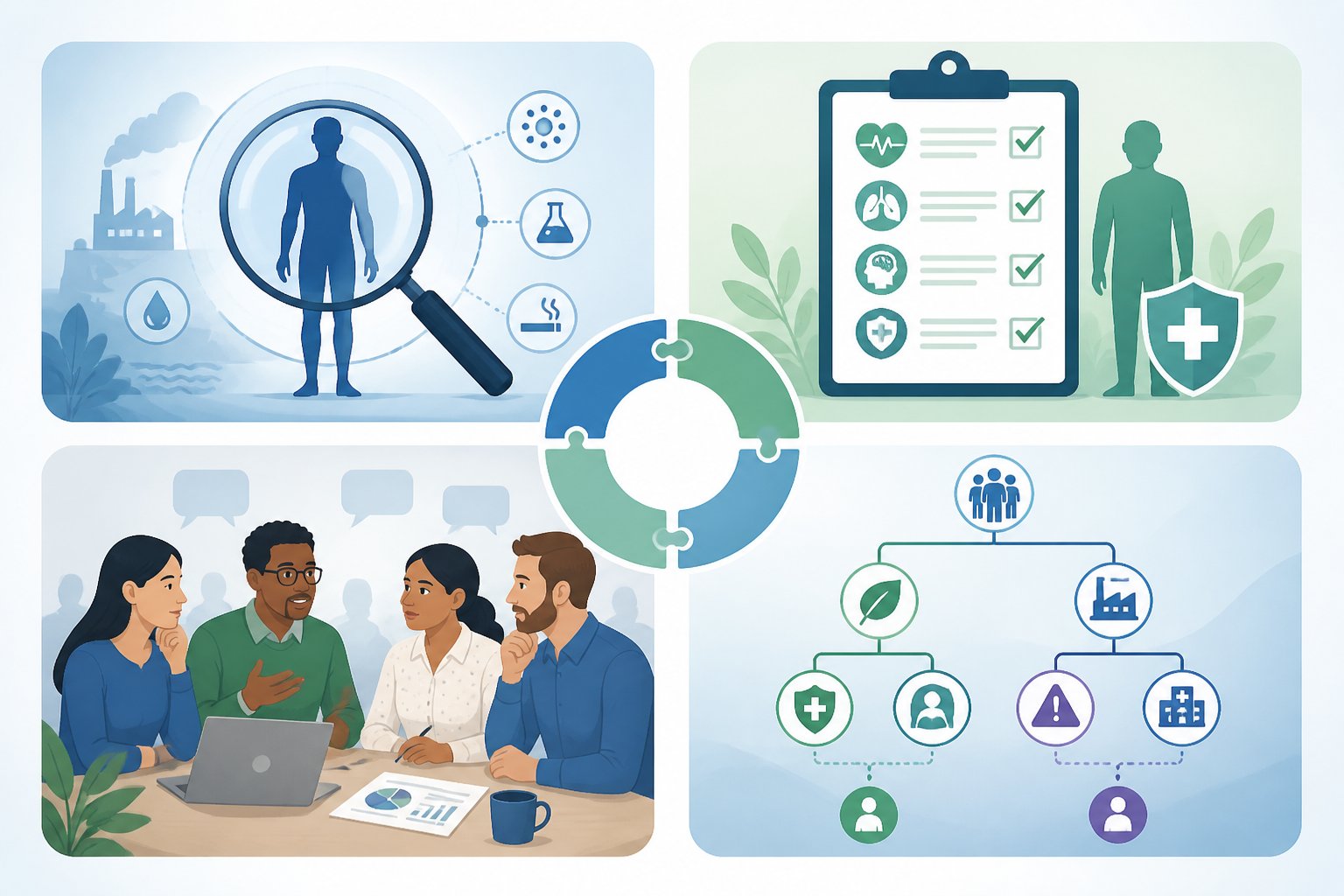
A qualitative risk assessment[2] ranks risks using descriptive terms rather than numbers, typically categorizing hazards as low, moderate, or high. This approach relies on expert judgment and observation to identify workplace hazards and determine their potential impact on occupational safety.
Process and When to Use
The qualitative process begins with hazard identification, where assessors examine the workplace to spot potential dangers. They then evaluate exposure routes and assess the likelihood of harm occurring. Organizations assign risk levels based on categorical classifications without calculating precise numerical values.
This method works best early in an outbreak or when quantitative data is limited. The CDC applies qualitative methods[3] to rapidly assess public health implications during disease outbreaks. Companies also use this approach when they need quick assessments for routine activities or when detailed data collection isn’t practical.
Safety managers find qualitative assessments useful for general workplace inspections. The process takes less time than quantitative methods and requires fewer technical resources.
Advantages and Limitations
Qualitative assessments offer speed and simplicity as their main advantages. Teams can complete them quickly without specialized equipment or complex calculations. They help build safety culture by involving workers in identifying hazards through their direct experience and knowledge.
The approach requires minimal training compared to quantitative methods. Workers can participate in the assessment process using observation and judgment rather than technical expertise.
However, qualitative methods provide less precision than numerical approaches. Assessors may interpret risk levels differently, leading to inconsistent results. The subjective nature means two people might classify the same hazard at different severity levels. Organizations cannot easily compare risks across different sites or track changes over time with the same accuracy as quantitative methods.
Tools: Risk Assessment Checklist and Templates
A risk assessment checklist guides assessors through the evaluation process systematically. These checklists typically include sections for hazard type, location, affected workers, and control measures. They ensure teams don’t overlook critical safety factors during inspections.
Risk assessment templates provide standardized formats for documenting findings. Most templates include fields for:
- Hazard description: What could cause harm
- Risk rating: Low, medium, or high
- Current controls: Existing safety measures
- Action items: Additional steps needed
Templates help maintain consistency across multiple assessments. They also create documentation that organizations need for compliance and legal requirements. Digital templates allow teams to share findings quickly and track corrective actions through completion.
Quantitative and Semi-Quantitative Approaches
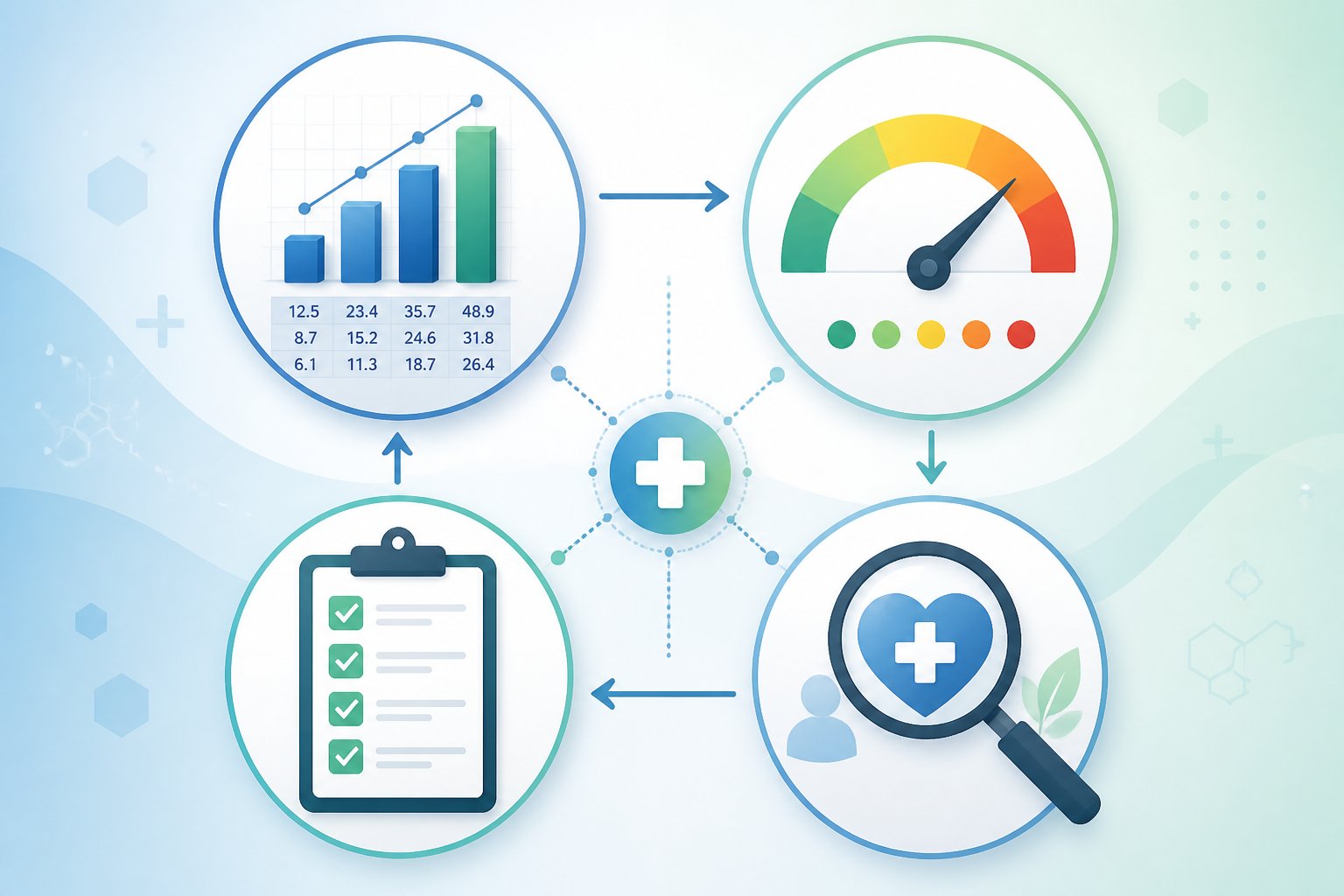
Risk assessment methods use different levels of numerical analysis to evaluate health threats. Quantitative approaches rely on detailed data and mathematical models, while semi-quantitative methods combine numeric scoring with expert judgment to bridge the gap between simple descriptions and complex calculations.
Quantitative Risk Assessment Framework
Quantitative risk assessment uses mathematical models and statistical data to calculate the probability and impact of health risks. This approach assigns specific numerical values to risk factors rather than using general categories like “high” or “low.”
The framework typically includes four key components. First, hazard identification determines what health threats exist. Second, exposure assessment measures how much contact occurs between people and the hazard. Third, dose-response assessment examines the relationship between exposure levels and health effects. Fourth, risk characterization combines these elements to produce numerical estimates of risk.
This method works best when reliable data exists. Organizations can calculate precise probabilities and predict outcomes with measurable confidence intervals. The approach requires specialized expertise and significant resources to gather and analyze data properly.
Semi-Quantitative Risk Assessment in Practice
Semi-quantitative risk assessment combines qualitative and quantitative elements to provide structured risk evaluations without requiring extensive data. This method uses scoring systems, typically on scales of 1-5, to rate both likelihood and severity of health risks.
Risk matrices offer a visual way to communicate these assessments by combining two dimensions of risk. Health professionals assign scores based on available evidence and expert judgment. The scores then generate an overall risk rating that allows comparison between different threats.
This approach provides a reliable tool for indicating health risks[4], especially during initial investigation stages. It works well when data is limited or unreliable. The method offers more consistency than purely descriptive assessments while avoiding the data requirements of full quantitative analysis.
Selecting the Right Approach
The choice between quantitative and semi-quantitative risk assessment depends on available resources, data quality, and decision-making needs. Quantitative methods suit situations with robust data sets and when precise numerical estimates are necessary for regulatory compliance or cost-benefit analysis.
Semi-quantitative approaches work better when insufficient data prohibits quantitative study[4] or when quick assessments are needed. They provide a middle ground that adds structure to risk evaluation without demanding extensive mathematical modeling.
Organizations should consider their technical capacity and timeline. Quantitative assessments require trained analysts and significant time investment. Semi-quantitative methods allow faster implementation with less specialized expertise while still providing actionable risk comparisons.
Generic and Site-Specific Risk Assessment Types
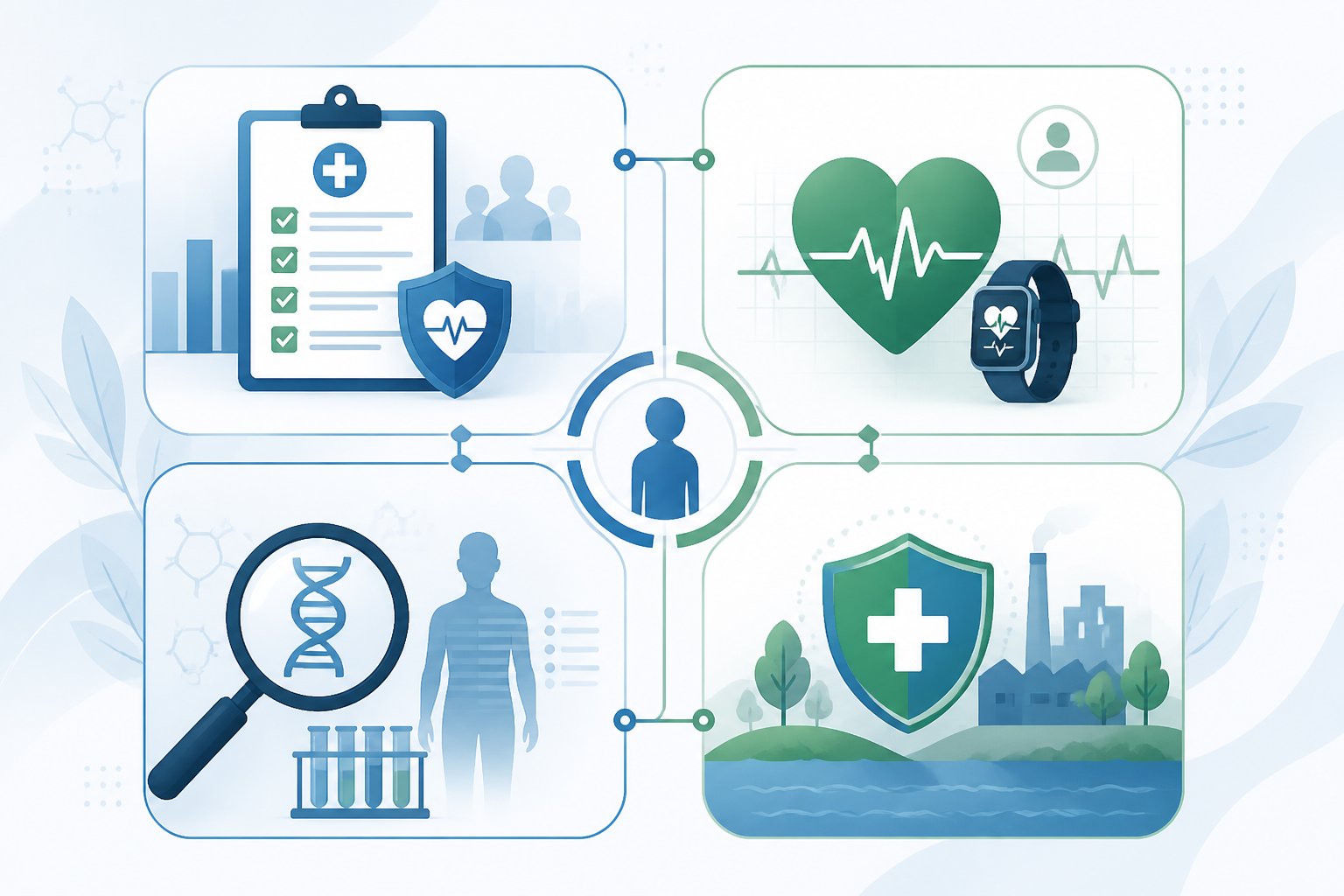
Organizations use different assessment approaches based on whether tasks are routine or unique to a location. Generic risk assessments provide templates for common activities, while site-specific evaluations address particular workplace conditions.
Generic Risk Assessment: Scope and Uses
A generic risk assessment creates a standard template for routine tasks that occur regularly across an organization. These assessments identify typical hazards and control measures for activities like operating machinery, handling materials, or performing maintenance work.
Organizations use generic assessments when tasks remain similar across multiple locations or departments. This approach saves time because teams don’t need to evaluate the same basic risks repeatedly. The templates help ensure consistent safety practices across different sites.
Common uses include:
- Standard equipment operation
- Routine maintenance procedures
- Regular delivery or transportation tasks
- Common office activities
Generic risk assessment templates must be reviewed and updated regularly. They serve as starting points rather than complete solutions. Each location should adapt these templates to address local conditions, equipment variations, or environmental factors that differ from the standard template.
The Management of Health and Safety at Work Regulations require employers to assess workplace risks. Generic assessments help meet this requirement for routine activities while maintaining efficiency across larger organizations.
Site-Specific Risk Assessment for Tailored Safety
A site-specific risk assessment examines the unique conditions at a particular location. This evaluation considers the actual environment, specific equipment, local processes, and the people working in that exact setting.
Organizations need site-specific assessments when locations have distinct features that generic templates cannot cover. Examples include unusual site layouts, confined spaces, extreme weather conditions, or specialized equipment configurations.
Key situations requiring site-specific assessment:
- New construction sites
- Temporary work locations
- Facilities with unique hazards
- Operations in challenging environments
Site-specific risk assessments can be qualitative or quantitative depending on the complexity and data available. They often build upon generic risk assessment templates by adding location-specific details and controls.
This approach identifies hazards that standard templates miss. For example, a generic assessment might cover ladder safety, but a site-specific evaluation would note uneven ground, overhead power lines, or limited access points at that particular location.
Dynamic and Specific Risk Assessments
Dynamic risk assessment involves real-time evaluation as situations change and new hazards emerge. Workers perform these assessments on the spot, using their training and experience to identify immediate dangers and adjust their approach accordingly.
Emergency responders, lone workers, and maintenance technicians frequently use dynamic assessments. Conditions change too quickly for pre-planned evaluations to remain useful. A firefighter entering a burning building or a utility worker arriving at an unfamiliar location must assess risks instantly.
The effectiveness of dynamic risk assessment depends heavily on worker competence and training. Organizations must ensure employees understand how to recognize hazards and make quick decisions without formal documentation or team consultation.
Specific risk assessment refers to evaluations tailored to particular tasks or situations rather than general activities. While similar to site-specific assessments, these focus on individual jobs or projects rather than entire locations. Both approaches create targeted solutions that generic templates cannot provide.
Implementing and Integrating Health Risk Assessments

Successfully implementing health risk assessments requires proper documentation, standardized tools, and clear strategies for addressing identified risks. Organizations need systems to track findings, maintain compliance, and take action on assessment results.
Documenting and Reviewing Assessments
Proper documentation forms the foundation of effective risk assessments. Healthcare providers and organizations must record all assessment data, including patient responses, identified risk factors, and recommended interventions.
Documentation should include the date of assessment, who conducted it, and specific findings. This information creates a baseline for tracking health changes over time. Regular reviews help identify trends and patterns across individuals or populations.
Organizations typically establish review schedules based on risk levels. High-risk individuals may need quarterly reviews, while low-risk participants might only require annual assessments. The review process should involve comparing current results to previous assessments and evaluating whether interventions have reduced identified risks.
Digital systems make it easier to store and access assessment records. These platforms allow multiple healthcare providers to view patient risk profiles and coordinate care more effectively.
Templates, Checklists, and Compliance
A risk assessment template standardizes the evaluation process across an organization. Templates ensure that all necessary questions get asked and critical risk factors are not overlooked.
Common template components include:
- Demographic information
- Medical history questions
- Lifestyle and behavior assessments
- Biometric measurements
- Mental health screening items
Checklists help administrators verify that assessments meet regulatory requirements. Medicare annual wellness visits, for example, require specific elements in their health risk assessments. Organizations must follow these guidelines to maintain compliance and receive proper reimbursement.
Templates should be reviewed and updated regularly to reflect current evidence-based practices and changing regulations.
Corrective Actions and Risk Mitigation Strategies
Identifying risks means nothing without action. Corrective actions address immediate health concerns, while risk mitigation strategies focus on long-term prevention.
Healthcare teams develop action plans based on assessment findings. A patient with high blood pressure might receive medication, dietary counseling, and a follow-up appointment schedule. Someone with diabetes risk factors could get referred to a prevention program.
Risk management requires prioritizing interventions based on severity and likelihood of harm. Organizations often categorize risks as high, medium, or low priority. High-priority risks demand immediate attention and resources.
Effective risk mitigation strategies include patient education, care coordination, and environmental modifications. Tracking the effectiveness of these interventions helps organizations refine their approaches and improve outcomes over time.
Real-World Applications for Occupational and Environmental Health

Organizations apply health risk assessments to protect workers from chemical exposures, radiation, and biological agents while also evaluating how industrial activities affect surrounding ecosystems. These practical applications help companies meet safety standards and reduce harm to both people and the environment.
Occupational Safety and Human Health Risk Assessment
Occupational health and safety risk assessment[5] involves identifying, evaluating, and controlling workplace hazards that could harm workers. Companies use this process to estimate health risks from exposure to various levels of workplace hazards.
The assessment process includes several key steps:
- Identifying potential hazards in the workplace
- Measuring worker exposure levels
- Evaluating the severity of health risks
- Implementing controls to reduce or eliminate dangers
Occupational risk assessment methods[6] must account for chemical mixtures and emerging technologies where toxicological data may be limited. Workers in construction, chemical manufacturing, and healthcare face different types of risks that require specific evaluation approaches.
A proper human health risk assessment examines how much exposure to a hazard presents actual health risks. This allows employers to appropriately eliminate, control, and reduce those risks through engineering controls, administrative policies, or personal protective equipment.
Ecological Risk Assessment in Practice
Companies conduct ecological risk assessments to understand how their operations affect soil, water, and air quality in surrounding areas. This type of evaluation looks at how pollutants move through ecosystems and impact plants, animals, and microorganisms.
Environmental health assessments[7] examine chemical, physical, radiological, and biological agents that spread beyond workplace boundaries. Industries that handle toxic materials must evaluate potential contamination of groundwater, soil degradation, and air pollution effects on nearby communities.
The assessment considers:
- Exposure pathways through which contaminants reach organisms
- Dose-response relationships that predict harm levels
- Ecosystem sensitivity to specific pollutants
- Long-term environmental effects beyond immediate impacts
Organizations use these findings to modify processes, install treatment systems, or relocate operations away from sensitive habitats.
Developing an Effective Safety Culture
A strong safety culture requires commitment from leadership and active participation from all employees in identifying and managing risks. Organizations that prioritize safety create systems where workers feel comfortable reporting hazards without fear of punishment.
Risk management for safety professionals focuses on both identifying potential hazards and analyzing the risks they create. This ongoing process involves regular training, incident investigations, and continuous improvement of safety protocols.
Companies build safety culture through:
- Regular safety meetings and hazard reviews
- Clear communication channels for reporting concerns
- Prompt investigation and correction of identified risks
- Recognition programs for safe work practices
Workers who understand risk assessment principles become active participants in maintaining safe conditions. They can spot hazards before incidents occur and suggest practical solutions based on their daily experience with workplace operations.
Frequently Asked Questions
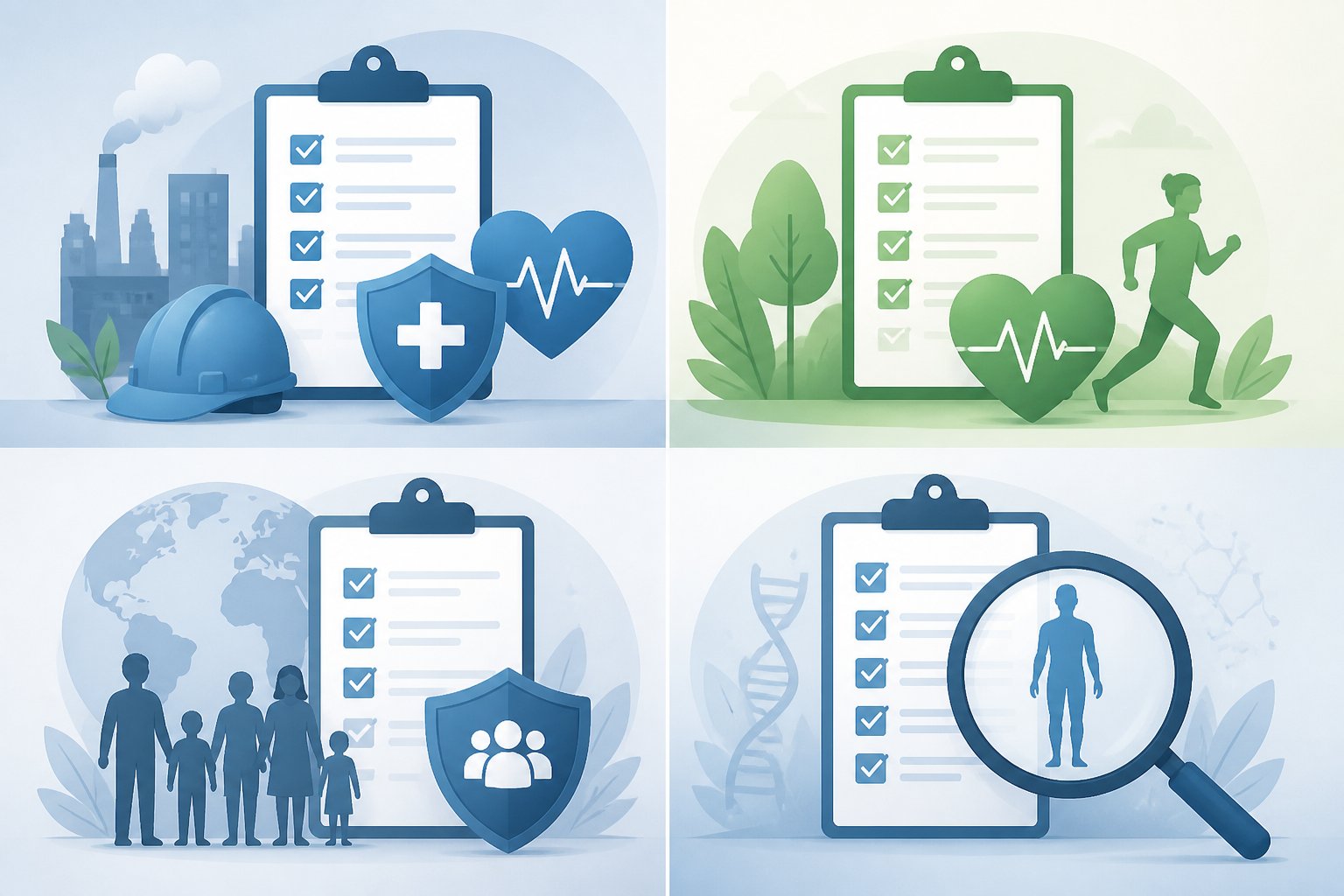
Health risk assessments raise common questions about their purpose, implementation, and practical applications across different settings. Understanding these key aspects helps organizations and individuals use these tools effectively.
What is a health risk assessment and why is it used?
A health risk assessment is a systematic tool that evaluates a person’s health status and identifies potential health risks. It collects information about lifestyle habits, medical history, family history, and current health conditions.
Healthcare providers and employers use health risk assessments to identify health problems early. The assessments help create personalized prevention strategies and wellness plans. They also help predict future health issues before they become serious.
Organizations use these tools to improve population health and reduce healthcare costs. The data collected helps design targeted wellness programs and interventions.
What are the main categories of health risk assessments used in healthcare and public health?
Different types of risk assessment processes serve various purposes in healthcare and public health settings. The main categories include individual health assessments, workplace assessments, environmental assessments, and population-based assessments.
Individual health assessments focus on personal risk factors like diabetes, heart disease, or cancer. Workplace assessments evaluate occupational hazards and employee health risks. Environmental assessments examine how pollution or chemical exposure affects community health.
Population-based assessments analyze health trends across large groups. These help public health officials identify widespread health concerns and plan interventions.
How is a human health risk assessment conducted step by step?
Conducting a human health risk assessment[8] follows four main steps established by environmental and health agencies. The first step is hazard identification, which determines whether exposure to a substance can cause health problems. This step examines scientific data to characterize the link between negative effects and the agent.
The second step involves dose-response assessment. This documents the relationship between the amount of exposure and the severity of health effects.
The third step is exposure assessment, which evaluates how people come into contact with the hazard. The final step combines all information to characterize the overall risk and provide recommendations.
Where can I find a health risk assessment questionnaire in PDF format and what does it typically include?
Health risk assessment questionnaires are available through healthcare organizations, insurance companies, and wellness program providers. Many organizations offer downloadable PDF templates that care coordinators and healthcare providers can use.
A typical questionnaire includes questions about medical history, current medications, and family health conditions. It asks about lifestyle factors like diet, exercise, smoking, and alcohol use. The form also collects biometric data such as blood pressure, cholesterol levels, and body mass index.
Most questionnaires include mental health questions and stress assessments. Some advanced versions incorporate genetic testing information and detailed laboratory results.
What does a completed health risk assessment example look like for an employee wellness program?
A completed employee wellness assessment contains personal information, health measurements, and lifestyle data. The form shows responses to questions about chronic conditions, preventive care, and health behaviors.
The assessment typically includes calculated risk scores for different health conditions. It provides personalized recommendations based on the individual’s responses. Many programs include action steps for improving specific health areas.
The completed form often highlights areas of concern in red or yellow. It shows positive health factors in green to encourage continued healthy behaviors.
How do Medicaid and Medicare health risk assessment questionnaires differ in purpose and required information?
Medicaid health risk assessments focus on identifying social determinants of health and care coordination needs. They ask detailed questions about housing stability, food security, transportation access, and social support. These assessments help connect members with community resources and support services.
Medicare assessments prioritize chronic disease management and preventive care needs. They emphasize fall risk, cognitive function, and activities of daily living. The questions target age-related health concerns common in older adults.
Medicare assessments include more detailed medication reviews and polypharmacy screening. Medicaid assessments often include questions about children’s developmental milestones and maternal health for eligible populations.
Post Views: 14

Elevate Your Health for Just $29.99/Month
Join the Precision Wellness Subscription at My Healing 365 and get discounted services, priority coaching access, virtual care, and exclusive wellness resources to support your physical, emotional, and hormonal health.
Join for $29.99/MonthMedically Reviewed
Dr. Jose Rossello, MD, PhD, MHCM
Preventive Medicine & Public Health Specialist
Last Reviewed: July 1, 2026
A health risk assessment is a systematic process that helps identify potential health hazards and evaluate the level of risk they pose to individuals or groups. Organizations use these assessments to make informed decisions about protecting workers, patients, and communities from various health threats. The four main types of risk assessments that organizations commonly use are qualitative, quantitative, subjective, and objective approaches, each serving different purposes in health and safety management.
Different situations call for different assessment methods. A qualitative approach works well when data is limited or quick decisions are needed. A quantitative method provides numerical measurements and precise risk calculations. Understanding which type to use helps organizations protect people more effectively.
The choice of assessment method depends on the workplace environment, available resources, and the nature of potential hazards. Health risk assessments can range from screening individual patients for disease risk factors to evaluating entire facilities for environmental hazards. Each type offers unique benefits that support better health outcomes and safer environments.
Key Takeaways
- Health risk assessments use four main approaches including qualitative, quantitative, subjective, and objective methods
- The right assessment type depends on the situation, available data, and specific health hazards being evaluated
- These assessments help organizations make informed decisions to protect people from health and safety risks
Understanding Health Risk Assessment Methods
Health risk assessment methods provide structured approaches to identify workplace dangers and protect employee wellbeing. These methods follow specific steps to evaluate hazards, measure exposure levels, and implement protective measures that reduce harm.
Core Steps in the Risk Assessment Process
The risk assessment process begins with identifying what could cause harm in a workplace environment. Organizations examine work activities, equipment, substances, and conditions that might pose risks to employees or visitors.
After identifying potential dangers, assessors evaluate the likelihood and severity of each risk. They consider who might be affected and how serious the consequences could be. This evaluation helps prioritize which risks need immediate attention.
Teams then document their findings and develop action plans. They assign responsibilities for implementing control measures and set deadlines for completion. Regular reviews ensure the assessment remains current as workplace conditions change.
The final step involves monitoring and updating the assessment. Organizations track whether control measures work effectively and adjust them when needed.
Hazard Identification and Exposure Assessment
Hazard identification examines physical, chemical, biological, and ergonomic dangers present in work environments. Assessors walk through facilities, review incident reports, and consult with employees who understand daily operations best.
Exposure assessment[1] measures how workers come into contact with identified hazards. It considers exposure duration, frequency, and intensity. For chemical hazards, this might involve air monitoring to measure concentration levels. For physical hazards, assessors evaluate noise levels or temperature extremes.
Different workers face different exposure levels based on their tasks and proximity to hazards. A maintenance worker might have higher exposure to machinery hazards than an office administrator. Assessors account for these variations when calculating risk levels.
Application of PPE and Control Measures
Control measures follow a hierarchy that prioritizes elimination and engineering controls over personal protective equipment. Organizations first attempt to remove hazards entirely or replace them with safer alternatives.
When elimination proves impossible, engineering controls like ventilation systems or machine guards reduce exposure. Administrative controls such as work rotation or procedure changes limit contact time with hazards.
PPE serves as the last line of defense when other control measures cannot adequately reduce risk. Common PPE includes safety glasses, gloves, respirators, and protective clothing. Organizations must ensure proper fit, train workers on correct usage, and maintain equipment regularly.
Effective risk mitigation often combines multiple control measures. A factory might install equipment guards, implement safety procedures, and require protective gear to address a single hazard comprehensively.
Qualitative Risk Assessment Explained
A qualitative risk assessment[2] ranks risks using descriptive terms rather than numbers, typically categorizing hazards as low, moderate, or high. This approach relies on expert judgment and observation to identify workplace hazards and determine their potential impact on occupational safety.
Process and When to Use
The qualitative process begins with hazard identification, where assessors examine the workplace to spot potential dangers. They then evaluate exposure routes and assess the likelihood of harm occurring. Organizations assign risk levels based on categorical classifications without calculating precise numerical values.
This method works best early in an outbreak or when quantitative data is limited. The CDC applies qualitative methods[3] to rapidly assess public health implications during disease outbreaks. Companies also use this approach when they need quick assessments for routine activities or when detailed data collection isn’t practical.
Safety managers find qualitative assessments useful for general workplace inspections. The process takes less time than quantitative methods and requires fewer technical resources.
Advantages and Limitations
Qualitative assessments offer speed and simplicity as their main advantages. Teams can complete them quickly without specialized equipment or complex calculations. They help build safety culture by involving workers in identifying hazards through their direct experience and knowledge.
The approach requires minimal training compared to quantitative methods. Workers can participate in the assessment process using observation and judgment rather than technical expertise.
However, qualitative methods provide less precision than numerical approaches. Assessors may interpret risk levels differently, leading to inconsistent results. The subjective nature means two people might classify the same hazard at different severity levels. Organizations cannot easily compare risks across different sites or track changes over time with the same accuracy as quantitative methods.
Tools: Risk Assessment Checklist and Templates
A risk assessment checklist guides assessors through the evaluation process systematically. These checklists typically include sections for hazard type, location, affected workers, and control measures. They ensure teams don’t overlook critical safety factors during inspections.
Risk assessment templates provide standardized formats for documenting findings. Most templates include fields for:
- Hazard description: What could cause harm
- Risk rating: Low, medium, or high
- Current controls: Existing safety measures
- Action items: Additional steps needed
Templates help maintain consistency across multiple assessments. They also create documentation that organizations need for compliance and legal requirements. Digital templates allow teams to share findings quickly and track corrective actions through completion.
Quantitative and Semi-Quantitative Approaches
Risk assessment methods use different levels of numerical analysis to evaluate health threats. Quantitative approaches rely on detailed data and mathematical models, while semi-quantitative methods combine numeric scoring with expert judgment to bridge the gap between simple descriptions and complex calculations.
Quantitative Risk Assessment Framework
Quantitative risk assessment uses mathematical models and statistical data to calculate the probability and impact of health risks. This approach assigns specific numerical values to risk factors rather than using general categories like “high” or “low.”
The framework typically includes four key components. First, hazard identification determines what health threats exist. Second, exposure assessment measures how much contact occurs between people and the hazard. Third, dose-response assessment examines the relationship between exposure levels and health effects. Fourth, risk characterization combines these elements to produce numerical estimates of risk.
This method works best when reliable data exists. Organizations can calculate precise probabilities and predict outcomes with measurable confidence intervals. The approach requires specialized expertise and significant resources to gather and analyze data properly.
Semi-Quantitative Risk Assessment in Practice
Semi-quantitative risk assessment combines qualitative and quantitative elements to provide structured risk evaluations without requiring extensive data. This method uses scoring systems, typically on scales of 1-5, to rate both likelihood and severity of health risks.
Risk matrices offer a visual way to communicate these assessments by combining two dimensions of risk. Health professionals assign scores based on available evidence and expert judgment. The scores then generate an overall risk rating that allows comparison between different threats.
This approach provides a reliable tool for indicating health risks[4], especially during initial investigation stages. It works well when data is limited or unreliable. The method offers more consistency than purely descriptive assessments while avoiding the data requirements of full quantitative analysis.
Selecting the Right Approach
The choice between quantitative and semi-quantitative risk assessment depends on available resources, data quality, and decision-making needs. Quantitative methods suit situations with robust data sets and when precise numerical estimates are necessary for regulatory compliance or cost-benefit analysis.
Semi-quantitative approaches work better when insufficient data prohibits quantitative study[4] or when quick assessments are needed. They provide a middle ground that adds structure to risk evaluation without demanding extensive mathematical modeling.
Organizations should consider their technical capacity and timeline. Quantitative assessments require trained analysts and significant time investment. Semi-quantitative methods allow faster implementation with less specialized expertise while still providing actionable risk comparisons.
Generic and Site-Specific Risk Assessment Types
Organizations use different assessment approaches based on whether tasks are routine or unique to a location. Generic risk assessments provide templates for common activities, while site-specific evaluations address particular workplace conditions.
Generic Risk Assessment: Scope and Uses
A generic risk assessment creates a standard template for routine tasks that occur regularly across an organization. These assessments identify typical hazards and control measures for activities like operating machinery, handling materials, or performing maintenance work.
Organizations use generic assessments when tasks remain similar across multiple locations or departments. This approach saves time because teams don’t need to evaluate the same basic risks repeatedly. The templates help ensure consistent safety practices across different sites.
Common uses include:
- Standard equipment operation
- Routine maintenance procedures
- Regular delivery or transportation tasks
- Common office activities
Generic risk assessment templates must be reviewed and updated regularly. They serve as starting points rather than complete solutions. Each location should adapt these templates to address local conditions, equipment variations, or environmental factors that differ from the standard template.
The Management of Health and Safety at Work Regulations require employers to assess workplace risks. Generic assessments help meet this requirement for routine activities while maintaining efficiency across larger organizations.
Site-Specific Risk Assessment for Tailored Safety
A site-specific risk assessment examines the unique conditions at a particular location. This evaluation considers the actual environment, specific equipment, local processes, and the people working in that exact setting.
Organizations need site-specific assessments when locations have distinct features that generic templates cannot cover. Examples include unusual site layouts, confined spaces, extreme weather conditions, or specialized equipment configurations.
Key situations requiring site-specific assessment:
- New construction sites
- Temporary work locations
- Facilities with unique hazards
- Operations in challenging environments
Site-specific risk assessments can be qualitative or quantitative depending on the complexity and data available. They often build upon generic risk assessment templates by adding location-specific details and controls.
This approach identifies hazards that standard templates miss. For example, a generic assessment might cover ladder safety, but a site-specific evaluation would note uneven ground, overhead power lines, or limited access points at that particular location.
Dynamic and Specific Risk Assessments
Dynamic risk assessment involves real-time evaluation as situations change and new hazards emerge. Workers perform these assessments on the spot, using their training and experience to identify immediate dangers and adjust their approach accordingly.
Emergency responders, lone workers, and maintenance technicians frequently use dynamic assessments. Conditions change too quickly for pre-planned evaluations to remain useful. A firefighter entering a burning building or a utility worker arriving at an unfamiliar location must assess risks instantly.
The effectiveness of dynamic risk assessment depends heavily on worker competence and training. Organizations must ensure employees understand how to recognize hazards and make quick decisions without formal documentation or team consultation.
Specific risk assessment refers to evaluations tailored to particular tasks or situations rather than general activities. While similar to site-specific assessments, these focus on individual jobs or projects rather than entire locations. Both approaches create targeted solutions that generic templates cannot provide.
Implementing and Integrating Health Risk Assessments
Successfully implementing health risk assessments requires proper documentation, standardized tools, and clear strategies for addressing identified risks. Organizations need systems to track findings, maintain compliance, and take action on assessment results.
Documenting and Reviewing Assessments
Proper documentation forms the foundation of effective risk assessments. Healthcare providers and organizations must record all assessment data, including patient responses, identified risk factors, and recommended interventions.
Documentation should include the date of assessment, who conducted it, and specific findings. This information creates a baseline for tracking health changes over time. Regular reviews help identify trends and patterns across individuals or populations.
Organizations typically establish review schedules based on risk levels. High-risk individuals may need quarterly reviews, while low-risk participants might only require annual assessments. The review process should involve comparing current results to previous assessments and evaluating whether interventions have reduced identified risks.
Digital systems make it easier to store and access assessment records. These platforms allow multiple healthcare providers to view patient risk profiles and coordinate care more effectively.
Templates, Checklists, and Compliance
A risk assessment template standardizes the evaluation process across an organization. Templates ensure that all necessary questions get asked and critical risk factors are not overlooked.
Common template components include:
- Demographic information
- Medical history questions
- Lifestyle and behavior assessments
- Biometric measurements
- Mental health screening items
Checklists help administrators verify that assessments meet regulatory requirements. Medicare annual wellness visits, for example, require specific elements in their health risk assessments. Organizations must follow these guidelines to maintain compliance and receive proper reimbursement.
Templates should be reviewed and updated regularly to reflect current evidence-based practices and changing regulations.
Corrective Actions and Risk Mitigation Strategies
Identifying risks means nothing without action. Corrective actions address immediate health concerns, while risk mitigation strategies focus on long-term prevention.
Healthcare teams develop action plans based on assessment findings. A patient with high blood pressure might receive medication, dietary counseling, and a follow-up appointment schedule. Someone with diabetes risk factors could get referred to a prevention program.
Risk management requires prioritizing interventions based on severity and likelihood of harm. Organizations often categorize risks as high, medium, or low priority. High-priority risks demand immediate attention and resources.
Effective risk mitigation strategies include patient education, care coordination, and environmental modifications. Tracking the effectiveness of these interventions helps organizations refine their approaches and improve outcomes over time.
Real-World Applications for Occupational and Environmental Health
Organizations apply health risk assessments to protect workers from chemical exposures, radiation, and biological agents while also evaluating how industrial activities affect surrounding ecosystems. These practical applications help companies meet safety standards and reduce harm to both people and the environment.
Occupational Safety and Human Health Risk Assessment
Occupational health and safety risk assessment[5] involves identifying, evaluating, and controlling workplace hazards that could harm workers. Companies use this process to estimate health risks from exposure to various levels of workplace hazards.
The assessment process includes several key steps:
- Identifying potential hazards in the workplace
- Measuring worker exposure levels
- Evaluating the severity of health risks
- Implementing controls to reduce or eliminate dangers
Occupational risk assessment methods[6] must account for chemical mixtures and emerging technologies where toxicological data may be limited. Workers in construction, chemical manufacturing, and healthcare face different types of risks that require specific evaluation approaches.
A proper human health risk assessment examines how much exposure to a hazard presents actual health risks. This allows employers to appropriately eliminate, control, and reduce those risks through engineering controls, administrative policies, or personal protective equipment.
Ecological Risk Assessment in Practice
Companies conduct ecological risk assessments to understand how their operations affect soil, water, and air quality in surrounding areas. This type of evaluation looks at how pollutants move through ecosystems and impact plants, animals, and microorganisms.
Environmental health assessments[7] examine chemical, physical, radiological, and biological agents that spread beyond workplace boundaries. Industries that handle toxic materials must evaluate potential contamination of groundwater, soil degradation, and air pollution effects on nearby communities.
The assessment considers:
- Exposure pathways through which contaminants reach organisms
- Dose-response relationships that predict harm levels
- Ecosystem sensitivity to specific pollutants
- Long-term environmental effects beyond immediate impacts
Organizations use these findings to modify processes, install treatment systems, or relocate operations away from sensitive habitats.
Developing an Effective Safety Culture
A strong safety culture requires commitment from leadership and active participation from all employees in identifying and managing risks. Organizations that prioritize safety create systems where workers feel comfortable reporting hazards without fear of punishment.
Risk management for safety professionals focuses on both identifying potential hazards and analyzing the risks they create. This ongoing process involves regular training, incident investigations, and continuous improvement of safety protocols.
Companies build safety culture through:
- Regular safety meetings and hazard reviews
- Clear communication channels for reporting concerns
- Prompt investigation and correction of identified risks
- Recognition programs for safe work practices
Workers who understand risk assessment principles become active participants in maintaining safe conditions. They can spot hazards before incidents occur and suggest practical solutions based on their daily experience with workplace operations.
Frequently Asked Questions
Health risk assessments raise common questions about their purpose, implementation, and practical applications across different settings. Understanding these key aspects helps organizations and individuals use these tools effectively.
What is a health risk assessment and why is it used?
A health risk assessment is a systematic tool that evaluates a person’s health status and identifies potential health risks. It collects information about lifestyle habits, medical history, family history, and current health conditions.
Healthcare providers and employers use health risk assessments to identify health problems early. The assessments help create personalized prevention strategies and wellness plans. They also help predict future health issues before they become serious.
Organizations use these tools to improve population health and reduce healthcare costs. The data collected helps design targeted wellness programs and interventions.
What are the main categories of health risk assessments used in healthcare and public health?
Different types of risk assessment processes serve various purposes in healthcare and public health settings. The main categories include individual health assessments, workplace assessments, environmental assessments, and population-based assessments.
Individual health assessments focus on personal risk factors like diabetes, heart disease, or cancer. Workplace assessments evaluate occupational hazards and employee health risks. Environmental assessments examine how pollution or chemical exposure affects community health.
Population-based assessments analyze health trends across large groups. These help public health officials identify widespread health concerns and plan interventions.
How is a human health risk assessment conducted step by step?
Conducting a human health risk assessment[8] follows four main steps established by environmental and health agencies. The first step is hazard identification, which determines whether exposure to a substance can cause health problems. This step examines scientific data to characterize the link between negative effects and the agent.
The second step involves dose-response assessment. This documents the relationship between the amount of exposure and the severity of health effects.
The third step is exposure assessment, which evaluates how people come into contact with the hazard. The final step combines all information to characterize the overall risk and provide recommendations.
Where can I find a health risk assessment questionnaire in PDF format and what does it typically include?
Health risk assessment questionnaires are available through healthcare organizations, insurance companies, and wellness program providers. Many organizations offer downloadable PDF templates that care coordinators and healthcare providers can use.
A typical questionnaire includes questions about medical history, current medications, and family health conditions. It asks about lifestyle factors like diet, exercise, smoking, and alcohol use. The form also collects biometric data such as blood pressure, cholesterol levels, and body mass index.
Most questionnaires include mental health questions and stress assessments. Some advanced versions incorporate genetic testing information and detailed laboratory results.
What does a completed health risk assessment example look like for an employee wellness program?
A completed employee wellness assessment contains personal information, health measurements, and lifestyle data. The form shows responses to questions about chronic conditions, preventive care, and health behaviors.
The assessment typically includes calculated risk scores for different health conditions. It provides personalized recommendations based on the individual’s responses. Many programs include action steps for improving specific health areas.
The completed form often highlights areas of concern in red or yellow. It shows positive health factors in green to encourage continued healthy behaviors.
How do Medicaid and Medicare health risk assessment questionnaires differ in purpose and required information?
Medicaid health risk assessments focus on identifying social determinants of health and care coordination needs. They ask detailed questions about housing stability, food security, transportation access, and social support. These assessments help connect members with community resources and support services.
Medicare assessments prioritize chronic disease management and preventive care needs. They emphasize fall risk, cognitive function, and activities of daily living. The questions target age-related health concerns common in older adults.
Medicare assessments include more detailed medication reviews and polypharmacy screening. Medicaid assessments often include questions about children’s developmental milestones and maternal health for eligible populations.
Post Views: 14

























