Medically Reviewed
Dr. Jose Rossello, MD, PhD, MHCM
Preventive Medicine & Public Health Specialist
Last Reviewed: May 9, 2026
Chronic inflammation affects millions of people and contributes to serious health conditions like heart disease, diabetes, and arthritis. The good news is that small changes in daily eating habits can help reduce inflammation levels in the body. Making simple food swaps is one of the most effective ways to adopt an anti-inflammatory diet without requiring a complete lifestyle overhaul.

Most people consume inflammatory foods without realizing the impact on their health. Refined grains, processed meats, sugary drinks, and unhealthy fats trigger inflammation that builds up over time. Swapping these common inflammatory foods for healthier options supports the body’s natural healing process and can lead to noticeable improvements in energy and overall well-being.
The following five swaps focus on replacing everyday items with anti-inflammatory foods rich in omega-3 fatty acids, antioxidants, and fiber. These changes work because they address the root causes of inflammation while providing essential nutrients the body needs to maintain a balanced immune response.
Table of Contents
Key Takeaways
Understanding Inflammation and Its Health Impact
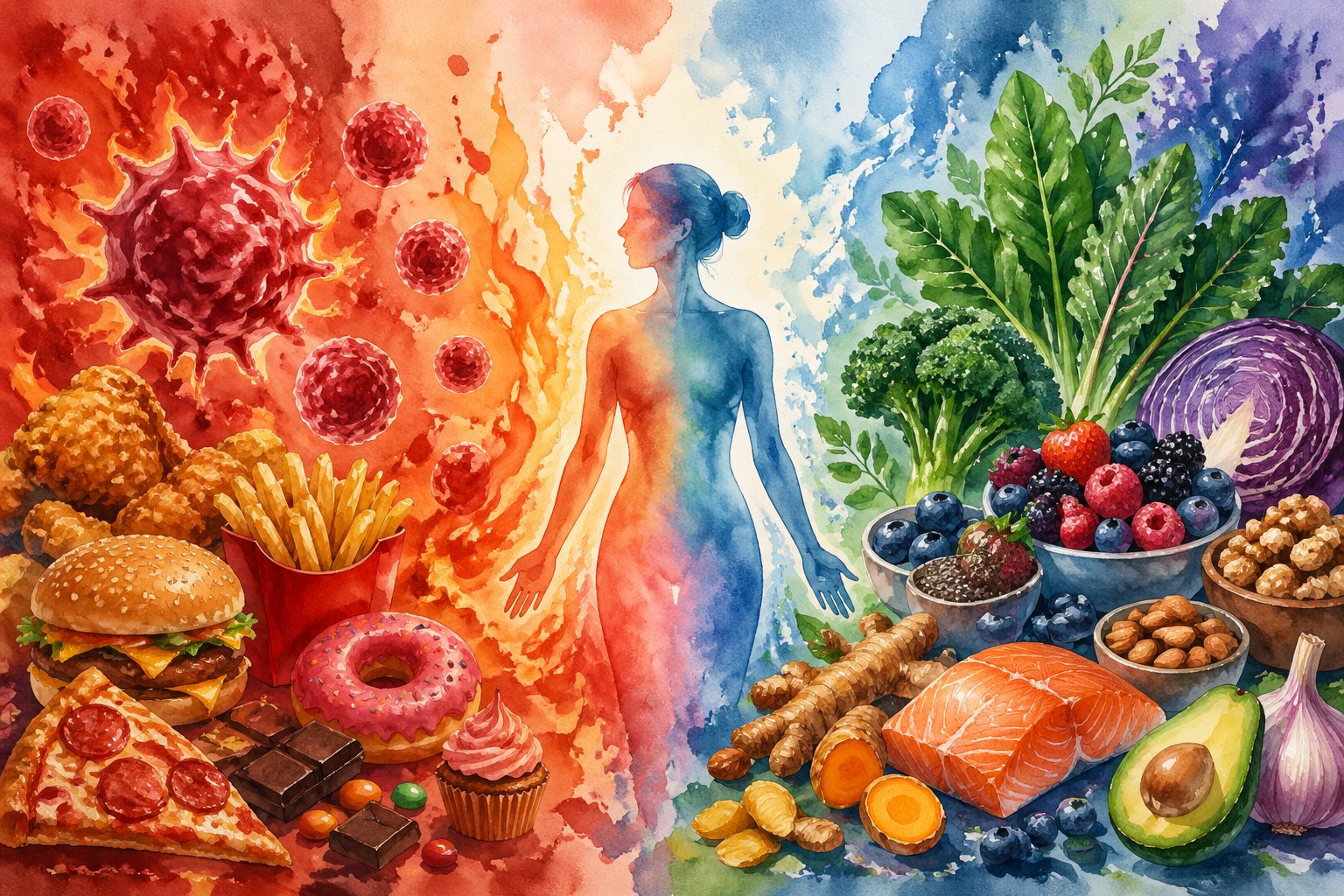
Inflammation affects nearly every aspect of health, from energy levels to disease risk. The body’s inflammatory response can either protect or harm depending on its duration and triggers.
The Difference Between Acute and Chronic Inflammation
Acute inflammation is the body’s natural defense mechanism against injury or infection. When someone sprains an ankle or catches a cold, white blood cells rush to the affected area to begin healing. This type of inflammation typically resolves within days or weeks as the body repairs itself.
Chronic inflammation operates differently. It persists for months or years without serving any protective purpose. This prolonged inflammatory state damages healthy tissues and organs over time.
Unlike acute inflammation with visible signs like swelling or redness, chronic inflammation often develops silently. Many people experience it without obvious symptoms until more serious health problems emerge.
How Diet and Lifestyle Influence Inflammatory Pathways
Diet choices directly impact how the body’s inflammatory pathways function. Inflammatory foods like refined carbohydrates, sugar-laden beverages, and processed meats trigger chemical reactions that promote inflammation throughout the body.
Blood sugar spikes from these foods contribute to insulin resistance. When cells become less responsive to insulin, the body produces more of this hormone, creating a cycle that fuels inflammation.
Anti-inflammatory foods work differently. Fruits, vegetables, and omega-3 fatty acids help the body produce compounds that counteract inflammation. People who eat lots of produce tend to have lower levels of C-reactive protein, a key marker of inflammation in the body.
Chronic stress and obesity also activate inflammatory pathways, even when no injury or infection exists.
Common Health Issues Linked to Chronic Inflammation
Chronic inflammation plays a central role[2] in some of the most challenging diseases. Research shows connections between sustained inflammation and conditions like rheumatoid arthritis, cancer, heart disease, diabetes, asthma, and Alzheimer’s disease.
Heart health suffers significantly from chronic inflammation. Studies found that people who consumed pro-inflammatory foods faced higher cardiovascular disease risk compared to those eating anti-inflammatory options like leafy greens and beans.
Metabolic health issues often stem from inflammation-driven insulin resistance. Joint pain frequently results from inflammatory responses attacking cartilage and connective tissue. Depression has also been linked to prolonged inflammatory states affecting brain chemistry.
These conditions develop gradually as inflammation damages cells and tissues over extended periods.
Key Principles of an Anti-Inflammatory Diet
An effective anti-inflammatory eating pattern centers on three main ideas: choosing whole foods over processed options, including specific fats and plant compounds that fight inflammation, and supporting the balance of bacteria in the digestive system.
Focus on Whole Foods and Nutrient Density
Whole foods provide the foundation of an anti-inflammatory eating pattern. These are foods that come from the ground rather than from packages. They include fresh fruits, vegetables, whole grains, legumes, nuts, seeds, fish, and poultry.
Ultra-processed foods promote inflammation[3] through several mechanisms. They contain high amounts of added sugars, salt, and saturated fats. These ingredients spike blood sugar levels and increase bad cholesterol. Research shows these foods can damage the gut lining and activate inflammatory genes in cells.
The most problematic items include sodas, cookies, baked goods, pre-packaged meals, processed meats, and flavored yogurts. White bread, refined cereals, white pasta, and white rice also lead to inflammation. Deep-fried foods, butter, cheese, and ice cream should be limited.
Nutrient-dense whole foods work differently. Brightly colored fruits and vegetables contain antioxidants that protect cells from damage. Fiber from fruits, vegetables, legumes, and whole grains like barley, oats, and bran helps reduce inflammatory responses throughout the body.
The Role of Healthy Fats and Antioxidants
Not all fats cause inflammation. Healthy fats actually help reduce it. Omega-3 fatty acids stand out as particularly beneficial. These compounds appear in fatty fish like salmon, mackerel, sardines, and tuna. Plant sources include flaxseeds, walnuts, and leafy greens like spinach and kale.
Unsaturated fats provide another category of helpful fats. Monounsaturated fats come from olive oil, avocado oil, almonds, pecans, and pumpkin seeds. These fats lower inflammation markers in the blood.
Antioxidants work alongside healthy fats to fight inflammation. These compounds neutralize free radicals that damage cells. Tomatoes, carrots, squash, and broccoli contain high levels of antioxidants. Berries, dark chocolate, tea, apples, citrus fruits, onions, and coffee provide polyphenols, which are plant chemicals with anti-inflammatory effects.
Herbs and spices add another layer of protection. Cinnamon, ginger, cayenne pepper, and turmeric contain compounds that may reduce inflammation.
Gut Health and the Gut Microbiome
The gut microbiome refers to the trillions of bacteria living in the digestive system. These bacteria influence inflammation throughout the entire body. When harmful bacteria outnumber helpful ones, inflammation increases.
Ultra-processed foods change the balance of gut bacteria in negative ways. They reduce the diversity of beneficial bacteria and can damage the intestinal lining. This damage allows inflammatory substances to enter the bloodstream.
Whole foods support a healthy gut microbiome. Fiber feeds beneficial bacteria and helps them multiply. Legumes, whole grains, fruits, and vegetables provide different types of fiber that support various bacterial species.
Fermented foods introduce helpful bacteria directly into the gut. These foods include yogurt with live cultures, kefir, sauerkraut, and kimchi. The combination of fiber-rich foods and fermented options creates the best environment for gut health and lower inflammation levels.
Swap Refined Grains for Fiber-Rich Whole Grains
Refined grains strip away the nutrient-rich bran and germ, leaving behind mainly starch that can spike blood sugar and trigger inflammation. Whole grains keep these valuable layers intact, providing fiber, antioxidants, and compounds that support metabolic health and stable energy levels.
Replace White Bread and Rice with Quinoa, Oats, and Brown Rice
White bread and white rice are refined carbohydrates[4] that lack the nutrients found in whole grains. These refined grains can cause rapid spikes in blood sugar levels, which may lead to inflammation in the body.
Quinoa offers a complete protein profile with about 8 grams of protein and 5 grams of fiber per cooked cup. It contains polyphenols and flavonoids that help regulate inflammatory pathways[5] while supporting gut health.
Steel-cut oats contain beta-glucan fiber and antioxidants called avenanthramides. These compounds work together to reduce oxidative stress and support healthy inflammatory responses. Research shows that regularly eating oats may help lower inflammatory markers like C-reactive protein.
Brown rice retains its bran layer, providing more fiber and nutrients than white rice. This intact structure helps the body process the grain more slowly, preventing the blood sugar spikes associated with refined carbs.
Barley, Farro, and Sprouted Grains for Lasting Energy
Barley provides high amounts of beta-glucans and soluble fiber. Studies have linked higher barley intake with lower levels of inflammatory markers[5] in adults with metabolic risk factors like high cholesterol or insulin resistance. The grain also contains magnesium and selenium that support antioxidant defenses.
Farro keeps its bran and germ intact, which helps it digest more slowly than refined grains. This slower digestion promotes steadier blood sugar levels throughout the day. The ancient grain works well in soups, grain salads, and risotto-style dishes.
Ezekiel bread uses sprouted grains that are easier to digest and may offer better nutrient absorption. The sprouting process breaks down some of the grain’s starches, creating a product that affects blood sugar less dramatically than bread made from refined flour. These options provide sustained energy without the inflammation-promoting effects of refined carbohydrates.
Upgrade Protein Choices: Lean and Plant-Powered Alternatives
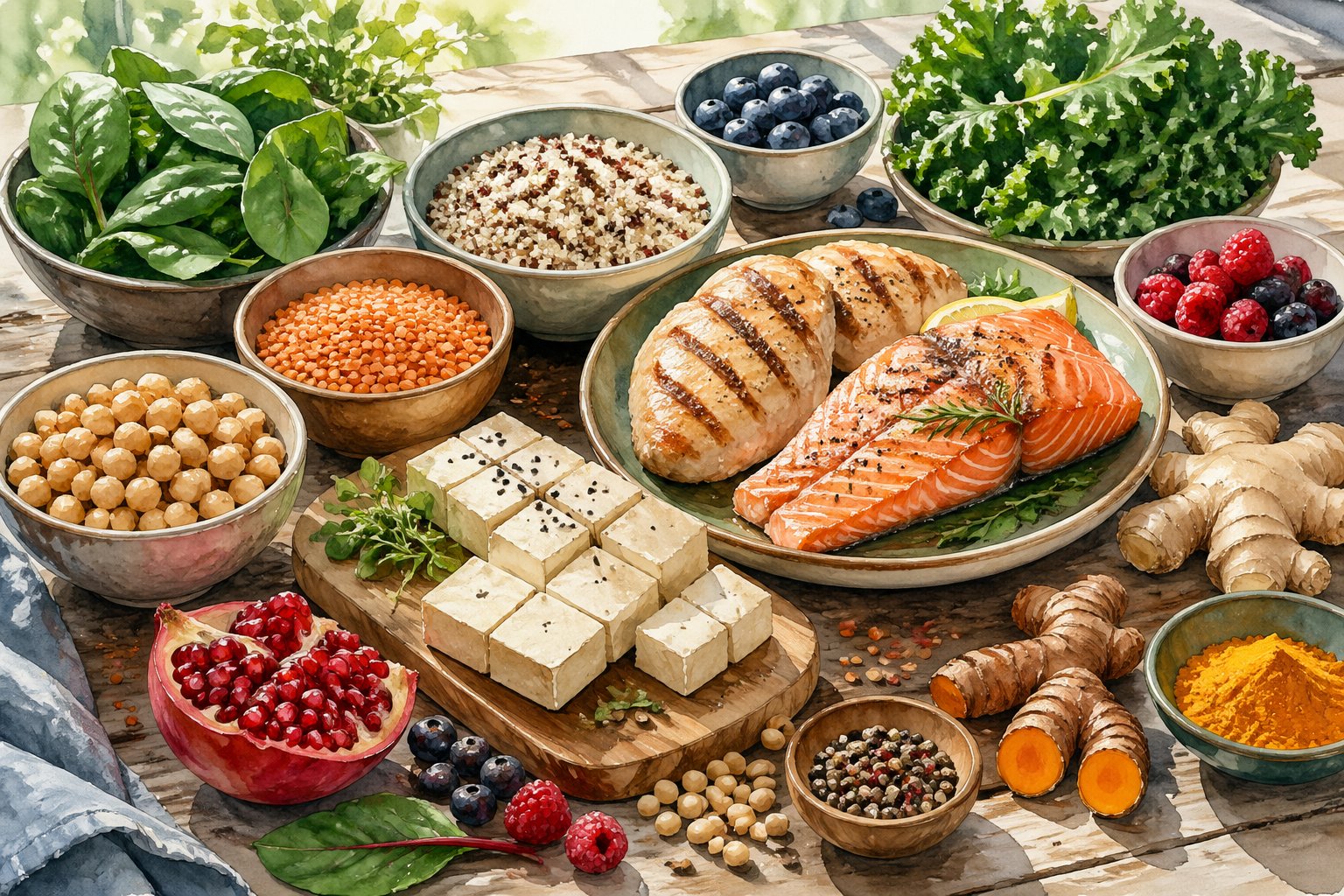
Switching to anti-inflammatory proteins helps reduce chronic inflammation while supporting better metabolic health. Fatty fish rich in omega-3s and fiber-packed legumes offer superior nutrition compared to heavily processed options.
Opt for Fatty Fish, Wild-Caught, and Grass-Fed Options
Fatty fish stands out as one of the most powerful anti-inflammatory proteins available. Salmon, mackerel, sardines, and trout contain high levels of omega-3 fatty acids like EPA and DHA. These compounds actively reduce inflammation throughout the body.
Wild-caught fish typically contains fewer contaminants than farm-raised varieties. The omega-3s in these fish help lower blood pressure and reduce triglycerides. They also support healthy cholesterol levels, which often become disrupted during periods of high inflammation.
Grass-fed beef offers another lean protein option for those who eat meat. It contains more omega-3 fatty acids than grain-fed beef. The key is choosing cuts with less saturated fat to maximize anti-inflammatory benefits.
Top fatty fish choices:
- Salmon
- Mackerel
- Sardines
- Trout
- Herring
Eggs from pasture-raised chickens also provide quality protein with beneficial nutrients. Including fatty fish in meals a few times per week[6] aligns with evidence-based dietary patterns that reduce chronic disease risk.
Legumes, Chickpeas, and Lentils Over Processed Meats
Legumes deliver powerful anti-inflammatory benefits that processed meats simply cannot match. Black beans, chickpeas, and lentils pack fiber, plant-based protein, and antioxidants into every serving. These nutrients support gut health and fight inflammation at the cellular level.
Processed meats like bacon, sausage, and deli meats contain additives and high sodium levels that promote inflammation. Replacing them with legumes helps lower inflammation[6] while improving gut health and fighting oxidative stress.
The fiber in legumes also helps regulate blood sugar and increases feelings of fullness. This makes them valuable for weight management. Chickpeas work well in salads and grain bowls, while lentils add heartiness to soups and stews.
Simple legume swaps:
- Use chickpeas instead of ground beef in tacos
- Add black beans to salads instead of bacon bits
- Replace deli meat with seasoned lentils in wraps
These plant-based protein sources[7] provide complete nutrition without the inflammatory compounds found in heavily processed options.
Choose Heart-Healthy Fats: Beyond Seed Oils
Switching from seed oils to oils rich in monounsaturated fats can reduce inflammation and support heart health. Adding nuts and seeds like walnuts, almonds, and chia seeds provides essential unsaturated fats that benefit overall wellness.
Swap Seed Oils for Olive Oil, Avocado, and Coconut Oil
Some fats are healthy and anti-inflammatory[8], but the type matters. Seed oils don’t offer the same benefits as other options.
Extra virgin olive oil ranks among the healthiest fats for cooking[9]. It contains high amounts of monounsaturated fats and antioxidants that support heart health.
Avocado oil provides similar benefits. Like olive oil, avocado is a source of monounsaturated fats[10] that help keep the heart healthy. This fat shows an anti-inflammatory effect in the body.
Coconut oil rounds out the top three options. These three oils work well for most cooking needs and provide better nutrition than seed oils.
People can use these oils for salad dressings, grilling, baking, and roasting. They also work well as a replacement for butter or solid fats in recipes.
Walnuts, Almonds, and Chia Seeds as Everyday Staples
Nuts provide more than just healthy fats. Nuts are a good source of protein, dietary fiber, and various vitamins and minerals[11]. The key is choosing unsalted varieties and watching portion sizes.
Walnuts and almonds contain unsaturated fats that support cardiovascular health. A small handful each day provides these benefits without excess calories.
Chia seeds and flaxseed offer plant-based omega-3 fatty acids. These tiny seeds can be added to smoothies, yogurt, or oatmeal for an easy nutrition boost.
Flax works best when ground, as whole flaxseeds can pass through the digestive system undigested. People can keep ground flaxseed in the refrigerator to maintain freshness.
Adding a variety of nuts and seeds to the daily diet creates a simple pattern that supports long-term health. These foods fit easily into breakfast, snacks, or meals throughout the day.
Replace Sugary and Processed Snacks With Nourishing Options
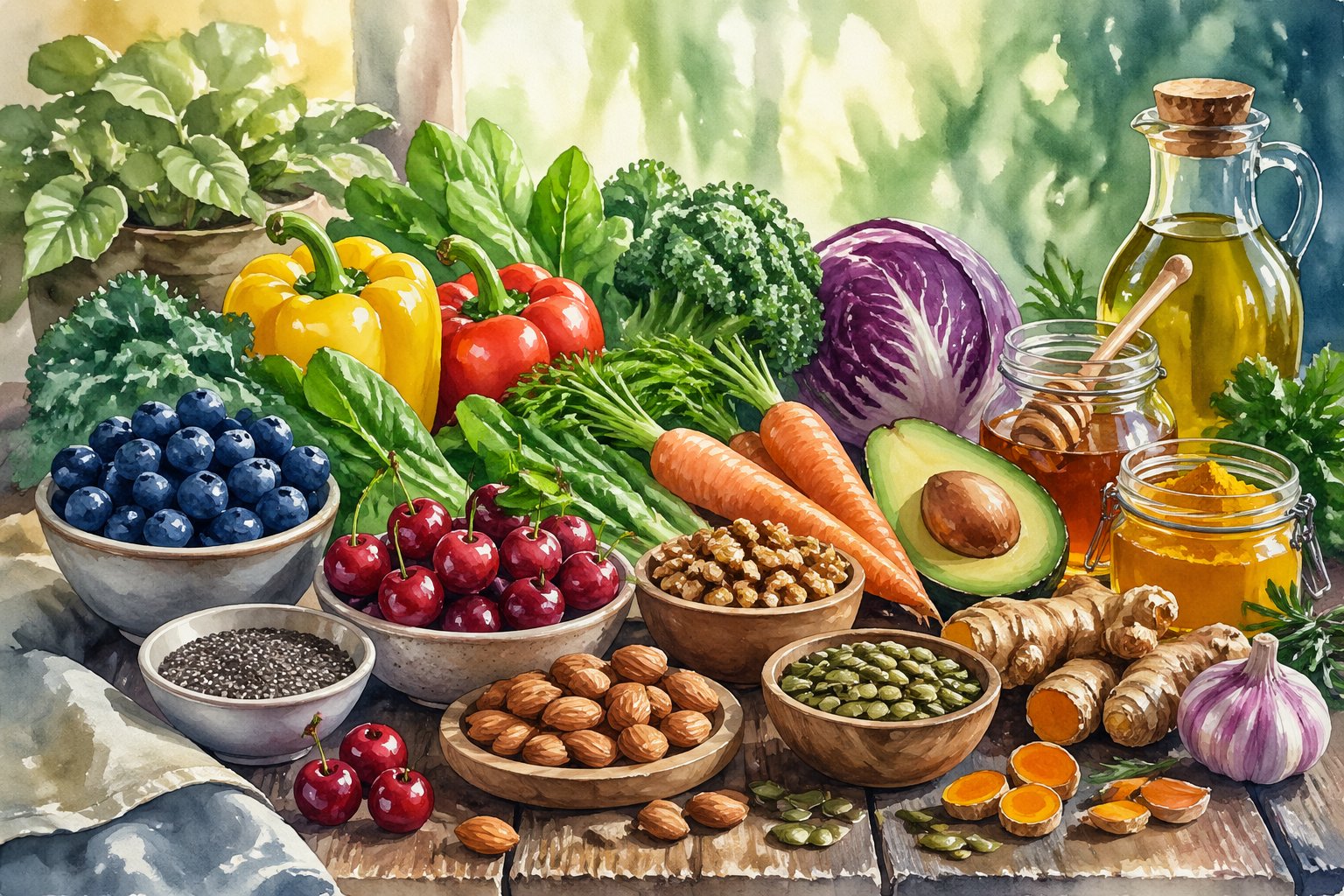
Switching from processed snacks high in added sugars to whole food alternatives helps reduce inflammation while satisfying cravings. Simple changes like choosing fresh fruit over candy or making chia pudding instead of buying packaged desserts can lower the body’s inflammatory response.
Swap Added Sugars for Fresh Fruit and Berries
Processed foods loaded with added sugars trigger inflammation in the body. These snacks often contain preservatives and refined ingredients that contribute to chronic health issues.
Fresh fruit provides natural sweetness[12] without the inflammatory effects of processed alternatives. Berries stand out as particularly beneficial options. Blueberries contain antioxidants that actively fight inflammation throughout the body.
People can keep a bowl of berries in the refrigerator for easy access. When sugar cravings hit, reaching for a handful of blueberries or strawberries provides immediate satisfaction. The fiber in whole fruit also slows sugar absorption, preventing blood sugar spikes that occur with candy or cookies.
Frozen berries work just as well as fresh ones. They last longer and cost less while delivering the same anti-inflammatory benefits.
Yogurt Parfaits, Chia Pudding, and Dark Chocolate
Chia pudding made with almond milk or coconut milk serves as a nutrient-dense alternative to processed desserts. The omega-3 fatty acids in chia seeds help reduce inflammation. This snack can be prepared ahead and stored for several days.
Anti-inflammatory dessert swaps:
Dark chocolate contains flavonoids that fight inflammation when consumed in moderation. A small square satisfies sweet cravings without added sugars found in milk chocolate.
Yogurt parfaits layer plain Greek yogurt with fresh berries and a drizzle of honey. This combination provides protein, probiotics, and antioxidants. Using almond milk or coconut milk in chia pudding makes it dairy-free while maintaining creamy texture.
Transition From Packaged Snacks to Homemade Choices
Making snacks at home eliminates hidden preservatives and added sugars found in packaged options. Trail mix energy bites made with dates and nuts[13] provide sustained energy without inflammatory ingredients.
Roasted chickpeas seasoned with herbs replace chips and crackers. These crunchy snacks deliver protein and fiber while satisfying the desire for something savory and crispy.
Fresh vegetables with hummus offer another simple swap. Carrot sticks, bell peppers, and cucumber slices provide crunch without the inflammatory oils used in processed snacks.
Sparkling water with lemon replaces sugary sodas and juice drinks. This refreshing option hydrates without added sugars or artificial sweeteners. Adding fresh fruit slices to sparkling water creates natural flavor variations throughout the week.
Elevate Your Health for Just $29.99/Month
Join the Precision Wellness Subscription at My Healing 365 and get discounted services, priority coaching access, virtual care, and exclusive wellness resources to support your physical, emotional, and hormonal health.
Join for $29.99/MonthEmbrace Anti-Inflammatory Cooking and Meal Prep Habits
Cooking methods and homemade ingredients play a major role in reducing inflammation. Choosing gentle heat applications and building flavor with anti-inflammatory spices helps preserve nutrients while avoiding compounds that trigger inflammation.
Roasting, Baking, and Air-Fried Alternatives
High-heat frying creates advanced glycation end products that increase inflammation in the body. Anti-inflammatory cooking[14] focuses on methods that use moderate temperatures instead.
Roasting vegetables like broccoli, tomatoes, and peppers at 375-400°F brings out natural sweetness without charring. Baking proteins keeps moisture in while avoiding the inflammatory compounds from deep frying. Air frying offers a crispy texture with minimal oil.
These methods work well for leafy greens too. Kale and spinach can be air-fried into chips at 350°F in just five minutes. Sheet pan meals with mixed vegetables save time during meal prep[15] while keeping nutrients intact.
Simple Homemade Sauces With Herbs, Garlic, and Turmeric
Store-bought sauces often contain added sugars and preservatives that promote inflammation. Making sauces at home takes just minutes and delivers stronger anti-inflammatory benefits.
A basic sauce starts with olive oil, minced garlic, and fresh or dried herbs. Adding turmeric provides curcumin, which research shows reduces inflammatory markers. Ginger adds a warming flavor while supporting the immune system.
These ingredients blend well into salad dressings, marinades, and cooking sauces. A simple combination includes two tablespoons olive oil, one teaspoon turmeric, half a teaspoon ginger, and two cloves of garlic. This mixture works for roasted vegetables or as a base for batch-cook friendly recipes[16] throughout the week.
Fresh herbs like parsley, cilantro, and basil add flavor without sodium. They also contain antioxidants that protect cells from damage.
Lifestyle Factors That Amplify Anti-Inflammatory Benefits
Making smart food swaps works best when combined with daily habits that support the body’s natural healing processes. Quality sleep, stress control, regular movement, and proper hydration all work together to reduce inflammation throughout the body.
Sleep Quality and Stress Management
Getting enough quality sleep gives the body time to repair itself and keep inflammation levels in check. Adults who sleep less than seven hours per night often have higher levels of inflammatory markers in their blood. During sleep, the body produces proteins that fight inflammation and infection.
Stress management plays an equally important role. Chronic stress triggers the release of cortisol and other hormones that promote inflammation over time. Simple stress reduction techniques like deep breathing, meditation, or spending time outdoors can help lower these inflammatory responses.
People who practice both good sleep habits and stress management see better results than those who focus on diet alone. Setting a consistent bedtime, keeping the bedroom cool and dark, and avoiding screens before bed all improve sleep quality.
Movement, Mindful Eating, and Consistent Hydration
Just 20 to 30 minutes of resistance training[17] helps lower inflammation by improving insulin sensitivity and reducing visceral fat. Regular movement also increases lean muscle mass, which releases anti-inflammatory substances. Walking, swimming, or strength training all provide these benefits.
Mindful eating means paying attention to hunger cues and eating slowly without distractions. This practice helps prevent overeating and supports healthy weight maintenance, which reduces inflammation.
Staying hydrated throughout the day supports the body’s ability to flush out toxins. Starting the morning with lemon water or sipping green tea provides hydration plus additional anti-inflammatory compounds. Green tea contains catechins that combat inflammation while supporting energy levels throughout the day.
Frequently Asked Questions
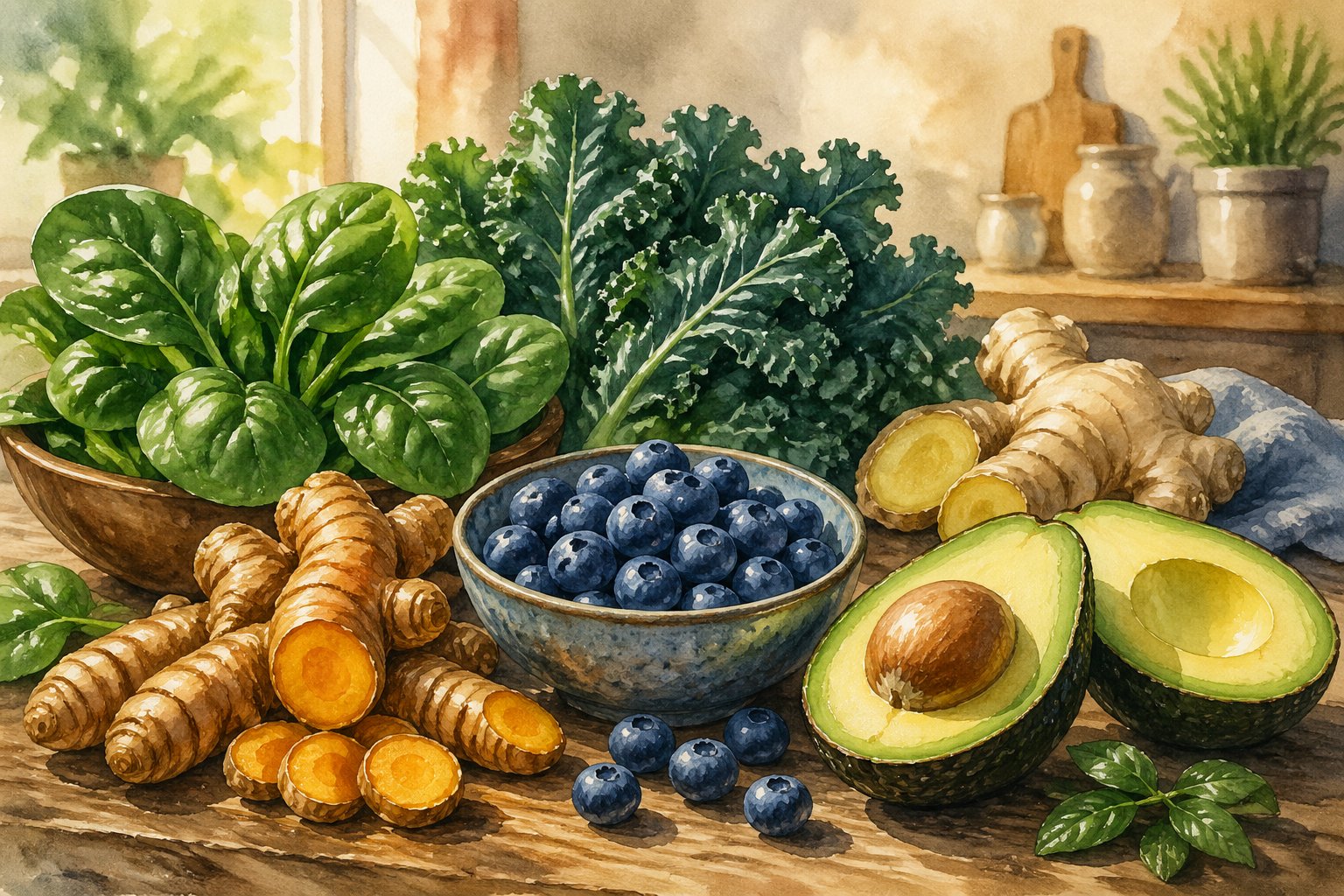
People often wonder which specific foods work best to fight inflammation and how to prepare them. The answers focus on choosing whole foods like fatty fish and leafy greens while avoiding processed items and refined sugars.
What are the top anti-inflammatory foods to prioritize in everyday meals?
Fatty fish like salmon, sardines, and mackerel rank among the most powerful anti-inflammatory foods. These fish contain omega-3 fatty acids that actively reduce inflammation markers in the body.
Leafy greens such as spinach, kale, and collard greens provide antioxidants and vitamins that combat inflammation. Berries including blueberries, strawberries, and blackberries offer polyphenols that protect cells from inflammatory damage.
Extra virgin olive oil contains oleocanthal, a compound that works similarly to anti-inflammatory medications. Nuts like walnuts and almonds deliver healthy fats and fiber that support the body’s natural anti-inflammatory processes.
Turmeric and ginger are spices with documented anti-inflammatory effects. Green tea provides catechins that reduce inflammation throughout the body.
Which vegetables are considered most anti-inflammatory, and how should they be prepared?
Cruciferous vegetables like broccoli, Brussels sprouts, and cauliflower contain sulforaphane, which fights inflammation at the cellular level. These vegetables work best when steamed lightly or roasted at moderate temperatures to preserve their beneficial compounds.
Leafy greens retain more nutrients when eaten raw in salads or lightly sautéed. Overcooking destroys some of their anti-inflammatory properties.
Bell peppers and tomatoes provide vitamin C and lycopene, which are most available when the vegetables are cooked. Roasting or grilling these vegetables actually increases the bioavailability of certain anti-inflammatory compounds.
Beets contain betalains that reduce inflammation and work well when roasted or eaten raw. Sweet potatoes offer beta-carotene and should be baked or steamed rather than fried to maintain their anti-inflammatory benefits.
What are the most effective ways to reduce inflammation in the body quickly?
Removing processed foods and added sugars from the diet produces noticeable results within days. These foods trigger inflammatory responses that subside when eliminated.
Increasing water intake helps flush inflammatory compounds from the body. Drinking at least eight glasses of water daily supports the body’s natural detoxification processes.
Adding omega-3-rich foods like fatty fish or walnuts to meals provides immediate anti-inflammatory support. These fats begin working within hours of consumption.
Getting adequate sleep allows the body to repair and reduce inflammation naturally. Seven to nine hours of quality sleep each night significantly lowers inflammation markers.
Regular movement and exercise reduce chronic inflammation even with just 20 to 30 minutes of daily activity. Walking, swimming, or gentle stretching all contribute to lower inflammation levels.
Are there practical steps that can help reduce inflammation overnight?
Eating an early dinner gives the digestive system time to rest and reduces overnight inflammation. Finishing meals at least three hours before bed allows for better sleep and recovery.
Drinking herbal teas like chamomile or ginger tea before bed provides anti-inflammatory compounds while promoting relaxation. These teas contain antioxidants that work during sleep.
Taking a warm bath with Epsom salts reduces muscle inflammation and promotes better sleep quality. The magnesium in Epsom salts absorbs through the skin to calm inflammation.
Keeping the bedroom cool between 60 and 67 degrees Fahrenheit improves sleep quality and supports the body’s natural anti-inflammatory processes. Better sleep directly correlates with reduced inflammation.
Avoiding alcohol and caffeine in the evening prevents sleep disruption that can increase inflammation. These substances interfere with the body’s overnight repair mechanisms.
What does a 21-day anti-inflammatory diet plan typically include?
A 21-day plan focuses on whole foods including vegetables, fruits, lean proteins, and healthy fats. The first week typically eliminates processed foods, refined sugars, and common inflammatory triggers.
Week two introduces more variety with different anti-inflammatory foods while maintaining the elimination of processed items. People often add new recipes featuring fatty fish, nuts, seeds, and colorful vegetables.
The final week reinforces healthy habits and adds fermented foods like sauerkraut or kimchi for gut health. Probiotic-rich foods support the digestive system and reduce systemic inflammation.
Daily meals usually include protein sources like wild-caught fish or organic poultry paired with plenty of vegetables. Snacks consist of nuts, seeds, or fresh fruit rather than processed options.
The plan encourages drinking water, herbal teas, and avoiding sugary beverages throughout all 21 days. Making food swaps gradually[18] helps people stick with changes long-term.
Which meats and protein options are considered more anti-inflammatory?
Wild-caught fatty fish like salmon, mackerel, and sardines provide the most anti-inflammatory benefits among animal proteins. These fish contain high levels of omega-3 fatty acids that actively reduce inflammation.
Grass-fed beef offers a better omega-3 to omega-6 ratio compared to conventional beef. The healthier fat profile makes it a better choice for reducing inflammation.
Organic poultry raised without antibiotics or hormones creates less inflammatory stress on the body. Chicken and turkey provide lean protein without the added chemicals found in conventionally raised birds.
Plant-based proteins like lentils, chickpeas, and black beans offer anti-inflammatory benefits along with fiber. These options provide protein without the saturated fats found in some animal sources.
Eggs from pasture-raised chickens contain more omega-3 fatty acids than conventional eggs. The yolks provide choline and other nutrients that support anti-inflammatory processes in the body.
Post Views: 4
References
- Anti-Inflammatory Food Swaps. https://www.healthline.com/health/psoriasis/anti-inflammatory-food-swaps Accessed May 10, 2026
- 5 inflammation-fighting food swaps. https://www.health.harvard.edu/blog/5-inflammation-fighting-food-swaps-2021051022570 Accessed May 10, 2026
- Quick-start guide to an anti‑inflammation diet. https://www.health.harvard.edu/diet-and-nutrition/quick-start-guide-to-an-antiinflammation-diet Accessed May 10, 2026
- Top 10 Swaps for Good Health. https://www.nutritionletter.tufts.edu/special-reports/top-10-swaps-for-good-health/ Accessed May 10, 2026
- help regulate inflammatory pathways. https://www.eatingwell.com/anti-inflammatory-whole-grains-should-be-eating-11906499 Accessed May 10, 2026
- fatty fish in meals a few times per week. https://www.eatingwell.com/anti-inflammatory-proteins-for-weight-loss-11780502 Accessed May 10, 2026
- 9 plant-based protein swaps dietitians recommend for new vegetarians. https://hurrythefoodup.com/z-9-plant-based-protein-swaps-dietitians-recommend-for-new-vegetarians/ Accessed May 10, 2026
- parade.com. https://parade.com/health/best-anti-inflammatory-food-swap-according-to-registered-dietitians Accessed May 10, 2026
- The 5 Healthiest Fats To Cook With (And Which to Avoid). https://thegoodnesswell.com/healthiest-fats-for-cooking-and-which-to-avoid/ Accessed May 10, 2026
- avocado is a source of monounsaturated fats. https://www.eatingwell.com/anti-inflammatory-fats-you-should-be-eating-11762137 Accessed May 10, 2026
- Choose Healthy Fats. https://www.eatright.org/food/food-groups/fats/choose-healthy-fats Accessed May 10, 2026
- Fresh fruit provides natural sweetness. https://www.verywellhealth.com/whole-food-swaps-for-ultraprocessed-snacks-11902422 Accessed May 10, 2026
- Chia pudding with strawberries. https://www.eatingwell.com/no-added-sugar-anti-inflammatory-snack-recipes-11882342 Accessed May 10, 2026
- Anti-Inflammatory Cooking Starts With These 5 Kitchen Swaps · Wholistic Nutrition. https://wholisticnutritionllc.com/anti-inflammatory-cooking-starts-with-these-5-kitchen-swaps/ Accessed May 10, 2026
- Anti-Inflammatory Diet Meal Prep Recipes Challenge. https://www.cottercrunch.com/anti-inflammatory-diet-meal-prep-recipes-challenge/ Accessed May 10, 2026
- 5 Easy Anti-Inflammatory Meal Prep Recipes for a 7-Day Reset. https://www.goodtasterecipes.com/easy-anti-inflammatory-meal-prep-recipes/ Accessed May 10, 2026
- Just 20 to 30 minutes of resistance training. https://www.realsimple.com/anti-inflammatory-lifestyle-habits-11769931 Accessed May 10, 2026
- Top 25 Anti-Inflammatory Swap Guide. https://autoimmunehub.org/immune-toolbox/top-25-anti-inflammatory-food-swaps Accessed May 10, 2026

























