
Medically Reviewed
Dr. Jose Rossello, MD, PhD, MHCM
Preventive Medicine & Public Health Specialist
Last Reviewed: May 15, 2026
Inflammation affects millions of people, causing pain, fatigue, and discomfort that interferes with daily life. While acute inflammation helps the body heal from injuries and fight infections, chronic inflammation can linger for months or years without obvious symptoms. This low-grade inflammation contributes to various health problems and makes people feel worse over time.

Simple daily habits can help reduce chronic inflammation naturally and improve overall wellbeing without requiring expensive treatments or major lifestyle changes. Small adjustments to morning routines, food choices, and stress management can make a real difference in how the body responds to inflammatory triggers. These changes work by supporting the body’s natural healing processes and helping it maintain a healthy balance.
The five rituals outlined below focus on practical steps anyone can take to address signs of inflammation and support their health. Each ritual targets different aspects of inflammatory conditions through nutrition, movement, and stress reduction. These approaches work together to help the body manage inflammation more effectively.
Table of Contents
Key Takeaways
- Morning sunlight exposure and mindful breathing help regulate the body’s stress response and reduce inflammation
- Adding anti-inflammatory foods like omega-3s, colorful vegetables, and spices supports the immune system’s natural balance
- Regular gentle movement and stress management practices help lower chronic inflammation throughout the body
Recognizing and Understanding Inflammation

Inflammation exists in two distinct forms that affect the body differently, and understanding how doctors measure and track inflammatory activity helps people make informed health decisions. The immune system uses specific proteins called cytokines to control inflammation, which can be detected through blood tests.
Difference Between Acute and Chronic Inflammation
Acute inflammation appears suddenly and lasts for a short time, usually a few days to a few weeks. This type occurs when the body responds to an injury, cut, or infection.
The affected area often becomes red, warm, and swollen as white blood cells rush to the site. Once the injury heals or the infection clears, acute inflammation goes away.
Chronic inflammation persists for months or years. It develops when the immune system stays activated even without an injury or infection present.
This long-term inflammation can damage healthy tissues and organs over time. Chronic low-grade inflammation could quietly impact energy, joints, and risk for serious health issues[1] like heart disease and diabetes.
Typical Signs and Symptoms
Acute inflammation produces five classic signs: redness, heat, swelling, pain, and loss of function in the affected area. These symptoms are easy to see and feel.
Chronic inflammation shows up differently. People may experience persistent fatigue that doesn’t improve with rest.
Joint aches and stiffness can appear without a clear cause. Brain fog affects concentration and memory.
Some people notice digestive problems or skin issues that won’t clear up. Weight gain around the midsection sometimes signals ongoing inflammatory activity.
Many inflammatory conditions cause no obvious symptoms at first. This makes regular health screenings important for catching inflammation early.
How Inflammatory Markers Are Measured
Doctors use blood tests to measure specific proteins that indicate inflammation levels. C-reactive protein (CRP) is one of the most common markers tested.
The liver produces CRP when inflammation is present anywhere in the body. Normal CRP levels fall below 3.0 mg/L, while levels above 10 mg/L suggest significant inflammation.
Interleukin-6 (IL-6) is another key marker that doctors measure. This cytokine increases during both acute and chronic inflammatory conditions.
The erythrocyte sedimentation rate (ESR) test measures how quickly red blood cells settle in a tube. Faster settling rates indicate higher inflammation levels.
White blood cell counts also reveal inflammatory activity. Elevated counts often mean the immune system is fighting an infection or dealing with chronic inflammation.
The Role of the Immune System and Cytokines
The immune system uses cytokines as chemical messengers to control inflammation. These small proteins tell immune cells when to start or stop an inflammatory response.
Pro-inflammatory cytokines like IL-6 and tumor necrosis factor (TNF) activate inflammation. They signal white blood cells to move to damaged tissues and fight infections.
Anti-inflammatory cytokines work to calm the immune response once the threat passes. This balance keeps inflammation from becoming harmful.
Oxidative stress occurs when unstable molecules called free radicals damage cells. This triggers cytokines to produce more inflammation, creating a cycle that can become chronic.
Stress and inflammation connect through cortisol, a hormone released during stressful situations. Short-term stress helps the body respond to threats, but chronic stress keeps cortokine levels elevated and promotes ongoing inflammation.
Morning Sunlight and Breath for Balance

Morning sunlight exposure combined with intentional breathing exercises creates a powerful tool for regulating stress hormones and reducing inflammation. This simple combination helps reset the body’s internal systems and prepares it to handle daily challenges without triggering chronic inflammatory responses.
Regulating Cortisol Through Morning Sunlight
Natural light exposure in the early morning hours directly influences cortisol production in the body. Cortisol follows a natural rhythm, with levels peaking shortly after waking and declining throughout the day.
Getting outside within 30 to 60 minutes of waking helps establish this healthy pattern. The bright light signals the brain to release cortisol at the appropriate time, which prevents irregular spikes later in the day.
Irregular cortisol patterns contribute to chronic inflammation. When cortisol remains elevated throughout the day, it triggers ongoing immune responses that damage healthy tissues.
A person needs just 5 to 10 minutes of outdoor exposure to gain these benefits. Cloudy days still provide enough light intensity, though direct sunlight works best. The light should reach the eyes without looking directly at the sun.
This practice costs nothing and requires no special equipment. Morning habits that reduce inflammation[1] fit easily into existing routines like drinking coffee outdoors or taking a brief walk.
Breathing Exercises to Lower Stress Hormones
Deep breathing activates the parasympathetic nervous system, which counteracts the fight or flight response. This activation directly lowers stress hormones including cortisol and adrenaline.
A simple technique involves breathing in through the nose for four counts, holding briefly, and exhaling through the mouth for six counts. The longer exhale signals the body to relax and shift out of stress mode.
Practicing this pattern for 5 to 10 minutes triggers measurable changes in the body. Heart rate slows, blood pressure decreases, and inflammatory markers begin to drop.
The connection between stress and inflammation is well established. Chronic stress keeps the body in a state of alert, releasing inflammatory chemicals continuously. Breathing exercises interrupt this cycle by calming the nervous system.
Consistency matters more than duration. Even three minutes of focused breathing each morning helps regulate stress hormones throughout the day.
Incorporating Deep Breathing and Mindfulness
Combining mindfulness with breathing exercises amplifies the anti-inflammatory effects. Mindfulness means paying attention to physical sensations, thoughts, and surroundings without judgment.
A person can practice this by noticing the feeling of air moving in and out of the nostrils. They might observe the rise and fall of the chest or the sensation of their feet touching the ground.
This focused attention pulls the mind away from worries about the future or regrets about the past. When the mind stays present, it stops generating stress responses to imagined threats.
Simple mindful breathing practice:
- Find a quiet spot outdoors or near a window
- Stand or sit comfortably with a straight spine
- Close the eyes or soften the gaze downward
- Breathe naturally for a few cycles
- Begin counting: inhale for 4, exhale for 6
- Notice any tension and consciously relax those areas
- Continue for 5 to 10 minutes
This combined approach helps reduce inflammation by addressing both physical stress responses and mental patterns that trigger them. The morning timing sets a calm baseline that influences how the body responds to challenges throughout the day.
Anti-Inflammatory Foods and Nutrition Strategies
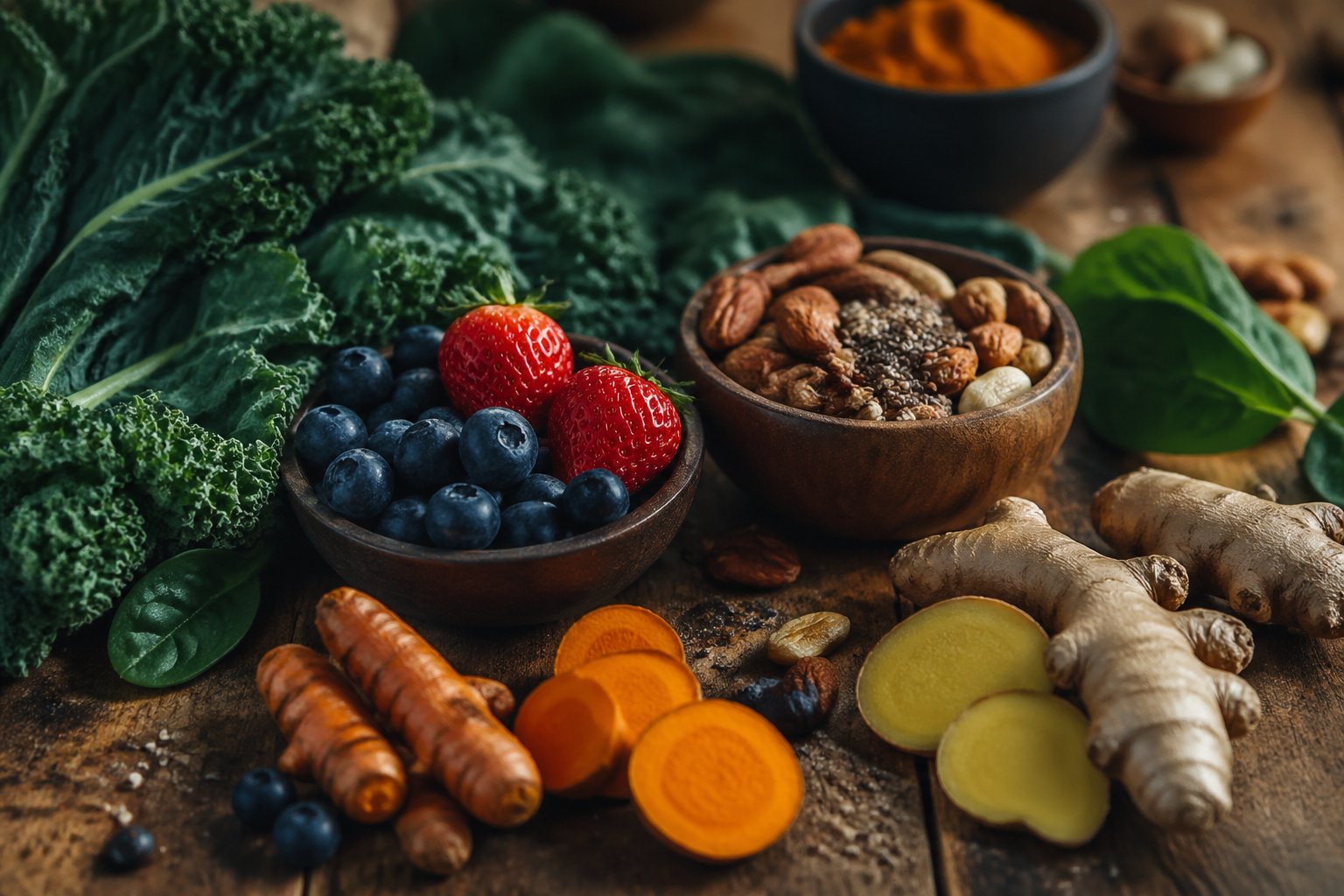
What a person eats directly affects inflammation levels in their body. Filling your plate with colorful produce, healthy fats, fiber-rich foods and lean protein[2] helps reduce chronic inflammation, while processed foods and added sugars trigger inflammatory responses.
Building an Anti-Inflammatory Plate
The plate method makes creating anti-inflammatory meals simple and practical. Half the plate should contain non-starchy vegetables like broccoli, spinach, carrots, and bell peppers. These colorful options provide antioxidants that fight oxidative stress.
One quarter of the plate goes to whole grains such as brown rice, quinoa, or oats. The remaining quarter includes lean protein like fish, chicken, or legumes. Beans and lentils offer both protein and fiber, making them especially valuable.
A Sample Anti-Inflammatory Plate:
- 50% vegetables – Mixed greens, roasted Brussels sprouts, cherry tomatoes
- 25% whole grains – Brown rice or farro
- 25% protein – Grilled salmon or chickpeas
- Healthy fat – Drizzle of olive oil
People following a Mediterranean diet[3] naturally build these types of plates. Adding herbs and spices like turmeric, ginger, and cinnamon boosts anti-inflammatory benefits even more.
Benefits of an Anti-Inflammatory Diet
An anti-inflammatory diet reduces the risk of several chronic conditions. The strongest evidence shows benefits for arthritis pain, heart disease, and type 2 diabetes prevention.
This eating pattern supports gut health by promoting beneficial bacteria. It lowers bad LDL cholesterol and helps maintain steady blood sugar levels throughout the day.
Many people notice reduced joint pain and better energy within weeks. The diet may also protect against cognitive decline as people age. These benefits come from reducing the persistent immune system activation that damages tissues over time.
Key Nutrients: Antioxidants, Healthy Fats, and Fiber
Three types of nutrients stand out for fighting inflammation. Antioxidants in brightly colored fruits and vegetables neutralize harmful free radicals. Berries, tomatoes, and leafy greens provide especially high amounts.
Omega-3 fatty acids are essential healthy fats found in salmon, sardines, walnuts, and flaxseeds. These fats directly reduce inflammatory markers in the body. Plant oils like olive oil and avocado oil contain unsaturated fats that also fight inflammation.
Fiber feeds beneficial gut bacteria and reduces inflammation throughout the digestive system. Whole grains, legumes, fruits, and vegetables all deliver significant fiber. Adults need at least 25-30 grams daily.
Polyphenols are powerful plant compounds found in berries, dark chocolate, tea, and coffee. They work alongside other nutrients to create multiple anti-inflammatory effects.
Avoiding Processed and Inflammatory Foods
Ultra-processed foods promote inflammation[3] through added sugars, unhealthy fats, and artificial ingredients. These items include packaged snacks, frozen dinners, processed meats, and most foods with long ingredient lists.
Elevate Your Health for Just $29.99/Month
Join the Precision Wellness Subscription at My Healing 365 and get discounted services, priority coaching access, virtual care, and exclusive wellness resources to support your physical, emotional, and hormonal health.
Join for $29.99/MonthSugary drinks represent one of the worst inflammatory triggers. Regular soda, sweetened coffee drinks, and fruit juices spike blood sugar and increase inflammation markers.
Foods That Increase Inflammation:
- White bread, pasta, and refined grains
- Cookies, cakes, and baked goods
- Deep-fried foods
- Processed and cured meats
- Candy and sweets
- Most artificial sweeteners
Reading ingredient labels helps identify hidden sugars and unhealthy oils. Terms like high fructose corn syrup, hydrogenated oils, and ingredients ending in “-ose” signal inflammatory additives. Choosing whole, unprocessed foods eliminates most of these concerns naturally.
Power of Spices: Turmeric, Ginger, and Beyond
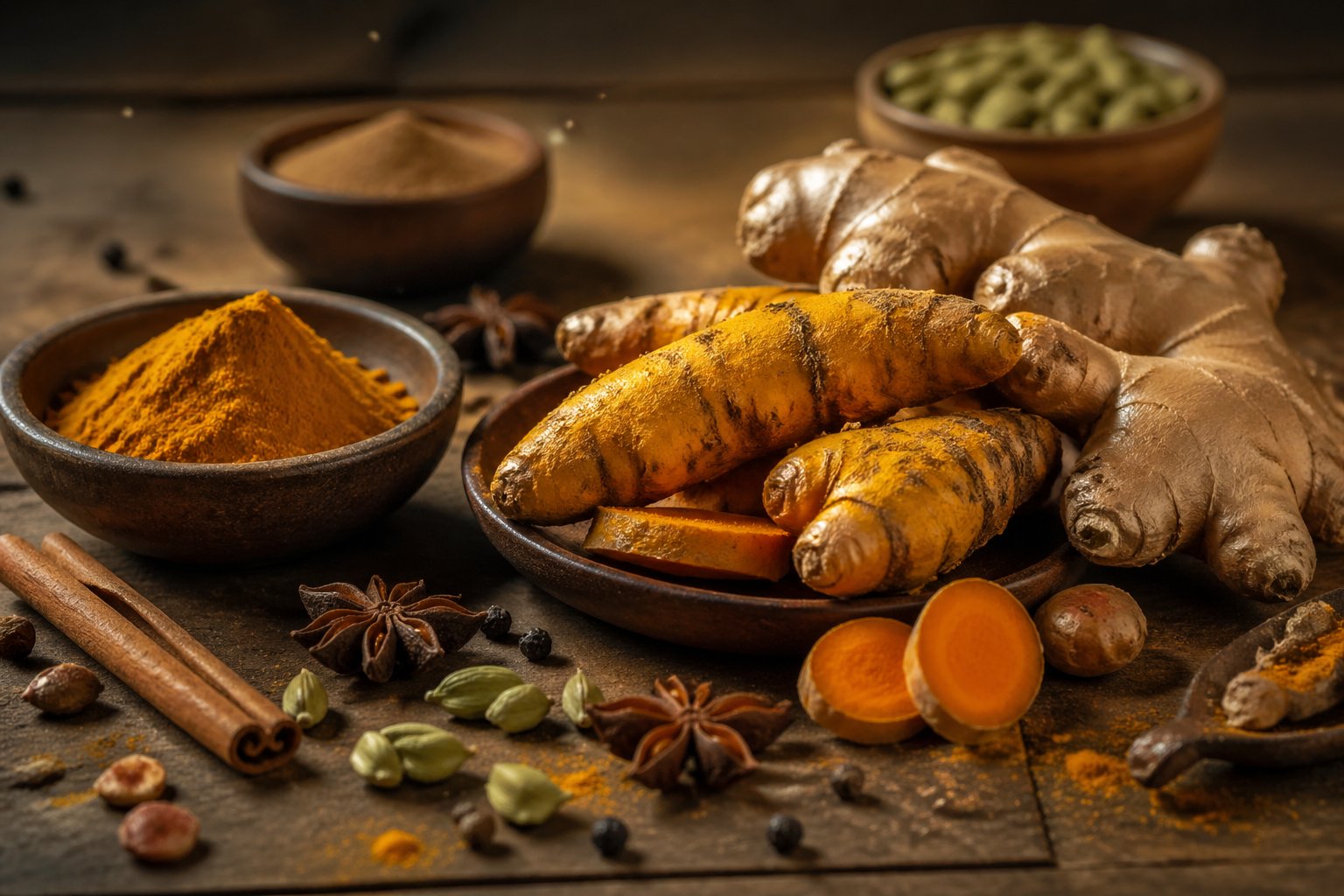
Certain spices contain compounds that actively reduce inflammation markers in the body. Curcumin from turmeric and gingerols from ginger stand out as particularly effective anti-inflammatory agents backed by research.
Curcumin in Turmeric for Reducing Inflammatory Markers
Curcumin is the main active compound in turmeric that gives it anti-inflammatory properties. This polyphenol works by blocking inflammatory pathways in the body at a cellular level.
Research shows curcumin can be as effective as some medications for specific conditions. Studies indicate it may match the effectiveness of certain anti-inflammatory drugs in reducing pain and swelling. The compound helps lower markers of inflammation in the blood, which can reduce the risk of chronic diseases.
The body absorbs curcumin poorly on its own. Adding black pepper increases absorption significantly because it contains piperine. This compound boosts curcumin absorption by up to 2,000 percent.
People can consume turmeric in several ways:
- Mix 1 teaspoon of turmeric powder with black pepper in warm water or milk
- Add fresh turmeric root to smoothies
- Use turmeric as a seasoning in cooking
A daily dose of 500-1,000 mg of curcumin appears safe for most people. Higher doses may cause digestive discomfort in some individuals.
Ginger, Cinnamon, and Cumin: Evidence and Recipes
Ginger contains gingerols and shogaols, which are powerful anti-inflammatory compounds[4]. These substances help reduce pain from conditions like osteoarthritis. Taking 2 grams of ginger daily shows measurable effects on inflammation markers.
Cinnamon adds more than flavor to foods. It contains polyphenols that fight oxidative stress and lower inflammation. Half a teaspoon daily can make a difference when used consistently.
Cumin offers anti-inflammatory benefits similar to other warming spices. It aids digestion while reducing inflammatory responses in the gut.
Simple Anti-Inflammatory Spice Blend:
- 2 tablespoons turmeric powder
- 1 tablespoon ginger powder
- 1 tablespoon cinnamon
- 1 teaspoon black pepper
- 1 teaspoon cumin
Mix ingredients and store in an airtight container. Add half a teaspoon to morning tea, smoothies, or cooked grains. This combination of anti-inflammatory herbs and spices[5] provides multiple beneficial compounds in one serving.
How Spices Support Gut Health and Wellbeing
The gut plays a central role in inflammation throughout the body. Spices help maintain gut health by supporting beneficial bacteria and reducing harmful inflammation in the digestive tract.
Ginger helps the stomach empty faster and improves overall digestion. The compounds in ginger calm nausea and reduce digestive discomfort. Turmeric may help with acid reflux by protecting the stomach lining.
These spices work as natural antimicrobials. They help control harmful bacteria while allowing beneficial gut bacteria to thrive. A balanced gut microbiome reduces systemic inflammation and supports immune function.
Cinnamon helps regulate blood sugar, which prevents inflammation spikes after meals. Black cumin supports digestive enzyme production. Together, these healing spices[6] create an environment where the gut can function optimally.
Regular consumption matters more than occasional large doses. Adding small amounts of these spices to daily meals provides steady anti-inflammatory benefits. Most people tolerate these spices well when used as seasonings in normal food amounts.
Movement and Physical Activity for Joint and Overall Health

Regular physical activity reduces inflammation markers in the body while protecting joints from stiffness and pain. The right combination of walking, stretching, and strength work creates a complete approach to long-term joint health.
Daily Brisk Walking, Cycling, and Running
Walking at a brisk pace for 30 minutes each day lowers inflammatory compounds throughout the body. This moderate activity increases heart rate without putting excessive stress on joints. A person should walk fast enough to feel their breathing increase but still be able to hold a conversation.
Cycling offers another low-impact option that builds leg strength while protecting knees and hips. The circular pedaling motion keeps joints moving through their full range without harsh impacts. Someone can start with 20 minutes on flat terrain and gradually increase duration or intensity.
Running provides stronger anti-inflammatory benefits but requires proper form and rest days. The impact helps strengthen bones and connective tissues when done correctly. People new to running should alternate between walking and jogging intervals to build joint resilience over time[7].
Yoga and Stretching Rituals
Yoga combines stretching with controlled breathing to reduce both inflammation and stress hormones. A 20 to 30-minute practice helps maintain joint flexibility while calming the nervous system. Flow-style yoga keeps the body moving continuously, which promotes circulation and reduces stiffness.
Stretching helps combat stiffness[8] in muscles and joints, making daily tasks easier to perform. A person should hold each stretch for 20 to 30 seconds without bouncing. Key stretches include hip flexors, hamstrings, shoulders, and spine rotations.
Morning stretches prepare joints for the day ahead. Evening stretches release tension that builds up from daily activities. Consistency matters more than duration when building a sustainable stretching routine.
Strength Training for Inflammation Control
Lifting weights two to three times per week reduces inflammatory markers while building muscle that protects joints. Stronger muscles absorb shock and reduce stress on cartilage and ligaments. A person should focus on compound movements like squats, lunges, and rows that work multiple joints together.
Light to moderate resistance works best for inflammation control. Someone can start with bodyweight exercises or resistance bands before progressing to heavier weights. Each session should include 8 to 12 repetitions of each exercise for two to three sets.
Rest days between strength sessions allow muscles to repair and inflammation to decrease. Training the same muscle groups on consecutive days increases inflammation rather than reducing it. A balanced weekly plan alternates between upper body, lower body, and core-focused workouts.
Stress Management and Mind-Body Rituals
Chronic stress drives inflammation by keeping cortisol and other stress hormones elevated for extended periods. Simple daily practices like deep breathing, gratitude journaling, and spending time outdoors can lower these hormones and reduce inflammatory responses throughout the body.
Practices for Lowering Stress Hormones
Chronic stress keeps the body in a constant state of alert, causing sustained elevation of cortisol and other stress hormones. These elevated levels directly increase inflammatory markers and contribute to long-term health problems.
Deep breathing exercises provide one of the fastest ways to lower stress hormones. A person can practice box breathing by inhaling for four counts, holding for four counts, exhaling for four counts, and holding again for four counts. This pattern activates the parasympathetic nervous system and signals the body to reduce cortisol production.
Progressive muscle relaxation offers another effective technique. Someone starts by tensing muscle groups for five seconds, then releasing the tension completely. Beginning with the feet and moving up to the head, this practice reduces physical tension that contributes to stress and inflammation.
Yoga combines movement with breathwork to regulate stress responses. Even 15 minutes of gentle stretching and controlled breathing can lower cortisol levels and decrease inflammatory cytokines in the bloodstream.
Daily Mindfulness and Gratitude Exercises
Mindfulness meditation trains the brain to stay present rather than dwelling on stressors. A person can start with just five minutes each morning, focusing attention on their breath or body sensations.
When the mind wanders to worries or plans, they simply notice the thought and return attention to the present moment. This practice rewires neural pathways over time, reducing the brain’s tendency to activate stress responses unnecessarily.
Gratitude journaling takes only a few minutes but creates measurable changes in stress hormone levels. Writing down three specific things to feel grateful for each day shifts focus away from threats and problems. The practice works best when entries include details rather than general statements.
Research shows that people who maintain daily wellness rituals[9] experience lower baseline cortisol levels throughout the day. The key lies in consistency rather than duration.
Time in Nature: Forest Bathing and Outdoor Rituals
Spending time outdoors provides unique anti-inflammatory benefits that indoor environments cannot replicate. Natural settings lower stress hormones through multiple pathways including visual input, fresh air, and exposure to beneficial plant compounds.
Forest bathing involves walking slowly through wooded areas while engaging all five senses. A person notices the colors of leaves, the sound of birds, the smell of pine, and the feeling of bark or moss. This immersive experience reduces cortisol more effectively than simply exercising outdoors.
Even 20 minutes in a park or garden provides measurable benefits. The practice works best when someone puts away their phone and focuses fully on the natural environment around them.
Simple outdoor rituals include:
- Morning coffee or tea on a porch or balcony
- Barefoot walking on grass or soil for 10 minutes
- Sitting under a tree during lunch breaks
- Evening walks through neighborhoods with trees
People who regularly spend time in nature show lower levels of inflammatory markers in blood tests. The combination of stress reduction and sensory engagement creates powerful effects on both mental and physical wellbeing.
Frequently Asked Questions
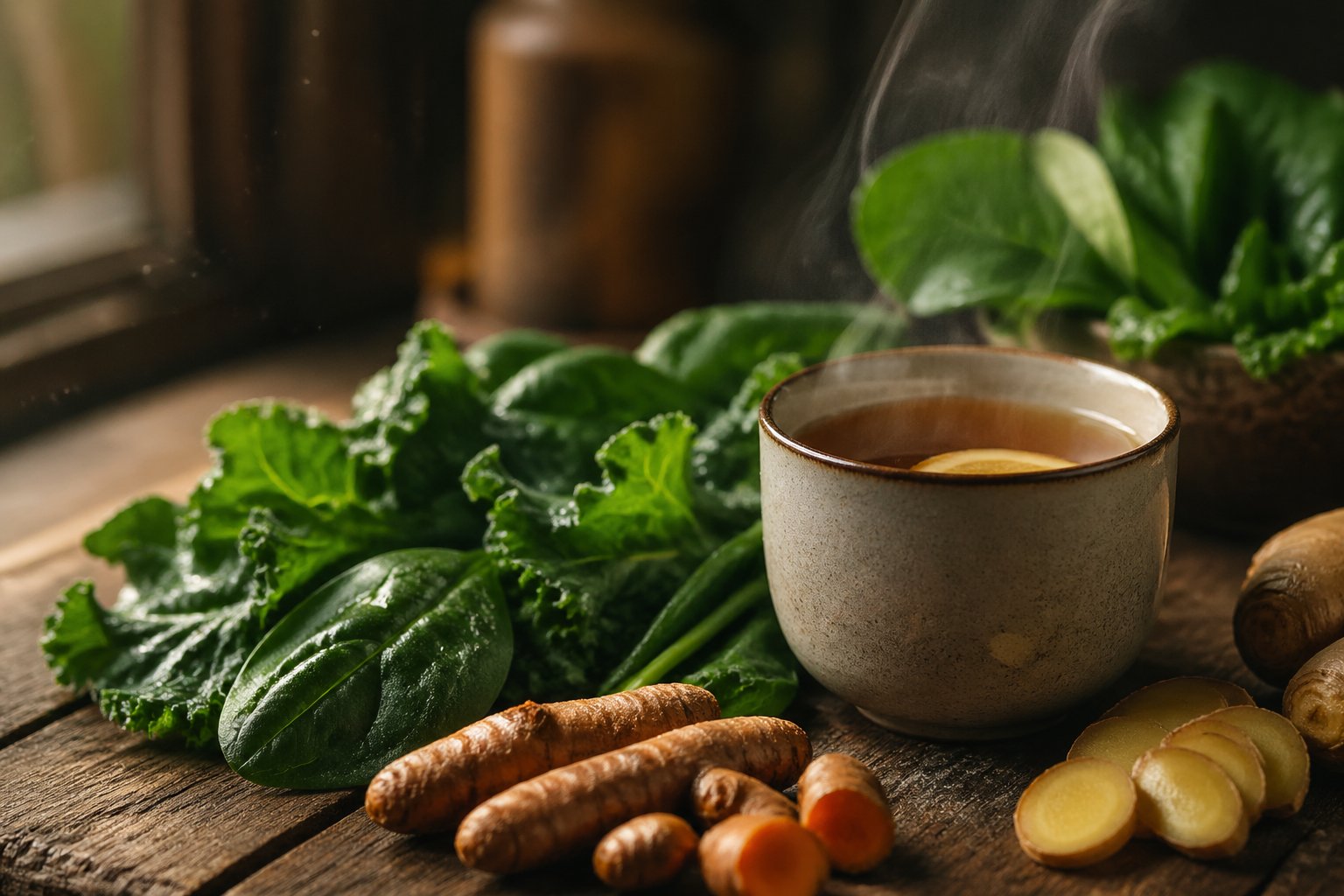
Daily habits that reduce inflammation include morning sunlight exposure, drinking turmeric tea with black pepper, eating omega-3 rich foods like salmon and walnuts, moving for 30 minutes, and taking evening magnesium baths.
What are the most effective daily habits to lower chronic inflammation naturally?
The most effective habits combine nutrition, movement, and stress management throughout the day. A person should start with 10 minutes of morning sunlight exposure paired with deep breathing exercises. This helps regulate the body’s internal clock and reduces stress hormones that fuel inflammation.
Eating an anti-inflammatory plate daily makes a significant difference. This includes fatty fish like salmon, dark leafy greens, and walnuts at least once per day. These foods provide omega-3 fatty acids and antioxidants that actively combat inflammatory responses.
Movement for 30 minutes through activities like brisk walking or yoga helps the body process inflammatory markers. An evening routine with a 20-minute magnesium Epsom salt bath calms the nervous system and supports muscle recovery. Maintaining good oral hygiene by brushing and flossing regularly prevents bacteria from triggering systemic inflammation.
What are the best drinks to reduce inflammation throughout the day?
Turmeric-ginger golden tea serves as a powerful daily anti-inflammatory drink. A person should combine fresh or dried turmeric and ginger with a pinch of black pepper in hot water or milk. The black pepper contains piperine, which helps the body absorb curcumin much better.
Green tea contains polyphenols called catechins that reduce inflammation throughout the body. Drinking two to three cups daily provides consistent benefits without excessive caffeine.
Tart cherry juice has been shown to lower inflammatory markers, especially after exercise. Fresh vegetable juices with cucumber, celery, and leafy greens provide concentrated antioxidants without added sugars. Plain water remains essential, as proper hydration helps flush inflammatory compounds from the body.
Which foods should I eat regularly to help fight inflammation?
Fatty fish stands out as one of the most powerful anti-inflammatory foods. Salmon, sardines, and mackerel contain omega-3 fatty acids that actively reduce inflammatory compounds in the body. A person should aim to eat these fish two to three times per week.
Dark leafy greens like spinach, kale, and Swiss chard provide antioxidants and vitamins that protect cells from damage. Walnuts offer both omega-3s and polyphenols that work together to lower inflammation markers. A small handful each day provides benefits without excess calories.
Turmeric and ginger are spices with strong anti-inflammatory properties. Black pepper enhances turmeric absorption significantly, making the combination especially effective. Berries, olive oil, and green tea also provide compounds that fight inflammation at the cellular level.
How can I reduce inflammation in the body quickly without medication?
A person can notice initial changes within five days by eliminating processed foods, refined sugars, and alcohol completely. They should focus on eating whole foods that naturally fight inflammation rather than relying on restrictive dieting.
Each day should include salmon or another fatty fish, at least two servings of leafy greens, and a handful of walnuts. Drinking turmeric-ginger tea twice daily provides consistent anti-inflammatory compounds. Adding black pepper to the tea improves absorption of the active ingredients.
Movement for 30 minutes each day through gentle activities like walking or yoga helps the body process inflammatory markers faster. Getting 10 minutes of morning sunlight and taking an evening Epsom salt bath supports the body’s natural healing processes. These combined actions create an environment where inflammation decreases more rapidly.
How long does it typically take for diet changes to reduce inflammation in the body?
Most people notice some improvements within one to two weeks of changing their eating habits. Blood tests measuring inflammation markers like C-reactive protein often show measurable decreases after three to four weeks of consistent dietary changes.
The timeline varies based on how severe the inflammation is and how strictly a person follows anti-inflammatory eating patterns. Someone with mild inflammation may feel better quickly, while chronic inflammation requires several months of sustained effort to see significant improvements.
Cellular changes happen gradually as the body replaces damaged cells with healthier ones. Full benefits from an anti-inflammatory diet typically appear after three to six months of consistent practice. The key is maintaining these habits long-term rather than expecting instant results.
What practical steps can help reduce inflammation overnight?
An evening Epsom salt bath 20 minutes before bed provides magnesium through the skin. A person should add two cups of Epsom salt to warm bathwater and soak for 15 to 20 minutes. This helps relax muscles and may reduce inflammation while preparing the body for sleep.
Avoiding screens for at least one hour before bed reduces blue light exposure that can disrupt sleep quality. Poor sleep increases inflammatory markers, so creating a dark, cool sleeping environment supports the body’s natural repair processes overnight.
Eating a light anti-inflammatory snack like a small handful of walnuts or tart cherries before bed provides the body with compounds that work during sleep. Drinking chamomile or ginger tea in the evening adds additional anti-inflammatory benefits. These simple steps create conditions where the body can focus on healing and reducing inflammation during rest.
Post Views: 3
References
- How to Lower Inflammation With 5 Simple Changes to Your Morning Routine . https://www.self.com/story/simple-morning-habits-that-reduce-inflammation Accessed May 16, 2026
- Filling your plate with colorful produce, healthy fats, fiber-rich foods and lean protein. https://www.eatingwell.com/5-day-anti-inflammatory-meal-plan-for-beginners-11793972 Accessed May 16, 2026
- Quick-start guide to an anti‑inflammation diet. https://www.health.harvard.edu/diet-and-nutrition/quick-start-guide-to-an-antiinflammation-diet Accessed May 16, 2026
- powerful anti-inflammatory compounds. https://www.health.com/ginger-and-turmeric-shots-8784530 Accessed May 16, 2026
- Anti-Inflammatory Herbs and Spices to Boost Your Health. https://foodrevolution.org/blog/anti-inflammatory-herbs-and-spices/ Accessed May 16, 2026
- spices: Turmeric, ginger, and more. https://theorganicmagazine.com/wellness-and-nutrition/holistic/the-healing-power-of-spices-turmeric-ginger-and-more/ Accessed May 16, 2026
- Daily Habits to Promote Joint Health. https://www.kinetikpar.com/post/daily-habits-to-promote-joint-health Accessed May 16, 2026
- Daily Stretches for Joint Health. https://www.arthritis.org.au/arthritis/arthritis-insights/moving-for-healthy-joints/daily-stretches-for-joint-health/ Accessed May 16, 2026
- 5 Daily Rituals of Wellness Experts. https://balancethegrind.co/editorial/5-daily-rituals-of-wellness-experts/ Accessed May 16, 2026

























