• Twenty47HealthNews
  • Health & Wellness
  • Disclaimer
    • Terms of Use
    • Privacy Policy
    • DMCA Notice
  • Twenty47HealthNews
  • Health & Wellness
  • Disclaimer
    • Terms of Use
    • Privacy Policy
    • DMCA Notice
24/7 Health News
No Result
View All Result
Home Article

Why Don’t We Donate Blood More Often?

January 24, 2026
in Article, black doctors, black donors, black health, blood donation, blood donors, blood transfusions, community, community health, Condition, equity, Health, health equity, medical mistrust, sickle cell, sickle cell disease
Why Don’t We Donate Blood More Often?
image
– Advertisement –

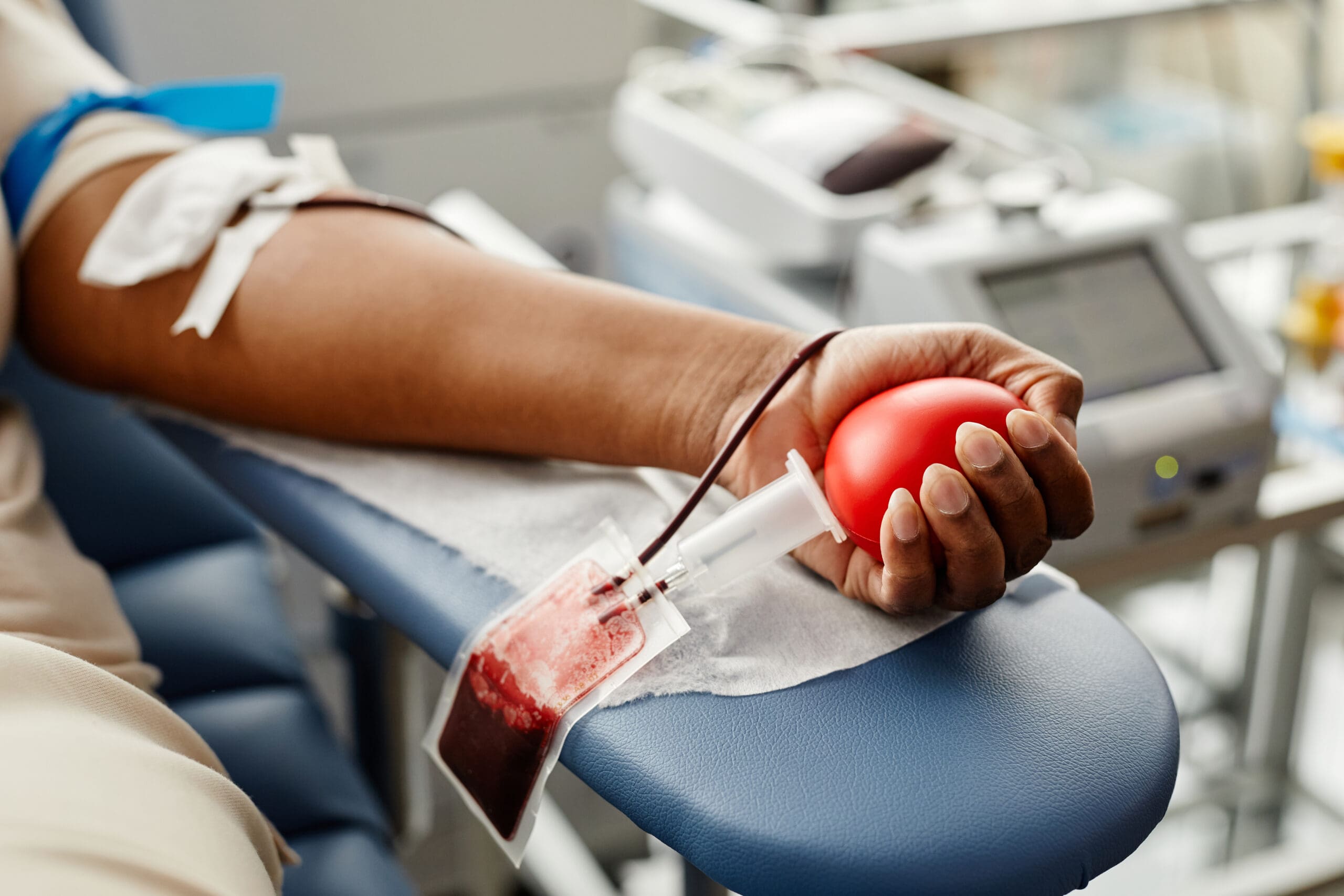
Walk into any blood donation center in the United States and you’ll see the same posters saying “Every two seconds, someone needs blood.” What those signs don’t say is that the people who need it most often come from the same communities least represented in the donor pool. Black Americans make up roughly 13% of the U.S. population yet account for less than 3% of blood donors, according to the National Heart, Lung, and Blood Institute (NHLBI). It’s a mismatch with real consequences for patients who rely on racially or ethnically matched blood.

Table of Contents

  • Why Our Donations Matter So Much
  • The Hesitation Around Donation
  • Building a Donation Experience That Works
  • This Is About Health Equity

Why Our Donations Matter So Much

For many of us, the people behind these numbers are not hypothetical. They are our children, our siblings, our neighbors living with sickle cell disease. According to the CDC, sickle cell affects more than 100,000 people in the United States and more than 90 percent of those affected are Black.

When the donor pool does not reflect our community, the people we love feel the impact first. According to Kaiser Permanente, blood transfusions can treat severe complications of sickle cell disease and help prevent additional problems, including lowering the risk of stroke in children. The safest matches often come from donors with similar genetic markers. As noted by the American Red Cross, this includes rare blood types such as U-negative and Duffy negative, which are found mostly among people of African descent.

The Hesitation Around Donation

In 2023, the NHLBI spoke with Black adults across the country to learn how they think and feel about blood donation. The conversations were honest and familiar. People named the history that still shapes their choices, including the segregation of blood supplies and the sense that donation drives rarely show up in Black neighborhoods or center Black experiences.

Researchers held twelve focus groups with adults ages 18 to 50. Some had donated once. Others had never donated but were open to it. Younger participants tended to know more about the process. Older participants often felt they did not have enough information to feel confident. Across every group, people said convenience, representation, and trust mattered.

– Advertisement –

Participants wanted to see blood drives in places they already go. They wanted clear information from trusted Black medical professionals. And they wanted to understand who their blood would help. Sickle cell disease affects more than 100,000 people in the United States, most of whom are Black, and many rely on transfusions throughout their lives. One in three Black donors is a match for someone living with sickle cell. Some rare blood types, including U-negative and Duffy negative, are found almost entirely in the African American community. A diverse blood supply is essential for patients who need those matches.

The message from the focus groups was simple. People want a donation experience that feels honest and connected to their lives.

Building a Donation Experience That Works

The NHLBI research makes one thing clear. When Black communities receive information that feels trustworthy, relevant, and grounded in their lived experience, willingness to donate rises. Change begins with meeting people where they are.

Convenience matters. Donation sites placed in familiar community spaces such as churches, malls, recreation centers, barbershops, and neighborhood hubs can remove a major barrier. Many participants said they would be more open to donating if the process felt easy to access or if they had someone to go with them. Compensation, even something modest like food or a small incentive, was also named as a meaningful motivator.

Trusted messengers matter just as much. Participants wanted clear information from Black medical professionals who could explain the process, address myths, and show the real impact of donation. They also wanted to understand exactly who their blood would help. Stories of patients living with sickle cell disease, families navigating weekly transfusions, or community members relying on rare blood types can create a sense of connection that national messaging often misses.

Helping others remains the strongest motivator. Many participants described the emotional pull of knowing their donation could save a life or support someone in crisis. When that impact is visible and personal, hesitation shifts toward action.

Building a more diverse blood supply is possible. It starts with information that feels honest, spaces that feel familiar, and outreach that reflects the communities it hopes to serve.

This Is About Health Equity

The shortage of Black blood donors reflects gaps in access and trust, shaped by a long history that has given our community real reasons to question the medical system. That history still leaves many people without the information or reassurance they need to feel confident about donating. It’s a health equity issue.

It’s also a place where meaningful progress is possible. When Black donors give blood, they strengthen a safety net that protects their own families and communities. They help a child with sickle cell get the match they need. They fill a gap that only this community can fill.
This moment can be a turning point. Not because the system has suddenly changed entirely, but because Black patients deserve the security that comes with a reliable and diverse blood supply.

Showing up for one another has always been a source of strength, and this year may be the year that strength reaches the donation room.

Resources:

How Black Americans Can Save Lives by Donating Blood

Blood Transfusions for Sickle Cell Disease | Kaiser Permanente

Rare Blood Types | Red Cross Blood Services

blood_donation_motivators_and_barriers.pdf

ShareTweetSharePin
Next Post
‘It’s such a complex little area’: how to really look after your wrists

‘It’s such a complex little area’: how to really look after your wrists

Most Read

What causes stuttering? A speech pathology researcher explains the science and the misconceptions around this speech disorder

What causes stuttering? A speech pathology researcher explains the science and the misconceptions around this speech disorder

December 15, 2022
morning back pain

Morning Again Ache Trigger Is Not the Mattress

October 11, 2021

Why Circadian Rhythms Matter for Your Health

July 30, 2024

4 steps to building a healthier relationship with your phone

January 28, 2025
lower back pain relief exercises

5 decrease again ache aid workouts

October 11, 2021
Nasal vaccines promise to stop the COVID-19 virus before it gets to the lungs – an immunologist explains how they work

Nasal vaccines promise to stop the COVID-19 virus before it gets to the lungs – an immunologist explains how they work

December 14, 2022
3 years after legalization, we have shockingly little information about how it changed cannabis use and health harms

3 years after legalization, we have shockingly little information about how it changed cannabis use and health harms

October 15, 2021
bleeding in gum

When The Bleeding in gum Is Severe ?

October 11, 2021
Good Night Sleep

6 Causes of Good Evening Sleep

October 11, 2021
Kick up your heels – ballroom dancing offers benefits to the aging brain and could help stave off dementia

Kick up your heels – ballroom dancing offers benefits to the aging brain and could help stave off dementia

January 3, 2023
Biden is getting prostate cancer treatment, but that’s not the best choice for all men − a cancer researcher describes how she helped her father decide

Biden is getting prostate cancer treatment, but that’s not the best choice for all men − a cancer researcher describes how she helped her father decide

May 20, 2025
Ten small changes you can make today to prevent weight gain

Ten small changes you can make today to prevent weight gain

October 12, 2021

COVID vaccines: how one can pace up rollout in poorer international locations

October 5, 2021

Multiple sclerosis: the link with earlier infection just got stronger – new study

October 12, 2021
Five ways to avoid pain and injury when starting a new exercise regime

Five ways to avoid pain and injury when starting a new exercise regime

December 30, 2022
Support and collaboration with health-care providers can help people make health decisions

Support and collaboration with health-care providers can help people make health decisions

December 16, 2021
Greece to make COVID vaccines mandatory for over-60s, but do vaccine mandates work?

Greece to make COVID vaccines mandatory for over-60s, but do vaccine mandates work?

December 1, 2021

This Simple Hygiene Habit Could Cut Your Risk of Stroke, New Research Reveals

February 1, 2025
woman covered with white blanket

Exploring the Impact of Sleep Patterns on Mental Health

August 4, 2024

Maximize Your Performance – Sync with Your Circadian Rhythms

August 9, 2024
Backlash to transgender health care isn’t new − but the faulty science used to justify it has changed to meet the times

Backlash to transgender health care isn’t new − but the faulty science used to justify it has changed to meet the times

January 30, 2024
How to protect your well-being, survive the stress of the holiday season and still keep your cheer

How to protect your well-being, survive the stress of the holiday season and still keep your cheer

December 21, 2025
News of war can impact your mental health — here’s how to cope

Binge-eating disorder is more common than many realise, yet it’s rarely discussed – here’s what you need to know

December 2, 2022
Nurses’ attitudes toward COVID-19 vaccination for their children are highly influenced by partisanship, a new study finds

Nurses’ attitudes toward COVID-19 vaccination for their children are highly influenced by partisanship, a new study finds

December 2, 2022
Nutrition advice is rife with misinformation − a medical education specialist explains how to tell valid health information from pseudoscience

Nutrition advice is rife with misinformation − a medical education specialist explains how to tell valid health information from pseudoscience

January 28, 2025
Four ways to avoid gaining weight over the festive period – but also why you shouldn’t fret about it too much

Four ways to avoid gaining weight over the festive period – but also why you shouldn’t fret about it too much

December 22, 2022
Why are some people faster than others? 2 exercise scientists explain the secrets of running speed

Why are some people faster than others? 2 exercise scientists explain the secrets of running speed

April 29, 2024
As viral infections skyrocket, masks are still a tried-and-true way to help keep yourself and others safe

As viral infections skyrocket, masks are still a tried-and-true way to help keep yourself and others safe

December 14, 2022
How regulatory agencies, not the courts, are imposing COVID-19 vaccine mandates

How regulatory agencies, not the courts, are imposing COVID-19 vaccine mandates

October 24, 2021
Heart disease risk from saturated fats may depend on what foods they come from – new research

Heart disease risk from saturated fats may depend on what foods they come from – new research

November 29, 2021
  • Twenty47HealthNews
  • Health & Wellness
  • Disclaimer

© 2020 DAILY HEALTH NEWS

  • Twenty47HealthNews
  • Health & Wellness
  • Disclaimer
    • Terms of Use
    • Privacy Policy
    • DMCA Notice

© 2020 DAILY HEALTH NEWS
















