
Medically Reviewed
Dr. Jose Rossello, MD, PhD, MHCM
Preventive Medicine & Public Health Specialist
Last Reviewed: March 11, 2026
Holistic health looks at wellness as a complete system that connects the mind, body, and spirit rather than treating individual symptoms in isolation. Starting a holistic health journey begins with self-reflection to assess current physical, emotional, and spiritual well-being, followed by small daily practices like meditation, nutritious eating, regular movement, and stress reduction techniques. This approach recognizes that when one area of health suffers, it can affect all other areas of a person’s life.
Many people feel better when they eat well and stay active, yet they struggle to maintain these habits consistently. Starting a holistic lifestyle[1] doesn’t require drastic changes overnight. Simple steps like deep breathing exercises, journaling, getting enough sleep, and nurturing positive relationships can create meaningful improvements in overall wellness.
The benefits of holistic health extend beyond physical fitness. People who embrace this approach often experience higher levels of happiness, reduced stress, improved natural healing abilities, and a healthier body that resists illness more effectively. By addressing root causes rather than just treating symptoms, individuals can enhance their body’s ability to restore itself naturally.
Table of Contents
Key Takeaways
- Holistic health connects physical, emotional, mental, spiritual, and social wellness as one complete system
- Beginning a holistic journey requires honest self-assessment and incorporating small daily practices like meditation, nutrition, and movement
- Addressing root causes through holistic methods can lead to lasting improvements in happiness, stress levels, and overall health
Understanding Holistic Health
Holistic health treats the entire person rather than isolated symptoms. It balances physical wellness with mental clarity and spiritual fulfillment to create complete well-being.
What Is Holistic Health?
Holistic health is a comprehensive approach to wellness[2] that considers all aspects of a person’s life. It looks at physical health, emotional state, mental patterns, and spiritual beliefs as connected parts of one whole system.
This approach recognizes that problems in one area affect other areas. A person dealing with chronic stress might develop physical symptoms like headaches or stomach issues. Someone experiencing physical pain might struggle with anxiety or depression.
Practitioners who follow holistic health principles examine lifestyle factors like diet, sleep, relationships, and stress levels. They ask questions about work satisfaction, home environment, and personal goals. The focus remains on creating balance across all life areas rather than just treating individual symptoms.
The Mind-Body-Spirit Connection
The mind-body connection explains how thoughts and emotions directly impact physical health. Stress triggers the release of cortisol and other hormones that affect heart rate, blood pressure, and immune function. Positive emotions can boost healing and strengthen the body’s natural defenses.
Mental health influences physical symptoms in measurable ways. Depression often appears alongside fatigue, digestive problems, and chronic pain. Anxiety can cause muscle tension, headaches, and sleep disturbances.
The spiritual aspect involves finding meaning and purpose in life. It includes personal values, beliefs, and a sense of connection to something larger than oneself. People who nurture their spiritual health often report better emotional resilience and life satisfaction.
Holistic Health vs. Conventional Medicine
Conventional medicine typically focuses on diagnosing and treating specific diseases or symptoms. Doctors prescribe medications or perform procedures to address particular health problems. This approach works well for acute conditions, infections, and emergencies.
Holistic health takes a broader view by examining root causes and prevention. Functional medicine practitioners, who often embrace holistic principles, investigate why symptoms occur rather than just managing them. They consider factors like nutrition, environmental exposures, and lifestyle habits.
Key differences include:
- Treatment focus: Conventional targets diseases; holistic targets the whole person
- Time perspective: Conventional emphasizes immediate relief; holistic emphasizes long-term wellness
- Patient role: Conventional sees patients as recipients; holistic sees them as active participants
Both approaches offer value, and many people benefit from combining them for optimal health outcomes.
Self-Reflection and Setting Intentions

Taking time to look inward and define what you want helps create a strong foundation for your health journey. Understanding your current state and choosing specific directions for personal growth makes real change possible.
Assess Where You Are
The first step requires honest evaluation of physical, emotional, and spiritual health. A person needs to identify current challenges and patterns that affect their well-being.
Key areas to assess include:
- Physical health: Energy levels, sleep quality, pain or discomfort, eating habits
- Emotional state: Daily mood patterns, stress levels, relationships
- Mental clarity: Focus, decision-making ability, thought patterns
- Spiritual connection: Sense of purpose, alignment with values
This assessment reveals gaps between where someone is and where they want to be. A person should look at these areas without judgment. The goal is gathering information, not criticism.
Journaling and Self-Reflection
Writing down thoughts and feelings[2] provides clarity that thinking alone cannot achieve. Journaling creates a record of patterns and helps track personal development over time.
Effective journaling practices include:
- Writing for 10-15 minutes each day without editing
- Noting what brings joy and what drains energy
- Recording physical symptoms alongside emotions
- Asking questions like “What do I need right now?” or “What am I avoiding?”
Regular self-reflection through journaling helps identify triggers, recognize progress, and understand connections between different parts of life. Many people discover unexpected links between their thoughts, behaviors, and physical symptoms through this practice.
Setting Clear Intentions for Change
Intentions focus on how a person wants to live rather than specific outcomes. They guide daily choices and keep someone moving in the right direction.
Strong intentions are present-tense, positive, and personal. Instead of “I will lose weight,” an intention might be “I nourish my body with foods that support my health.” Rather than “I won’t be stressed,” try “I create calm moments throughout my day.”
Intentions differ from goals[3] because they emphasize the journey instead of just the destination. A person should write down 3-5 intentions and place them where they will see them daily. These statements become touchstones for making decisions and building new habits that support holistic health.
Building a Foundation of Self-Care
Self-care forms the bedrock of any holistic health practice, requiring consistent attention to physical needs, emotional well-being, and mental clarity. People who establish strong self-care habits tend to experience better stress management, improved relationships, and greater overall health.
Understanding Self-Care
Self-care involves deliberate actions that support a person’s physical, mental, and emotional health. It goes beyond bubble baths and spa days to include basic needs like adequate sleep, nutritious meals, and regular movement.
Many people confuse self-care with indulgence, but true self-care addresses fundamental wellness needs. A person practicing effective self-care might set boundaries at work, schedule regular health checkups, or prepare healthy meals in advance. These actions prevent burnout and maintain energy levels.
Creating a self-care plan[4] helps individuals address all aspects of their health systematically. The plan should include activities across different wellness categories: physical exercise, social connection, creative expression, and rest. Starting with just two or three sustainable practices works better than attempting a complete lifestyle overhaul.
Incorporating Daily Self-Compassion
Self-compassion means treating oneself with the same kindness one would offer a good friend. It counteracts harsh self-criticism and perfectionism that often derail wellness efforts.
People can practice self-compassion through simple daily habits. When mistakes happen, they can acknowledge the error without harsh judgment. Instead of thinking “I’m terrible at this,” a person might say “I’m learning, and that takes time.”
Gratitude practices enhance self-compassion by shifting focus toward positive aspects of life. Writing down three things to feel grateful for each day trains the brain to notice good experiences. Expressive writing also supports emotional processing, allowing people to explore difficult feelings without judgment.
These practices take just five to ten minutes daily but create significant shifts in mental well-being over time.
Tracking Your Progress
Monitoring self-care habits helps people identify what works and what needs adjustment. A simple journal or phone app can record daily practices and how they affect mood and energy.
Tracking doesn’t require complicated systems. A basic checklist noting completed self-care activities provides useful feedback. People might track sleep hours, water intake, exercise sessions, or gratitude entries.
Key metrics to consider:
- Energy levels throughout the day
- Sleep quality and duration
- Mood patterns
- Stress levels
- Physical symptoms
Reviewing these records weekly reveals patterns and progress. Someone might notice they sleep better on days with morning exercise or feel more energized after expressive writing sessions. This information guides future self-care choices and builds motivation through visible improvement.
Prioritizing Nutrition and Nourishment

Food serves as the foundation for physical health, mental clarity, and emotional balance. Making informed choices about what to eat, how to prepare meals, and the way one consumes food directly impacts energy levels, disease prevention, and overall vitality.
Why Nutrition Matters in Holistic Health
The foods a person chooses affect every system in their body. Holistic nutrition recognizes that diet plays a direct role[5] in disease susceptibility, physical development, inflammation levels, and immune function.
Research shows that following healthy dietary patterns reduces the risk of major chronic diseases. Studies involving over 205,000 healthcare professionals found that eating nutrient-dense foods was associated with a 16-32% lower risk of cardiovascular disease, type 2 diabetes, and cancer.
Nutrition also impacts mental health significantly. Women who consume high amounts of ultra-processed foods face approximately 50% increased depression risk compared to those eating whole foods. The gut-brain connection explains why what someone eats influences mood, cognitive function, and emotional wellbeing.
Transitioning to Whole Foods
Moving away from processed foods requires gradual changes that become sustainable habits. Ultra-processed foods increase heart disease risk by 62%, making the shift to whole foods essential for long-term health.
Steps to transition effectively:
- Replace one processed meal per day with whole food alternatives
- Shop the perimeter of grocery stores where fresh produce, lean proteins, and whole grains are located
- Read ingredient labels and avoid products with additives or chemicals
- Prepare meals at home to control ingredients and cooking methods
Whole foods include fresh fruits and vegetables, whole grains like quinoa and brown rice, nuts, seeds, and minimally processed proteins. These foods provide maximum nutritional value without artificial ingredients or excessive sodium and sugar.
Balanced Diet for Optimal Wellness
A balanced approach ensures the body receives all necessary macronutrients and micronutrients. Proteins build and repair tissues, healthy fats support brain function and hormone production, and carbohydrates provide energy for daily activities.
Essential components include:
| Food Group | Examples | Benefits |
|---|---|---|
| Fruits and Vegetables | Berries, leafy greens, citrus | Vitamins, minerals, antioxidants |
| Whole Grains | Oats, quinoa, brown rice | Fiber, B vitamins, sustained energy |
| Lean Proteins | Fish, poultry, legumes, tofu | Amino acids, muscle maintenance |
| Healthy Fats | Avocados, olive oil, nuts | Brain health, hormone balance |
Each person has unique nutritional needs based on their biochemistry, activity level, and health goals. What works for one individual may not suit another, which is why personalized approaches prove more effective than generic diet plans.
Mindful Eating Practices
Mindful eating transforms the relationship someone has with food. This practice involves paying full attention to the eating experience, including hunger cues, taste, texture, and fullness signals.
Key practices include:
- Eating without distractions like phones or television
- Chewing food thoroughly to aid digestion
- Recognizing emotional versus physical hunger
- Appreciating where food comes from and how it nourishes the body
Combining mindful eating with quality food choices amplifies health benefits. Some people also explore herbal medicine and herbalism to support their nutrition, using herbs like ginger for digestion or turmeric for inflammation.
The practice helps prevent overeating and encourages gratitude for meals. It also improves digestion since the body processes food better when in a relaxed state rather than rushed or stressed.
Movement and Physical Activity
Physical activity strengthens the body while supporting mental clarity and emotional balance. Finding enjoyable forms of movement and building consistent habits creates a foundation for lasting health improvements.
Making Movement a Joyful Habit
The key to maintaining regular exercise lies in choosing activities that bring genuine enjoyment rather than feeling like obligations. When someone discovers movement they actually like, they naturally want to do it more often.
Starting small helps build momentum. A person might begin with just five minutes of morning stretches or a brief walk around the block. These short sessions create positive associations with movement.
Connecting physical activity to existing routines makes it stick. Someone could stretch while their coffee brews, take a walk during lunch breaks, or dance while cooking dinner. Incorporating movement into daily life[6] becomes easier when it fits naturally into established patterns.
Tracking progress without judgment helps maintain motivation. A person might note how movement makes them feel rather than focusing solely on calories burned or miles covered.
Types of Physical Activity
Different forms of exercise offer unique benefits for holistic health:
Mind-Body Practices
- Yoga builds flexibility and strength while promoting mindfulness
- Tai chi combines gentle flowing movements with breathing techniques
- Walking meditations blend physical activity with present-moment awareness
Cardiovascular Activities
- Walking provides low-impact aerobic exercise suitable for most fitness levels
- Hiking connects cardiovascular benefits with nature exposure
- Dancing combines aerobic exercise with creative expression
Strength Building
- Strength training increases muscle mass and bone density
- Bodyweight exercises require no equipment
- Gardening develops functional strength through practical tasks
A balanced approach includes both aerobic exercise for heart health and strength-based activities for muscle maintenance.
Creating a Sustainable Exercise Routine
A sustainable routine matches a person’s current fitness level and lifestyle constraints. Someone new to exercise might start with 20-30 minutes of movement three times per week.
Weekly Structure Example:
| Day | Activity | Duration |
|---|---|---|
| Monday | Yoga | 30 minutes |
| Wednesday | Walking | 25 minutes |
| Friday | Strength training | 30 minutes |
| Weekend | Hiking or recreational activity | 45-60 minutes |
Rest days allow the body to recover and prevent burnout. A person should listen to their body’s signals and adjust intensity accordingly.
Setting specific times for physical activity increases follow-through. Morning sessions work well for people who want consistency before daily responsibilities arise. Evening movement helps others decompress after work.
Variety prevents boredom and works different muscle groups. Someone might alternate between yoga, walking, and strength training throughout the week rather than doing the same thing daily.
Developing a Mindfulness Practice
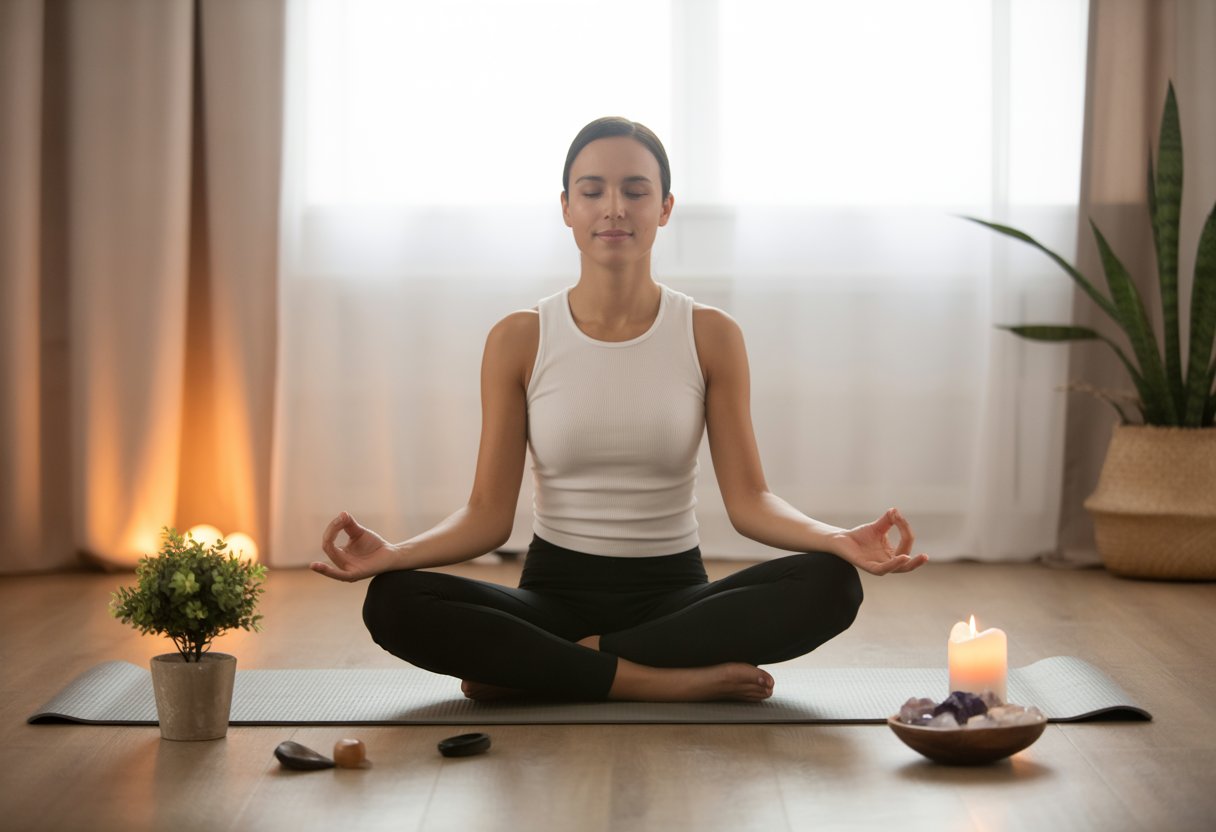
Mindfulness offers a foundation for holistic health by training the mind to stay present and aware. Simple breath-focused exercises and guided meditation sessions can help anyone begin this practice, regardless of experience level.
Understanding Mindfulness
Mindfulness is the ability to be fully present[7], aware of where someone is and what they’re doing, without becoming overly reactive to surrounding events. It’s a natural human capacity that becomes stronger through regular practice.
When a person brings awareness to what they experience through their senses or notices their mental state through thoughts and emotions, they’re practicing mindfulness. Research shows that training the brain to be mindful actually changes its physical structure over time.
The goal isn’t to empty the mind or achieve perfect calm. Instead, mindfulness practice helps people wake up to their mental, emotional, and physical processes. It creates space between automatic reactions and responses, allowing for more intentional choices throughout the day.
Simple Mindfulness Exercises
Mindfulness exercises can fit into any daily routine without special equipment or dedicated spaces. One effective approach involves pausing before answering the phone to take a conscious breath and center attention on the present moment.
Basic mindfulness exercises include:
- Paying attention to physical sensations while washing hands or eating
- Noticing sounds in the environment without labeling them as good or bad
- Observing thoughts as they arise and letting them pass without attachment
- Bringing awareness to body sensations while walking or moving
These exercises work because they anchor attention to direct sensory experiences. When the mind wanders during practice, the person simply notices and gently returns focus to the chosen activity. There’s no wrong way to practice mindfulness.
Meditation and Breath Practices
Meditation serves as a formal mindfulness practice where someone explores the workings of their mind through focused attention. Breath-focused meditation[7] uses breathing as an anchor because the physical sensation is always available in the present moment.
A basic meditation practice starts with sitting comfortably and noticing the breath moving through the nose or the rising and falling of the belly. Belly breathing, where the abdomen expands on inhale and contracts on exhale, provides a clear focal point for attention.
When the mind wanders, which happens constantly, the practice involves gently returning attention to the breath without judgment. This simple act of noticing and returning builds mental focus over time.
Guided meditation sessions can help beginners learn the basics. A five-minute breathing meditation can reduce stress and sharpen concentration. Body scan practices teach people to notice physical sensations throughout the body. Deep breathing exercises activate the body’s relaxation response and calm the nervous system.
Emotional and Mental Well-Being
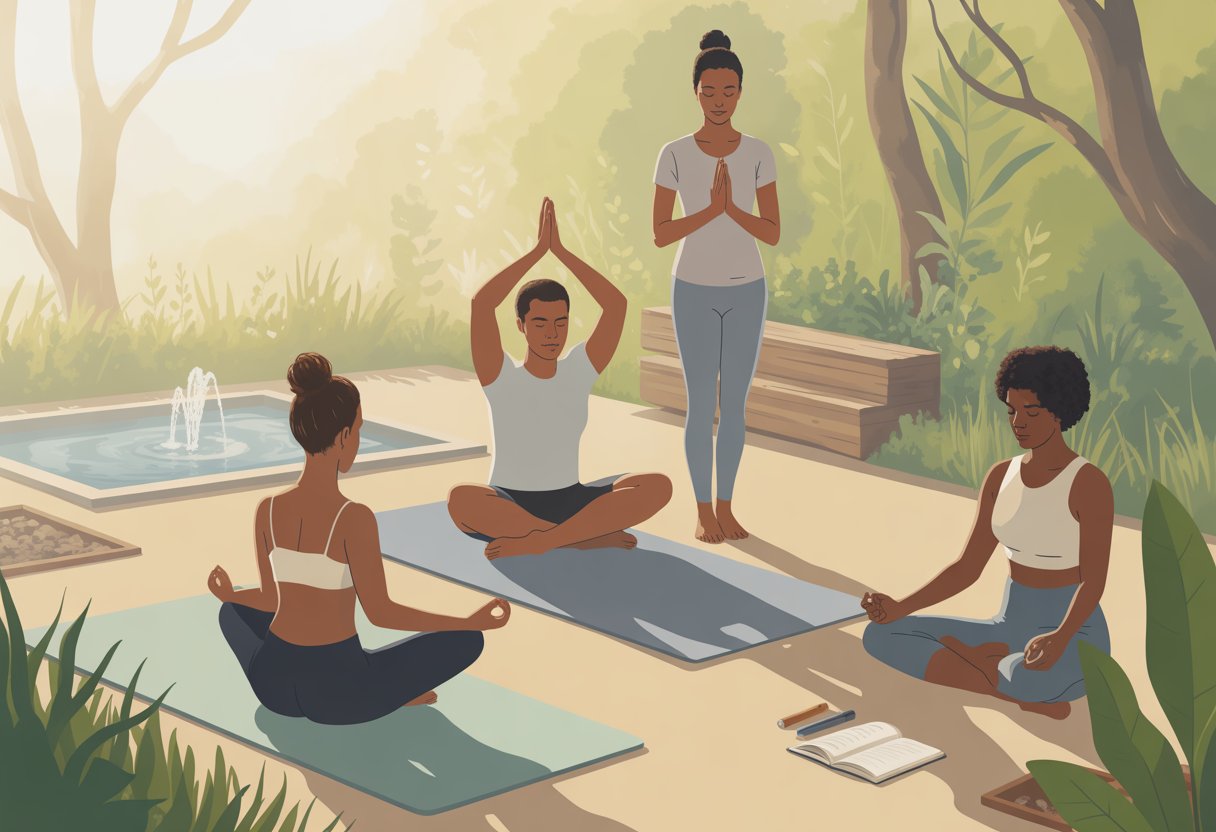
Mental health and emotional health work together to shape how people think, feel, and respond to daily challenges. Building awareness of emotional patterns, learning to manage stress effectively, and developing resilience creates a foundation for lasting wellness.
Recognizing Emotional Patterns
Understanding emotional patterns helps people identify triggers and reactions that affect their daily lives. Many individuals move through their days without noticing repeated emotional responses to specific situations or people. Keeping an emotional journal helps track moods, thoughts, and circumstances that lead to certain feelings.
Common patterns to notice include:
- Avoidance behaviors when facing difficult emotions
- Physical symptoms like headaches or tension during stress
- Relationship patterns that repeat across different connections
- Time-based triggers linked to specific hours or seasons
People can start by spending five minutes each evening noting their strongest emotions from the day. This practice reveals connections between events and feelings that might otherwise go unnoticed. Once someone recognizes their patterns, they gain the power to respond differently rather than react automatically.
Managing Stress and Anxiety
Stress management techniques provide practical tools to reduce anxiety and improve mood in everyday situations. The body responds to stress through physical changes like increased heart rate and shallow breathing. Learning to manage stress through mindful practices[2] helps interrupt this automatic response.
Daily stress reduction methods include:
| Technique | Time Needed | Primary Benefit |
|---|---|---|
| Deep breathing | 2-5 minutes | Calms nervous system |
| Progressive muscle relaxation | 10-15 minutes | Releases physical tension |
| Mindful walking | 10-20 minutes | Combines movement and awareness |
| Gratitude practice | 5 minutes | Shifts focus to positive aspects |
People who practice these techniques regularly report lower anxiety levels and better emotional control. Starting with just one method and practicing it consistently yields better results than trying multiple approaches at once.
Building Resilience and Emotional Healing
Resilience develops through facing challenges while maintaining emotional balance and self-compassion. Emotional healing doesn’t mean avoiding difficult feelings but rather processing them in healthy ways. People build resilience by developing coping skills that help them bounce back from setbacks.
Key resilience-building practices include setting realistic expectations, maintaining social connections, and seeking professional support when needed. Someone working on emotional healing might benefit from therapy, support groups, or trusted friends who listen without judgment. Physical activity also plays a role in resilience since movement releases endorphins that naturally improve mood.
Building these skills takes time and patience. Small daily actions create stronger emotional foundations than occasional intense efforts.
Exploring Holistic Healing and Alternative Therapies

Alternative therapies take a holistic approach to health[8], considering physical, emotional, spiritual, and environmental factors. These practices include energy healing modalities like acupuncture and reiki, as well as aromatherapy and herbal support that work alongside conventional medicine.
Energy Healing Modalities
Energy healing works on the principle that the body has natural energy fields that influence health and wellbeing. Practitioners believe that blockages or imbalances in these energy fields can lead to physical or emotional problems.
Several energy healing modalities exist to help restore balance. Therapeutic touch involves practitioners moving their hands over the body to detect and correct energy imbalances. Chakra balancing focuses on seven main energy centers in the body. Crystal healing uses specific stones believed to carry different energetic properties.
These practices aim to activate the body’s natural healing abilities. People often report feeling deeply relaxed during sessions. Some experience warmth, tingling, or other sensations as energy moves through the body.
Acupuncture and Traditional Therapies
Acupuncture involves inserting thin needles[2] at specific points on the body to promote balance and alleviate various ailments. This ancient practice from Traditional Chinese Medicine has been used for thousands of years.
The needles stimulate specific points along energy pathways called meridians. Practitioners insert them at varying depths depending on the condition being treated. Most people feel minimal discomfort during insertion.
Common conditions treated with acupuncture include:
- Chronic pain and headaches
- Digestive issues
- Anxiety and stress
- Sleep problems
- Allergies and respiratory conditions
Traditional therapies also include practices like tai chi and qigong. These gentle movement practices combine breath work with flowing motions to improve energy flow and physical health.
Reiki and Other Alternative Approaches
Reiki is an energy-based practice that aims to promote relaxation and healing through touch. Practitioners place their hands lightly on or just above the body in specific positions. The practice originated in Japan in the early 1900s.
During a session, clients typically lie fully clothed on a massage table. Sessions usually last 45 to 90 minutes. Many people report feeling deeply relaxed afterward and experience reduced stress levels.
Other alternative approaches include reflexology, which applies pressure to specific points on the feet, hands, and ears. Sound healing uses vibrations from instruments like singing bowls or tuning forks. Craniosacral therapy involves gentle manipulation of the skull and spine to release tension.
Aromatherapy and Herbal Support
Aromatherapy uses essential oils extracted from plants to support physical and emotional wellbeing. These concentrated oils can be inhaled through diffusers or applied to the skin when properly diluted with carrier oils.
Popular essential oils and their uses:
| Essential Oil | Primary Benefits |
|---|---|
| Lavender | Relaxation and sleep support |
| Peppermint | Energy boost and headache relief |
| Eucalyptus | Respiratory support |
| Tea tree | Skin health and cleansing |
| Chamomile | Calming and stress reduction |
Herbal support involves using plants in various forms like teas, tinctures, or capsules. Herbs such as ginger support digestive health while ashwagandha helps the body manage stress. Chamomile and valerian root promote better sleep.
People should consult qualified practitioners before starting any holistic health practices. Some herbs and essential oils can interact with medications or cause allergic reactions. Quality matters when selecting products, so individuals should choose reputable suppliers.
Cultivating Spiritual Wellness

Spiritual health involves finding meaning and purpose in life through practices that foster inner peace and connection. This dimension of wellness includes meditation techniques, time spent in nature, and developing compassion for oneself and others.
What Is Spiritual Health?
Spiritual health refers to a sense of purpose, meaning, and connection that goes beyond daily routines. It involves understanding one’s values and beliefs while seeking balance and harmony in life.
This aspect of wellness does not require religious affiliation. Many people find spirituality through personal reflection, time in nature, or connecting with something larger than themselves.
Someone with strong spiritual health typically experiences inner peace and clarity about their life direction. They feel grounded even during challenging times.
Key indicators of spiritual wellness include:
- A sense of purpose in daily activities
- Feeling connected to others and the world
- Ability to find meaning in life experiences
- Inner peace and contentment
Spirituality helps people navigate difficult emotions and situations. It provides a framework for making decisions aligned with personal values.
Spiritual Growth and Connection
Spiritual growth happens when someone deepens their understanding of themselves and their place in the world. This process involves regular self-reflection and openness to new perspectives.
Building spiritual practices that enhance mental clarity[9] strengthens emotional resilience. People who prioritize their spiritual development often report feeling more fulfilled and less stressed.
Connection forms a vital part of spiritual wellness. This includes connecting with oneself through quiet reflection, with others through meaningful relationships, and with the environment.
When people connect with nature, they often experience reduced anxiety and increased feelings of peace. Walking in forests, sitting by water, or observing wildlife can deepen spiritual awareness.
Community connections also support spiritual growth. Sharing experiences with like-minded individuals creates a sense of belonging and mutual support.
Practices for Spiritual Wellness
Several practical activities support spiritual wellness on a daily basis. Meditation stands as one of the most accessible practices for beginners and experienced practitioners alike.
Loving-kindness meditation cultivates compassion toward oneself and others. This practice involves silently repeating phrases of goodwill, starting with oneself and extending to loved ones, acquaintances, and even difficult people.
Elevate Your Health for Just $29.99/Month
Join the Precision Wellness Subscription at My Healing 365 and get discounted services, priority coaching access, virtual care, and exclusive wellness resources to support your physical, emotional, and hormonal health.
Join for $29.99/MonthOther effective practices include:
- Journaling to process thoughts and emotions
- Mindful breathing for five to ten minutes daily
- Gratitude exercises to acknowledge positive aspects of life
- Nature walks to foster environmental connection
Setting aside dedicated time each day strengthens spiritual practice. Even ten minutes of quiet reflection can make a noticeable difference.
Creating a comfortable space at home for spiritual activities helps establish consistency. This area should feel peaceful and free from distractions.
People can combine different practices based on their preferences and schedules. The key is finding activities that resonate personally and practicing them regularly.
Creating a Supportive Environment
Building strong connections with others and finding the right guidance makes a real difference in maintaining holistic health practices. The people around you and the professionals you work with can help you stay motivated and make better choices for your wellbeing.
Building a Support Network
A strong support network provides encouragement when challenges arise and celebrates progress along the way. People starting their holistic health journey should identify friends, family members, or coworkers who share similar wellness goals or respect their new lifestyle choices.
This network doesn’t need to be large. Even two or three people who understand and support holistic living can make a significant impact. These connections offer accountability when motivation wanes and provide practical help like sharing healthy recipes or joining in physical activities.
Someone new to holistic health should communicate clearly about their goals with potential support network members. This helps others understand what kind of encouragement would be most helpful. Regular check-ins through phone calls, text messages, or in-person meetings keep these connections strong.
Supportive Relationships and Groups
Cultivating meaningful relationships[10] creates space for holistic wellness to flourish. Joining support groups focused on specific aspects of holistic health like meditation, plant-based eating, or stress management connects people with others on similar paths.
Many communities offer local wellness groups through community centers, yoga studios, or health food stores. Online communities also provide valuable connections when local options are limited. These groups share practical tips, recommend resources, and normalize the challenges that come with lifestyle changes.
The relationships formed in these settings often become sources of inspiration and practical knowledge. Members exchange information about products, practices, and local practitioners. They also provide understanding during setbacks that others outside the holistic health community might not grasp.
Seeking Professional Guidance
Working with qualified professionals helps people make informed decisions about their holistic health journey. A holistic practitioner considers the whole person rather than treating isolated symptoms. These professionals might include naturopathic doctors, nutritionists, acupuncturists, or integrative medicine physicians.
Finding the right practitioner requires research into their credentials, training, and approach. Many offer initial consultations where potential clients can ask questions about their philosophy and methods. This helps ensure a good fit before committing to ongoing care.
Professional guidance becomes especially important when someone has existing health conditions or takes medications. A qualified practitioner can help integrate holistic approaches safely with conventional medical care. They also provide personalized recommendations based on individual needs rather than generic advice.
Maintaining Momentum on Your Holistic Health Journey
Starting a wellness journey is exciting, but keeping that energy alive requires practical strategies and realistic expectations. Success comes from making sustainable lifestyle changes, monitoring what works, and pushing through obstacles with clear motivation.
Implementing Lifestyle Changes
A holistic lifestyle thrives on gradual adjustments rather than dramatic overhauls. Small, consistent changes create lasting habits that support optimal health and wellness.
People should start by identifying one or two areas that need attention most. This might include improving sleep quality, adding more whole foods to meals, or scheduling regular movement throughout the day. Trying to change everything at once often leads to burnout and frustration.
Priority Changes to Consider:
- Replace one processed meal daily with whole foods
- Add 10-15 minutes of gentle movement each morning
- Set a consistent bedtime routine
- Reduce screen time one hour before sleep
- Practice deep breathing during stressful moments
The key is building new habits slowly. Research shows it takes anywhere from 18 to 254 days to form a habit, with 66 days being the average. Someone working on their wellness journey should expect setbacks and view them as learning opportunities rather than failures.
When implementing holistic health practices[1], it helps to link new behaviors to existing routines. For example, someone might practice gratitude journaling right after brushing their teeth at night or do stretches while waiting for coffee to brew.
Tracking Your Journey and Progress
Measuring progress keeps people accountable and shows what methods work best for their unique needs. Tracking
Frequently Asked Questions
Holistic health focuses on treating the whole person through mind-body-spirit balance, using natural therapies like acupuncture and herbal medicine alongside proper nutrition and lifestyle changes. Understanding core principles, daily practices, and the differences from conventional medicine helps people make informed decisions about their wellness path.
What are the core principles of holistic health?
Holistic health treats the entire person rather than just specific symptoms or diseases. The approach recognizes that physical, mental, emotional, and spiritual aspects of a person are interconnected and equally important for overall wellness.
Practitioners believe that achieving balance among these elements leads to optimal health. They focus on prevention and addressing root causes instead of only managing symptoms.
The core principles include personal responsibility for one’s health, the body’s natural ability to heal itself, and the importance of the relationship between practitioner and patient. Treatment plans consider lifestyle factors like diet, exercise, stress levels, and relationships.
What steps can I take to integrate holistic practices into my daily life?
Starting with self-reflection and assessment[2] helps identify current health challenges and areas needing attention. Writing in a journal clarifies thoughts and creates a foundation for change.
Setting clear intentions focuses on the healing process rather than specific outcomes. These intentions might include practicing daily mindfulness, eating nutritious foods, or establishing a regular self-care routine.
Eating whole foods like fruits, vegetables, whole grains, nuts, and lean proteins provides essential nutrients. Drinking plenty of water throughout the day supports bodily functions and overall health.
Finding enjoyable physical activities makes movement sustainable. Yoga, walking, swimming, or dancing for even short periods each day benefits both body and mind.
Practicing mindfulness meditation for a few minutes daily helps reduce stress and increase awareness. Keeping a gratitude journal shifts focus toward positive aspects of life.
What are some common holistic health therapies and how do they contribute to wellbeing?
Acupuncture inserts thin needles at specific body points to promote energy balance and reduce pain. Many people use this ancient Chinese practice for headaches, back pain, and stress relief.
Massage therapy manipulates soft tissues to relieve tension, improve circulation, and promote relaxation. Different techniques address various needs from deep tissue work to gentle Swedish massage.
Chiropractic care focuses on spinal alignment and nervous system function. Practitioners use hands-on adjustments to treat musculoskeletal issues and improve overall body function.
Herbal medicine uses plants and plant extracts to support health and treat various conditions. Practitioners select specific herbs based on individual needs and health goals.
Reiki is an energy-based practice where practitioners place their hands on or near the body to promote relaxation and healing. Sessions often help people feel calm and balanced.
Aromatherapy uses essential oils through diffusers or topical application to support emotional and physical wellness. Lavender promotes relaxation while peppermint can boost energy and mental clarity.
How can I assess which holistic health supplements are best for me?
Consulting with a qualified healthcare provider or holistic practitioner helps identify specific nutritional needs. They can review current health status, medications, and goals to make personalized recommendations.
Getting lab tests to check vitamin and mineral levels reveals deficiencies that supplements might address. Blood work provides concrete data about what the body needs.
Starting with one supplement at a time allows proper assessment of its effects. This approach helps identify which supplements work well and which might cause unwanted reactions.
Choosing high-quality supplements from reputable manufacturers ensures purity and potency. Third-party testing certifications indicate products meet quality standards.
Reading labels carefully reveals ingredients, dosages, and potential allergens. Understanding what goes into supplements helps people make informed choices for their needs.
What qualifications are necessary to become a certified holistic health practitioner?
Requirements vary depending on the specific type of holistic practice and location. Different therapies like acupuncture, naturopathy, or herbal medicine have distinct educational paths.
Most holistic health programs require completion of accredited training courses that include both classroom study and practical experience. Programs typically cover anatomy, physiology, nutrition, and specific healing modalities.
Many states and countries require licensing or certification for certain holistic practices. Acupuncturists, chiropractors, and naturopathic doctors usually need state licenses to practice legally.
Continuing education maintains certification and keeps practitioners current with new research and techniques. Professional organizations often require members to complete ongoing training hours.
Some holistic health coaches obtain certification through programs accredited by organizations like the National Board for Health and Wellness Coaching. These programs typically require 30-75 hours of training plus passing an exam.
How does holistic health differ from conventional medicine and what are its benefits?
Conventional medicine typically focuses on treating specific symptoms or diseases with medications and procedures. Holistic healing seeks to balance and harmonize all parts[2] of a person including physical, mental, and spiritual aspects.
Holistic approaches emphasize prevention and addressing underlying causes of health issues. Practitioners spend more time with patients to understand their complete health picture and lifestyle factors.
Treatment plans in holistic health often combine multiple therapies tailored to individual needs. This might include nutrition changes, stress management, physical therapies, and natural remedies working together.
The benefits include fewer side effects from medications, improved overall wellness rather than just symptom relief, and greater patient involvement in their own care. People often report feeling more empowered and connected to their health journey.
Holistic health complements conventional medicine rather than replacing it. Many people use both approaches together for serious conditions while relying on holistic methods for prevention and minor issues.
Post Views: 1
References
- 20 Holistic Health Tips: How to Start a Holistic Lifestyle. https://discoverhealing.com/holistic-health-articles/how-to-integrate-holistic-health-into-your-daily-life/ Accessed March 12, 2026
- How to Start a Holistic Healing Journey Today. https://realitypathing.com/how-to-start-a-holistic-healing-journey-today/ Accessed March 12, 2026
- Setting Intentions: Examples and How To Do It. https://health.clevelandclinic.org/how-to-set-intentions Accessed March 12, 2026
- Creating a Self-Care Plan: A Holistic Approach. https://heal.me/articles/creating-a-self-care-plan-a-holistic-approach Accessed March 12, 2026
- Holistic Nutrition: A Whole-Person Approach to Lasting Health. https://aanmc.org/naturopathic-medicine/holistic-nutrition-overview/ Accessed March 12, 2026
- How to Incorporate Movement into Your Holistic Routine. https://realitypathing.com/how-to-incorporate-movement-into-your-holistic-routine/ Accessed March 12, 2026
- Getting Started with Mindfulness. https://www.mindful.org/meditation/mindfulness-getting-started/ Accessed March 12, 2026
- Exploring Alternative Therapies for Holistic Health – Integrative Health Journal. https://integrativehealthjournal.com/exploring-alternative-therapies-for-holistic-health/ Accessed March 12, 2026
- Spiritual Practices for Holistic Living: Nurturing the Soul for Overall Health. https://digitalnaturopath.com/2025/01/spiritual-practices-for-holistic-living-nurturing-the-soul-for-overall-health/ Accessed March 12, 2026
- 5 Steps to Embrace Holistic Living Today – ALOHA. https://aloha.com/blogs/lifestyle/5-steps-to-embrace-holistic-living-today Accessed March 12, 2026























