
Medically Reviewed
Dr. Jose Rossello, MD, PhD, MHCM
Preventive Medicine & Public Health Specialist
Last Reviewed: March 8, 2026
You wake up each morning feeling drained. Your motivation is low, and you can’t shake the sense that something is off. Many people go through their days wondering why they don’t feel like themselves anymore.

Not feeling your best often stems from a mix of emotional factors, daily stress, poor self-worth, unhealthy relationships, and lifestyle habits that drain energy rather than restore it. These issues can build up over time without a person even noticing. What starts as occasional tiredness or low mood can become a constant state of feeling stuck or unfulfilled.
The good news is that understanding the root causes makes it possible to take action. By examining why people don’t feel good enough[1], identifying specific challenges, and making targeted changes, anyone can work toward feeling better. Small shifts in thinking patterns, relationships, and daily routines can lead to meaningful improvements in overall well-being.
Table of Contents
Key Takeaways
- Feeling off usually comes from a combination of stress, low self-worth, and unhealthy daily habits
- Hidden core beliefs from childhood[2] and negative thought patterns often drive feelings of not being good enough
- Building mindfulness, improving self-care, strengthening relationships, and seeking professional help when needed can restore well-being
Understanding Why You’re Not Feeling Your Best

Not feeling your best often stems from a mix of emotional, physical, and mental factors that can disrupt daily life. These feelings may show up as low energy, reduced interest in activities, or a sense that something is off without a clear reason.
Defining Low Moods and Loss of Joy
Low moods refer to periods when someone experiences sadness, fatigue, or emptiness that lasts beyond a few hours or days. These feelings differ from everyday stress because they affect how a person thinks, acts, and relates to others.
Loss of joy, sometimes called anhedonia, happens when activities that once brought pleasure no longer feel rewarding. Someone might stop enjoying their favorite hobbies, social events, or even simple pleasures like good food or music.
Anhedonia can signal underlying mental health[3] concerns that need attention. It often appears alongside persistent low moods and can make daily tasks feel meaningless or exhausting.
Common Misconceptions About Well-Being
Many people believe feeling good requires constant happiness or success. This expectation creates pressure and disappointment when normal fluctuations occur.
Another misconception is that feeling not good enough[1] means personal failure. These thoughts often stem from comparing one’s weaknesses to another person’s strengths rather than evidence-based self-assessment.
Some assume that prioritizing self-care is selfish or unnecessary. However, maintaining well-being through rest, healthy habits, and emotional support helps people function better in all areas of life.
People also wrongly think that asking for help shows weakness. Reaching out to friends, family, or professionals demonstrates self-awareness and strength.
Recognizing Personal Baselines
Each person has a unique baseline for what feeling good means to them. This baseline includes typical energy levels, social needs, sleep patterns, and emotional responses.
Tracking changes from this baseline helps identify when something is wrong. Someone might notice they need more sleep than usual, feel irritable without cause, or withdraw from social situations they typically enjoy.
Physical symptoms like headaches, digestive issues, or muscle tension often accompany shifts away from baseline well-being. These body signals provide important information about overall health status.
Recognizing patterns takes time and honest self-observation. Keeping a simple log of mood, sleep, and activities can reveal connections between behaviors and how someone feels day to day.
Root Causes: Emotional and Psychological Factors

Mental and emotional struggles often stem from deeper patterns in how people think about themselves and process their experiences. These internal factors shape daily feelings and can prevent someone from feeling their best.
Negative Thoughts and Self-Talk
The inner voice people hear throughout the day has more power than most realize. Many individuals run a constant stream of critical commentary in their minds without noticing it. This negative self-talk often sounds like “I always mess things up” or “Nothing I do works out.”
These thoughts become automatic over time. The brain treats them as facts rather than opinions. When someone repeatedly tells themselves they’re not capable, their brain starts believing it.
Common patterns of negative self-talk include:
- All-or-nothing thinking (seeing things as perfect or terrible with no middle ground)
- Catastrophizing (assuming the worst possible outcome will happen)
- Mental filtering (focusing only on negative details while ignoring positive ones)
- Personalization (blaming oneself for things outside their control)
The cycle continues because negative thoughts trigger uncomfortable feelings, which then generate more negative thoughts. Breaking this pattern requires awareness of these thought patterns and active effort to challenge them.
Impact of Past Experiences
Childhood experiences create a foundation for how people view themselves as adults. Past experiences strongly influence feelings of not being good enough[2], particularly those from early relationships with parents or caregivers.
A child who grew up with critical or demanding parents often internalizes the message that they need to be different to deserve love. These early messages turn into core beliefs that operate beneath conscious awareness. Someone might work hard to prove their worth without understanding why they feel this constant pressure.
Trauma also reshapes how people see themselves. Children who experienced abuse or neglect frequently blame themselves for what happened. They develop a deep sense that something is wrong with them.
The brain forms these beliefs during childhood when thinking is less developed. A young child cannot understand complex adult situations, so they create simple explanations that often involve self-blame. These beliefs persist into adulthood even when they no longer match reality.
Feeling Not Good Enough and Inadequacy
The persistent sense of feeling not good enough[2] affects many areas of life. People with this struggle believe others are more capable, more deserving, or somehow better than them.
This inadequacy shows up in relationships, at work, and in personal goals. Someone might avoid opportunities because they assume they’ll fail. They might stay in unhealthy situations because they don’t believe they deserve better.
Impostor syndrome represents a specific form of inadequacy where accomplished people cannot internalize their success. They attribute achievements to luck or timing rather than their abilities. Despite evidence of competence, they fear being exposed as a fraud.
The feeling of inadequacy often leads people to:
- Overwork themselves trying to prove their worth
- Avoid challenges or new experiences
- Dismiss compliments or positive feedback
- Compare themselves negatively to others
- Struggle with decision-making due to self-doubt
These patterns reinforce the original belief. When someone avoids challenges, they never get evidence that contradicts their sense of inadequacy.
Perfectionism and Fear of Imperfection
Perfectionism goes beyond wanting to do well. It involves setting impossibly high standards and tying self-worth to meeting them. People with perfectionism believe that anything less than perfect equals failure.
This fear of imperfection creates constant stress. Every task becomes a test of worthiness. Small mistakes feel like catastrophes. The person cannot enjoy accomplishments because they focus on minor flaws.
Perfectionism connects closely to inadequacy. Someone sets unrealistic standards as a way to finally feel “good enough.” They believe that if they just achieve enough or avoid all mistakes, they’ll overcome their sense of inadequacy. This never works because the standards keep rising.
Perfectionism causes problems in several ways:
| Area | Impact |
|---|---|
| Productivity | Excessive time spent on tasks, difficulty finishing projects |
| Mental Health | Increased anxiety, depression, and stress |
| Relationships | Criticism of others, difficulty accepting help |
| Physical Health | Exhaustion, burnout, stress-related illness |
The fear of imperfection also leads to procrastination. When someone believes they must do something perfectly, starting feels overwhelming. They delay to avoid the possibility of falling short.
Mental Health Conditions That Affect How You Feel
Mental health disorders affect thinking, feeling, mood, and behavior[4] in ways that can make someone feel unlike themselves. These conditions can drain enjoyment from activities, create persistent sadness or worry, or leave a person feeling emotionally disconnected from their life.
Symptoms of Depression and Anxiety
Depression changes how a person experiences their daily life. Common symptoms include persistent sadness, loss of interest in activities that once brought joy, and changes in sleep patterns. Some people sleep too much while others struggle to sleep at all.
Energy levels often drop significantly. Simple tasks like getting out of bed or taking a shower can feel exhausting. Concentration becomes difficult, and decision-making feels overwhelming.
Anxiety disorders create excessive worry and fear[5] that interfere with daily activities. Physical symptoms include racing thoughts, rapid heartbeat, and difficulty breathing. A person might avoid certain situations or places because of their anxiety.
Common emotional symptoms include:
- Feeling empty or hopeless
- Irritability or restlessness
- Guilt or worthlessness
- Loss of motivation
Changes in appetite are also frequent. Some people eat much less while others overeat as a coping mechanism.
Understanding Anhedonia
Anhedonia is the inability to feel pleasure from activities that normally bring enjoyment. This symptom often appears in depression but can occur in other mental health conditions too.
A person with anhedonia might stop pursuing hobbies they once loved. Social activities feel pointless, and food loses its appeal. Even spending time with loved ones fails to spark positive emotions.
This goes beyond temporary boredom or sadness. Anhedonia represents a fundamental shift in how the brain processes reward and pleasure. The activities themselves haven’t changed, but the emotional response to them has disappeared.
People often describe it as feeling flat or empty inside. They go through the motions of life without experiencing the emotional highs that make activities worthwhile.
Feeling Numb or Disconnected
Emotional numbness creates a sense of detachment from feelings and experiences. A person might feel like they’re watching their life happen rather than actively participating in it. This disconnection can affect relationships, work, and self-care.
Mental health conditions influence emotions and how people regulate them[5]. When someone feels numb, they struggle to access any emotions—both positive and negative. They might appear calm on the outside while feeling hollow inside.
This disconnection often serves as a defense mechanism. The brain shuts down emotional responses to protect itself from overwhelming feelings. However, this coping strategy prevents genuine connection and joy.
Physical sensations can also feel muted. Touch, taste, and other sensory experiences seem dulled or distant.
The Role of Stress in Your Well-Being
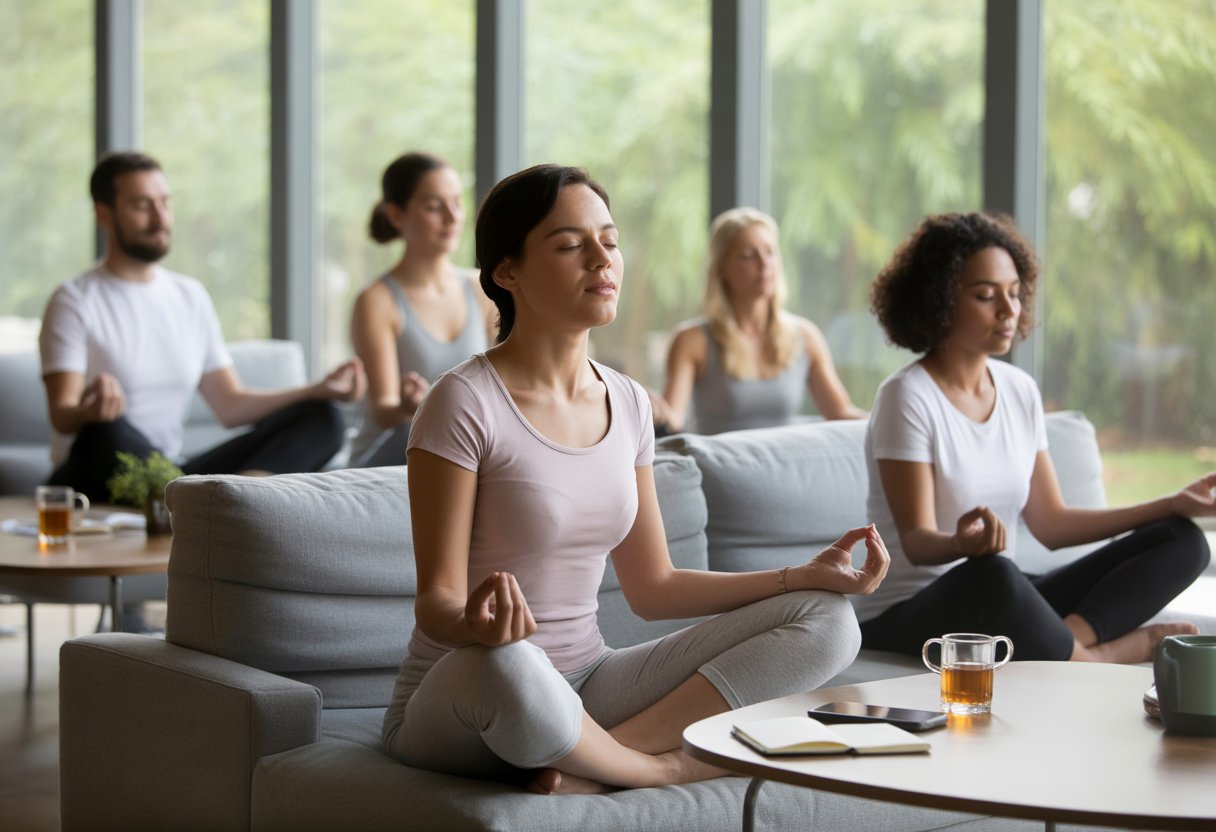
Stress affects both mental and physical health through hormonal changes and bodily responses. Managing these effects requires understanding how prolonged stress impacts mood and learning practical ways to reduce its influence on daily life.
How Chronic Stress Influences Mood
When someone experiences stress, their body releases cortisol and other stress hormones. These chemicals prepare the body to respond to challenges or threats.
Short-term stress is normal and manageable. But when stress continues for weeks or months, it becomes chronic stress. This ongoing state puts pressure on both the mind and body.
Chronic stress can affect mental and physical health[6] in several ways. People may develop anxiety and depression as stress hormones remain elevated. The constant release of these chemicals changes brain chemistry over time.
Other mood-related effects include irritability, feeling overwhelmed, and difficulty concentrating. Memory problems can also develop. Sleep disruptions make these mood issues worse since the body cannot properly rest and recover.
A 2022 survey found that 76% of people experienced at least one stress symptom in the previous month. This shows how common stress-related mood changes have become.
Stress Management Strategies
Simple daily actions can help reduce stress levels. Moving the body through exercise helps release tension and improves mood. This can include walking, dancing, or any physical activity that gets the heart rate up.
Getting enough sleep matters for stress management. Adults need seven to nine hours each night. Going to bed earlier and avoiding screens before sleep helps the body rest properly.
Deep breathing exercises activate the body’s relaxation response. A person breathes slowly through the nose, fills the chest and stomach, then breathes out slowly through the mouth. Repeating this several times can reduce stress quickly.
Social connections also help fight stress. Taking time to message or talk with a friend provides emotional support. These small breaks from stressors can make a big difference in how someone feels throughout the day.

Social media platforms create environments where people constantly measure their lives against others, which directly impacts how they feel about themselves. This ongoing comparison affects self-worth and can leave people wondering why they don’t feel as good as they think they should.
Social Media and Self-Esteem
Research shows teens who use social media heavily are more likely to report feeling persistently sad or hopeless[7], highlighting how viewing others’ posts affects mental well-being. When someone scrolls through carefully curated content showing vacations, achievements, and perfect moments, they see an incomplete picture of reality.
The problem gets worse because people rarely post about their struggles or ordinary days. They share filtered photos and highlight reels. This creates a false baseline for comparison.
Common effects on self-esteem include:
- Feelings of inadequacy about personal achievements
- Body image concerns from comparing appearance
- Doubt about career progress or success
- Questions about relationship quality
Social media doesn’t cause low self-esteem by itself. However, people already struggling with confidence often seek validation through likes and comments, which creates a cycle that makes them feel worse over time.
The Trap of Social Comparison
Comparing yourself to the unrealistic, filtered, and curated lives of others on social media can increase risk of anxiety, depression, and poor body image[8]. The comparison happens almost automatically as people scroll through feeds.
Fear of missing out, or FOMO, develops when someone worries that others are having better experiences. They see friends at parties, colleagues getting promotions, or acquaintances traveling to exotic locations. These posts trigger feelings that their own life doesn’t measure up.
The impact hits teens and young adults especially hard. During these years, people are figuring out their identity and where they belong. Social media taps directly into these developmental needs, making every like and comment feel significant.
People can tell if social media affects them negatively by paying attention to their feelings after using it. If scrolling leaves someone feeling worse about themselves or starts a pattern of unfavorable comparisons, the platform is likely harming their mental health.
Self-Worth, Self-Esteem, and Self-Confidence

These three concepts shape how people view themselves, yet each plays a distinct role. While self-worth represents a person’s core belief in their value, self-esteem reflects how they think and feel about themselves in the moment, and self-confidence relates to their trust in specific abilities.
Building Self-Worth
Self-worth is the foundation of how someone values themselves as a person. Unlike self-esteem, which can change based on circumstances, self-worth remains more stable and unconditional[9].
A person builds self-worth by recognizing their inherent value independent of achievements or external validation. This means understanding that worth doesn’t come from job titles, social media followers, or material possessions. It exists simply because they are human.
Practicing self-compassion strengthens self-worth. When someone treats themselves with kindness during failures or setbacks, they reinforce the idea that their value doesn’t depend on performance. They can acknowledge mistakes without defining themselves by those mistakes.
Challenging negative self-perceptions also helps. Many people tie their worth to specific accomplishments or comparisons with others. Breaking this pattern requires consciously separating actions from identity. A person who performs poorly at work is not a worthless person—they simply had a bad day at work.
Developing Self-Esteem
Self-esteem describes how someone thinks and feels about themselves at any given time. Unlike the stable nature of self-worth, self-esteem fluctuates based on mood, circumstances, performance, and approval from others.
People develop healthy self-esteem by setting realistic expectations for themselves. Someone with strong self-esteem recognizes their strengths without ignoring their weaknesses. They don’t need to excel at everything to feel good about themselves.
Building competence in meaningful areas supports self-esteem growth. When a person develops skills that matter to them, they naturally feel better about their capabilities. This doesn’t mean achieving perfection—it means making progress in areas they care about.
Reducing dependence on external validation protects self-esteem from unnecessary ups and downs. While positive feedback feels good, self-esteem that relies too heavily on others’ opinions becomes unstable[10]. People benefit from developing internal standards for evaluating their efforts.
Boosting Self-Confidence
Self-confidence differs from both self-worth and self-esteem because it focuses on specific abilities rather than overall self-evaluation. Someone can have high self-worth but low confidence in public speaking or athletic skills.
People boost confidence by gaining experience in particular areas. Each small success builds evidence that they can handle similar challenges in the future. Starting with manageable tasks creates momentum before tackling bigger goals.
Preparation reduces anxiety and increases confidence. When someone thoroughly prepares for a presentation, interview, or challenging situation, they naturally feel more capable. This readiness comes from practice and knowledge, not from trying to force positive feelings.
Key confidence builders include:
- Setting specific, achievable goals
- Celebrating small wins along the way
- Learning from setbacks without self-criticism
- Seeking constructive feedback from trusted sources
- Focusing on improvement rather than perfection
Self-confidence grows stronger in domains that matter most to each individual. A person doesn’t need high confidence in every possible area—just in the activities that play important roles in their life.
The Importance of Healthy Relationships
The people in your life directly affect your mental and physical health. Strong connections provide support during hard times, while poor relationships can drain energy and create stress.
How Relationships Shape Well-Being
Research shows that people with healthy relationships experience more happiness and less stress[11]. These connections boost mood, improve overall health, and help people cope with daily challenges.
When someone has supportive people around them, they feel valued and understood. This emotional backing reduces feelings of loneliness and anxiety. Good relationships also encourage better habits like regular exercise, eating well, and getting enough sleep.
Poor relationships have the opposite effect. They can lead to chronic stress, which weakens the immune system and raises the risk of health problems. Toxic connections often leave people feeling exhausted, overlooked, or emotionally drained.
Recognizing and Building Supportive Connections
Open communication forms the foundation of healthy relationships[12]. Both people need to express their thoughts clearly and listen with care. This means addressing needs with patience and working through disagreements calmly.
Trust and honesty matter just as much. When people share their true feelings and follow through on promises, they build deeper bonds. Mutual respect means accepting boundaries, opinions, and individual differences.
Emotional support shows up in daily actions. It includes being present during tough moments, celebrating wins together, and offering encouragement. Setting clear boundaries helps maintain respect and prevents misunderstandings.
Anyone who feels constantly stressed or invisible in a relationship should examine whether it serves their well-being. Building connections with people who offer genuine support makes a real difference in how someone feels each day.
Developing Mindfulness and Practicing Gratitude

Two simple mental practices can help people feel better in their daily lives. Being present in the moment and noticing what’s going well work together to improve mental health and emotional stability.
Mindfulness for Emotional Balance
Mindfulness means paying full attention to the present moment without judging what’s happening. A person notices their thoughts, feelings, and physical sensations as they occur.
This practice helps people respond to difficult situations instead of just reacting to them. When someone faces a stressful event, mindfulness allows them to observe their emotions without getting swept up in chaos.
Practicing mindfulness[13] can help with depression, pain, and stress-related problems. It teaches people to stop ruminating about the past or worrying about the future.
The benefits include:
- Better control over emotional reactions
- Reduced anxiety about future events
- Less dwelling on past mistakes
- Improved ability to handle tough situations
A person can start with just 10 minutes of mindful breathing each day. They sit quietly, focus on their breath, and gently bring attention back when their mind wanders.
The Power of Practicing Gratitude
Gratitude involves intentionally noticing the good things in life. This includes relationships, health, home, work, or even small daily pleasures.
Research shows that practicing gratitude improves mental health[14] and physical well-being. People who regularly acknowledge their blessings experience better moods, improved sleep, and lower stress levels.
The practice also leads to:
- Increased self-esteem
- Enhanced empathy toward others
- Lower levels of aggression
- Reduced inflammation in the body
Someone can start by writing down three things they appreciate each day. They might set a daily alarm to pause and notice what they’re grateful for at that moment.
However, gratitude isn’t meant to cover up real pain or difficult emotions. People still need to process genuine feelings of loss, sadness, or frustration. The goal is balance, not toxic positivity.
Steps to Move Beyond Your Comfort Zone

Breaking free from familiar patterns requires identifying what keeps people stuck and taking deliberate action toward growth. These approaches help individuals expand their capabilities and build confidence through manageable challenges.
Elevate Your Health for Just $29.99/Month
Join the Precision Wellness Subscription at My Healing 365 and get discounted services, priority coaching access, virtual care, and exclusive wellness resources to support your physical, emotional, and hormonal health.
Join for $29.99/MonthRecognizing Comfort Zone Traps
A comfort zone represents a behavioral state where a person operates without anxiety or risk while maintaining steady but limited performance. People often stay in this space because it feels safe and predictable.
Common traps include:
- Routine rigidity: Following the same schedule and habits every day without variation
- Fear of judgment: Avoiding new activities because of what others might think
- Perfectionism: Refusing to try something unless success is guaranteed
- Comparison paralysis: Watching others succeed while staying inactive
Physical signs someone is stuck include feeling bored, restless, or unfulfilled despite life being “fine.” They may talk about wanting change but find excuses to delay action. The comfort zone creates a behavioral state[15] where growth stops happening because there’s no incentive to reach new levels of performance.
Strategies for Personal Growth
Small changes to daily routines offer the easiest starting point. A person might take a different route to work, try an unfamiliar food, or speak up in a meeting when they normally stay quiet.
Effective growth strategies include:
- Starting with low-stakes experiments that build confidence gradually
- Setting specific short-term goals instead of vague aspirations
- Reframing nervousness as excitement rather than fear
- Learning one new skill at a time through classes or practice
Physical challenges like trying a new exercise routine help people experience growth through stepping outside familiar territory[16]. Professional development through public speaking or leadership training stretches capabilities in career contexts. Each small success builds self-efficacy and expands what feels comfortable over time.
Self-Care and Lifestyle Habits for Feeling Your Best
Taking care of your body through proper nutrition, regular movement, and adequate rest directly impacts how you feel each day. These three areas work together to support both physical health and mental well-being.
Physical Health and Nutrition
What you eat affects your energy levels, mood, and overall health. A balanced diet that includes fruits, vegetables, whole grains, and lean proteins provides the nutrients your body needs to function properly.
Staying hydrated is equally important. Drinking enough water throughout the day helps maintain energy and supports cognitive function. Most adults need about 8 glasses of water daily, though individual needs vary.
Key nutrients for feeling your best include:
- B vitamins for energy production
- Omega-3 fatty acids for brain health
- Iron to prevent fatigue
- Vitamin D for mood regulation
- Magnesium for stress management
Limiting processed foods, excessive sugar, and caffeine can prevent energy crashes and mood swings. Regular meals help maintain stable blood sugar levels, which keeps energy consistent throughout the day.
Exercise and Endorphin Release
Physical activity triggers the release of endorphins, which are natural chemicals that improve mood and reduce stress. Even moderate exercise can make a significant difference in how someone feels.
The body responds to movement by producing these feel-good chemicals, which act as natural pain relievers and mood boosters. Regular exercise also improves sleep quality and increases overall energy levels.
Effective forms of exercise include:
- Walking for 30 minutes daily
- Swimming or water aerobics
- Cycling or stationary biking
- Strength training twice weekly
- Yoga or stretching routines
Consistency matters more than intensity. Finding activities that are enjoyable increases the likelihood of maintaining a regular exercise routine.
Rest and Quality Sleep
Sleep affects every system in the body, from immune function to emotional regulation. Adults typically need 7-9 hours of quality sleep each night to feel their best.
Poor sleep can lead to irritability, difficulty concentrating, and decreased motivation. Creating a consistent sleep schedule helps regulate the body’s internal clock.
Sleep hygiene practices include:
- Going to bed at the same time each night
- Keeping the bedroom cool and dark
- Avoiding screens 1 hour before bedtime
- Limiting caffeine after 2 PM
- Creating a relaxing bedtime routine
Rest extends beyond nighttime sleep. Taking short breaks during the day, practicing relaxation techniques, and allowing time for recovery between stressful activities all contribute to feeling better. Different types of self-care[17] work together to support physical and mental health.
Seeking Professional Help When Needed
Sometimes the tools people use to manage stress and difficult emotions aren’t enough. Recognizing when to reach out for professional support and understanding what a psychotherapist offers can make a significant difference in mental health and overall wellbeing.
When to Consider Therapy
Several signs indicate it may be time to seek professional mental health support. When feelings of sadness, anxiety, or irritability persist for weeks or months, therapy can provide needed relief.
Struggling to keep up with daily responsibilities[18] at work, school, or home often signals a need for professional help. Tasks may feel overwhelming, and performance might decline noticeably.
Loss of interest in activities once enjoyed is another important indicator. When hobbies and social activities no longer bring pleasure, a psychotherapist can help identify underlying issues.
Changes in sleep patterns or appetite that persist deserve attention. Sleeping too much or too little, or experiencing significant shifts in eating habits, can point to mental health concerns.
People who find themselves withdrawing from friends and family should consider therapy. Social isolation often worsens mental health struggles rather than resolving them.
Physical symptoms without clear medical causes may be stress-related. Frequent headaches, digestive problems, or chronic pain linked to emotional distress benefit from therapeutic intervention.
How a Psychotherapist Can Help
A psychotherapist provides professional guidance to address mental health challenges and develop effective coping skills[19]. These trained professionals use evidence-based techniques to help people understand their thoughts, feelings, and behaviors.
Therapy offers a safe space to explore difficult emotions and experiences. Psychotherapists listen without judgment and help clients identify patterns that may be causing distress.
Different therapeutic approaches address various needs. Cognitive behavioral therapy helps change unhelpful thought patterns. Other methods focus on past experiences, relationships, or specific symptoms.
Working with a psychotherapist teaches practical strategies for managing stress and anxiety. Clients learn tools they can use outside of sessions to handle challenging situations.
Even without a diagnosed mental health condition[20], people feeling down or stressed can benefit from therapy. Professional support complements self-help activities like exercise and healthy eating.
Regular therapy sessions provide accountability and structure for mental health improvement. Progress happens gradually as clients practice new skills and gain insights about themselves.
Frequently Asked Questions
Many people struggle with physical discomfort, emotional dissatisfaction, and feelings of inadequacy that affect their daily lives. Understanding the common reasons behind these struggles can help someone identify what might be impacting their wellbeing.
Why do I consistently feel unwell physically?
Chronic physical discomfort often stems from poor sleep habits, inadequate nutrition, or lack of regular movement. When someone doesn’t get enough rest, their body cannot repair itself properly. This leads to fatigue, weakened immunity, and increased sensitivity to pain.
Dehydration is another common culprit that many people overlook. The body needs sufficient water to function properly, and even mild dehydration can cause headaches, dizziness, and low energy levels.
Underlying medical conditions like thyroid problems, vitamin deficiencies, or chronic infections may also be responsible. Anyone experiencing persistent physical symptoms should visit a healthcare provider to rule out medical causes.
Is it typical to feel dissatisfied despite seemingly having it all?
Feeling unfulfilled despite external success is more common than most people realize. This often happens when someone’s daily activities don’t align with their core values or personal interests. External achievements like money, status, or possessions cannot create lasting satisfaction if internal needs remain unmet.
Social comparison plays a significant role in this dissatisfaction. When people constantly measure themselves against others on social media or in their community, they may feel inadequate regardless of their accomplishments.
A lack of meaningful connections or purpose can also create emptiness. Having material comfort doesn’t automatically provide the deep relationships or sense of contribution that humans need to feel truly satisfied.
Why am I unable to find joy when I’m by myself?
Difficulty enjoying solitude often indicates an uncomfortable relationship with one’s own thoughts and feelings. Some people have become so accustomed to constant distraction that silence feels threatening or boring. They may fear facing difficult emotions or unresolved issues that surface when alone.
Low self-esteem[21] can make someone believe they aren’t worthy of enjoying their own company. These individuals may rely heavily on external validation from others to feel good about themselves.
Past experiences of loneliness or abandonment can create negative associations with being alone. Someone might confuse healthy solitude with painful isolation from their past.
What could be causing a lack of happiness in my personal relationships?
Poor communication patterns create significant relationship dissatisfaction. When people don’t express their needs clearly or listen actively to others, misunderstandings and resentment build over time. Unspoken expectations often lead to disappointment when partners, friends, or family members fail to meet needs they didn’t know existed.
Boundary issues frequently cause relationship unhappiness. Someone who consistently prioritizes others’ needs over their own will eventually feel drained and resentful.
Incompatible values or life goals can create ongoing tension. When two people want fundamentally different things from life or relationships, neither person may feel truly satisfied even if they care about each other.
Is it normal to feel as though my efforts are never sufficient?
Many people struggle with feelings of inadequacy[22] regardless of their actual accomplishments. This often develops from childhood experiences where love or approval seemed conditional on performance. Someone raised in an environment with unrealistic expectations may internalize the belief that they must be perfect to be worthy.
Perfectionism drives many people to set impossibly high standards for themselves. They focus exclusively on what they haven’t achieved rather than acknowledging their progress.
Comparing oneself to others creates a moving target. There will always be someone who appears more successful, attractive, or talented in any given area.
What might be the reasons behind a persistent feeling of unhappiness in life?
Chronic unhappiness often results from unaddressed mental health conditions like depression or anxiety. These conditions affect brain chemistry and make it difficult to experience positive emotions, regardless of external circumstances. Professional treatment can make a significant difference when mental health issues are the underlying cause.
A lack of meaningful goals or direction leaves many people feeling adrift. When someone doesn’t have something to work toward or a sense of purpose, days can feel monotonous and empty.
Unresolved trauma or past experiences may continue affecting someone’s current emotional state. Painful memories or learned patterns from difficult situations can create ongoing distress even years later. Working with a therapist can help someone process these experiences and develop healthier coping strategies.
Post Views: 15
References
- Why Do I Think I’m Not Good Enough?. https://psychcentral.com/health/not-good-enough Accessed March 12, 2026
- Always Left Feeling Not Good Enough? The Real Reasons Why. https://www.harleytherapy.co.uk/counselling/feeling-not-good-enough.htm Accessed March 12, 2026
- mental health. https://www.betterhelp.com/advice/self-esteem/why-do-i-feel-like-i-am-not-good-enough/ Accessed March 12, 2026
- Mental Disorders | Mental Illness. https://medlineplus.gov/mentaldisorders.html Accessed March 12, 2026
- Mental Disorders: Types, Causes & Symptoms. https://my.clevelandclinic.org/health/diseases/22295-mental-health-disorders Accessed March 12, 2026
- Understanding How Stress Affects the Body. https://www.heart.org/en/healthy-living/healthy-lifestyle/stress-management/lower-stress-how-does-stress-affect-the-body Accessed March 12, 2026
- The Impact of Social Comparison on Teens and Ways to Cope. https://missionprephealthcare.com/mental-health-resources/social-interpersonal-symptoms/social-comparison/ Accessed March 12, 2026
- Understanding social comparison on social media. https://jedfoundation.org/resource/understanding-social-comparison-on-social-media/ Accessed March 12, 2026
- Just a moment…. https://www.choosingtherapy.com/self-worth-vs-self-esteem/ Accessed March 12, 2026
- What is Self-Worth & How Do We Build it? (Incl. Worksheets). https://positivepsychology.com/self-worth/ Accessed March 12, 2026
- 10 Tips for Healthy Relationships | Healthy Relationships. https://www.amherst.edu/campuslife/health-safety-wellness/counseling/self_care/healthy_relationships/10_tips_for_health_relationships Accessed March 12, 2026
- The Psychology of Healthy Relationships Explained. https://insightspsychology.org/psychology-of-healthy-relationships/ Accessed March 12, 2026
- Mindfulness & Gratitude: Why and How They Should Pair. https://psychcentral.com/blog/how-gratitude-and-mindfulness-go-hand-in-hand Accessed March 12, 2026
- How to Practice Gratitude. https://www.mindful.org/an-introduction-to-mindful-gratitude/ Accessed March 12, 2026
- How to Leave your Comfort Zone and Enter your ‘Growth Zone’. https://positivepsychology.com/comfort-zone/ Accessed March 12, 2026
- Just a moment…. https://restless.co.uk/health/healthy-mind/ways-to-step-outside-of-your-comfort-zone/ Accessed March 12, 2026
- Different types of self-care. https://www.verywellmind.com/self-care-strategies-overall-stress-reduction-3144729 Accessed March 12, 2026
- Beyond Feeling “Off”: When to Consider Professional Mental Health Support. https://www.psychreg.org/beyond-feeling-off-when-consider-professional-mental-health-support/ Accessed March 12, 2026
- 8 Signs It’s Time To Seek Professional Support. https://www.thoughtfull.world/resources/blog/8-signs-its-time-to-seek-professional-support Accessed March 12, 2026
- Signs It’s Time to Consult a Mental Health Professional. https://recovered.org/blog/when-to-get-help-for-your-mental-health Accessed March 12, 2026
- Low self-esteem. https://www.verywellmind.com/i-m-not-good-at-anything-combatting-low-self-esteem-5216365 Accessed March 12, 2026
- Overcoming Feelings of Inadequacy for Self-Worth. https://reachlink.com/advice/low-self-esteem/overcoming-the-not-good-enough-feeling-a-guide-to-self-worth/ Accessed March 12, 2026























