Medically Reviewed
Dr. Jose Rossello, MD, PhD, MHCM
Preventive Medicine & Public Health Specialist
Last Reviewed: March 30, 2026
Most people want longer hair but don’t know where to start. Hair naturally grows about a quarter to half an inch per month, and while you can’t speed up this base rate, you can improve hair quality and reduce breakage to keep more strands growing longer. The good news is that simple changes to your daily routine can make a real difference.
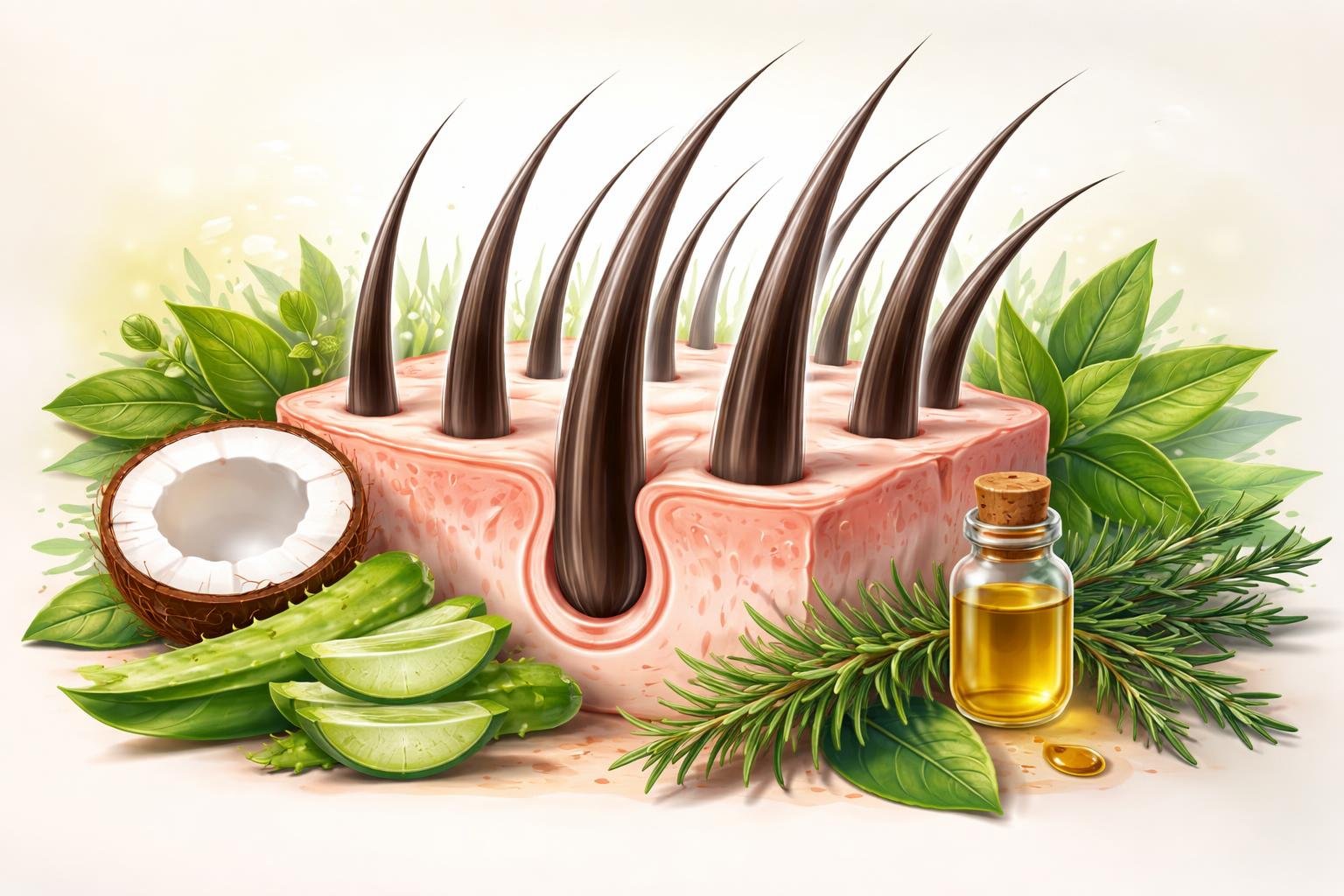
Growing hair faster naturally involves taking care of your scalp, eating the right foods, and avoiding damage. Scalp massages can enhance blood flow[1] and strengthen hair roots. Using natural oils, adjusting your diet, and being gentle with your hair all help strands stay healthy and reach their full length.
This guide covers proven methods that work. From DIY treatments to daily habits, these tips focus on keeping hair strong and preventing it from breaking before it gets long.
Table of Contents
Key Takeaways
- Healthy hair growth starts with good scalp care and proper nutrition that feeds hair follicles
- Avoiding heat damage and being gentle when brushing prevents breakage that stops hair from getting longer
- Natural oils and treatments like castor oil and egg masks can strengthen strands and improve hair quality
Understanding the Hair Growth Cycle
Hair grows in a specific pattern that repeats throughout a person’s life, with each strand going through distinct phases that determine length and thickness. The health of hair follicles and various internal and external factors directly impact how quickly hair grows and how long it stays on the scalp.
Phases of Hair Growth
The hair growth cycle consists of three main phases that each hair follicle experiences independently. The anagen phase is the active growth period that lasts two to seven years, during which cells in the hair follicle divide rapidly to form the hair shaft. About 85 to 90 percent of scalp hair is in this phase at any given time.
The catagen phase is a short transition period lasting about two to three weeks. During this time, the hair follicle shrinks and detaches from the blood supply, which stops active growth.
The telogen phase is the resting period that lasts around three months. At the end of this phase, the hair strand falls out naturally and the follicle remains dormant before starting a new anagen phase. A person typically sheds 50 to 100 hairs daily as part of this normal cycle.
Factors That Affect Growth Speed
Several elements influence how quickly hair moves through its growth cycle and how strong strands become[2]. Genetics plays the primary role in determining growth rate, with most people’s hair growing about a quarter to half inch per month.
Age naturally slows hair growth as people get older, with follicles producing finer strands over time. Hormonal changes from pregnancy, thyroid conditions, or menopause can trigger hair thinning or temporary hair loss.
Nutritional deficiencies in protein, iron, or vitamins can weaken hair follicles and slow growth. Medical conditions like androgenetic alopecia and alopecia areata directly interfere with the natural hair growth cycle, causing pattern baldness or patchy hair loss. Stress levels and certain medications also impact how efficiently follicles produce new hair strands.
Signs of Healthy Hair
Healthy hair demonstrates specific characteristics that indicate strong follicles and proper growth cycles. Minimal breakage when brushing or styling shows that strands have good structural integrity and protein content.
Consistent hair density across the scalp without noticeable thinning patches suggests that most follicles remain active in the anagen phase. Hair that feels smooth and elastic when wet indicates adequate moisture and protein balance within the hair shaft.
Limited shedding of fewer than 100 strands per day falls within the normal telogen phase range. Strands that grow at a steady pace without prolonged stalling periods reflect well-functioning follicles that successfully complete each growth cycle phase.
Optimizing Scalp Health
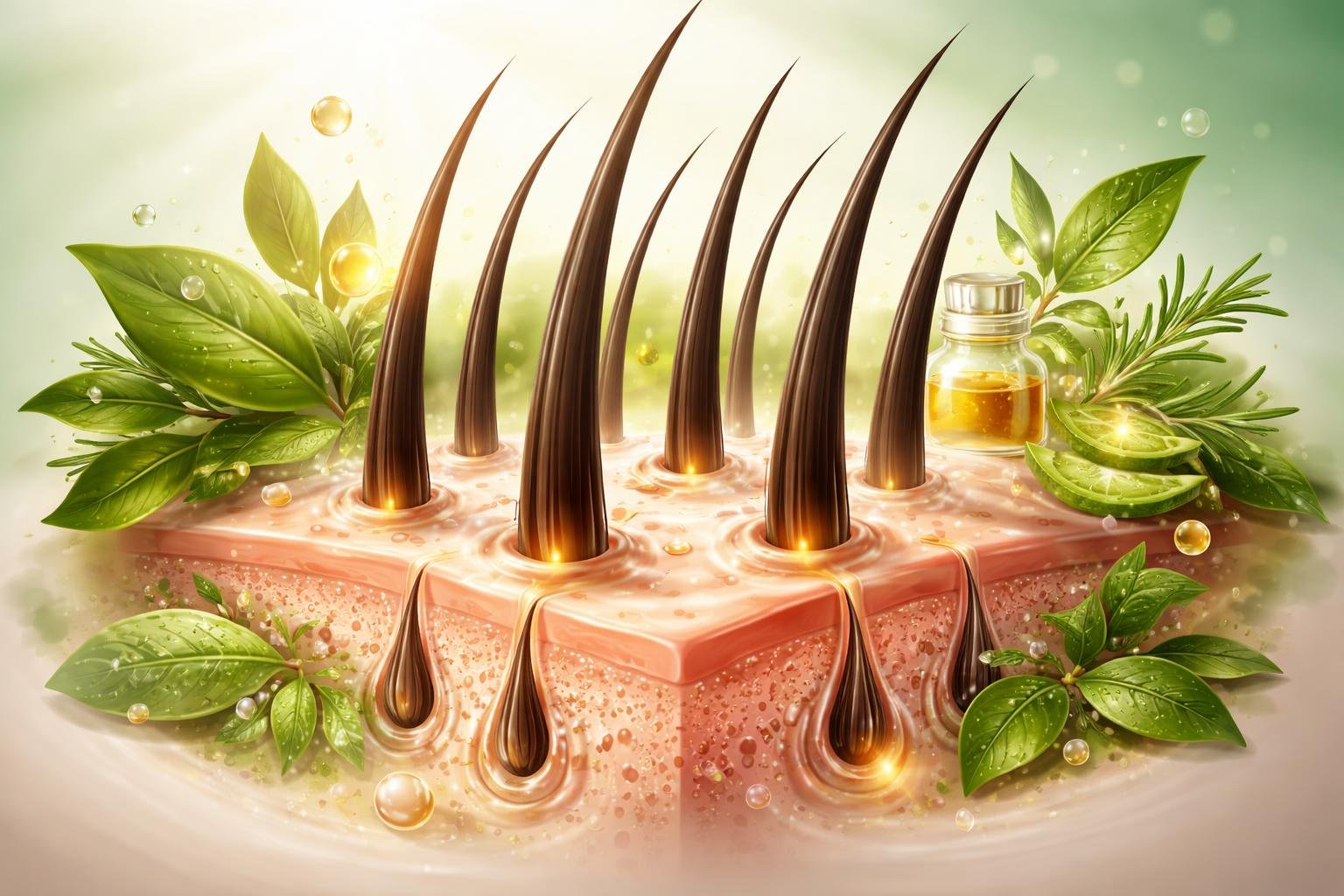
A healthy scalp creates the foundation for faster hair growth by supporting strong follicles and improving nutrient delivery. Regular scalp care practices can enhance blood flow, reduce buildup, and create better conditions for hair to thrive.
Scalp Massage Techniques
Scalp massage increases blood flow[1] to the follicles, which helps deliver oxygen and nutrients needed for healthy growth. A person can perform a simple massage by using their fingertips to apply gentle pressure in small circular motions across the entire scalp.
The massage should last between 5 to 10 minutes for best results. Starting at the hairline and working toward the crown helps ensure full coverage. Applying light to medium pressure stimulates circulation without causing damage.
Adding nutrient-rich oils during the massage doubles the benefits. Rosemary oil dilates blood vessels and stimulates follicles to produce new growth. A person should perform scalp massage once or twice per week as part of their hair care routine.
Benefits of Scalp Treatments
Scalp treatments address specific issues that can slow hair growth, such as buildup, dryness, or fungal infections. Hot castor oil treatments[1] provide omega-6 fatty acids, vitamin E, and proteins that nourish the scalp and hair shaft.
To apply a hot oil treatment, a person should massage the oil into their scalp and through their hair. Covering the hair with a shower cap and applying heat from a blow dryer for 15 minutes helps the scalp absorb nutrients. The antimicrobial properties in castor oil also combat infections that prevent growth.
Other treatments like egg yolk masks provide lecithin and protein to strengthen roots. These treatments work best when used weekly or biweekly depending on scalp condition.
Improving Scalp Circulation
Better scalp circulation ensures follicles receive adequate blood supply to support growth. Physical activity increases overall blood flow throughout the body, including the scalp. Regular exercise helps deliver nutrients more efficiently to hair follicles.
Methods to boost circulation:
- Daily scalp massage with or without oils
- Regular physical exercise
- Avoiding tight hairstyles that restrict blood flow
- Using a brush with rounded bristles
Tight braids and ponytails can damage follicles and reduce circulation over time. Choosing looser styles allows blood to flow freely to the roots. A person should also avoid smoking, as it restricts blood flow to the scalp and limits oxygen delivery to follicles.
Elevate Your Health for Just $29.99/Month
Join the Precision Wellness Subscription at My Healing 365 and get discounted services, priority coaching access, virtual care, and exclusive wellness resources to support your physical, emotional, and hormonal health.
Join for $29.99/MonthEssential Natural Remedies for Faster Hair Growth
Natural hair growth remedies work by nourishing the scalp, strengthening hair follicles, and improving blood circulation to promote healthier strands. Simple ingredients like oils, masks, and rinses can make a measurable difference when used consistently.
Using Natural Oils
Natural oils penetrate the hair shaft and scalp to deliver nutrients that support growth and reduce breakage. Coconut oil stands out because it reduces protein loss in hair and protects strands from damage. A person should warm the oil slightly and massage it into the scalp 2-3 times per week for best results.
Jojoba oil closely mimics the scalp’s natural oils, making it excellent for moisturizing without leaving a greasy residue. It helps unclog hair follicles and creates an environment where hair can grow more efficiently.
Castor oil contains ricinoleic acid, which improves blood flow to the scalp and strengthens hair roots. Because it’s thick, mixing it with a lighter oil like coconut or jojoba makes application easier. Warm oil treatments work better than cold applications because heat helps the oils absorb deeper into the scalp.
Homemade Hair Masks
Hair masks deliver concentrated nutrition directly to the hair and scalp. An egg mask provides protein that strengthens weak strands and prevents breakage. One egg mixed with a tablespoon of olive oil creates an effective treatment that should sit on the hair for 20 minutes before rinsing.
Aloe vera masks soothe the scalp while unblocking hair follicles[3] and reducing dandruff. Fresh aloe gel applied for 30 minutes delivers enzymes that promote healthy growth.
Fenugreek seed masks contain proteins and nicotinic acid that encourage follicle activity. A person soaks the seeds overnight, grinds them into a paste, and applies it to the scalp for 30-45 minutes. These masks work best when used once or twice weekly as part of a consistent routine.
Rice Water and Apple Cider Vinegar Rinses
Rice water rinse has gained attention for its amino acids and vitamins that strengthen hair. After rinsing rice, a person saves the cloudy water and lets it ferment for 12-24 hours. The fermented liquid gets diluted with regular water and poured over clean hair as a final rinse 1-2 times weekly.
An apple cider vinegar rinse balances the scalp’s pH and removes product buildup that can slow growth. Mixing one part vinegar with three parts water creates a safe solution. This rinse smooths the hair cuticle and adds shine while creating better conditions for growth.
Both rinses should stay on the hair for a few minutes before a final water rinse. They work differently but complement each other when alternated throughout the week.
Rosemary and Other Essential Oils
Rosemary essential oil has shown effectiveness comparable to minoxidil[3] in clinical studies for promoting hair growth. A person adds 3-5 drops to a tablespoon of carrier oil and massages it into the scalp. The oil stimulates circulation and encourages follicles to enter the growth phase.
Peppermint oil increases blood flow to the scalp, creating a tingling sensation that signals improved circulation. Lavender oil offers both growth benefits and stress reduction, which matters because stress can slow hair growth.
Essential oils must always be diluted in carrier oils like jojoba, coconut, or sweet almond oil before application. Undiluted oils can irritate the scalp. A scalp massage with these oils for 5-10 minutes maximizes their effectiveness by combining the benefits of improved circulation with the oils’ active compounds.
Nutrition and Supplements for Healthy Hair

Getting the right nutrients through food and targeted supplementation can support stronger, healthier hair growth. Specific vitamins and minerals play essential roles in the hair growth cycle, while certain foods provide the building blocks hair follicles need to thrive.
Key Vitamins and Minerals
Hair follicles are among the most metabolically active cells in the body and require consistent nutrient support. Vitamin D deficiency affects 35% of U.S. adults[4] and is linked to hair loss conditions like alopecia areata and pattern baldness.
Iron stands out as the most common nutrient deficiency worldwide. Low iron stores are associated with telogen effluvium, a condition causing sudden hair loss. Hair cells need adequate oxygen supply, and iron deficiency impedes that process.
Zinc supports DNA repair and follicle cycling. Deficiency has been connected to both telogen effluvium and alopecia areata.
Vitamin C serves two critical functions: it aids collagen production for hair structure and enhances iron absorption. Without sufficient vitamin C, hair can become dry and brittle.
Vitamin A activates follicular development, but balance matters. Both deficiency and excess can trigger hair loss, making proper dosing important.
Benefits of Biotin Supplements
Biotin, or vitamin B7, is essential for keratin production—the main protein component of hair. However, true biotin deficiency is rare[4] outside of specific medical conditions.
Clinical data shows biotin supplements primarily benefit people with confirmed deficiencies rather than the general population. Despite heavy marketing of biotin supplements for hair growth, most people get adequate amounts through their regular diet.
Those who do supplement should exercise caution. High doses can interfere with medical test results, including thyroid, hormone, and cardiac markers. Excessive biotin may also cause insomnia and increased thirst.
People concerned about potential deficiencies should get tested before starting any supplement regimen. This approach ensures they address actual nutritional gaps rather than supplementing unnecessarily.
Foods That Promote Growth
A nutrient-dense diet provides the foundation for healthy hair growth. Leafy greens, eggs, and fatty fish[5] contain high levels of protein, omega-3 fatty acids, iron, and B-complex vitamins that aid hair growth.
Top food choices include:
- Fatty fish (salmon, mackerel) for omega-3s and protein
- Eggs for biotin, protein, and B vitamins
- Leafy greens (spinach, kale) for iron and vitamins
- Legumes for plant-based protein and zinc
- Nuts and seeds for healthy fats and minerals
- Citrus fruits for vitamin C to boost iron absorption
Red meat provides highly absorbable iron, though plant-based sources paired with vitamin C work well for those avoiding meat. Getting nutrients through food remains more effective than relying solely on supplements. The body absorbs and utilizes nutrients from whole foods more efficiently than isolated supplements.
Smart Hair Care Habits to Prevent Breakage
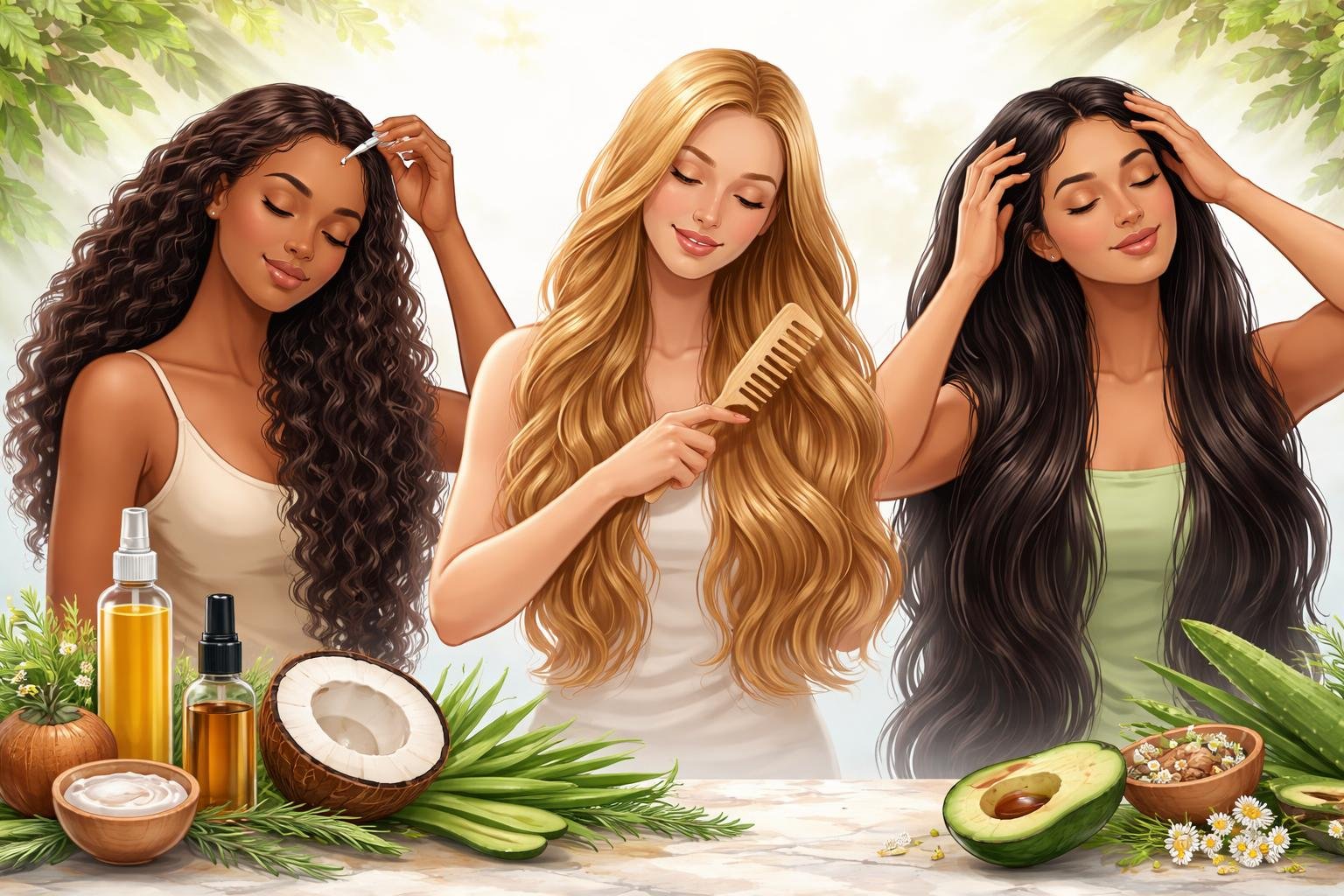
Protecting hair from damage requires the right products and techniques to keep strands strong from root to tip. Simple changes to daily routines can reduce breakage and create better conditions for healthy growth.
Regular Trims and Preventing Splits
Getting rid of split ends[1] through regular trims is essential for maintaining hair health. Split ends work their way up the hair shaft when left untreated, causing more breakage and damage. This prevents hair from reaching its full length potential.
Most people need trims every six weeks to six months depending on their hair condition and daily routine. Better daily care means less frequent trims are needed. Someone with minimal heat styling and gentle handling can wait longer between cuts than someone who regularly uses hot tools.
Clear communication with a stylist prevents taking off too much length. Hair thickness and individual hair goals should guide how often someone schedules appointments. The key is removing just enough damaged ends to prevent further splitting while preserving as much length as possible.
Choosing the Right Shampoo and Conditioner
Over-shampooing strips hair of natural oils and leads to dry, brittle strands prone to breaking. People with thicker, coarser hair can go several days between washes. Those with finer hair may need more frequent washing but should use sulfate-free shampoo to minimize damage.
Dry shampoo helps extend time between washes by absorbing excess oil at the roots. This reduces how often hair needs cleansing and limits exposure to harsh ingredients. Different hair types require different washing schedules to maintain the right moisture balance.
Conditioner adds back moisture and creates a protective barrier around each strand. Products containing keratin strengthen hair and prevent future breakage by coating strands with essential nutrients.
Tools for Gentle Detangling
The wrong tools and techniques during detangling cause unnecessary breakage. A wide tooth comb or wet brush with rounded bristles prevents damage when working through knots. Metal bristles can snag and tear hair, especially when it’s fragile.
Detangling should happen before shampooing rather than after. Hair is most vulnerable when wet and stretches easily, making it prone to breaking. Working through tangles on dry hair reduces this risk significantly.
Starting at the ends and working upward prevents knots from getting worse. Quick, forceful brushing tears through strands and creates split ends. Taking time to gently separate tangles preserves hair integrity and supports length retention.
Minimizing Damage from Styling and Environment
Daily styling habits and environmental factors can slow hair growth by causing breakage and weakness. Protecting strands from heat damage and friction helps hair reach its full length potential.
Limiting Heat Styling
Heat tools like blow dryers, flat irons, and curling wands can damage hair by making it dry and brittle. This leads to breakage and shorter hair length. Avoiding heat tools[1] allows hair to maintain its natural strength and moisture.
Air-drying hair is the safest option for growth. People who must use heat tools should reduce the frequency to once or twice per week instead of daily.
The temperature setting matters just as much as frequency. Lower heat settings between 300-350°F cause less damage than maximum temperatures. Wet hair is especially vulnerable to heat damage, so hair should be at least 60% dry before applying any hot tools.
Heat-Free Styling Options:
- Braiding damp hair for waves
- Foam rollers for volume
- Twist-outs for curls
- Air-drying with product for natural texture
Using Heat Protectant Products
Heat protectant sprays create a barrier between hair and styling tools. These products reduce damage when heat styling cannot be avoided[1].
The protective barrier works by coating each strand with ingredients like silicones or proteins. This coating helps distribute heat more evenly and prevents direct contact with extreme temperatures.
Application technique affects how well these products work. Heat protectant should be applied to damp hair before blow-drying or to dry hair before using flat irons or curling wands. Hair should be divided into sections to ensure every strand receives coverage.
Products containing keratin offer dual benefits by protecting against heat while strengthening hair. Look for formulas that specify protection up to 450°F for maximum safety.
Switching to Silk Pillowcases
Cotton pillowcases absorb moisture from hair and create friction during sleep. Silk or satin pillowcases[1] reduce this friction and help hair retain its natural oils.
The smooth surface of silk allows hair to glide rather than tug and snag. This prevents the breakage and split ends that occur from tossing and turning throughout the night.
Silk also helps maintain hairstyles longer and reduces morning tangles. Hair stays smoother and requires less manipulation to style, which means less daily damage. People with textured or curly hair notice the biggest difference since their hair is more prone to friction damage.
Satin pillowcases offer similar benefits at a lower price point than pure silk options. Both materials work equally well for protecting hair during sleep.
Addressing Hair Loss and Advanced Solutions
Some hair loss requires professional evaluation and treatment, especially when natural methods aren’t enough. Understanding when to seek help and weighing medication options against natural approaches helps people make informed decisions about their hair health.
When to See a Specialist
People should consult a dermatologist or hair restoration specialist when they notice sudden or severe hair loss. Several types of hair loss exist[1], and identifying the root cause determines the best treatment approach.
Warning signs that require professional evaluation include:
- Losing more than 50 to 100 strands daily[6]
- Patchy bald spots that may indicate alopecia areata
- Thinning hair that follows a pattern typical of androgenetic alopecia
- Hair loss accompanied by scalp irritation or inflammation
A specialist can diagnose specific conditions and recommend targeted treatments. They may test for nutritional deficiencies, hormone imbalances, or underlying health conditions that contribute to hair loss. Early intervention often leads to better outcomes for hair regrowth.
Medications vs. Natural Solutions
Minoxidil, sold as Rogaine, is an FDA-approved topical treatment that can slow hair loss progression. Over-the-counter minoxidil extra strength[1] works by extending the growth phase of hair follicles.
Natural solutions offer gentler alternatives. Scalp massages increase blood flow to follicles without side effects. Castor oil treatments provide omega-6 fatty acids and vitamin E[1] that nourish the scalp and may promote growth.
Key differences:
| Medications | Natural Solutions |
|---|---|
| Faster results | Gradual improvement |
| Possible side effects | Generally safe |
| Ongoing cost | Lower expense |
| Requires consistency | Requires patience |
The choice depends on the severity of hair loss and personal preferences. Many people combine both approaches to prevent hair loss while supporting overall scalp health. Certain prescription medications can worsen hair loss[1], so discussing all options with a doctor helps create an effective treatment plan.
Frequently Asked Questions
Natural hair growth involves understanding which treatments work best and how lifestyle choices affect results. Most people can expect to see improvements through consistent use of proven methods and nutrient-rich approaches.
What are some effective home remedies for faster hair growth?
Egg yolk masks strengthen and nourish hair strands[7] due to their high lecithin and protein content. To make this treatment, a person should mix two eggs with two tablespoons of olive oil and half a cup of water, then apply it to dry hair for up to 30 minutes before washing.
Hot castor oil treatments provide anti-fungal and antibacterial properties[7] while delivering omega-6 fatty acids and vitamin E to the scalp. The treatment involves massaging the oil into the scalp and hair, covering it with a shower cap, and applying heat with a blow dryer for 15 minutes.
Cinnamon masks stimulate blood circulation to the scalp. A person can mix equal parts cinnamon and coconut oil, apply it to the roots, and leave it on for 45 minutes before rinsing.
Rosemary oil dilates blood vessels and stimulates follicles to produce new growth. This oil has been used for centuries as a natural hair growth promoter.
Can certain foods promote quicker hair growth naturally?
Omega-3 fatty acids nourish hair follicles[7] and give strands a strong, shiny appearance. The body cannot produce omega-3s on its own, making dietary intake essential.
Great food sources of omega-3s include salmon, tuna, flaxseed, walnuts[7], and plant oils such as soybean and canola oil. These healthy fats are easier for the body to utilize than supplements.
Foods rich in vitamins and minerals deliver nutrients in ratios that the body can process naturally. This approach proves more effective than taking supplements with unnecessarily large amounts of biotin or other vitamins that can cause side effects like breakouts.
What daily habits contribute to increasing hair growth speed?
Regular scalp massages increase blood flow to the scalp and help nutrients reach follicles faster. A person can perform these massages with dry hair or add nutrient-rich oils for additional benefits.
Limiting heat styling prevents dry and brittle hair that leads to breakage[7]. Air-drying hair and avoiding styling irons helps maintain strand integrity and length.
Gentle brushing practices prevent breakage and split ends. Using a wide-toothed comb or detangling brush with rounded bristles works better than metal bristles, and combing through knots before washing proves less damaging than detangling wet hair.
Sleeping on silk pillowcases generates less friction[7] than cotton and prevents moisture absorption from strands. This reduces tangles and breakage overnight.
Avoiding over-shampooing preserves natural oils that protect hair from becoming dry and brittle. The frequency depends on hair type, with thicker hair requiring less frequent washing than finer textures.
Are there any natural overnight treatments to boost hair growth?
Castor oil treatments can be left on overnight for deeper penetration. A person should massage the oil into the scalp and through the hair ends, then cover with a shower cap or silk scarf to protect bedding.
Coconut oil combined with cinnamon makes an effective overnight mask. This combination nourishes strands while stimulating circulation to the scalp.
Silk or satin pillowcases protect hair health during sleep[7] by creating a softer surface that reduces friction. While this does not speed up growth directly, it prevents breakage that would otherwise slow visible length gains.
How can I naturally accelerate hair growth within a month?
Hair grows approximately a quarter to half an inch per month on average[7], and this rate cannot be significantly sped up. However, a person can improve the quality and thickness of new growth through proper care.
Consistent scalp massages throughout the month stimulate blood flow and keep more follicles in the active growing phase. Adding rosemary oil to these massages enhances the stimulating effect.
Using keratin-based products strengthens hair[7] and prevents breakage by coating strands with protective proteins and essential oils. This creates an ideal environment for healthy growth.
Avoiding bleach protects hair quality[7] and prevents breakage that limits visible length. Even one damaging bleach session can cause hair to break off at a certain point.
Reducing stress levels helps prevent hair loss that occurs from chronic or severe stress. Some autoimmune conditions affecting hair growth can be triggered or worsened by stress.
What are the best techniques to encourage hair regrowth in a few weeks?
Regular trims every six weeks to six months remove split ends[7] that would otherwise travel up the hair shaft and cause more breakage. Clear communication with a stylist prevents excessive length removal.
Avoiding tight hairstyles like braids or ponytails prevents follicle damage[7]. Pulling hair back tightly can harm the follicle where growth originates and worsen hair loss.
Weekly treatments with egg yolks or hot oil provide concentrated nourishment. The high sulfur content in eggs may also help with dandruff that can interfere with healthy growth.
[Quitting smoking improves blood flow to the scalp and follicles](https://www.byrdie.com/[8]
Post Views: 7
References
- Scalp massages can enhance blood flow. https://www.byrdie.com/how-to-make-hair-grow-faster-naturally-11904893 Accessed March 31, 2026
- How to Boost Your Hair Growth Cycle Naturally. https://www.hairobicsallnatural.com/hair-blog/how-to-boost-your-hair-growth-cycle-naturally/ Accessed March 31, 2026
- 12 Proven Home Remedies for Faster Hair Growth (Backed by Science!). https://serenitytalks.com/12-proven-home-remedies-for-faster-hair-growth-backed-by-science/ Accessed March 31, 2026
- forbes.com. https://www.forbes.com/health/supplements/best-vitamins-and-supplements-for-hair-growth/ Accessed March 31, 2026
- Leafy greens, eggs, and fatty fish. https://www.verywellhealth.com/foods-for-hair-growth-11700430 Accessed March 31, 2026
- 50 to 100 strands daily. https://www.verywellhealth.com/home-remedies-for-hair-growth-8599227 Accessed March 31, 2026
- Egg yolk masks strengthen and nourish hair strands. https://www.byrdie.com/how-to-make-hair-grow-faster-naturally-4686865 Accessed March 31, 2026
- https://www.byrdie.com/. https://www.byrdie.com/ Accessed March 31, 2026

























