Medically Reviewed
Dr. Jose Rossello, MD, PhD, MHCM
Preventive Medicine & Public Health Specialist
Last Reviewed: March 30, 2026
Mental health challenges affect millions of people worldwide, and finding simple ways to support emotional well-being has become more important than ever. Many people wonder if their daily habits, like skincare or makeup application, could actually make a difference in how they feel. The answer might surprise those who dismiss beauty practices as purely superficial.
Research shows that beauty routines can genuinely improve mental health[1] by providing structure, boosting confidence, and creating opportunities for mindfulness. These daily rituals offer more than just physical benefits. They create moments of calm in busy schedules and help people feel more in control of their lives.
The connection between beauty practices and emotional wellness goes deeper than most realize. From reducing anxiety through mindful activities to building self-esteem through personal care, these routines serve multiple purposes. Understanding how beauty practices connect to emotional health[2] can help people make the most of their daily self-care habits while avoiding potential pitfalls related to unrealistic beauty standards.
Table of Contents
Key Takeaways
- Beauty routines provide structure and predictability that can reduce feelings of chaos and overwhelm
- Daily self-care practices boost confidence and serve as acts of self-love that improve emotional well-being
- Mindful beauty activities create therapeutic moments but must be balanced against unrealistic beauty standards
The Link Between Beauty Routines and Mental Health
The relationship between beauty practices and mental wellness operates through multiple biological and psychological pathways. Research in psychodermatology shows that skin health and emotional states influence each other through complex nervous system connections.
Understanding the Mind-Beauty Connection
The connection between appearance-focused activities and emotional well-being stems from both psychological and physiological mechanisms. When someone engages in beauty routines, their brain releases dopamine and serotonin, which are neurotransmitters associated with pleasure and mood regulation.
Beauty routines can boost mental health[1] through several measurable pathways. These activities provide structure, promote mindfulness, and create opportunities for self-care. The repetitive nature of skincare or makeup application can trigger relaxation responses similar to meditation.
Studies indicate that one in four people experiences a mental health problem each year in England. Among young women aged 16-24, over a quarter report having a common mental health issue in any given week. These statistics highlight the need for accessible coping strategies.
Overview of Psychodermatology
Psychodermatology is a medical field that examines the relationship between psychological processes and skin conditions. This specialty recognizes that emotional states can trigger or worsen skin problems like acne, eczema, and psoriasis.
The field works at the intersection of dermatology, psychiatry, and psychology. Practitioners in this area treat patients whose skin conditions have psychological roots or consequences. They also address how chronic skin conditions affect mental health.
Common psychodermatological conditions include:
- Stress-induced acne breakouts
- Anxiety-related skin picking disorders
- Depression linked to chronic skin conditions
- Body dysmorphic disorder focused on perceived skin flaws
Recent research shows that mental and emotional well-being has become an intrinsic component of beauty routines[3], reflecting growing scientific understanding of this connection.
The Skin-Brain Axis
The skin-brain axis refers to the bidirectional communication network between the nervous system and skin tissue. This connection operates through shared embryological origins, as both skin and brain develop from the same tissue layer during fetal development.
Stress hormones like cortisol directly affect skin function. When cortisol levels rise, the skin produces more oil, weakens its protective barrier, and experiences increased inflammation. These changes can lead to breakouts, sensitivity, and premature aging.
The nervous system also influences skin through neurotransmitters and neuropeptides. Substance P, a pain transmitter, increases during stress and triggers inflammation in skin tissue. This explains why conditions like rosacea and psoriasis often flare during stressful periods.
The axis works in reverse too. Touch receptors in skin send signals to the brain that can reduce stress hormones. This mechanism explains why massage, gentle skincare application, and other tactile beauty practices enhance mental well-being through self-care[2].
Boosting Self-Esteem and Confidence Through Beauty
Taking care of one’s appearance can create real changes in how people view themselves and interact with the world. The connection between looking good and feeling good goes beyond surface-level changes to affect emotional well-being and self-worth.
How Appearance Influences Self-Image
The way people see themselves in the mirror directly affects their confidence levels. When someone feels satisfied with their appearance, this positive feeling often carries over into other areas of life.
Aesthetic treatments and beauty enhancements[4] can help align a person’s external image with how they see themselves internally. This alignment creates a sense of personal identity and self-congruence.
Research shows that people who feel comfortable with their appearance are more likely to engage in social situations. They speak up more in meetings and feel less anxious in public settings. This improved body image doesn’t require major changes. Even small adjustments to grooming habits or skincare routines can shift how someone perceives themselves throughout the day.
Beauty Rituals as Affirmations
Daily beauty routines serve as dedicated time for self-care and personal attention. These rituals send a message that a person values themselves enough to invest time in their well-being.
Beauty routines encourage people to nurture both physical and mental health[5]. The act of caring for oneself becomes a form of self-respect that builds self-esteem over time.
Each step in a beauty routine can function as a positive affirmation. Applying moisturizer becomes a moment to appreciate skin. Styling hair transforms into an opportunity to prepare for the day ahead. These repeated actions create patterns that reinforce self-worth and establish healthy boundaries around personal time.
The Role of Self-Expression
Beauty choices allow people to communicate their identity and personality to others. Hair color, makeup styles, and grooming preferences become tools for self-expression.
When someone chooses a bold lipstick or tries a new hairstyle, they’re making a statement about who they are. This form of expression helps people feel more authentic in their daily lives. Self-expression through appearance also gives individuals control over how they present themselves to the world.
Different beauty choices can match different moods or occasions. Someone might wear natural makeup for casual days and dramatic looks for special events. This flexibility in self-expression supports emotional well-being by allowing people to adapt their appearance to match their internal state.
Building Well-Being and Emotional Resilience
Beauty routines create structure in daily life while directly addressing stress and anxiety. These practices support psychological health by offering predictable moments of self-focus that strengthen emotional wellness over time.
Routine and Sense of Control
Establishing a sense of routine[1] provides stability during uncertain times. A consistent beauty regimen creates a structured part of the day that people can rely on. This predictability reduces feelings of chaos and helps individuals feel more in control of their lives.
Morning skincare routines or evening self-care rituals become anchors in busy schedules. These repeated actions help manage time more effectively. The simple act of following the same steps each day brings order to otherwise unpredictable circumstances.
Key benefits of routine include:
- Better time management throughout the day
- Reduced feelings of being overwhelmed
- Increased sense of personal agency
- Greater stability during stressful periods
Reducing Stress and Anxiety
Beauty practices offer natural breaks from constant worry and mental strain. The focused attention required during skincare application or makeup routines creates moments of calm. These activities allow the mind to shift away from stressful thoughts.
Physical touch involved in beauty routines activates relaxation responses in the body. Massaging in moisturizer or brushing hair provides gentle sensory input. This tactile engagement helps lower stress hormones and promotes physical relaxation.
Research shows that one in four people experience mental health problems each year. Beauty and wellness practices[6] address this by giving individuals tools they can use daily to manage anxiety and depression symptoms.
Enhancing Emotional Wellness
Taking time for personal care demonstrates self-worth and builds positive self-regard. When someone invests effort in their appearance, they signal to themselves that they matter. This practice strengthens mental wellness by reinforcing self-value.
Beauty routines support emotional balance[7] through regular acts of self-attention. The commitment to these practices extends beyond physical appearance to encompass overall psychological health. Each small act of care contributes to a stronger sense of wellbeing.
Regular beauty rituals also build resilience over time. They teach consistency and follow-through, skills that transfer to other life areas. This daily practice of self-nurturing creates a foundation for better emotional regulation and mental stability.
The Role of Mindfulness in Beauty Routines
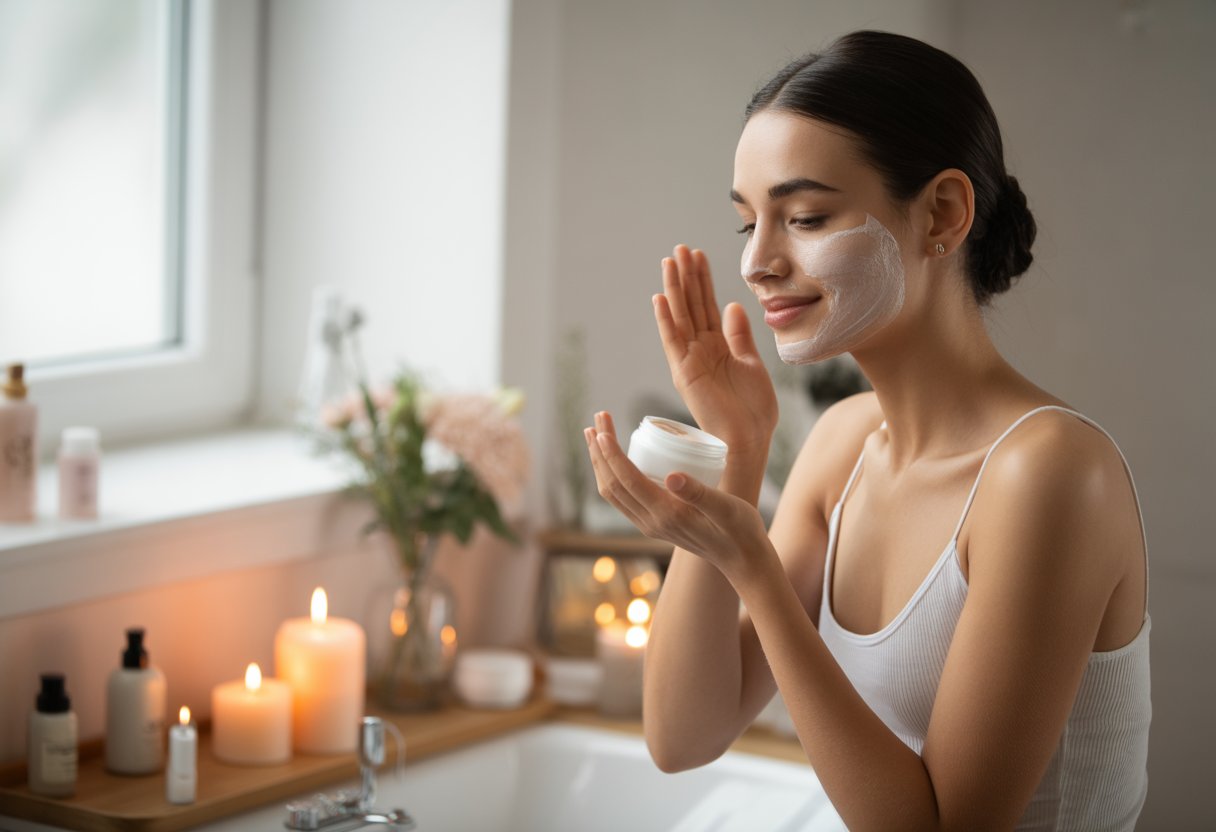
Beauty routines naturally create space for mindfulness when people slow down and focus on the physical sensations of caring for their skin and body. The repetitive motions of massaging products into skin and the quiet time spent on personal care can serve as a form of meditation that reduces stress.
Mindful Skincare Practices
Mindful skincare involves paying full attention to each step of a routine rather than rushing through it. A person applies cleanser, serum, or moisturizer while noticing the texture of products, the temperature against their skin, and how their face feels.
This practice turns a basic task into moments of mindfulness[1] that help reduce anxiety. The key is to avoid distractions like phones or television during the routine.
People can enhance mindful skincare by:
- Taking three deep breaths before starting
- Warming products between hands before applying
- Using gentle, circular motions
- Noticing scents and textures
- Spending at least five minutes on the routine
This approach transforms skincare from a checklist item into a calming ritual that supports mental health.
Meditation During Daily Rituals
Beauty routines provide built-in opportunities for meditation without requiring extra time. When someone focuses on applying makeup, massaging in skincare products, or styling hair[1], they naturally concentrate on the present moment.
This type of meditation helps quiet racing thoughts. A person might focus on the feeling of a facial massage or the rhythm of brushing their hair. The repetitive nature of these actions creates a meditative state.
Even five minutes of focused attention during a beauty routine can lower stress levels. The practice works because it gives the mind a break from worries about the past or future. Instead of thinking about work or responsibilities, a person concentrates only on the task at hand.
Tactile and Sensory Benefits
The physical sensations involved in beauty routines activate multiple senses that promote relaxation. Touch plays a major role as fingers massage cleanser across the face or work conditioner through hair.
These tactile experiences feel soothing to the nervous system. The act of massage during skincare increases blood flow and releases tension in facial muscles. Warm water, soft towels, and smooth creams all contribute to sensory pleasure.
Key sensory elements include:
- Touch: Gentle pressure and massage motions
- Smell: Pleasant scents from products
- Sight: Watching skin become clean and refreshed
- Sound: Water running or quiet background
The connection between mindfulness and beauty[8] becomes clear through these sensory experiences. When people engage their senses fully, they anchor themselves in the present moment and create a calming effect that extends beyond the routine itself.
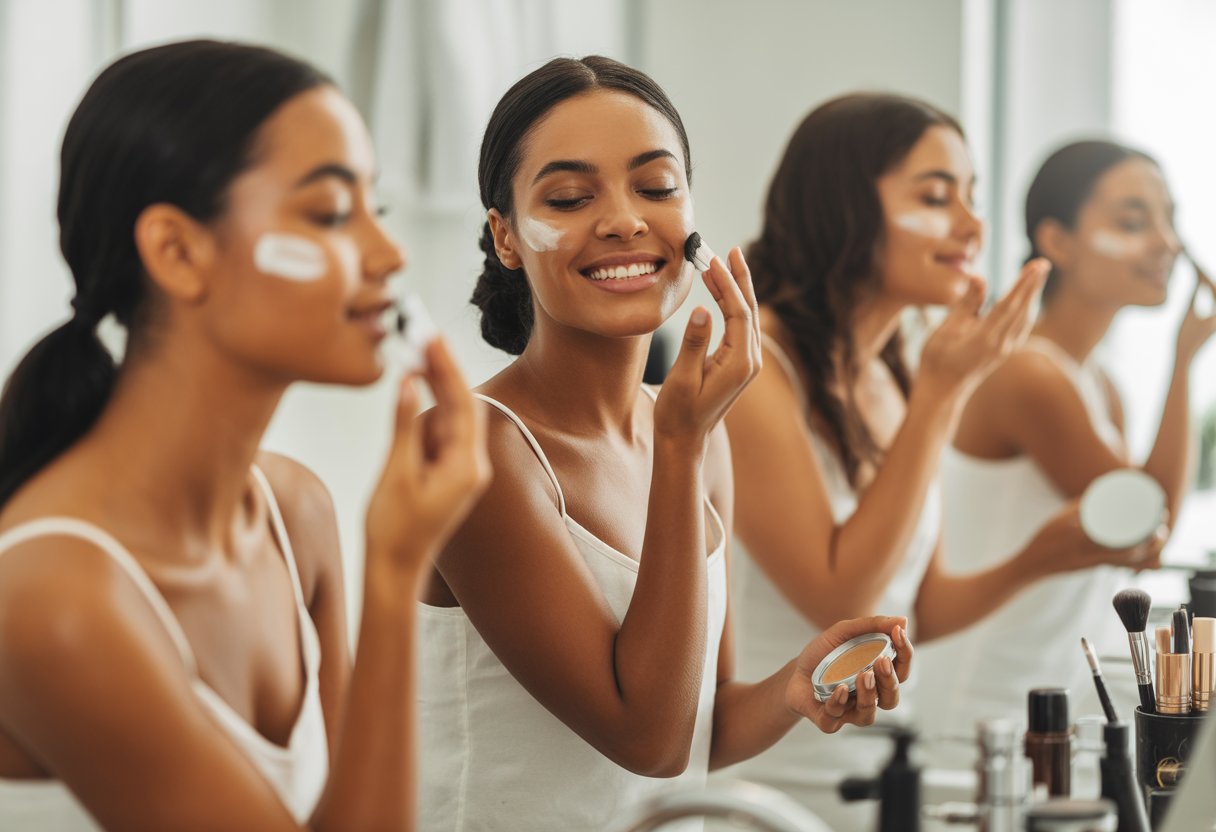
Beauty practices offer more than surface-level benefits. They create structured moments of care that engage the senses and promote emotional balance through both physical touch and dedicated self-attention.
Skincare for Mental Health
A skincare routine provides multiple mental health benefits[9] beyond improving skin appearance. The act of cleansing, applying moisturizer, and using a hydrating serum creates a calming ritual that reduces stress levels.
Research shows that scented skincare products activate the olfactory system in powerful ways. Citrus scents boost energy and elevate mood. Lavender fragrances promote relaxation and stress relief.
The simple act of taking time away from daily responsibilities to focus on personal care increases feelings of empowerment and happiness. Even basic steps like washing the face and applying a hydrating cream can shift mental state during periods of fatigue or low mood.
Studies reveal that consistent beauty routines improve self-confidence and self-esteem. They also enhance energy levels while reducing feelings of tiredness. The combination of touch, scent, and dedicated self-care time creates a comprehensive experience that supports emotional well-being.
Makeup as a Mood Enhancer
Makeup application serves as an active form of self-expression and mood regulation. The process of applying cosmetics allows individuals to present themselves in ways that align with how they want to feel.
The act of putting on makeup creates a mental shift that prepares people for social interactions. This preparation boosts confidence in public settings and makes time spent with family and friends more enjoyable.
Makeup routines provide structure and control during uncertain times. The familiar steps offer predictability that calms anxiety. New mothers, for example, report increased self-confidence through beauty routines even when not wearing makeup.
Facial and Massage Benefits
Facial treatments and massage techniques add physical touch to beauty routines. The gentle pressure applied during a facial or while applying skincare products stimulates circulation and releases tension held in facial muscles.
Massage movements during moisturizing activate sensory processes that calm the nervous system. The repetitive motions create a meditative state that quiets racing thoughts.
Professional facials offer extended periods of relaxation and care. The combination of touch, warmth, and targeted treatments creates an environment focused entirely on the individual’s well-being.
Personalized and Structured Routines for Mental Wellness
A beauty routine works best when it matches a person’s specific needs and lifestyle. Building consistency through personalized self-care practice creates stability that supports better mental health outcomes.
Customizing Your Self-Care Practice
No two people need the same self-care routine. Someone with dry skin benefits from different products than someone with oily skin. A person who feels stressed in the morning might prefer a calming skincare routine at that time, while another person finds evening rituals more helpful.
The key is identifying what brings comfort and joy. Some people feel better with a simple three-step routine. Others prefer a longer process with multiple beauty tips and techniques.
Elements to personalize include:
- Time of day (morning, evening, or both)
- Product types and ingredients
- Duration (5 minutes vs 30 minutes)
- Complexity level
- Specific concerns (acne, aging, sensitivity)
A personalized beauty routine should fit naturally into daily life without causing stress. Starting small and adding steps gradually works better than trying to follow someone else’s complete routine.
The Science of Routine and Stability
Consistent routines reduce feelings of chaos and being overwhelmed[1] by providing structure. The brain responds positively to predictable patterns, which creates a sense of control during uncertain times.
Research shows that regular habits help manage anxiety. When someone performs the same self-care routine each day, the brain recognizes the pattern and begins to relax. This predictability acts as an anchor that steadies emotions.
The physical actions involved in a beauty routine also matter. Massaging products into skin or brushing hair activates the parasympathetic nervous system. This system controls rest and relaxation responses in the body.
Tips for Sustainable Habits
Building a routine that lasts requires realistic planning. Starting with just one or two steps makes the habit easier to maintain than attempting a complex 10-step process immediately.
Strategies that support long-term success:
- Set a specific time each day
- Keep products visible and accessible
- Track progress for 30 days
- Adjust based on what feels manageable
- Link the routine to an existing habit
People should avoid comparing their self-care practice to others. A sustainable routine feels enjoyable rather than like another chore. If a step consistently gets skipped, it might not fit that person’s lifestyle.
The goal is progress rather than perfection. Missing a day does not mean failure. Simply returning to the routine the next day maintains the overall pattern and its mental health benefits.
Social Support and Community in Beauty Practices
Beauty practices create opportunities for meaningful social interaction and emotional support through shared experiences. These connections happen in salon settings, online communities, and through the exchange of beauty knowledge that strengthens relationships.
Social Interaction in Salons and Groups
Beauty salons function as informal community hubs where people build lasting relationships over time. Clients often spend several hours during appointments, creating extended opportunities for conversation and connection. Beauty routines provide a support network and sense of community[1] through these regular interactions.
The client-stylist relationship develops into a trusted bond that goes beyond professional service. Many people share personal struggles, family issues, and life milestones with their hairstylists or nail technicians. Research shows that beauty professionals often serve as confidants[10] where clients feel comfortable discussing emotional challenges.
Elevate Your Health for Just $29.99/Month
Join the Precision Wellness Subscription at My Healing 365 and get discounted services, priority coaching access, virtual care, and exclusive wellness resources to support your physical, emotional, and hormonal health.
Join for $29.99/MonthGroup beauty activities like spa days or makeup classes bring people together around shared interests. These settings reduce social isolation and create belonging through common experiences.
Sharing Beauty Tips and Rituals
Exchanging beauty knowledge strengthens social bonds between friends, family members, and online communities. People connect by recommending products, teaching techniques, or passing down traditional beauty practices across generations.
Online beauty communities allow individuals to share routines and seek advice from others with similar concerns. These digital spaces create connections for people who might not have local support networks. The act of giving and receiving beauty advice builds reciprocal relationships based on mutual help.
Beauty rituals passed between mothers and daughters or among friends carry emotional significance beyond the physical practice. These shared moments create memories and reinforce social ties through regular, repeated interactions.
Fostering Social Connection
Regular salon visits create predictable social touchpoints that combat loneliness. Scheduled appointments provide structure and something to look forward to, especially for people with limited social calendars.
Beauty spaces enhance social skills[1] through repeated practice in conversational settings. These interactions help people maintain communication abilities and feel connected to their communities.
Self-care activities in group settings normalize discussions about well-being and personal care. When people engage in beauty practices together, they create safe environments for vulnerability and mutual support without formal therapeutic structures.
Potential Pitfalls: Beauty Standards and Body Image Challenges
Beauty routines can trigger harmful mental health effects when they reinforce impossible standards or feed obsessive behaviors. The pressure to meet certain appearance expectations often leads to distorted self-perception and serious psychological conditions.
Impact of Unrealistic Beauty Ideals
Beauty standards shape how people view themselves[11] in ways that often damage mental wellbeing. Social media platforms amplify these pressures by presenting filtered and edited images as normal reality. People compare their everyday appearance to carefully curated content and feel inadequate.
The consequences extend beyond simple dissatisfaction. Research shows that constant exposure to idealized images creates persistent feelings of inadequacy. Women and men both face mounting pressure to achieve specific body types, skin tones, and facial features that may be physically impossible without digital manipulation.
Unrealistic beauty standards contribute to mental health problems[12] including depression and anxiety. The beauty industry frequently promotes products with promises that set unattainable expectations. When beauty routines become focused on fixing perceived flaws rather than self-care, they transform from helpful practices into sources of stress.
Navigating Body Dysmorphia
Body dysmorphic disorder represents a serious mental health condition where individuals obsess over perceived physical flaws that others barely notice or cannot see at all. This disorder turns mirrors into sources of distress and beauty routines into compulsive rituals.
People with body dysmorphia may spend hours examining their appearance or performing repetitive grooming behaviors. They might seek multiple cosmetic procedures without ever feeling satisfied. The condition differs from normal appearance concerns in its intensity and impact on daily functioning.
Warning signs include:
- Spending excessive time checking appearance in mirrors
- Constantly seeking reassurance about looks
- Avoiding social situations due to appearance anxiety
- Performing repetitive grooming or skin-picking behaviors
- Comparing appearance to others obsessively
Beauty routines can worsen these symptoms when they reinforce the focus on fixing imagined defects. Professional mental health treatment proves more effective than cosmetic interventions for addressing the underlying disorder.
Addressing Negative Self-Perception
Negative self-perception develops when people internalize messages that their natural appearance falls short of beauty standards. This mindset transforms beauty routines from enjoyable self-care into desperate attempts to correct inadequacies.
Cultural factors amplify these struggles. Different societies promote varying beauty ideals, yet Western standards often dominate global media. People from diverse backgrounds face pressure to alter features that reflect their heritage and identity.
Body positive content can improve body image[13] even with brief exposure. Shifting focus from appearance-based goals to function-based appreciation helps rebuild healthier relationships with beauty practices. Individuals benefit from examining why they perform certain routines and whether those activities truly serve their wellbeing.
Cognitive-behavioral approaches help people challenge distorted thoughts about appearance. Recognizing that beauty standards are social constructs rather than fixed truths allows for more flexible and accepting self-views.
Science-Backed Strategies: From Psychodermatology to Cognitive Behavioral Therapy
Medical professionals now recognize that skin health and mental health operate in tandem through measurable biological pathways. Psychodermatology bridges dermatology and psychiatry[14] by addressing both physical symptoms and psychological factors, while cognitive behavioral therapy offers structured interventions that directly impact skin conditions.
Psychodermatology Approaches
Psychodermatology treats the complex relationship between skin conditions and emotional well-being through a multidisciplinary framework. This field acknowledges that stress, anxiety, and depression can trigger or worsen conditions like eczema, psoriasis, and acne.
Practitioners assess both dermatologic symptoms and psychological states to create comprehensive treatment plans. They examine how emotional stress activates inflammatory pathways in the skin and how skin problems affect self-esteem and social functioning.
The approach involves appropriate psychological assessment alongside traditional dermatological care. Patients receive treatments that address visible skin symptoms while also managing underlying mental health factors. This dual focus helps break cycles where stress worsens skin conditions, which then increases stress levels.
Medical professionals in this field use objective measurements when possible, including salivary cortisol levels and heart rate variability, to track both skin improvements and psychological changes.
Integrating Cognitive Behavioral Therapy
Research demonstrates that cognitive behavioral therapy can help treat psoriasis[15], improving both psychological and physical outcomes. This structured therapy helps patients identify and change thought patterns that contribute to stress-related skin flare-ups.
Therapists work with patients to recognize triggers that worsen their skin conditions. They teach coping strategies for managing stress, anxiety, and compulsive behaviors like skin picking or excessive scratching.
Sessions focus on practical skills including:
- Stress management techniques to reduce physiological responses
- Behavioral interventions to break harmful habits
- Cognitive restructuring to address negative self-perception
- Relaxation training to lower cortisol levels
Patients learn to interrupt the connection between emotional distress and skin symptoms through consistent practice of these techniques.
Holistic Health Perspectives
Science-backed skincare intertwines with mindful practices[16] to create comprehensive wellness strategies. This integration recognizes that skin functions as a dynamic interface between the body, brain, and environment.
Treatment plans combine topical skincare with lifestyle modifications. Patients benefit from addressing sleep quality, nutrition, exercise, and stress management alongside their beauty routines.
Medical practitioners encourage patients to view their skin care rituals as opportunities for self-care and stress reduction. The sensory experience of applying products, combined with the routine itself, can provide psychological benefits beyond the physical effects of the ingredients.
This perspective shifts beauty routines from purely cosmetic practices to intentional acts that support both physical skin health and mental well-being through evidence-based methods.
Holistic Beauty Treatments and Their Broader Impact
Hair care routines can reflect overall physical health while supporting mental wellness through regular self-care practices. Alternative beauty treatments range from traditional facials to therapeutic procedures that address both appearance and underlying health conditions.
The Role of Hair Care in Mental Well-Being
Hair health often serves as a visible indicator[17] of a person’s broader physical condition. Stress, poor nutrition, and dehydration typically show up in hair quality before manifesting in other ways.
Regular hair care routines provide structured moments for self-care. Washing, conditioning, and styling hair creates dedicated time for individuals to focus on themselves. These small rituals can reduce daily stress and create a sense of control.
The sensory experience of hair care also contributes to relaxation. Scalp massages during washing stimulate blood flow and release tension. The act of brushing or combing hair can become a meditative practice that calms the mind.
When people maintain healthy hair, they often report feeling more confident in social situations. This confidence stems from knowing they look presentable and put-together.
Alternative Beauty Treatments
Aesthetic treatments provide therapeutic benefits[18] beyond their cosmetic applications. Microdermabrasion treats hyperpigmentation and acne while improving skin texture. Chemical peels and laser treatments address conditions like rosacea and scarring.
Some procedures serve dual purposes for both appearance and medical treatment. Botox reduces wrinkles but also treats chronic migraines, excessive sweating, and certain muscle disorders. This versatility demonstrates how beauty treatments bridge cosmetic and therapeutic care.
Facials and laser skin resurfacing improve more than just appearance. They help people feel comfortable in their own skin, which affects how they interact with others. When individuals address skin concerns that cause discomfort or embarrassment, they often experience relief from emotional distress.
Body contouring treatments like CoolSculpting motivate healthier lifestyle choices. Many patients report feeling inspired to maintain results through better diet and exercise habits.
Combining Physical and Emotional Wellness
Beauty routines that focus on skin health promote collagen production and prevent sun damage. These treatments act as preventative measures against serious conditions like skin cancer. Improved skin health reduces the risk of developing severe dermatological issues later.
Self-care practices encourage empowerment through regular attention to personal needs. Taking time for beauty routines signals to individuals that they deserve care and attention. This form of self-love builds self-esteem over time.
The connection between looking good and feeling good creates a positive cycle. People who feel confident about their appearance tend to exercise more and make healthier food choices. These behaviors reinforce both physical health and mental wellness simultaneously.
Regular beauty treatments establish consistent self-care habits. This consistency provides structure and routine, which supports mental health by creating predictable moments of relaxation and self-focus.
Frequently Asked Questions
Beauty routines affect mental health through multiple pathways, from the neurological effects of self-care rituals to the social pressures created by unrealistic standards. Understanding both the benefits and risks helps people build healthier relationships with their appearance habits.
What psychological mechanisms explain how daily grooming or skincare routines can influence mood and stress levels?
Daily beauty routines trigger several psychological processes that can improve mental state. The act of caring for one’s appearance signals self-worth and creates a sense of control during uncertain times.
Mindfulness practices during beauty routines[1] work by focusing attention on the present moment. When someone concentrates on applying skincare products or styling hair, they temporarily step away from anxious thoughts. This mental break reduces stress and promotes relaxation.
Routines also provide structure and predictability. Having a consistent morning or evening regimen creates anchors in the day that reduce feelings of chaos. This stability helps people manage their time better and feel more grounded.
The sensory experience matters too. Pleasant textures, scents, and temperatures during grooming activate positive sensory responses. These physical sensations can trigger the release of feel-good neurotransmitters in the brain.
What does recent research since 2020 suggest about the relationship between makeup use and mental well-being?
Recent studies show that makeup use has complex effects on mental health that vary by individual and context. Research indicates that one in four people experience a mental health problem each year in England[1], with over a quarter of young women aged 16-24 reporting common mental health problems in any given week.
When people feel satisfied with their appearance, it often translates into improved confidence and mood. The act of applying makeup can serve as a form of self-expression and creativity. Some individuals report feeling more prepared to face social situations after completing their makeup routine.
However, the relationship depends heavily on motivation. People who use makeup as a tool for self-expression generally experience different outcomes than those who feel compelled to wear it. The pressure to maintain certain beauty standards can create stress rather than relieve it.
How can makeup and beauty routines negatively affect self-esteem, body image, or anxiety over time?
Beauty routines can become problematic when they shift from optional self-care to compulsive necessity. Some people develop anxiety about being seen without makeup or completing their full routine. This dependence can trap individuals in cycles where their baseline self-esteem drops.
Constant focus on perceived flaws during grooming can increase body dissatisfaction. Spending extended time examining one’s face in mirrors often highlights imperfections that others barely notice. This hyperfocus can distort self-perception over time.
The financial pressure of maintaining beauty routines adds another layer of stress. Expensive products and treatments can strain budgets while creating the belief that self-worth depends on consumption. When people cannot afford their usual routines, they may experience drops in confidence.
Time investment becomes burdensome when routines grow excessively long. Some individuals spend hours daily on beauty practices, cutting into sleep, work, or social activities. This imbalance can worsen overall mental health despite the routine’s intended benefits.
How do beauty standards and social media expectations contribute to mental health concerns such as depression or disordered eating?
Social media platforms expose users to heavily filtered and edited images that create unrealistic beauty benchmarks. These curated feeds make normal, unedited appearances seem inadequate by comparison. Young people who spend more time on image-focused platforms report higher rates of body dissatisfaction.
The constant comparison cycle triggers negative self-evaluation. When someone scrolls through images of seemingly perfect faces and bodies, their own reflection feels disappointing. This repeated exposure can contribute to symptoms of depression and anxiety.
Algorithmic feeds often promote extreme beauty content, including cosmetic procedures and restrictive behaviors. Users may encounter content that normalizes disordered eating or excessive cosmetic intervention. The line between inspiration and harmful influence becomes blurred.
Comment sections and likes create validation systems tied to appearance. People begin measuring their worth through engagement metrics on appearance-focused posts. This external validation becomes addictive and undermines internal self-esteem.
How does wearing makeup change self-perception, confidence, and social interaction in different contexts (work, school, dating)?
Makeup influences how people perceive themselves and how they believe others see them. In professional settings, some individuals report feeling more authoritative and competent when wearing makeup. This perceived professionalism can affect job performance and workplace interactions.
The confidence boost from makeup varies by context and cultural norms. In environments where polished appearances are expected, wearing makeup may reduce anxiety about fitting in. In more casual settings, the same amount of makeup might feel out of place and create self-consciousness.
Dating contexts show particularly complex patterns. Some people use makeup to enhance features they want to highlight, which can increase comfort during romantic encounters. Others worry about partners seeing them without makeup, creating pressure to maintain specific looks.
School environments present unique challenges for young people. The pressure to conform to peer beauty standards can make makeup feel mandatory rather than optional. Students who cannot or choose not to wear makeup may face social consequences.
What are evidence-based ways to build a beauty routine that supports mental well-being without reinforcing perfectionism or dependence?
A healthy beauty routine starts with examining personal motivations. People should ask whether they perform certain practices for genuine enjoyment or from fear of judgment. Routines built on positive motivation tend to support mental health better than those driven by anxiety.
Time limits help prevent beauty routines from becoming excessive. Setting a reasonable maximum duration ensures that self-care does not interfere with other important activities. A 15-30 minute routine typically provides benefits without becoming burdensome.
Flexibility makes routines more sustainable and less stressful. Building in permission to skip steps or simplify on busy days prevents all-or-nothing thinking. Self-care practices[19] should adapt to life circumstances rather than adding pressure.
Choosing products based on enjoyment rather than perceived necessity creates healthier habits. People benefit more from routines they genuinely like rather than ones they think they should do. The sensory experience should feel pleasant rather than like a chore.
Practicing makeup-free days helps maintain comfort with natural appearance. Regular periods without beauty products prevent dependence and normalize unenhanced looks. This practice builds resilience against appearance-based anxiety.
Post Views: 5
References
- How Beauty Routines Can Boost Mental Health and Wellbeing. https://resident.com/resource-guide/2024/07/16/how-beauty-routines-can-improve-mental-health Accessed March 31, 2026
- Beauty Rituals: Enhancing Mental Well-Being Through Self-Care. https://neurolaunch.com/beauty-and-mental-well-being/ Accessed March 31, 2026
- New Study Reveals Surprising Links Between Skincare and Mental Health. https://beautymatter.com/articles/new-study-reveals-links-between-skincare-and-mental-health Accessed March 31, 2026
- The Psychological Impact of Aesthetic Treatments: Boosting Confidence and Mental Health. https://womensjournal.com/the-psychological-impact-of-aesthetic-treatments-boosting-confidence-and-mental-health/ Accessed March 31, 2026
- Beauty routines encourage people to nurture both physical and mental health. https://www.hilarispublisher.com/open-access/the-power-of-cosmetology-enhancing-selfesteem-and-wellbeing.pdf Accessed March 31, 2026
- Beauty and Wellness: The Connection Between Mental Health and Skincare. https://nexnews.org/beauty-cosmetics/news/beauty-and-wellness-the-connection-between-mental-health-and-skincare Accessed March 31, 2026
- Beauty and Mental Health: Self-Care as a Well-Being Ritual. https://www.hercampus.com/school/casper-libero/beauty-and-mental-health-self-care-as-a-well-being-ritual/ Accessed March 31, 2026
- How Mindfulness Can Boost Your Beauty Routine. https://beautysavor.com/mindfulness-and-beauty Accessed March 31, 2026
- Skincare as Self-Care. https://fashionispsychology.com/skincare-as-self-care-the-mental-health-benefits-of-a-beauty-routine/ Accessed March 31, 2026
- Beyond the Salon Chair: Beauty Spaces as a Pillar of Mental Health in BIPOC Communities – BASIS (The Brief Addiction Science Information Source). https://basisonline.org/2025/03/06/beyond-salon-beauty-spaces-mental-health-bipoc-communities/ Accessed March 31, 2026
- Beauty Standards’ Psychological Impact on Mental Health. https://neurolaunch.com/psychological-effects-of-beauty-standards/ Accessed March 31, 2026
- How Unrealistic Beauty Standards Impact Mental Health. https://fherehab.com/learning/beauty-standards-mental-health Accessed March 31, 2026
- TikTok and body image: idealistic content may be detrimental to mental health. https://www.unsw.edu.au/newsroom/news/2023/08/tiktok-and-body-image–idealistic-content-may-be-detrimental-to- Accessed March 31, 2026
- Just a moment…. https://psychiatryonline.org/doi/10.1176/appi.pn.2025.03.3.2 Accessed March 31, 2026
- healthcentral.com. https://www.healthcentral.com/article/could-you-benefit-from-psychodermatology Accessed March 31, 2026
- Here’s What Experts Had To Say About Psychodermatology, The Practice That Blends Skincare With Wellbeing. https://elle.in/pyschodermatology-practice-of-skincare-and-wellbeing/ Accessed March 31, 2026
- The Gentle Art of Holistic Beauty: How Self-Care Routines Nourish Body, Mind and Skin. https://wellbeingmagazine.com/the-gentle-art-of-holistic-beauty-how-self-care-routines-nourish-body-mind-and-skin/ Accessed March 31, 2026
- MedicalResearch.com. https://medicalresearch.com/beyond-beauty-how-aesthetic-treatments-contribute-to-holistic-well-being/ Accessed March 31, 2026
- The Connection Between Beauty and Mental Health. https://www.greenwichmedicalspa.com/blog/the-connection-between-beauty-and-mental-health/ Accessed March 31, 2026

























