Medically Reviewed
Dr. Jose Rossello, MD, PhD, MHCM
Preventive Medicine & Public Health Specialist
Last Reviewed: April 16, 2026
Your favorite flat iron or curling wand might be silently destroying your hair with every use. Heat styling tools can permanently damage hair when temperatures exceed 300°F[1], breaking down protein structures and causing dryness, breakage, and split ends. The good news is that understanding how heat affects hair makes it possible to protect strands while still achieving styled looks.
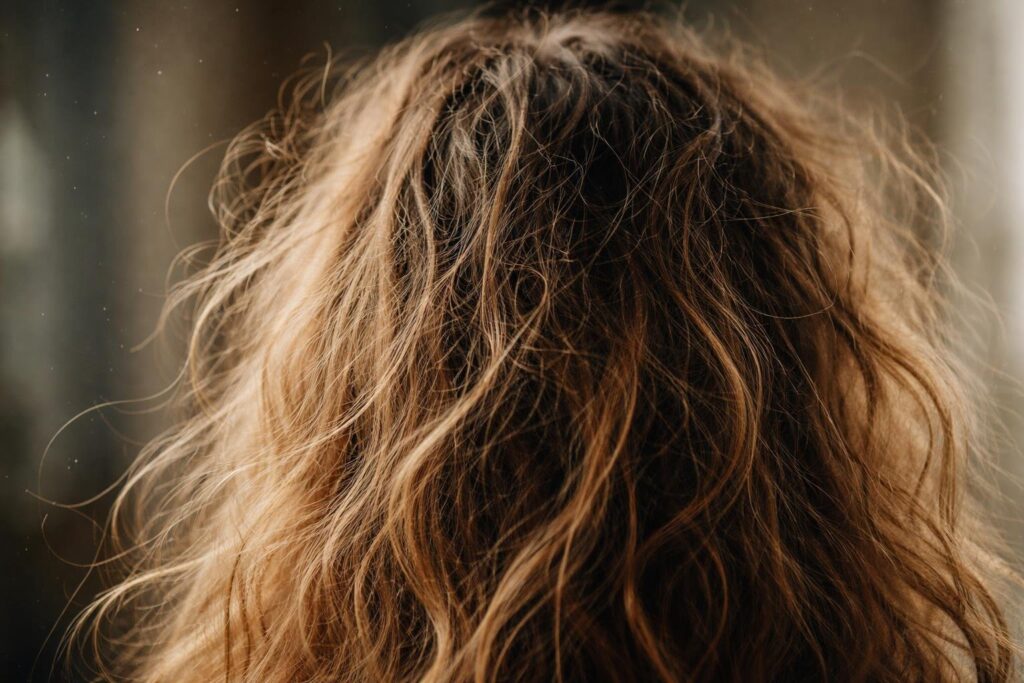
Many people don’t realize their hair is damaged until they notice persistent frizz, rough texture, or color that fades quickly. Heat damage happens at the molecular level, where high temperatures convert healthy hair proteins into weaker forms that can’t hold moisture or maintain strength. Once this damage occurs, it cannot be reversed—only managed through careful treatment and prevention.
Learning to recognize the warning signs and adjust styling habits can save hair from irreversible harm. From choosing the right tools to using heat protectant products[2] correctly, simple changes make a significant difference in maintaining healthy, strong hair while still enjoying heat styling benefits.
Table of Contents
Key Takeaways
- Heat styling above 300°F permanently damages hair by breaking down protective proteins and stripping away moisture
- Visible signs of heat damage include dryness, split ends, frizz, and poor color retention that worsens with continued styling
- Prevention through heat protectants, lower temperatures, and proper hair care routines protects hair better than trying to repair existing damage
How Heat Styling Affects Hair Structure
Heat styling tools work by breaking down and reforming specific bonds within hair strands, which allows for temporary reshaping but can lead to permanent structural damage when done incorrectly or excessively.
Keratin Protein and Hair Bonds
Hair is made up of keratin proteins that form the structural foundation[1] of each strand. These proteins are held together by different types of bonds that give hair its strength and shape. Hydrogen bonds are temporary and break easily with water or heat. Disulfide bonds are much stronger and require chemical treatments to alter.
When styling tools reach temperatures above 300°F, the hair’s protein structure breaks down through a process called denaturation[3]. This converts healthy α-keratin into a weaker form called β-keratin. The transformation is permanent and cannot be reversed.
Key bond types affected by heat:
- Hydrogen bonds – Break at lower temperatures, reform when cooled
- Disulfide bonds – Require extreme heat to break, provide permanent strength
- Salt bonds – Affected by pH changes and heat exposure
The protein breakdown reduces the hair’s tensile strength. This makes strands more prone to breakage and less able to withstand daily styling stress.
The Role of the Cuticle and Cortex
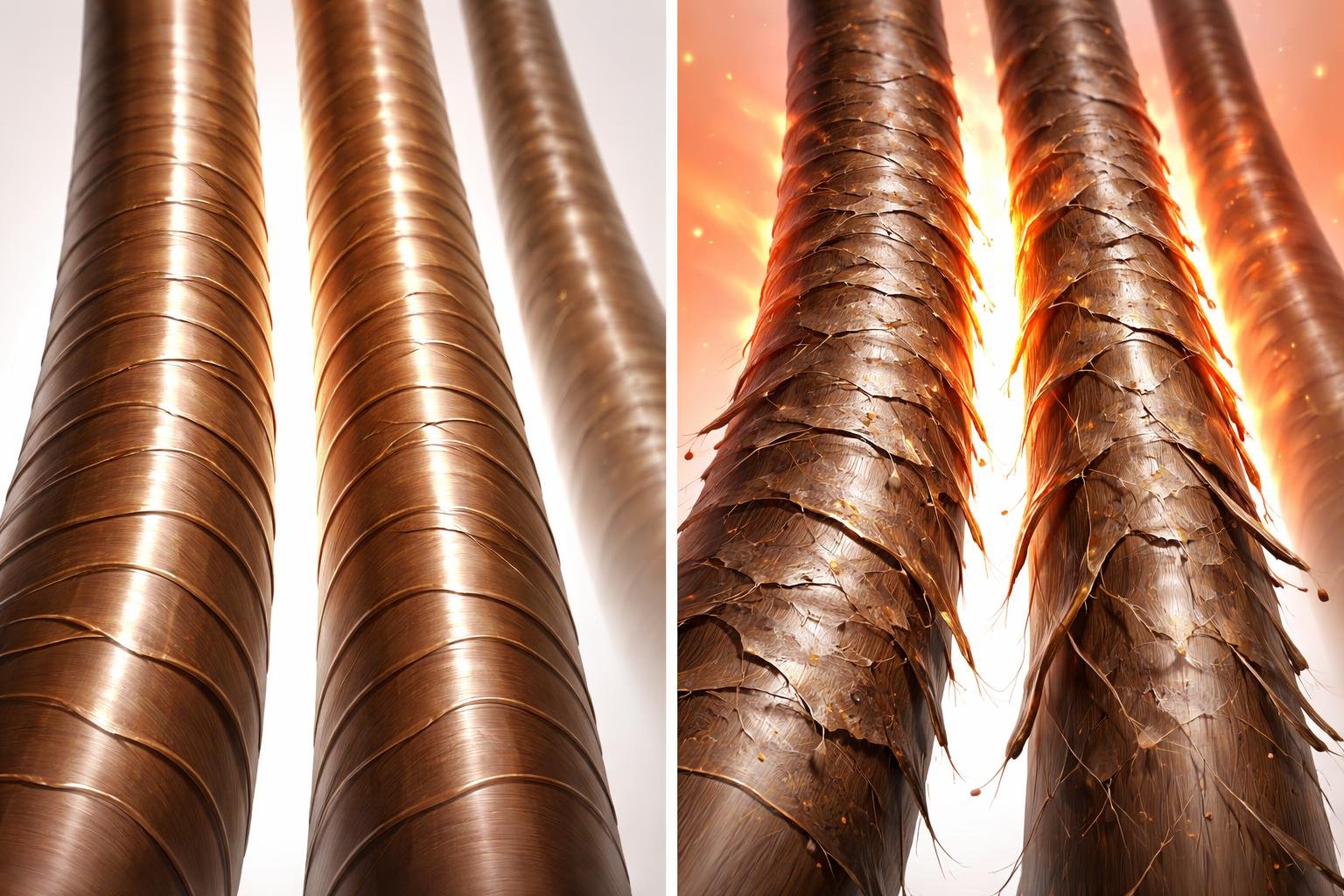
The hair cuticle serves as the protective outer layer that shields the inner cortex from damage. When healthy, cuticle scales lie flat and overlap like roof shingles. This creates a smooth surface that reflects light and locks in moisture.
Heat styling damages the hair cuticle[4] by causing the scales to lift, crack, and break away from the hair shaft. Once this protective barrier is compromised, the cortex becomes exposed. The cortex contains the melanin pigments and the majority of the hair’s keratin proteins.
Damage to the cortex leads to moisture loss and protein degradation throughout the entire hair strand. The lifted cuticles create a rough texture and increase porosity. This means the hair absorbs products quickly but cannot retain moisture effectively.
Hydrogen Bond Manipulation
Heat styling works by temporarily breaking and reforming hydrogen bonds[5] in the hair’s keratin structure. When heat is applied, these molecular connections dissolve. This makes the hair flexible and ready for reshaping.
As the hair cools, the hydrogen bonds reform in their new position. This is what creates curls from a curling iron or straight hair from a flat iron. The effect lasts until the hair gets wet again or is exposed to humidity.
The problem occurs when excessive heat is used repeatedly. While hydrogen bonds can break and reform without permanent damage at lower temperatures, prolonged exposure to high heat stresses the entire hair structure. The repeated breaking of these bonds weakens the surrounding protein matrix and accelerates cuticle damage.
Different heat styling tools affect hair in unique ways, with temperatures often exceeding 400°F and each device using distinct methods to reshape hair strands. The combination of high heat, direct contact, and improper technique can lead to protein breakdown and moisture loss in hair.
Flat Irons: Causes and Effects
Flat irons work by clamping hair between two heated plates and applying direct pressure while sliding down the hair shaft. This process temporarily breaks hydrogen bonds in the hair structure to create a straightened appearance. The plates typically reach temperatures between 300°F and 450°F, which can be damaging when used incorrectly.
The cuticle layer opens up when exposed to heat[6], allowing heat to penetrate into the cortex where keratin proteins reside. Titanium plates heat up quickly and maintain consistent temperatures, but they can also cause more damage if the temperature is set too high. Ceramic plates distribute heat more evenly and are generally gentler on hair.
Repeated passes over the same section of hair multiply the damage. Each pass subjects the hair to intense heat that can denature proteins and strip away natural moisture. The result is hair that becomes dry, brittle, and prone to breakage over time.
Blow Dryers and Airflow Impact
Blow dryers use heated airflow to evaporate water from wet hair strands. The combination of heat and air movement can be particularly damaging because wet hair is more vulnerable to damage[6] than dry hair. The hair shaft swells when wet, making it easier for heat to penetrate and cause structural damage.
Modern blow dryers often feature ionic technology, which breaks down water molecules for faster drying. This technology can reduce drying time and minimize heat exposure. However, holding the dryer too close to the hair or concentrating heat on one section for too long still causes problems.
The nozzle attachment on blow dryers helps direct airflow and prevents scattered heat distribution. Using a concentrator nozzle allows for more controlled styling while reducing the overall heat exposure to surrounding hair sections.
Curling Irons and Curling Wands
Curling irons and curling wands create curls by wrapping hair around a heated barrel. The main difference between them is that curling irons have a clamp while curling wands do not. Both tools typically operate at temperatures ranging from 200°F to 400°F.
The barrel shape and material affect how heat transfers to the hair. Ceramic barrels provide even heat distribution, while metal barrels can create hot spots that damage hair unevenly. The longer hair stays wrapped around the heated barrel, the more heat penetration occurs into the hair’s inner layers.
Curling wands require manual wrapping, which means users control how long hair contacts the heat source. This can be beneficial for minimizing damage, but it also requires more skill to avoid burns. The lack of a clamp means less mechanical stress on the hair, but it doesn’t eliminate heat damage risks.
The Importance of Adjustable Heat Settings
Adjustable heat settings allow users to match the temperature to their specific hair type and condition. Fine or damaged hair requires lower temperatures, typically between 250°F and 300°F. Thick or coarse hair may need higher temperatures to achieve desired results, but keeping settings below 350°F helps minimize damage[6].
Many people make the mistake of using the highest heat setting because they believe it works faster or better. This approach causes unnecessary damage because most hair types don’t require extreme temperatures for effective styling. Starting with a lower temperature and increasing only if needed protects hair from excessive heat exposure.
Digital temperature displays on modern styling tools provide accurate readings and help users maintain consistent heat levels. Tools without adjustable settings operate at a fixed temperature, which may be too hot for some hair types and increases the risk of heat damage.
Common Signs and Symptoms of Heat Damaged Hair
Heat damage shows up in specific ways that affect how hair looks, feels, and behaves. The cuticle layer breaks down first, leading to problems with moisture retention, strength, and appearance.
Split Ends and Cuticle Damage
Split ends are one of the most visible signs of heat damage[7] that appears when the protective cuticle layer breaks down. The cuticle consists of overlapping scales that lie flat on healthy hair. When exposed to high temperatures, these scales lift and crack.
Once the cuticle is compromised, the inner cortex becomes exposed. This leads to splitting that starts at the ends and can travel upward along the hair shaft. Some damaged strands develop white dots along their length, indicating severe structural breakdown.
The damage happens because keratin proteins begin breaking down around 311-320°F. Many flat irons and curling tools reach 392-450°F, well above the threshold where permanent damage occurs.
Common types of splits include:
- Y-shaped splits – the most basic form where the strand divides into two
- Tree splits – multiple branches extending from one point
- Feathered ends – complete shredding of the strand tip
Loss of Elasticity and Dry Hair
Healthy hair can stretch up to 30% of its original length when wet before returning to its normal shape. Heat damaged hair[8] loses this ability and becomes brittle instead.
A simple test reveals elasticity loss. When a wet strand is gently stretched, damaged hair snaps quickly or fails to bounce back. This happens because heat permanently alters the protein structure inside each strand.
Dry hair often accompanies elasticity loss. The compromised cuticle cannot hold moisture effectively, leaving strands dehydrated. Unlike temporary dryness that improves with conditioning, hair damage from heat creates persistent dryness that doesn’t respond well to hydration treatments.
The strand feels rough or straw-like even after deep conditioning. This texture difference indicates structural damage rather than simple moisture loss.
Frizzy Hair and Increased Porosity
Heat styling lifts and cracks the cuticle[7], which causes moisture to move in and out of the hair unpredictably. This creates frizz that persists even in low humidity conditions.
Increased porosity develops when cuticle damage allows too much moisture to enter the hair shaft. The strands absorb water quickly but also lose it rapidly. This makes hair dry unusually fast after washing and react strongly to humidity changes.
Frizzy hair from heat damage differs from normal frizz. It appears even after using heavy moisturizers and smoothing products. The strands stick out in multiple directions because the damaged cuticle causes uneven swelling.
Humidity makes this worse. Water molecules cause hair fibers to swell in diameter, and when the cuticle is compromised, that swelling becomes irregular across different sections of each strand.
Elevate Your Health for Just $29.99/Month
Join the Precision Wellness Subscription at My Healing 365 and get discounted services, priority coaching access, virtual care, and exclusive wellness resources to support your physical, emotional, and hormonal health.
Join for $29.99/MonthChanges in Shine and Texture
The cuticle’s condition determines how much light reflects off the hair surface. Damaged cuticles scatter light[9] instead of reflecting it smoothly, which creates a dull appearance.
Hair should look brighter and shinier after washing than it did when dirty. If it remains dull, this indicates cuticle damage. The rough, lifted scales prevent the smooth light reflection that creates natural shine.
Texture changes become permanent with repeated heat exposure. Curly hair may lose its curl pattern in certain sections, creating uneven waves or straight patches. Straight hair develops persistent puffiness or irregular bends.
These changes don’t improve with styling products or treatments. The texture alteration indicates that the internal protein structure has been permanently modified by heat. Some sections may feel rougher than others, showing where the most damage occurred during styling sessions.
Prevention: Reducing the Risk of Heat Styling Damage
Protecting hair from heat damage requires three main actions: applying heat protectant products before every styling session, reducing how often tools are used while keeping temperatures low, and investing in quality tools that distribute heat evenly.
Using Heat Protectant Products
Heat protectant spray creates a barrier between hair and hot tools. This layer helps distribute heat more evenly across the hair shaft and prevents moisture from evaporating too quickly.
People should apply heat protectant products[1] to damp hair before blow-drying. The product needs to cover every section from mid-shaft to ends. Those who use multiple tools need to reapply protectant between styling steps.
Key application steps:
- Spray on towel-dried hair before any heat exposure
- Distribute evenly with fingers or a comb
- Let hair dry slightly before applying heat
- Don’t skip the ends, which are most vulnerable
Heat protectants contain silicones and polymers that coat the hair. These ingredients reduce direct contact with hot plates or barrels. Research shows that flat irons and curling irons can damage 85% of hair’s keratin proteins[10] without protection.
Limiting Frequency and Lowering Heat Settings
Using lower heat settings prevents protein breakdown in hair strands. Fine or damaged hair should never exceed 300°F, while thick hair can handle up to 350°F with proper protection.
The frequency of heat styling matters as much as temperature. Hair needs recovery time between sessions. Healthy hair can handle heat 2-3 times per week, but damaged hair should limit styling to once weekly.
Temperature guidelines by hair type:
- Fine/damaged hair: 250-300°F
- Medium/normal hair: 300-350°F
- Thick/coarse hair: 350-400°F (maximum)
Understanding proper temperature settings[11] helps prevent irreversible harm. People should start at the lowest temperature that achieves results. One slow pass works better than multiple passes at high heat.
Selecting Safe and Quality Styling Tools
Quality tools with adjustable temperature controls prevent hot spots that burn hair. Ceramic or tourmaline plates are gentler on hair[12] than basic metal plates.
Tools should have a digital temperature display for accuracy. Generic heat settings like “low, medium, high” don’t provide enough control. Ionic technology reduces drying time, which means less total heat exposure.
Features to look for:
- Adjustable temperature with digital display
- Ceramic, tourmaline, or titanium plates
- Automatic shut-off for safety
- Even heat distribution technology
Tools without temperature control can reach 450°F or higher. These extreme temperatures cause immediate damage to all hair types. People should avoid any tool that gets too hot to touch near the handle, as this indicates poor heat distribution.
Protective Hair Care Routines and Products
Building a strong hair care routine with the right products creates a defense system against heat damage while helping hair recover from styling stress. Quality treatments work together to strengthen strands, lock in moisture, and repair damage before it becomes permanent.
Deep Conditioning and Hydration
Deep conditioning treatments penetrate the hair shaft to restore moisture and repair damage that heat styling causes. These treatments should stay on hair for 10-15 minutes to allow protective ingredients to bond with the hair’s natural proteins.
A deep conditioning mask works best when applied once or twice per week, depending on damage levels. Heat-damaged hair loses moisture quickly, so hydration becomes the top priority in any recovery plan.
Key ingredients to look for:
- Shea butter for moisture retention
- Argan oil for smoothing
- Keratin for strength
- Coconut oil for penetration
Deep conditioning masks differ from regular conditioners because they contain higher concentrations of nourishing ingredients. They create a barrier around each strand that helps protect against future heat exposure.
Protein and Leave-in Treatments
Protein treatments rebuild the hair’s structure by filling gaps in damaged strands. Heat styling breaks down the hair’s natural protein bonds, making these treatments essential for recovery.
Light protein treatments can be used weekly, while intensive protein treatments work best every 4-6 weeks. Too much protein makes hair stiff and brittle, so balance matters.
Leave-in treatments provide ongoing protection throughout the day. They coat hair with a protective layer that shields it from environmental damage and helps lock in moisture between washes. These products should be applied to damp hair before any heat styling begins.
Many leave-in treatments contain both proteins and moisturizers to address multiple needs at once. They work especially well for people who style their hair frequently.
Sulfate-Free Shampoo for Recovery
Sulfate-free shampoo cleans hair gently without stripping away natural oils that damaged hair desperately needs. Regular shampoos contain harsh sulfates that can worsen heat damage by removing too much moisture.
The switch to sulfate-free products helps hair retain its natural protective oils. This matters even more for color-treated or chemically processed hair, which already faces extra stress.
Benefits of sulfate-free formulas:
- Preserves natural oils
- Reduces dryness
- Extends color life
- Minimizes frizz
Hair recovery takes time, and using gentle cleansing products speeds up the process. Sulfate-free shampoos may not lather as much as regular shampoos, but they clean just as effectively without causing additional damage.
Incorporating Hair Masks and Moisturizers
Hair masks deliver intensive treatment that regular conditioners cannot match. They should be used at least once per week as part of a complete hair care routine focused on heat damage recovery.
Moisturizers work differently than masks by providing daily hydration without heavy buildup. Light moisturizing creams or serums can be applied to dry hair between washes to combat brittleness and breakage.
The timing of product application matters. Masks work best on clean, damp hair when cuticles are open and ready to absorb nutrients. Daily moisturizers can be applied anytime hair feels dry or rough.
Combining multiple product types creates layers of protection. A weekly mask repairs deep damage, while daily moisturizers maintain results and prevent new problems from developing.
Professional Insight: Repair, Restoration, and Expert Help
When hair damaged by heat becomes severe, professional intervention can make the difference between recovery and continued deterioration. A trichologist can assess damage levels, recommend targeted treatments, and create personalized plans that address both immediate concerns and long-term hair health.
When to See a Trichologist
A trichologist should be consulted when heat damage persists despite home treatments or when hair shows signs of severe structural damage. These specialists perform scalp analyses to determine the extent of damage and can identify whether hair has reached the point of irreversible harm.
Professional assessment becomes critical when hair exhibits bubble hair syndrome, a condition where excessive heat creates steam holes inside the hair shaft[13], leaving it brittle and prone to snapping. A trichologist can also determine if hair needs protein versus moisture treatments, preventing further damage from using the wrong products.
Those experiencing persistent dryness, breakage that won’t improve with conditioning, or hair that no longer holds styles should seek professional evaluation. Trichologists can distinguish between heat damage and other hair health issues that may require different treatment approaches.
Restorative Treatments and Trims
Professional restorative treatments go beyond standard conditioning to rebuild damaged hair structure. Protein treatments help reinforce weak strands[14] by temporarily filling gaps in the hair shaft, while deep conditioning treatments focus on moisture replenishment.
Strategic trimming often provides the fastest path to healthier-looking hair. Removing severely damaged ends prevents split ends from traveling up the hair shaft and allows healthier hair to grow in its place.
Bond repair treatments work at the molecular level to reconnect broken disulfide bonds within the hair structure. These treatments can’t fully reverse damage but can improve hair’s appearance and manageability significantly.
Professional treatment options include:
- Keratin-rebuilding masks applied with heat
- Bond repair systems for structural reinforcement
- Scalp treatments to support healthy new growth
- Strategic cutting techniques to remove damaged sections while maintaining length
Long-Term Strategies for Healthier Hair
Preventing future heat damage requires permanent changes to styling habits and hair care routines. Setting heat tools below 350°F protects keratin proteins from breaking down, while limiting heat styling to 2-3 times per week gives hair time to recover between sessions.
Building a maintenance routine with weekly deep conditioning treatments and monthly protein treatments keeps hair strong and resilient. Regular trims every 6-8 weeks remove damaged ends before they worsen.
Investing in quality heat protectants creates a barrier between hair and styling tools, reducing moisture loss during heat application. Switching to ionic or ceramic tools that distribute heat more evenly also minimizes hot spots that cause localized burning.
Post Views: 5
References
- Hair Damage From Heat Styling: Signs, Causes & Repair Solutions. https://theglossylocks.com/hair-damage-from-heat-styling/ Accessed April 16, 2026
- Heat Styling 101: Protecting Your Hair from Damage While Styling
– Myatarah. https://myatarah.com/blogs/news/heat-styling-101-protecting-your-hair-from-damage-when-styling Accessed April 16, 2026 - How Heat, Products and Styling Can Weaken Your Hair. https://www.britishhairclinic.com/hair-loss/how-heat-products-and-styling-can-weaken-your-hair/ Accessed April 16, 2026
- The Science Behind Heat Styling: How Tools Affect Hair Structure
– DrySpike. https://www.dryspike.com/blogs/hair-talk/the-science-behind-heat-styling-how-tools-affect-hair-structure Accessed April 16, 2026 - The Science of Heat Styling-How Heat Affects Hair Health and Appearance. https://willyhomes.com/how-heat-styling-affects-hair-health/ Accessed April 16, 2026
- Understanding Heat Styling Damage and Prevention. https://bangzhairdesigns.com/understanding-heat-styling-damage-and-prevention/ Accessed April 16, 2026
- Heat Damage Symptoms: How to Tell If It’s Too Late (and What to Do)
| Hairstory. https://hairstory.com/blogs/news/heat-damage-symptoms Accessed April 16, 2026 - How Do You Know if Your Hair is Heat Damaged and How to Fix It. https://salonworthyhair.com/signs-heat-damaged-hair Accessed April 16, 2026
- 403 Forbidden. https://www.dyson.com/discover/insights/hair/health/9-signs-of-heat-damaged-hair Accessed April 16, 2026
- 403 Forbidden. https://www.dyson.com/discover/insights/hair/health/heat-damaged-hair-causes-treatments-and-prevention Accessed April 16, 2026
- Heat Styling and Hair Damage: How to Protect Your Hair from Breakage. https://continentalhair.com/2025/03/heat-styling-and-hair-damage-how-to-protect-your-hair-from-breakage/ Accessed April 16, 2026
- Heat Styling Without Damage: 8 Tips You Need to Know – Aveda Theory Hair Salon. https://theoryhairsalon.com/2025/04/19/heat-styling-without-damage-8-tips-you-need-to-know/ Accessed April 16, 2026
- How Heat Styling Damages Your Hair & How to Repair It. https://pennyjamestrichologycenter.com/blogs/burnt-hair Accessed April 16, 2026
- 7 Proven Ways To Repair Heat-Damaged Hair Fast. https://heaterguides.com/best-heat-damage-repair/ Accessed April 16, 2026

























