Medically Reviewed
Dr. Jose Rossello, MD, PhD, MHCM
Preventive Medicine & Public Health Specialist
Last Reviewed: April 16, 2026
Your kitchen is where you prepare meals for yourself and your family every day. The tools and materials you use can affect the quality of your food and your overall health. Switching from plastic containers to glass, replacing non-stick pans with safer options, and choosing filtered water are simple changes that reduce exposure to harmful chemicals in your home.
These swaps don’t require throwing out everything at once or spending a lot of money. Making gradual changes to reduce toxic materials[1] in the kitchen can lower the buildup of chemicals in the body over time. Small updates to cutting boards, cookware, and water filtration make a real difference.
The good news is that healthier kitchen swaps are easier than most people think. With a few practical changes, anyone can create a safer cooking environment without feeling overwhelmed.
Table of Contents
Key Takeaways
- Replacing plastic kitchen items with glass, wood, and stainless steel reduces chemical exposure from everyday cooking and food storage
- Non-toxic cookware options[2] like cast iron and ceramic eliminate harmful coatings that can leach into food when heated
- Installing a water filter removes contaminants from tap water used for drinking and cooking
Why Make Kitchen Swaps for Better Health?
Kitchen products contain hidden chemicals that enter the body through food, water, and air. These substances build up over time and can affect hormones, organ function, and overall health.
Understanding Hidden Toxins in Common Kitchen Products
Many everyday kitchen items release harmful chemicals during normal use. Nonstick cookware coated with Teflon contains PTFE and PFOA, which leak into food when heated. These compounds belong to a class called PFAS, also known as forever chemicals because they never break down in the environment or the human body.
Plastic food containers and utensils pose their own risks. They release BPA and phthalates into food, especially when heated in the microwave or dishwasher. Even products labeled “BPA-free” often contain similar hormone-disrupting chemicals under different names.
Common toxic kitchen materials[1] also include synthetic fragrances in dish soaps and cleaners. The word “fragrance” on a label can hide hundreds of undisclosed chemicals, including carcinogens and allergens. Tap water adds another layer of concern, often containing PFAS, chlorine byproducts, and heavy metals that accumulate in the body over time.
The Impact of Microplastics and Forever Chemicals on Health
Microplastics have been found in human blood, organs, and even breast milk. These tiny plastic particles come from degrading kitchen items like cutting boards, utensils, and storage containers. Each time someone chops vegetables on a plastic cutting board or stirs hot food with a plastic spoon, microscopic pieces break off and mix with the meal.
Forever chemicals persist in the body for years. PFAS exposure has been linked to thyroid problems, weakened immune function, fertility issues, and certain cancers. These chemicals build up because the body cannot process or eliminate them effectively.
Heat accelerates chemical release from kitchen products. A plastic container sitting in the pantry poses less risk than one heated in the microwave. Scratched or worn items release even more toxins. The combination of multiple exposures throughout the day creates a cumulative effect that researchers call toxic load.
Benefits of a Low-Tox and Sustainable Kitchen
Switching to safer kitchen materials[3] reduces daily exposure to harmful chemicals. Glass, stainless steel, wood, and cast iron do not leach toxins into food at any temperature. These materials last for decades, which means less waste in landfills.
A low-tox kitchen supports better health outcomes. People who reduce their exposure to endocrine disruptors often report improvements in energy levels, digestive health, and hormone balance. Children benefit even more since their developing bodies are more vulnerable to chemical exposure.
Sustainable kitchen swaps[4] also help the environment. Durable materials like glass and metal eliminate the need for frequent replacements. Filtering tap water instead of buying bottled water reduces plastic waste. Many nontoxic products come from renewable resources like bamboo and organic cotton. These choices create a healthier home while supporting broader environmental goals.
Swap 1: Replace Plastic Cutting Boards with Wood or Bamboo
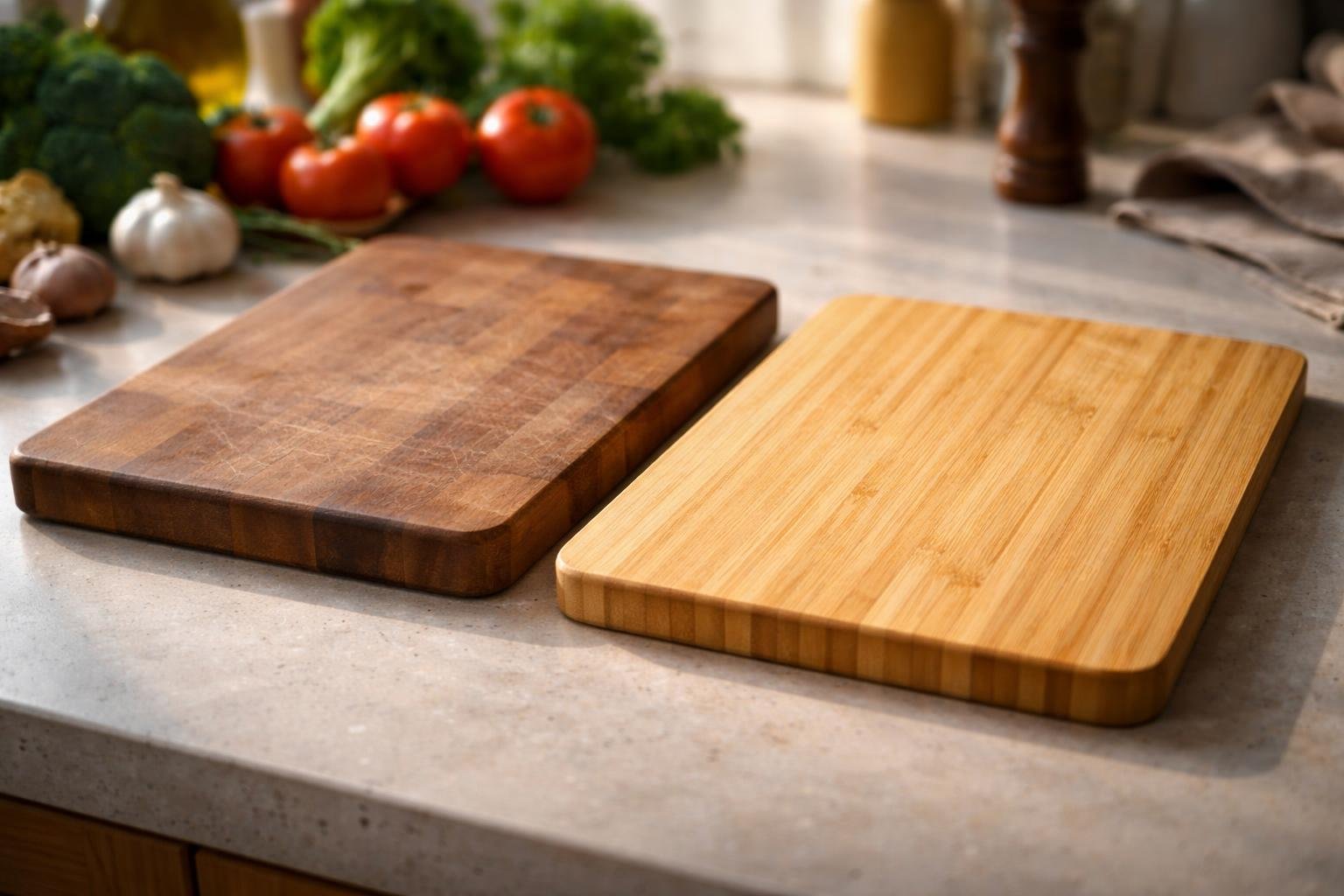
Plastic cutting boards can release tiny particles into food and trap bacteria in knife grooves, while wooden and bamboo alternatives offer natural antimicrobial properties when properly maintained.
Health Risks of Plastic Cutting Boards
Plastic cutting boards shed microplastics during regular use. Research published in Environmental Science and Technology found that a single plastic cutting board can release tens of thousands of microplastic particles per use[5], with the number increasing as the board ages.
These microscopic plastic particles end up directly in food. Scientists have detected polyethylene and polypropylene, the most common plastics in cutting boards, in human blood, stool, and tissue samples.
Deep knife grooves create another problem. Bacteria can survive in these scratches even after vigorous scrubbing and dishwasher cycles. A heavily scored plastic board becomes harder to sanitize than a well-maintained wooden one.
Why Wood and Bamboo Are Safer
Wooden boards are naturally antimicrobial when dried properly[6]. Research shows that wood absorbs bacteria into its fibers where they die off, provided the board dries completely between uses.
Hardwoods like maple, walnut, and cherry work best. Their tight grain limits how deeply bacteria can penetrate. These dense hardwoods also resist deep knife grooves better than softer materials.
Bamboo cutting boards offer similar benefits with extra water resistance. They are harder and more durable than many softwoods[7], making them resistant to knife scarring. However, many bamboo boards use glued strips, so checking for food-safe adhesives matters.
Selecting, Caring For, and Maintaining Wooden Boards
When shopping for a wood cutting board, look for single-slab construction without glue or strange coatings. Hardwoods like maple or walnut provide the best combination of durability and knife-friendliness.
Proper care keeps wooden boards safe:
- Wash with hot soapy water after each use
- Scrub with salt and lemon for deep cleaning
- Dry completely by standing upright before storage
- Oil monthly with food-grade mineral oil to maintain the surface
A board that stays wet allows bacteria to thrive and the wood to degrade. Standing the board upright to air dry completely prevents moisture buildup. Regular oiling keeps the wood from drying out and cracking while maintaining its natural water resistance.
Swap 2: Upgrade Food Storage: Choose Glass and Stainless Steel
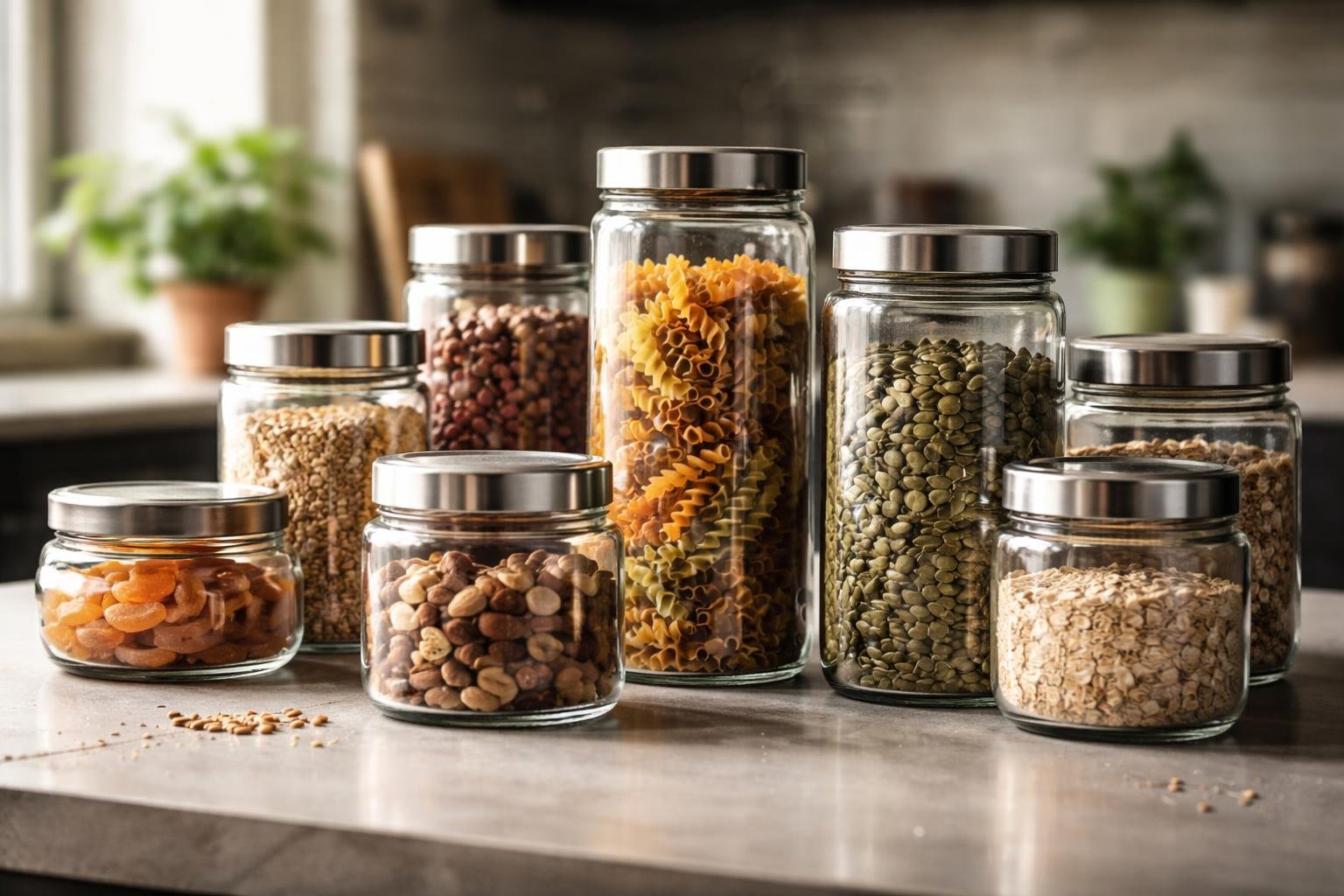
Plastic food storage containers can leak harmful chemicals into food, especially when heated or scratched. Glass and stainless steel options provide safer alternatives that protect both health and the environment.
Dangers of Plastic Food Storage Containers
Plastic food storage containers contain chemicals like BPA and phthalates that can migrate into food. This leaching increases when plastic gets heated in the microwave or dishwasher. Even BPA-free plastics often contain similar compounds that may pose health risks.
Plastic containers can leach harmful chemicals[6] like BPA and phthalates into food. These substances have been linked to hormone disruption and reproductive issues. The problem gets worse as containers age and develop scratches or cracks.
Hot foods speed up chemical transfer from plastic to meals. Acidic foods like tomato sauce also increase leaching. Plastic breaks down over time, releasing microplastics that end up in stored food.
Advantages of Glass and Stainless Steel Containers
Glass food storage containers are completely non-reactive and won’t absorb odors or stains. They’re microwave-safe, dishwasher-safe, and easy to clean. Glass lets people see what’s inside without opening the lid.
Stainless steel containers are virtually indestructible and perfect for on-the-go meals. They’re lightweight compared to glass and won’t break if dropped. A stainless steel water bottle keeps drinks cold or hot for hours without any metallic taste.
Both materials last for years with proper care. They eliminate the need for constant replacements that plastic requires. Glass and stainless steel also reduce waste since they don’t need to be thrown away when scratched or stained.
How to Transition Your Food Storage Safely
Start by replacing plastic containers with glass or stainless steel options[2] as old ones wear out. Focus first on containers used for hot foods or liquids. Invest in a few quality pieces rather than buying everything at once.
Look for glass food storage with airtight lids made from silicone or bamboo. Choose stainless steel containers with secure closures for packed lunches. Make sure any new containers fit existing shelf and refrigerator space.
Keep one or two plastic containers for non-food storage like craft supplies. This extends their useful life instead of adding to landfills. Label new containers with contents and dates using erasable markers designed for glass or metal surfaces.
Swap 3: Switch to Non-Toxic Cookware and Utensils
Your pots, pans, and cooking tools directly touch your food every day. Many common cookware materials contain chemicals that can transfer into meals during cooking, especially at high temperatures.
Risks of Traditional Nonstick Cookware and Utensils
Traditional nonstick pans coated with Teflon release harmful chemicals when heated. These coatings contain PFOA and PTFE, which have been linked to various cancers and birth defects[8].
The CDC reports that 9 in 10 Americans have detectable levels of BPA in their bodies. BPA exposure has been connected to fertility problems, early puberty, and certain types of cancer.
Plastic cooking utensils pose similar risks. When exposed to heat, they can release microplastics and chemicals into food. These materials break down over time, especially when used with hot pans or acidic foods.
Recommended Non-Toxic Cookware Materials
Cast iron provides a safe, durable cooking surface that improves with use. A cast iron pan can move from stovetop to oven without any issues. It requires seasoning to maintain its natural nonstick properties.
Ceramic cookware offers a smooth cooking surface without toxic coatings. Look for products that are 100% ceramic with no cadmium, lead, or PFOA. Some ceramic options are oven-safe up to 550°F[8] and work on all stovetop types.
Stainless steel cookware distributes heat evenly and lasts for decades. Uncoated stainless steel contains no chemical coatings that can break down over time.
For baking, stainless steel sheet pans and glass dishes eliminate exposure to nonstick chemicals. Glass baking dishes work well in the oven, fridge, and freezer.
Choosing Safer Cooking and Baking Tools
Wooden utensils provide a safe alternative to plastic tools. Bamboo spoons and spatulas won’t scratch cookware surfaces and don’t leach chemicals when heated.
Food-grade silicone offers heat resistance and flexibility for cooking tasks. Silicone utensils can withstand high temperatures without melting or releasing harmful substances.
Silicone baking mats replace disposable parchment paper and nonstick sprays. These reusable mats create a naturally nonstick surface for cookies and roasted vegetables. They’re dishwasher safe and can handle temperatures up to 450°F.
When selecting non-toxic cooking utensils[9], choose solid materials over plastic. Stainless steel serving spoons and tongs provide durability without chemical concerns.
Swap 4: Use Reusable and Sustainable Kitchen Essentials
Switching from disposable items to reusable alternatives cuts down on waste while saving money over time. Simple changes like choosing cloth over paper and glass over plastic make a big difference in creating a zero waste kitchen[10].
Alternatives to Single-Use Plastics and Disposables
Single-use plastics dominate most kitchens, but they create unnecessary waste that ends up in landfills and oceans. Paper towels, plastic wrap, and disposable sandwich bags add up to hundreds of dollars in annual household expenses.
Making the switch to reusable options eliminates this ongoing cost. Glass containers with tight-fitting lids store food safely without leaching chemicals. Stainless steel straws replace plastic ones. Reusable produce bags work well for shopping trips and storing vegetables in the refrigerator.
These swaps to reduce plastic waste[11] require an upfront investment but last for years. Most families notice lower grocery bills within a few months of making the change.
Reusable Storage Alternatives: Beeswax Wraps and Silicone Bags
Beeswax wraps offer a natural alternative to plastic wrap for covering bowls and wrapping sandwiches. The wraps contain cotton fabric coated with beeswax, which creates a seal when warmed by hands. They clean easily with cool water and last up to a year with proper care.
Silicone storage bags replace disposable plastic bags for storing leftovers, marinating meat, and packing lunches. These bags withstand freezer temperatures and heat up to 400 degrees. They seal tightly to prevent leaks and can go in the dishwasher.
Both options keep food fresh without creating waste. Beeswax wraps work best for items that don’t need airtight seals. Silicone bags handle liquids and foods that need stronger protection from air and moisture.
Cloth Towels, Swedish Dishcloths, and Compostable Trash Bags
Regular cloth towels handle most kitchen cleanup tasks that people typically use paper towels for. They absorb spills, wipe counters, and dry hands effectively. Washing them with regular laundry keeps costs low.
Swedish dishcloths combine the absorbency of a sponge with the convenience of a paper towel. Made from cellulose and cotton, they absorb 15 times their weight in liquid. These reusable cloth towels air dry quickly, which prevents bacteria growth. Each one replaces about 17 rolls of paper towels.
Compostable trash bags break down naturally instead of sitting in landfills for decades. They work for regular kitchen waste and yard trimmings. These bags cost slightly more than regular plastic bags but support sustainable living at home[12] by reducing long-term environmental impact.
Swap 5: Purify and Filter Your Kitchen Water
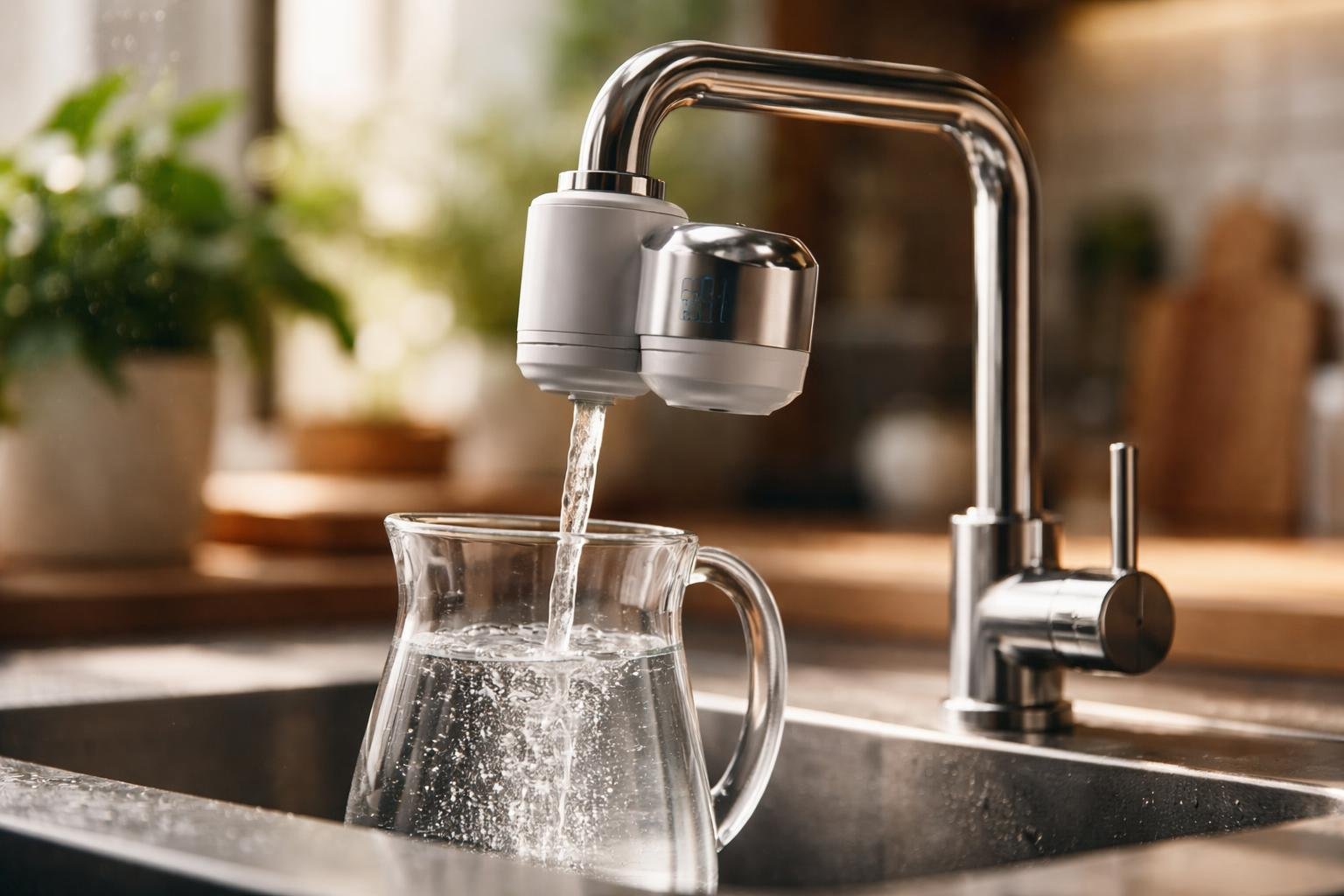
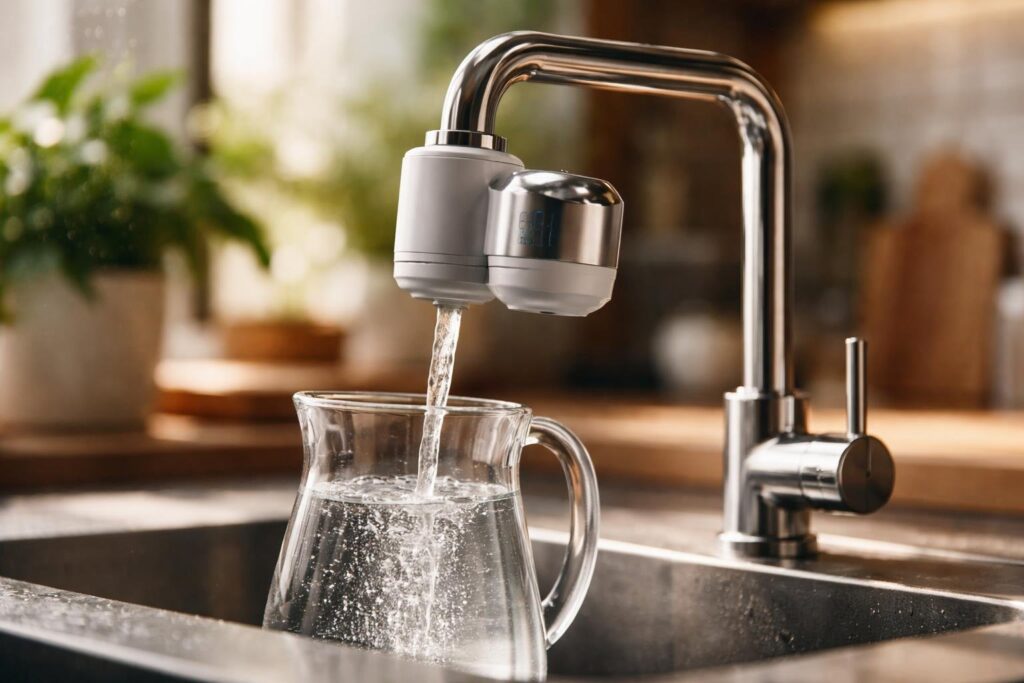
Tap water often contains contaminants that affect both health and taste. A quality water filter removes chlorine, heavy metals, and microplastics while providing clean drinking and cooking water.
Why Water Quality Matters in a Healthier Kitchen
Municipal tap water meets basic safety standards, but it still carries chlorine, fluoride, and trace amounts of pharmaceuticals. These chemicals affect the taste of drinking water and can impact food prepared with contaminated water.
Cooking with unfiltered water means these contaminants end up in pasta, rice, soups, and beverages. The chlorine used to treat municipal water kills bacteria but leaves a chemical taste that transfers to coffee, tea, and other drinks.
Heavy metals like lead can leach from old pipes into the water supply. Even low levels of lead exposure pose risks, especially for children. Installing a water filtration system[13] ensures drinking and cooking water stays free from these harmful substances.
Elevate Your Health for Just $29.99/Month
Join the Precision Wellness Subscription at My Healing 365 and get discounted services, priority coaching access, virtual care, and exclusive wellness resources to support your physical, emotional, and hormonal health.
Join for $29.99/MonthTypes of Water Filters and Their Effectiveness
Pitcher filters offer the most affordable option for basic filtration. They remove chlorine and improve taste but have limited effectiveness against heavy metals and other contaminants.
Faucet-mounted filters attach directly to the kitchen tap and provide better filtration than pitchers. They filter water on demand without taking up counter space.
Countertop systems sit next to the sink and connect to the faucet. These units offer stronger filtration and handle larger water volumes than pitcher or faucet models.
A reverse osmosis system provides the most thorough filtration available for home use. These systems force water through a semi-permeable membrane that blocks nearly all contaminants. Reverse osmosis removes up to 99% of dissolved solids, including heavy metals, fluoride, and pesticides.
Under-sink filters install beneath the counter and deliver filtered water through a separate tap. They combine convenience with effective multi-stage filtration.
Reducing Microplastics and Chemicals in Your Water
Microplastics appear in tap water across the globe. These tiny plastic particles come from degraded bottles, synthetic clothing fibers, and industrial waste. Research shows that people consume thousands of microplastic pieces each year through drinking water alone.
Standard carbon filters catch some microplastics, but reverse osmosis systems remove the smallest particles most effectively. The membrane in these systems blocks particles as small as 0.0001 microns.
Pesticides, herbicides, and industrial chemicals also contaminate water supplies in agricultural and manufacturing areas. Activated carbon filters absorb many of these organic compounds. Multi-stage filtration systems that combine carbon filtering with reverse osmosis offer the best protection.
Replacing bottled water with filtered tap water[14] eliminates exposure to chemicals that leach from plastic bottles. It also reduces plastic waste and saves money over time.
Switching to natural cleaning products and composting food scraps reduces chemical exposure and waste. These changes create a safer space while supporting environmental health.
Natural Cleaning Solutions
Most conventional dish soaps and surface cleaners contain synthetic fragrances, which can hide hundreds of undisclosed chemicals. These chemicals include phthalates and allergens that build up in the body over time.
Safe alternatives include:
- White vinegar mixed with water for countertops and surfaces
- Baking soda as a gentle scrub for sinks and stovetops
- Castile soap for dishes and general cleaning
- Lemon juice for cutting grease and adding natural scent
Many people find that switching to natural cleaning solutions[15] eliminates headaches and respiratory irritation they didn’t realize came from their cleaning products. These ingredients cost less than store-bought cleaners and work just as well for everyday messes.
For tougher jobs, mixing baking soda with a small amount of water creates a paste that removes stuck-on food without scratching surfaces. Adding a few drops of essential oils like tea tree or lavender provides antimicrobial properties without synthetic fragrance.
Using Compost to Minimize Kitchen Waste
A compost bin turns food scraps into nutrient-rich soil instead of sending them to landfills. This reduces methane emissions and creates free fertilizer for gardens or houseplants.
What goes in a compost bin:
- Fruit and vegetable scraps
- Coffee grounds and filters
- Eggshells
- Tea bags (if plastic-free)
What to avoid:
- Meat and dairy products
- Oils and fats
- Processed foods
Countertop compost bins with charcoal filters prevent odors and make collecting scraps easy. Once full, the contents can go into an outdoor compost pile or a city composting program. Many zero-waste kitchen practices[16] start with composting because it handles up to 30% of household waste.
Even apartment dwellers can compost using small bins designed for indoor use or by freezing scraps until they can take them to a drop-off location.
Frequently Asked Questions
Many people have similar concerns when switching to healthier kitchen materials. Plastic utensils and containers release tiny particles into food, while certain gadgets take up space without improving cooking results.
What are the easiest kitchen swaps to reduce microplastic exposure in daily cooking?
Replacing plastic cooking utensils with wooden or stainless steel versions is one of the simplest changes a person can make. These materials don’t break down or shed particles into hot food during cooking.
Switching from plastic food storage containers to glass ones cuts down on microplastic exposure during storage and reheating. Glass containers can go from the fridge to the microwave without releasing any particles.
Using wooden or bamboo cutting boards instead of plastic ones eliminates another source of microplastics. Plastic cutting boards release fragments[1] during food prep, especially when scratched or worn.
Which common kitchen items are most likely to shed microplastics into food?
Plastic cutting boards shed microplastic particles every time a knife cuts into their surface. The deeper the grooves become over time, the more particles break off.
Plastic spatulas, spoons, and tongs release microplastics when exposed to heat during cooking. Stirring hot food with plastic utensils causes the material to break down faster.
Old or scratched plastic food containers leak microplastics into stored food. Heat speeds up this process significantly, making microwaving food in plastic especially problematic.
What are the best alternatives to plastic cutting boards, utensils, and food containers?
Solid wood cutting boards made from mahogany or sapele provide durable surfaces that resist bacteria naturally. These boards don’t shed particles into food and last for years with proper care.
Stainless steel and wooden cooking utensils withstand high heat without breaking down. They’re safe for all types of cookware and won’t melt or warp.
Glass and stainless steel food storage containers offer safe options for storing leftovers and meal prep. Both materials work well in the refrigerator and can handle temperature changes without releasing chemicals.
How can I store and reheat food safely without using plastic or nonstick coatings?
Glass containers with silicone lids work well for storing food in the refrigerator or freezer. The glass can go directly into the oven or microwave for reheating without any safety concerns.
Stainless steel containers are good for cold storage and packing lunches. While they can’t go in the microwave, they’re extremely durable and won’t break if dropped.
Cast iron, stainless steel, or ceramic cookware allows for safe reheating on the stovetop. These materials heat food evenly without releasing any chemicals or coatings into meals.
Which kitchen gadgets are considered unnecessary and tend to clutter the kitchen without adding value?
Single-use gadgets like avocado slicers, banana slicers, and egg separators take up drawer space while performing tasks a regular knife can handle. A good chef’s knife does the work of dozens of specialty tools.
Electric can openers, garlic presses, and citrus juicers often sit unused because manual versions work just as well. These gadgets require cleaning and storage space without saving significant time.
Bulky appliances like bread makers, pasta makers, and ice cream machines rarely get used in most kitchens. They occupy valuable counter or cabinet space for tasks that happen only occasionally.
What kitchen tools do professional chefs typically avoid, and what do they use instead?
Professional chefs skip nonstick pans in favor of stainless steel and cast iron for most cooking tasks. These materials handle high heat better and develop better flavor through proper browning.
Chefs avoid plastic cutting boards and use thick wooden boards instead. Wood is easier on knife edges and provides a stable surface for all types of cutting work.
Most professionals don’t use specialized kitchen gadgets[4] and rely on a few quality knives and basic tools. A chef’s knife, paring knife, and wooden spoon handle most kitchen tasks efficiently.
Post Views: 14
References
- Non Toxic Kitchen 101: A Complete Guide to Toxin-Free Cooking. https://shewelcomeswellness.com/non-toxic-kitchen-swaps/ Accessed April 20, 2026
- 21 Easy Non-Toxic Swaps For Your Kitchen. https://sustainablykindliving.com/best-non-toxic-swaps-kitchen/ Accessed April 20, 2026
- 5 Simple Kitchen Swaps for Better Nutrition and a Healthier You. https://silkymahajan.com/5-simple-kitchen-swaps-for-better-nutrition/ Accessed April 20, 2026
- 5 Easy Kitchen Swaps to Make Your Home Healthier. https://wellnesswithmich.com/blog/easy-kitchen-swaps Accessed April 20, 2026
- Research published in Environmental Science and Technology found that a single plastic cutting board can release tens of thousands of microplastic particles per use. https://www.marthastewart.com/wooden-vs-plastic-cutting-board-11924835 Accessed April 20, 2026
- 15 Easy Low-Tox Kitchen Swaps for a Healthier Home. https://hersoulisbeautiful.com/15-easy-low-tox-kitchen-swaps-for-a-healthier-home/ Accessed April 20, 2026
- Five Easy Plastic Swaps for Bamboo Home Essentials. https://uniquebamboocraft.com/five-easy-plastic-swaps-for-bamboo-home-essentials/ Accessed April 20, 2026
- 11 Healthy Non-Toxic Cookware and Kitchen Swaps To Make Now. https://cookeatpaleo.com/healthy-non-toxic-cookware/ Accessed April 20, 2026
- non-toxic cooking utensils. https://www.foodandwine.com/microplastics-non-toxic-cooking-utensils-swap-amazon-11869032 Accessed April 20, 2026
- 5 Zero-Waste Kitchen Swaps to Reduce Plastic Use. https://www.alsogreen.com/zero-waste-kitchen-swaps-to-reduce-plastic-use Accessed April 20, 2026
- Guest Idea: 5 Everyday Kitchen Swaps To Reduce Plastic Waste. https://earth911.com/uncategorized/guest-idea-5-everyday-kitchen-swaps-to-reduce-plastic-waste/ Accessed April 20, 2026
- Sustainable Living at Home: 5 DIY Kitchen Swaps. https://blog.mountainroseherbs.com/sustainable-living-at-home-5-diy-kitchen-swaps Accessed April 20, 2026
- 10 Non-Toxic Swaps To Make In Your Kitchen. https://thehometome.com/10-non-toxic-swaps-to-make-in-your-kitchen/ Accessed April 20, 2026
- Create an Ecommerce Website and Sell Online! Ecommerce Software by Shopify. https://econestkitchen.com/blogs/news/5-simple-swaps-for-a-more-sustainable-kitchen Accessed April 20, 2026
- What to Replace First in Your Kitchen to Reduce Toxic Load. https://yourholistichq.com/simple-non-toxic-kitchen-swaps/ Accessed April 20, 2026
- 15 Swaps for a Zero-Waste & Plastic-Free Kitchen – Green Llama. https://greenllamaclean.com/blogs/green-eco-friendly-facts/zero-waste-kitchen-swaps Accessed April 20, 2026

























