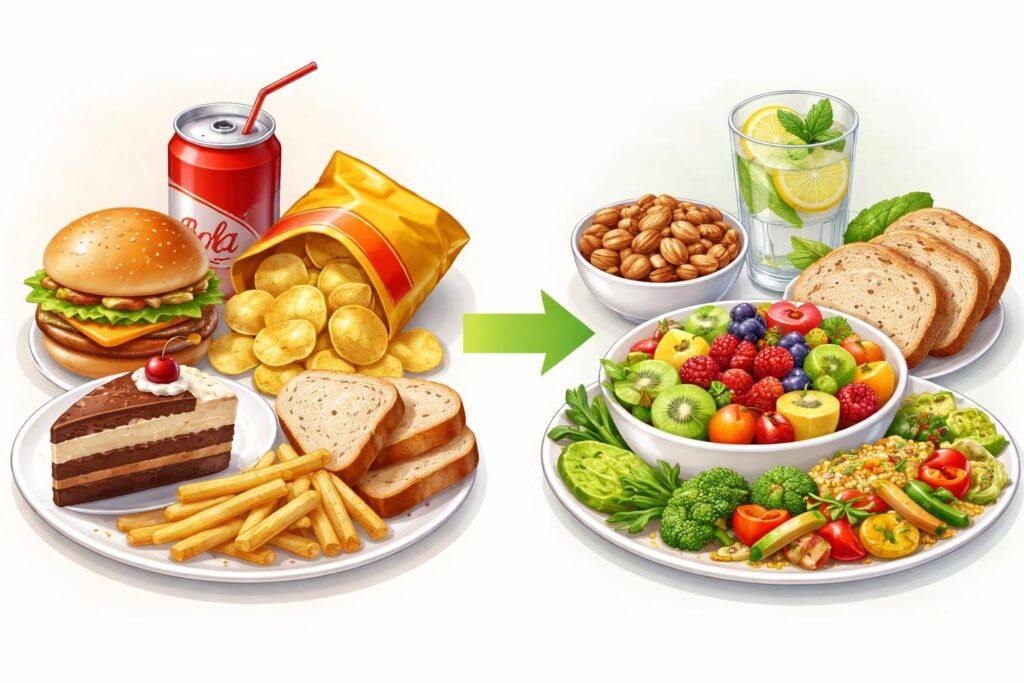
Medically Reviewed
Dr. Jose Rossello, MD, PhD, MHCM
Preventive Medicine & Public Health Specialist
Last Reviewed: April 19, 2026
Your pantry might be working against you. Many common foods that seem harmless are packed with ingredients that drain your energy, disrupt your sleep, and make it harder to maintain a healthy weight. Removing just a few problem foods from your kitchen can lead to noticeable improvements in how you feel within weeks.
The issue isn’t just about calories. Certain packaged foods contain additives and excessive sodium[1] that trigger inflammation, mess with your blood sugar, and throw your hormones off balance. These effects show up as afternoon crashes, restless nights, and stubborn weight that won’t budge.
The good news is that small changes make a big difference. By identifying which foods are holding you back and swapping them for better options, you can reset your body and start feeling better fast. This guide breaks down the top offenders lurking in most kitchens and offers simple swaps that actually work.
Table of Contents
Key Takeaways
- Eliminating processed foods with added sugars and unhealthy fats can improve sleep quality and energy levels
- Many common pantry staples contain hidden ingredients that cause inflammation and disrupt metabolism
- Simple food swaps using whole ingredients provide better nutrition without sacrificing convenience
Why Certain Foods Sabotage Your Health
Many common foods undermine health through their specific ingredients rather than just their calorie content. Added sugars spike blood glucose levels and contribute to weight gain, while unhealthy fats trigger inflammation throughout the body. Refined carbohydrates lack fiber and nutrients, creating rapid blood sugar swings that increase disease risk.
Impact of Added Sugars and Unhealthy Fats
Added sugars represent one of the most harmful ingredients in processed foods. When someone consumes excess sugar, their body converts it to fat and stores it around organs and in the bloodstream. This process directly contributes to type 2 diabetes by making cells less responsive to insulin.
Sugar consumption also interferes with weight management by triggering hunger hormones. A single sugary drink can contain 30-40 grams of sugar, which provides calories without any feeling of fullness.
Unhealthy fats create different problems. Trans fats and certain vegetable oils cause inflammation in blood vessels and raise bad cholesterol levels. Fried foods cooked at high temperatures create compounds that damage arteries and increase heart disease risk.
Healthy fats like those from avocados, nuts, and olive oil support the body. These unsaturated fats can actually help lower cholesterol when they replace saturated and trans fats in the diet.
Role of Refined Carbohydrates in Chronic Disease
Refined carbohydrates have been stripped of their fiber and nutrients during processing. White bread, pastries, and regular pasta cause blood sugar to spike rapidly after eating. These spikes force the pancreas to release large amounts of insulin repeatedly throughout the day.
Over time, this pattern leads to insulin resistance. Cells stop responding properly to insulin signals, which marks the beginning of type 2 diabetes. The refined grains also lack the fiber that slows digestion and helps control appetite.
Non-organic refined grains carry additional risks. They often contain pesticide residues that can disrupt gut bacteria and hormone function. Choosing whole grains or organic sprouted options provides more nutrients and avoids these chemical exposures.
Additives, Preservatives, and Hidden Ingredients
Food manufacturers add numerous chemicals to extend shelf life and enhance flavor. Processed meats contain nitrites and nitrates that form potentially harmful compounds during digestion. These preservatives have been linked to increased cancer risk, particularly in the colon.
Commercial baked goods often include bromides that interfere with thyroid function. The thyroid needs iodine to produce metabolism-regulating hormones, but bromides block iodine absorption.
Sodium levels in processed foods far exceed what the body needs. Excess sodium raises blood pressure and strains the cardiovascular system. Many packaged foods contain hidden sources of salt beyond what appears on nutrition labels.
Even foods marketed as healthy can contain problematic additives. Plant-based meat alternatives may include artificial binders and flavor enhancers alongside pesticide-treated soy protein.
10 Foods to Remove From Your Kitchen
Certain processed foods contain high amounts of sugar, unhealthy fats, and sodium that can harm health over time. Removing these items creates space for better options that support energy levels and overall wellness.
Sugary Breakfast Cereals
Many breakfast cereals marketed as healthy options contain shocking amounts of added sugar. A single serving can pack 12 to 20 grams of sugar, which is nearly the entire daily recommended limit for children.
Even cereals that seem nutritious often hide excessive sugar:
- Granola typically contains 10-15 grams of sugar per serving
- “Whole grain” cereals may still list sugar as the second or third ingredient
- Flavored instant oatmeal packets can contain as much sugar as cookies
These products cause blood sugar spikes followed by energy crashes. The body processes this sugar quickly, leaving people hungry again within an hour or two. Regular consumption links to weight gain, increased diabetes risk, and dental problems.
Better alternatives include plain oatmeal topped with fresh fruit or unsweetened bran cereals. These options provide soluble fiber that keeps people full longer and supports digestive health.
Potato Chips and Fried Snacks
Potato chips and similar fried snacks deliver excessive calories with minimal nutritional value. A standard bag contains 150-200 calories per serving, and most people eat multiple servings in one sitting.
The frying process creates unhealthy trans fats and compounds that may increase inflammation in the body. Most brands also load these snacks with sodium, often 150-200 milligrams per serving. This excess salt contributes to high blood pressure and water retention.
These snacks lack fiber and protein, so they don’t satisfy hunger effectively. People often eat them mindlessly while watching television or working, consuming hundreds of extra calories without realizing it.
White Bread, Bagels, and Refined Grains
White bread and similar refined grain products have been stripped of their natural bran and fiber during processing. This removes most vitamins, minerals, and beneficial nutrients that whole grains provide.
The body digests these refined carbohydrates rapidly, similar to pure sugar. A slice of white bread can raise blood sugar as quickly as candy. Bagels present an even bigger problem because they often contain the equivalent of four to five slices of bread in a single serving.
Regular consumption of refined grains correlates with increased belly fat, higher diabetes risk, and elevated triglyceride levels. These products also lack the fiber needed for healthy digestion and lasting fullness. Switching to whole grain alternatives provides more nutrients and helps maintain stable energy throughout the day.
Hidden Health Risks in Packaged Food
Packaged foods often contain high levels of added sugars, unhealthy fats, and sodium that can interfere with weight management and overall health. Many of these products also include artificial additives and preservatives that offer no nutritional value.
Packaged Cookies and Pastries
Store-bought cookies and pastries contain large amounts of added sugar and trans fats. A single serving of packaged cookies can have 15 to 25 grams of sugar, which exceeds half the recommended daily limit for most adults.
These products use refined flour that spikes blood sugar levels quickly. The body converts this excess sugar into fat, making weight loss more difficult.
Elevate Your Health for Just $29.99/Month
Join the Precision Wellness Subscription at My Healing 365 and get discounted services, priority coaching access, virtual care, and exclusive wellness resources to support your physical, emotional, and hormonal health.
Join for $29.99/MonthCommon harmful ingredients include:
- Partially hydrogenated oils (trans fats)
- High fructose corn syrup
- Artificial colors and flavors
- Preservatives like BHT and BHA
Trans fats raise bad cholesterol levels while lowering good cholesterol. This combination increases the risk of heart disease and stroke. Many packaged pastries also contain palm oil, which is high in saturated fat.
The high calorie content in these foods provides little nutrition. One packaged muffin can contain 400 to 500 calories without offering fiber, protein, or essential vitamins.
Instant Noodles and Boxed Meals
Instant noodles pack excessive sodium in each serving. A single package often contains 1,500 to 2,000 milligrams of sodium, which is close to the entire daily recommended limit of 2,300 milligrams.
This sodium overload causes water retention and bloating. It also raises blood pressure over time, increasing the risk of heart disease and kidney problems.
The noodles themselves offer minimal nutritional value. They’re made from refined flour stripped of fiber and nutrients. The seasoning packets contain MSG, artificial flavors, and preservatives.
Boxed meal kits face similar issues. These products use processed ingredients that pose significant health risks[2] through their additives and preservatives. They’re designed for long shelf life rather than nutrition.
Regular consumption interferes with weight management because these meals are calorie-dense but not filling. People often feel hungry again within a few hours, leading to overeating.
Sugary Drinks and Soda
Soda and sugary drinks deliver empty calories without any nutritional benefits. A 12-ounce can of regular soda contains about 39 grams of sugar, equivalent to nearly 10 teaspoons.
The body absorbs this liquid sugar rapidly, causing sharp spikes in blood glucose. The pancreas releases large amounts of insulin to handle the sugar rush. Over time, this pattern can lead to insulin resistance and type 2 diabetes.
Negative effects on the body:
- Weight gain from excess calories
- Tooth decay from acid and sugar
- Increased risk of fatty liver disease
- Disrupted hydration balance
Despite containing liquid, these drinks don’t support proper hydration. The high sugar content actually increases thirst and can cause mild dehydration. Caffeine in many sodas acts as a diuretic, further reducing hydration.
Diet sodas aren’t better alternatives. They use artificial sweeteners that may alter taste preferences and increase cravings for sweet foods. Some studies suggest these sweeteners can affect gut bacteria and glucose metabolism.
Even fruit juices sold in stores often contain added sugars. A glass of commercial fruit juice can have as much sugar as soda, making it just as problematic for weight management.
Processed Sweets and Spreads to Avoid
Many sweet treats and spreads contain excessive amounts of added sugars and artificial ingredients that provide little nutritional value. These products often replace beneficial compounds like antioxidants and flavonoids found in whole foods with empty calories.
Candy and Chocolate Bars
Most commercial candy and chocolate bars pack alarming amounts of sugar into small packages. A single candy bar can contain 20 to 30 grams of added sugars, which exceeds half the daily recommended limit for most adults.
These products typically combine sugar with artificial colors, flavors, and preservatives. The body rapidly absorbs these simple sugars, causing blood sugar spikes followed by crashes that trigger cravings for more sweets.
Dark chocolate offers some health benefits due to flavonoids and antioxidants from cocoa. However, milk chocolate bars and candy contain minimal cocoa and maximum sugar. The small amount of cocoa gets diluted by corn syrup, artificial flavoring, and unhealthy fats.
Regular consumption of these sweets contributes to weight gain, tooth decay, and increased risk of type 2 diabetes. The lack of fiber, protein, or healthy fats means they fail to satisfy hunger despite their high calorie content.
Store-Bought Frosting and Baking Mixes
Pre-made frostings and baking mixes contain trans fats, artificial colors, and excessive sugar. A two-tablespoon serving of store-bought frosting delivers roughly 19 grams of sugar and 130 calories with zero nutritional benefit.
These products use hydrogenated oils to extend shelf life and create smooth texture. Many contain ingredient lists with over 15 items, including preservatives and stabilizers that bodies struggle to process.
Boxed cake and brownie mixes seem convenient but trade nutrition for speed. They replace whole ingredients like real cocoa, eggs, and butter with powdered substitutes and artificial flavors. Making baked goods from scratch allows control over sugar content and ingredient quality while avoiding unhealthy additives found in processed foods[3].
Ditch These Processed Meats and Cheeses
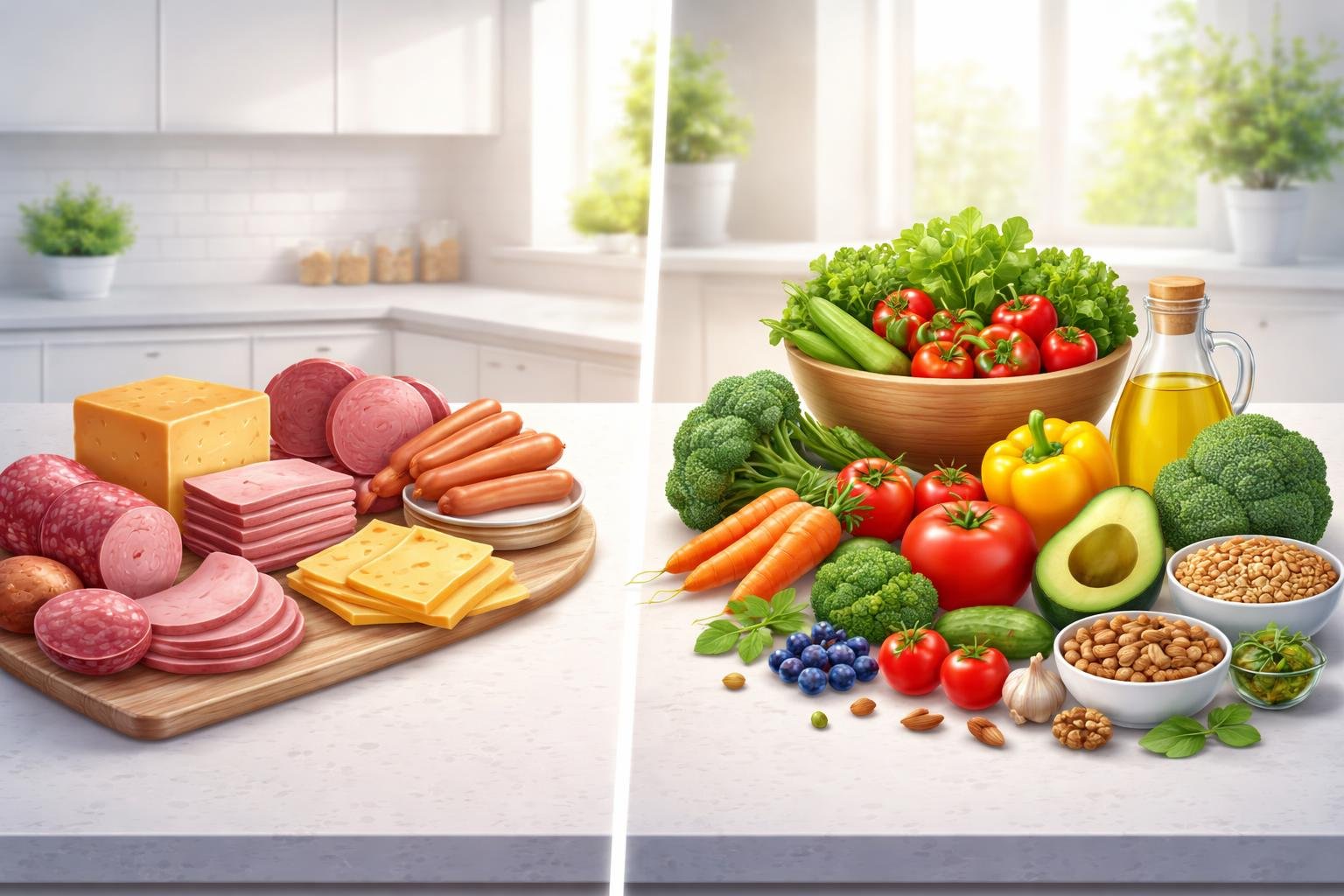
Processed meats and certain dairy products pack high amounts of sodium and saturated fats while offering fewer nutrients than their whole-food alternatives. These items often contain preservatives and additives that can impact long-term health.
Processed Meats: Deli, Sausage, Bacon
Processed meats like bacon, sausage, and deli meats are high in sodium, saturated fats, and preservatives[4], which can increase the risk of heart disease. A single serving of deli ham can contain over 500mg of sodium, nearly a quarter of the daily recommended limit.
These meats go through curing, smoking, or adding chemical preservatives to extend shelf life. While they provide protein and some iron, the negatives outweigh the benefits. Ham contains saturated fat and salt, and has been linked to bowel cancer[5].
Government guidelines recommend eating 70g or less of red and processed meat daily. Choosing fresh chicken or turkey without the skin provides protein, iron, and zinc without the excess sodium and harmful preservatives. Fish like salmon and sardines offer additional benefits through omega-3 fatty acids.
Highly Processed Cheeses and Dairy
Processed cheese like American cheese, Velveeta, or Cheez Whiz contains high sodium and saturated fat[6]. These products also include emulsifiers, food coloring, and other additives that natural cheese lacks.
A slice of processed cheese can contain 300-400mg of sodium compared to 150-200mg in natural cheese. While both provide calcium, processed versions offer less protein and more artificial ingredients.
Natural cheese delivers the same calcium and protein benefits without unnecessary additives. Options like cheddar, mozzarella, and Swiss provide nutrients the body needs. For those watching sodium intake, fresh cheese varieties typically contain half the salt of processed alternatives while offering better flavor and nutrition.
What to Eat Instead: Nutritious Food Swaps
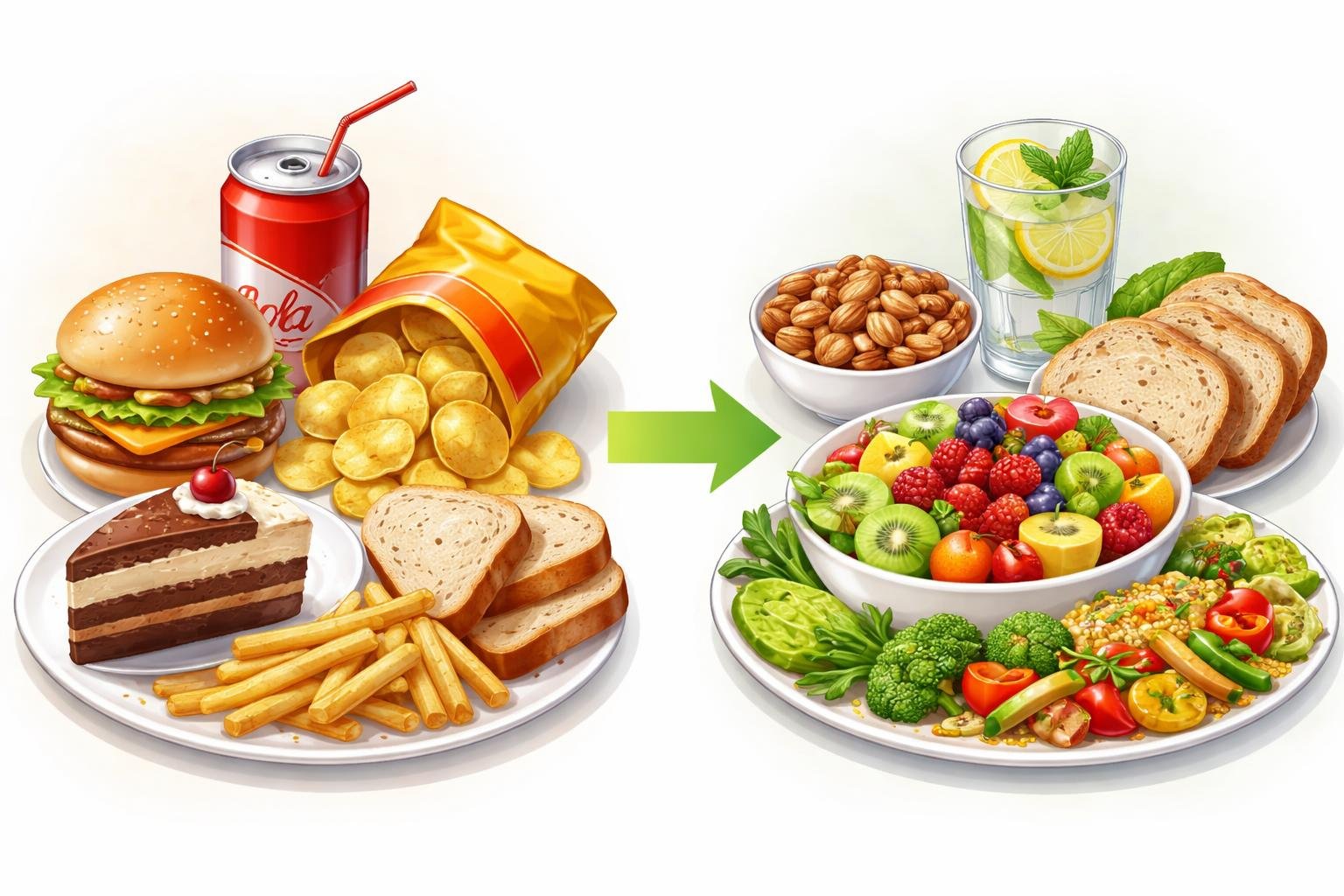
Making healthier food choices becomes easier when people know which nutritious alternatives can replace less healthy options. Whole grains provide more fiber and nutrients than refined versions, while nuts and seeds deliver protein and healthy fats that processed snacks lack.
Whole Grains Over Refined Grains
Whole grain bread offers more fiber, B vitamins, and protein[7] than white bread, helping people feel fuller for longer periods. Brown rice contains the bran and germ layers that white rice loses during processing, providing extra fiber and minerals.
Quinoa stands out among grains because it provides all nine essential amino acids. With 8 grams of protein and 5 grams of fiber per cooked cup[7], quinoa offers more than double the protein and fiber found in white rice.
Oats contain beta-glucan, a type of soluble fiber that helps control blood sugar levels and supports digestive health. Steel-cut or rolled oats make a better breakfast choice than sugary cereals, which often cause energy crashes within a few hours.
Nuts and Seeds Instead of Processed Snacks
Almonds, walnuts, and other nuts provide protein, healthy fats, and fiber that keep hunger at bay. A handful of almonds contains about 6 grams of protein and 3.5 grams of fiber, making them far more satisfying than chips or crackers.
Walnuts contain omega-3 fatty acids that support heart and brain health. Seeds like chia, flax, and pumpkin seeds offer similar benefits with added minerals like magnesium and zinc.
Natural nut butter makes an excellent swap for sugary spreads. Peanut butter provides protein and healthy fats, though people should choose versions with minimal added sugar and oil. Almond butter and cashew butter offer similar nutritional benefits with slightly different vitamin and mineral profiles.
Fresh Fruits and Berries in Place of Sweets
Berries deliver natural sweetness along with antioxidants and fiber that candy and baked goods cannot match. Blueberries contain compounds that may support brain health and reduce inflammation.
Strawberries and raspberries provide vitamin C and fiber while keeping calorie counts low. Adding fresh fruit to plain Greek yogurt[7] creates a naturally sweet breakfast or snack without the added sugars found in flavored yogurt varieties.
Fresh fruits satisfy sweet cravings while providing vitamins, minerals, and water content that help with hydration. Frozen berries work just as well as fresh ones for smoothies and can be more budget-friendly.
Lean Proteins and Plant-Based Alternatives
Fish like salmon, sardines, and tuna provide omega-3 fatty acids that support heart health. Salmon contains high-quality protein along with vitamin D, which many people lack in their diets. Trout offers similar nutritional benefits and tends to be lower in mercury than larger seafood options.
Plant-based protein sources include lentils and beans, which provide fiber alongside their protein content. One cup of cooked lentils contains about 18 grams of protein and 16 grams of fiber. Beans work well in soups, salads, and as meat substitutes in various dishes.
Eggs deliver complete protein with essential vitamins and minerals. Greek yogurt contains 24 grams of protein per cup[7] and provides probiotics that support gut health. These options help people meet protein needs without relying heavily on red meat.
Maximizing Nutritional Benefits With Whole Foods
Eating whole foods means choosing items that are as close to their natural state as possible. Vegetables, leafy greens, and legumes provide essential vitamins and minerals, while proper hydration supports every function in the body.
Focus on Vegetables, Leafy Greens, and Legumes
Leafy greens like kale, spinach, and chard pack more nutrition per calorie than almost any other food. These vegetables contain high amounts of vitamin K, which supports bone health and blood clotting. Kale provides vitamin A and vitamin C, while spinach delivers magnesium and potassium.
Other vegetables offer their own benefits. Broccoli contains vitamin C and compounds that may support the body’s natural detox processes. Sweet potatoes are rich in beta carotene, which the body converts to vitamin A for eye health and immune function. Carrots also provide beta carotene along with fiber.
Beans and legumes are affordable, protein-packed, and versatile[8] options for any meal. They contain fiber, potassium, and magnesium. Black beans, chickpeas, and lentils can be added to salads, soups, or grain bowls.
Fruits like blueberries add antioxidants to a meal plan. Avocados provide healthy fats that help the body absorb fat-soluble vitamins from other foods.
The Importance of Hydration and Healthy Beverages
Water is the most important beverage for overall health. Proper hydration helps regulate body temperature, transport nutrients, and remove waste products. Most adults need about 8 to 10 cups of water daily, though individual needs vary based on activity level and climate.
Green tea offers hydration plus beneficial plant compounds called polyphenols. It contains less caffeine than coffee but enough to provide a gentle energy boost.
Adding lemon to water can make it more appealing for those who struggle to drink enough throughout the day. Oranges and other citrus fruits can be eaten whole to provide both vitamin C and hydration through their high water content. Fresh fruit provides more fiber than juice and avoids added sugars found in many packaged drinks.
Frequently Asked Questions
Many people struggle to identify which everyday foods actually harm their health and what options make the best replacements. Understanding which items contain hidden sugars, inflammatory fats, and misleading health claims helps create a cleaner eating plan.
Which common pantry staples are most harmful to long-term health and should be replaced?
Refined white flour and white rice strip away beneficial fiber and nutrients during processing. These items cause rapid blood sugar spikes that increase diabetes risk over time.
Vegetable oils high in omega-6 fatty acids create inflammation when consumed regularly. Canola, corn, and soybean oils should be replaced with olive oil or avocado oil.
Table salt often contains added anti-caking agents and lacks the trace minerals found in sea salt or Himalayan salt. Excessive sodium from processed foods contributes to high blood pressure and heart disease.
What processed foods are highest in added sugar and easiest to eliminate first?
Breakfast cereals marketed to children contain up to 12 grams of sugar per serving. Even granola labeled as healthy often has more sugar than a glazed donut.
Flavored yogurts pack 15-20 grams of added sugar per container. Plain Greek yogurt with fresh fruit provides the same satisfaction without the excess sweetness.
Bottled salad dressings hide sugar under names like corn syrup, maltose, and dextrose. Two tablespoons can contain 5-8 grams of sugar along with inflammatory oils.
Which foods contain the most inflammatory fats, and what healthier swaps work best?
Margarine and shortening contain trans fats that raise bad cholesterol and lower good cholesterol. Butter or ghee from grass-fed cows offers a better alternative for cooking and baking.
Fried foods from restaurants use oils heated repeatedly to high temperatures. This process creates harmful compounds that damage cells and increase inflammation throughout the body.
Processed meats like bacon, sausage, and deli meats contain preservatives and saturated fats linked to heart disease. Fresh chicken, turkey, or fish rich in nutrients[9] make superior protein choices.
What everyday “healthy” foods are actually misleading due to hidden sodium or additives?
Canned soups contain 600-900 milligrams of sodium per serving, which equals about half the recommended daily limit. Low-sodium versions still pack 400-500 milligrams per cup.
Pre-packaged smoothies and juice blends often lack fiber while containing concentrated fruit sugars. Some brands add extra sweeteners that turn a seemingly healthy drink into liquid candy.
Protein bars frequently contain 15-20 ingredients including artificial sweeteners, soy protein isolate, and sugar alcohols. Many have similar sugar content to candy bars despite health-focused marketing.
Gluten-free packaged foods replace wheat with refined starches that offer little nutritional value. These products often contain more sugar and fat to improve taste and texture.
What are the most nutrient-dense foods to eat daily as replacements for ultra-processed options?
Dark green vegetables and winter squash[9] provide vitamins, minerals, and fiber that support overall health. Spinach, kale, broccoli, and butternut squash offer maximum nutrition per calorie.
Beans and lentils deliver protein, fiber, and resistant starch that feeds beneficial gut bacteria. These legumes stabilize blood sugar and keep people feeling full for hours.
Eggs contain all nine essential amino acids plus vitamins A, D, E, and B12. One whole egg provides 6 grams of protein and nutrients concentrated in the yolk.
Nuts like almonds, walnuts, and cashews offer healthy fats, protein, and minerals. A small handful provides sustained energy without the blood sugar crash from processed snacks.
Which fruits are linked to longevity benefits, and how often should they be eaten?
Berries contain antioxidants called polyphenols that protect cells from damage and reduce inflammation. Blueberries, strawberries, and blackberries support brain health and memory function.
Apples provide soluble fiber that feeds beneficial gut bacteria and helps lower cholesterol. Eating one apple daily reduces the risk of heart disease and type 2 diabetes.
Citrus fruits like oranges, grapefruit, and lemons deliver vitamin C that strengthens the immune system. These fruits also contain flavonoids that improve blood vessel function and reduce stroke risk.
Most nutrition experts recommend eating 2-3 servings of whole fruit each day. Fresh or frozen fruit without added sugar provides the most health benefits compared to juice or dried varieties.
Post Views: 10
References
- Inside the Pantry: 10 Foods to Toss Right Now for Better Sleep, Skin, and Fat Loss. https://www.trainwithdaveoc.com/inside-the-pantry-10-foods-to-toss-right-now-for-better-sleep-skin-and-fat-loss Accessed April 22, 2026
- The Hidden Dangers of Processed Foods: What’s Really on Your Plate?. https://csmsmagazine.org/the-hidden-dangers-of-processed-foods-whats-really-on-your-plate/ Accessed April 22, 2026
- 10 Processed Foods to Avoid, Healthier Alternatives & More. https://www.healthline.com/health/food-nutrition/processed-foods-to-avoid-2 Accessed April 22, 2026
- Just a moment…. https://medium.com/@vinoli4/10-unhealthy-foods-to-ditch-and-what-to-swap-them-with-ba6c909a91e5 Accessed April 22, 2026
- 10 unhealthy foods to ditch and what to eat instead. https://www.bhf.org.uk/informationsupport/heart-matters-magazine/nutrition/top-unhealthy-foods Accessed April 22, 2026
- The 10 Most Unhealthy Processed Snacks & 10 To Eat Instead. https://www.thespicychefs.com/health-wellness/the-10-most-unhealthy-processed-snacks-10-to-eat-instead Accessed April 22, 2026
- 14 Simple Food Swaps That Will Instantly Improve Your Diet. https://www.eatthis.com/food-swaps-that-improve-your-diet/ Accessed April 22, 2026
- Whole Foods Pantry Makeover: What to Keep and What to Toss — Nicole B. Wellness. https://www.nicolebwellness.com/blog/whole-foods-pantry-makeover-what-to-keep-and-what-to-toss Accessed April 22, 2026
- Top 10 Foods for Health | Patient Education. https://www.ucsfhealth.org/education/top-ten-foods-for-health Accessed April 22, 2026

























