Medically Reviewed
Dr. Jose Rossello, MD, PhD, MHCM
Preventive Medicine & Public Health Specialist
Last Reviewed: April 19, 2026
If hair feels rough, breaks easily, or looks dull and frizzy, it’s probably dry and brittle. This happens when hair doesn’t have enough moisture to stay soft and strong. Many people deal with this problem at some point.
Dry and brittle hair occurs when the scalp doesn’t produce enough natural oils or when those oils get stripped away by harsh products, heat styling, and overwashing. Brittle hair lacks moisture[1], which causes it to become weak and snap off at the ends. Environmental factors like dry air and sun exposure can make things worse.
The good news is that most cases of dry, brittle hair can be fixed with better hair care habits and small lifestyle changes. Understanding what causes the problem makes it easier to choose the right solutions and get hair back to a healthier state.
Table of Contents
Key Takeaways
- Dry and brittle hair happens when hair lacks moisture from low oil production or damage from styling and products
- Fixing the problem requires changing hair care habits like washing less often and avoiding heat tools
- Eating a balanced diet with vitamins A, E, and biotin helps strengthen hair from the inside out
What Does Dry and Brittle Hair Look Like?
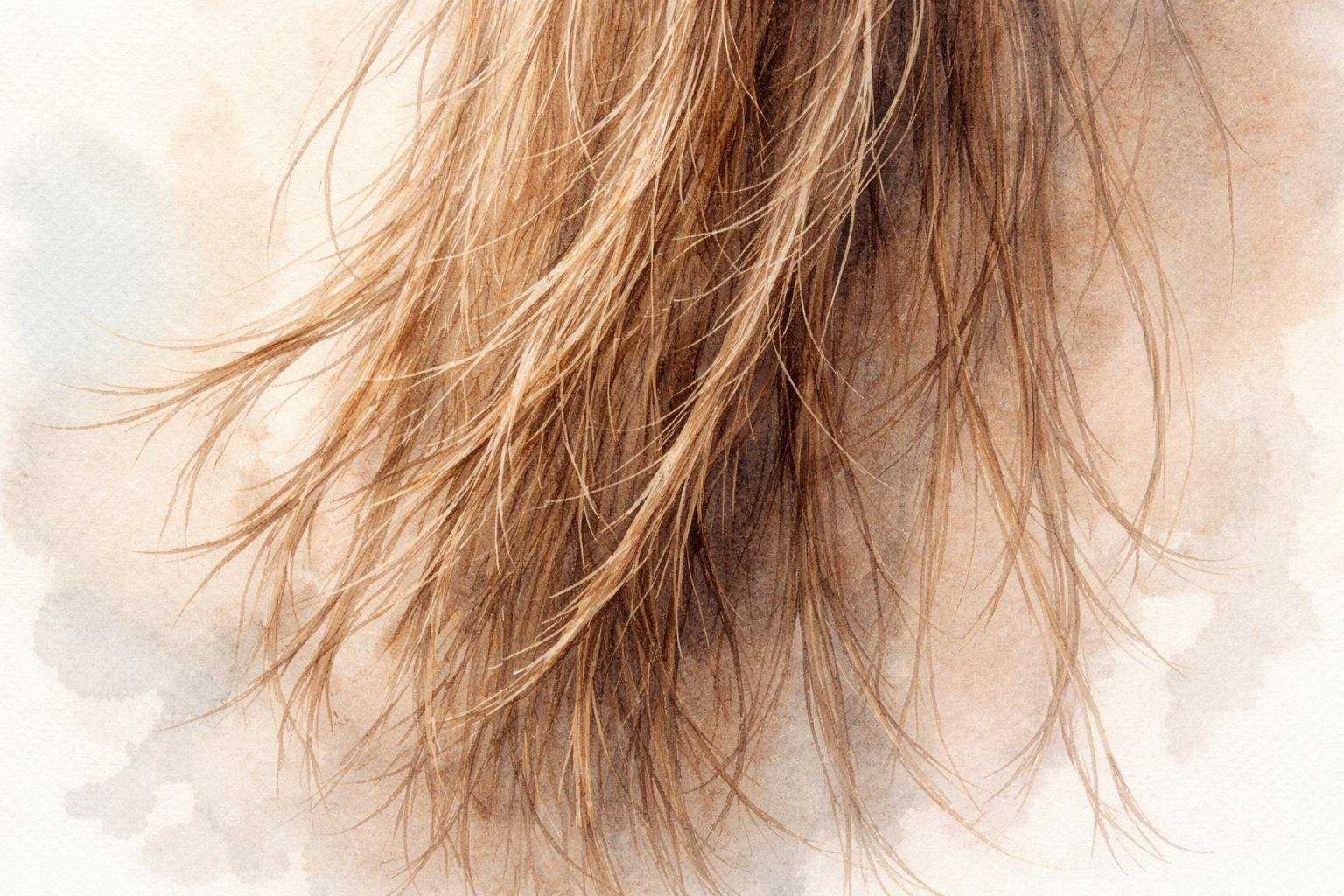
Dry and brittle hair has distinct visual and textural characteristics that make it easy to identify. The hair often appears lackluster and feels rough to the touch, with various signs of damage becoming visible over time.
Key Signs and Symptoms
Dry hair appears dull and frizzy[1] rather than shiny and smooth. When someone runs their fingers through dry brittle hair, it feels rough and straw-like instead of soft and silky. The hair may not reflect light well, giving it a flat, lifeless appearance.
Tell-tale signs include frizzy hair, split ends, and frequent hair breakage[2]. Tangles form easily and can be difficult to comb through. Flyaways stick out from the main hair shaft, creating an unruly look. The ends of the hair often appear frayed or damaged, with individual strands splitting into two or more pieces.
Hair that breaks easily when brushed or styled is another clear indicator. The strands may snap off with minimal force, leading to shorter, uneven lengths throughout the hair.
Differences Between Dry Hair and Brittle Hair
While these terms are often used together, they describe slightly different conditions. Dry hair lacks moisture and hydration, making it feel rough and look dull. Brittle hair is usually dry, rough, frizzy hair that’s easily broken[3].
Dry hair primarily has a moisture problem but may still maintain some flexibility. Brittle hair has progressed beyond simple dryness to become fragile hair that snaps under tension. Someone can have dry hair without it being brittle, but brittle hair is almost always dry.
The key difference lies in structural integrity. Dry hair bends but returns to shape, while brittle hair breaks when manipulated.
Common Associated Conditions
Dry hair is a sign of hair damage, and if left untreated, hair can become brittle, causing it to break or fray easily[4]. This damage weakens the hair shaft over time. Split ends multiply as the protective outer layer of each strand deteriorates.
Hair loss can occur when brittle strands break off at various points along the shaft. This differs from true hair loss at the root but creates a similar thinning effect. The broken pieces leave behind shorter, uneven sections that make styling difficult.
Scalp dryness often accompanies dry brittle hair. An itchy, flaky scalp may develop alongside the hair texture changes, creating additional discomfort and visible flaking.
Primary Causes of Dry and Brittle Hair
Hair becomes dry and brittle when it lacks sufficient moisture and natural oils, leading to breakage and a dull appearance. Multiple factors contribute to this condition, from daily haircare habits to underlying health issues.
Overwashing and Harsh Haircare Products
Washing hair too frequently strips away the natural oils that keep strands moisturized and protected. Hair relies on sebum produced by the scalp to maintain its moisture balance, and overwashing disrupts this natural lubrication system[5].
Many shampoos contain sulfates, which are aggressive cleansing agents that remove the hair’s protective oils. These harsh shampoos can leave hair feeling stripped and vulnerable to damage. People should look for sulfate-free formulas that preserve natural oils while still cleaning effectively.
The way products are applied also matters. Concentrating shampoo on the scalp rather than the entire length of hair helps prevent unnecessary dryness on the ends. Conditioner should be applied from mid-strand to the ends, where hair tends to be driest and most prone to breakage.
Chemical and Heat Damage
Chemical treatments rank among the most damaging processes for hair structure. Hair dye, bleach, and chemical relaxers alter the hair’s protein bonds, weakening its integrity and reducing its ability to retain moisture. Professional application and spacing treatments at least two months apart can minimize some of this damage.
Heat styling tools cause significant harm through direct thermal exposure. Blow dryers, curling irons, and straightening irons remove moisture from the hair shaft and can damage the protective outer layer. Using these tools at high temperatures or too frequently accelerates brittleness and breakage.
Avoiding blow drying and hot styling tools[1] helps preserve hair’s natural moisture. When heat styling is necessary, using the lowest effective temperature and applying a heat protectant product beforehand reduces damage.
Environmental Stressors
External environmental conditions affect hair moisture levels throughout the year. Cold winter air and heated indoor spaces create a dry atmosphere that pulls moisture from hair strands. Air conditioning produces similar drying effects during warmer months.
Sun exposure presents another challenge for hair health. UV rays damage the protective lipid layer on the scalp and hair shaft, affecting growth and structure. Wearing hats or scarves when spending extended time outdoors shields hair from this environmental stressor.
Dry scalp often accompanies environmental damage, as the skin produces less sebum in response to harsh conditions. This creates a cycle where hair receives even less natural moisture from its roots.
Nutritional Deficiencies and Health Factors
Internal health plays a direct role in hair condition. Diets lacking essential nutrients leave hair without the building blocks it needs to stay strong and flexible. Vitamin A, vitamin E, and biotin (vitamin B7) are particularly important for maintaining healthy hair and follicles.
Hormonal imbalances can trigger changes in hair texture and moisture levels. Thyroid disease affects hormone production[1], which can lead to dry, brittle strands. Women approaching menopause often experience hormonal fluctuations that make hair thinner and more prone to breakage.
Menkes disease, a rare genetic condition, prevents the body from properly absorbing copper. This results in kinky, brittle hair as one of its primary symptoms. Other eating disorders that restrict calories and nutrients can also cause dry, damaged hair as a complication of malnutrition.
How Hair Care Habits Contribute to Damage
Many daily hair care practices strip moisture from hair and weaken its structure. Common habits like overwashing, skipping conditioner, and using heat tools[2] directly contribute to brittleness and breakage.
The Role of Heat Styling and Heat Protectant
Heat styling tools like blow dryers, flat irons, and curling wands damage the hair’s outer protective layer. These tools expose hair to temperatures that evaporate essential moisture and weaken protein bonds within each strand.
Without protection, heat causes immediate and cumulative damage. The cuticle becomes rough and lifted, making hair look dull and feel dry to the touch.
A heat protectant creates a barrier between styling tools and hair strands. These products contain ingredients that distribute heat more evenly and reduce direct thermal damage. People who use heat protectant before styling experience less moisture loss and maintain healthier hair over time.
Limiting heat styling frequency also helps preserve hair health. Air drying when possible or using the lowest effective temperature setting reduces unnecessary exposure to damaging heat.
Impact of Hairstyles and Brushing Methods
Tight hairstyles pull on hair follicles and cause stress along the entire hair shaft. Ponytails, braids, and buns worn too tightly can lead to breakage at the hairline and throughout the lengths.
Brushing wet hair when it’s straight[2] causes more damage than brushing dry hair. Wet hair stretches more easily and breaks when pulled with a brush. Curly hair types should detangle while wet using fingers or a wide-tooth comb.
Rubbing hair vigorously with a towel creates friction that damages the cuticle. Gently squeezing or patting hair dry with a soft towel or t-shirt reduces this mechanical damage.
Regular trims remove split ends before they travel up the hair shaft. Trimming every 8-12 weeks prevents minor damage from becoming severe brittleness.
Effect of Frequent Chemical Treatments
Chemical treatments like hair coloring, bleaching, perms, and relaxers alter the hair’s natural structure. These processes open the cuticle and break down protein bonds to change hair’s color or shape.
Repeated chemical treatments compound damage over time. Each application removes more moisture and weakens the hair shaft further. Damaged hair becomes fragile and tends to break[6] more easily than untreated hair.
The time between treatments matters significantly. Spacing chemical services at least 6-8 weeks apart gives hair time to recover some strength. Using deep conditioning treatments between appointments helps treat brittle hair[7] by restoring lost moisture and proteins.
Combining multiple chemical processes, like bleaching and perming, accelerates deterioration. People who must use chemical treatments should consult professionals who can assess hair condition and recommend appropriate timing and products.
Elevate Your Health for Just $29.99/Month
Join the Precision Wellness Subscription at My Healing 365 and get discounted services, priority coaching access, virtual care, and exclusive wellness resources to support your physical, emotional, and hormonal health.
Join for $29.99/MonthBuilding a Supportive Haircare Routine
The right products and techniques can make the difference between hair that breaks easily and hair that stays strong. Adopting a gentle, nourishing haircare routine[8] helps hydrate strands and leaves them looking healthier.
Choosing the Right Shampoo and Conditioner
A hydrating shampoo designed for dry hair should be sulfate-free to avoid stripping natural oils. These formulas clean the scalp without removing the protective oils that keep hair flexible.
When applying shampoo, focus on the scalp rather than the lengths. The suds that rinse through are enough to clean the rest of the hair. This method prevents unnecessary dryness.
Conditioner works differently. Apply it from mid-lengths to ends, avoiding the roots entirely. Let it sit for at least two minutes before rinsing. This gives the formula time to penetrate the hair shaft and lock in moisture. People with very dry hair benefit from conditioning every time they wash.
Importance of Moisturizing and Leave-In Products
A leave-in conditioner provides ongoing protection between washes. It creates a barrier that helps hair retain moisture throughout the day. Apply it to damp hair after showering, focusing on the ends where damage shows up first.
Deep conditioning treatments work harder than regular conditioner. A hair mask or deep conditioning mask should be used once per week. These products contain higher concentrations of proteins and oils that rebuild damaged areas. Leave the treatment on for 15 to 20 minutes for best results.
Hair oil serves a different purpose. A small amount smoothed over dry ends seals the cuticle and adds shine. Oils work well on both damp and dry hair, but avoid applying too much near the roots.
Best Practices for Dry and Brittle Hair
Wet hair stretches and breaks more easily than dry hair. After washing, gently squeeze out excess water with a microfiber towel instead of rubbing vigorously. Regular towels create friction that roughens the cuticle.
Detangle carefully using a wide-tooth comb, starting at the ends and working upward. Never brush from roots to ends in one motion, as this pulls on tangles and causes breakage.
Heat styling tools should stay below 300 degrees Fahrenheit. Always use a heat protectant spray before applying any hot tools. Better yet, let hair air dry whenever possible.
A complete haircare routine includes these habits:
- Wash hair every two to three days instead of daily
- Sleep on silk or satin pillowcases to reduce friction
- Trim ends every eight to twelve weeks to remove split ends
- Avoid tight hairstyles that pull on the scalp
- Protect hair from sun exposure with hats or UV sprays
Repair From the Inside Out: Nutrition and Internal Health
Dry and brittle hair often signals nutritional gaps[9] that external products alone cannot fix. The body needs specific vitamins, minerals, and proper hydration to build strong hair strands and maintain a healthy scalp.
Essential Vitamins and Minerals
Hair is primarily made of keratin, a protein that requires specific nutrients to form properly. Without adequate protein intake from lean meats, fish, eggs, or plant-based sources like lentils and quinoa, hair becomes weak and prone to breakage.
Iron deficiency ranks among the most common causes of hair problems, especially in women. When iron levels drop, hair follicles don’t receive enough oxygen and nutrients. Red meat, spinach, lentils, and fortified cereals provide iron, which the body absorbs better when paired with vitamin C-rich foods.
Biotin (vitamin B7) strengthens hair strands by supporting keratin production. Eggs, almonds, sweet potatoes, and whole grains deliver this essential nutrient naturally.
Zinc maintains scalp health and prevents shedding by supporting hair tissue growth and repair. Oysters, beef, pumpkin seeds, and chickpeas contain high zinc levels.
Vitamin A produces sebum, the natural oil that keeps the scalp moisturized. Carrots, sweet potatoes, and leafy greens provide this vitamin, though balance matters since excess amounts can trigger hair loss.
Hydration, Diet, and Hair Wellness
Water plays a critical role in maintaining hair health from the inside out[10]. Dehydration leads to a dry, flaky scalp and brittle strands. Drinking at least eight glasses of water daily keeps hair and scalp properly hydrated.
Omega-3 fatty acids provide moisture from within and reduce inflammation that contributes to hair loss. Fatty fish like salmon and mackerel, chia seeds, walnuts, and avocados deliver these healthy fats. They keep the scalp hydrated and prevent dullness.
Vitamin C aids collagen production, which strengthens hair and prevents breakage. Citrus fruits, strawberries, bell peppers, and tomatoes supply this vitamin while also helping the body absorb iron more effectively.
Overall lifestyle balance affects hair vitality[11]. When the body struggles with nutritional deficiencies, hair often shows the first signs through thinning, dryness, or loss of shine.
Lifestyle Adjustments and Protective Measures
Simple daily habits can prevent moisture loss and shield hair from damage. Protecting strands during sleep and reducing environmental stress helps maintain hydration levels.
Minimizing Environmental and Styling Stress
Cold weather pulls moisture from hair strands, making them brittle and prone to breakage. During winter months, wearing a hat or scarf creates a barrier against harsh winds and dry air.
Heat styling tools damage the hair cuticle[12] and cause significant moisture loss. When possible, air-drying hair is the gentlest option. If heat styling is necessary, using the lowest effective temperature setting reduces damage. A heat protectant product should always be applied first to create a protective barrier.
Hairstyle choices also affect dryness levels. Tight ponytails, braids, and cornrows create excess tension on hair fibers, which prevents moisture retention. Alternating between high and low ponytails distributes stress more evenly. Gentler accessories like claw clips or silk scrunchies cause less breakage than traditional elastic bands.
The type of brush matters for dry hair. Boar bristle brushes or mixed plastic and boar hair options[12] are gentler on strands. Metal brushes can be too abrasive and should be avoided.
Nighttime and Everyday Protection Tips
Sleeping on cotton pillowcases creates friction that lifts the hair cuticle and causes moisture to escape. Switching to a silk pillowcase or satin option keeps the cuticle flat and seals in hydration throughout the night.
Pre-shampoo treatments applied to dry, unwashed hair before bed provide extra protection. These treatments help prevent oils from being stripped away during washing and keep cuticle layers intact.
Washing frequency should be limited to one or two times per week to preserve natural oils. Over-washing removes the protective sebum that travels down the hair shaft, leaving strands dehydrated.
Frequently Asked Questions
Hair dryness and brittleness can stem from environmental factors, styling habits, health conditions, and nutritional gaps. These common questions address the specific causes and solutions for maintaining healthy, moisturized hair.
What are the causes of sudden dryness and frizz in hair?
Sudden changes in hair texture often result from environmental shifts or new styling practices. Living in a dry, hot climate[4] can quickly strip moisture from hair strands. Spending extended time in the sun or wind also removes natural oils that keep hair smooth.
Chlorinated pool water and salt water from the ocean can cause rapid dryness. These substances pull moisture from the hair shaft and leave it feeling rough.
Recent changes to hair care products may also trigger sudden dryness. Switching to harsh shampoos or using new styling products with drying ingredients can alter hair texture within days.
What factors contribute to hair becoming brittle and prone to breakage?
Heat styling tools represent one of the main causes of brittle hair. Regular use of blow dryers, flat irons, and curling irons weakens the hair’s outer protective layer.
Chemical treatments like dying[4] and perming damage the hair structure. These processes alter the protein bonds inside each strand, making hair more fragile.
Over-washing removes the natural oils that protect hair from damage. Washing hair daily strips away these protective oils faster than the scalp can replace them.
Tight hairstyles that pull on the hair shaft can cause physical damage. Constant tension from ponytails, braids, or buns weakens hair at the root and along the length.
How can washing my hair lead to increased dryness and brittleness?
Frequent shampooing removes the protective oils produced by the scalp. These natural oils, called sebum, coat the hair shaft and lock in moisture. Washing hair every day[4] prevents these oils from traveling down the hair shaft.
The type of shampoo matters as much as washing frequency. Products with harsh sulfates and strong detergents strip more oil than gentler formulas. Using the wrong products for one’s hair type can accelerate moisture loss.
Hot water during washing opens the hair cuticle and allows moisture to escape. This leaves hair more porous and vulnerable to dryness after each wash.
What can I do to treat dry and brittle hair effectively?
Reducing washing frequency to once or twice weekly helps hair retain natural oils. Conditioning every time hair gets wet adds back moisture and smooths the outer layer.
Applying hair oils or leave-in conditioners between washes provides extra protection. These products seal the hair cuticle and prevent moisture from escaping throughout the day.
Avoiding chemical treatments[4] gives hair time to repair itself. Taking breaks from coloring, bleaching, and perming allows the hair structure to strengthen naturally.
Protecting hair from environmental damage requires simple preventive steps. Wearing hats in dry climates and swim caps in pools shields hair from damaging conditions.
What nutritional deficiencies are associated with brittle hair?
Calcium deficiency can lead to dry and brittle hair. Low calcium levels in the blood[4], often caused by hypoparathyroidism, affect hair health along with bones and teeth.
Copper deficiency affects how cells absorb nutrients needed for healthy hair. Menkes syndrome, a rare genetic condition, prevents proper copper absorption and results in dry, brittle strands.
Malnutrition from eating disorders[4] like anorexia nervosa causes widespread nutrient deficiencies. Without adequate protein, vitamins, and minerals, hair becomes weak and prone to breakage.
Iron and protein deficiencies commonly contribute to poor hair quality. These nutrients support hair growth and maintain the strength of each strand.
How does bleaching affect the hair’s moisture and texture?
Bleaching opens the hair cuticle to remove natural pigment. This process leaves the outer protective layer damaged and unable to retain moisture effectively.
The chemicals in bleach break down protein bonds within the hair shaft. Once these bonds are broken, hair loses its natural elasticity and becomes stiff and brittle.
Repeated bleaching compounds the damage with each application. Hair that has been bleached multiple times struggles to hold onto any moisture and often requires intensive conditioning treatments to restore flexibility.
Post Views: 8
References
- Brittle hair lacks moisture. https://www.verywellhealth.com/brittle-hair-6375377 Accessed April 21, 2026
- Just a moment…. https://www.forhers.com/blog/what-causes-dry-brittle-hair-how-can-you-treat Accessed April 21, 2026
- Dry and brittle hair: causes and how to easily fix it. https://hairscience.org/news/brittle-hair/ Accessed April 21, 2026
- Dry Hair: Causes, Treatments, and Diagnosis. https://www.healthline.com/health/dry-hair Accessed April 21, 2026
- Why Is Your Hair So Dry?. https://www.webmd.com/beauty/dry-hair-causes Accessed April 21, 2026
- 10 hair care habits that can damage your hair. https://www.aad.org/public/everyday-care/hair-scalp-care/hair/habits-that-damage-hair Accessed April 21, 2026
- treat brittle hair. https://www.health.com/brittle-hair-8585017 Accessed April 21, 2026
- Your Haircare Routine for Dry Hair. https://www.cerave.ca/en-ca/skin-smarts/hair-and-scalp-expertise/hair-treatment-dry-hair-routine Accessed April 21, 2026
- Hair Fall Is an Internal Problem: Why Real Healing Starts From Inside. https://www.nutrition-hacks.com/2026/01/hair-fall-is-internal-problem-why-real.html Accessed April 21, 2026
- Hair Growth from the Inside Out
– STRANDS OF FAITH. https://strandsoffaith.com/blogs/hair-care/hair-growth-from-the-inside-out Accessed April 21, 2026 - Hair Health from the Inside Out – Why Nutrition Matters More Than We Think. https://growvisory.org/hair-health-from-the-inside-out-why-nutrition-matters-more-than-we-think/ Accessed April 21, 2026
- Heat styling tools damage the hair cuticle. https://www.instyle.com/why-is-my-hair-so-dry-8762676 Accessed April 21, 2026

























