Medically Reviewed
Dr. Jose Rossello, MD, PhD, MHCM
Preventive Medicine & Public Health Specialist
Last Reviewed: May 1, 2026
Your kitchen does more than just hold your food and cooking tools. The way you organize and use your kitchen directly affects whether you reach your health, cooking, and lifestyle goals. A well-designed kitchen can reduce friction and conserve mental energy[1], making it easier to stick with good habits every day.
Most people never think about whether their kitchen setup matches what they want to achieve. They might want to cook more meals at home or eat healthier foods, but their kitchen layout makes these goals harder instead of easier. Small changes to where things are stored and how the space is organized can make a big difference.
Setting up your space to support specific behaviors[2] removes the need to rely only on willpower. When healthy choices require less effort than unhealthy ones, people naturally make better decisions without thinking about it.
Table of Contents
Key Takeaways
- A kitchen designed around specific goals makes healthy habits easier to maintain without constant effort
- Organizing tools and ingredients based on how you actually use them reduces wasted time and decision fatigue
- Regular evaluation of your kitchen setup helps identify what works and what needs to change
Defining Your Kitchen Goals
Kitchen goals work best when they connect to specific behaviors and desired outcomes rather than vague wishes. Clear targets help people track progress and build healthy habits that stick.
Understanding the Difference Between Goals and Resolutions
Resolutions often fail because they lack specificity and measurable outcomes. Someone might resolve to “cook more” or “eat healthier” without defining what that actually means in practice.
Goals differ because they include concrete actions and timelines. Instead of resolving to cook more, a goal states “prepare dinner at home four nights per week.” This creates accountability.
Goal-oriented cooking[3] provides structure that resolutions cannot match. When people set measurable targets, they create opportunities for a sense of achievement with each completed task.
The distinction matters because it changes how people approach their kitchen habits. A resolution feels like an obligation, while a goal becomes a project with milestones to celebrate.
Identifying Your Motivation and Priorities
People need to examine what drives their desire for kitchen changes before setting any targets. Some prioritize health, while others focus on saving money or spending quality time with family.
Organizing a kitchen to support healthy eating[4] starts with understanding personal priorities. A person training for athletic performance has different needs than someone managing a chronic condition.
Common motivations include:
- Time efficiency – reducing meal preparation stress
- Financial savings – cutting food waste and takeout costs
- Health improvement – controlling ingredients and portions
- Skill development – building cooking confidence
- Sustainability – reducing environmental impact
Each motivation requires different approaches and setups. Someone focused on time needs quick recipes and efficient storage, while someone building skills benefits from organized tools and learning new cooking techniques[5].
Setting Achievable and Measurable Targets
Realistic kitchen goals[6] require specific numbers and deadlines. “Cook more” becomes “prepare breakfast at home five days per week for the next month.”
Effective goals follow a simple pattern:
| Element | Example |
|---|---|
| Action | Meal plan |
| Frequency | Every Sunday |
| Duration | For 8 weeks |
| Outcome | Reduce takeout to once weekly |
People should limit themselves to one to three goals at a time to avoid burnout. Trying to overhaul everything simultaneously reduces the chance of success.
Measurable targets create opportunities for tracking progress. Someone can count how many times they packed lunch, tried new recipes, or organized a pantry section. These small wins build momentum and reinforce healthy habits over time.
Evaluating Your Current Kitchen Setup
A kitchen that supports health goals starts with understanding what currently works and what needs improvement. Taking stock of layout efficiency, pantry contents, and equipment availability reveals gaps that might be holding someone back from consistent meal preparation.
Assessing Kitchen Organization and Layout
Evaluating how traffic flows[7] through the space helps identify bottlenecks that slow down cooking. The most functional kitchens position the sink, stove, and refrigerator in a triangle pattern.
Each leg of this triangle should measure between 4 and 9 feet. The total distance around should be between 13 and 26 feet.
Storage accessibility matters as much as layout. Frequently used items like cutting boards and knives should sit within arm’s reach of prep areas. Heavy pots belong in lower cabinets near the stove.
Counter space near the sink creates a natural zone for washing leafy greens like kale. A clear workspace of at least 36 inches allows room for chopping vegetables and assembling ingredients without feeling cramped.
Stocking Essential Pantry Staples
A well-stocked pantry makes healthy eating easier by reducing decision fatigue. Whole grains like brown rice, quinoa, and oats provide the foundation for nutritious meals throughout the week.
Canned beans, tomatoes, and low-sodium broths offer quick meal solutions when fresh ingredients run low. Nuts, seeds, and nut butters deliver healthy fats and protein for snacks and recipes.
Oils, vinegars, and basic spices transform simple ingredients into flavorful dishes. Keeping these staples organized in clear containers or labeled bins prevents items from getting lost in the back of shelves.
Regular pantry checks help identify expired items and gaps in stock. A running list of needed items posted on the refrigerator prevents last-minute store trips.
Reviewing Core Cooking Equipment
Basic equipment determines what meals someone can realistically prepare at home. A quality chef’s knife, cutting board, and set of measuring cups handle most prep work efficiently.
A blender makes smoothies, soups, and sauces in minutes. A food processor chops vegetables, makes nut butters, and mixes dough faster than doing these tasks by hand.
Essential cookware includes:
- One large skillet for sautéing vegetables
- A stockpot for soups and whole grains
- A baking sheet for roasting
- A small saucepan for heating liquids
Missing equipment creates barriers to trying new recipes. Someone who wants to eat more leafy greens benefits from a salad spinner that removes excess water quickly.
Optimizing Your Kitchen for Healthy Eating
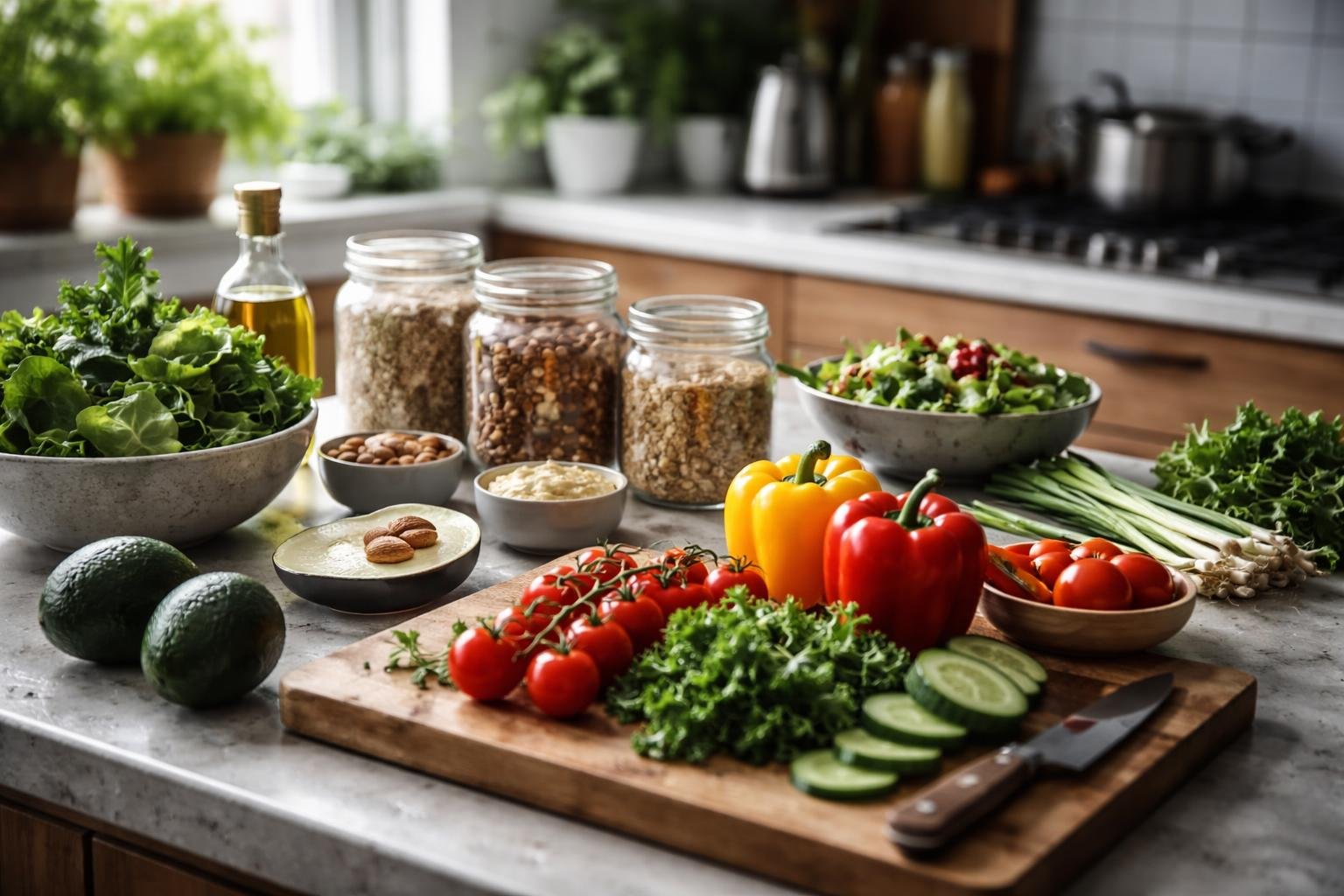
The way a kitchen is set up directly affects food choices and eating habits. Strategic ingredient selection, consistent meal planning, and smart incorporation of nutrient-dense foods create an environment where healthy eating becomes the easier choice.
Selecting Nutritious Ingredients
A well-stocked kitchen starts with choosing ingredients that support health goals. Fresh produce should take priority, with leafy greens like kale, spinach, and arugula forming the foundation of many meals. These vegetables provide essential vitamins and minerals while adding volume to meals without excess calories.
Shoppers should focus on whole, unprocessed foods when filling their pantries and refrigerators. This means selecting items with minimal ingredient lists and avoiding products loaded with added sugars or artificial ingredients. How a kitchen is organized influences what a person eats[8], so keeping nutritious options visible and accessible matters.
Protein sources like eggs, Greek yogurt, lean meats, and legumes deserve dedicated refrigerator space. Fresh fruits should be washed and placed at eye level to encourage snacking on healthier options throughout the day.
Meal Planning for Success
Meal planning eliminates the guesswork from daily eating decisions. Setting aside time each week to plan meals reduces reliance on takeout and makes home-cooked meals more achievable.
Meal prep transforms good intentions into action. Dedicating a few hours on weekends to wash vegetables, cook grains, and portion proteins streamlines weeknight cooking. Meal prepping doesn’t require preparing complete dishes—simply having ingredients ready to combine saves significant time.
A basic weekly plan might look like this:
Sunday: Wash and chop vegetables, cook a batch of brown rice, grill chicken breasts
Weeknights: Combine prepped ingredients in different ways
Elevate Your Health for Just $29.99/Month
Join the Precision Wellness Subscription at My Healing 365 and get discounted services, priority coaching access, virtual care, and exclusive wellness resources to support your physical, emotional, and hormonal health.
Join for $29.99/MonthPeople who practice meal prepping report spending less money on food and making healthier choices. Having prepared ingredients ready removes barriers to cooking and reduces the temptation to order less nutritious options.
Incorporating Healthy Fats and Whole Grains
Healthy fats play a crucial role in nutrition and satisfaction. Olive oil, avocados, nuts, seeds, and fatty fish like salmon provide essential fatty acids that support brain function and heart health. These fats also help the body absorb vitamins and keep people feeling full longer.
Whole grains should replace refined versions in a health-focused kitchen. Brown rice, quinoa, oats, and whole wheat pasta offer more fiber, vitamins, and minerals than their processed counterparts. The extra fiber in whole grains supports digestive health and helps maintain stable blood sugar levels.
Storage matters for both categories. Nuts and seeds stay fresh longer in the refrigerator or freezer. Whole grains should be kept in airtight containers in a cool, dry place. Having these items readily available makes it simple to add nutritious components to any meal without extra shopping trips.
The right kitchen tools can cut prep time in half and make healthy eating feel less like work. Smart gadgets and apps help people stick to their nutrition plans by removing common barriers like time constraints and complicated recipes.
Time-Saving Kitchen Gadgets
A vegetable chopper eliminates the tedious work of dicing ingredients by hand. Tools like the Fullstar Vegetable Chopper[9] come with multiple attachments that produce uniform cuts in seconds, making it easier to add more vegetables to meals. The catch tray keeps everything contained, and most models are dishwasher safe.
Glass meal prep containers let people batch-cook healthy foods once and eat them throughout the week. These containers can go from freezer to microwave to dishwasher[9], making them practical for busy schedules. Having pre-portioned meals ready to grab means less temptation to order takeout.
A steamer basket offers a healthier cooking method without extra cleanup. These fold-flat baskets fit into any standard pot and keep food elevated above boiling water. Steaming requires no oil and leaves minimal mess compared to frying or sautéing.
Leveraging Meal-Planning Apps
Meal-planning apps help users organize their weekly menus and generate shopping lists automatically. These tools reduce decision fatigue by planning meals in advance rather than figuring out what to eat when already hungry.
Many apps include nutritional tracking features that show calorie counts and macronutrient breakdowns for each meal. Some connect with food scales to provide accurate portion data. Users can save favorite recipes, adjust serving sizes, and swap ingredients based on what they have available.
The best apps sync across devices so people can check their meal plans from their phone while grocery shopping or from their tablet while cooking. This accessibility keeps healthy eating goals visible throughout the day.
Enhancing Efficiency with Small Appliances
A food processor handles chopping, shredding, and mixing tasks that would otherwise take significant time. This versatile tool saves time on repetitive prep work[10], making it more realistic to cook from scratch on busy weeknights.
Portable blenders make it simple to prepare smoothies and protein shakes without committing to a full-size appliance. Models with rechargeable batteries work anywhere, and single-serve designs mean less cleaning. A quality blender turns fruits, vegetables, and protein powder into complete meals in under a minute.
Air fryers cook food with minimal oil while delivering crispy textures. They preheat faster than conventional ovens and cook many foods in half the time, making healthy protein and vegetable preparation more convenient for people with limited cooking windows.
Building Sustainable Kitchen Habits
Consistent routines eliminate guesswork and transform cooking from a daily burden into an automatic practice. When someone reduces the mental load of deciding what to cook and how to prepare it, they create space for healthier choices that align with their goals.
Establishing Consistent Meal Preparation Routines
A structured meal prep routine removes barriers between intention and action. People who dedicate specific time blocks to meal preparation find they waste less food, save money, and eat healthier throughout the week.
Sunday preparation sessions work well for most schedules. During a two-hour window, someone can wash and chop vegetables, cook grains in bulk, and prepare proteins for the week ahead. This simple approach to cooking at home[11] makes weeknight dinners faster and less stressful.
The key is choosing the right containers for storage. Glass containers with airtight lids keep prepped ingredients fresh for five to seven days. Labeling each container with the prep date helps track freshness.
Batch cooking staples like rice, quinoa, roasted vegetables, and beans saves both time and energy. These foundations work across multiple meals throughout the week. A person can combine them differently each day to avoid food boredom while maintaining efficiency.
Combatting Decision Fatigue in the Kitchen
Decision fatigue drains mental energy before someone even starts cooking. The average person makes over 200 food-related decisions daily, from what to eat to when to shop.
Creating a rotating menu system eliminates this exhaustion. When someone plans the same meals on specific days each week, they reduce mental load significantly. Taco Tuesday or stir-fry Friday become automatic rather than deliberate choices.
Shopping lists based on planned meals prevent impulse purchases and forgotten ingredients. A person who shops with a detailed list spends less time wandering aisles and less money on items they don’t need.
Theme nights offer structure without monotony:
- Meatless Monday
- Slow cooker Wednesday
- Sheet pan Thursday
- Leftover remix Friday
These frameworks provide boundaries while allowing creativity within each category. Someone knows they’re making a vegetarian meal on Monday but can choose which recipe based on available ingredients and current preferences.
Fostering Mindful Cooking Practices
Mindful cooking transforms meal preparation from a rushed chore into a grounding activity. When a person focuses attention on the process rather than just the outcome, they often make better food choices and enjoy eating more.
Starting with sustainable kitchen practices[12] means engaging all senses during preparation. Noticing the texture of vegetables while chopping, smelling herbs as they release oils, and hearing the sizzle of food hitting a hot pan all anchor someone in the present moment.
Removing distractions helps build this awareness. Putting phones away and turning off the television allows full attention on the task. This focused approach often leads to fewer kitchen accidents and better-tasting food.
Simple mindfulness techniques include:
- Taking three deep breaths before starting to cook
- Washing hands slowly and deliberately
- Tasting ingredients at different cooking stages
- Noticing how different techniques affect texture and flavor
People who practice mindful cooking report feeling more satisfied with smaller portions and making more intentional choices about ingredients.
Maximizing Health, Safety, and Well-Being
A kitchen that truly supports your goals needs to address three key areas: proper food handling techniques, the confidence that comes from preparing your own meals, and the connection between cooking and mental health.
Ensuring Food Safety at Home
Food safety starts with understanding how to prevent contamination and illness in your kitchen. Ergonomic design and arrangement of kitchen space[13] plays a role in maintaining cleanliness and workflow.
The kitchen work triangle layout places the sink, stove, and refrigerator in close proximity. However, research shows this setup doesn’t always support the best hygiene practices.
Key food safety practices include:
- Washing hands before and after handling raw ingredients
- Keeping raw meat separate from ready-to-eat foods
- Storing perishable items at proper temperatures below 40°F
- Cleaning cutting boards and counters between tasks
- Using different utensils for raw and cooked foods
Meats and cheeses need optimal temperature storage to prevent spoilage. A well-organized kitchen makes it easier to follow these safety steps without thinking too hard about them. The layout should allow someone to move from washing to prep to cooking without cross-contaminating surfaces.
Promoting a Sense of Achievement Through Cooking
Preparing home-cooked meals creates a genuine sense of accomplishment that packaged foods cannot provide. Each successful dish builds cooking skills and confidence in the kitchen.
Starting with simple recipes helps beginners develop competence. As skills improve, people naturally tackle more complex techniques and ingredients. This progression reinforces positive feelings about spending time in the kitchen.
Cooking also offers immediate, tangible results. A person can see, smell, and taste what they created within a short time frame. This quick feedback loop encourages continued practice and experimentation.
Sharing meals with others amplifies these positive feelings. When family or friends enjoy a homemade dish, it validates the effort and strengthens social connections. These experiences make the kitchen feel like a rewarding space rather than a chore.
Supporting Mental Well-Being With Nourishing Habits
The connection between organized kitchen spaces[14] and mental health runs deeper than most people realize. A cluttered, chaotic kitchen creates stress and makes healthy eating harder to maintain.
Setting up the kitchen to encourage healthy habits reduces decision fatigue. When nutritious foods are visible and accessible, people choose them more often without deliberating. This removes barriers that typically lead to less healthy options.
Cooking itself can serve as a form of mindfulness practice. The repetitive motions of chopping, stirring, and measuring require focus that quiets racing thoughts. Many people find this process calming after a stressful day.
Establishing regular meal prep routines also provides structure and predictability. These patterns create a sense of control and stability in daily life. Over time, these nourishing habits become automatic, supporting both physical and mental wellness without requiring constant willpower.
Frequently Asked Questions
Your kitchen’s design and organization directly affect how easily you can prepare meals, maintain healthy habits, and follow through on daily routines. The right setup reduces obstacles and makes nutritious choices more accessible.
How can you tell if your kitchen layout supports efficient meal prep and healthy eating habits?
A kitchen that supports healthy eating makes fresh foods visible and accessible. If fruits and vegetables sit hidden in crisper drawers while processed snacks occupy prime counter space, the layout encourages less nutritious choices.
Counter space near the refrigerator and sink allows for easy washing and chopping of produce. When these prep areas feel cramped or blocked, people tend to skip fresh ingredients in favor of convenience foods.
The placement of cooking tools also matters. If cutting boards, knives, and mixing bowls require extra steps to retrieve, meal preparation feels like more work than it should.
What is the kitchen work triangle rule, and how does it improve day-to-day cooking efficiency?
The kitchen work triangle connects the three main work areas: the sink, stove, and refrigerator. This concept keeps these zones within comfortable reach of each other, typically between four and nine feet apart.
When the triangle works well, cooks move smoothly between washing, prepping, and cooking without wasted steps. Traffic from other household members should not cut through this triangle during meal preparation.
Poor triangle placement creates congestion. If someone needs to wait while another person accesses the refrigerator or stove, the layout disrupts workflow and slows down cooking.
What is the most important rule for maintaining a safe and functional kitchen?
Clear pathways and adequate lighting prevent accidents and injuries. Cluttered floors create tripping hazards, especially when carrying hot dishes or sharp utensils.
Proper lighting over work surfaces lets people see what they are cutting and cooking. Dim areas near the stove or sink increase the risk of burns and cuts.
Keeping pot handles turned inward on the stove prevents bumps and spills. Storing heavy items at waist level rather than overhead reduces strain and the chance of dropping objects.
Which kitchen tools and appliances are essential for cooking nutritious meals consistently?
Sharp knives make cutting vegetables and trimming meat faster and safer than dull blades. A good cutting board provides stable workspace for prep tasks.
Measuring cups and spoons help with portion control and following recipes accurately. A set of mixing bowls in different sizes supports various cooking tasks.
Basic pots and pans including a saucepan, skillet, and baking sheet handle most cooking methods. A blender or food processor speeds up tasks like making smoothies or chopping vegetables in bulk.
How can pantry and refrigerator organization influence food choices and reduce waste?
Clear containers let people see what ingredients they have on hand. When items sit buried in opaque packaging, they get forgotten and expire before use.
Placing healthier options at eye level makes them the default choice. Storing whole grains, nuts, and dried beans where they are visible increases the likelihood they will be used.
A first-in, first-out system rotates older items to the front. This simple practice cuts down on spoiled food and wasted money. Proper storage design and cabinet placement[15] can make this organization method easier to maintain.
What does the condition and setup of your kitchen reveal about your routines and priorities?
A kitchen with well-worn cutting boards and frequently used spices suggests regular home cooking. Dusty appliances and bare countertops indicate reliance on takeout or prepared foods.
The items occupying prime real estate show what gets used most. If coffee makers and wine glasses dominate the counter while cooking tools stay tucked away, that reflects actual daily habits.
Empty or disorganized cabinets can signal that the current setup does not match how the household wants to function. Identifying what is not working[15] in the existing space creates a starting point for improvement.
Post Views: 15
References
- The Kitchen as a System: How Can You Set Up Your Space to Support Your Goals?. https://plantpoweredphysicians.substack.com/p/the-kitchen-as-a-system-how-can-you Accessed May 6, 2026
- 30 Kitchen Goals Ideas to Transform Your Cooking Space. https://www.restoredstyle.com/30-kitchen-goals-ideas/ Accessed May 6, 2026
- Cooking With Purpose Takes Away the Mental Load of Meal Planning. https://www.eater.com/22254546/how-cooking-goals-can-cure-kitchen-boredom-resolutions Accessed May 6, 2026
- How to Organize Your Kitchen to Support Healthy Eating Goals. https://www.oxygenmag.com/nutrition-for-women/nutrition-tips-for-women/how-to-organize-your-kitchen-to-support-healthy-eating-goals/ Accessed May 6, 2026
- Cooking for Personal Growth: Mastering Self-Improvement in the Kitchen. https://discover.texasrealfood.com/culinary-contingencies/how-to-cook-when-youre-striving-for-personal-growth Accessed May 6, 2026
- How to Set Realistic Kitchen Goals for a Stress-Free Year. https://rebeccasfeast.com/2025/03/11/how-to-set-realistic-kitchen-goals-for-a-stress-free-year/ Accessed May 6, 2026
- How to Plan a Kitchen Remodel Step by Step. https://www.flooranddecor.com/blogs/how-to-plan-your-kitchen-remodel-step-by-step.html Accessed May 6, 2026
- Organize Your Kitchen Like a Dietitian: 8 Easy Tips for Healthier Eating. https://www.everydayhealth.com/diet-nutrition/how-rds-organize-their-kitchens-for-healthier-eating/ Accessed May 6, 2026
- 10 Helpful Kitchen Tools & Tech To Help You Reach Your New Year’s Fitness Goals. https://www.slashgear.com/1765608/kitchen-tools-tech-for-new-years-fitness-goals/ Accessed May 6, 2026
- New Year, Efficient Kitchen to Support Your 2026 Goals. https://lee.ces.ncsu.edu/news/new-year-efficient-kitchen-to-support-your-2026-goals/ Accessed May 6, 2026
- 404. https://healthyforge.com/building-a-sustainable-kitchen-simple-tips-for-greener-healthier-meals/ Accessed May 6, 2026
- Build a Sustainable Kitchen with These Simple Tips. https://theecoshift.com/build-a-sustainable-kitchen-with-these-simple-tips/ Accessed May 6, 2026
- Just a moment…. https://www.chefsdeal.com/blog/ergonomics-in-the-kitchen Accessed May 6, 2026
- Transform Your Kitchen for Healthy Eating. https://discover.texasrealfood.com/tidy-kitchen-tales/organizing-your-kitchen-for-healthy-eating Accessed May 6, 2026
- How to Create a Kitchen Remodel Plan That Works for Everyday Life. https://www.patrickafinn.com/blog/kitchen-remodel-priorities-how-to-design-the-right-kitchen-for-you Accessed May 6, 2026