Medically Reviewed
Dr. Jose Rossello, MD, PhD, MHCM
Preventive Medicine & Public Health Specialist
Last Reviewed: May 1, 2026
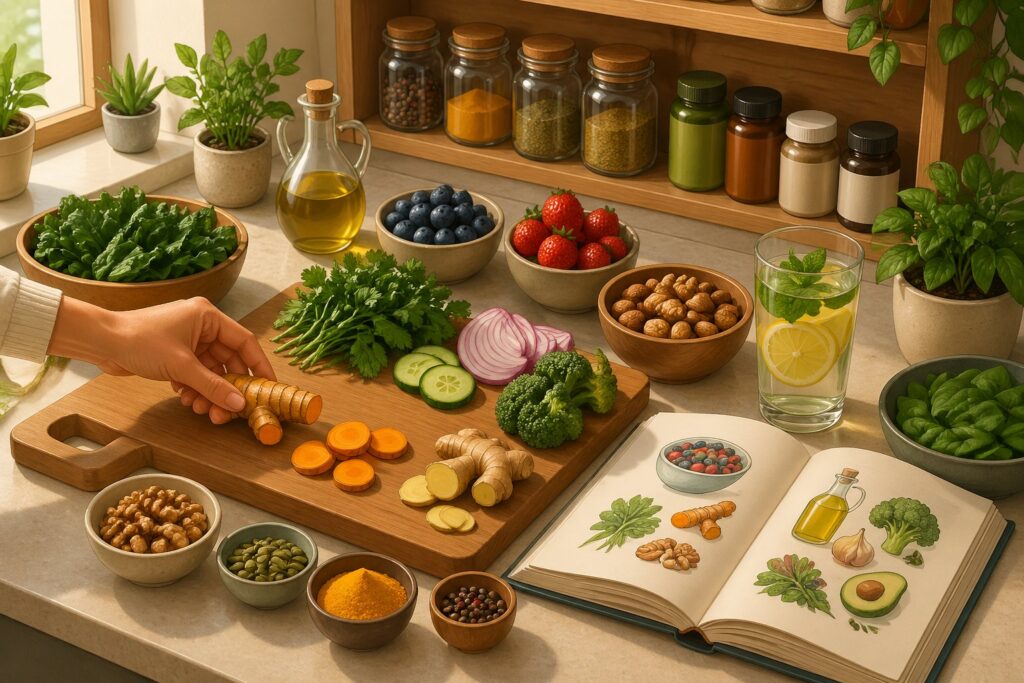
Inflammation affects millions of people, contributing to conditions like heart disease, arthritis, and diabetes. While some inflammation helps the body heal from injuries and fight infections, chronic inflammation can damage tissues and organs over time. The good news is that dietary changes can help manage inflammation levels without requiring a complete lifestyle overhaul.
Swapping inflammatory foods for healthier alternatives is one of the most effective ways to reduce chronic inflammation and improve overall health. Small dietary changes make a real difference when practiced consistently. These substitutions don’t require expensive specialty ingredients or complicated meal plans.
The following swaps target common inflammatory triggers in everyday meals and snacks. Each replacement offers specific benefits that support the body’s natural healing processes while reducing substances that promote inflammation.
Table of Contents
Key Takeaways
- Chronic inflammation contributes to serious health conditions, but dietary swaps can help manage inflammation levels effectively
- Anti-inflammatory food swaps[1] replace refined grains, processed foods, and sugary items with whole grains, healthy fats, and nutrient-rich options
- Consistent small changes to daily eating habits create long-term benefits for reducing inflammation and supporting overall health
Understanding Inflammation and Its Impact
Inflammation acts as the body’s defense system, but when it becomes chronic, it damages healthy cells and raises the risk of serious diseases like heart disease, diabetes, and arthritis.
The Difference Between Acute and Chronic Inflammation
Acute inflammation appears quickly and typically resolves within days or weeks. When someone cuts their finger or catches a cold, their body sends immune cells to the affected area. This process causes redness, swelling, and warmth as the body fights infection or repairs tissue.
Chronic inflammation persists for months or years. Unlike acute inflammation with visible symptoms, chronic inflammation often develops silently inside the body. It slowly damages cells, tissues, and organs over time.
This ongoing damage increases oxidative stress, which occurs when harmful molecules called free radicals overwhelm the body’s defenses. Chronic inflammation can damage your body[2] and contribute to multiple health conditions.
People with chronic inflammation face higher risks of developing diabetes, heart disease, and arthritis. Blood tests can detect elevated inflammatory markers like C-reactive protein and interleukin-6, which signal ongoing inflammation in the body.
How Diet Influences Inflammatory Responses
The foods people eat directly affect inflammation levels in their bodies. Inflammatory foods trigger immune responses that raise inflammatory markers in the blood. These foods include refined carbohydrates, sugary beverages, processed meats, and foods high in trans fats.
Sugar and high-fructose corn syrup promote inflammation by affecting insulin function and increasing oxidative stress. Processed snack foods like chips and pretzels contain refined oils that worsen inflammatory responses.
Anti-inflammatory foods can help address the risk[3] of developing chronic diseases. Vegetables, fatty fish, nuts, and fruits contain antioxidants that neutralize free radicals and reduce inflammation. These foods support gut health, which plays a key role in controlling inflammation throughout the body.
Omega-3 fatty acids found in salmon and sardines lower inflammatory markers. Spices like turmeric contain compounds that block inflammatory pathways. Green tea provides antioxidants that protect cells from oxidative damage.
Essential Principles of an Anti-Inflammatory Diet
An anti-inflammatory diet focuses on whole foods that provide fiber, healthy fats, and antioxidants while avoiding processed items that trigger inflammation. These foods work together to support gut health and help the body fight chronic inflammation naturally.
Key Food Groups for Reducing Inflammation
The foundation of anti-inflammatory eating[4] includes fruits, vegetables, whole grains, legumes, fish, poultry, nuts, seeds, and plant-based oils. Brightly colored produce like tomatoes, carrots, squash, and broccoli contains antioxidants that protect cells from damage.
Top anti-inflammatory foods include:
- Fatty fish (salmon, mackerel, sardines, tuna)
- Leafy greens (spinach, kale)
- Berries (blueberries, strawberries, blackberries)
- Nuts and seeds (walnuts, almonds, flaxseeds)
- Legumes (beans, lentils)
- Whole grains (oats, barley, brown rice)
People should avoid ultra-processed foods that come in packages, including microwaveable dinners, processed meats, sugary cereals, and baked goods. These items contain added sugars, saturated fats, and salt that promote inflammation. White bread, white rice, refined pasta, butter, cheese, ice cream, and deep-fried foods also trigger inflammatory responses in the body.
The Role of Fiber, Healthy Fats, and Antioxidants
Fiber found in fruits, vegetables, legumes, and whole grains helps reduce inflammation and supports gut health. Whole grains like barley, oats, and bran provide the most fiber per serving.
Omega-3 fatty acids are essential healthy fats that fight inflammation. These unsaturated fats appear in fatty fish, flaxseed oil, canola oil, walnuts, and leafy greens. The body needs omega-3s to balance omega-6 fatty acids found in many vegetable oils.
Additional inflammation-fighting compounds:
| Component | Food Sources |
|---|---|
| Polyphenols | Berries, dark chocolate, tea, apples, citrus, onions |
| Unsaturated fats | Olive oil, avocado oil, nuts, seeds |
| Probiotics | Yogurt, kefir, sauerkraut, kimchi |
Herbs and spices like turmeric, ginger, cinnamon, and cayenne pepper add anti-inflammatory benefits[5] to meals. These compounds work with antioxidants to protect cells and reduce chronic inflammation throughout the body.
Simple Swaps for Everyday Meals
Making small changes to daily food choices can help reduce inflammation without requiring a complete diet overhaul. Swapping refined grains for whole options, choosing better oils, selecting lean proteins over processed meats, and adding fermented foods all support the body’s natural balance.
Choosing Whole Grains Over Refined Carbs
Refined grains like white bread and white rice have been stripped of their fiber and nutrients during processing. This removal makes them digest quickly and can trigger inflammation in the body.
Whole grains keep their natural fiber, vitamins, and minerals intact. Brown rice, quinoa, oats, and barley[5] provide steady energy without the inflammation spike that comes from refined grains.
The fiber in whole grains helps slow digestion and supports gut health. This slower process keeps blood sugar more stable throughout the day.
Simple grain swaps include:
- White bread → Sprouted grain bread or sourdough
- White rice → Brown rice or quinoa
- Regular pasta → Whole grain or quinoa pasta
- Breakfast cereal → Steel-cut oats or oatmeal with fruit
Replacing Inflammatory Fats With Healthier Oils
Not all oils affect the body the same way. Some oils can increase inflammation while others actively reduce it.
Oils high in omega-6 fatty acids, like corn oil and soybean oil, can promote inflammation when consumed in large amounts. These oils appear in many processed foods and restaurant meals.
Extra virgin olive oil stands out as one of the best choices for cooking and dressings. It contains compounds that actively fight inflammation in the body. Avocado oil also provides healthy fats that support overall health.
Oil swaps to reduce inflammation:
| Instead of This | Use This |
|---|---|
| Vegetable oil | Extra virgin olive oil |
| Canola oil | Avocado oil |
| Corn oil | Olive oil |
| Butter (for cooking) | Olive oil |
Trading Processed Meats for Lean Proteins
Processed meats like bacon, hot dogs, and deli meats contain additives and high sodium that can trigger inflammation. Red meat eaten frequently also contributes to inflammatory responses in many people.
Fatty fish like salmon, sardines, trout, and mackerel offer omega-3 fatty acids that actively reduce inflammation markers[1] in the body. Eating fish twice a week provides meaningful benefits.
Plant-based proteins deliver nutrition without the inflammatory compounds found in processed meats. Beans, lentils, chickpeas, and tofu provide protein along with fiber and antioxidants.
Elevate Your Health for Just $29.99/Month
Join the Precision Wellness Subscription at My Healing 365 and get discounted services, priority coaching access, virtual care, and exclusive wellness resources to support your physical, emotional, and hormonal health.
Join for $29.99/MonthLean proteins like chicken and turkey work well when prepared without heavy sauces or breading. These options give the body what it needs without excess saturated fat.
Opting for Plant and Fermented Alternatives
Fermented foods support gut health, which plays a major role in controlling inflammation throughout the body. Greek yogurt and kefir contain beneficial bacteria that help maintain digestive balance.
People who avoid dairy can choose almond milk or other plant-based options. These alternatives work well in recipes and provide nutrients without potential inflammatory triggers from dairy.
Fermented dairy like yogurt and kefir offers protein and probiotics together. The fermentation process breaks down some compounds that cause digestive issues for certain people.
Adding legumes like beans, lentils, and chickpeas increases plant-based protein intake. These foods provide steady energy and support healthy digestion with their fiber content.
Smart Snack and Beverage Replacements
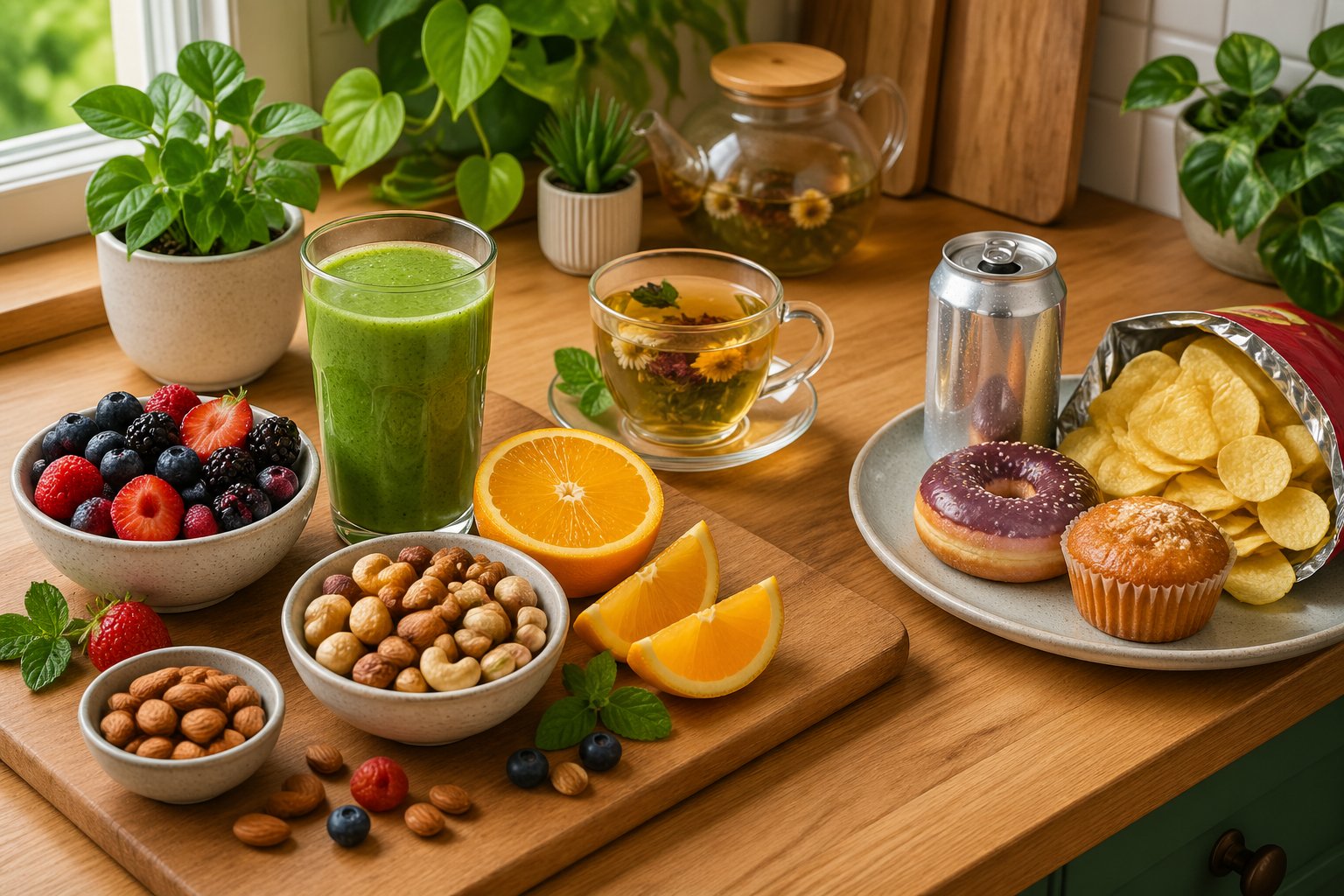
Beverages and snacks often contain hidden sources of added sugars and processed ingredients that increase inflammation. Replacing sugary drinks with tea or sparkling water and swapping processed snacks for nuts and seeds can reduce inflammatory triggers throughout the day.
Ditching Sugary Drinks and Soda
Soda and sugary drinks rank among the top contributors to chronic inflammation. These beverages contain high amounts of added sugars that spike blood glucose levels and trigger inflammatory responses in the body.
Sparkling water offers a practical alternative for those who crave carbonation. Adding a squeeze of lemon or lime provides flavor without the sugar load found in traditional soft drinks. Unsweetened sparkling water delivers the same fizzy satisfaction with zero inflammatory ingredients.
Plain water remains the best choice for hydration. People who find plain water boring can infuse it with fresh berries like strawberries or blueberries for natural flavor. These additions provide antioxidants without the inflammatory effects of commercial sweeteners.
Upgrading Snacks for Better Inflammatory Balance
Swapping processed snacks[1] for whole food alternatives reduces inflammation while providing essential nutrients. Nuts like almonds and walnuts contain omega-3 fatty acids that actively fight inflammation in the body.
A handful of mixed nuts and seeds makes an easy grab-and-go option. Chia seeds and flaxseeds work well sprinkled on yogurt or blended into smoothies. These seeds provide both omega-3s and fiber.
Berries paired with dark chocolate create a satisfying sweet snack. Blueberries offer powerful antioxidants while dark chocolate (70% cacao or higher) contains anti-inflammatory compounds. This combination beats candy bars or cookies that contain refined sugars and processed oils.
Raw vegetables with hummus or guacamole provide crunch and healthy fats. This swap delivers vitamins and minerals that support the body’s natural anti-inflammatory processes.
Choosing Anti-Inflammatory Teas and Coffee
Green tea contains polyphenols that reduce inflammation markers in the body. Drinking 2-3 cups daily provides consistent anti-inflammatory benefits without added sugars or artificial ingredients.
Herbal teas like ginger, turmeric, and chamomile offer specific anti-inflammatory properties. Ginger tea helps reduce joint pain and muscle soreness. Turmeric tea contains curcumin, a compound known for blocking inflammatory pathways.
Coffee in moderation (2-3 cups per day) provides antioxidants that may lower inflammation. Black coffee works best since adding sugar or artificial creamers introduces inflammatory ingredients. Those who prefer a creamy texture can use a small amount of unsweetened almond milk.
Herbal teas provide caffeine-free options for evening consumption. Chamomile and peppermint tea support digestion and relaxation without triggering the inflammatory response associated with sugary nighttime drinks.
Leveraging Herbs, Spices, and Colorful Produce
Adding specific herbs and spices to meals can help reduce inflammation in the body. Pairing these ingredients with colorful vegetables creates a diet that fights inflammation naturally.
The Anti-Inflammatory Power of Turmeric, Garlic, and Ginger
Turmeric stands out as one of the most powerful anti-inflammatory spices available. The active compound in turmeric, called curcumin, blocks molecules in the body that trigger chronic inflammation. Research shows that curcumin can help reduce inflammation[6] linked to arthritis, heart disease, and metabolic disorders.
Pairing turmeric with black pepper helps the body absorb curcumin better. The piperine in black pepper increases absorption rates significantly.
Ginger contains compounds called gingerols that work to reduce inflammation throughout the body. Fresh ginger root can be sliced and added to stir-fries, steeped in hot water for tea, or minced into smoothies.
Garlic provides both flavor and health benefits through its vitamin B6 and vitamin C content. These antioxidants help fight inflammation at the cellular level. Cooking with herbs like garlic[7] offers a simple way to boost meals without adding sodium or unhealthy fats.
Incorporating Leafy Greens and Colorful Vegetables
Leafy greens like spinach and kale contain high levels of antioxidants that combat inflammation. These vegetables also provide vitamins A, C, and K along with minerals that support overall health.
Colorful vegetables signal the presence of beneficial compounds. Bell peppers and tomatoes are rich in carotenoids and vitamin C. Broccoli and cauliflower contain sulforaphane, a compound that helps reduce inflammatory markers in the body.
Sweet potatoes offer beta-carotene and fiber while keeping blood sugar stable. Their orange color indicates high antioxidant content.
A practical approach involves filling half of each plate with vegetables. Mixing different colors ensures a variety of anti-inflammatory compounds. For example, combining red peppers, green spinach, and orange sweet potatoes in one meal provides multiple types of protective nutrients that work together to lower inflammation.
Avoiding Common Triggers and Building New Habits
Making lasting changes starts with identifying what drives inflammation in the body and replacing those triggers with better options. Small, practical food swaps can reduce inflammatory responses without requiring a complete diet overhaul.
Recognizing Hidden Sources of Inflammation
Many everyday foods contain ingredients that promote inflammation without obvious warning signs. Processed meat like bacon, hot dogs, and deli meats contain preservatives and compounds that increase inflammatory markers in the body. Refined carbs such as white bread, pastries, and crackers spike blood sugar levels and contribute to oxidative stress.
Processed snacks often hide multiple triggers in one package. Chips, cookies, and packaged baked goods typically combine refined flour, added sugars, and inflammatory oils like corn, soybean, and vegetable oil. These oils contain high levels of omega-6 fatty acids that promote inflammation when consumed in excess.
Reading ingredient labels helps identify hidden sources. People should look for terms like “hydrogenated oils,” “high fructose corn syrup,” and chemical preservatives. Additives and artificial ingredients in packaged foods can trigger inflammatory responses even in small amounts.
Simple Strategies for Sustainable Swapping
Starting with simple swaps at breakfast[8] creates momentum for bigger changes. Replace sugary cereal with oatmeal topped with berries. Swap white toast for whole grain bread with avocado instead of butter.
Basic Anti-Inflammatory Food Swaps:
| Instead of This | Choose This |
|---|---|
| Vegetable oil | Olive oil or avocado oil |
| White rice | Brown rice or quinoa |
| Chips | Raw nuts or vegetables |
| Soda | Water with lemon |
| Packaged cookies | Fresh fruit |
Hydration plays a key role in reducing inflammation. Drinking water throughout the day helps flush inflammatory compounds from the body. Adding anti-inflammatory foods like fatty fish, leafy greens, and berries gradually builds a foundation for reducing chronic inflammation[9].
The key is making one swap at a time rather than changing everything at once. This approach prevents feeling overwhelmed and makes new habits stick long-term.
Frequently Asked Questions
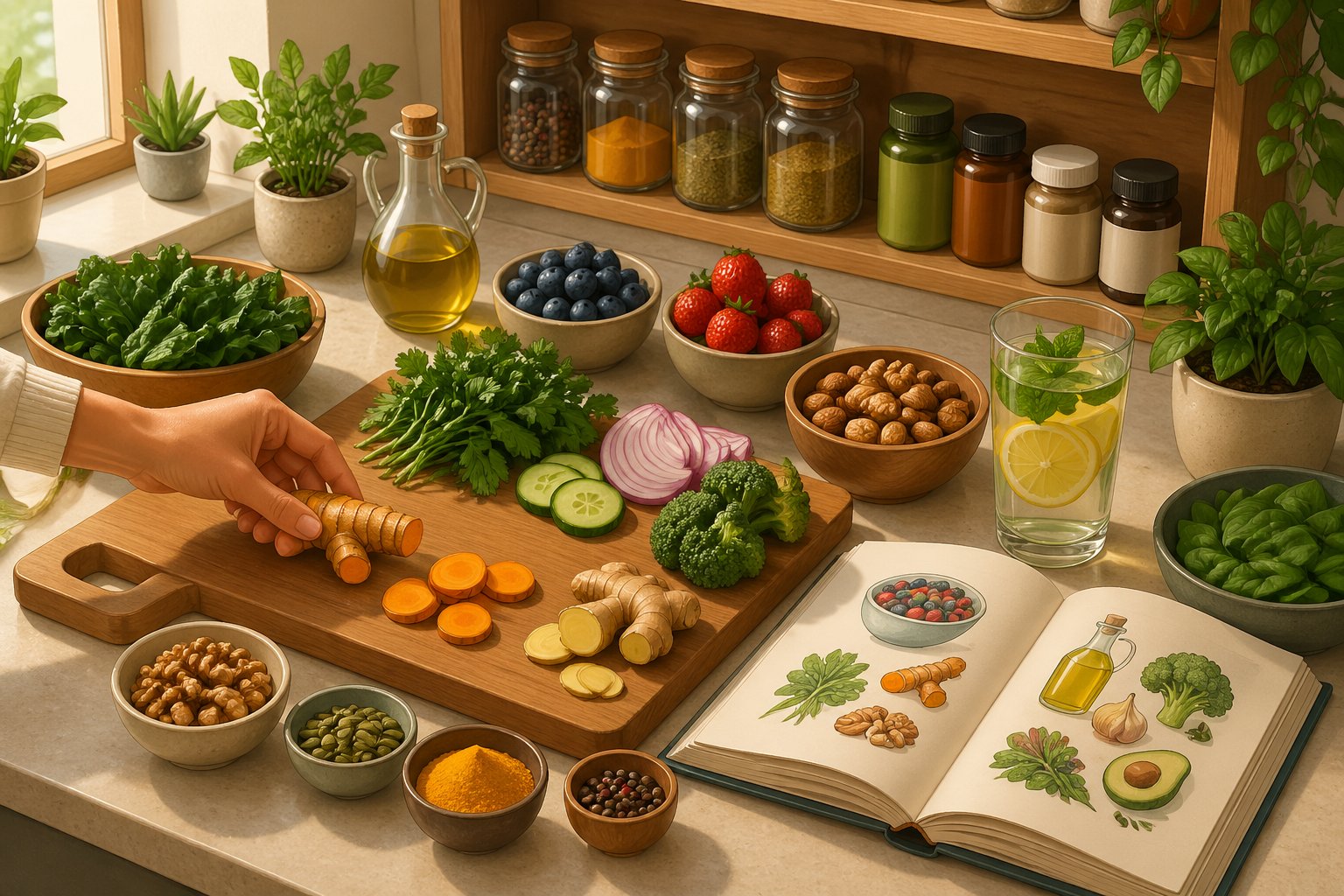
People often wonder which specific foods cause inflammation and what to buy at the store instead. They also ask about bread alternatives, meal planning, and whether certain ingredients like baking soda can help.
Which everyday food swaps can help reduce inflammation the most?
Replacing refined grains with whole grains[1] stands out as one of the most effective swaps. White bread, white rice, and other refined products cause blood sugar spikes that trigger inflammation. Whole wheat bread, brown rice, quinoa, and oats provide fiber and antioxidants that reduce inflammatory responses.
Switching vegetable oils to extra virgin olive oil makes a significant difference. Extra virgin olive oil contains oleocanthal, a compound with anti-inflammatory properties similar to ibuprofen. It also provides monounsaturated fats that support heart health and reduce inflammation markers.
Trading salty snacks like pretzels and chips for unsalted nuts delivers omega-3 fatty acids and vitamin E. These nutrients actively combat inflammation. Fish like salmon can replace grilled meats a few times per week to boost omega-3 intake even further.
What does a simple anti-inflammatory meal plan look like for a full week?
A week of anti-inflammatory eating includes fish twice, nuts daily, and whole grains at most meals. Breakfast might feature oatmeal with berries and walnuts, while lunch could be a spinach salad with grilled salmon and olive oil dressing.
Dinner options rotate between baked fish, grilled chicken with quinoa, and stir-fried vegetables over brown rice. Green tea replaces afternoon coffee. Smoothies made with berries, unsweetened kefir, ground flaxseed, and nut butter work well as snacks.
Each day incorporates colorful vegetables, healthy fats from avocados or olive oil, and limited processed foods. The plan emphasizes variety to ensure a range of anti-inflammatory nutrients throughout the week.
Which foods should be on a practical anti-inflammatory grocery list?
The produce section should include spinach, berries, avocados, and a variety of colorful vegetables. These items provide antioxidants and phytochemicals that fight inflammation. Fresh or frozen berries work equally well and offer flexibility.
Protein sources include salmon, other fatty fish, and unsalted nuts like almonds and walnuts. Whole grains such as quinoa, brown rice, oats, and whole wheat products belong in the pantry. Extra virgin olive oil serves as the primary cooking fat.
Unsweetened kefir, ground flaxseed, and chia seeds add probiotics and omega-3s. Green tea bags provide a caffeine alternative with anti-inflammatory catechins. Fresh ingredients take priority over packaged and processed options.
What are the best anti-inflammatory alternatives to regular bread, and how do they compare?
Whole wheat bread and other whole grain breads contain fiber and nutrients that white bread lacks. They prevent the rapid blood sugar spikes associated with refined grains. Sprouted grain breads offer additional benefits because the sprouting process increases nutrient availability.
Sourdough bread made with whole grains provides probiotics from fermentation. The fermentation process also breaks down compounds that some people find difficult to digest. Grain-free options like almond flour bread deliver healthy fats and protein but lack the fiber found in whole grain choices.
Each alternative brings different nutritional benefits. Whole grain and sprouted options provide the most fiber. Nut-based breads offer more protein and healthy fats.
Is gluten-free bread a better option for inflammation, and for whom?
Gluten-free bread benefits people with celiac disease or non-celiac gluten sensitivity. For these individuals, gluten triggers an inflammatory immune response that damages the intestinal lining. Eliminating gluten resolves this specific type of inflammation.
People without gluten sensitivity do not gain anti-inflammatory benefits from gluten-free products. Many gluten-free breads use refined starches that spike blood sugar just like white bread. They often lack the fiber and nutrients found in whole grain options.
The key factor is ingredient quality rather than gluten content. A gluten-free bread made with whole grain alternatives like quinoa flour offers more benefits than one made with white rice flour and starches.
Does baking soda reduce inflammation, and what does the evidence say?
Some research suggests baking soda may help reduce certain inflammatory responses. A 2018 study showed that drinking baking soda water could shift the immune system toward an anti-inflammatory state. The mechanism involves signaling to the spleen through the mesothelial cells.
The research remains limited and preliminary. Most studies used controlled laboratory conditions rather than real-world dietary applications. The amounts used in studies differ from typical cooking quantities.
Dietary changes through food swaps[10] provide more reliable anti-inflammatory effects. Focusing on whole foods, healthy fats, and omega-3 fatty acids offers proven benefits backed by extensive research. Baking soda should not replace established anti-inflammatory dietary strategies.
Post Views: 23
References
- 9 Swaps to Get Rid of Inflammatory Foods, Say Dietitians. https://cleanplates.com/nutrition/inflammatory-foods/ Accessed May 6, 2026
- Groceries to ease chronic inflammation. https://www.mayoclinichealthsystem.org/hometown-health/speaking-of-health/want-to-ease-chronic-inflammation Accessed May 6, 2026
- Attention Required!. https://www.hopkinsmedicine.org/health/wellness-and-prevention/anti-inflammatory-diet Accessed May 6, 2026
- Quick-start guide to an anti‑inflammation diet. https://www.health.harvard.edu/diet-and-nutrition/quick-start-guide-to-an-antiinflammation-diet Accessed May 6, 2026
- Make Any Recipe Anti-Inflammatory with These Simple Swaps. https://inflammation.academy/make-any-recipe-anti-inflammatory/ Accessed May 6, 2026
- curcumin can help reduce inflammation. https://www.realsimple.com/anti-inflammatory-spices-8764468 Accessed May 6, 2026
- Cooking with herbs like garlic. https://teea.tamu.edu/files/2021/11/Cooking-with-Herbs-FINAL.pdf Accessed May 6, 2026
- Attention Required!. https://integrishealth.org/resources/on-your-health/2025/october/healthy-habits-to-ease-chronic-inflammation Accessed May 6, 2026
- Healthy habits for reducing chronic inflammation. https://www.mdanderson.org/cancerwise/how-to-reduce-inflammation-in-the-body.h00-159853767.html Accessed May 6, 2026
- Food Swaps to Reduce Inflammation. https://www.feedfuturehealth.com/post/food-swaps-to-reduce-inflammation Accessed May 6, 2026

























