
Medically Reviewed
Dr. Jose Rossello, MD, PhD, MHCM
Preventive Medicine & Public Health Specialist
Last Reviewed: May 8, 2026
Getting fit doesn’t require spending hours at the gym or following strict meal plans. Many people give up on fitness goals because they feel overwhelmed by complicated routines and rigid schedules. The good news is that small, consistent changes can lead to real results without taking over your life.
The key to success is making fitness fit into your routine rather than forcing your life to revolve around exercise. Research shows that lack of time, energy, and motivation are major barriers[1] that keep people from sticking with workout programs. Simple habits like taking the stairs, walking during phone calls, or doing quick bodyweight exercises can add up to meaningful progress over time.
This guide shows practical ways to get stronger and healthier without traditional workouts or complicated diets. You can be lazy and still change your body[2] by focusing on what actually works for busy people. The strategies ahead work with your lifestyle instead of against it.
Table of Contents
Key Takeaways
- Small daily movements and short workouts done consistently produce better results than perfect plans you never follow
- Making simple swaps in your environment and eating habits requires less willpower than strict diets and intense exercise schedules
- Using apps and tools to track progress helps maintain motivation without adding extra work to your routine
Foundations of Lazy Fitness
Getting fit doesn’t require grueling daily workouts or strict meal plans. The real secret lies in building sustainable habits that stick around for months and years, not just a few motivated weeks.
Why Consistency Outperforms Intensity
A workout done regularly beats a perfect workout done rarely. Missing workouts means zero results, no matter how well-designed the program might be.
Research shows that lack of time, energy, and motivation are legitimate barriers[1] that prevent people from exercising. These obstacles become even bigger when someone tries to follow an intense program they can’t maintain.
The math is simple:
- Three 15-minute workouts per week = 45 minutes total
- One missed 60-minute workout = 0 minutes total
The shorter workouts win every time when someone actually does them. A person who exercises three times weekly for six months will see better results than someone who does intense workouts for two weeks then quits.
This approach works because the body adapts to regular stress, not occasional extreme effort. Muscles grow and fitness improves through repeated exposure to exercise, even when each session is brief.
Breaking Fitness Myths for Beginners
Many people believe they need expensive gym memberships or hours of daily exercise to get fit. These myths stop lazy fitness before it starts.
Common myths that need breaking:
- You must work out for 60+ minutes to see results
- Strength training requires a full gym setup
- Cardio means long, boring treadmill sessions
- You need to exercise six or seven days per week
The truth is that bodyweight exercises work just as well as gym equipment for building strength. Short bursts of activity, even just four minutes, can improve fitness levels when done consistently.
A person can build muscle with push-ups, pull-ups, and squats done at home. They can improve cardiovascular health with brief high-intensity intervals instead of hour-long jogs.
How to Embrace a Minimal-Effort Mindset
The minimal-effort mindset means doing just enough to make progress without burning out. It’s about finding the smallest amount of work that produces results.
This doesn’t mean being completely inactive. It means choosing three 20-minute workouts over one exhausting 90-minute session. It means selecting exercises that work multiple muscles at once instead of isolated movements that take more time.
Key principles include:
- Pick exercises that can be done anywhere
- Focus on full-body movements
- Keep workouts under 30 minutes
- Schedule fewer weekly sessions that get completed
A lazy person who commits to 15 minutes three times weekly will achieve more than someone who plans two-hour daily workouts but stops after a week. The goal is to make fitness feel manageable rather than overwhelming[3], so it becomes a permanent part of life instead of a temporary phase.
Daily Movement Made Effortless
Adding more physical activity to your day doesn’t require a gym membership or special equipment. Small changes like taking extra steps during regular tasks and treating everyday chores as opportunities to move more can add up to real fitness gains.
Easy Ways to Incorporate More Steps
Parking farther away from store entrances adds 50 to 100 extra steps per trip. Taking the stairs instead of elevators burns about five times more calories than standing still.
Setting phone reminders to stand up every hour helps break up long sitting periods. Walking in place during TV commercials can add 10 to 15 minutes of daily movement without disrupting favorite shows.
Simple step-boosting strategies include:
- Pacing while talking on the phone
- Walking to a colleague’s desk instead of sending an email
- Taking a lap around the house before sitting down
- Using a bathroom on a different floor
A person can track progress with a basic pedometer or smartphone. Even 2,000 extra steps per day equals about one mile of walking.
Turning Chores and Tasks Into Movement
Regular household tasks provide built-in opportunities for physical activity. Vacuuming for 30 minutes burns approximately 100 calories. Gardening works muscles in the arms, legs, and core while improving flexibility.
Making beds, doing laundry, and washing dishes all count as light activity. Adding intensity by moving faster or doing tasks more vigorously increases the calorie burn. Carrying groceries in from the car in multiple trips instead of one maximizes the workout potential.
Cleaning windows engages the upper body. Mopping floors works the legs and core. Someone can turn music on and move to the beat while completing these tasks to make them more enjoyable and burn additional calories.
Walking Your Way to Better Health
Walking is one of the most accessible forms of exercise. It requires no special skills or equipment beyond comfortable shoes. A 30-minute walk burns around 150 calories for an average-sized person.
Breaking walks into three 10-minute sessions throughout the day provides the same benefits as one longer walk. Morning walks can boost energy levels. Lunchtime walks help clear the mind. Evening walks aid digestion and improve sleep quality.
Getting fit with minimal effort[4] becomes achievable when walking replaces short car trips. Walking to nearby destinations saves gas money while increasing daily activity levels. Walking meetings at work combine productivity with movement.
Active Recovery and the Power of Rest
Active recovery[5] helps muscles heal without complete inactivity, while proper rest gives the body time to rebuild strength. These practices work together to support fitness progress even for those who prefer minimal effort approaches.
Elevate Your Health for Just $29.99/Month
Join the Precision Wellness Subscription at My Healing 365 and get discounted services, priority coaching access, virtual care, and exclusive wellness resources to support your physical, emotional, and hormonal health.
Join for $29.99/MonthThe Importance of Active Recovery Days
Active recovery means doing light physical activity instead of sitting completely still on rest days. The body repairs muscle tissue during recovery periods, not during the actual workout.
Light movement improves blood circulation[6] to muscles, which speeds up the healing process. This approach reduces soreness and stiffness better than complete rest. A person might walk slowly, do gentle stretches, or practice easy yoga poses.
The key is keeping intensity low. If someone normally runs three miles, active recovery might be a 15-minute casual walk. Swimmers could try light cycling instead. Weight lifters benefit from bodyweight exercises with no added resistance.
Common Active Recovery Activities:
- Walking at a comfortable pace
- Gentle stretching routines
- Slow swimming
- Easy cycling
- Beginner yoga
- Foam rolling
These activities keep joints moving without creating new muscle damage. They also maintain the exercise habit without requiring intense effort.
Micro-Movements for Joint Health
Small movements throughout the day maintain joint flexibility without formal exercise sessions. These micro-movements take less than one minute and can happen anywhere.
Ankle circles, wrist rotations, and shoulder rolls keep joints lubricated. A person can do neck stretches while watching television or hip circles while waiting for coffee to brew.
Simple Micro-Movements:
- Rolling shoulders backward 10 times
- Pointing and flexing feet while seated
- Opening and closing hands fully
- Gentle torso twists while standing
- Knee lifts during commercial breaks
These brief activities prevent the stiffness that comes from sitting too long. They require almost no energy but deliver real benefits for mobility. Doing them several times daily adds up to meaningful movement.
Rest, Sleep, and Recovery Best Practices
Sleep is when the body does most of its muscle repair work. Adults need seven to nine hours each night for proper recovery.
Passive recovery through adequate sleep[7] supports the healing process after physical activity. Without enough rest, muscles stay sore longer and performance drops. The body also needs complete rest days when feeling sick, injured, or extremely tired.
Quality sleep matters as much as quantity. A cool, dark room helps people sleep deeper. Avoiding screens one hour before bed improves rest quality.
When to Choose Complete Rest:
- During illness or injury
- After multiple consecutive workout days
- When experiencing unusual fatigue
- If sleep has been poor for several nights
Balancing active recovery workouts[8] with true rest days creates the best results. Someone might do gentle movement five days weekly and take two complete rest days. This pattern supports fitness gains while honoring the body’s need for recovery time.
Nutrition Hacks for the Lazy Fitness Enthusiast
Smart eating doesn’t require meal prep marathons or counting every calorie. Simple strategies like using smaller plates, drinking water before meals, and understanding basic protein needs can transform results without overwhelming effort.
Portion Control Tricks That Actually Work
Using smaller plates and bowls naturally reduces food intake without conscious effort. A dinner plate that measures 9 inches instead of 12 inches can cut portion sizes by up to 30 percent while the brain still perceives a full plate.
The half-plate method offers another easy approach. Fill half the plate with vegetables, one quarter with protein, and one quarter with carbohydrates. This creates balanced meals without weighing food or tracking macros.
Eating directly from packages leads to overconsumption. Transferring snacks to a small bowl or container before eating helps people recognize when they’ve had enough. Pre-portioned snacks like single-serve Greek yogurt or individually wrapped cheese also eliminate guesswork.
Simple Portion Visual Guide:
- Protein serving = palm of hand
- Carb serving = cupped hand
- Fat serving = thumb size
- Vegetable serving = whole fist
Apps like MyFitnessPal can track portions initially to build awareness, but most people don’t need to count forever once they learn what appropriate portions look like.
The Role of Hydration in Effortless Fitness
Water intake directly affects energy levels, workout performance, and fat loss. Drinking 16 ounces of water before each meal can increase weight loss by helping people feel fuller and eat less.
Mild dehydration of just 2 percent body weight reduces exercise performance and makes workouts feel harder than they should. Keeping a water bottle nearby throughout the day makes consistent hydration automatic.
The color of urine provides a simple hydration check. Pale yellow indicates proper hydration while dark yellow means more water is needed. Most people need 8-10 cups daily, though active individuals require more.
Coffee and tea count toward daily fluid intake despite containing caffeine. While sugary drinks provide hydration, they add empty calories that work against fitness goals. Plain water, sparkling water, or water infused with fruit slices work best for lazy fitness enthusiasts who want results without complexity.
Understanding Macros Without Obsession
Macronutrients include protein, carbohydrates, and fats. Each plays a specific role in fitness and body composition without requiring precise tracking.
Protein builds and repairs muscle tissue. Adults need roughly 0.7-1 gram per pound of body weight daily for optimal results. Including protein at each meal maintains muscle during fat loss and supports recovery after workouts. Chicken, fish, eggs, Greek yogurt, and lean beef provide quality protein sources.
Carbohydrates fuel workouts and daily activities. Active people perform better with adequate carbs from whole grains, fruits, and vegetables rather than processed foods. These whole food sources provide fiber and nutrients that processed options lack.
Fats support hormone production and nutrient absorption. Healthy fats from nuts, avocados, olive oil, and fatty fish should make up 20-35 percent of daily calories.
A simple starting point splits daily calories into 40 percent carbs, 30 percent protein, and 30 percent fat. This ratio supports most fitness goals without requiring obsessive tracking or restriction.
Smart Eating: Minimizing Processed Foods

Cutting back on processed foods doesn’t require a complete diet overhaul or hours of meal prep. Simple ingredient swaps and adding specific nutrients make healthy eating more manageable for anyone with a busy schedule.
Gradual Swaps for Healthier Eating
Starting with small changes makes the transition easier. Someone can replace instant oatmeal with regular rolled oats that cook in five minutes. Swapping chips for nuts or fresh fruit takes no extra time but provides better nutrition.
Pre-packaged snacks often contain high amounts of sodium and sugar. A person can buy plain yogurt instead of flavored versions and add fresh berries. Whole grain bread works as a direct substitute for white bread in sandwiches.
Eating fewer highly processed foods[9] helps reduce weight gain and improves overall health. These foods should be treats rather than daily staples.
Frozen vegetables without sauce cost less than fresh produce and last longer. They contain the same nutrients as fresh options. Canned beans rinsed under water work well in quick meals and provide protein without added preservatives found in many processed foods.
Adding More Fiber and Protein Easily
Fiber keeps people full longer and requires minimal effort to add. Sprinkling chia seeds or ground flaxseed on cereal adds 5 grams of fiber per tablespoon. Leaving the skin on potatoes and apples doubles their fiber content.
Protein helps build muscle and reduces hunger between meals. Hard-boiled eggs can be prepared in batches and stored for five days. Greek yogurt contains twice the protein of regular yogurt. Adding canned tuna or rotisserie chicken to salads takes under one minute.
Beans provide both protein and fiber in one food. A half cup of black beans contains 7 grams of protein and 8 grams of fiber. They can be added to soups, salads, or eaten as a side dish straight from the can after rinsing.
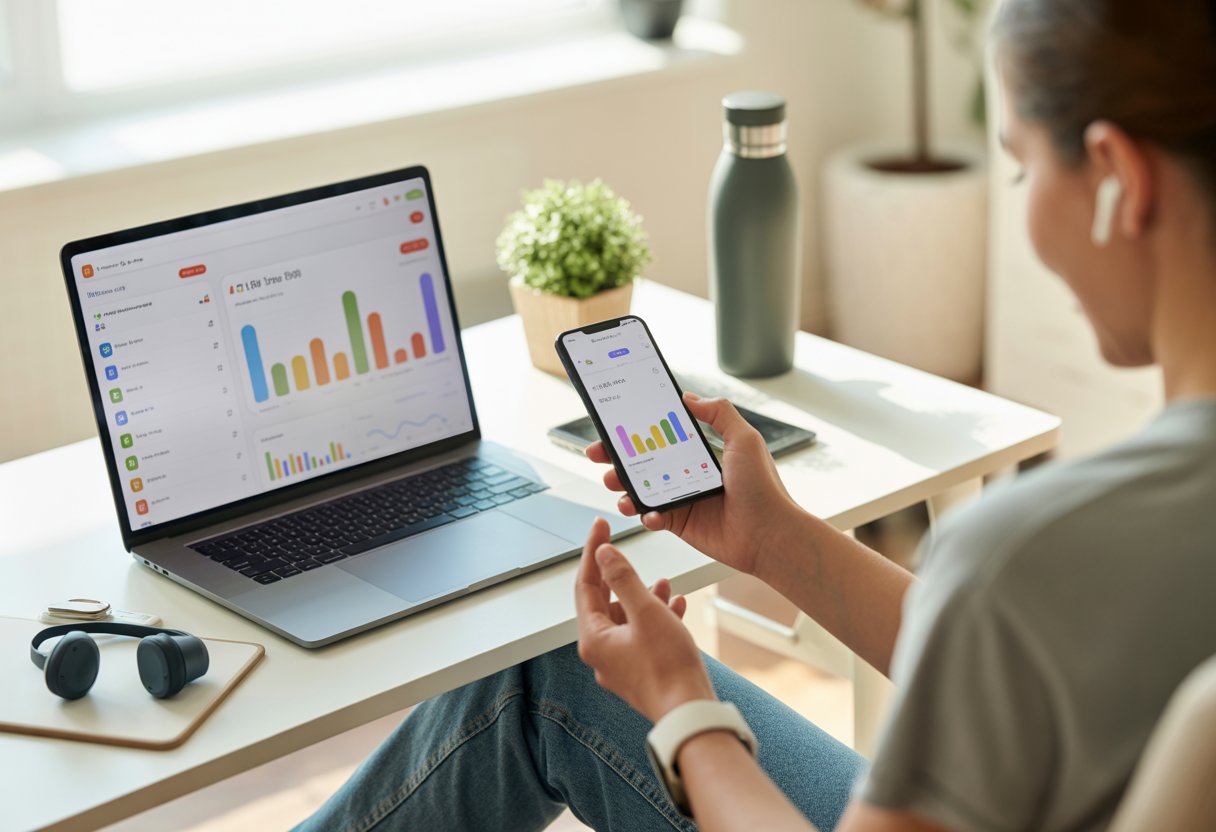
Tracking food intake with MyFitnessPal takes the guesswork out of eating, while basic step counters provide automatic activity monitoring without extra effort. These tools require minimal time investment but deliver clear data on daily habits.
Using MyFitnessPal for Food Awareness
MyFitnessPal simplifies food tracking with a massive database of over 14 million foods. Users can scan barcodes or search by name to log meals in seconds.
The app calculates calorie and macronutrient totals automatically. It shows how much protein, carbs, and fat someone eats each day. This awareness alone often leads to better food choices without strict dieting.
Key features for lazy trackers:
- Pre-saved meals for repeated foods
- Restaurant menu items already listed
- Quick-add calorie function for estimates
- Recipe import from websites
The free version provides everything needed for basic tracking. Users don’t need to log every single item perfectly. Even tracking 80% of meals gives enough data to spot patterns and make adjustments. Many people find they naturally eat less simply by writing down what they consume.
Simple Step Counters and Fitness Trackers
Basic step counters work passively in the background without any manual input. Most smartphones have built-in step tracking through Apple Health or Google Fit.
These apps count steps automatically as people carry their phones throughout the day. A simple goal of 7,000 to 10,000 steps provides enough movement for health benefits. The trackers send reminders to move more during inactive periods.
Benefits of passive tracking:
- No workout required
- Counts everyday activities
- Visual progress charts
- Streak tracking for motivation
Dedicated fitness trackers like Fitbit offer sleep monitoring and heart rate data. However, phone-based step counters work perfectly fine for someone seeking minimal effort. The key is checking the app occasionally to ensure daily movement stays consistent. Small increases like parking farther away or taking stairs add up over weeks.
Sneaky Strategies to Move More Everyday
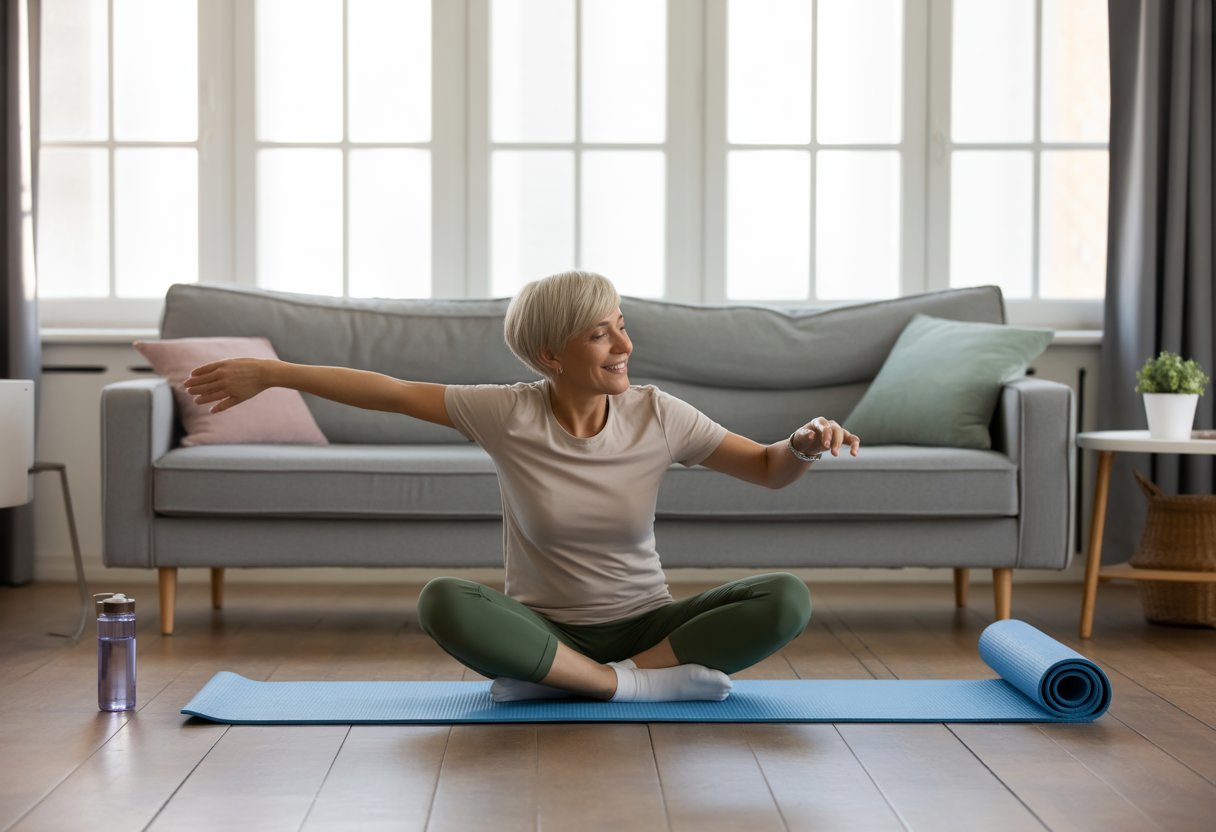
Small changes to daily habits can add up to significant physical activity without requiring dedicated workout time. By turning idle moments into movement opportunities and choosing less convenient options, anyone can increase their daily movement with minimal planning.
The ‘Commercial Break’ Workout Routine
Television time doesn’t have to mean complete inactivity. Every commercial break provides a two to three minute window for quick exercises that build strength and burn calories throughout the day.
The strategy works by choosing one or two simple movements to perform during each break. Squats, push-ups, lunges, or jumping jacks are all effective options. A person watching a one-hour show with four commercial breaks could complete 8-12 minutes of physical activity without missing any content.
For streaming services without ads, setting a timer to stand up every hour[10] and perform quick movements achieves similar results. The key is consistency rather than intensity.
This approach makes fitness feel less like a chore and more like a natural part of relaxation time. Someone who commits to this habit during just one show per day accumulates nearly an hour of movement each week.
Taking the Long Way for Maximum Benefit
Choosing inefficient routes and methods throughout the day creates extra steps without requiring additional time blocks. These small detours transform necessary activities into opportunities for increased daily movement.
Parking farther away from destinations[10] adds an extra two to four minutes of walking per trip. Taking stairs instead of elevators burns more calories than walking on flat surfaces while strengthening leg muscles.
Making multiple trips instead of carrying everything at once also increases activity levels. Rather than loading up with grocery bags to minimize trips, a person can make two or three journeys from the car to the house.
Walking to a colleague’s desk instead of sending an email, standing while talking on the phone, or taking a longer route through the office all contribute to higher step counts. These choices require no special equipment or clothing changes, making them easy to implement immediately.
Upgrade Your Environment: Make Fitness Automatic
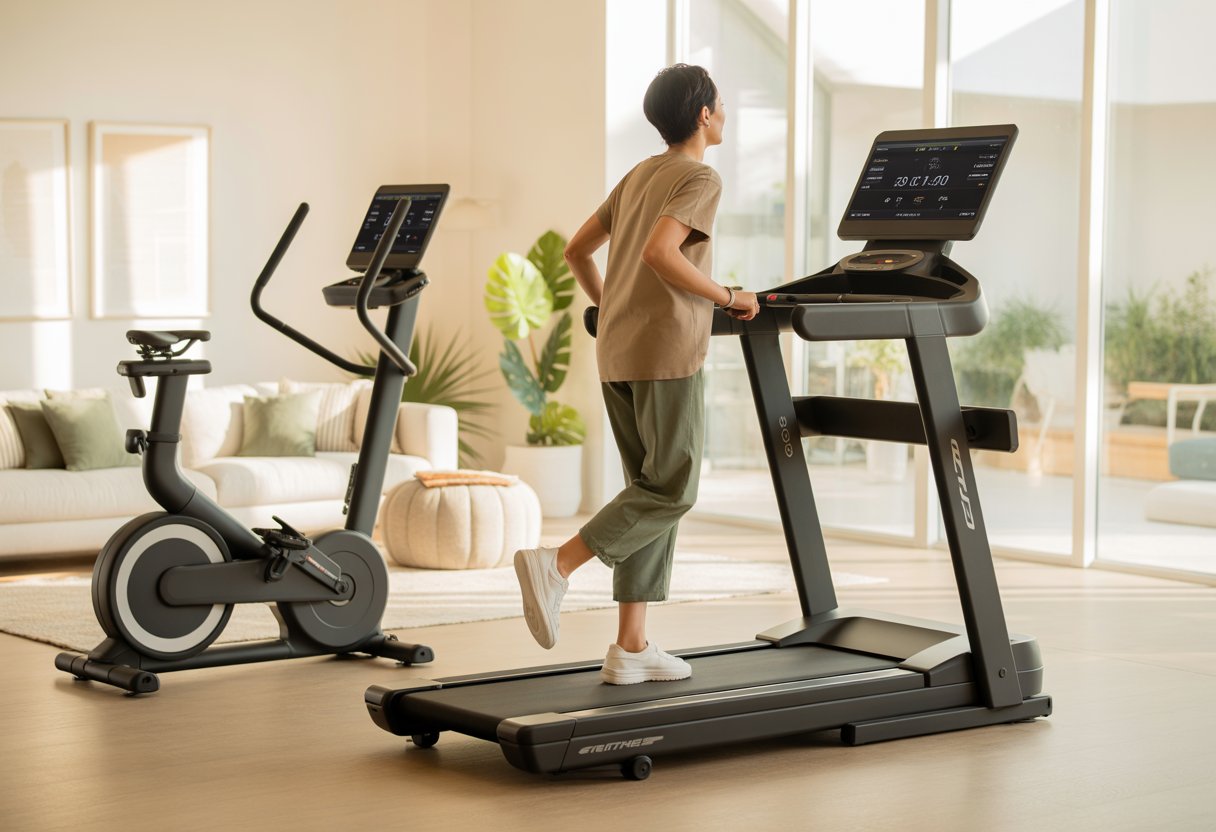
Small changes to living and working spaces can turn daily routines into opportunities for movement without requiring extra motivation or willpower. The right setup removes barriers and makes physical activity the easiest choice.
Home Setups That Encourage Activity
Placing workout equipment in visible, accessible spots increases the chances of using it. A yoga mat rolled out in the living room or resistance bands hung on a door handle serve as constant reminders to move. Keeping dumbbells near the TV makes it simple to do arm exercises during commercial breaks or while watching shows.
Storage matters more than most people think. Equipment shoved in closets or basements rarely gets used. Instead, designating a small corner of any room as a workout zone makes lazy fitness[4] more realistic. This space doesn’t need to be large. A 4×4 foot area works fine for bodyweight exercises, stretching, or quick strength sessions.
Simple swaps help too. Trading a regular chair for a stability ball engages core muscles while sitting. Placing a pull-up bar in a frequently used doorway creates chances for a few reps throughout the day.
Staying Active During Work and Leisure
Standing desks or desk converters allow for position changes throughout work hours. Alternating between sitting and standing every 30 to 60 minutes reduces prolonged sitting time without disrupting tasks. A small under-desk pedal machine or balance board adds movement while typing or during phone calls.
Setting phone or computer reminders every hour prompts brief activity breaks. These can be as simple as 10 squats, a 2-minute walk, or basic stretches. The breaks add up over an 8-hour workday.
During leisure time, keeping small weights or resistance bands near the couch allows for arm curls or shoulder presses while reading or watching content. Doing wall push-ups or calf raises during bathroom breaks builds in extra reps. Walking in place or doing marching steps during loading screens or commercial breaks turns idle time into active minutes.
Motivation and Mindset Shifts for Sustainable Change
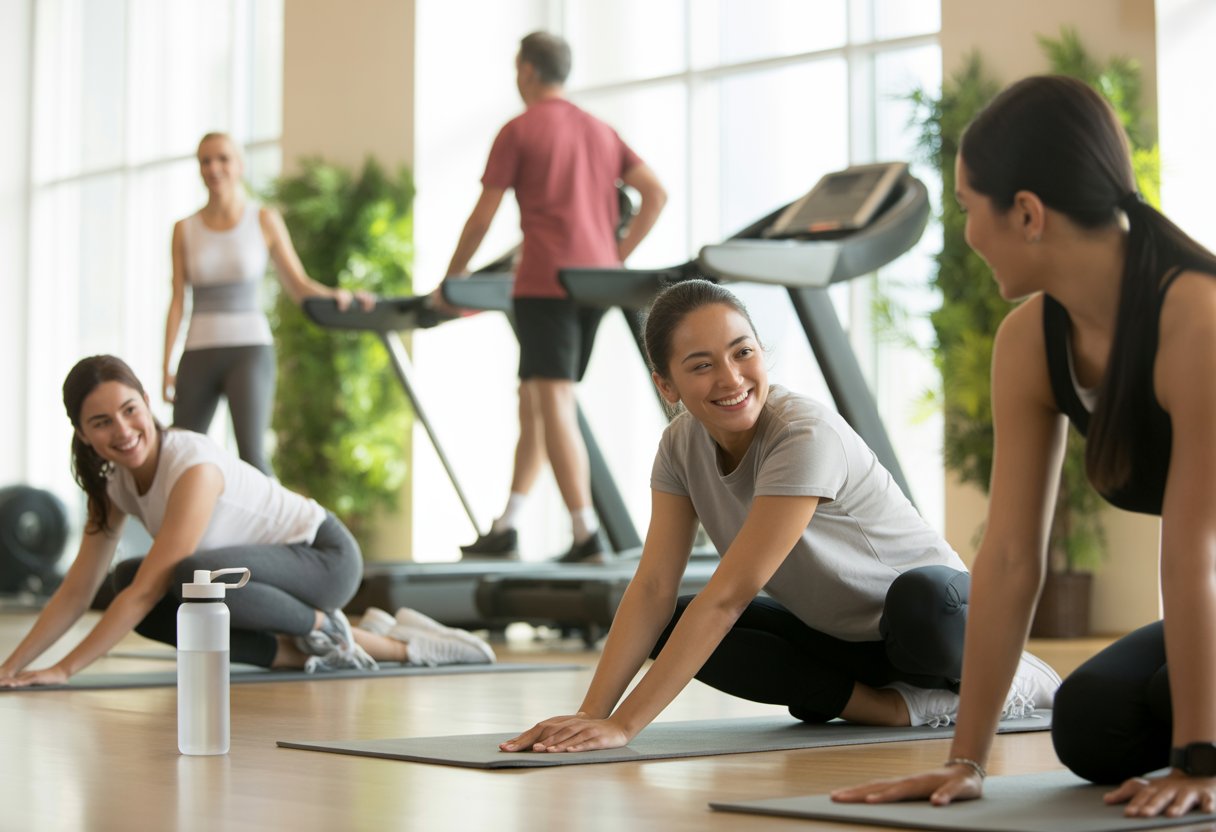
Success in fitness comes from changing how you think about exercise and progress. The right mental approach makes workouts feel less like a chore and more like a natural part of daily life.
Building Your Why for Lasting Results
A strong personal reason keeps people moving when motivation fades. Someone needs to identify what truly matters to them beyond just losing weight or looking better.
This could be keeping up with kids or grandchildren. It might be preventing health problems that run in the family. Some people want more energy to enjoy hobbies or travel.
Write down three specific reasons why fitness matters. These should connect to real experiences and emotions. For example, “I want to play soccer with my daughter without getting winded” works better than “I want to be healthier.”
Review these reasons when tempted to skip workouts. Making crucial mindset shifts[11] helps create lasting change that sticks long-term.
The why needs to be personal and meaningful. What works for one person might not motivate another at all.
Celebrating Small Wins and Milestones
Progress happens in small steps, not giant leaps. Recognizing improvements keeps momentum going even when results seem slow.
Track wins beyond the scale:
- Completing three workouts in one week
- Doing five more push-ups than last month
- Choosing to move more during lunch breaks
- Feeling less tired after climbing stairs
Set up a simple tracking system. This could be checking off calendar days after workouts or keeping a basic notes app log. Seeing the pattern of consistency builds confidence.
Reward milestones with non-food treats. Buy new workout shoes after a month of consistency. Take a relaxing bath after hitting a strength goal. These positive reinforcements create habits that last.
Creating Emotional Connections to Movement
Physical activity feels easier when tied to positive feelings instead of obligation. Finding enjoyment in movement transforms exercise from punishment to pleasure.
Experiment with different activities to find what feels good. Someone might hate running but love dancing. Another person could find peace in walking outdoors but dread the gym.
Match activities to current mood and energy. High-energy days work well for intense workouts. Lower-energy days call for gentle stretching or casual walks.
Listen to favorite music or podcasts during workouts. Exercise with friends or family to add social connection. Choose scenic routes for outdoor activities.
Pay attention to how the body feels during and after movement. Notice the energy boost, better sleep, or reduced stress. These positive feelings become their own motivation to keep going.
Long-Term Success: Maintaining Results Effortlessly
Building small habits into daily routines and adjusting workouts as circumstances shift keeps fitness sustainable without constant effort or motivation.
Micro-Habits to Sustain Progress
Micro-habits work better than big changes because they require almost no willpower. A person can add simple movements throughout the day instead of relying only on structured workouts. Taking stairs instead of elevators, parking farther from store entrances, or doing five squats before each meal adds up over weeks and months.
These tiny actions build consistency without taking over someone’s life[1]. Setting out workout clothes the night before removes one decision barrier. Drinking water first thing in the morning becomes automatic after two weeks.
Healthy eating follows the same pattern. Preparing one extra serving at dinner provides lunch the next day. Keeping cut vegetables in clear containers at eye level makes grabbing them easier than searching for chips.
The key is making the right choice the easiest choice. Someone who leaves their jump rope by the coffee maker will see it every morning. A person who schedules workouts like appointments treats them as non-negotiable. These small systems require minimal thought once established.
Adapting as Life Changes
Life circumstances shift constantly, and rigid fitness plans break under pressure. A new job, family obligations, or health issues demand flexibility in workout routines.
When time becomes scarce, shorter sessions maintain progress better than skipping workouts entirely. Someone who normally exercises 45 minutes can drop to 15-minute sessions during busy periods. Three sets of push-ups, squats, and planks preserve strength gains until a regular schedule returns.
Travel disrupts routines, but bodyweight exercises work in hotel rooms. A parent with less free time can involve kids in active play rather than sitting on the sidelines. Injured individuals modify exercises instead of stopping completely.
The workout schedule itself should flex with weekly demands. Training three days one week and five the next maintains momentum better than quitting when perfection becomes impossible. Daily movement matters more than perfect execution of an ideal plan.
Frequently Asked Questions
Getting fit with minimal effort raises practical questions about effectiveness, time commitment, and sustainability. The answers focus on what actually works for people who want results without overhauling their entire lifestyle.
What is the minimum effective amount of exercise needed to see real fitness results?
Research shows that just 15-20 minutes of exercise per day can produce measurable improvements in fitness and strength. Studies suggest that even a few minutes of exercise[1] will create notable increases in cardiovascular health and muscle tone.
The key factor is intensity rather than duration. A person who exercises hard for 15 minutes will see better results than someone who does light movement for an hour.
Consistency matters more than workout length. Three weekly sessions of 15-20 minutes each will deliver better outcomes than sporadic hour-long workouts.
Which low-effort workouts burn the most calories in the shortest time?
High-intensity interval training burns significant calories in minimal time. Tabata intervals, which consist of eight rounds of 20 seconds of intense work followed by 10 seconds of rest, take just four minutes to complete.
Burpees combine multiple movements into one exercise, engaging the entire body and burning roughly 10 calories per minute. Jump rope also ranks high, burning between 10-16 calories per minute depending on speed and body weight.
Circuit training that alternates between cardio and strength exercises keeps the heart rate elevated while building muscle. This dual benefit creates a higher calorie burn both during and after the workout.
How can I build a consistent fitness routine when motivation is low?
Starting with workouts that require minimal setup removes barriers to getting started. Bodyweight exercises at home eliminate the need to travel to a gym or change clothes.
Scheduling workouts at the same time each day creates an automatic habit. The brain adapts to routine, making it easier to follow through even when motivation drops.
Setting the bar extremely low on difficult days helps maintain consistency. A person can do just five minutes of movement and still count it as completing their workout for the day.
Tracking completed workouts provides visual proof of progress. A simple calendar with checkmarks creates momentum and makes skipping feel like breaking a streak.
What are the easiest ways to improve strength and stamina at home without equipment?
Push-ups work the chest, shoulders, triceps, and core simultaneously. Beginners can start with knee push-ups and progress to full push-ups as strength increases.
Squats build leg strength and improve cardiovascular stamina when performed in higher repetitions. Tempo squats, where each repetition takes 10 seconds, increase difficulty without adding weight.
Planks strengthen the entire core and require no movement at all. Holding a plank position for 30-60 seconds several times per week creates noticeable improvements in core stability.
Pull-ups require only a bar and build back, arm, and grip strength effectively. Resistance bands can provide assistance for those who cannot yet perform a full pull-up.
How can I lose weight through simple daily movement changes without a strict workout plan?
Taking the stairs instead of elevators adds multiple short bursts of activity throughout the day. Each climb burns approximately 0.17 calories per step for an average person.
Walking during phone calls transforms sedentary time into active time. A 30-minute phone conversation while walking can burn 100-150 calories.
Parking farther from destinations adds extra steps without requiring dedicated exercise time. An additional 2,000 steps per day contributes to roughly 100 calories burned.
Standing while working burns about 50 more calories per hour than sitting. A person who stands for four hours during their workday burns an extra 200 calories.
What small, sustainable nutrition habits support getting fitter without complicated dieting?
Drinking water before meals naturally reduces calorie intake by creating a feeling of fullness. Studies show this can lead to consuming 75-90 fewer calories per meal.
Eating protein at every meal helps preserve muscle mass during weight loss and increases satiety. Adding eggs at breakfast or chicken at lunch requires minimal planning.
Reducing liquid calories from soda, juice, and sweetened coffee can eliminate 200-500 calories daily. Switching to water or unsweetened beverages makes a significant difference over time.
Eating slowly gives the body time to register fullness signals. Putting down utensils between bites and chewing thoroughly can reduce overall food consumption by 10-15%.
Post Views: 4
References
- The Lazy Person’s Guide to Getting Fit: Minimal Effort, Maximum Results – Fitness Volt. https://fitnessvolt.com/lazy-person-fitness-guide/ Accessed May 10, 2026
- The Lazy Person’s Guide to Getting Fit – A revolutionary new approach to fitness, sport, and health instruction.. https://shareitfitness.wordpress.com/2016/06/05/lazy-guide-to-getting-fit/ Accessed May 10, 2026
- The Lazy Person’s Guide to Fitness: How to Get Stronger Without Traditional Workouts. https://healthiapp.com/blog/the-lazy-persons-guide-to-fitness-how-to-get-stronger-without-traditional-workouts Accessed May 10, 2026
- Lazy Fitness: The Ultimate Guide to Getting Fit with Minimal Effort. https://generationiron.com/lazy-fitness/ Accessed May 10, 2026
- The Power of Active Recovery: Gentle Workouts for Rest Days. https://fitnessvolt.com/active-recovery-guide/ Accessed May 10, 2026
- Why active recovery is essential to rest days. https://www.bupaglobal.com/en/your-wellbeing/healthy-body/active-recovery Accessed May 10, 2026
- Why After Healing, Comes Rest and Why You’re Not Lazy. https://www.brainzmagazine.com/post/why-after-healing-comes-rest-and-why-you-re-not-lazy Accessed May 10, 2026
- Active Recovery: Workouts and Exercises To Try. https://health.clevelandclinic.org/active-recovery Accessed May 10, 2026
- How To Eat Fewer Highly Processed Foods (and Why You Should). https://www.orlandohealth.com/content-hub/how-to-eat-fewer-highly-processed-foods-and-why-you-should Accessed May 10, 2026
- 20 Sneaky Ways to Move More (Even on Your Busiest Days). https://fitonapp.com/fitness/how-to-move-more/ Accessed May 10, 2026
- 5 Crucial Mindset Shifts for Sustainable Weight Loss. https://www.weightandwellness.com/resources/articles-and-videos/weight-loss-mindset Accessed May 10, 2026























