
Medically Reviewed
Dr. Jose Rossello, MD, PhD, MHCM
Preventive Medicine & Public Health Specialist
Last Reviewed: May 8, 2026
Waking up tired and dragging through the morning is a common struggle for many people. The good news is that the right physical activity can transform how the body and mind feel for the entire day. Morning exercise boosts energy by increasing blood flow, releasing feel-good brain chemicals, and jumpstarting metabolism, with effects that can last up to 24 hours.

Movement in the morning does not require a gym membership or complicated equipment. Simple activities like jumping, bodyweight exercises, or gentle stretching can wake up muscles and improve alertness. Early morning exercise has been shown to boost energy levels[1] throughout the day while also improving mood and mental clarity.
The key is finding exercises that fit individual fitness levels and schedules. Whether someone has five minutes or thirty minutes, there are effective options to shake off sleepiness and feel more awake. This guide covers the best morning movements, from dynamic cardio and strength exercises to stretching and breathwork, plus practical tips for building a routine that sticks.
Table of Contents
Key Takeaways
- Morning exercise increases blood flow and releases energizing brain chemicals that improve alertness for up to 24 hours
- Effective morning workouts include cardio moves, bodyweight exercises, stretching, yoga, and breathing techniques that require little or no equipment
- Building a consistent morning movement routine with proper nutrition and hydration maximizes energy benefits throughout the day
How Morning Exercise Activates Your Body and Mind

Morning workouts trigger specific physical changes that directly impact energy levels and brain function. Exercise jumpstarts metabolism, improves blood flow to the brain, and aligns with natural hormonal patterns to create sustained alertness throughout the day.
The Physiological Impact of Morning Movement
Physical activity in the morning increases metabolism immediately after waking. The body begins burning calories at a faster rate, which continues for hours after the workout ends. This effect, known as EPOC (excess post-exercise oxygen consumption), means the body keeps using energy even during rest periods.
Morning exercise improves circulation[2] by increasing heart rate and pushing oxygen-rich blood throughout the body. Better blood flow delivers more oxygen to the brain and muscles, which helps reduce the grogginess many people feel after waking up.
Movement also raises body temperature, which signals to the body that it’s time to be active. This temperature increase helps shake off sleep inertia. The physical demands of exercise require immediate energy production, so the body shifts quickly from rest mode to active mode.
Hormonal Cycles and Circadian Rhythm
The body’s circadian rhythm naturally prepares for activity in the morning hours. Cortisol levels peak shortly after waking, which provides natural energy and alertness. Exercise during this window works with these elevated cortisol levels rather than against them.
Morning workouts also help regulate the sleep-wake cycle. Physical activity reinforces the signal that daytime is for alertness and movement. This strengthens the circadian rhythm, making it easier to wake up feeling refreshed on following days.
Exercise triggers the release of endorphins, which improve mood and create a sense of well-being. These hormones contribute to sustained morning energy without the crash that comes from caffeine or sugar.
Immediate Energy and Mental Clarity
Complex movements that engage multiple muscle groups get the heart pumping[2] and increase blood flow to the brain. This boost in circulation delivers the oxygen and nutrients the brain needs for mental clarity.
Research shows that cardiovascular exercise improves inhibitory control[2], which is the ability to tune out distractions and maintain focus. People who exercise in the morning often report better concentration during work or school tasks.
The energy boost from morning workouts differs from caffeine-based energy. Rather than masking tiredness, exercise addresses it by activating the body’s natural systems. This creates genuine alertness that lasts longer and doesn’t lead to an afternoon energy crash.
Top Dynamic Cardio Moves to Jump-Start Your Day
Getting the heart pumping first thing in the morning helps wake up the body and mind while building cardiovascular strength. These quick cardio exercises require minimal space and no equipment, making them perfect for anyone looking to add energy to their morning routine.
Jumping Jacks and High Knees
Jumping jacks are a classic cardio workout that gets the entire body moving. They raise the heart rate quickly while warming up the shoulders, legs, and core. A person should stand with feet together and arms at their sides, then jump while spreading the legs wide and raising the arms overhead. The move should be repeated for 30 to 60 seconds.
High knees take the intensity up a notch by adding more leg work. The exercise involves running in place while lifting each knee to hip height or higher. This movement builds leg strength and stamina while boosting heart health. High knees also engage the core muscles and help improve balance.
Both exercises work well together in a morning workout[3] routine. They need no equipment and can be done in a small space. Starting with 20 to 30 seconds of each move helps build endurance over time.
Quick Brisk Walks and Light Jogging
A brisk walk outside or on a treadmill gets blood flowing without overwhelming the body. Brisk walking means moving at a pace where conversation is possible but slightly challenging. This gentle form of cardio helps reduce stress and supports heart health without the impact of running.
Light jogging adds more intensity while still being easy on the joints. A morning walk can transition into a light jog for short intervals. This combination helps build cardiovascular fitness gradually. Even 10 to 15 minutes of movement provides energy benefits that last throughout the day.
These activities work especially well for people who prefer outdoor exercise. Fresh air and natural light boost vitality and improve mood. The lower intensity also makes them suitable for those new to exercise or recovering from illness.
Mountain Climbers and Burpees
Mountain climbers combine cardio with core strengthening. The person starts in a plank position with hands under shoulders. They then drive one knee toward the chest, then quickly switch legs in a running motion. This creates a powerful quick cardio[4] burst that engages multiple muscle groups.
Burpees are a full-body exercise that builds strength and endurance. The movement includes a squat, plank, push-up, and jump in one flowing sequence. While challenging, burpees deliver maximum results in minimum time.
Benefits of these exercises:
- Engage multiple muscle groups at once
- Boost metabolism for hours after the workout
- Require no equipment
- Can be modified for different fitness levels
Both moves should start with 5 to 10 repetitions. As fitness improves, the number can increase.
Jump Rope for a Fast-Track Cardio Boost
Jump rope delivers an intense cardio workout in just a few minutes. This simple tool provides the same cardiovascular benefits as jogging but in less time. Three minutes of jumping rope equals roughly one mile of running.
The exercise strengthens the calves, improves coordination, and builds bone density. It also burns calories efficiently while taking up minimal space. A basic rope costs less than most fitness equipment and lasts for years.
Beginners should start with 30-second intervals, resting between sets. The goal is to build up to several minutes of continuous jumping. Different techniques like single-leg hops or double-unders add variety and challenge as skills improve.
Essential Bodyweight Exercises for Strength and Endurance

Bodyweight exercises provide a complete foundation for building both strength and endurance without any equipment. These movements target major muscle groups while improving core strength, mobility, and posture through natural movement patterns.
Squats, Lunges, and Glute Bridge
Squats form the foundation of lower body strength training by engaging the quadriceps, hamstrings, and glutes simultaneously. A proper squat requires feet shoulder-width apart, weight in the heels, and lowering until thighs reach parallel to the ground.
Lunges challenge balance and coordination while building leg strength. The forward lunge involves stepping one foot forward and lowering the back knee toward the ground while keeping the front knee aligned over the ankle. Alternating legs develops functional strength that transfers to daily activities.
The glute bridge targets the posterior chain and helps improve posture. Lying on the back with knees bent and feet flat, a person lifts their hips toward the ceiling while squeezing the glutes. This exercise strengthens the lower back and reduces sedentary sitting effects.
Jump squats add an explosive element that builds power and endurance. Starting from a squat position, the individual explodes upward into a jump before landing softly back into the squat.
Push-Ups and Plank Holds
Push-ups work multiple muscle groups[5] including the chest, shoulders, triceps, and core. Standard form requires hands placed slightly wider than shoulder-width with the body forming a straight line from head to heels. Lowering the chest to just above the ground and pressing back up completes one repetition.
Beginners can modify push-ups by performing them on the knees or against a wall. Advanced variations include diamond push-ups for triceps or decline push-ups for increased difficulty.
The plank hold builds exceptional core strength and stability. Holding the body in a straight line while supported on forearms and toes engages the entire core musculature. A proper plank maintains a neutral spine without sagging hips or raised buttocks.
Most people should aim for plank holds of 30 to 60 seconds. Side planks add variety by targeting the obliques and improving lateral stability.
Crunches and Core Strengtheners
Crunches isolate the abdominal muscles when performed with controlled movement. Lying on the back with knees bent, a person lifts the shoulder blades off the ground by contracting the abs rather than pulling on the neck.
Bicycle crunches add a rotational component that engages the obliques. This movement alternates opposite elbow to knee while extending the other leg. The twisting motion builds comprehensive core strength.
Dead bugs improve core stability and coordination. Lying flat with arms extended toward the ceiling and knees bent at 90 degrees, the individual lowers opposite arm and leg while keeping the lower back pressed to the floor.
Mountain climbers combine core strengthening with cardiovascular endurance. Starting in a plank position, alternating knees drive toward the chest in a running motion while maintaining a stable upper body.
Incorporating Mobility and Flexibility
Mobility work enhances the effectiveness of strength exercises by improving range of motion. Hip circles and leg swings prepare the joints for lunges and squats while reducing injury risk.
Dynamic stretches like arm circles and torso twists increase blood flow before bodyweight strength training[6]. These movements warm up muscles and connective tissues better than static stretching.
Cat-cow stretches improve spinal mobility and posture. Moving between an arched back and rounded spine position lubricates the vertebrae and reduces stiffness.
Walking lunges with a twist combine strength and mobility. The rotational component opens up the hips and thoracic spine while building leg strength. Holding positions at the bottom of squats or in deep lunges gradually increases flexibility over time.
Gentle Stretching and Flexibility to Wake Up Your Muscles
Morning stretches help increase circulation and reduce muscle tension after hours of staying in one position during sleep. A well-designed stretching routine combines dynamic movements with static holds to improve flexibility and prepare the body for daily activities.
Dynamic Stretching Routine
Dynamic stretches involve controlled movements that gently increase range of motion and blood flow. Unlike static stretches where positions are held, these movements keep the body in motion to warm up muscles more effectively.
Arm circles work well to loosen shoulder joints. A person stands with feet hip-width apart and extends both arms to the sides. They make small circles that gradually become larger, rotating forward for 10 repetitions before reversing direction.
Leg swings help with hip mobility. Holding onto a wall or chair for balance, they swing one leg forward and backward in a controlled manner. After 10 swings, they switch legs and repeat.
Hip circles target the lower body. With hands on hips and feet planted firmly, they rotate their hips in large circles, making 5-10 rotations in each direction. This movement loosens the hip joints and lower back muscles that often feel stiff in the morning.
Full-Body Stretch for Morning Recovery
A full-body stretch helps release tension[7] throughout the entire body rather than focusing on isolated areas. These stretches address multiple muscle groups simultaneously for efficient morning routines.
The child’s pose stretches the back, shoulders, and hips. Starting on hands and knees, a person sits their hips back toward their heels while extending arms forward on the floor. They hold this position for 20-30 seconds while breathing deeply.
The standing forward fold releases the hamstrings and lower back. From a standing position, they hinge at the hips and let their upper body hang down toward the floor. Knees can stay slightly bent to reduce strain. This stretch improves circulation to the brain and helps wake up the body.
Elevate Your Health for Just $29.99/Month
Join the Precision Wellness Subscription at My Healing 365 and get discounted services, priority coaching access, virtual care, and exclusive wellness resources to support your physical, emotional, and hormonal health.
Join for $29.99/MonthA supine twist targets the spine and obliques. Lying on their back with knees bent, they drop both knees to one side while keeping shoulders flat on the ground. This rotation helps improve spinal mobility[8] and releases tension in the back.
Neck Rolls, Shoulder Circles, and Cat-Cow
Upper body stretches address common areas where people hold tension overnight. These movements focus on the neck, shoulders, and spine.
Neck rolls should be performed slowly and gently. A person drops their chin toward their chest and slowly rolls their head to one side, then back to center. They repeat on the other side, avoiding any circular motions that could strain the neck. Each roll takes about 5 seconds.
Shoulder circles can be done seated or standing. They lift shoulders up toward their ears, roll them back and down in a circular motion, then repeat 8-10 times before reversing direction.
The cat-cow stretch improves spinal mobility[8] and releases tension in the neck, back, and abdomen. Starting on hands and knees, they arch their back while lifting their head and tailbone for the cow position. Then they round their spine and tuck their chin for the cat position. They repeat this flow for 10-15 cycles, coordinating each movement with their breath.
Standing Side Reaches and Mobility Drills
Standing stretches help transition from lying or sitting positions to full activity. These movements target the sides of the body and improve overall mobility.
Side reaches stretch the obliques and intercostal muscles. Standing with feet hip-width apart, a person raises one arm overhead and reaches to the opposite side, creating a C-shape with their body. They hold for 15-20 seconds on each side without leaning forward or backward.
Ankle circles improve lower leg mobility. Lifting one foot off the ground, they rotate the ankle in slow circles, making 10 rotations in each direction before switching feet.
Torso rotations enhance spinal mobility and warm up the core muscles. With hands on hips or arms crossed over the chest, they twist their upper body from side to side in a controlled motion. The hips stay facing forward while the shoulders rotate, repeating 10 times on each side. This gentle movement prepares the body for more complex motions throughout the day.
Yoga and Sun Salutations for Energy and Focus
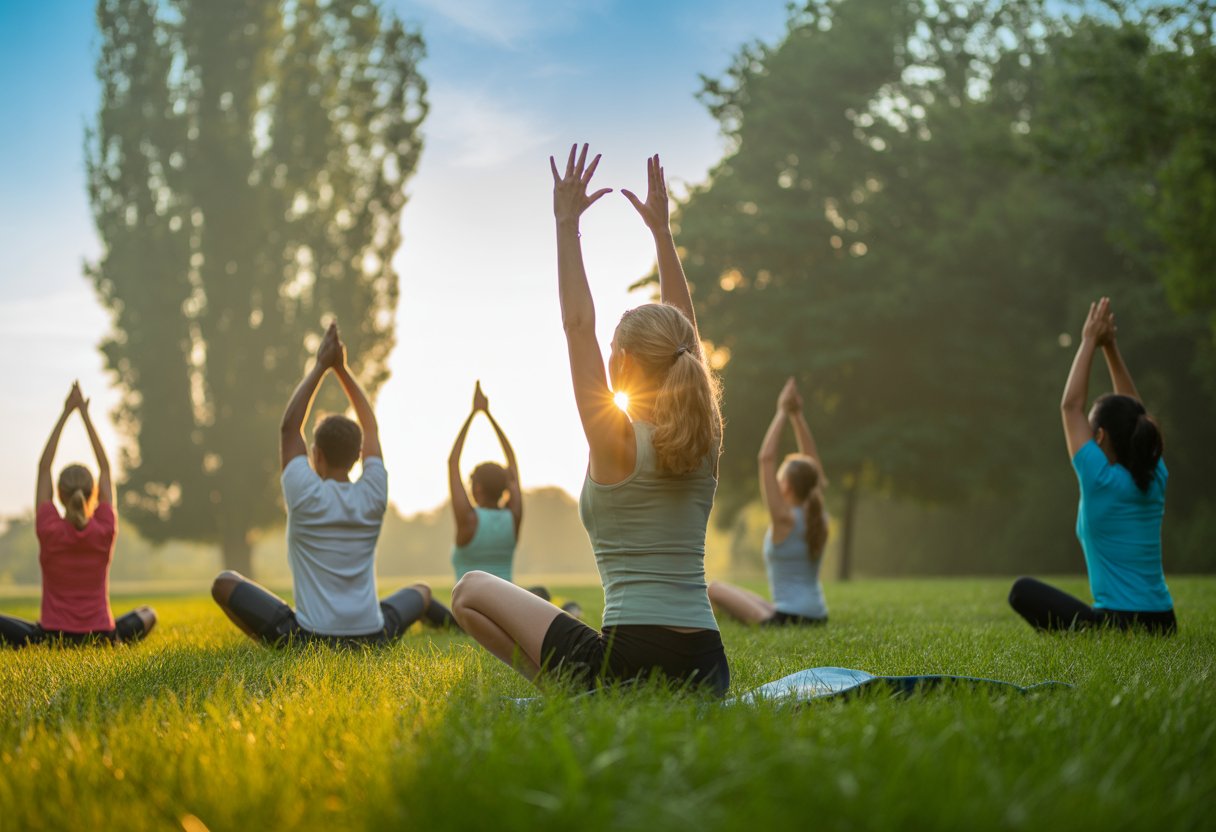
Yoga builds strength and flexibility while calming the mind. The practice combines controlled breathing with deliberate movements to wake up the body and increase blood flow throughout the entire system.
Sun Salutation (Surya Namaskar) Sequence
Sun salutations[9] link multiple poses together in one flowing sequence. This series warms up major muscle groups and gets the heart pumping faster.
The basic sequence includes:
- Mountain pose with hands at heart center
- Upward salute with arms overhead
- Forward fold to stretch the back
- Plank position to engage the core
- Downward dog to lengthen the spine
- Cobra or upward dog to open the chest
- Back to downward dog
- Forward fold at the top of the mat
- Return to mountain pose
Each movement connects to either an inhale or exhale. Most people complete 3-5 rounds to build heat and energy. Starting the morning with surya namaskar[10] creates momentum for the day ahead and opens tight muscles from sleep.
Morning Yoga Flows for Circulation
Gentle flowing movements increase blood circulation to the brain and extremities. Cat-cow stretches warm up the spine by alternating between arching and rounding the back. This movement pattern loosens stiff joints and releases tension.
Effective morning flows include:
- Seated spinal twists to massage internal organs
- Hip circles to open the lower body
- Shoulder rolls to release upper body tightness
- Gentle neck stretches in all directions
These movements take 5-10 minutes and prepare the body for more intense activity. The increased circulation delivers oxygen to cells and removes waste products. People who practice morning flows report feeling more alert and ready to tackle daily tasks.
Balancing Postures for Coordination
Balance poses require focus and engage small stabilizing muscles. Tree pose strengthens ankles and improves concentration as one foot presses into the opposite inner thigh. Holding the position for 30-60 seconds on each side develops coordination.
Warrior III challenges balance by extending one leg behind while the torso leans forward parallel to the ground. Eagle pose wraps arms and legs together to build stability. These postures force the mind to stay present rather than wandering to other thoughts.
Regular practice of balancing poses enhances body awareness and spatial orientation. They activate core muscles that support good posture throughout the day.
Breathwork and Pranayama Techniques for Mental Clarity
Controlled breathing practices activate the body’s relaxation response while delivering oxygen-rich blood to the brain. These techniques range from simple deep breathing patterns to structured pranayama methods that balance energy and sharpen cognitive function.
Deep Breathing Exercises
Deep breathing exercises form the foundation of breathwork practice. The most basic technique is diaphragmatic breathing, where a person breathes into the belly rather than the chest. When practicing this method, the stomach expands on the inhale and contracts on the exhale while the chest stays relatively still.
This belly breathing technique reduces stress and increases lung capacity[11] by engaging the diaphragm muscle fully. Three-part breath builds on this foundation by directing air into the lower belly, mid-torso, and upper chest in sequence. Each complete breath cycle takes 6-8 seconds.
Practitioners should start with 2-5 minutes each morning. The slow, intentional breathing pattern shifts the nervous system from a stressed state to a calm one. This happens because deep breathing lowers heart rate and blood pressure while increasing oxygen flow to the brain.
Box Breathing for Stress Reduction
Box breathing follows a simple four-part pattern with equal counts for each phase. The technique uses a 4-4-4-4 ratio: inhale for four counts, hold for four counts, exhale for four counts, and hold empty for four counts.
This method equalizes and balances energy channels in the body[11] while calming mental chatter. The breath retention periods between inhales and exhales help slow down racing thoughts. Athletes and military personnel use this technique before high-pressure situations.
The practice requires focused attention on counting, which pulls the mind away from worries. After 5-10 rounds, most people notice reduced anxiety and improved concentration. Box breathing works well when practiced in a seated position with eyes closed.
Pranayama for Relaxation and Alertness
Pranayama offers specific techniques that either energize or calm the body. Alternate nostril breathing involves closing one nostril with a finger and breathing through the other, then switching sides. This practice calms excessive worry and settles the mind[11].
Skull shining breath (Kapalabhati) provides an energizing alternative through quick, forceful exhales through the nose. The rapid breathing pattern increases alertness and warms the body. Ocean breathing (Ujjayi) creates a soft sound in the back of the throat by slightly constricting the airway.
Each pranayama technique produces different effects on mental state and physical energy. A person can enhance mental clarity and focus by oxygenating the brain[12] through these practices. Those new to pranayama should consult a teacher or start with gentler methods before attempting advanced techniques.
Creating a Consistent Morning Exercise Routine
Building a regular morning workout habit requires strategic planning and the right tools to stay on track. Success comes from setting up simple systems, adapting workouts to fit tight schedules, and using technology to maintain accountability.
Tips for Building a Lasting Habit
Preparing workout clothes the night before makes it easier to start exercising when the alarm goes off. This simple action creates a visual cue that signals the brain to follow through with the planned activity.
Setting the alarm for the same time every morning helps the body adapt to a consistent wake-up schedule. Research shows that waking up at consistent times improves health outcomes[13] and makes morning routines more sustainable.
Starting with just 5-10 minutes of movement prevents overwhelm. Someone new to morning exercise can gradually increase duration as the habit becomes automatic.
Placing workout equipment in a visible location removes barriers to getting started. A yoga mat rolled out in the bedroom or resistance bands on a nightstand serve as reminders to move.
Structuring Workouts for Busy Mornings
A 15-minute morning workout[14] provides energy and metabolic benefits without requiring a major time commitment. These short sessions fit into even the most packed schedules.
Quick workout structure:
- 2-3 minutes: Light stretching or walking in place
- 10-12 minutes: Main exercises (bodyweight squats, push-ups, lunges)
- 1-2 minutes: Cool-down stretches
Someone can alternate between different exercise types throughout the week. Monday might focus on strength movements, Wednesday on cardio intervals, and Friday on flexibility work.
Combining exercise with other morning tasks saves time. Walking outside provides both movement and natural light exposure, which helps regulate sleep patterns[13].
Fitness Trackers and Accountability Tools
Fitness trackers record workout completion and monitor progress over time. These devices show patterns in activity levels and sleep quality that help users adjust their routines.
Useful tracking features:
Smartphone apps offer guided workout videos and customizable timers. Many include social features where users can share progress with friends or join virtual challenges.
Setting specific metrics creates clear targets to reach. Someone might aim for 20 morning workouts per month or a certain number of consecutive days with movement.
Digital calendars with workout reminders keep the morning routine visible. Checking off completed sessions provides immediate satisfaction that reinforces the habit.
Adapting Morning Workouts for All Fitness Levels

Morning workouts work best when they match a person’s current abilities and goals. Starting with the right exercise level helps build strength safely while avoiding burnout or injury.
Beginner-Friendly Modifications
New exercisers should start with bodyweight movements that require no equipment. Push-ups can be done against a wall or on the knees instead of in a full plank position. Squats work well when performed to a chair, giving a clear depth marker and safety net.
A basic morning workout routine for beginners[15] might include 10 minutes of walking, three sets of 10 bodyweight squats, and modified push-ups. Core strength builds gradually through planks held for 15 to 30 seconds rather than full minute holds.
Rest periods matter just as much as the exercises themselves. Taking 60 to 90 seconds between sets gives muscles time to recover. Beginners should aim for two to three morning sessions per week rather than daily workouts.
Progressions for Advanced Movers
Advanced exercisers need greater challenges to continue building strength and mobility. Adding resistance through dumbbells, kettlebells, or resistance bands increases workout intensity. Single-leg exercises like pistol squats or Bulgarian split squats demand more balance and core strength than traditional movements.
Compound movements combine multiple muscle groups for efficient training. Barbell squats, deadlifts, and overhead presses deliver full-body benefits in less time. High-intensity interval training alternates between intense bursts and recovery periods to maximize calorie burn.
Advanced strength training can include four sets of eight to 10 reps with heavier weights. Mobility work through dynamic stretching prepares joints for complex movements. Exercises like Turkish get-ups challenge coordination while building total-body strength.
Listening to Your Body and Avoiding Injury
Pain signals a problem that needs attention, not a challenge to push through. Sharp or sudden pain requires stopping the exercise immediately. Muscle soreness from previous workouts differs from joint pain or strain.
Proper warm-ups prevent injuries by increasing blood flow to muscles. Five to 10 minutes of light cardio and dynamic stretching prepares the body for harder work. Proper form matters more than completing extra reps or adding weight too quickly.
Sleep quality and stress levels affect workout performance. Reducing intensity on low-energy days prevents overtraining. Rest days give muscles time to repair and grow stronger.
Maximizing the Benefits: Nutrition, Hydration, and Recovery
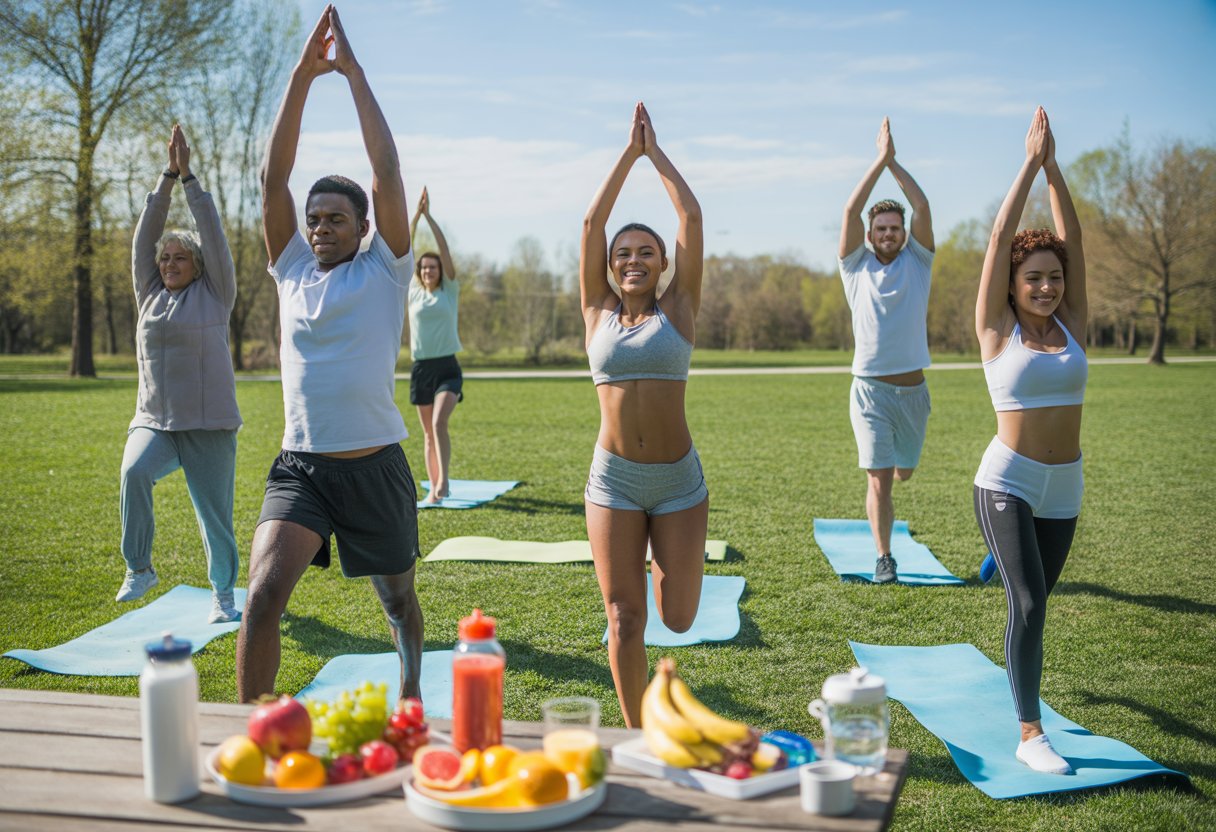
The right fuel and recovery strategies can enhance morning workout performance and help the body rebuild stronger. Proper timing of meals and adequate water intake support energy levels and muscle function throughout exercise sessions.
Pre-Workout Fuel and Hydration
Morning exercisers should consume easily digestible carbohydrates 30 to 60 minutes before their workout to provide quick energy. A banana, toast with peanut butter, or a small energy bar offers the glucose muscles need without causing digestive discomfort.
Drinking water before exercise is essential for muscle function. The body loses fluids through sweat during workouts, so starting well-hydrated helps maintain performance.
For those doing strength-based morning exercises, adding protein to the pre-workout meal helps prepare muscles for stress. Greek yogurt with berries or eggs with toast eaten one to three hours before exercising provides a balance of carbs and protein[16] that supports energy and muscle needs.
People who exercise on an empty stomach may experience fatigue or dizziness. A light snack prevents these issues while keeping the stomach comfortable during movement.
Post-Exercise Recovery Strategies
After morning exercise, the body needs nutrients to repair muscle tissue and restore energy. Consuming both protein and carbohydrates within a few hours of finishing helps muscles recover and rebuild.
Effective post-workout options include:
- Chocolate milk
- Protein shake with banana
- Grilled chicken with sweet potatoes
- Hummus with whole-grain pita
Rehydration after exercise supports heart health and helps transport nutrients to muscles. Water works well for most people, though those who sweat heavily during workouts may benefit from drinks containing electrolytes.
The combination of protein and carbohydrates after exercise can help boost metabolism[17] as the body works to rebuild muscle tissue. This metabolic boost continues for hours after the workout ends.
Aligning Nutrition With Morning Exercise
Morning exercisers should plan their daily eating schedule around their workout timing. Those who exercise immediately after waking may prefer a small snack before and a larger breakfast after. Others who work out later in the morning can eat a more substantial meal beforehand.
Eating healthier sources of carbohydrates[18] like whole-grain pasta, brown rice, or oatmeal provides sustained energy throughout the day. These complex carbohydrates support metabolism better than simple sugars.
Key nutrition principles for morning exercisers:
- Don’t skip pre-workout fuel for intense activities
- Avoid high-fiber and high-fat foods right before exercising
- Listen to the body’s hunger signals after workouts
- Stay consistent with meal timing to establish routine
People with specific fitness goals or dietary restrictions should consult a healthcare provider or registered dietitian. Individual protein needs vary based on body weight and exercise intensity.
Many people stick to basic exercises and miss out on powerful techniques that create lasting energy throughout the day. Adding balance work, quick bursts of intense movement, and strategic exercise combinations can dramatically increase how energized someone feels after their morning workout.
Balance and Coordination Drills
Balance and coordination exercises wake up the nervous system in ways that traditional workouts don’t. These movements require the brain to work harder as it coordinates multiple muscle groups at once.
Single-leg exercises like standing on one foot while reaching in different directions force the body to stabilize itself. This type of challenge fires up neural pathways and increases alertness. Tree pose from yoga works well for beginners, while more advanced exercisers can try single-leg deadlifts with light weights.
Effective Balance Exercises:
- Single-leg stance holds (30-60 seconds each side)
- Walking lunges with a twist
- Bosu ball squats
- Heel-to-toe walks in a straight line
Coordination drills add another layer of mental engagement. Jumping jacks, mountain climbers, and jump squats all require timing between upper and lower body movements. This dual focus sharpens mental clarity while building physical energy.
Incorporating Quick HIIT Intervals
High-intensity interval training delivers energy benefits that last for hours after the workout ends. Short bursts of maximum effort followed by brief rest periods create a powerful metabolic response.
A simple HIIT routine takes just 10 to 15 minutes. Someone might do 30 seconds of burpees followed by 30 seconds of rest, repeated for several rounds. Other options include sprint intervals, jump squats, or fast-paced mountain climbers.
The key is pushing hard during work intervals. The heart rate should climb significantly, making conversation difficult. Recovery periods allow just enough rest to tackle the next round with full intensity.
Combining Strength and Cardio for EPOC
Mixing strength training with cardio movements creates excess post-exercise oxygen consumption, or EPOC. This effect means the body continues burning calories and generating energy long after the workout finishes.
Circuit training delivers this benefit effectively. Someone might do a set of dumbbell squats, immediately followed by 30 seconds of jumping jacks, then move to push-ups and high knees. This back-and-forth pattern between resistance and cardio keeps the heart rate elevated while building muscle.
The EPOC effect can last up to 24 hours after an intense session. This extended metabolic boost explains why people often feel more energized throughout the entire day following this type of workout. Keeping rest periods short between exercises maximizes this response.
Building a Morning Movement Mindset for Lasting Results
Success with morning exercise depends less on willpower and more on creating systems that make movement automatic. The right goals, practical strategies to overcome obstacles, and an environment designed for action transform sporadic workouts into dependable habits.
Setting Realistic Goals and Tracking Progress
Starting small prevents burnout and builds confidence over time. A person new to morning exercise should begin with five minutes of movement rather than attempting hour-long workouts. This approach allows the body to adapt gradually while making the habit easier to maintain.
Effective goal-setting strategies include:
- Beginning with 2-3 days per week instead of daily commitments
- Choosing one or two exercises to master before adding variety
- Increasing duration by 5-minute increments every two weeks
- Focusing on showing up rather than performance metrics
Tracking progress reinforces consistency and reveals patterns. A simple calendar with checkmarks for completed workouts provides visual proof of commitment. Apps that log exercise sessions offer more detailed insights into frequency and duration. Some people prefer journals where they note energy levels and mood alongside workout completion.
The key is measuring what matters most. Someone exercising for energy should track how alert they feel throughout the day. Those seeking stress relief might rate their mental state before and after movement.
Maintaining Motivation and Reducing Barriers
Motivation fluctuates naturally, so removing obstacles matters more than relying on enthusiasm. Preparing workout clothes the night before eliminates decision-making in groggy morning moments. Setting out equipment like yoga mats or resistance bands creates visual reminders that trigger action.
Common barriers and solutions:
| Barrier | Solution |
|---|---|
| Feeling too tired | Sleep in workout clothes or start with gentle stretching |
| Lack of time | Choose bodyweight exercises that take just 5 minutes[19] |
| Boring routine | Rotate between three different exercise types weekly |
| No accountability | Text a friend after each workout or join online communities |
Finding an exercise buddy creates external accountability. Some people subscribe to morning fitness classes that charge cancellation fees. Others join virtual workout groups where members check in daily.
The timing of exercise also affects adherence. Someone who naturally wakes at 6 AM should schedule movement for 6:15 AM rather than fighting their body clock to exercise at 5 AM.
Cultivating an Energizing Morning Environment
The physical space where someone exercises influences their likelihood of following through. A dedicated corner with a yoga mat signals that movement happens there. Good lighting mimics the natural morning light that helps regulate circadian rhythms[20].
Temperature matters for comfort and performance. A slightly cool room between 65-68°F keeps the body from overheating during activity. Opening curtains immediately upon waking exposes the eyes to daylight, which suppresses melatonin and increases alertness.
Music or podcasts transform exercise from a chore into entertainment. Upbeat playlists with 120-140 beats per minute naturally encourage faster movement. Some people prefer guided workout videos that eliminate the need to plan exercises.
Environmental elements that support morning routines:
- Water bottle placed beside the workout area for easy hydration
- Timer or clock visible to track exercise duration
- Minimal clutter to reduce mental distraction
- Inspirational quotes or images that reinforce fitness goals
Creating this environment the night before ensures morning exercise becomes the path of least resistance. When everything is ready, the only decision left is to begin moving.
Frequently Asked Questions
Morning exercise raises common questions about effectiveness, duration, and specific goals like weight loss. Here are answers to help people design a workout routine that fits their needs and lifestyle.
What are the most effective morning exercises to increase energy levels quickly?
Jumping jacks stand out as one of the fastest ways to wake up the body. This full-body movement gets the heart pumping and increases blood flow within minutes.
Bodyweight squats also deliver quick energy boosts. They engage large muscle groups in the legs and core, which helps shake off morning sluggishness.
Push-ups activate the upper body and core simultaneously. Even a set of 10 to 15 repetitions can increase alertness and prepare the body for the day ahead.
High knees or jogging in place work well for people who need immediate energy. These exercises elevate the heart rate rapidly and can be done in any small space.
What is a simple morning workout routine for beginners that can be done at home?
A basic morning workout routine[21] requires no special equipment and takes about 15 to 20 minutes. Beginners can start with 10 jumping jacks, 10 bodyweight squats, and 5 push-ups.
After these exercises, adding 10 reverse crunches helps strengthen the core. People should rest for 30 seconds between each exercise when starting out.
The routine can be repeated two to three times as fitness improves. Consistency matters more than intensity for beginners building a new habit.
Stretching for three to five minutes after the workout helps prevent soreness. Simple stretches for the legs, arms, and back complete the session.
Which no-equipment morning exercises are best for boosting energy and improving stamina?
Burpees combine multiple movements into one exercise that builds both energy and stamina. They work the entire body and challenge cardiovascular fitness without any equipment.
Mountain climbers provide similar benefits with slightly less intensity. This exercise strengthens the core while improving heart health and endurance.
Walking lunges target the legs and glutes while building balance. They can be performed in a hallway or any clear space at home.
Planks build core strength and stamina through static holds. Starting with 20 to 30 second holds and gradually increasing the time develops endurance effectively.
What are the best morning exercises at home for weight loss?
Strength training exercises help with weight loss by boosting metabolism throughout the day. Goblet squats, Romanian deadlifts, and split squats build muscle that burns more calories even at rest.
High-intensity bodyweight circuits create an effective fat-burning workout. Combining exercises like burpees, jumping jacks, push-ups, and mountain climbers in quick succession increases calorie burn.
The key to weight loss involves exercising most days of the week. Aim for at least 30 minutes of movement that elevates the heart rate.
Mixing strength exercises with brief cardio bursts maximizes results. This approach builds muscle while creating the calorie deficit needed for weight loss.
What morning exercises help reduce belly fat, especially for women?
No exercise targets belly fat specifically, but certain movements strengthen the core while supporting overall fat loss. Reverse crunches engage the lower abdominal muscles effectively.
Planks work the entire core and help build a stronger midsection. Side planks add variation and target the oblique muscles along the sides of the waist.
Full-body exercises like squats and deadlifts burn more calories than isolated ab work. These compound movements engage the core for stability while working multiple muscle groups.
Consistency with exercise combined with proper nutrition leads to belly fat reduction. Women should focus on building overall strength rather than only doing ab exercises.
How long should a morning workout be to boost energy without feeling exhausted?
Morning exercise sessions[1] of 15 to 30 minutes provide energy without causing fatigue. This duration allows enough time to elevate the heart rate and engage major muscle groups.
Beginners should start with 10 to 15 minute sessions. Shorter workouts help build the habit without overwhelming the body or schedule.
The intensity matters as much as duration. Moderate intensity that challenges the body but still allows for conversation prevents exhaustion while boosting energy.
People can gradually increase workout time as fitness improves. Adding five minutes every week or two helps the body adapt without causing burnout.
Post Views: 7
References
- 11 Good Morning Exercises To Help You Loosen Up for the Day
– Gainful. https://www.gainful.com/blogs/exercise/11-good-morning-exercises-to-help-you-loosen-up-for-the-day Accessed May 10, 2026 - Morning exercise improves circulation. https://www.health.com/morning-exercises-11845931 Accessed May 10, 2026
- Morning Workouts: Best Exercises To Start Your Day In 2026. https://www.endomondo.com/exercise/morning-workouts Accessed May 10, 2026
- The Only 5-Minute Workout You Need to Jumpstart Your Day. https://www.eatthis.com/5-minute-morning-workout-to-boost-energy-and-burn-fat/ Accessed May 10, 2026
- Push-ups work multiple muscle groups. https://www.health.com/bodyweight-exercises-that-build-strength-11931002 Accessed May 10, 2026
- 15 Effective Bodyweight Exercises for Building Strength and Endurance. https://boxlifemagazine.com/bodyweight-exercises/ Accessed May 10, 2026
- 6 best morning stretches to energize your day — Calm Blog. https://blog.calm.com/blog/best-morning-stretches Accessed May 10, 2026
- improve spinal mobility. https://www.prevention.com/fitness/fitness-tips/a63183332/morning-stretch-routine/ Accessed May 10, 2026
- ENERGY & FOCUS || Five 15-Minute Morning Yoga Routines to Boost Energy and Focus. https://www.pendulummag.com/health-wellness/2023/5/19/energy-amp-focus-five-15-minute-morning-yoga-routines-to-boost-energy-and-focus-videos-included Accessed May 10, 2026
- How To Do A Sun Salutation. https://gethealthyu.com/how-to-do-a-sun-salutation/ Accessed May 10, 2026
- 7 Morning Breathing Exercises to Boost Energy and Productivity • Yoga Basics. https://www.yogabasics.com/practice/pranayama/morning-breathing-exercises/ Accessed May 10, 2026
- 4 Morning Breath Rituals: How to Change Your Day with A Gentle Start. https://mindfulcenter.org/4-morning-breath-rituals-how-to-change-your-day-with-a-gentle-start/ Accessed May 10, 2026
- waking up at consistent times improves health outcomes. https://www.health.com/morning-routine-for-sustained-energy-11932614 Accessed May 10, 2026
- 15-Minute Morning Workout for Energy and A Powerful Metabolic Boost – Fitness Volt. https://fitnessvolt.com/15-minute-morning-workout/ Accessed May 10, 2026
- Building an Effective Morning Workout Routine. https://www.eosfitness.com/blog/how-to-build-an-effective-morning-workout-routine Accessed May 10, 2026
- What to eat before and after a workout, based on your workout type. https://www.uclahealth.org/news/article/what-eat-before-and-after-workout-based-your-workout-type Accessed May 10, 2026
- 5 nutrition tips to maximize workouts. https://www.mayoclinichealthsystem.org/hometown-health/speaking-of-health/5-nutrition-tips-to-maximize-your-workouts Accessed May 10, 2026
- Food as Fuel Before, During and After Workouts. https://www.heart.org/en/healthy-living/healthy-eating/eat-smart/nutrition-basics/food-as-fuel-before-during-and-after-workouts Accessed May 10, 2026
- 5-Minute Morning Routines to Boost Energy and Productivity. https://activeman.com/5-minute-morning-routines-to-boost-energy-and-productivity/ Accessed May 10, 2026
- Morning Routines That Improve Your Physical and Mental Health. https://www.sciencenewstoday.org/morning-routines-that-improve-your-physical-and-mental-health Accessed May 10, 2026
- Morning Workout Routine For An Energized Day. https://betterme.world/articles/morning-workout-routine/ Accessed May 10, 2026

























