
Medically Reviewed
Dr. Jose Rossello, MD, PhD, MHCM
Preventive Medicine & Public Health Specialist
Last Reviewed: May 7, 2026
You tell yourself you’ll start exercising tomorrow, but tomorrow never comes. The truth is, your brain is actively working against you when it comes to physical activity. Your brain contains circuits that calculate whether effort is worth the reward, and exercise often fails this mental test because it requires constant work for gradual results.

This resistance isn’t laziness or lack of discipline. Humans evolved to run long distances, but that doesn’t mean our brains want us to do it. Your brain is hard-wired to avoid exercise[1] because it prefers the path of least resistance and puts more weight on risks than rewards. Past negative experiences with sports or gym class can also create subconscious psychological barriers[2] that stop you before you even start.
The good news is that understanding why you avoid exercise is the first step to changing the pattern. Your brain isn’t just a bundle of primitive instincts. It can set long-term goals, practice delayed gratification, and override its initial resistance to discomfort.
Table of Contents
Key Takeaways
- Your brain has evolved circuits that view exercise as wasted effort because it requires high energy for uncertain rewards
- Negative past experiences and psychological barriers can create unconscious resistance to physical activity
- Understanding your mental and physical obstacles allows you to develop practical strategies for building a lasting exercise routine
The Psychology Behind Exercise Avoidance
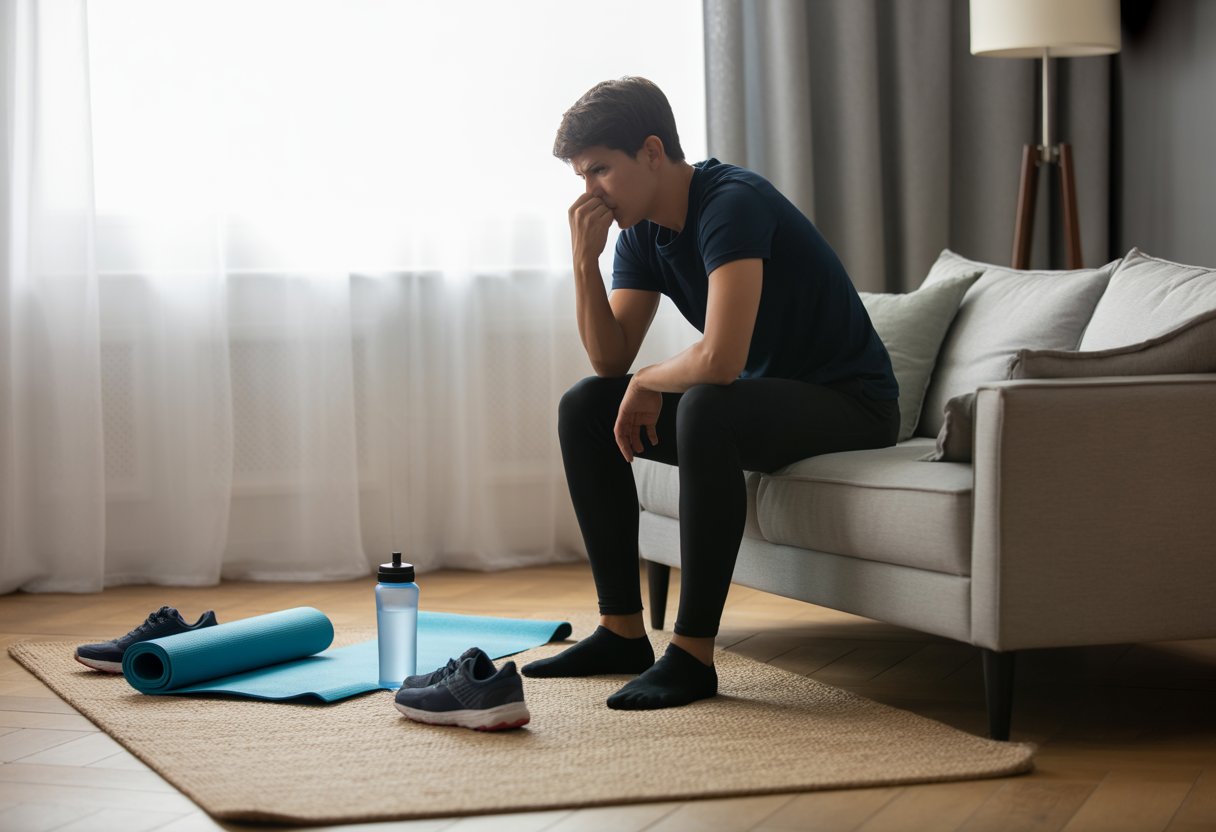
The human brain contains specific circuits that evaluate whether physical effort is worthwhile, and these same mental processes that once helped early humans survive now work against modern exercise habits. Past negative experiences with sports can create subconscious barriers[2] that prevent people from starting an exercise routine.
Discomfort and the Human Brain
Exercise pushes the body to its physical limits, which creates real discomfort. This discomfort isn’t accidental. It signals that someone is reaching the edge of their current capabilities.
The brain contains dedicated circuits within the insula cortex that calculate effort required for any action. These circuits evolved to prevent humans from wasting vital resources on activities that don’t provide enough benefit. They constantly ask “is it worth it?”
Regular exercise requires sustained effort for gradual progress with no guaranteed results. The brain’s effort-calculation system struggles with this equation. It evolved to reject activities like walking 20 miles for a handful of berries, and it treats gym sessions with similar skepticism.
The brain also places more weight on potential risks than rewards. This protective tendency makes people reluctant to start physically demanding activities, especially when the outcome remains uncertain.
Elevate Your Health for Just $29.99/Month
Join the Precision Wellness Subscription at My Healing 365 and get discounted services, priority coaching access, virtual care, and exclusive wellness resources to support your physical, emotional, and hormonal health.
Join for $29.99/MonthEvolutionary Instincts Against Physical Activity
Humans evolved superior endurance running abilities compared to other species. Bipedal movement and unique sweat glands allow humans to run long distances after other animals collapse from exhaustion.
Yet the brain adapted in ways that discourage exercise[1] rather than encourage it. Evolution gave humans the physical capacity for sustained movement, but it didn’t create an automatic desire to use that capacity. Animals with protective armor don’t seek out attacks, and humans with endurance capabilities don’t naturally seek out physical exertion.
Modern society allows people to avoid physical activity entirely. The brain’s primitive instincts that once regulated energy expenditure for survival now simply recommend the easiest path available.
The Allure of the Comfort Zone
The brain prefers activities that offer minimum effort for maximum reward. People naturally take the path of least resistance and stick to familiar routines.
Starting an exercise program means disrupting established patterns for uncertain results. The comfort zone represents safety and predictability. Leaving it requires overcoming the brain’s built-in resistance to change.
Multiple factors contribute to exercise avoidance[3], including:
- Time constraints and scheduling conflicts
- Body image concerns
- Physical mobility limitations
- Genetic predispositions
- Brain chemistry variations
The self-discrepancy theory explains how people maintain different versions of themselves mentally. The “actual” self represents current reality, the “ideal” self shows desired outcomes, and the “ought” self does the required work. When these versions conflict, the comfort zone becomes even more appealing than the effort needed to bridge the gap.
Understanding Emotional and Mental Barriers

Many people avoid exercise not because they lack time or resources, but because deep emotional blocks stand in their way. These mental barriers stem from social fears, painful memories, and limiting beliefs about personal capability.
Fear of Judgment and Embarrassment
The gym can feel like a spotlight stage where everyone watches and evaluates. This fear drives many people to skip workouts entirely rather than face potential criticism from others.
Social pressures around appearance and fitness standards[4] create intense anxiety for those who feel they don’t measure up. Someone might worry that others will notice their body size, their lack of coordination, or their inability to keep up with the class.
This judgment often exists more in a person’s mind than in reality. Most gym-goers focus on their own workouts rather than watching others. The belief that everyone is staring becomes a self-fulfilling prophecy that keeps people home.
Group fitness classes amplify these fears. The concern about being the slowest, weakest, or least skilled person in the room can feel overwhelming. These worries have little to do with actual fitness and everything to do with perceived social standing.
Negative Past Experiences With Movement
Past memories of sport or exercise can unknowingly attach negative feelings[2] that stop people from trying again. A harsh gym teacher, embarrassing moments in school sports, or criticism about athletic performance creates lasting mental scars.
These experiences sit in the subconscious and trigger stress responses when someone considers exercising. The body remembers the shame, frustration, or pain even years later.
Someone who was picked last for teams as a child may still carry that rejection into adulthood. Another person might recall being mocked for their running form or body during PE class. These memories create powerful resistance to physical activity.
The brain links exercise with those negative emotions rather than with health or enjoyment. Breaking this connection requires new, positive experiences that gradually replace the old painful associations.
Overcoming the Fixed Mindset
A fixed mindset tells people they simply aren’t athletic or coordinated. This belief treats physical ability as unchangeable rather than something that develops with practice.
People with this mindset avoid exercise because they see failure as proof of their limitations. They think “I’m just not a runner” or “I’ve never been good at sports” and accept these statements as permanent facts.
Key differences between fixed and growth mindsets:
- Fixed: “I can’t do this” vs Growth: “I can’t do this yet“
- Fixed: Avoids challenges vs Growth: Embraces learning opportunities
- Fixed: Sees effort as pointless vs Growth: Views effort as the path to improvement
Shifting to a growth mindset means recognizing that everyone starts somewhere. The person running marathons today was once unable to jog around the block. Skills develop through consistent practice, not innate talent alone.
Physical Barriers to Getting Started
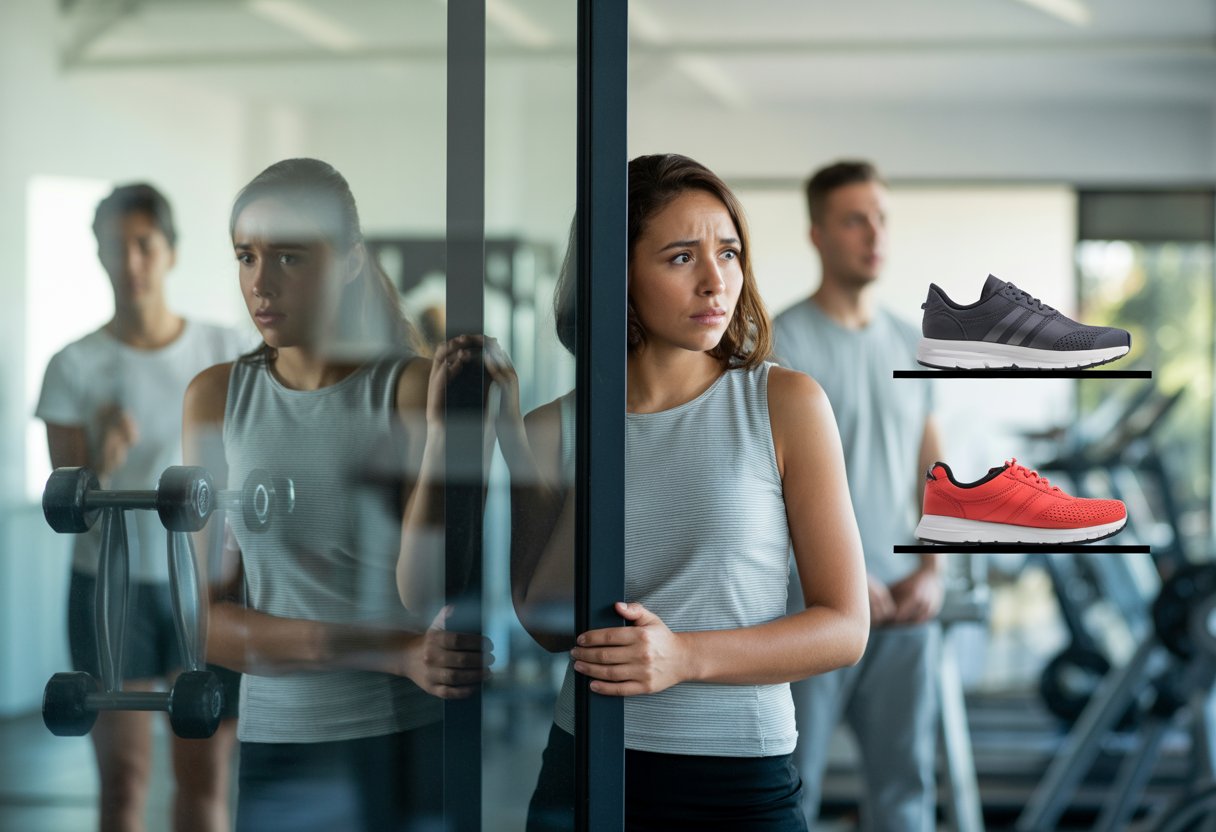
The body’s natural responses during exercise often create fear before someone even begins. Many people worry about how exercise will feel physically and whether they can handle the sensations that come with movement.
Intimidation From Physical Sensations
The physical feelings that come with exercise can stop people before they start. A faster heartbeat, heavier breathing, and muscle tension are normal responses to movement. Many people interpret these sensations as warning signs rather than healthy adaptations.
Some individuals fear they might hurt themselves or trigger a health problem. This concern becomes especially strong for those who haven’t exercised in years or have existing health conditions. The body needs time to adjust to new activities, but fear of initial discomfort keeps many on the sidelines.
Common physical sensations during exercise:
- Increased heart rate
- Faster breathing
- Muscle fatigue
- Light-headed feelings
- Warmth or flushing
These responses signal that the body is working, not that something is wrong.
Perceptions of Sweating and Discomfort
Sweating creates social anxiety for many potential exercisers. People worry about visible sweat marks, body odor, or looking disheveled in public spaces. This concern goes beyond vanity and touches on deep-seated fears about social acceptance.
The fear of sweating can prevent someone from joining a gym or attending group fitness classes. Some avoid exercise entirely during work hours because they don’t want colleagues to see them sweaty. Others skip activities they might enjoy because they produce more sweat than average.
Discomfort during movement adds another layer of hesitation. Muscles that haven’t been used regularly will feel strained during new activities. This temporary discomfort is a natural part of building strength, but many interpret it as a sign to stop.
Misconceptions About Exercise Difficulty
Exercise doesn’t require extreme effort to provide benefits. Many people believe they must push themselves to exhaustion or experience significant pain for workouts to count. This all-or-nothing thinking creates an unnecessarily high barrier to entry.
Breaking down barriers to fitness[5] starts with understanding that even short periods of activity improve health. A 10-minute walk provides measurable benefits without requiring intense physical strain.
The belief that exercise must be difficult leads people to avoid starting altogether. They think they need perfect form, expensive equipment, or hours of free time. In reality, simple movements done consistently matter more than intensity or duration for beginners.
Fear of Injury and Safety Concerns

Past injuries can create lasting mental barriers that prevent people from exercising, but understanding how to work around physical limitations and build strength safely can help overcome these concerns.
Addressing Previous Injuries
Previous injuries often create a deep fear that exercise will cause the same pain or damage again. This fear becomes even stronger when someone has experienced a serious injury during physical activity.
The key is to understand that most injuries happen from improper form, doing too much too soon, or ignoring warning signs. Working with a healthcare provider or physical therapist can help identify which movements are safe and which need modification.
Many people benefit from starting with low-impact activities that don’t stress previously injured areas. Swimming, walking, or stationary cycling often work well for those recovering from joint injuries. As strength returns, gradually adding more challenging exercises helps rebuild confidence.
Common injury modifications include:
- Using lighter weights with higher repetitions
- Reducing range of motion until flexibility improves
- Choosing exercises that avoid painful positions
- Taking longer rest periods between sets
Building Confidence Through Gradual Progression
Starting too hard is one of the main reasons people get injured and quit exercising. The body needs time to adapt to new physical demands.
Fear of injury can actually hold back training progress[6] when people avoid any challenging work. The solution is finding the balance between pushing hard enough to make gains and staying within safe limits.
Progressive overload means adding small amounts of stress over time. This might mean adding just five pounds to a lift each week or walking an extra five minutes each session. These small steps add up without overwhelming the body.
People should aim to finish most exercise sets with 1-3 repetitions left before complete muscle failure. This creates enough challenge for adaptation without excessive injury risk. Having a workout partner or trainer can help gauge actual effort levels, since most people poorly estimate how hard they’re actually working.
Creating a Safe Exercise Environment
The right exercise setting reduces injury risk significantly. This includes both physical space and proper equipment.
Essential safety elements:
- Clear floor space free from obstacles
- Proper lighting to see equipment and surroundings
- Quality footwear with good traction
- Equipment in good working condition
- Access to water for hydration
Using correct form matters more than lifting heavy weights or completing difficult movements. Learning proper technique with lighter loads first prevents injuries when intensity increases later. Many gyms offer introductory sessions that teach safe equipment use.
Temperature control also affects safety. Exercising in extreme heat increases dehydration risk, while cold environments can make muscles more prone to strains. Indoor facilities with climate control often provide the safest option for beginners.
The Role of Motivation and Willpower

Many people believe motivation and willpower are traits someone either has or doesn’t have[7], but research shows they work differently. These feelings come from brain processes that activate when a person takes action, not before.
Short-Term Versus Long-Term Rewards
The brain responds more strongly to immediate rewards than future ones. When someone chooses to skip a workout, they get instant relief from discomfort. The benefits of exercise, like better health or weight loss, show up weeks or months later.
This creates a problem. The short-term reward of avoiding exercise feels more powerful than long-term health goals. Motivation naturally goes up and down throughout the day[7], affected by factors outside a person’s control.
People often wait until they feel motivated enough to start exercising. This approach fails because motivation fluctuates. Taking action first, even without strong desire, builds motivation over time through a feedback loop in the brain.
Self-Discrepancy and the ‘Ought’ Self
A gap exists between who someone thinks they should be and who they actually are. The “ought self” represents the person who exercises regularly, eats well, and stays active. When daily actions don’t match this image, it creates internal conflict.
This gap causes stress and reduces motivation. Someone might think “I should go to the gym” but then feel guilty when they don’t go. The feeling of falling short becomes associated with exercise itself.
The disconnect makes starting harder each time. Instead of seeing exercise as a choice, it becomes an obligation. This shifts the experience from something potentially enjoyable to a source of shame.
Strategies to Boost Intrinsic Motivation
Using self-discipline instead of relying on feelings helps build consistency. A simple “I will do this” approach works better than waiting to “want to do this.” Action creates motivation, not the other way around.
Ways to strengthen internal drive:
Intrinsic motivation[8] comes from personal satisfaction rather than outside pressure. Finding forms of movement that someone genuinely enjoys makes exercise sustainable without constant willpower.
Breaking Free From the Comfort Zone

Exercise avoidance often stems from staying within familiar routines where physical activity feels foreign or threatening. Building an active lifestyle requires identifying these stuck patterns, developing mental adaptability, and gradually expanding what feels possible.
Recognizing Patterns of Inactivity
Physical inactivity follows predictable patterns that people rarely notice until they examine their daily routines. Someone might always choose the elevator over stairs, park in the closest spot, or schedule their day to avoid walking. These small decisions compound over time.
The brain creates these patterns because they reduce stress and decision-making energy. When someone avoids the gym for weeks, their mind starts treating exercise as an abnormal activity rather than a regular part of life. This makes each workout feel like a major disruption.
Common inactivity patterns include:
- Scheduling work or social events during typical exercise times
- Choosing entertainment that requires sitting for multiple hours
- Avoiding activities that might cause sweating or discomfort
- Creating elaborate excuses that sound legitimate but serve avoidance
People often defend these patterns as practical choices. They tell themselves they’re too busy or that rest is more important. The truth is that these justifications protect the comfort zone rather than serve actual needs.
Cultivating Psychological Flexibility
Mental flexibility means accepting discomfort while still taking action toward goals. Someone with this skill can feel nervous about exercising and still put on workout clothes. They don’t wait for motivation or confidence to appear first.
Building real confidence[9] happens through action, not planning. Each time a person exercises despite feeling awkward or uncertain, they teach their brain that discomfort isn’t dangerous. This creates evidence of capability.
Psychological flexibility involves using “and” statements instead of “but” statements. Instead of thinking “I’m tired, but I should exercise,” someone might think “I’m tired, and I’m exercising anyway.” This small language shift acknowledges feelings without giving them control over behavior.
Practice involves noticing thoughts without letting them dictate choices. When the mind says “This will be terrible,” the flexible response is “Maybe, and I’m doing it anyway.”
Challenging Yourself to Try New Activities
Starting with activities that feel slightly uncomfortable rather than terrifying helps build momentum. Someone who hasn’t exercised in years shouldn’t sign up for an intense boot camp. They might start by walking for ten minutes or trying a beginner yoga video at home.
New activities work best when they match current ability levels while adding a small challenge. This might mean swimming if running feels too hard on joints, or trying a dance class if traditional gyms feel intimidating. The goal is finding movement that pushes boundaries without triggering shutdown.
Progressive challenge examples:
| Current Level | Next Step | Future Goal |
|---|---|---|
| Sedentary | 10-minute daily walk | 30-minute walks |
| Occasional walks | Beginner strength training | Regular gym routine |
| Basic cardio | Group fitness class | Sports or competitions |
Trying something unfamiliar on purpose[10] teaches the brain that being a beginner is acceptable. Every person who exercises regularly was once completely inexperienced. The difference is they started before feeling ready and continued despite initial awkwardness.
Social and Environmental Influences
The spaces people inhabit and the social circles they move through shape their relationship with physical activity in powerful ways. These external factors can either create barriers to movement or open pathways to an active lifestyle.
Impact of Societal Pressures and Expectations
Society often presents a narrow view of what exercise should look like. Gym culture promotes intense workouts and athletic bodies as the standard. This creates shame for beginners who feel they don’t measure up.
Many people absorb messages that exercise is only valid if it’s grueling or produces visible body changes. These beliefs ignore the real health benefits of moderate movement. A person may avoid the gym entirely because they fear judgment about their fitness level or appearance.
Social media amplifies these pressures. Fitness influencers showcase perfect form and sculpted physiques. This content rarely shows the reality of starting from zero or struggling through a workout.
Common societal pressures include:
- Believing exercise only counts if it happens in a gym
- Feeling inadequate without athletic clothing or equipment
- Thinking certain activities are reserved for specific body types
- Worrying about being watched or criticized during physical activity
The Importance of Supportive Environments
The built environment and social factors influence physical activity[11] levels in significant ways. Access to safe sidewalks, parks, and recreation facilities makes movement easier. Communities without these resources create physical barriers to an active lifestyle.
Social connections matter just as much. Relationships, interpersonal connections, peer group interactions, and social norms[12] all affect whether someone exercises regularly. A friend who invites someone to walk creates opportunity. A family that mocks fitness attempts creates discouragement.
Workplaces and neighborhoods that prioritize activity help people move more. This might mean bike racks, standing desks, or walking meetings. Small environmental changes reduce the effort needed to make healthy choices.
Finding Enjoyment in Group or Solo Activities
Exercise doesn’t require other people to be effective. Some individuals thrive in group classes where energy and accountability run high. Others prefer solitary walks where they can think without distraction.
Group activities offer:
- Built-in accountability and scheduled commitment
- Social connection and new friendships
- Shared energy and motivation
- Instruction and guidance from leaders
Solo activities provide:
- Flexibility in timing and location
- Freedom to move at any pace
- Space for reflection and stress relief
- No performance pressure or comparison
The key is matching the social setting to personal preferences. Someone who feels anxious in groups shouldn’t force themselves into fitness classes. A person who needs external motivation might struggle with home workouts. Neither choice is superior. The best activity is the one a person will actually do consistently.
Embracing the Benefits of Exercise

Exercise delivers measurable improvements to both body and mind that extend far beyond weight loss or muscle gain. Regular physical activity strengthens the heart, sharpens mental focus, and builds lasting confidence through consistent achievement.
Physical Health Improvements
Regular exercise creates significant changes in how the body functions. Physical activity lowers the risk of heart attacks[13] and helps people live longer, even when they start exercising later in life.
The heart becomes stronger with regular movement. This means it pumps blood more efficiently and reduces strain on the cardiovascular system. Blood pressure often drops to healthier levels within weeks of starting a routine.
Exercise also strengthens bones and muscles. Weight-bearing activities like walking or resistance training increase bone density. This becomes especially important as people age and face higher risks of fractures.
The body’s ability to regulate blood sugar improves with consistent activity. Muscles use glucose more effectively during and after exercise. This helps prevent or manage type 2 diabetes.
Mental Well-Being and Stress Reduction
Exercise boosts memory and lifts mood[13] through chemical changes in the brain. Physical activity triggers the release of endorphins, which are natural mood elevators that reduce feelings of stress and anxiety.
The mental benefits appear quickly. Many people notice improved focus and reduced tension after just one workout session. Regular exercise creates longer-lasting changes in brain chemistry that help maintain emotional balance.
Listening to upbeat music during exercise improves mood[14] and makes the activity feel easier. This works especially well for rhythmic activities like walking or running.
Sleep quality often improves with regular physical activity. People fall asleep faster and experience deeper rest. Better sleep then supports mental clarity and emotional regulation during waking hours.
Building Resilience and Self-Esteem
Each completed workout builds confidence through proven capability. Setting small exercise goals and achieving them creates a pattern of success. This pattern transfers to other areas of life.
Physical challenges teach people they can push through discomfort. A person learns their limits are often further than initially believed. This knowledge builds mental toughness.
Consistency matters more than intensity for building self-esteem. Showing up for a 15-minute walk holds more value than an occasional intense session. The habit itself becomes a source of pride.
Progress tracking reveals real improvements over time. Someone who struggles to walk a mile eventually completes it with ease. These tangible results prove that effort creates change.
Developing an Active Lifestyle That Lasts
Building lasting habits requires a shift in thinking from short-term fixes to long-term changes. The key is finding approaches that fit into daily life without causing burnout or frustration.
Starting Small and Setting Realistic Goals
Many people fail at exercise because they start too big. They commit to hour-long workouts seven days a week when they haven’t exercised in months. This approach leads to exhaustion and quitting within weeks.
Starting slow[5] gives the body time to adapt. A person might begin with just 10 minutes of walking three times per week. After two weeks, they can add five more minutes or an extra day.
Realistic goals focus on behavior, not outcomes. Instead of “lose 20 pounds,” a better goal is “walk for 15 minutes after dinner four times this week.” This creates control over the goal since weight loss depends on many factors beyond exercise alone.
Setting specific times and days helps turn intentions into actions. Someone who plans to “exercise more” will struggle compared to someone who decides “I’ll walk Monday, Wednesday, and Friday at 7 AM before work.”
Making Movement Enjoyable and Meaningful
Exercise doesn’t have to mean gym workouts[15]. Dancing, gardening, hiking, swimming, or playing with kids all count as physical activity. The best exercise is the one a person will actually do.
Trying different activities helps identify what feels good. Some people love group classes for the social connection. Others prefer solo activities like cycling or yoga at home. There’s no single right way to move.
Connecting exercise to personal values makes it stick. Someone who values family time might play tag with their children. A person who cares about nature might choose outdoor walks. When movement aligns with what matters, it stops feeling like a chore.
Music, podcasts, or audiobooks can make cardio activities more engaging. Some people use exercise as their daily alone time to decompress and think.
Celebrating Progress Over Perfection
An active lifestyle doesn’t require perfect consistency. Missing a workout doesn’t mean failure. It means getting back to movement the next day without guilt or punishment.
Small wins deserve recognition. Walking up stairs without getting winded, carrying groceries more easily, or sleeping better all signal progress. These changes matter more than numbers on a scale.
Tracking helps show improvement over time. A simple calendar with checkmarks for each workout creates a visual record. Noting how exercise feels mentally and physically reveals benefits beyond appearance.
Comparing progress to past performance rather than to others keeps motivation internal. Someone who can now jog for five minutes when they could barely walk for two has made real progress, regardless of what others can do.
Practical Tips for Overcoming Exercise Fear
Starting an exercise routine becomes easier when you pick activities you enjoy, address specific concerns like sweating, and build consistency through small steps. These practical strategies help reduce anxiety and create a sustainable path to regular movement.
Choosing Activities That Suit You
The best exercise is one you’ll actually do. Someone who dislikes crowded spaces might feel more comfortable with outdoor walking or home workouts rather than a packed gym.
Experts recommend choosing something you think you’ll enjoy[13] because sticking with exercise becomes much easier. A person who loves music might try dance classes. Someone who prefers quiet reflection might enjoy yoga or swimming.
Popular low-pressure options include:
- Walking in a park or neighborhood
- Swimming at quieter pool times
- Beginner yoga videos at home
- Cycling on local trails
- Gardening or active household tasks
Testing different activities helps identify what feels right. Someone might discover they hate running but love hiking. Another person might find group classes motivating while their friend prefers solo workouts.
The goal is finding movement that doesn’t feel like punishment. When exercise aligns with personal interests, fear and resistance naturally decrease.
Dealing With Reluctance Around Sweating
Many people avoid exercise because they worry about sweating in front of others. This concern is common but manageable with simple planning.
Wearing moisture-wicking fabrics helps sweat evaporate faster and prevents visible wet spots. Dark colors like navy or black show sweat less than light gray or pastels.
Practical solutions for sweat concerns:
- Bring a small towel to the gym
- Choose gyms with good ventilation
- Exercise during cooler morning hours
- Keep extra shirts in your bag
- Use clinical-strength antiperspirant
Working out at home eliminates this worry entirely. A person can sweat freely without any self-consciousness about appearance.
It helps to remember that sweating means the body is working properly. Everyone at the gym sweats. Most people are focused on their own workout, not watching others.
Building Habits Step by Step
Starting with just 10 minutes of movement makes exercise feel less overwhelming. Someone might walk for one block the first day, then gradually increase distance as confidence grows.
Small wins build momentum. Completing three short walks in a week creates more sustainable progress than attempting one exhausting hour-long session and giving up.
Effective habit-building steps:
- Pick a specific time each day
- Start with 5-10 minutes
- Add one minute weekly
- Track completion on a calendar
- Reward yourself for consistency
Linking exercise to an existing habit makes it stick. Someone might stretch right after brushing their teeth or walk immediately after lunch.
Missing one day doesn’t erase progress. The next opportunity to move is always just hours away. Building an exercise habit takes weeks, not days, and patience with the process reduces fear and pressure.
Conclusion: Moving Forward With Confidence
Taking the first step toward exercise doesn’t require perfection. It requires showing up and trying, even when fear feels overwhelming.
Small actions build momentum:
Each completed workout proves that the fear was bigger than the actual experience. Exercise can boost self-esteem and self-confidence[16], even in people who initially lack confidence.
The gym won’t judge. Other exercisers are focused on their own workouts, not watching others. Most people remember feeling nervous as beginners themselves.
Progress happens gradually:
| Timeline | What to Expect |
|---|---|
| Week 1-2 | Getting familiar with routines |
| Week 3-4 | Building consistency |
| Month 2+ | Noticing physical changes |
| Month 3+ | Feeling more confident |
As people witness positive changes in their physical fitness and body composition, their self-esteem naturally increases[17]. Getting stronger and faster further improves self-image.
Fear of exercise stems from real concerns about judgment, failure, or discomfort. These feelings are valid but don’t have to control decisions. Physical activity offers benefits[18] that contribute to improved self-esteem and social skills.
The right time to start is now. Choose one small, manageable action today. Tomorrow, do it again.
Frequently Asked Questions
Many people experience worry about exercise safety, physical symptoms during workouts, and psychological barriers that keep them from being active. Understanding these concerns can help address fears and create a path toward safer, more comfortable physical activity.
Why do I feel anxious or panicked when I think about working out?
Exercise anxiety is a real condition that affects many people. The fear often comes from past negative experiences, worries about being judged by others, or concerns about physical discomfort.
Some people feel anxious because they worry about their performance or appearance at a gym. Others may have had embarrassing moments during past workouts that created lasting fear.
The body can also trigger anxiety through physical sensations. When someone thinks about exercising, their heart rate might increase or they might feel short of breath, which can feel similar to panic symptoms.
Can exercising trigger heart problems, and how can I tell what is normal versus dangerous?
Exercise does increase heart rate and breathing, which is normal and healthy for most people. However, certain symptoms during physical activity need medical attention.
Someone should see a doctor if they develop shortness of breath, dizziness, or heart palpitations while exercising. These symptoms are especially concerning if they get worse each time or come with chest tightness, jaw discomfort, or arm pain.
A healthcare provider can check heart health before starting a new exercise program. This is particularly important for people with existing heart conditions or those who have been inactive for a long time.
Normal exercise sensations include faster breathing, sweating, and mild muscle fatigue. If someone cannot keep up an activity for 20 minutes, they are probably going too hard and too fast[13].
What is the clinical term for an intense fear of exercise or physical exertion?
The clinical term for an extreme fear of physical activity or exertion is kinesiophobia. This phobia goes beyond normal hesitation or dislike of exercise.
People with kinesiophobia experience intense anxiety specifically about movement and physical activity. They may avoid exercise entirely due to overwhelming fear rather than simple preference.
This condition often develops after an injury or painful experience during physical activity. The person associates movement with pain or harm, even after healing.
Why do I want to lose weight but still avoid exercising?
Wanting to lose weight while avoiding exercise is common and usually stems from fear rather than lack of motivation. Many people worry about injury, embarrassment, or failure.
Some individuals fear they are too out of shape to start exercising safely. Others worry about being judged by more fit people at gyms or fitness classes.
Past negative experiences can create strong avoidance patterns. Someone who felt humiliated during school gym class or who got injured during a workout may unconsciously avoid similar situations.
The gap between wanting results and taking action often reflects underlying struggles with exercise barriers[19]. Identifying specific fears helps address them directly.
Are there situations or symptoms that mean I should not exercise?
Certain medical conditions require doctor approval before starting exercise. However, very few situations mean someone should avoid all physical activity permanently.
People with uncontrolled high blood pressure, recent heart attack, or severe heart disease should get medical clearance first. Those with acute infections, severe anemia, or uncontrolled diabetes also need doctor guidance.
Active injuries or severe pain during movement require evaluation before exercise. Joint swelling, chest pain, or extreme shortness of breath at rest are warning signs.
Most chronic conditions actually improve with appropriate exercise. Even people in wheelchairs, with severe arthritis, or in their 90s can benefit from adapted physical activity programs.
Can not exercising make COPD symptoms worse over time?
Not exercising can worsen COPD symptoms and reduce lung function over time. Physical inactivity leads to muscle weakness, which makes breathing even harder.
When someone with COPD avoids activity, their muscles become deconditioned. This creates a cycle where everyday tasks become more difficult and breathing feels worse.
Regular physical activity helps people with COPD breathe easier and maintain independence. Exercise strengthens breathing muscles and improves the body’s ability to use oxygen efficiently.
Starting slowly with doctor-approved activities is important for COPD patients. Walking short distances or doing simple arm exercises can build strength without causing dangerous breathing problems.
Post Views: 5
References
- Your brain is hard-wired to avoid exercise. Here’s why. https://www.sciencefocus.com/comment/exercise-brain Accessed May 10, 2026
- What’s the real reason some people don’t exercise? | Blogs. https://www.leedsbeckett.ac.uk/blogs/carnegie-xchange/2023/01/real-reason-some-people-dont-exercise/ Accessed May 10, 2026
- Why Do People Hate Exercise? 7 Reasons and What To Do. https://zoe.com/learn/why-do-people-hate-exercising Accessed May 10, 2026
- Just a moment…. https://www.counselling-directory.org.uk/articles/exercise-anxiety Accessed May 10, 2026
- Breaking Down Barriers to Fitness. https://www.heart.org/en/healthy-living/fitness/getting-active/breaking-down-barriers-to-fitness Accessed May 10, 2026
- Fear of injury can actually hold back training progress. https://www.menshealth.com/uk/fitness/a65054749/injury-paranoia/ Accessed May 10, 2026
- Motivation and Willpower. https://www.hubermanlab.com/topics/motivation-and-willpower Accessed May 10, 2026
- Intrinsic motivation. https://www.verywellfit.com/why-arent-you-motivated-to-exercise-1231389 Accessed May 10, 2026
- Breaking Free and the Power of Stepping Out of Your Comfort Zone. https://www.brainzmagazine.com/post/breaking-free-the-power-of-stepping-out-of-your-comfort-zone Accessed May 10, 2026
- Scared to step out of your comfort zone? Here’s how to manage — Calm Blog. https://blog.calm.com/blog/comfort-zone Accessed May 10, 2026
- How Environment Influences Physical Activity. https://neurosciencenews.com/environment-exercise-22952/ Accessed May 10, 2026
- Ecological Approach. https://sites.ualberta.ca/~active/physical-activity-for-all/ecological/social.html Accessed May 10, 2026
- 7 Ways to Overcome Your Fitness Fears. https://www.aarp.org/health/healthy-living/overcoming-fitness-fears/ Accessed May 10, 2026
- Really Hate Exercise? These 10 Science-Based Tips Could Help You Get Motivated : ScienceAlert. https://www.sciencealert.com/really-hate-exercise-these-10-science-based-tips-could-help-you-get-motivated Accessed May 10, 2026
- 5 Tips for Easing into an Active Lifestyle. https://sportsmedicineweekly.com/blog/5-tips-for-easing-into-an-active-lifestyle/ Accessed May 10, 2026
- Just a moment…. https://cpdonline.co.uk/knowledge-base/mental-health/physical-health-fitness-contribute-confidence/ Accessed May 10, 2026
- Exercise and its Role in Boosting Self-Esteem and Confidence. https://www.psychreg.org/exercise-role-boosting-self-esteem-confidence/ Accessed May 10, 2026
- Physical Activity and Shyness: Boosting Confidence Through Exercise and Movement. https://johnnyholland.org/2024/03/physical-activity-and-shyness-boosting-confidence-through-exercise-and-movement/ Accessed May 10, 2026
- Overcoming Exercise Barriers. https://howdyhealth.tamu.edu/overcoming-exercise-barriers/ Accessed May 10, 2026























