Medically Reviewed
Dr. Jose Rossello, MD, PhD, MHCM
Preventive Medicine & Public Health Specialist
Last Reviewed: May 10, 2026
Cooking in a healthy space goes beyond just preparing food. It involves creating an environment that supports good nutrition, mindful choices, and emotional well-being. When someone takes control of their kitchen and cooking habits, they open the door to better health outcomes and a more positive relationship with food.
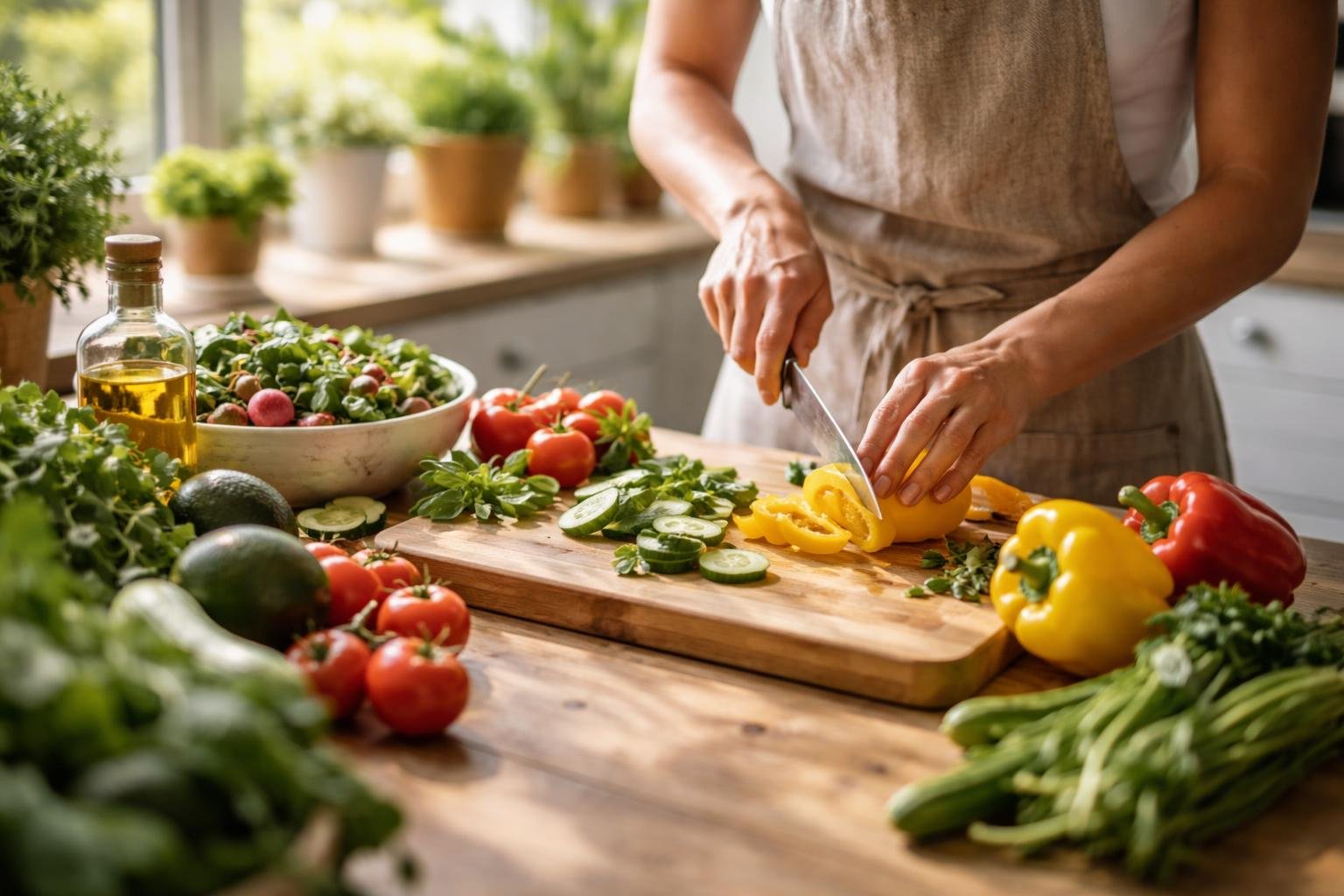
Cooking at home helps people consume more nutritious meals[1] while reducing stress and strengthening connections with others. The kitchen becomes more than a place to make dinner. It transforms into a space where creativity flows, where individuals learn new skills, and where families gather to share experiences. Research shows a link between enjoying meal preparation and better diet quality[2], making the act of cooking itself a valuable investment in long-term health.
The practice of cooking engages multiple senses and offers deep satisfaction[3] that comes from nourishing oneself and loved ones. This active approach to eating replaces passive habits with intentional choices. The benefits extend from physical health improvements to emotional rewards, creating a complete experience that enhances daily life.
Table of Contents
Key Takeaways
- Home cooking provides better control over nutrition and ingredient quality while supporting healthier eating patterns
- The kitchen serves as a creative space that reduces stress and builds confidence through skill development
- Preparing and sharing meals strengthens relationships and creates meaningful connections with family and friends
The Essence of Cooking in a Healthy Space
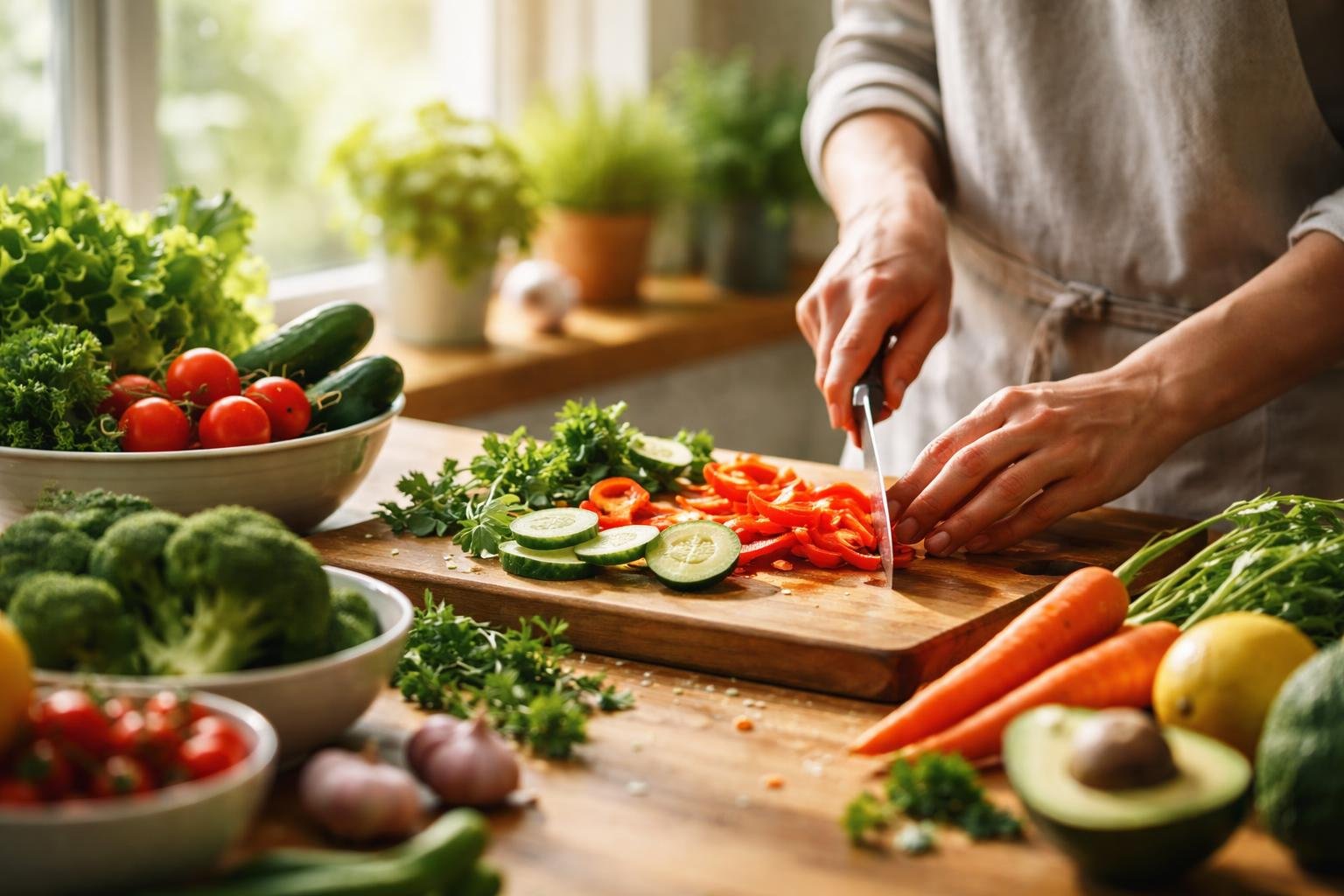
A kitchen becomes more than a place to prepare food when it supports both physical health and mental well-being. The space where someone cooks shapes how they experience the entire process, from ingredient selection to the final meal.
Redefining the Kitchen as a Space for Well-Being
The kitchen functions as a central hub for health when designed and used intentionally. Rather than viewing it solely as a functional workspace, people can transform it into an environment that promotes wellness through thoughtful organization and atmosphere.
A well-designed cooking space allows for better control over ingredients and cooking methods. When someone has easy access to fresh produce, whole grains, and healthy fats, they naturally make better food choices. Clear countertops and organized storage reduce stress during meal preparation.
The physical environment affects the cooking experience directly. Good lighting helps with food preparation and creates an inviting atmosphere. Adequate ventilation removes cooking odors and maintains air quality. Comfortable temperatures make the time spent cooking more pleasant.
Transforming Obligations into Opportunities for Joy
Home cooking shifts from burden to pleasure when approached with a different mindset. The act of preparing food offers sensory engagement through handling ingredients, smelling aromas, and watching dishes come together.
People often enter what researchers call a flow state while cooking[4], where time passes quickly and pleasantly. This happens when the task matches their skill level and provides enough challenge to maintain interest. Chopping vegetables, stirring sauces, and timing multiple dishes creates a rhythm that absorbs attention.
The benefits of cooking extend beyond the final product. During meal preparation, individuals can:
- Experiment with new flavors and techniques
- Practice creativity through recipe modifications
- Develop practical skills that build confidence
- Experience accomplishment from completing a tangible task
From Chore to Self-Care: Shifting Mindsets
Cooking at home becomes an act of self-care when someone recognizes its impact on their overall health. Taking time to prepare meals demonstrates a commitment to personal well-being rather than another item on a to-do list.
The process engages multiple senses simultaneously. The vibrant colors of fresh vegetables, the texture of kneading dough, and the sounds of sizzling food create a mindful experience. These sensory elements ground people in the present moment.
Research shows that cooking helped reduce anxiety and foster creativity[4] during stressful periods. People gain a sense of control and autonomy when they decide what goes into their meals. This empowerment contributes to both physical and mental health outcomes.
Nutritional Benefits of Home-Cooked Meals
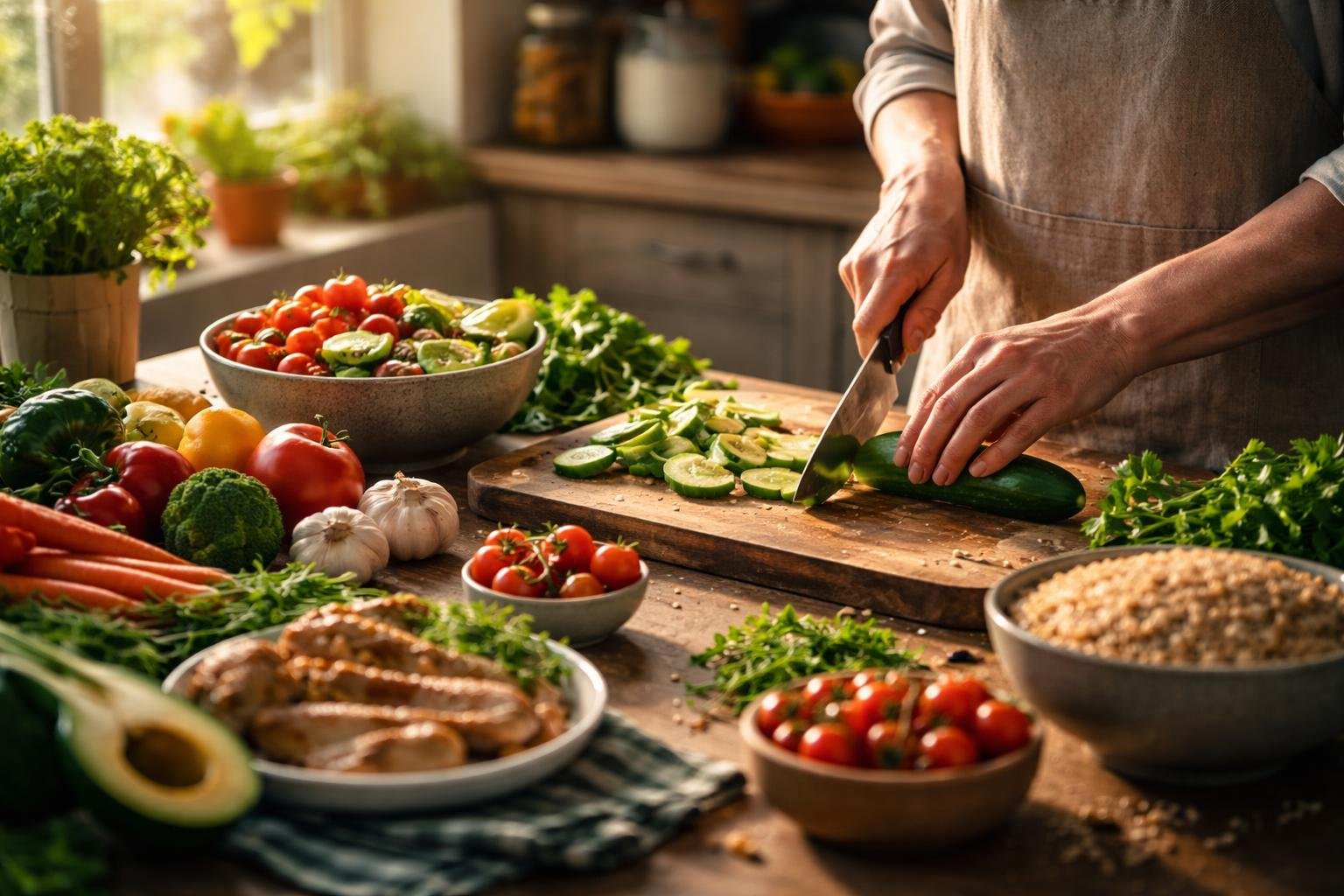
When people prepare food in their own kitchens, they gain direct control over what goes into their bodies and can make choices that support better health. Home cooking allows for more vegetables, whole grains, and healthy fats while cutting back on the processed ingredients that often dominate restaurant and takeout meals.
Control Over Ingredients for Better Nutrition
Cooking at home puts the chef in charge of every ingredient that goes into a dish. When you cook at home, you control the ingredients, the portions, and the cooking methods[5], unlike restaurant meals that tend to be higher in sodium, unhealthy fats, and added sugars.
This control matters for nutrition. Someone preparing a stir-fry at home can add extra vegetables, use a measured amount of oil, and skip the excess salt. They can choose fresh garlic instead of garlic powder, or use herbs and spices for flavor instead of sugar-laden sauces.
People who cook their own meals eat higher quality food and consume fewer calories than those who regularly dine out. They also spend less money on food and experience less weight gain over time.
Reducing Processed Foods and Increasing Whole Foods
Home cooking naturally shifts meals away from processed ingredients and toward whole foods. Research shows that consuming prepared, ultraprocessed foods has been linked to increased rates of cardiometabolic diseases and overall cancer risk[6] as well as breast cancer risk.
A diet focused on whole foods brings major health advantages. Eating patterns that include lots of vegetables, fruits, legumes, whole grains, nuts and seeds provide the greatest health benefits. These foods deliver fiber, vitamins, minerals, and antioxidants that processed foods lack.
Whole grains deserve special attention. People who eat whole grains regularly have a lower risk of obesity and lower cholesterol levels. Consuming just three servings of whole grains per day has been linked to lower rates of chronic disease and reduced mortality overall.
Boosting Heart Health and Overall Wellness
The nutritional advantages of home-cooked meals translate directly into better health outcomes. Home cooking is associated with numerous health benefits, including a reduced risk of type 2 diabetes mellitus and other chronic diseases[7].
Eating a diet rich in vegetables as part of home cooking may reduce the risk for heart disease and protect against certain types of cancer. Vegetables also help increase intake of fiber and potassium, two nutrients that support cardiovascular function.
Elevate Your Health for Just $29.99/Month
Join the Precision Wellness Subscription at My Healing 365 and get discounted services, priority coaching access, virtual care, and exclusive wellness resources to support your physical, emotional, and hormonal health.
Join for $29.99/MonthThe benefits extend beyond physical health. Home cooking has cognitive, social, and emotional advantages. People who prepare their own food tend to make better food choices throughout the day and develop a stronger connection to what they eat.
Developing Mindful Eating Habits
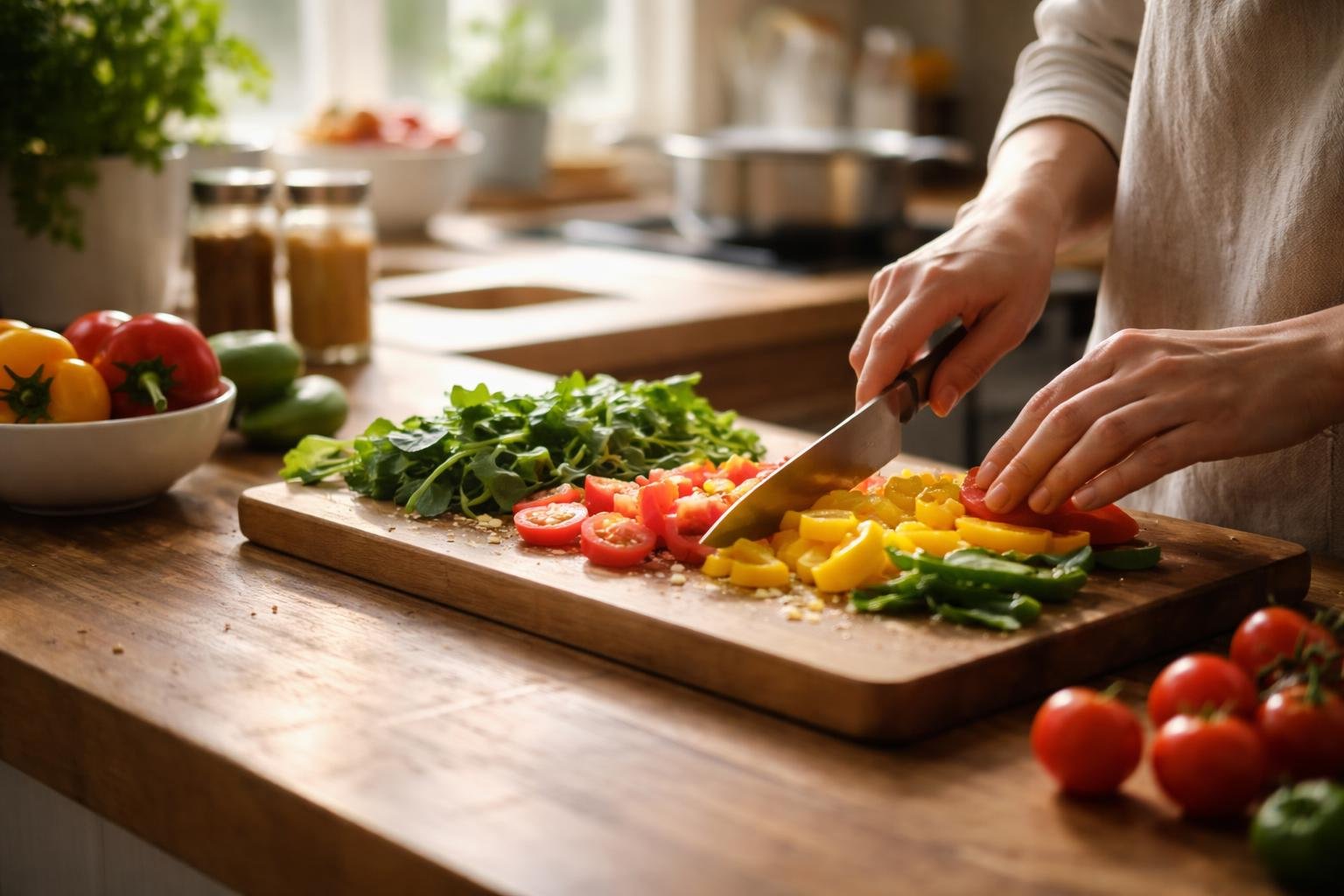
Mindful eating[8] means using all physical and emotional senses to experience and enjoy food choices. This practice requires focused attention during meal preparation and consumption while building awareness of hunger cues and satisfaction levels.
Mindful Cooking as a Practice
Mindful cooking[9] serves as a form of meditation that increases happiness and improves focus while reducing stress and irritability. The kitchen becomes a place where cooks can connect with their senses and find moments of joy through intentional food preparation.
During cooking, people should focus on each task without rushing through steps. They can notice the weight of ingredients in their hands, the sounds of chopping vegetables, and the way heat transforms raw foods. This attention to detail turns routine meal prep into an engaging experience.
Key practices include:
- Selecting fresh, quality ingredients with care
- Preparing food without distractions from phones or screens
- Noticing textures, colors, and aromas throughout the process
- Taking time to appreciate the act of nourishing oneself and others
This approach reminds cooks that they deserve home-cooked meals and reinforces cooking as an act of self-care.
Engaging the Senses and Being Present
Being present while eating helps people develop stronger mindful eating habits[10] that enhance gratitude for food and improve the overall eating experience. Each sense plays a role in creating awareness during meals.
People should observe the visual appeal of their plate before taking the first bite. They can notice the steam rising from hot dishes, the variety of colors, and how different foods are arranged. The aroma of the meal provides another layer of connection to the food.
While eating, attention should focus on flavors, textures, and temperatures. Chewing slowly allows taste buds to register sweet, salty, bitter, and savory notes. People can pause between bites to assess their hunger levels and notice when they feel satisfied rather than stuffed.
Sensory engagement checklist:
| Sense | What to Notice |
|---|---|
| Sight | Colors, presentation, portion sizes |
| Smell | Aromas from herbs, spices, cooked ingredients |
| Taste | Flavor layers, sweetness, saltiness |
| Touch | Textures, temperatures, weight of utensils |
| Sound | Crunching, sizzling, quiet during meals |
Creating Lasting Healthy Eating Patterns
Establishing consistent meal times helps people connect with their food more deeply and creates anticipation for nourishment. A regular schedule reduces decision fatigue and supports the body’s natural hunger rhythms.
Planning meals each week provides structure that makes mindful choices easier. When people know what they will cook, they can shop for fresh ingredients and avoid relying on processed convenience foods. This preparation supports both physical health and mental well-being.
Displaying healthy foods prominently[11] in decorative bowls or baskets serves as a visual reminder to choose nourishing options. Fresh fruits and vegetables become the first choice when they are easily visible and accessible.
Creating a technology-free zone during meals allows full attention on eating. This means turning off screens and sitting down at a dedicated dining area rather than eating while standing or multitasking. Family involvement in meal preparation strengthens these patterns by making cooking a shared, enjoyable activity rather than a solitary chore.
Empowerment and Emotional Benefits of Cooking
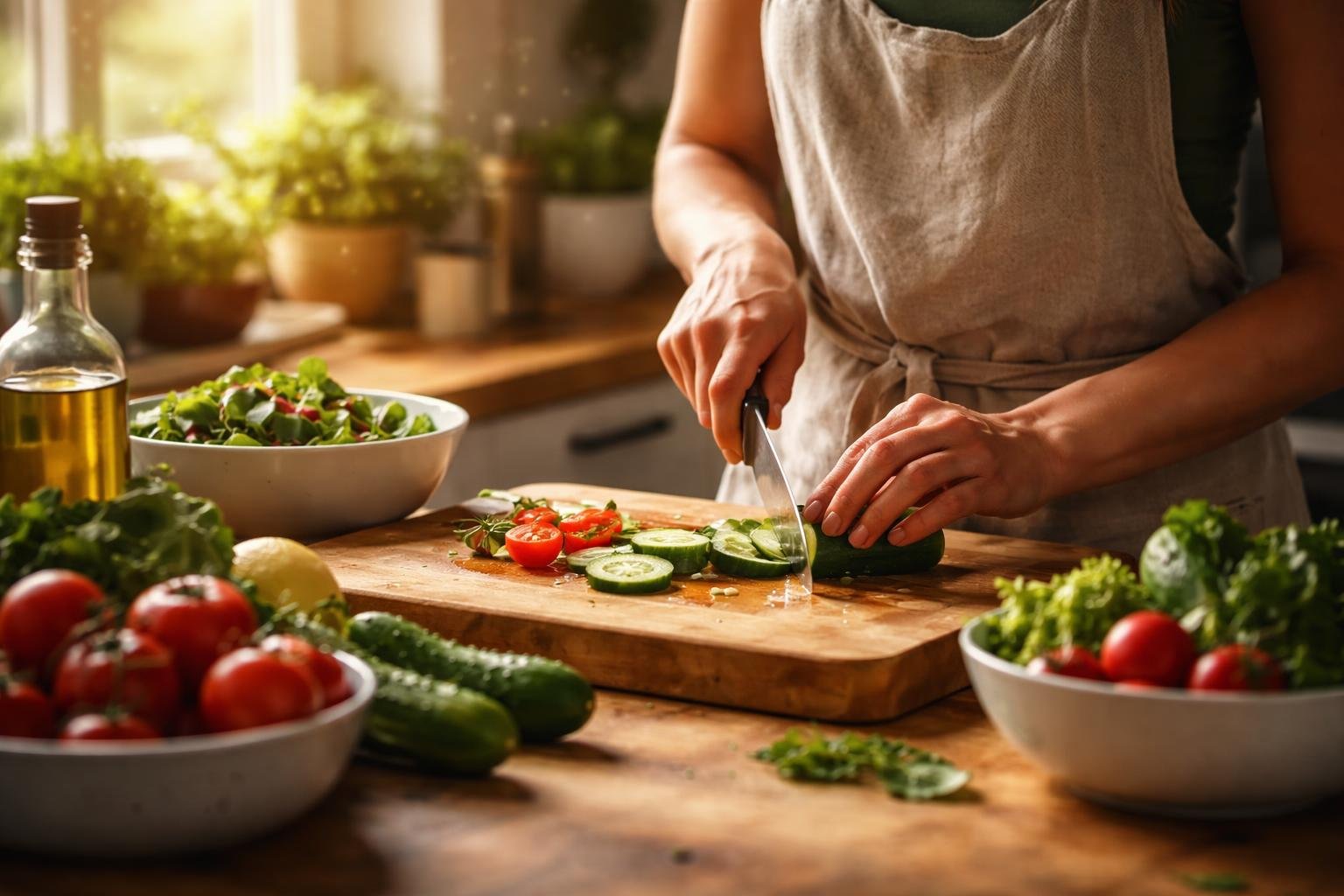
Cooking at home provides people with a sense of control and capability that extends beyond the kitchen. The act of preparing meals builds confidence, allows for personal expression, and creates tangible results that boost emotional well-being.
Gaining Confidence and Culinary Autonomy
Learning to cook gives people control over ingredients[12] and the ability to make independent food choices. This autonomy strengthens self-efficacy, which is a person’s belief in their ability to complete tasks successfully.
When someone follows a recipe and produces a finished meal, they experience direct proof of their competence. This feeling becomes particularly valuable during stressful times when many situations feel out of control. The kitchen offers a space where effort reliably leads to results.
Key confidence-building aspects include:
- Making decisions about ingredients and techniques
- Adapting recipes based on personal preferences
- Solving problems when cooking doesn’t go as planned
- Managing time and organizing tasks effectively
Over time, repeated successes in preparing meals help people feel more capable in other areas of life. The skills gained through home cooking[13] transfer to improved decision-making and problem-solving abilities.
Creativity and Self-Expression in the Kitchen
Cooking provides an outlet for creativity and self-expression[4] that balances structure with freedom. Unlike many creative pursuits, cooking produces something immediately useful and rewarding.
People can experiment with flavors, try new combinations, and adjust dishes to match their tastes. They might incorporate cultural traditions, accommodate dietary needs, or simply make food look appealing. These choices allow individuals to express their identity and preferences through what they prepare.
The creative process in cooking happens at different levels. Beginners might change one ingredient in a familiar recipe. More experienced cooks might improvise entire dishes based on available ingredients.
This flexibility makes cooking accessible regardless of skill level. The act of personalizing meals strengthens connections to food and reinforces a sense of individuality.
The Sense of Accomplishment from Home Cooking
Preparing a meal from start to finish creates a clear sense of achievement. The process has defined stages—planning, preparation, cooking, and serving—that provide structure and a satisfying conclusion.
Each completed dish offers immediate feedback. People can see, smell, and taste the results of their work. This tangible outcome makes cooking especially effective for improving mood and reducing stress.
The benefits of cooking[14] extend to both simple and complex meals. Even basic dishes like scrambled eggs or a sandwich provide a feeling of productivity. More elaborate recipes offer additional stimulation and reward when someone has the energy and time to invest.
Home cooking also creates opportunities to care for others. Sharing a prepared meal builds relationships and adds social meaning to the accomplishment. The combination of personal achievement and connection to others makes cooking a powerful tool for emotional well-being.
Building a Healthy Cooking Environment
A kitchen that supports wellness starts with thoughtful design choices, well-organized storage, and strategic meal preparation. The right combination of functional layout, quality ingredients, and planning makes healthy cooking easier and more enjoyable.
Designing a Relaxing and Functional Kitchen Space
The physical layout of a kitchen directly impacts how people cook and eat. An open kitchen layout that connects to living spaces[15] encourages family interaction during meal preparation and creates a sense of togetherness.
Natural light plays a key role in kitchen wellness. Windows positioned to maximize sunlight exposure help regulate circadian rhythms and improve mood throughout the day. Skylights add extra brightness and make the space feel larger and more connected to the outdoors.
Work zones organized by task streamline the cooking process. Designating separate areas for prep, cooking, and cleanup reduces stress and makes it easier to prepare healthy meals. A well-placed kitchen island provides additional counter space and can serve as a gathering spot where family members learn about nutrition together.
Materials matter for both health and maintenance. Non-toxic paints and finishes improve indoor air quality, while durable countertops resist bacteria and stains. Easy-to-clean flooring prevents moisture buildup and simplifies daily kitchen maintenance.
Stocking Your Pantry with Fresh Ingredients
Access to quality ingredients determines what ends up on the plate. A well-organized pantry with clear containers allows cooks to see available options at a glance, making meal decisions faster and healthier.
Essential Pantry Categories:
- Whole grains: Brown rice, quinoa, oats, whole wheat pasta
- Proteins: Dried beans, lentils, canned fish, nuts
- Healthy fats: Olive oil, avocado oil, seeds
- Flavor bases: Garlic, onions, herbs, spices
- Produce: Fresh vegetables, fruits, leafy greens
Fresh ingredients should occupy prime real estate in the kitchen. An indoor herb garden on a windowsill or integrated into cabinetry provides immediate food access to organic, pesticide-free seasonings. Fresh herbs reduce the need for added salt and sugar while boosting flavor in healthy meals.
Storage solutions impact ingredient quality and food waste. Proper ventilation keeps produce fresh longer, while organized shelving systems prevent items from getting lost in the back of cabinets. Custom cabinetry that maximizes vertical space creates room for a variety of nutritious options.
Meal Planning for Success
Planning ahead removes daily decision-making stress and supports consistent healthy eating patterns. Setting aside time each week to map out meals ensures fresh ingredients get used before spoiling and reduces reliance on less nutritious convenience foods.
A simple meal planning system starts with inventory. Checking what ingredients are already available prevents duplicate purchases and inspires creative use of existing items. Building meals around seasonal produce maximizes both nutrition and flavor while often reducing costs.
Batch cooking transforms meal planning into action. Preparing larger quantities of grains, proteins, or chopped vegetables during one session provides ready-to-use components throughout the week. This approach makes assembling healthy meals quick even on busy evenings.
Smart appliances can assist with recipe suggestions based on available ingredients, helping cooks make the most of their fresh ingredients and minimize waste. Energy-efficient refrigerators maintain optimal temperatures to keep produce crisp and proteins safe, protecting both health and food investment.
Sharing the Joy: Cooking and Eating Together
Cooking together allows for control over the ingredients used[16], serving healthier meals with lower sugar, sodium, and fat content. When families and friends gather in the kitchen, they build stronger bonds while making choices that support their well-being and celebrate their cultural backgrounds.
Strengthening Relationships Around the Table
The kitchen becomes a space where people connect beyond just preparing food. When parents cook with their children, the younger generation learns about teamwork, patience, and respect through hands-on experience. Every shared task, from chopping vegetables to stirring sauces, creates opportunities for conversation and understanding.
The psychology behind sharing food and cooking together[17] shows that these moments strengthen family bonds and create lasting memories. A child who helps prepare dinner learns valuable life skills while spending quality time with loved ones. These experiences teach more than recipes—they demonstrate the value of collaboration and shared effort.
The act of eating together reinforces these connections. Families who share home-cooked meals regularly tend to communicate more openly and develop deeper relationships. The dinner table becomes a place where people can discuss their day, share concerns, and celebrate successes in a relaxed environment.
Promoting Healthier Choices Through Connection
Preparing meals together gives people direct control over what goes into their food. Home-cooks can reduce unnecessary sugar, excess sodium, and unhealthy fats that often hide in restaurant meals and packaged foods. This hands-on approach naturally leads to healthier meals and better nutrition.
Working together in the kitchen opens up conversations about nutrition, portion sizes, and ingredient quality. Parents can teach children how to read labels, choose fresh produce, and understand balanced meals. These discussions transform cooking from a routine task into an educational experience about wellness.
When families prepare healthy meals together, they’re more likely to stick with nutritious eating habits. The shared effort creates accountability and encouragement. People feel proud of the meals they create and more motivated to make choices that support their health goals.
Incorporating Diversity and Tradition in Meals
Home-cooked meals provide opportunities to explore cuisines from around the world. A family might prepare spicy Mexican salsa one night and comforting Italian pasta the next. These cooking experiences introduce new flavors while teaching about different cultures and traditions.
Traditional recipes passed down through generations carry stories and history. When someone shares their family’s special dish, they’re connecting others to their heritage. This exchange creates understanding and appreciation for diverse food cultures.
Trying new ingredients and cooking methods together encourages creativity and adventure. People can experiment with unfamiliar spices, learn different preparation techniques, and discover flavors they might not encounter otherwise. This culinary exploration builds cultural awareness while keeping meals interesting and enjoyable.
Frequently Asked Questions
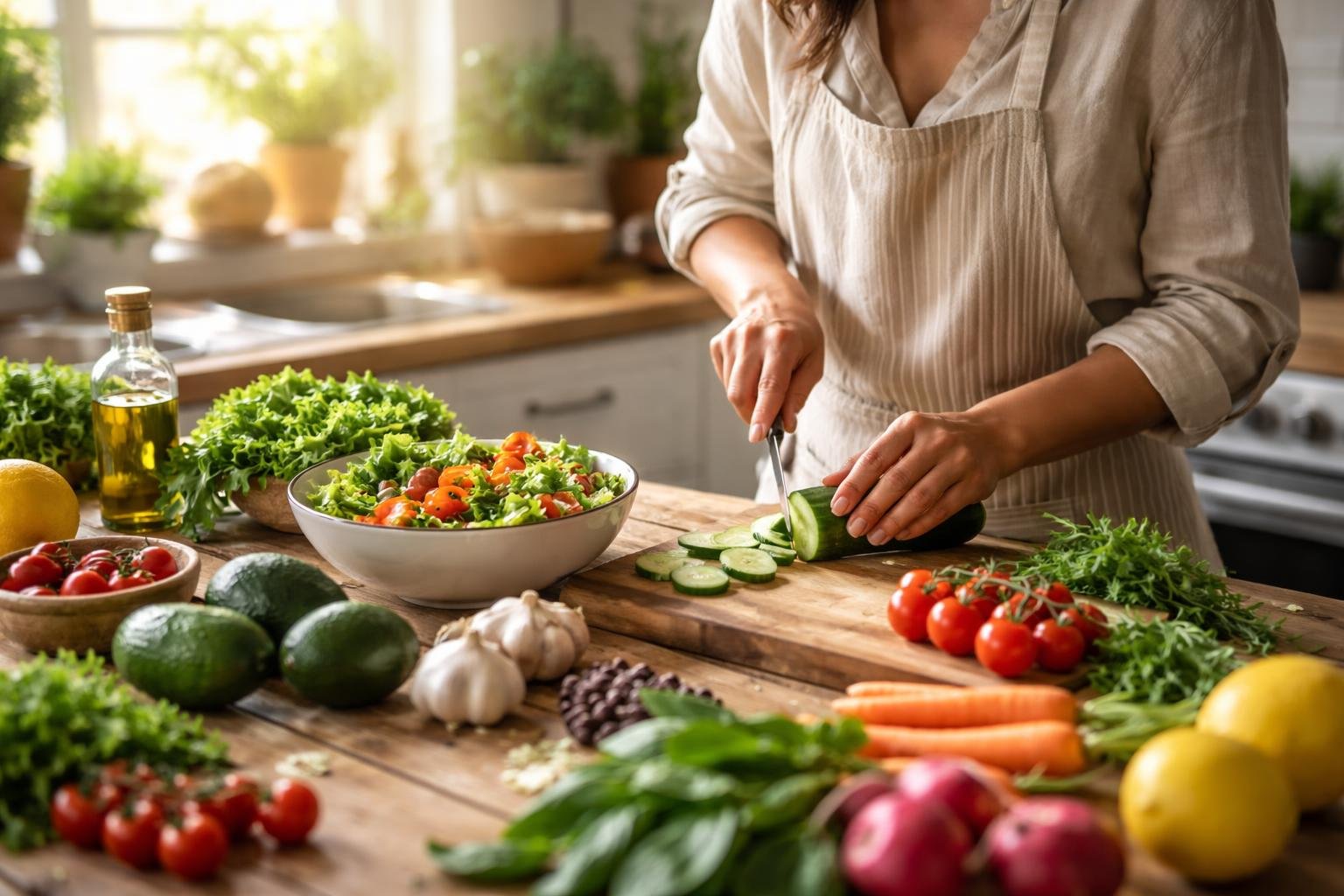
Cooking at home offers measurable benefits for physical health, mental wellness, and long-term disease management. Understanding the practical steps and scientific evidence behind these benefits helps people make informed choices about their cooking habits.
How does cooking at home support long-term health and well-being?
Home cooking allows people to control ingredients and preparation methods[18], which leads to healthier meals overall. People who cook at home regularly consume fewer calories and maintain a healthier diet compared to those who rely on restaurant meals or takeout.
Preparing meals at home gives individuals the power to choose fresh ingredients and avoid excess sodium, added sugars, and unhealthy fats. This control becomes especially important for managing chronic conditions like diabetes, high blood pressure, and heart disease.
The act of cooking also builds sustainable habits that compound over time. When someone develops kitchen skills and routines, they create a foundation for consistent healthy eating that lasts years.
What are three evidence-based ways cooking can improve mental wellness and happiness?
First, cooking can create a state of flow where time passes quickly and pleasantly[4]. During the COVID-19 lockdown, researchers found that people who cooked experienced deep focus through the sensory aspects of handling ingredients, inhaling aromas, and seeing the final dish. This flow state reduced boredom and relieved stress during a difficult time.
Second, cooking builds positive emotions like pride, confidence, and a sense of accomplishment. Studies of psychiatric inpatient wards showed that cooking workshops improved mood among patients with depression, reducing feelings of sadness, hopelessness, and fatigue.
Third, sharing meals with others creates stronger social bonds and reduces loneliness[4]. Global data from 142 countries reveals that people who regularly eat with others report feeling happier and more supported. The positive impact of shared meals rivals that of having steady employment or income.
How can cooking be used as a therapeutic practice for stress and anxiety?
Cooking provides a sense of control during uncertain times, which directly reduces anxiety. During the pandemic, many people turned to home cooking to manage concerns about food safety and virus transmission while fostering creativity and skill-building.
The mindful aspects of cooking ground people in the present moment. Chopping vegetables, stirring a pot, and tasting food require focused attention that pulls the mind away from worry and rumination.
Cooking has been integrated into mental health treatment as a practical therapeutic tool[4]. Professional settings use cooking workshops to help patients develop coping skills and experience achievement. The physical act of creating something nourishing provides tangible evidence of capability during difficult emotional periods.
Why is home meal preparation considered a powerful health intervention?
Home cooking gives people direct control over what goes into their bodies. They can reduce harmful ingredients while maximizing nutritional benefits, which impacts both immediate and long-term health outcomes.
Medical schools are now introducing culinary education programs, called culinary medicine, to train future doctors. Medical students who participate in hands-on cooking courses learn nutrition through experience rather than just textbooks. This builds their confidence in both the kitchen and clinical practice.
The benefits extend across all populations regardless of income, race, or education level. Even sharing one meal per week with someone else can improve well-being, making home cooking accessible to various lifestyles and schedules.
What habits and kitchen routines help create a healthier cooking environment at home?
Investing in quality food storage containers makes meal prep easier[19]. Proper storage keeps ingredients fresh and organized, reducing food waste and making it simpler to cook regularly.
Planning meals ahead of time removes decision fatigue and reduces stress. When someone knows what they will cook, they can shop efficiently and avoid last-minute unhealthy choices.
Creating a supportive physical environment matters too. Good lighting, accessible tools, and a clean workspace make cooking more enjoyable. These conditions help people experience flow states and stay engaged in the cooking process.
What practical skills should beginners focus on to build confidence and cook healthier meals?
Basic knife skills form the foundation of efficient cooking. Learning to chop vegetables safely and consistently makes meal preparation faster and less frustrating.
Understanding simple cooking techniques opens up many recipe possibilities. Methods like roasting, sautéing, and steaming require minimal equipment but produce flavorful, nutritious results.
Adapting favorite recipes with healthier ingredient swaps[19] builds confidence without requiring entirely new dishes. Replacing refined flour with whole wheat flour or using avocado instead of butter keeps meals familiar while improving nutritional value. Starting with recipes that match current skill levels prevents overwhelm and creates positive experiences that encourage continued practice.
Post Views: 9
References
- Cooking at home helps people consume more nutritious meals. https://www.nature.com/articles/d42473-024-00020-7.pdf Accessed May 11, 2026
- The Joy of Cooking: How Enjoying Meal Prep Can Improve Diet Quality. https://vetricommunity.org/news/want-to-invest-in-your-health-learn-to-cook/ Accessed May 11, 2026
- The practice of cooking engages multiple senses and offers deep satisfaction. https://eathealthiestfoods.com/joy-of-healthy-cooking/ Accessed May 11, 2026
- Three Ways Cooking Is Good for Your Well-Being. https://greatergood.berkeley.edu/article/item/three_ways_cooking_is_good_for_your_well_being Accessed May 11, 2026
- The health benefits of nutritious home cooked foods. https://www.southcarolinapublicradio.org/show/health-focus/2026-04-06/the-health-benefits-of-nutritious-home-cooked-foods Accessed May 11, 2026
- Home Meal Preparation: A Powerful Medical Intervention. https://pmc.ncbi.nlm.nih.gov/articles/PMC7232892/ Accessed May 11, 2026
- Home cooking: Good for your health. https://health.harvard.edu/blog/home-cooking-good-for-your-health-2018081514449 Accessed May 11, 2026
- Mindful Eating • The Nutrition Source. https://nutritionsource.hsph.harvard.edu/mindful-eating/ Accessed May 11, 2026
- What Is Mindful Cooking And How To Practice It. https://www.headspace.com/mindfulness/mindful-cooking Accessed May 11, 2026
- Mindful cooking: how to practice mindfulness in the kitchen — Calm Blog. https://blog.calm.com/blog/mindful-cooking Accessed May 11, 2026
- How to Create a Mindful Eating Space: Designing Your Kitchen for Well-Being. https://mindfulculinary.blogspot.com/2024/09/how-to-create-mindful-eating-space.html Accessed May 11, 2026
- The Psychological Benefits of Cooking. https://www.psychologytoday.com/us/blog/the-humanistic-explorer/202603/the-psychological-benefits-of-cooking Accessed May 11, 2026
- home cooking. https://www.betterhelp.com/advice/therapy/cooking-for-mental-health-exploring-cookings-therapeutic-benefits/ Accessed May 11, 2026
- benefits of cooking. https://www.verywellmind.com/mental-health-benefits-of-cooking-your-own-food-5248624 Accessed May 11, 2026
- Building a New Kitchen That Supports a Healthy Lifestyle: 10 Ideas to Consider. https://whatscookingwithdoc.com/building-a-new-kitchen-that-supports-a-healthy-lifestyle-10-ideas-to-consider/ Accessed May 11, 2026
- The Joy of Cooking Together: More Than Just a Meal . https://shibleysmiles.com/the-joy-of-cooking-together-more-than-just-a-meal/ Accessed May 11, 2026
- The Psychology Behind Sharing Food and Cooking Together
– Gozney. https://us.gozney.com/blogs/news/the-psychology-behind-sharing-food-and-cooking-together Accessed May 11, 2026 - Cooking For The Soul: The Joy of Preparing Healthy Meals. https://www.melbourneosteopathycentre.com.au/blog/health-well-being/cooking-for-the-soul/ Accessed May 11, 2026
- Healthy Kitchen 33: Transforming Your Cooking Space into a Health Oasis. https://www.bloomsies.com/healthy-kitchen-33-transforming-your-cooking-space-into-a-health-oasis/ Accessed May 11, 2026
























