
Medically Reviewed
Dr. Jose Rossello, MD, PhD, MHCM
Preventive Medicine & Public Health Specialist
Last Reviewed: May 22, 2026
Your body has an incredible ability to repair and renew itself when given the right support. Many people struggle with low energy, persistent pain, or ongoing health issues without realizing that simple changes can activate their body’s natural healing processes. The path to better health doesn’t require extreme diets or expensive treatments.

True healing happens when someone addresses the root causes of their symptoms rather than just masking them with quick fixes. The connection between thoughts, emotions, and physical health runs deeper than most realize. Research from institutions like Harvard has shown that emotional vitality significantly reduces the risk of coronary heart disease[1], even when accounting for healthy behaviors.
Healing from the inside out[2] involves understanding how the body works as a complete system. Small, consistent changes in nutrition, stress management, and daily habits can transform energy levels and reduce chronic discomfort. This approach focuses on sustainable wellness rather than temporary results.
Table of Contents
Key Takeaways
- The body’s natural healing ability strengthens through addressing root causes instead of symptoms alone
- Emotions and thoughts directly influence physical health through measurable biological changes
- Consistent habits in nutrition, rest, and stress management create lasting improvements in energy and pain reduction
Understanding the Mind-Body Connection

Your thoughts and feelings directly affect how your body functions, from immune response to pain levels. The mind-body connection describes how mental states influence physical systems[3] like the nervous, endocrine, and immune systems.
The Impact of Emotions on Physical Health
Emotions trigger real physical changes in the body. When someone experiences stress or anxiety, the sympathetic nervous system activates and releases cortisol, which raises heart rate and blood pressure. This same stress response can suppress immune function over time.
Depression often shows up as physical symptoms like fatigue, sleep problems, and appetite changes. Research shows that low-grade inflammation appears in people with major depression[3], proving that mental conditions have measurable physical markers.
Chronic negative emotions can lead to:
- Muscle tension and headaches
- Digestive issues including stomach pain and nausea
- Weakened immune response making infections more common
- Cardiovascular problems from prolonged elevated blood pressure
The body stores emotional stress in physical form. People who ignore these signals often develop chronic pain or illness that resists traditional medical treatment.
Identifying and Releasing Limiting Beliefs
Limiting beliefs are thoughts that restrict a person’s ability to heal or thrive. Common examples include “I’ll never get better” or “My body is broken.”
These beliefs activate the same stress pathways as real threats. The brain cannot distinguish between imagined danger and actual danger, so negative thoughts trigger cortisol release and immune suppression just like physical stressors do.
To identify limiting beliefs, a person should notice repetitive negative thoughts about their body or health. Writing these down helps reveal patterns. Once identified, challenging these beliefs with evidence becomes possible.
Releasing these beliefs requires replacing them with neutral or positive statements. Instead of “I’m always sick,” a person might think “My body has the capacity to heal.” This shift reduces stress hormone production and supports well-being.
The Role of Mood in Healing
Mood directly affects recovery speed and treatment outcomes. Studies show that people with positive mood experience faster wound healing and better immune function than those with low mood.
When someone feels hopeful, their body produces fewer inflammatory markers. This reduction in inflammation creates an environment where tissue repair happens more efficiently. Anxiety and depression do the opposite, increasing inflammation and slowing recovery.
Mood also influences behavior. People in better moods typically:
- Sleep more consistently
- Eat healthier foods
- Exercise regularly
- Take medications as prescribed
These behaviors compound the direct physiological effects of mood on healing. A person’s emotional state shapes both their body’s internal processes and their external health choices.
Holistic Strategies for Internal Healing

Ancient practices like energy healing, meditation, and yoga work together to support the body’s natural ability to repair itself. These approaches target physical tension, emotional stress, and energetic blockages that prevent complete wellness.
Energy Healing Modalities: Reiki, Acupuncture, EFT
Energy healing addresses imbalances in the body’s energy flow that can contribute to physical and emotional problems. Reiki involves a trained practitioner placing their hands on or near the body to channel healing energy. This practice helps reduce stress and promotes relaxation.
Acupuncture uses thin needles inserted at specific points along energy pathways called meridians. Research shows it can help with pain management, digestive issues, and hormonal balance. The needles stimulate the body’s natural healing response and improve blood flow.
Emotional Freedom Technique (EFT) combines acupressure with focused attention on specific issues. A person taps on meridian points while speaking about their concerns. This method helps release emotional blocks that may manifest as physical symptoms. Many people use EFT to manage anxiety, chronic pain, and traumatic memories.
These modalities work best when practiced regularly. Most practitioners recommend weekly sessions initially, then moving to maintenance visits as symptoms improve.
Benefits of Meditation and Mindfulness
Meditation calms the nervous system and shifts the body from stress mode into a healing state. Regular meditation practice[4] reduces cortisol levels and lowers blood pressure.
Mindfulness meditation teaches people to observe their thoughts without judgment. This awareness helps identify stress triggers before they cause physical symptoms. Even five minutes daily can improve focus and emotional regulation.
Breath-focused meditation uses controlled breathing patterns to activate the parasympathetic nervous system. Deep breathing signals the body that it is safe to rest and repair. Common techniques include box breathing (inhaling for four counts, holding for four, exhaling for four) and extended exhales.
Body scan meditation directs attention through each body part systematically. This practice helps release unconscious tension and improves awareness of physical sensations. People often notice areas of tightness they did not realize they were holding.
The Power of Yoga for Restoration
Yoga combines gentle movement with breath awareness[5] to support whole-body healing. Unlike intense exercise, restorative yoga focuses on releasing tension rather than building strength.
Restorative poses use props like blankets and blocks to support the body in comfortable positions. These poses activate the relaxation response and allow muscles to fully release. Common restorative poses include supported child’s pose, legs-up-the-wall, and reclined butterfly.
Yin yoga holds gentle stretches for three to five minutes. This extended time allows the body’s connective tissue to slowly release. The practice improves flexibility and joint health while calming the mind.
Yoga also supports the lymphatic system, which removes waste and toxins from tissues. Twisting poses and inversions encourage lymph flow throughout the body. This natural detoxification process helps reduce inflammation and supports immune function.
Optimizing Nutrition and Gut Health
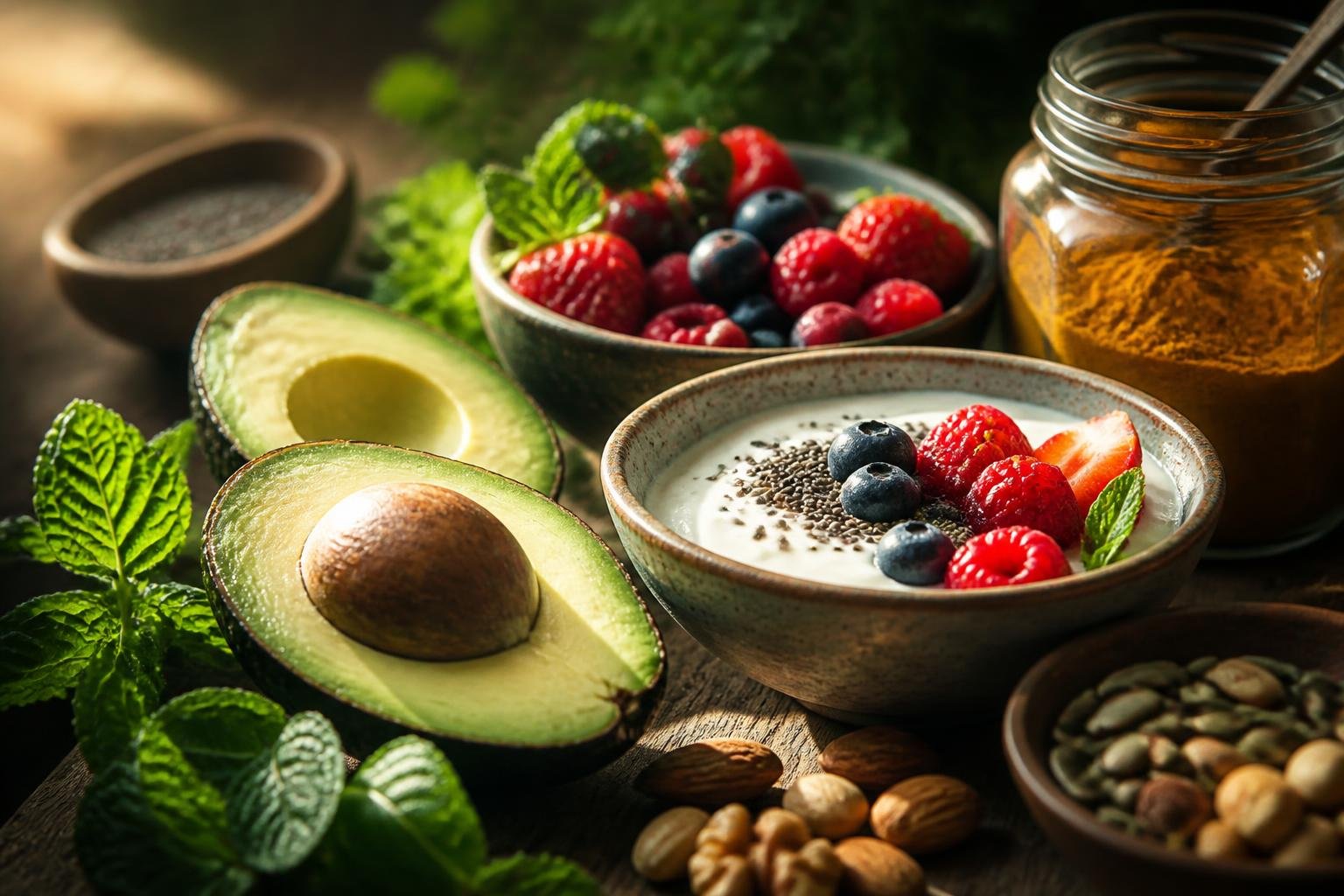
The digestive system plays a central role in overall health, affecting everything from nutrient absorption to immune function and metabolic rate. Addressing digestive issues through targeted nutrition can reduce inflammation and support the body’s natural healing processes.
Supporting Digestive Health Naturally
The gut contains trillions of bacteria that influence digestion, immunity, and even mood. When these bacteria become imbalanced, people may experience bloating, irregular bowel movements, or low energy.
Improving gut health[6] starts with what someone puts on their plate. Foods rich in fiber like vegetables, fruits, and whole grains feed beneficial bacteria. Fermented foods such as yogurt, kefir, and sauerkraut introduce helpful microorganisms directly into the digestive tract.
An elimination diet can identify foods that trigger digestive issues. Common culprits include gluten, dairy, and processed foods. After removing potential triggers for two to three weeks, individuals can reintroduce them one at a time to pinpoint specific sensitivities.
Probiotics and L-glutamine[7] may support gut lining repair when dietary changes alone aren’t enough. L-glutamine is an amino acid that helps maintain the intestinal barrier. Rotating foods prevents the body from developing new sensitivities over time.
Understanding Inflammation and Its Triggers
Inflammation serves as the body’s natural response to injury or infection. However, chronic inflammation from poor diet choices can damage tissues and contribute to various health problems.
Certain foods promote inflammation in the body. These include refined sugars, trans fats, and highly processed items containing artificial additives and toxins. Excessive consumption of omega-6 fatty acids without enough omega-3s can also tip the inflammatory balance.
Anti-inflammatory foods help calm the immune system. Fatty fish like salmon and sardines provide omega-3 fatty acids. Leafy greens, berries, and nuts contain antioxidants that protect cells from damage.
Healthy fats matter for controlling inflammation. While butter from grass-fed cows contains beneficial nutrients like vitamin K2 and conjugated linoleic acid, moderation remains important. Olive oil, avocados, and coconut oil offer additional anti-inflammatory benefits.
Reducing inflammation through nutrition[8] supports the gut’s ability to absorb nutrients properly. A healthy gut lining prevents toxins from entering the bloodstream, which would otherwise trigger more inflammation.
Boosting Metabolism Through Diet
Metabolism determines how efficiently the body converts food into energy. A healthy gut directly influences metabolic function through hormone production and nutrient absorption.
Foods that support metabolism:
- Protein-rich foods – Chicken, fish, eggs, and legumes require more energy to digest
- Green tea – Contains compounds that may increase fat burning
- Spicy foods – Capsaicin in peppers can temporarily raise metabolic rate
- Whole grains – Provide steady energy without blood sugar spikes
The gut produces hormones that regulate appetite and metabolism. When digestive health suffers, these signals become disrupted. This can lead to increased hunger, reduced energy expenditure, and difficulty maintaining a healthy weight.
Eating at regular intervals keeps metabolism stable throughout the day. Skipping meals can slow metabolic rate as the body tries to conserve energy. Staying hydrated also supports metabolic processes, as water is needed for nearly every chemical reaction in the body.
A healthy gut microbiome[9] contributes to better metabolic function by helping extract nutrients from food and producing short-chain fatty acids that fuel cells. These beneficial bacteria can influence how the body stores fat and balances blood sugar levels.
Overcoming Fatigue and Enhancing Energy

Persistent tiredness often stems from multiple factors including toxin buildup and chronic stress on body systems. Managing these underlying causes requires specific strategies that target both physical depletion and environmental influences.
Addressing Chronic Fatigue
Chronic fatigue goes beyond normal tiredness. It persists even after rest and affects daily function.
Controlling stress[10] helps reduce energy drain since stress-induced emotions consume significant energy reserves. People can try meditation, yoga, or talking with trusted friends to manage stress levels.
Sleep quality matters more than quantity. Some individuals benefit from sleep restriction techniques that limit bed time to actual sleep hours, making it easier to fall asleep and promoting deeper rest. This involves avoiding daytime naps and gradually adding 15-30 minutes of sleep only when sleeping soundly through the night.
Dietary choices impact energy levels directly:
- Low glycemic index foods like whole grains and vegetables release energy slowly
- High-carbohydrate foods cause energy spikes followed by crashes
- Proteins and healthy fats stabilize blood sugar
- Water prevents fatigue from dehydration
Exercise increases cellular energy production and improves sleep quality. It raises brain dopamine levels, which elevates mood and combats the exhaustion cycle.
Combating Toxins and Environmental Stressors
Environmental toxins reduce cellular energy production and strain detoxification systems. The body expends considerable energy processing chemical exposures from air, water, and food sources.
Reducing toxin exposure starts with simple changes. Choosing organic produce when possible limits pesticide intake. Filtering drinking water removes contaminants that burden the liver and kidneys.
Smoking depletes energy by causing insomnia and disrupting sleep patterns. Nicotine stimulates brain activity and raises heart rate, making quality rest difficult to achieve.
Alcohol consumption, particularly at lunch or early evening, creates a sedative effect that’s especially strong at midday[10]. Limiting alcohol intake preserves evening energy levels and supports better sleep cycles.
Supporting the body’s natural detoxification involves adequate hydration and nutrient-dense foods. The liver requires specific vitamins and minerals to process toxins efficiently. Creating a clean environment at home by using natural cleaning products reduces daily chemical exposure.
Transforming Chronic Pain and Discomfort

Addressing persistent pain requires looking beyond temporary fixes to understand the body’s internal processes. Targeted nutrition and gentle movement practices work together to reduce inflammation and support the body’s natural repair systems.
Elevate Your Health for Just $29.99/Month
Join the Precision Wellness Subscription at My Healing 365 and get discounted services, priority coaching access, virtual care, and exclusive wellness resources to support your physical, emotional, and hormonal health.
Join for $29.99/MonthNatural Approaches for Chronic Pain
Chronic pain management[11] becomes more effective when people address inflammation at its source. The body’s inflammatory response, helpful during acute injuries, can damage healthy tissue when it persists for months or years.
Several dietary changes support natural healing:
- Omega-3 fatty acids from wild-caught salmon, chia seeds, and walnuts help reduce joint stiffness
- Colorful berries like blueberries and strawberries provide antioxidants that clear cellular waste
- Leafy greens such as spinach deliver vitamins that protect cells
- Turmeric and ginger contain compounds that decrease internal swelling
Sleep plays a critical role in tissue repair. The body performs most of its healing during seven to eight hours of deep rest each night. Poor sleep increases inflammatory markers in the blood, which worsens morning stiffness and fatigue.
Healing Pathways for Joint and Muscle Relief
Gentle movement keeps joints flexible without adding stress to sensitive areas. Walking, swimming, and restorative yoga strengthen core muscles while providing relief for back and joint discomfort.
These low-impact activities improve circulation and reduce stiffness when practiced regularly. Mind-body approaches that integrate physical and emotional health[12] show promise for people whose nervous systems have become overactive.
Consistency matters more than intensity. People who start healing their bodies through daily movement often notice increased flexibility within weeks. Replacing processed foods with whole, nutrient-dense options creates an environment where tissues can repair themselves naturally.
Cultivating Sustainable Wellness and Prevention
Building lasting wellness requires consistent daily habits and a mindset that supports healing rather than just treating symptoms. These practices work together to create a foundation for vibrant health that extends well beyond temporary fixes.
Daily Practices for Lifelong Well-Being
Small, repeatable actions create the biggest impact on long-term health. Starting with just one or two changes makes the process manageable rather than overwhelming.
Sleep should be the first priority. Seven to eight hours each night allows the body to repair cells, balance hormones, and reset the immune system. Going to bed and waking up at the same time every day strengthens this natural healing cycle.
Movement doesn’t need to be intense to be effective. A 20-minute walk after meals supports digestion and reduces inflammation. Gentle stretching or yoga helps maintain flexibility and reduces stress hormones that damage the body over time.
Hydration supports every system in the body. Drinking water throughout the day helps flush toxins, transport nutrients, and maintain energy levels. Adding lemon or cucumber makes it easier for those who struggle with plain water.
Whole foods should fill most of the plate. Vegetables, fruits, whole grains, and lean proteins provide the nutrients the body needs to support health from within[13]. Limiting processed foods reduces the burden on digestive and immune systems.
Maintaining a Positive Healing Mindset
The way someone thinks about their health directly affects their body’s ability to heal. A holistic wellness lifestyle[14] recognizes that mental and emotional states influence physical outcomes.
Stress management protects the body from constant damage. Chronic stress keeps cortisol levels high, which weakens immunity and increases inflammation. Even 10 minutes of deep breathing or meditation each day can lower these harmful effects.
Focusing on progress rather than perfection prevents burnout. Missing a workout or eating something unhealthy doesn’t erase previous efforts. Each day offers a fresh opportunity to make choices that move someone closer to well-being.
Building awareness of how the body feels guides better decisions. Noticing energy levels, digestion, mood, and sleep patterns helps identify what works and what doesn’t. This internal feedback is more valuable than any external advice.
Connecting with others who share wellness goals provides accountability and support. Whether through a walking group, cooking class, or online community, shared experiences make sustainable changes easier to maintain over months and years.
Frequently Asked Questions

The body’s ability to heal itself depends on proper nutrition, hydration, lifestyle choices, and understanding realistic timelines for recovery. These questions address the most common concerns about supporting natural healing processes.
What does healing from the inside out mean for overall health?
Healing from the inside out refers to the body’s ability to repair, regulate, and restore itself from within[15]. This process relies on the body producing what it needs, including energy, hormones, and immune responses, through healthy behaviors rather than depending solely on external treatments.
The approach focuses on addressing root causes of health problems rather than just treating symptoms. Someone who heals from the inside out takes care of their mind, body, and emotional well-being together.
This method recognizes that the brain’s motor circuits, cognitive functioning, and perception connect with basic body functions[16] like breathing, heart rate, and muscle tension. Thoughts and physical health cannot be separated.
Which foods best support internal healing and tissue repair?
Protein-rich foods provide the amino acids necessary for rebuilding damaged tissues. Lean meats, fish, eggs, beans, and Greek yogurt help the body create new cells and repair injured areas.
Foods high in vitamin C support collagen production and wound healing. Citrus fruits, bell peppers, strawberries, and broccoli provide this essential nutrient.
Omega-3 fatty acids found in salmon, walnuts, and flaxseeds reduce inflammation and support cell membrane health. Zinc-rich foods like oysters, beef, pumpkin seeds, and lentils speed up wound healing and immune function.
How does an anti-inflammatory diet help the body recover and feel better?
An anti-inflammatory diet reduces chronic inflammation that can damage tissues and slow healing. This eating pattern emphasizes whole foods like vegetables, fruits, whole grains, and healthy fats while limiting processed foods, refined sugars, and trans fats.
Chronic inflammation contributes to many health conditions including heart disease, diabetes, and autoimmune disorders. Reducing inflammation allows the body to focus energy on repair and recovery instead of fighting constant internal stress.
Foods with anti-inflammatory properties include leafy greens, tomatoes, olive oil, fatty fish, berries, and nuts. These foods contain compounds that actively reduce inflammatory markers in the body.
What daily habits can improve hydration from the inside out?
Drinking water consistently throughout the day maintains proper hydration levels. Most adults need between eight to ten cups of water daily, though individual needs vary based on activity level, climate, and body size.
Eating water-rich foods adds to overall hydration. Cucumbers, watermelon, celery, lettuce, and zucchini contain high water content and provide nutrients alongside hydration.
Limiting caffeine and alcohol prevents dehydration since both substances increase fluid loss. Starting each morning with a glass of water helps replenish fluids lost during sleep.
Setting reminders or keeping a water bottle nearby helps people remember to drink regularly. Monitoring urine color provides a simple hydration check—pale yellow indicates good hydration while dark yellow suggests the need for more fluids.
Which nutrients and supplements are most important for supporting the body’s natural healing process?
Vitamin D supports bone health, immune function, and cell growth. Many people have low vitamin D levels, especially those who live in northern climates or spend limited time outdoors.
B vitamins help convert food into energy and support red blood cell formation. B12 and folate are particularly important for tissue repair and DNA synthesis.
Magnesium participates in over 300 biochemical reactions in the body, including protein synthesis and muscle function. This mineral helps regulate inflammation and supports nerve function.
Probiotics maintain gut health, which affects immune function and nutrient absorption. A healthy gut microbiome influences overall health and healing capacity.
Vitamin A supports immune function and helps maintain healthy skin and mucous membranes. Antioxidants like vitamins C and E protect cells from damage during the healing process.
How long does it typically take to notice improvements when making healing-focused lifestyle changes?
Energy levels and sleep quality often improve within one to two weeks of consistent healthy habits. People may notice better digestion and reduced bloating within the first week of dietary changes.
Skin improvements typically become visible after four to six weeks of proper hydration and nutrition. The skin’s natural renewal cycle takes about a month, so changes require patience.
Significant changes in inflammation markers, weight, and chronic symptoms usually take two to three months of sustained effort. Studies on hotel maids showed physiological improvements including decreased blood pressure and body fat after four weeks[16] when they believed their work provided healthy exercise.
Long-term conditions may require six months to a year of consistent lifestyle changes before major improvements occur. Individual results vary based on starting health status, the specific condition being addressed, and adherence to healthy practices.
Post Views: 10
References
- 12 Practical & Proven Ways To Heal Your Body From The Inside-Out.. https://bengreenfieldlife.com/article/12-practical-proven-ways-to-heal-your-body-from-the-inside-out/ Accessed May 24, 2026
- Healing Starts from Within: How to Transform Your Life from the Inside
– Blissful Seasons™. https://blissfulseasons.com/blogs/news/healing-starts-from-within-how-to-transform-your-life-from-the-inside-out Accessed May 24, 2026 - Mind-Body Connection: Bridging Mental Health, Body Awareness & Holistic Healing. https://www.integrative-psych.org/resources/mind-body-connection-bridging-mental-health-body-awareness-holistic-healing Accessed May 24, 2026
- ELLVARA. https://laurenlepley.com/post/stress-detox-a-holistic-approach-to-healing-your-body-from-the-inside-out Accessed May 24, 2026
- Whole-Body Healing: 8 Holistic Recovery Strategies. https://mend.me/blogs/the-blog/whole-body-healing-8-holistic-recovery-strategies Accessed May 24, 2026
- Improving gut health improves all aspects of your health. https://www.uchealth.org/today/improving-gut-health-improves-all-aspects-of-your-health/ Accessed May 24, 2026
- How To Heal Your Gut Naturally. https://drwillcole.com/how-to-heal-your-gut-naturally/ Accessed May 24, 2026
- Reducing inflammation through nutrition. https://www.prevention.com/health/a60486206/heal-your-body-with-food/ Accessed May 24, 2026
- How to Improve Gut Health: Foods & Lifestyle Tips That Work. https://health.stonybrookmedicine.edu/how-to-improve-gut-health-foods-lifestyle-tips-that-work/ Accessed May 24, 2026
- 9 tips to boost your energy – naturally. https://www.health.harvard.edu/healthbeat/9-tips-to-boost-your-energy-naturally Accessed May 24, 2026
- The Inflammation Solution: Healing Your Body From The Inside Out. https://doralhw.org/the-inflammation-solution-healing-your-body-from-the-inside-out/ Accessed May 24, 2026
- That chronic pain is not all in your head, but the solution may not be in your body, expert says. https://www.cnn.com/2025/04/11/health/chronic-pain-treatment-nicole-sachs-wellness/ Accessed May 24, 2026
- More Than Self-Care: Real Health Starts from the Inside Out. https://www.medboundtimes.com/fitness-and-wellness/ways-to-support-your-health-from-inside-out Accessed May 24, 2026
- Radiant Wellness: Create Sustainable Health & Happiness From the Inside Out – SHOUT my Book. https://shoutmybook.com/radiant-wellness-create-sustainable-health-happiness-from-the-inside-out/ Accessed May 24, 2026
- Healing from the Inside Out: Endogenous vs. Exogenous Approaches
– Functional Patterns. https://functionalpatterns.com/blogs/articles/healing-from-the-inside-out-endogenous-vs-exogenous-approaches-to-feeling-better Accessed May 24, 2026 - Can Your Mind Heal Your Body?. https://www.psychologytoday.com/us/blog/frazzlebrain/202406/can-your-mind-really-heal-your-body Accessed May 24, 2026

























