
Medically Reviewed
Dr. Jose Rossello, MD, PhD, MHCM
Preventive Medicine & Public Health Specialist
Last Reviewed: May 26, 2026
Chronic inflammation occurs when the body’s immune system stays active for too long, which can contribute to various health conditions. An anti-inflammatory lifestyle focuses on eating whole, unprocessured foods while avoiding added sugars and highly processed items to help the body reduce this persistent inflammation. The good news is that making these changes doesn’t require a complete diet overhaul overnight.
Understanding the root cause of inflammation[1] helps explain why nutrition plays such a big role in overall health. The foods people eat can either promote inflammation or help fight it. Simple switches like choosing colorful vegetables over packaged snacks or picking fish over processed meats can make a real difference.
Getting started with anti-inflammatory living is easier than most people think. Making simple, sustainable dietary changes[2] works better than trying to follow strict rules. This guide breaks down what to eat, what to avoid, and how to build habits that last.
Table of Contents
Key Takeaways
- Chronic inflammation happens when the immune system stays activated too long and can be reduced through dietary choices
- Whole foods like fruits, vegetables, fish, and nuts fight inflammation while ultra-processed foods promote it
- Small, gradual changes to eating habits are more effective than sudden diet overhauls
Understanding Inflammation and Its Impact

The body’s inflammatory response serves as a protective mechanism, but when it becomes chronic, it can contribute to serious health conditions including heart disease, arthritis, and autoimmune disorders. Nutrition and lifestyle choices play a significant role in managing inflammatory states.
What Is Inflammation?
Inflammation is a protective process[3] that the body uses to fight threats and heal damaged tissue. When someone cuts their finger or gets an infection, the immune system sends white blood cells to the affected area. This creates visible signs like redness, swelling, warmth, and pain.
The process works like an internal defense system. Immune cells travel to injured or infected sites and begin repairing damage. For example, bacterial infections like strep throat trigger throat inflammation as the body fights the bacteria.
This response is essential for survival. Without it, minor injuries or infections could become life-threatening. The inflammatory process helps remove harmful substances and prepares tissues for healing.
Acute Versus Chronic Inflammation
Acute inflammation appears quickly and resolves within hours to days. It occurs when someone sprains an ankle, gets a bee sting, or develops the flu. The body sends immune cells to address the immediate threat, then the inflammation subsides once healing begins.
Chronic inflammation persists for months or years. It develops when the body cannot eliminate the threatening substance or when the immune system mistakenly activates without an actual threat. Unhealthy lifestyle choices contribute to chronic inflammation[4], including poor diet, smoking, excessive alcohol consumption, lack of physical activity, stress, and excess weight.
The distinction matters because these two types have different health impacts. Acute inflammation protects and heals, while chronic inflammation damages tissues instead of repairing them.
Health Risks of Persistent Inflammatory States
Chronic inflammatory states increase the risk of several serious diseases. Low-grade inflammation contributes to cardiovascular disease[4], cancer, type 2 diabetes, and Alzheimer’s disease.
Heart health suffers when inflammation affects cholesterol plaques in arteries. The immune system treats cholesterol buildup as an invader and releases inflammatory chemicals. This can cause plaque ruptures that block blood flow and trigger heart attacks.
Chronic inflammation affects multiple body systems:
- Brain: High inflammation levels are associated with cognitive decline, memory problems, and brain fog
- Joints: Persistent inflammation causes pain, swelling, and stiffness in conditions like rheumatoid arthritis and gout
- Digestive system: Inflammatory bowel disease creates ongoing inflammation in the gastrointestinal tract
- Liver: Nonalcoholic steatohepatitis involves inflamed liver cells that can lead to cirrhosis
Autoimmune diseases like type 1 diabetes, lupus, psoriasis, and multiple sclerosis cause the immune system to attack healthy tissues. This creates persistent inflammation throughout the body. Nutrition plays a key role in managing these conditions, as certain foods can either increase or decrease inflammatory responses.
Core Principles of Anti-Inflammatory Nutrition
The foundation of anti-inflammatory nutrition rests on choosing whole foods over processed options, getting enough fiber and antioxidants to protect cells, and maintaining the right balance of healthy fats in the diet.
Whole Versus Processed Foods
The most important distinction in anti-inflammatory nutrition is between whole and processed foods. Ultra-processed foods that come in packages—like microwaveable dinners, hot dogs, chicken nuggets, and sugary cereals—have little nutritional value and promote inflammation throughout the body.
Elevate Your Health for Just $29.99/Month
Join the Precision Wellness Subscription at My Healing 365 and get discounted services, priority coaching access, virtual care, and exclusive wellness resources to support your physical, emotional, and hormonal health.
Join for $29.99/MonthThese packaged foods contain high amounts of salt, added sugars, and saturated fat. A 2025 report in the journal Nutrients found that ultra-processed foods can change gut bacteria[5], damage the gut lining, and activate inflammatory genes in cells. Research links these foods to shorter life spans, cancer, heart disease, and diabetes.
Foods to Avoid:
- Sodas and sugary drinks
- Cookies and baked goods
- White bread and refined cereals
- White pasta and white rice
- Butter, cheese, and ice cream
- Deep-fried foods
- Processed and cured meats
Whole, unprocessed foods fight inflammation naturally. People should focus on fruits, vegetables, whole grains, legumes, fish, poultry, nuts, seeds, and olive or avocado oil.
The Role of Fiber and Antioxidants
Fiber and antioxidants work together to reduce inflammation in the body. Fiber is found in fruits, vegetables, legumes, and whole grains like barley, oats, and bran. It helps the digestive system and supports healthy gut bacteria.
Antioxidants protect cells from free radicals, which are molecules that damage cells and promote inflammation. Brightly colored fruits and vegetables contain the highest levels of antioxidants. Tomatoes, carrots, squash, and broccoli provide strong protection against cell damage.
Antioxidant-Rich Foods:
- Berries
- Dark chocolate
- Tea and coffee
- Apples and citrus fruits
- Onions
- Soybeans
Plant chemicals called polyphenols offer additional anti-inflammatory benefits. These compounds appear in many of the same colorful fruits and vegetables that provide fiber and antioxidants.
Balancing Healthy Fats and Omega-3s
Not all fats promote inflammation. The body needs healthy unsaturated fats and omega-3 fatty acids to function properly and reduce inflammation.
Omega-3 fatty acids[6] appear in fatty fish like salmon, mackerel, sardines, and tuna. Plant sources include flaxseed oil, canola oil, walnuts, flaxseeds, and leafy greens like spinach and kale. These fats actively fight inflammation in the body.
Unsaturated fats come from nuts and seeds. Almonds, pecans, walnuts, flaxseeds, pumpkin seeds, and sesame seeds all provide these beneficial fats. Plant oils like olive oil, peanut oil, canola oil, and avocado oil also contain unsaturated fats that support anti-inflammatory nutrition.
The key is replacing saturated fats from butter, cheese, and processed meats with these healthier options. This simple swap reduces inflammation while providing the fats the body needs for energy and cell function.
Foods That Combat Inflammation
Certain foods contain compounds that actively reduce inflammation in the body. Foods rich in natural antioxidants and polyphenols[7] help protect against chronic diseases linked to inflammation.
Fruits and Vegetables for Inflammatory Protection
Dark leafy greens like spinach, kale, and collards provide powerful anti-inflammatory benefits. These vegetables contain high levels of antioxidants that help neutralize harmful compounds in the body.
Berries stand out as particularly effective inflammation fighters. Strawberries, blueberries, and cherries contain protective plant compounds that reduce inflammatory markers. The deep colors in these fruits signal their high antioxidant content.
Colorful vegetables offer similar benefits. Tomatoes contain beneficial compounds that help lower inflammation levels. Other fruits and vegetables like oranges and bell peppers provide vitamin C and other protective nutrients.
People who regularly eat a variety of fruits and vegetables show lower levels of inflammation. The combination of different plant foods provides a range of protective compounds that work together to reduce inflammatory responses throughout the body.
Whole Grains, Legumes, and Fiber Sources
Whole grains like quinoa and brown rice contain more fiber than refined grains. This fiber helps reduce inflammation and supports digestive health. Unlike white bread and pastries that increase inflammation[7], whole grains actively combat it.
Legumes such as beans, lentils, and chickpeas provide both fiber and plant-based protein. These foods help stabilize blood sugar levels and reduce inflammatory responses. The high fiber content in legumes supports beneficial gut bacteria that produce anti-inflammatory compounds.
Key whole food sources include:
- Oats and barley
- Quinoa and wild rice
- Black beans and lentils
- Chickpeas and kidney beans
Regular consumption of these fiber-rich foods helps maintain steady energy levels while fighting inflammation.
Fish, Nuts, and Seeds for Healthy Fats
Fatty fish provide omega-3 fatty acids that strongly reduce inflammation. Salmon, mackerel, tuna, and sardines contain high amounts of these beneficial fats. Studies have associated these fish[7] with lower levels of inflammatory markers.
Walnuts and almonds offer plant-based omega-3s along with other anti-inflammatory compounds. Research shows that nuts reduce markers of inflammation[7] and lower the risk of heart disease and diabetes.
Flaxseed provides another excellent source of omega-3 fatty acids. Ground flaxseed can be added to smoothies, yogurt, or baked goods.
Healthy oils play an important role too. Extra virgin olive oil contains compounds that work similarly to anti-inflammatory medications. Avocado oil provides additional anti-inflammatory benefits and withstands high-heat cooking.
Herbs, Spices, and Antioxidant-Rich Foods
Turmeric contains curcumin, a compound with powerful anti-inflammatory effects. This golden spice has been used for centuries to reduce pain and swelling. Ginger provides similar benefits through its active compound gingerol.
Cinnamon and other anti-inflammatory spices add flavor while fighting inflammation. These spices can be incorporated into daily meals without requiring major dietary changes.
Green tea contains polyphenols that protect against inflammation. Regular tea consumption may protect against inflammatory diseases[7] while providing other health benefits.
Dark chocolate with high cocoa content offers antioxidants called flavonoids. Choose chocolate with at least 70% cocoa for maximum anti-inflammatory benefits.
Greek yogurt with live cultures supports gut health and may reduce inflammation. The probiotics in yogurt help maintain a healthy balance of gut bacteria that influence inflammatory responses throughout the body.
Foods and Ingredients to Limit or Avoid

Certain foods activate the body’s inflammatory response and contribute to chronic health problems. Ultra-processed foods damage the gut lining and trigger inflammatory genes[5], while refined grains and added sugars spike blood sugar levels and promote inflammation throughout the body.
Processed and Ultra-Processed Foods
Ultra-processed foods include items that come in packages like microwaveable dinners, hot dogs, chicken nuggets, dehydrated soups, baked goods, sugary cereals, processed meats, biscuits, and sauces. These foods contain high amounts of salt, added sugars, and saturated fat while offering little nutritional value.
Research shows that ultra-processed foods change gut bacteria and switch on inflammatory genes in cells[5]. Studies have linked these processed foods to shorter life spans, cancer, heart disease, heart attacks, strokes, and diabetes.
Common processed snacks to avoid include:
- Packaged chips and crackers
- Pre-made cookies and pastries
- Frozen pizzas and meals
- Instant noodles and soups
- Processed cheese products
Refined Grains and Added Sugars
White bread, white pasta, white rice, and products made with refined flour directly promote inflammation in the body. These refined grains have been stripped of their fiber and nutrients.
Added sugars rank among the biggest inflammatory triggers. Foods with added sweeteners include sodas, sugary drinks, cookies, candy, pre-packaged salad dressings, flavored yogurts, and jarred tomato sauces. Sugar substitutes like aspartame, erythritol, and sucralose may also trigger inflammation.
Refined cereals and products containing refined sugars cause rapid blood sugar spikes. White flour creates a pro-inflammatory state in the body almost immediately after consumption.
Inflammatory Fats and Meats
Saturated fat raises LDL cholesterol levels and promotes inflammation. Foods high in saturated fat include butter, cheese, ice cream, and deep-fried foods. Trans fats found in some processed foods create even stronger inflammatory responses.
Industrial seed oils used in many packaged foods contribute to inflammation when consumed in excess. Processed meats like bacon, sausage, deli meats, and hot dogs contain preservatives and compounds that trigger inflammatory pathways.
Red meat should be limited rather than completely eliminated. Choosing lean proteins like fish and poultry more often helps reduce inflammatory fat intake while still providing necessary nutrients.
Popular Anti-Inflammatory Eating Patterns
Several established dietary patterns naturally reduce inflammation through whole foods and balanced nutrition. The Mediterranean diet stands out as the most researched approach, while structured meal plans help beginners transition to anti-inflammatory eating habits.
The Mediterranean Diet Approach
The Mediterranean diet follows many anti-inflammatory principles[5] through its emphasis on whole, unprocessed foods. This eating pattern centers on vegetables, fruits, whole grains, legumes, nuts, and olive oil as the primary fat source.
Key components include:
- Lean proteins from fish two to three times per week, particularly salmon, sardines, and mackerel
- Poultry in moderate amounts as an alternative to red meat
- Limited dairy, mostly from yogurt and cheese
- Herbs and spices instead of salt for flavoring
The diet naturally limits processed foods, added sugars, and red meat. Extra virgin olive oil provides unsaturated fats that help fight inflammation. This approach also includes moderate amounts of wine with meals, though this is optional.
Studies show this pattern reduces inflammation markers in the body. It particularly helps with heart health, arthritis, and diabetes management.
Building an Anti-Inflammatory Meal Plan
Creating a sustainable anti-inflammatory meal plan starts with simple swaps rather than drastic changes. Each meal should include colorful vegetables, a source of lean protein, and healthy fats.
Breakfast options:
- Oatmeal topped with berries and walnuts
- Smoothies with leafy greens and fruit
- Eggs with sautéed vegetables
Lunch ideas:
- Grain bowls with quinoa, roasted vegetables, chickpeas, and tahini
- Salads with dark leafy greens, nuts, seeds, and grilled chicken
- Lentil soup with whole grain bread
Dinner combinations:
- Baked salmon with roasted broccoli and sweet potato
- Grain bowls featuring brown rice, black beans, avocado, and peppers
- Grilled poultry with Mediterranean vegetables and olive oil
The focus remains on foods that come from the ground rather than packages. Adding variety and color to each plate increases the intake of natural anti-inflammatory compounds.
Sample 7-Day Anti-Inflammatory Meal Plan
A 7-day anti-inflammatory meal plan[8] helps beginners establish consistent eating patterns. This sample plan emphasizes simple preparation and readily available ingredients.
| Day | Breakfast | Lunch | Dinner |
|---|---|---|---|
| 1 | Berry smoothie with spinach | Quinoa bowl with chickpeas | Grilled salmon with asparagus |
| 2 | Oatmeal with walnuts | Lentil soup with side salad | Chicken stir-fry with vegetables |
| 3 | Greek yogurt with fruit | Tuna salad on greens | Turkey meatballs with zucchini noodles |
| 4 | Scrambled eggs with tomatoes | Black bean grain bowl | Baked cod with Brussels sprouts |
| 5 | Chia pudding with berries | Chicken and vegetable soup | Grilled shrimp with cauliflower rice |
| 6 | Avocado toast on whole grain | Spinach salad with salmon | Herb-roasted chicken with sweet potato |
| 7 | Fruit salad with nuts | Mediterranean grain bowl | White fish with roasted peppers |
Each day includes snacks like almonds, apple slices with almond butter, or carrot sticks with hummus. This structure provides balanced nutrition while keeping preparation straightforward for those new to anti-inflammatory eating.
Sustainable Lifestyle Tips for Anti-Inflammatory Success
Making gradual changes to eating habits and daily routines helps people stick with anti-inflammatory living long-term. Planning meals ahead and tracking how the body responds to different foods creates a foundation for lasting health improvements.
How to Transition Your Diet
Starting with small, manageable changes makes the shift to anti-inflammatory eating less overwhelming. People should begin by adding one or two servings of colorful vegetables to their current meals rather than overhauling everything at once.
Replacing one processed food item each week with a whole food alternative builds momentum without causing stress. For example, swapping sugary breakfast cereal for oatmeal with berries in week one, then replacing afternoon chips with nuts and fruit in week two.
Making this shift gradually[5] allows taste preferences to adapt naturally. The goal is to eat more foods that come from the ground and fewer that come from packages.
People who focus on adding healthy foods first often find they naturally consume less of the inflammatory options. This positive approach feels less restrictive than eliminating favorite foods immediately.
Smart Grocery Shopping and Meal Prep Strategies
Shopping the perimeter of the grocery store helps people find whole, unprocessed foods like fresh vegetables, fruits, lean proteins, and dairy. The center aisles typically contain more packaged and processed items.
Key shopping priorities:
- Fresh or frozen vegetables without added sauces
- Whole grains like brown rice, quinoa, and oats
- Wild-caught fish, poultry, and legumes
- Nuts, seeds, and olive oil
- Plain yogurt and minimal dairy
Preparing meals in batches saves time and reduces reliance on convenience foods during busy weekdays. Cooking proteins, chopping vegetables, and portioning snacks on Sunday creates grab-and-go nutrition throughout the week.
Keeping anti-inflammatory staples stocked prevents last-minute decisions that often lead to ordering takeout or choosing processed options. A well-planned kitchen makes healthy eating the easiest choice.
Monitoring Your Progress and Health
Tracking symptoms in a simple journal reveals how specific foods affect energy levels, joint pain, digestion, and sleep quality. People should note what they eat and any physical changes they experience throughout the day.
Signs of improvement to watch for:
- Reduced joint stiffness or pain
- Better energy levels
- Improved sleep quality
- Clearer thinking
- Better digestion
- Less bloating
Waiting at least two to three weeks before evaluating results gives the body time to respond to dietary changes. Some people notice differences within days, while others need several weeks to see significant improvements.
Taking photos and measurements provides objective data beyond how someone feels. Weight, waist circumference, and physical appearance often change as inflammation decreases, even when the scale doesn’t move dramatically.
Frequently Asked Questions
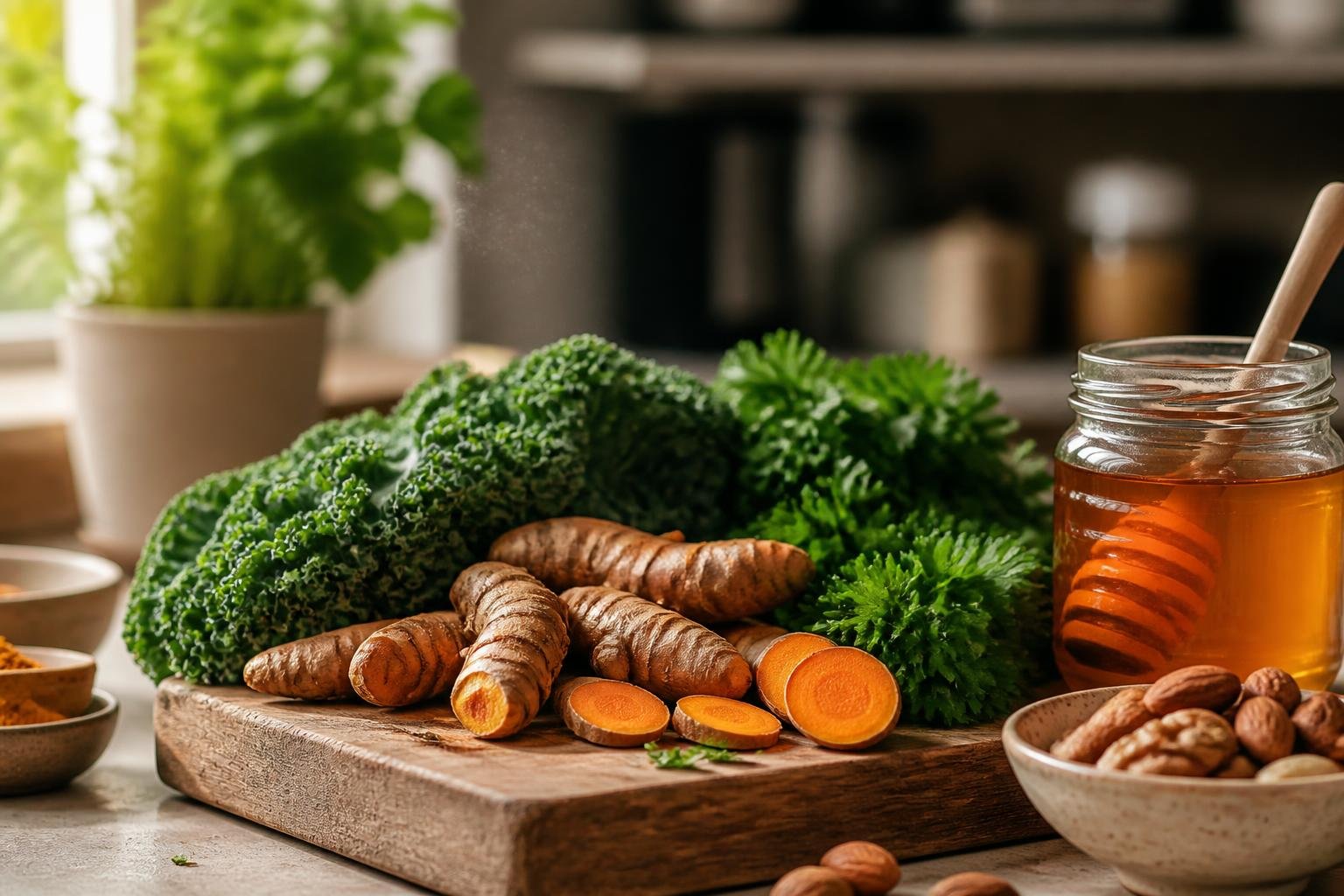
Starting an anti-inflammatory lifestyle raises practical questions about food choices, meal planning, realistic timelines, and daily habits beyond diet. These answers provide clear guidance for beginners ready to make changes.
What are the core principles of an anti-inflammatory lifestyle for someone just starting out?
The foundation of an anti-inflammatory lifestyle[1] centers on eating whole, unprocessed foods while avoiding packaged items with added sugars and refined ingredients. Beginners should focus on adding colorful fruits and vegetables, whole grains, fish, nuts, and olive oil to their daily meals.
The approach works best when viewed as a gradual shift rather than a sudden overhaul. Making small changes to each meal helps new habits stick over time.
Beyond food, reducing inflammation requires attention to sleep quality, stress levels, and regular movement. These factors work together to lower chronic inflammation throughout the body.
Which foods should be emphasized and which should be limited to support lower inflammation?
Foods that fight inflammation include brightly colored vegetables like tomatoes, carrots, squash, and broccoli. Berries, leafy greens, fatty fish such as salmon and sardines, and legumes provide antioxidants and omega-3 fatty acids that help reduce inflammation.
Whole grains like oats, barley, and bran offer fiber that supports gut health. Nuts, seeds, and plant oils including olive and avocado oil contain unsaturated fats that combat inflammatory processes.
Ultra-processed foods should be avoided[5] as they promote inflammation in the body. This includes microwaveable dinners, hot dogs, chicken nuggets, sugary cereals, processed meats, and baked goods.
Foods with added sweeteners like sodas, cookies, flavored yogurts, and pre-packaged sauces trigger inflammatory responses. White bread, refined cereals, white pasta, white rice, butter, cheese, ice cream, and deep-fried foods also increase inflammation levels.
How can a beginner plan simple anti-inflammatory meals and snacks for a full week?
A simple seven-day meal plan[9] starts with breakfast options like oatmeal with berries, fruit smoothies, or eggs with vegetables. Lunch can feature salads of dark leafy greens topped with colorful vegetables, beans, nuts, and seeds.
Dinner combinations include lean protein like chicken or fish paired with roasted vegetables and a small portion of whole grains. The more color and variety on the plate, the more anti-inflammatory compounds the meal contains.
Snacks throughout the week can include apple slices with almond butter, carrots with hummus, a handful of walnuts, or berries with plain yogurt. Preparing ingredients in advance makes assembling these meals faster during busy weekdays.
Batch cooking grains, chopping vegetables, and portioning proteins on the weekend saves time. Keeping pre-washed greens, frozen vegetables, and canned beans on hand provides quick meal options.
What is a realistic 21-day anti-inflammatory reset plan, and what results can be expected?
A 21-day beginner plan[10] allows the body time to adjust to new eating patterns while giving inflammation levels a chance to decrease. The first week focuses on removing ultra-processed foods and adding one serving of vegetables to each meal.
Week two introduces more whole grains, fish twice per week, and daily servings of nuts or seeds. The third week emphasizes variety in plant foods and establishes consistent meal timing.
Realistic results after three weeks include improved energy levels, better digestion, and reduced joint stiffness. Some people notice clearer skin and better sleep quality.
Weight loss may occur but varies by individual. The primary goal is reducing inflammation markers rather than rapid weight changes.
How do common beverages and sweeteners (coffee, alcohol, soda, honey) affect inflammation?
Coffee contains polyphenols that may help fight inflammation when consumed in moderation. Tea, particularly green and black varieties, provides similar anti-inflammatory compounds.
Soda and sugary drinks are major sources of added sweeteners that spike blood sugar and promote inflammation. These beverages should be limited or eliminated entirely.
Alcohol has mixed effects depending on type and amount. Moderate red wine consumption may provide some polyphenols, but excessive alcohol intake increases inflammation throughout the body.
Honey contains small amounts of antioxidants but still acts as added sugar in the body. Sugar substitutes like aspartame, erythritol, and sucralose may trigger inflammation, while stevia and monk fruit appear to have anti-inflammatory properties.
What are the most effective non-diet habits—sleep, stress management, and exercise—for reducing inflammation?
Poor sleep quality activates the immune system and keeps it in a persistent state of alert, which drives chronic inflammation. Adults need seven to nine hours of quality sleep per night to allow the body to complete essential repair processes.
Chronic stress releases hormones like cortisol that promote inflammatory responses when elevated long-term. Stress management techniques such as deep breathing, meditation, or spending time in nature help lower these inflammatory signals.
Regular physical activity reduces inflammation markers in the blood and improves immune system function. Both aerobic exercise like walking or swimming and strength training provide anti-inflammatory benefits.
Movement doesn’t need to be intense to be effective. Consistency matters more than duration, with even 20 to 30 minutes of moderate activity most days of the week making a measurable difference in inflammation levels.
Post Views: 8
References
- Understanding the root cause of inflammation. https://fammed.wisc.edu/files/webfm-uploads/documents/outreach/im/handout_ai_diet_patient.pdf Accessed May 27, 2026
- Anti-Inflammatory Eating Made Easy: A Guide For Beginners. https://keepitsimplelovely.com/clean-eating/anti-inflammatory-eating-made-easy/ Accessed May 27, 2026
- What Is Inflammation? Types, Causes & Treatment. https://my.clevelandclinic.org/health/symptoms/21660-inflammation Accessed May 27, 2026
- What is Inflammation? Causes, Effects, Treatment. https://www.health.harvard.edu/topics/inflammation Accessed May 27, 2026
- Quick-start guide to an anti‑inflammation diet. https://www.health.harvard.edu/diet-and-nutrition/quick-start-guide-to-an-antiinflammation-diet Accessed May 27, 2026
- Anti-Inflammatory Diet: Foods List and Benefits. https://health.clevelandclinic.org/anti-inflammatory-diet Accessed May 27, 2026
- Foods that fight inflammation. https://www.health.harvard.edu/healthy-aging-and-longevity/foods-that-fight-inflammation Accessed May 27, 2026
- 7-day anti-inflammatory meal plan. https://www.eatingwell.com/article/7894310/anti-inflammatory-meal-plan-for-beginners/ Accessed May 27, 2026
- Beginner Anti-Inflammatory Meals: Diet Guide + Meal Prep Plan (2026)
– Razab. https://razab.com/blogs/kitchen-tips/beginner-anti-inflammatory-meal-diet-guide Accessed May 27, 2026 - Anti-Inflammatory Diet for Beginners: 5-Step Guide | NumYum. https://www.numyum.ai/blog/anti-inflammatory-diet-beginners Accessed May 27, 2026
























