Medically Reviewed
Dr. Jose Rossello, MD, PhD, MHCM
Preventive Medicine & Public Health Specialist
Last Reviewed: June 16, 2026
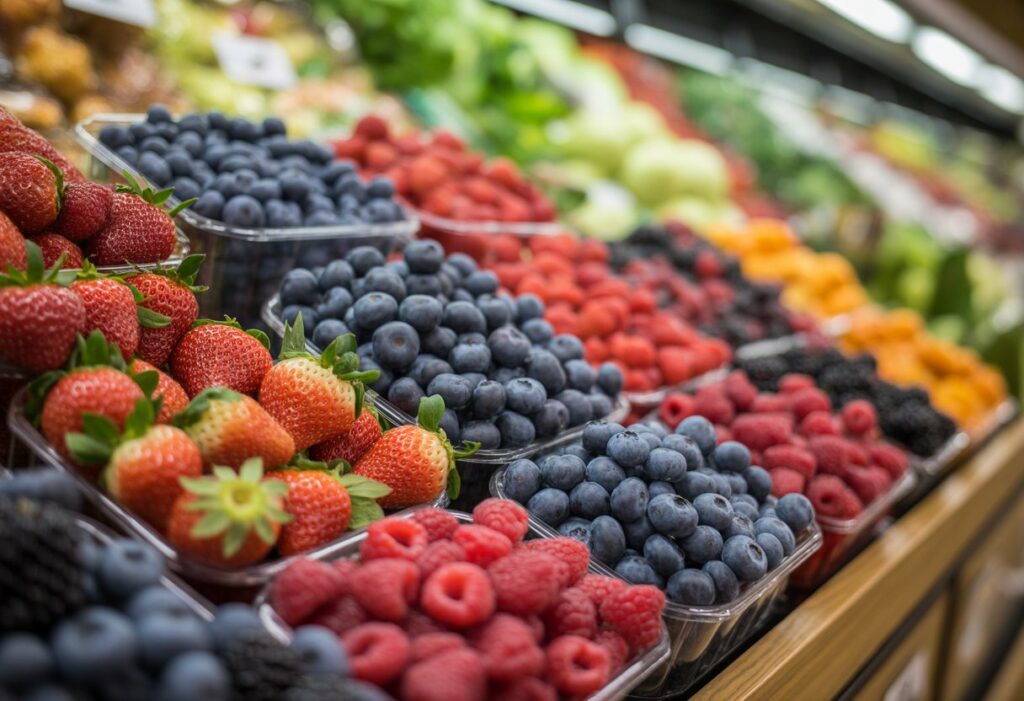
Picking the healthiest berries at the store doesn’t have to be difficult. The freshest berries should have vibrant, deep colors, firm texture, and no signs of moisture, bruising, or mold. Understanding what to look for when selecting berries[1] helps shoppers bring home the most nutritious fruit possible.
Berries offer powerful health benefits, including antioxidants, vitamins, and fiber. However, not all berries at the store are equal in quality or freshness. Small differences in color, firmness, and packaging can indicate whether berries are at their peak or past their prime.
Learning to identify the best berries saves money and ensures maximum nutrition. This guide covers everything from selecting ripe berries to proper storage and handling techniques that keep them fresh longer.
Table of Contents
Key Takeaways
- Choose berries with deep, even colors and firm texture while checking for bruising and moisture
- Store berries unwashed in their original containers in the refrigerator until ready to eat
- Wash berries under cool water right before eating to maintain freshness and quality
Understanding Berry Health Benefits
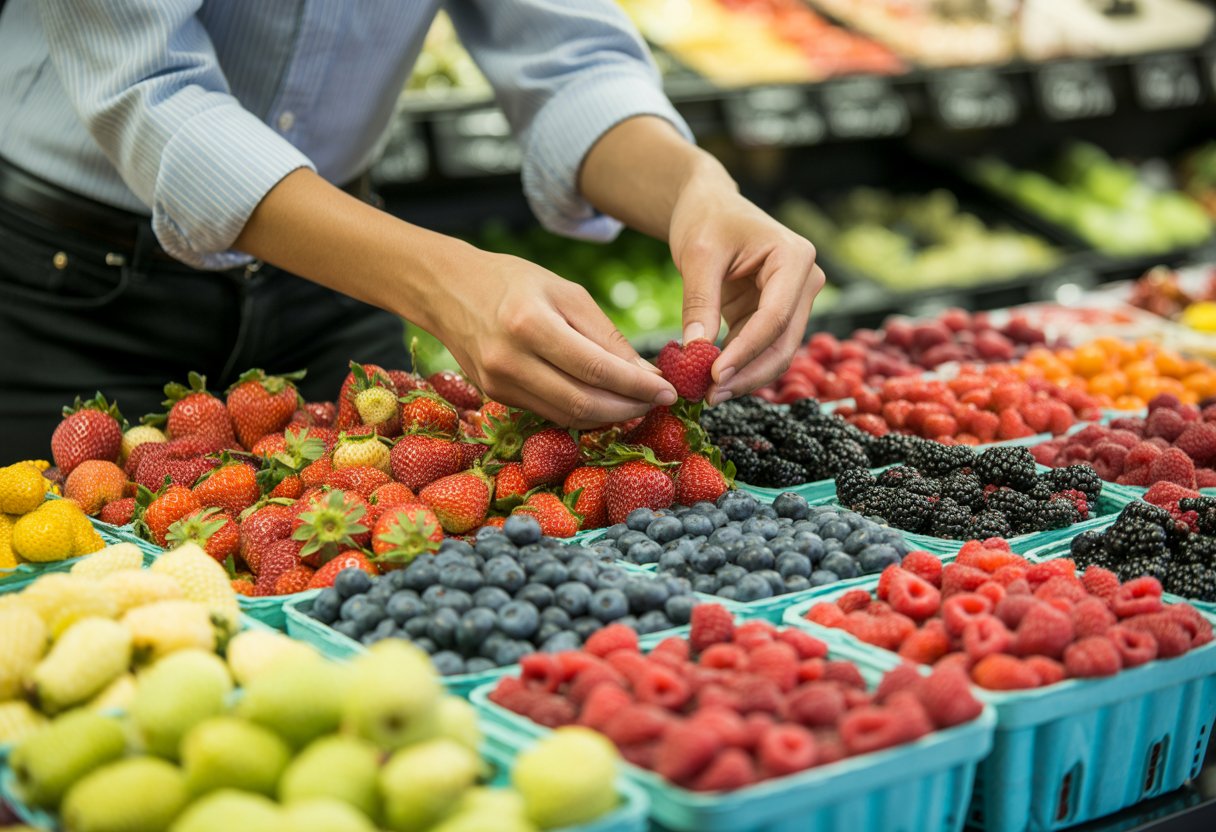
Berries deliver concentrated amounts of vitamins, antioxidants, and fiber that support multiple body systems. The nutritional value of berries changes based on how fresh they are and how they’re stored.
Nutritional Powerhouses: Vitamins and Antioxidants
Berries contain impressive amounts of vitamin C, with strawberries providing 85 milligrams per cup—more than the daily requirement for most adults. Blueberries offer vitamin A and vitamin C[2] along with minerals like calcium, magnesium, and potassium.
The deep colors in berries come from antioxidant compounds called anthocyanins. These plant pigments give blue, purple, and red berries their vivid hues while fighting free radical damage in the body.
Different berries provide different nutritional strengths. Raspberries deliver 32 milligrams of vitamin C per cup, which equals about half the daily requirement. Acaí berries stand out for their vitamin A, vitamin C, and iron content. Goji berries pack high amounts of fiber and carotenoids, while cranberries contain unique proanthocyanidins that help prevent urinary tract infections.
The best berries for antioxidant content include blueberries, blackberries, and acaí. Each berry type contributes specific vitamins and minerals that support immune function, bone health, and cellular protection.
Why Freshness Matters for Health
Fresh berries reach peak nutritional content when picked at full ripeness. Over time, berries naturally lose some nutrients as they spoil.
Frozen berries often match or exceed the nutritional value of fresh berries[2] because they’re flash-frozen immediately after harvest. This process locks in vitamins and antioxidants at their highest levels. The frozen versions also provide year-round access to berries when certain types aren’t in season.
Both fresh and frozen options work well for daily consumption. A standard serving equals one cup or 100 to 150 grams, which translates to about eight medium strawberries or one small packet of frozen berries.
Berry Consumption and Disease Prevention
Antioxidants in berries reduce oxidative stress, which helps lower the risk of chronic diseases. The anthocyanins found in blueberries, blackberries, and raspberries work specifically to protect cells from damage.
Cranberries contain proanthocyanidins that prevent E. coli bacteria from attaching to urinary tract cells. This makes them particularly effective for reducing urinary tract infection risk.
Mulberries provide unsaturated fatty acids that help manage blood cholesterol levels. These “good” fats may lower heart disease risk when consumed regularly.
Eating berries daily is safe and beneficial. People can consume them multiple times per day without health concerns. The fiber in berries promotes digestive health and increases feelings of fullness, while vitamin C supports immune system cells in finding and destroying harmful germs.
Identifying the Healthiest Berry Varieties
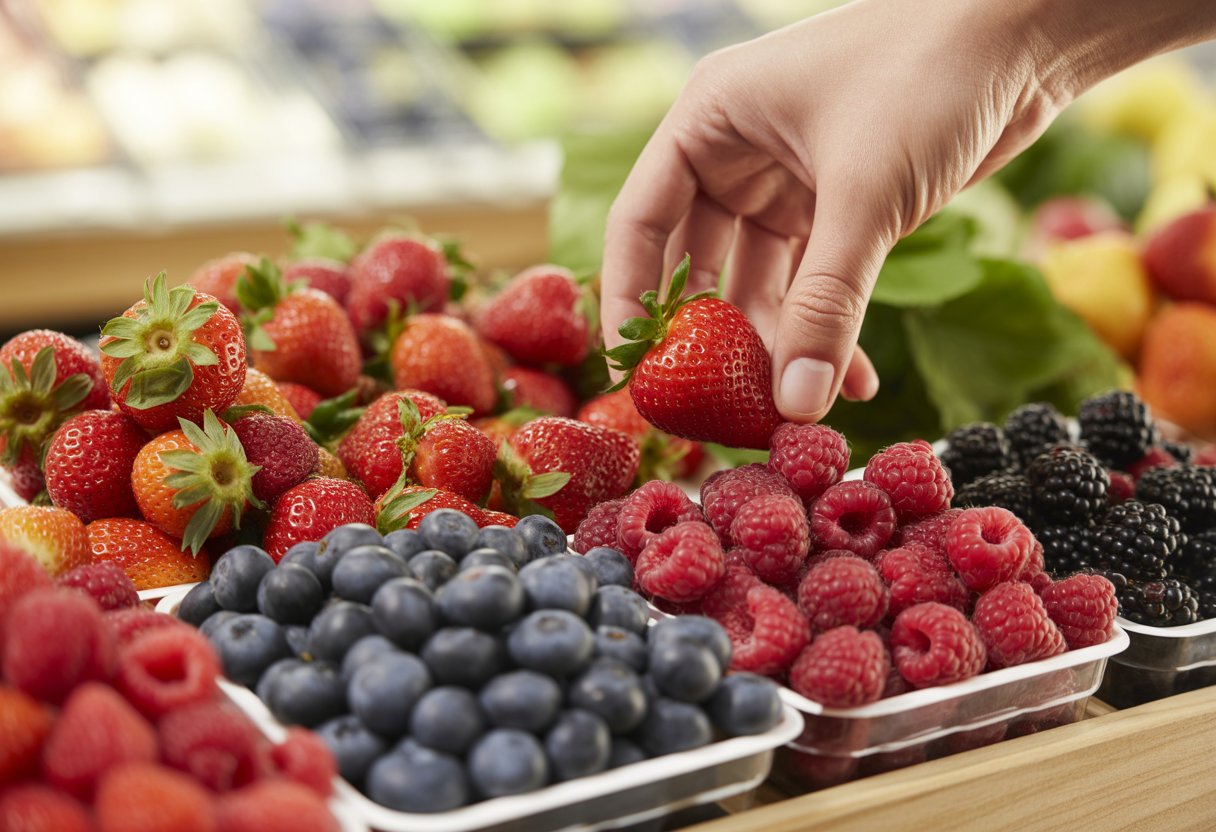
Different berries offer unique nutritional profiles, though all provide valuable antioxidants and fiber. The nutrient content varies by type, while the color and ripeness of berries directly impact their health benefits.
Comparing Common Edible Berries
Strawberries stand out as a top vitamin C source, with one cup providing 85 milligrams[2]—more than the daily requirement for most adults. This makes them excellent for immune support and collagen production.
Blueberries contain high levels of anthocyanins, antioxidant compounds that give them their deep blue color. These berries also provide vitamin A, vitamin C, calcium, magnesium, and potassium in significant amounts.
Raspberries deliver about 32 milligrams of vitamin C per cup, along with substantial fiber content. Their sweet-tart flavor makes them versatile for both sweet and savory dishes.
Blackberries pack similar nutrients to raspberries but tend to have a more tart taste. They’re particularly rich in fiber and antioxidants while containing the same bone-supporting minerals found in other berries.
Cranberries contain proanthocyanidins, unique antioxidants that help prevent urinary tract infections by blocking bacteria from attaching to cells. However, their extreme tartness means they’re often consumed with added sweeteners.
Nutrient Density Across Berry Types
Fiber content varies significantly among berry types. Goji berries rank highest for fiber density, followed closely by blackberries and raspberries. A single serving of these options can provide a substantial portion of daily fiber needs.
Antioxidant levels differ based on the specific compounds each berry contains. Acai berries offer polyphenols, flavonoids, and procyanidins, while blueberries and cranberries are rich in anthocyanins. The darker the berry, the higher its antioxidant concentration tends to be.
Mineral profiles remain fairly consistent across berry varieties. Most berries provide calcium, potassium, and magnesium—three minerals that function as electrolytes and support nerve function, muscle contractions, and bone health.
Vitamin content shows the most variation among berries. Strawberries lead in vitamin C, goji berries excel in vitamin A, and acai berries provide notable amounts of both vitamins A and C plus iron[2].
The Role of Color and Ripeness in Nutrition
Berry color indicates specific antioxidant types present in the fruit. Blue and purple berries contain anthocyanins, while red-orange varieties like goji berries are packed with carotenoids. Both compounds fight oxidative stress but work through different mechanisms in the body.
Peak ripeness marks the moment when berries contain their highest nutrient levels. After this point, natural spoilage begins reducing vitamin and antioxidant content over time.
Fresh berries picked at stores should appear plump, firm, and deeply colored without soft spots or mold. Dull or pale coloring suggests the berries were picked before reaching peak ripeness, resulting in lower nutritional value.
Frozen berries often maintain better nutrition than fresh options that have been sitting for days. The flash-freezing process captures berries at peak ripeness, preserving their full nutrient content for months of storage.
How to Pick the Best Berries at the Store
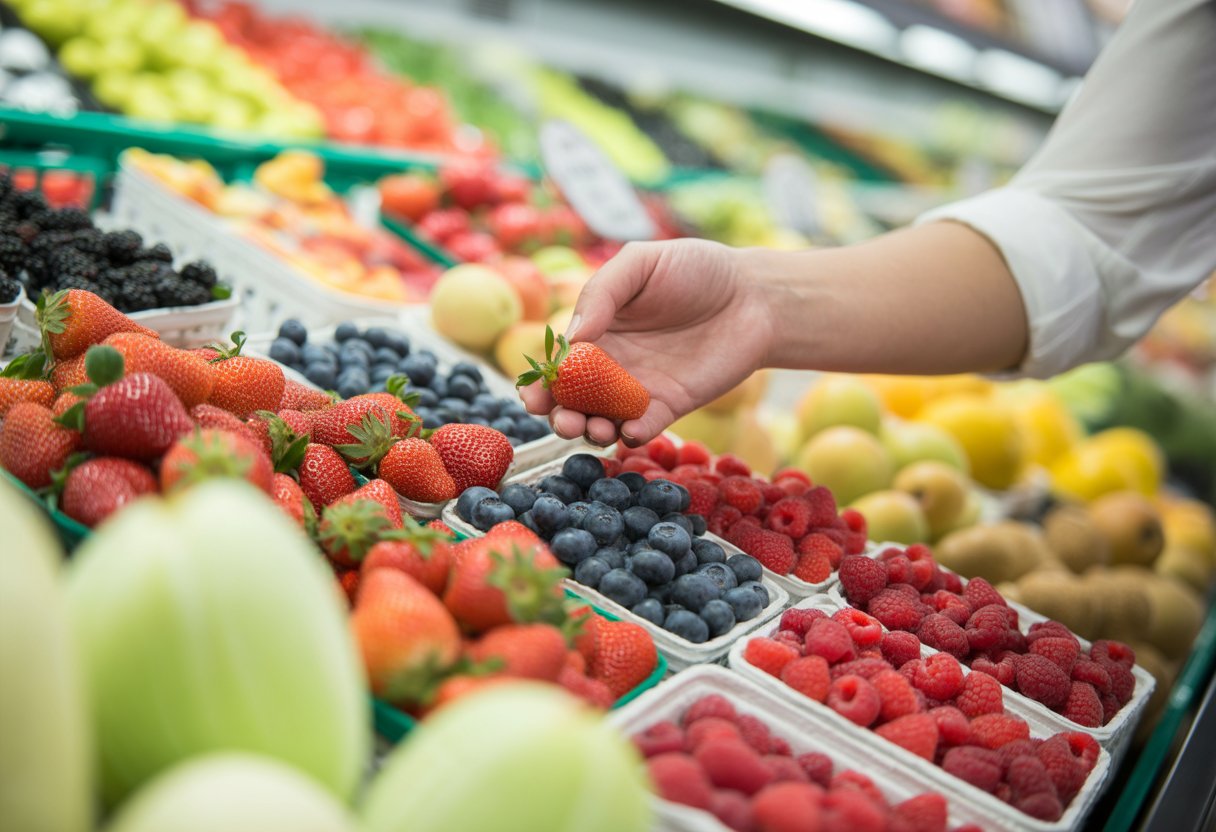
Fresh berries should feel firm, look vibrant, and smell sweet without any signs of moisture or mold. The best berries don’t stick to their container and move freely when shaken.
Visual Signs of Fresh and Ripe Berries
Color tells shoppers a lot about berry quality. Strawberries should show deep red color throughout with bright green caps still attached. Blueberries need a dusty white coating called bloom, which protects them and indicates freshness.
Blackberries and raspberries should appear plump with consistent color. Dull or faded berries have likely been sitting too long. Shoppers should avoid containers with stained bottoms, as this indicates crushed or moldy fruit underneath.
Key visual warning signs include:
- Mold or fuzzy patches on any berries
- Moisture or condensation inside the container
- Shriveled or wrinkled skin
- Green or white patches on strawberries
- Missing the dusty coating on blueberries
The container itself matters too. Clear plastic lets buyers inspect all sides of the fruit. A quick look at the bottom and sides reveals problems that the top layer might hide.
Touch and Smell: Critical Sensory Clues
Gently touching berries through the container helps assess firmness. Fresh berries feel solid and resist light pressure. Soft or mushy spots mean the fruit has started breaking down.
The best berries release a sweet, fruity smell even through the packaging. Shoppers should lean in close and take a sniff. No smell often means the berries were picked too early and won’t ripen further. A fermented or sour odor signals spoilage.
Containers should feel dry to the touch. Wet packaging means berries have released juice from damage or age. Temperature also matters – berries should feel cold from refrigeration, not room temperature.
Flipping and Shaking: Insider Grocery Store Tips
A simple test for berry freshness[3] involves flipping the container upside down. Berries that stick to the bottom will spoil faster than those that don’t. This happens because damaged or overly ripe fruit releases moisture that makes it cling.
The shake test works similarly. Gently shaking the container shows how freely the berries move. Fresh berries roll and shift easily. Stuck or clumped berries indicate moisture problems or crushing.
Shoppers should check multiple containers before choosing. Even berries from the same shipment can vary in quality. Looking at containers in the back of the display sometimes reveals fresher options than those in front.
Quick selection checklist:
- Flip container to check for sticking
- Shake gently to test movement
- Compare several containers
- Check the date if labeled
- Select from refrigerated sections only
Seasonal Considerations for Maximum Nutrition
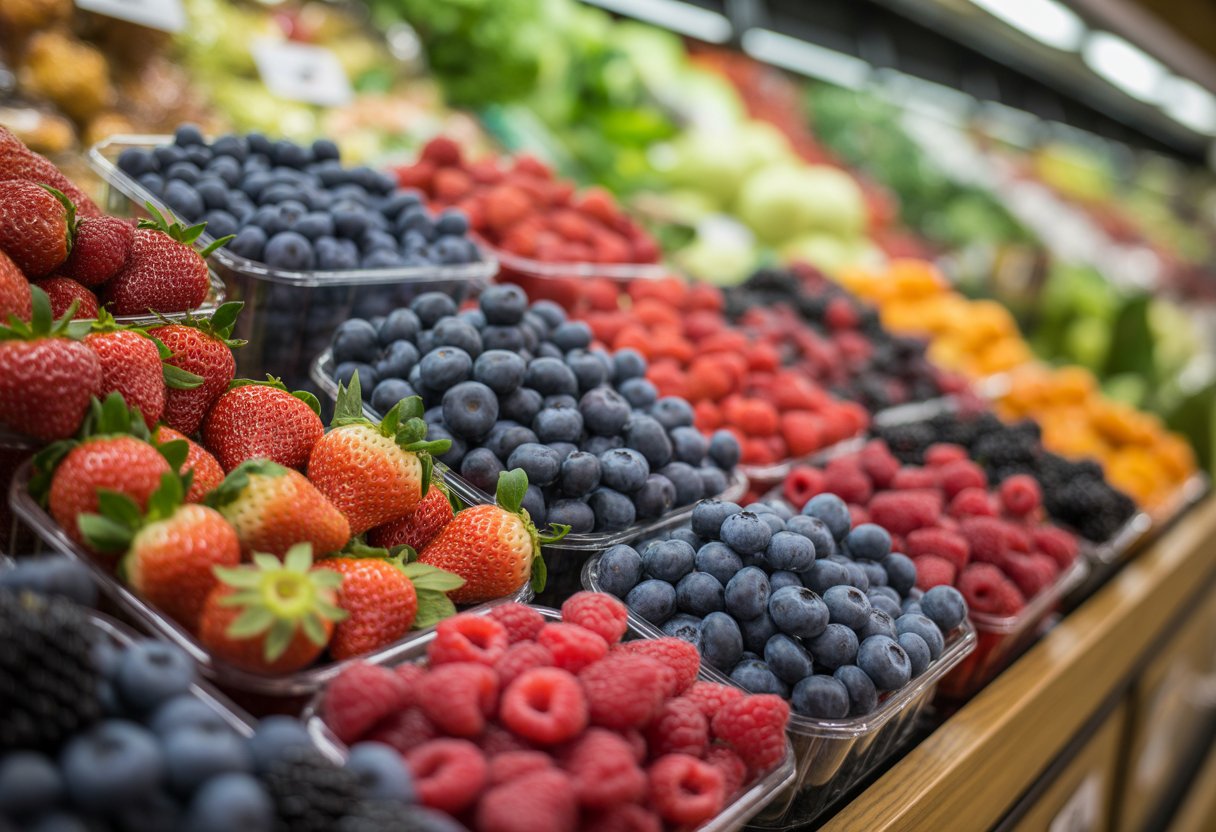
Berry season directly impacts the nutritional value and flavor of the fruit you buy. Berries picked at peak ripeness contain higher levels of beneficial compounds than those harvested early for long-distance shipping.
Peak Berry Seasons and Availability
Strawberries reach their peak from April through June in most regions. Blueberries follow from late May through August. Raspberries and blackberries typically peak in July and August.
Summer is peak berry season[4] when berries are most flavorful and nutritious. Fruits are most nutrient-dense at their peak ripeness, and berries don’t ripen much after picking. This means buying during peak season ensures the best berries.
Berry Availability by Season:
- Spring: Strawberries begin appearing
- Summer: All berry varieties at their best
- Fall: Late-season raspberries, cranberries
- Winter: Limited fresh options, mostly imported
Rich color indicates higher levels of health-promoting compounds. Shoppers should choose ripe, deep-hued berries when selecting fresh berries. While berries are available year-round in stores, the best taste and often lower prices occur during local growing seasons.
Local vs. Imported: When and Where to Buy
Local berries during peak season offer superior nutrition compared to imported options. Eating seasonally encourages dietary variety[5] and helps rotate different nutrients the body needs throughout the year.
Berries shipped long distances are typically picked before full ripeness to withstand transport. This early harvesting reduces their nutrient content and flavor. Local berries can be picked at optimal ripeness since they travel shorter distances to reach stores.
Imported berries serve an important role during off-season months. Frozen berries provide a nutritious alternative year-round, as freezing locks in nutrients at peak ripeness. Fresh, frozen, and dried berries all offer health benefits, making it possible to enjoy berries regardless of season.
Check labels to identify where berries come from. Farmers markets and local grocery stores often label berries by farm or region during growing season.
How to Spot Spoilage and Avoid Unhealthy Choices
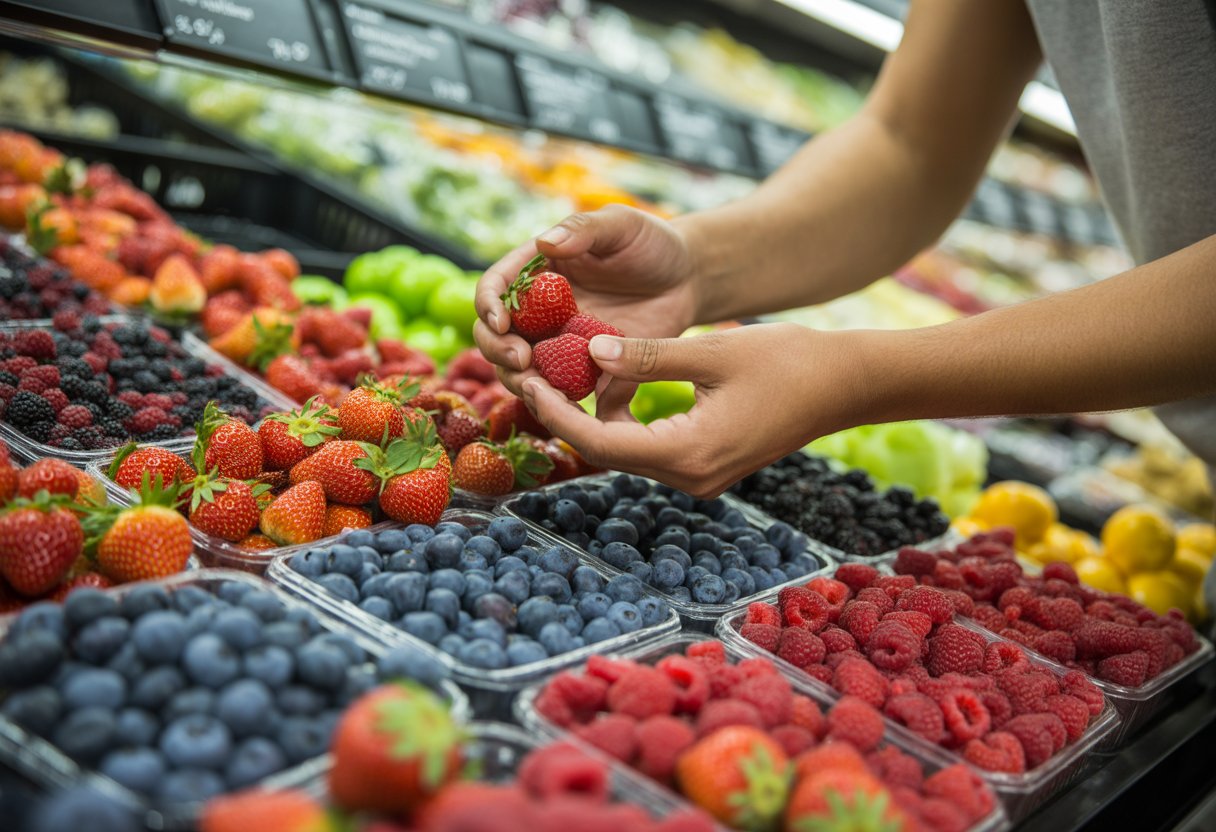
Fresh berries spoil quickly, so knowing what warning signs to look for can save money and prevent food waste. Certain berries won’t ripen after being picked, which means choosing ripe fruit at the store is critical.
Warning Signs: Mold, Moisture, and Discoloration
Shoppers should never buy berries with visible mold growth. A fungus called Botrytis cinerea causes gray mold on blueberries and other berries[6], especially when fruit sits in humid plastic containers. While this mold rarely harms healthy people, it can pose risks for those who are immunocompromised.
Moisture is another red flag. Berries leaking liquid or sitting in containers with condensation will spoil faster than dry fruit. The excess moisture promotes both spoilage and mold growth.
Fresh berries should feel firm and plump. Shriveled, soft, or mushy berries are past their prime and won’t taste good. These damaged berries also have a shorter shelf life once brought home.
Color matters when selecting the best berries. Fresh blueberries have a dusty, silvery coating called a bloom that protects against spoilage. Berries with off-smells, like a sour or vinegar-like odor, have begun to break down and should be avoided.
Berries That Rarely Ripen After Picking
Blueberries, strawberries, and raspberries stop ripening once picked. This means shoppers must select fully ripe fruit at the store.
Blueberries should be uniformly blue in color. Green berries aren’t ripe yet, while very dark, soft ones may be overripe. Strawberries need to be completely red with no white or green patches near the stem.
Shoppers can check berry freshness by gently shaking the container. This simple movement reveals hidden moisture, mold, or shriveled fruit underneath. Looking at the bottom of the package also exposes any crushed or spoiling berries that might be hidden from view.
The timing of berry purchases and where shoppers buy them directly affects the quality they bring home. Fresh berries arrive at different locations on varying schedules, and understanding these patterns helps buyers get the best product.
Shopping Frequency and Delivery Schedules
Most grocery stores receive produce deliveries two to three times per week, typically in the early morning hours. Shoppers who visit stores on delivery days get first access to the freshest berries available.
The best berries often arrive on Tuesday, Thursday, and Saturday mornings at major supermarkets. Store employees usually stock shelves between 6 AM and 10 AM, making mid-morning an ideal shopping window.
Weekend shoppers face picked-over selections since many people buy berries Friday through Sunday. Berry containers sitting on shelves for several days show signs of moisture, mold, or bruising.
Calling the produce department helps shoppers learn their store’s specific delivery schedule. This simple step allows buyers to plan trips around fresh arrivals rather than settling for older inventory.
Navigating Farmers Markets vs. Grocery Stores
Farmers markets offer berries picked within 24 to 48 hours of sale, while grocery store berries may be several days old due to transportation and distribution. This freshness advantage makes farmers markets worth considering for the best berry-filled recipes[7].
Direct farm vendors let customers ask questions about picking dates, growing methods, and variety types. Many also offer samples so buyers can taste before purchasing.
Grocery stores provide convenience and consistent year-round availability, though fresh berries taste better during peak season. The tradeoff involves accessibility versus optimal flavor and nutrition.
- Farmers markets: $4-7 per pint (peak season)
- Grocery stores: $3-5 per pint (year-round)
- Pick-your-own farms: $2-4 per pint (seasonal)
Buyers who pick their own berries[8] get the freshest possible product while saving money.
Proper Handling: Extending Freshness After Purchase
Fresh berries can lose quality quickly without proper care. The right storage methods and temperature control keep berries fresh for several days longer than poor handling practices.
Best Practices for Transport and Storage
Shoppers should inspect berry containers before leaving the store to check for damage or leaks. Any crushed or moldy berries need removal immediately since they can spoil the entire batch.
Fresh berries benefit from gentle handling during transport. Placing them on top of other groceries prevents crushing. Keeping berries cool matters, so putting them in an insulated bag helps during warm weather.
At home, people should avoid washing berries until just before eating them. Moisture speeds up mold growth and decay. Removing any damaged or soft berries right away protects the rest.
The original container often works well for storage if it has ventilation holes. If switching containers, a shallow dish lined with paper towels absorbs excess moisture. Covering berries loosely with plastic wrap or a lid allows some air circulation while preventing them from drying out.
Refrigeration and Airflow Tips
Fresh berries need cold temperatures between 32°F and 40°F to stay fresh. The refrigerator’s main shelf works better than the crisper drawer, which can trap too much moisture.
Proper berry storage requires good airflow[9] around the fruit. Containers with ventilation holes prevent condensation buildup that leads to mold. Stacking other items on top of berry containers blocks air movement and creates pressure that damages delicate fruit.
Paper towels placed under and over berries absorb moisture without blocking airflow completely. Changing damp paper towels every day or two keeps the environment dry. Space between berries allows air to reach all surfaces, which slows bacterial growth and extends freshness by several days.
How to Wash Berries for Safety and Quality
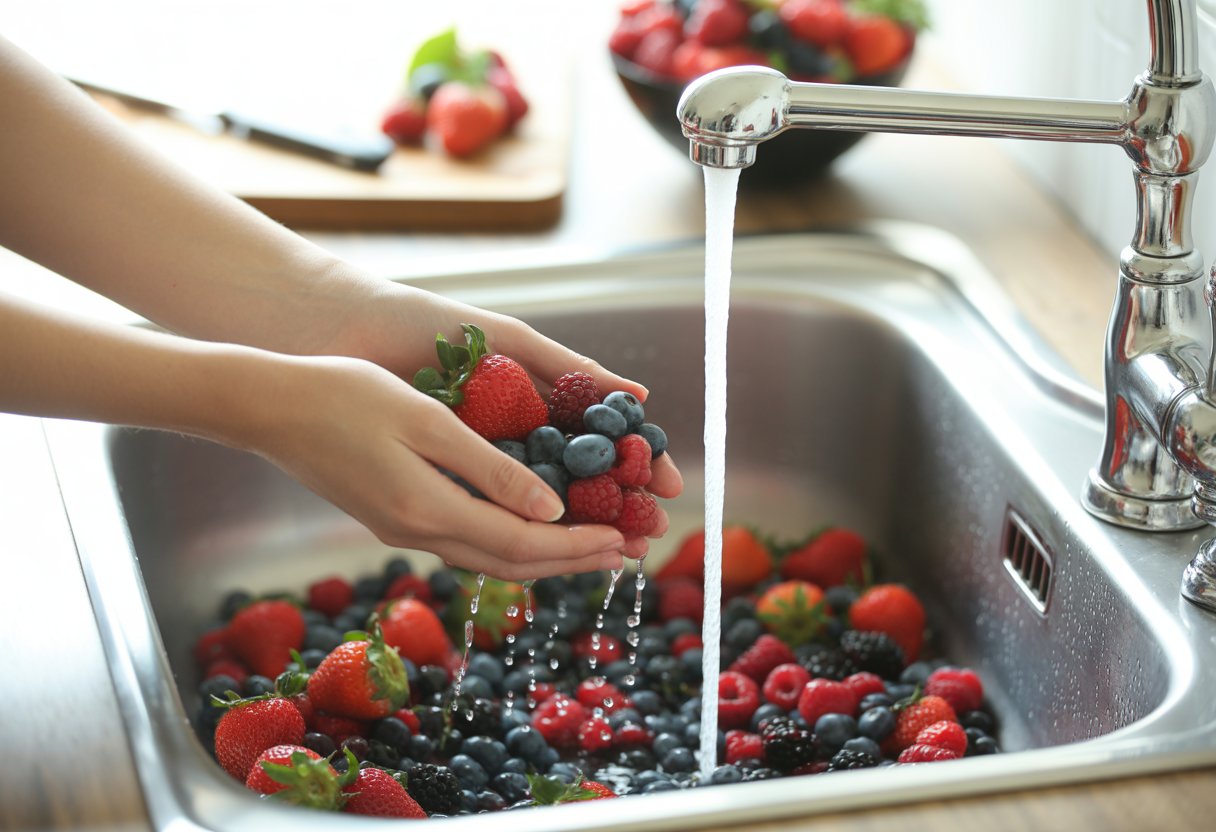
Washing fresh berries removes dirt, bacteria, and pesticide residues while requiring careful handling to avoid damage. The timing and method of washing can affect how long berries stay fresh after purchase.
Gentle Washing Techniques
Berries need delicate handling during washing to prevent bruising and damage. A gentle spray works better than placing berries under the full force of a kitchen faucet. For maximum protection, one can place berries in a colander, fill a large bowl with water, and dip the colander while swishing the berries gently by hand.
Two main approaches exist for timing the wash. Many experts recommend waiting to wash berries[10] until right before eating or preparing them. This prevents adding extra moisture that speeds up spoilage. The alternative method involves washing berries soon after purchase, then drying them thoroughly before storage.
Some food scientists suggest using hot tap water instead of cold when washing berries. The hot water kills mold spores on the berry surface. This method requires submerging berries in hot tap water for about 30 seconds before drying them completely.
The Case for Vinegar or Water Only
Some people add vinegar to water when washing berries to fight mold growth. The typical ratio uses 3 parts water to 1 part vinegar. Berries soak in this mixture briefly before rinsing.
However, testing shows mixed results. While vinegar does not harm berries, it may not extend their lifespan beyond what proper drying achieves. The main risk involves berries tasting like vinegar if they are not rinsed well after the vinegar bath.
Baking soda represents another popular cleaning option. Some claim it removes more pesticides than water alone. Critics note it may be abrasive and unnecessary for delicate berry skins. Plain water removes most surface contaminants when combined with proper washing technique.
Drying Methods to Prevent Mold
Moisture promotes mold growth on berries. Complete drying becomes essential before storage, especially if berries are washed before eating. A salad spinner lined with paper towels removes water efficiently without bruising the fruit.
Pat berries dry with clean paper towels or cloth towels as an alternative. Spread them in a single layer on a clean kitchen towel to air dry for several minutes. Check that no water droplets remain on the berry surface before transferring them to storage containers.
Berries must be completely dry before going into the refrigerator. Even small amounts of moisture create conditions for mold and bacterial growth. This step matters most for soft varieties like raspberries and strawberries that spoil quickly.
Preserving Berries: Freezing and Storing for Longevity
Freezing berries locks in their vitamins, minerals, and antioxidants for up to 8 months. Proper preparation and storage methods prevent freezer burn and keep berries ready for smoothies, baking, and other recipes.
Preparing Berries for Freezing
Fresh berries need careful handling before freezing to maintain their quality. The first step involves rinsing berries under cold water[11] and gently patting them dry with a clean towel or paper towel.
Remove any stems, leaves, and discard spoiled or moldy berries. For strawberries, cut off the green tops and slice larger berries in half if desired.
Flash Freezing Method:
- Spread berries in a single layer on a baking sheet lined with parchment paper
- Place the sheet in the freezer for 2-3 hours
- Transfer frozen berries to freezer-safe containers
This technique prevents berries from clumping[12] together. Shoppers who plan to use all berries at once for smoothies can skip this step and freeze them directly in bags.
Berries can be frozen plain or coated in sugar. For sugar coating, sprinkle 1 cup of sugar per 2-3 pounds of berries and stir to coat evenly before freezing.
Optimal Storage Containers and Labeling
Freezer-safe bags and airtight containers work best for storing frozen berries. These containers prevent freezer burn and keep out moisture that damages berry quality.
Plastic freezer bags offer space-saving benefits. Remove as much air as possible before sealing to protect the berries.
Label each container with:
- Berry type
- Date frozen
- Quantity or weight
Berries maintain peak flavor and texture for 6 to 8 months when frozen. Dating containers helps track freshness and ensures berries get used within this window.
Store frozen berries at 0°F or below in the back of the freezer where temperature stays most consistent. Avoid placing containers in the freezer door where temperature fluctuates.
Delicious and Healthy Ways to Enjoy Fresh Berries
Fresh berries work well in simple snacks throughout the day and can easily become part of balanced meals. The best berries offer nutrition and flavor whether eaten plain or combined with other healthy ingredients.
Simple Snacks and Breakfast Ideas
Fresh berries make an easy snack straight from the container. They require no preparation and provide quick energy between meals.
For breakfast, berries pair well with plain Greek yogurt. A half cup of mixed berries adds natural sweetness without added sugar. Whole grain oatmeal becomes more filling with a handful of blueberries or sliced strawberries on top.
Smoothies offer another quick option. Blend fresh berries with unsweetened almond milk, a banana, and a handful of spinach. This creates a nutrient-dense drink in minutes.
Quick Berry Breakfast Options:
- Yogurt parfait – Layer berries with plain yogurt and a sprinkle of granola
- Whole grain toast – Top with almond butter and fresh raspberries
- Overnight oats – Mix oats with milk and berries, refrigerate overnight
- Berry bowl – Combine different berries with cottage cheese and chopped nuts
Incorporating Berries into Balanced Meals
Berries add flavor and nutrition to salads. Strawberries complement spinach salads with grilled chicken, while blueberries work well with mixed greens and feta cheese.
The best berries can enhance main dishes too. Blackberries add a tart contrast to grilled pork or salmon. A berry salsa made with diced strawberries, jalapeño, cilantro, and lime juice pairs with fish tacos or chicken.
For side dishes, roasted vegetables become more interesting with fresh berries. Toss roasted Brussels sprouts with halved blackberries and balsamic vinegar. Mix quinoa with raspberries, cucumber, and mint for a light grain salad.
Berries also work in savory sauces. Simmer fresh blueberries with a touch of balsamic vinegar to create a sauce for lean meats.
Expert Tips: Getting the Most Out of Every Berry Purchase
Even the best berries don’t stay fresh forever, but shoppers can prevent waste by using smart strategies. Restaurants and home cooks alike turn softening berries into flavorful ingredients that extend their usefulness beyond the produce drawer.
What to Do With Berries Approaching Overripeness
Fresh berries that start to soften still have plenty of culinary value. Cooks can buzz them into a puree using a food processor[13] and create sauces or freeze the mixture for later use.
Slightly soft berries work well in cooked applications. They make excellent additions to smoothies, where texture matters less than flavor. Bakers often prefer softer berries for muffins, pancakes, and coffee cakes since the fruit breaks down during cooking anyway.
Quick Uses for Softening Berries:
- Blend into morning smoothies or protein shakes
- Fold into yogurt or oatmeal
- Cook down into jam or compote
- Bake into breads and desserts
The key is acting quickly once berries show signs of softening. Using them within 24 hours preserves the most flavor and prevents complete spoilage.
Minimizing Food Waste With Creative Uses
Berry purees offer the most versatile solution for preventing waste. Cooks can whisk pureed fresh berries into vinaigrettes for salads or cook them into thick syrups for ice cream toppings.
Freezing extends berry life by up to three months. Shoppers should wash and dry the berries completely, then spread them on a baking sheet in a single layer. Once frozen solid, they transfer to airtight containers or freezer bags.
Innovative Berry Preservation Methods:
- Granitas: Freeze puree with sugar for a light dessert
- Berry vinegars: Infuse white vinegar for dressings
- Cocktail mixers: Freeze puree in ice cube trays
- Berry butter: Blend with softened butter for toast
Smaller purchases reduce waste naturally. Buying what gets consumed within two to three days means berries stay at peak quality.
Frequently Asked Questions
Shoppers often have questions about identifying fresh berries, understanding nutritional differences between varieties, and knowing when frozen options make sense. Health considerations also play a role in berry selection for some individuals.
What signs indicate berries are fresh and ripe when shopping?
Fresh berries display vibrant, uniform color throughout the fruit. Blueberries should have a deep blue hue with a silvery coating, while blackberries need to be jet black without red or purple patches.
The berries should feel firm but not hard when gently touched. Soft spots or mushy areas indicate the fruit is past its peak freshness.
A sweet, fruity smell suggests ripeness and good flavor. Berries without any scent or those with a fermented odor should be avoided.
The container should be free from moisture stains or juice at the bottom. These signs point to damaged or decaying fruit inside the package.
How can you quickly spot mold, bruising, or spoilage in packaged berries?
White fuzzy growth on any berry indicates mold has started to develop. A single moldy berry can quickly spread spores to the rest of the container.
Dark soft spots or wrinkled skin show bruising and deterioration. These berries will have poor texture and bland flavor.
Juice or liquid pooling at the bottom of the container means berries have been crushed or are breaking down. This moisture speeds up spoilage for all the fruit in the package.
Shoppers should examine the entire container by tilting it and looking at the bottom layer. Checking packaging carefully[14] helps identify problems before purchase.
Which berry varieties are considered the most nutrient-dense overall?
Blueberries contain high levels of antioxidants called anthocyanins that support brain and heart health. They also provide vitamin K and manganese.
Blackberries offer the most fiber among common berries, with about 8 grams per cup. They’re also rich in vitamin C and vitamin K.
Strawberries deliver more vitamin C than most other berries, with one cup providing over 100% of the daily requirement. They contain folate and potassium as well.
Raspberries combine high fiber content with antioxidants and vitamin C. Different berries offer unique health benefits[15], so eating a variety provides the best nutritional coverage.
Are frozen berries as nutritious as fresh berries, and when should you choose them?
Frozen berries retain most of their nutrients because they’re frozen at peak ripeness. The freezing process happens quickly after harvest, locking in vitamins and antioxidants.
Fresh berries can lose nutrients during transport and storage if they sit for several days. Frozen options often contain more nutrients than fresh berries that have been sitting on shelves.
Shoppers should choose frozen berries when fresh options look bruised or past their prime. They work well for smoothies, baking, and cooking where texture matters less.
Fresh berries make the better choice for eating raw or adding to dishes where appearance and texture are important. They cost less when in season locally.
What should you look for when selecting blueberries to ensure the best quality?
Quality blueberries have a deep blue color[16] with a dusty white coating called bloom. This natural coating protects the fruit and indicates freshness.
The berries should be plump and uniform in size without shriveling or wrinkling. Smooth, tight skin shows proper ripeness and storage.
Containers should contain mostly individual berries rather than clusters stuck together. Clumping suggests moisture damage or early decay.
Are berries a good choice for people with GERD, and which types are typically better tolerated?
Most berries have lower acidity compared to citrus fruits, making them gentler on the digestive system. They can be suitable for many people managing GERD symptoms.
Blueberries and blackberries tend to be less acidic than strawberries and raspberries. These darker berries may cause fewer symptoms for acid-sensitive individuals.
Strawberries and raspberries contain more natural acids that might trigger reflux in some people. Testing tolerance with small portions helps identify which varieties work best.
Individual responses vary significantly, so people with GERD should track their symptoms after eating different berry types. Eating berries with other foods rather than alone may also reduce acid-related discomfort.
Post Views: 3
References
- Your Guide to Picking the Best Berries. https://berrybuzz.calgiant.com/berry-care-and-handling-101 Accessed June 16, 2026
- Blueberries offer vitamin A and vitamin C. https://www.realsimple.com/what-is-the-healthiest-berry-8613268 Accessed June 16, 2026
- Access to this page has been denied.. https://www.thekitchn.com/how-to-find-the-best-berries-in-store-23518864 Accessed June 16, 2026
- Making the Most of Berry Season. https://www.nutritionletter.tufts.edu/healthy-eating/making-the-most-of-berry-season/ Accessed June 16, 2026
- Eating with the Seasons: Why It Matters for Your Health. https://uncnri.org/2025/06/06/eating-with-the-seasons-why-it-matters-for-your-health/ Accessed June 16, 2026
- gray mold on blueberries and other berries. https://www.health.com/fresh-blueberries-warning-sign-11962045 Accessed June 16, 2026
- the best berry-filled recipes. https://www.bhg.com/recipes/how-to/cooking-basics/how-to-choose-berries/ Accessed June 16, 2026
- How To Pick Out Ripe Berries At The Store Every Time. https://www.thetakeout.com/1855731/how-to-pick-ripe-berries-store/ Accessed June 16, 2026
- Proper berry storage requires good airflow. https://www.southernliving.com/how-to-store-berries-11964933 Accessed June 16, 2026
- How to wash and store berries. https://www.pccmarkets.com/sound-consumer/2025-05/how-to-wash-and-store-berries/ Accessed June 16, 2026
- Berry Good: A Guide to Freezing Berries for Year-Round Enjoyment. https://extension.umd.edu/resource/berry-good-guide-freezing-berries-year-round-enjoyment Accessed June 16, 2026
- technique prevents berries from clumping. https://www.simplyrecipes.com/how-to-freeze-berries-berry-farmer-11910360 Accessed June 16, 2026
- How to Buy, Wash, Store, and Freeze Fresh Berries. https://www.americastestkitchen.com/articles/5617-how-to-buy-wash-store-and-freeze-fresh-berries Accessed June 16, 2026
- Tips for Selecting the Freshest Berries at the Market – Reality Pathing. https://realitypathing.com/tips-for-selecting-the-freshest-berries-at-the-market/ Accessed June 16, 2026
- Different berries offer unique health benefits. https://www.delish.com/food/a65265657/which-berry-is-healthiest/ Accessed June 16, 2026
- Access to this page has been denied.. https://www.thekitchn.com/how-to-shop-for-produce-farmers-grocery-managers-23537902 Accessed June 16, 2026

Elevate Your Health for Just $29.99/Month
Join the Precision Wellness Subscription at My Healing 365 and get discounted services, priority coaching access, virtual care, and exclusive wellness resources to support your physical, emotional, and hormonal health.
Join for $29.99/MonthMedically Reviewed
Dr. Jose Rossello, MD, PhD, MHCM
Preventive Medicine & Public Health Specialist
Last Reviewed: June 16, 2026
Picking the healthiest berries at the store doesn’t have to be difficult. The freshest berries should have vibrant, deep colors, firm texture, and no signs of moisture, bruising, or mold. Understanding what to look for when selecting berries[1] helps shoppers bring home the most nutritious fruit possible.
Berries offer powerful health benefits, including antioxidants, vitamins, and fiber. However, not all berries at the store are equal in quality or freshness. Small differences in color, firmness, and packaging can indicate whether berries are at their peak or past their prime.
Learning to identify the best berries saves money and ensures maximum nutrition. This guide covers everything from selecting ripe berries to proper storage and handling techniques that keep them fresh longer.
Key Takeaways
- Choose berries with deep, even colors and firm texture while checking for bruising and moisture
- Store berries unwashed in their original containers in the refrigerator until ready to eat
- Wash berries under cool water right before eating to maintain freshness and quality
Understanding Berry Health Benefits
Berries deliver concentrated amounts of vitamins, antioxidants, and fiber that support multiple body systems. The nutritional value of berries changes based on how fresh they are and how they’re stored.
Nutritional Powerhouses: Vitamins and Antioxidants
Berries contain impressive amounts of vitamin C, with strawberries providing 85 milligrams per cup—more than the daily requirement for most adults. Blueberries offer vitamin A and vitamin C[2] along with minerals like calcium, magnesium, and potassium.
The deep colors in berries come from antioxidant compounds called anthocyanins. These plant pigments give blue, purple, and red berries their vivid hues while fighting free radical damage in the body.
Different berries provide different nutritional strengths. Raspberries deliver 32 milligrams of vitamin C per cup, which equals about half the daily requirement. Acaí berries stand out for their vitamin A, vitamin C, and iron content. Goji berries pack high amounts of fiber and carotenoids, while cranberries contain unique proanthocyanidins that help prevent urinary tract infections.
The best berries for antioxidant content include blueberries, blackberries, and acaí. Each berry type contributes specific vitamins and minerals that support immune function, bone health, and cellular protection.
Why Freshness Matters for Health
Fresh berries reach peak nutritional content when picked at full ripeness. Over time, berries naturally lose some nutrients as they spoil.
Frozen berries often match or exceed the nutritional value of fresh berries[2] because they’re flash-frozen immediately after harvest. This process locks in vitamins and antioxidants at their highest levels. The frozen versions also provide year-round access to berries when certain types aren’t in season.
Both fresh and frozen options work well for daily consumption. A standard serving equals one cup or 100 to 150 grams, which translates to about eight medium strawberries or one small packet of frozen berries.
Berry Consumption and Disease Prevention
Antioxidants in berries reduce oxidative stress, which helps lower the risk of chronic diseases. The anthocyanins found in blueberries, blackberries, and raspberries work specifically to protect cells from damage.
Cranberries contain proanthocyanidins that prevent E. coli bacteria from attaching to urinary tract cells. This makes them particularly effective for reducing urinary tract infection risk.
Mulberries provide unsaturated fatty acids that help manage blood cholesterol levels. These “good” fats may lower heart disease risk when consumed regularly.
Eating berries daily is safe and beneficial. People can consume them multiple times per day without health concerns. The fiber in berries promotes digestive health and increases feelings of fullness, while vitamin C supports immune system cells in finding and destroying harmful germs.
Identifying the Healthiest Berry Varieties
Different berries offer unique nutritional profiles, though all provide valuable antioxidants and fiber. The nutrient content varies by type, while the color and ripeness of berries directly impact their health benefits.
Comparing Common Edible Berries
Strawberries stand out as a top vitamin C source, with one cup providing 85 milligrams[2]—more than the daily requirement for most adults. This makes them excellent for immune support and collagen production.
Blueberries contain high levels of anthocyanins, antioxidant compounds that give them their deep blue color. These berries also provide vitamin A, vitamin C, calcium, magnesium, and potassium in significant amounts.
Raspberries deliver about 32 milligrams of vitamin C per cup, along with substantial fiber content. Their sweet-tart flavor makes them versatile for both sweet and savory dishes.
Blackberries pack similar nutrients to raspberries but tend to have a more tart taste. They’re particularly rich in fiber and antioxidants while containing the same bone-supporting minerals found in other berries.
Cranberries contain proanthocyanidins, unique antioxidants that help prevent urinary tract infections by blocking bacteria from attaching to cells. However, their extreme tartness means they’re often consumed with added sweeteners.
Nutrient Density Across Berry Types
Fiber content varies significantly among berry types. Goji berries rank highest for fiber density, followed closely by blackberries and raspberries. A single serving of these options can provide a substantial portion of daily fiber needs.
Antioxidant levels differ based on the specific compounds each berry contains. Acai berries offer polyphenols, flavonoids, and procyanidins, while blueberries and cranberries are rich in anthocyanins. The darker the berry, the higher its antioxidant concentration tends to be.
Mineral profiles remain fairly consistent across berry varieties. Most berries provide calcium, potassium, and magnesium—three minerals that function as electrolytes and support nerve function, muscle contractions, and bone health.
Vitamin content shows the most variation among berries. Strawberries lead in vitamin C, goji berries excel in vitamin A, and acai berries provide notable amounts of both vitamins A and C plus iron[2].
The Role of Color and Ripeness in Nutrition
Berry color indicates specific antioxidant types present in the fruit. Blue and purple berries contain anthocyanins, while red-orange varieties like goji berries are packed with carotenoids. Both compounds fight oxidative stress but work through different mechanisms in the body.
Peak ripeness marks the moment when berries contain their highest nutrient levels. After this point, natural spoilage begins reducing vitamin and antioxidant content over time.
Fresh berries picked at stores should appear plump, firm, and deeply colored without soft spots or mold. Dull or pale coloring suggests the berries were picked before reaching peak ripeness, resulting in lower nutritional value.
Frozen berries often maintain better nutrition than fresh options that have been sitting for days. The flash-freezing process captures berries at peak ripeness, preserving their full nutrient content for months of storage.
How to Pick the Best Berries at the Store
Fresh berries should feel firm, look vibrant, and smell sweet without any signs of moisture or mold. The best berries don’t stick to their container and move freely when shaken.
Visual Signs of Fresh and Ripe Berries
Color tells shoppers a lot about berry quality. Strawberries should show deep red color throughout with bright green caps still attached. Blueberries need a dusty white coating called bloom, which protects them and indicates freshness.
Blackberries and raspberries should appear plump with consistent color. Dull or faded berries have likely been sitting too long. Shoppers should avoid containers with stained bottoms, as this indicates crushed or moldy fruit underneath.
Key visual warning signs include:
- Mold or fuzzy patches on any berries
- Moisture or condensation inside the container
- Shriveled or wrinkled skin
- Green or white patches on strawberries
- Missing the dusty coating on blueberries
The container itself matters too. Clear plastic lets buyers inspect all sides of the fruit. A quick look at the bottom and sides reveals problems that the top layer might hide.
Touch and Smell: Critical Sensory Clues
Gently touching berries through the container helps assess firmness. Fresh berries feel solid and resist light pressure. Soft or mushy spots mean the fruit has started breaking down.
The best berries release a sweet, fruity smell even through the packaging. Shoppers should lean in close and take a sniff. No smell often means the berries were picked too early and won’t ripen further. A fermented or sour odor signals spoilage.
Containers should feel dry to the touch. Wet packaging means berries have released juice from damage or age. Temperature also matters – berries should feel cold from refrigeration, not room temperature.
Flipping and Shaking: Insider Grocery Store Tips
A simple test for berry freshness[3] involves flipping the container upside down. Berries that stick to the bottom will spoil faster than those that don’t. This happens because damaged or overly ripe fruit releases moisture that makes it cling.
The shake test works similarly. Gently shaking the container shows how freely the berries move. Fresh berries roll and shift easily. Stuck or clumped berries indicate moisture problems or crushing.
Shoppers should check multiple containers before choosing. Even berries from the same shipment can vary in quality. Looking at containers in the back of the display sometimes reveals fresher options than those in front.
Quick selection checklist:
- Flip container to check for sticking
- Shake gently to test movement
- Compare several containers
- Check the date if labeled
- Select from refrigerated sections only
Seasonal Considerations for Maximum Nutrition
Berry season directly impacts the nutritional value and flavor of the fruit you buy. Berries picked at peak ripeness contain higher levels of beneficial compounds than those harvested early for long-distance shipping.
Peak Berry Seasons and Availability
Strawberries reach their peak from April through June in most regions. Blueberries follow from late May through August. Raspberries and blackberries typically peak in July and August.
Summer is peak berry season[4] when berries are most flavorful and nutritious. Fruits are most nutrient-dense at their peak ripeness, and berries don’t ripen much after picking. This means buying during peak season ensures the best berries.
Berry Availability by Season:
- Spring: Strawberries begin appearing
- Summer: All berry varieties at their best
- Fall: Late-season raspberries, cranberries
- Winter: Limited fresh options, mostly imported
Rich color indicates higher levels of health-promoting compounds. Shoppers should choose ripe, deep-hued berries when selecting fresh berries. While berries are available year-round in stores, the best taste and often lower prices occur during local growing seasons.
Local vs. Imported: When and Where to Buy
Local berries during peak season offer superior nutrition compared to imported options. Eating seasonally encourages dietary variety[5] and helps rotate different nutrients the body needs throughout the year.
Berries shipped long distances are typically picked before full ripeness to withstand transport. This early harvesting reduces their nutrient content and flavor. Local berries can be picked at optimal ripeness since they travel shorter distances to reach stores.
Imported berries serve an important role during off-season months. Frozen berries provide a nutritious alternative year-round, as freezing locks in nutrients at peak ripeness. Fresh, frozen, and dried berries all offer health benefits, making it possible to enjoy berries regardless of season.
Check labels to identify where berries come from. Farmers markets and local grocery stores often label berries by farm or region during growing season.
How to Spot Spoilage and Avoid Unhealthy Choices
Fresh berries spoil quickly, so knowing what warning signs to look for can save money and prevent food waste. Certain berries won’t ripen after being picked, which means choosing ripe fruit at the store is critical.
Warning Signs: Mold, Moisture, and Discoloration
Shoppers should never buy berries with visible mold growth. A fungus called Botrytis cinerea causes gray mold on blueberries and other berries[6], especially when fruit sits in humid plastic containers. While this mold rarely harms healthy people, it can pose risks for those who are immunocompromised.
Moisture is another red flag. Berries leaking liquid or sitting in containers with condensation will spoil faster than dry fruit. The excess moisture promotes both spoilage and mold growth.
Fresh berries should feel firm and plump. Shriveled, soft, or mushy berries are past their prime and won’t taste good. These damaged berries also have a shorter shelf life once brought home.
Color matters when selecting the best berries. Fresh blueberries have a dusty, silvery coating called a bloom that protects against spoilage. Berries with off-smells, like a sour or vinegar-like odor, have begun to break down and should be avoided.
Berries That Rarely Ripen After Picking
Blueberries, strawberries, and raspberries stop ripening once picked. This means shoppers must select fully ripe fruit at the store.
Blueberries should be uniformly blue in color. Green berries aren’t ripe yet, while very dark, soft ones may be overripe. Strawberries need to be completely red with no white or green patches near the stem.
Shoppers can check berry freshness by gently shaking the container. This simple movement reveals hidden moisture, mold, or shriveled fruit underneath. Looking at the bottom of the package also exposes any crushed or spoiling berries that might be hidden from view.
The timing of berry purchases and where shoppers buy them directly affects the quality they bring home. Fresh berries arrive at different locations on varying schedules, and understanding these patterns helps buyers get the best product.
Shopping Frequency and Delivery Schedules
Most grocery stores receive produce deliveries two to three times per week, typically in the early morning hours. Shoppers who visit stores on delivery days get first access to the freshest berries available.
The best berries often arrive on Tuesday, Thursday, and Saturday mornings at major supermarkets. Store employees usually stock shelves between 6 AM and 10 AM, making mid-morning an ideal shopping window.
Weekend shoppers face picked-over selections since many people buy berries Friday through Sunday. Berry containers sitting on shelves for several days show signs of moisture, mold, or bruising.
Calling the produce department helps shoppers learn their store’s specific delivery schedule. This simple step allows buyers to plan trips around fresh arrivals rather than settling for older inventory.
Navigating Farmers Markets vs. Grocery Stores
Farmers markets offer berries picked within 24 to 48 hours of sale, while grocery store berries may be several days old due to transportation and distribution. This freshness advantage makes farmers markets worth considering for the best berry-filled recipes[7].
Direct farm vendors let customers ask questions about picking dates, growing methods, and variety types. Many also offer samples so buyers can taste before purchasing.
Grocery stores provide convenience and consistent year-round availability, though fresh berries taste better during peak season. The tradeoff involves accessibility versus optimal flavor and nutrition.
- Farmers markets: $4-7 per pint (peak season)
- Grocery stores: $3-5 per pint (year-round)
- Pick-your-own farms: $2-4 per pint (seasonal)
Buyers who pick their own berries[8] get the freshest possible product while saving money.
Proper Handling: Extending Freshness After Purchase
Fresh berries can lose quality quickly without proper care. The right storage methods and temperature control keep berries fresh for several days longer than poor handling practices.
Best Practices for Transport and Storage
Shoppers should inspect berry containers before leaving the store to check for damage or leaks. Any crushed or moldy berries need removal immediately since they can spoil the entire batch.
Fresh berries benefit from gentle handling during transport. Placing them on top of other groceries prevents crushing. Keeping berries cool matters, so putting them in an insulated bag helps during warm weather.
At home, people should avoid washing berries until just before eating them. Moisture speeds up mold growth and decay. Removing any damaged or soft berries right away protects the rest.
The original container often works well for storage if it has ventilation holes. If switching containers, a shallow dish lined with paper towels absorbs excess moisture. Covering berries loosely with plastic wrap or a lid allows some air circulation while preventing them from drying out.
Refrigeration and Airflow Tips
Fresh berries need cold temperatures between 32°F and 40°F to stay fresh. The refrigerator’s main shelf works better than the crisper drawer, which can trap too much moisture.
Proper berry storage requires good airflow[9] around the fruit. Containers with ventilation holes prevent condensation buildup that leads to mold. Stacking other items on top of berry containers blocks air movement and creates pressure that damages delicate fruit.
Paper towels placed under and over berries absorb moisture without blocking airflow completely. Changing damp paper towels every day or two keeps the environment dry. Space between berries allows air to reach all surfaces, which slows bacterial growth and extends freshness by several days.
How to Wash Berries for Safety and Quality
Washing fresh berries removes dirt, bacteria, and pesticide residues while requiring careful handling to avoid damage. The timing and method of washing can affect how long berries stay fresh after purchase.
Gentle Washing Techniques
Berries need delicate handling during washing to prevent bruising and damage. A gentle spray works better than placing berries under the full force of a kitchen faucet. For maximum protection, one can place berries in a colander, fill a large bowl with water, and dip the colander while swishing the berries gently by hand.
Two main approaches exist for timing the wash. Many experts recommend waiting to wash berries[10] until right before eating or preparing them. This prevents adding extra moisture that speeds up spoilage. The alternative method involves washing berries soon after purchase, then drying them thoroughly before storage.
Some food scientists suggest using hot tap water instead of cold when washing berries. The hot water kills mold spores on the berry surface. This method requires submerging berries in hot tap water for about 30 seconds before drying them completely.
The Case for Vinegar or Water Only
Some people add vinegar to water when washing berries to fight mold growth. The typical ratio uses 3 parts water to 1 part vinegar. Berries soak in this mixture briefly before rinsing.
However, testing shows mixed results. While vinegar does not harm berries, it may not extend their lifespan beyond what proper drying achieves. The main risk involves berries tasting like vinegar if they are not rinsed well after the vinegar bath.
Baking soda represents another popular cleaning option. Some claim it removes more pesticides than water alone. Critics note it may be abrasive and unnecessary for delicate berry skins. Plain water removes most surface contaminants when combined with proper washing technique.
Drying Methods to Prevent Mold
Moisture promotes mold growth on berries. Complete drying becomes essential before storage, especially if berries are washed before eating. A salad spinner lined with paper towels removes water efficiently without bruising the fruit.
Pat berries dry with clean paper towels or cloth towels as an alternative. Spread them in a single layer on a clean kitchen towel to air dry for several minutes. Check that no water droplets remain on the berry surface before transferring them to storage containers.
Berries must be completely dry before going into the refrigerator. Even small amounts of moisture create conditions for mold and bacterial growth. This step matters most for soft varieties like raspberries and strawberries that spoil quickly.
Preserving Berries: Freezing and Storing for Longevity
Freezing berries locks in their vitamins, minerals, and antioxidants for up to 8 months. Proper preparation and storage methods prevent freezer burn and keep berries ready for smoothies, baking, and other recipes.
Preparing Berries for Freezing
Fresh berries need careful handling before freezing to maintain their quality. The first step involves rinsing berries under cold water[11] and gently patting them dry with a clean towel or paper towel.
Remove any stems, leaves, and discard spoiled or moldy berries. For strawberries, cut off the green tops and slice larger berries in half if desired.
Flash Freezing Method:
- Spread berries in a single layer on a baking sheet lined with parchment paper
- Place the sheet in the freezer for 2-3 hours
- Transfer frozen berries to freezer-safe containers
This technique prevents berries from clumping[12] together. Shoppers who plan to use all berries at once for smoothies can skip this step and freeze them directly in bags.
Berries can be frozen plain or coated in sugar. For sugar coating, sprinkle 1 cup of sugar per 2-3 pounds of berries and stir to coat evenly before freezing.
Optimal Storage Containers and Labeling
Freezer-safe bags and airtight containers work best for storing frozen berries. These containers prevent freezer burn and keep out moisture that damages berry quality.
Plastic freezer bags offer space-saving benefits. Remove as much air as possible before sealing to protect the berries.
Label each container with:
- Berry type
- Date frozen
- Quantity or weight
Berries maintain peak flavor and texture for 6 to 8 months when frozen. Dating containers helps track freshness and ensures berries get used within this window.
Store frozen berries at 0°F or below in the back of the freezer where temperature stays most consistent. Avoid placing containers in the freezer door where temperature fluctuates.
Delicious and Healthy Ways to Enjoy Fresh Berries
Fresh berries work well in simple snacks throughout the day and can easily become part of balanced meals. The best berries offer nutrition and flavor whether eaten plain or combined with other healthy ingredients.
Simple Snacks and Breakfast Ideas
Fresh berries make an easy snack straight from the container. They require no preparation and provide quick energy between meals.
For breakfast, berries pair well with plain Greek yogurt. A half cup of mixed berries adds natural sweetness without added sugar. Whole grain oatmeal becomes more filling with a handful of blueberries or sliced strawberries on top.
Smoothies offer another quick option. Blend fresh berries with unsweetened almond milk, a banana, and a handful of spinach. This creates a nutrient-dense drink in minutes.
Quick Berry Breakfast Options:
- Yogurt parfait – Layer berries with plain yogurt and a sprinkle of granola
- Whole grain toast – Top with almond butter and fresh raspberries
- Overnight oats – Mix oats with milk and berries, refrigerate overnight
- Berry bowl – Combine different berries with cottage cheese and chopped nuts
Incorporating Berries into Balanced Meals
Berries add flavor and nutrition to salads. Strawberries complement spinach salads with grilled chicken, while blueberries work well with mixed greens and feta cheese.
The best berries can enhance main dishes too. Blackberries add a tart contrast to grilled pork or salmon. A berry salsa made with diced strawberries, jalapeño, cilantro, and lime juice pairs with fish tacos or chicken.
For side dishes, roasted vegetables become more interesting with fresh berries. Toss roasted Brussels sprouts with halved blackberries and balsamic vinegar. Mix quinoa with raspberries, cucumber, and mint for a light grain salad.
Berries also work in savory sauces. Simmer fresh blueberries with a touch of balsamic vinegar to create a sauce for lean meats.
Expert Tips: Getting the Most Out of Every Berry Purchase
Even the best berries don’t stay fresh forever, but shoppers can prevent waste by using smart strategies. Restaurants and home cooks alike turn softening berries into flavorful ingredients that extend their usefulness beyond the produce drawer.
What to Do With Berries Approaching Overripeness
Fresh berries that start to soften still have plenty of culinary value. Cooks can buzz them into a puree using a food processor[13] and create sauces or freeze the mixture for later use.
Slightly soft berries work well in cooked applications. They make excellent additions to smoothies, where texture matters less than flavor. Bakers often prefer softer berries for muffins, pancakes, and coffee cakes since the fruit breaks down during cooking anyway.
Quick Uses for Softening Berries:
- Blend into morning smoothies or protein shakes
- Fold into yogurt or oatmeal
- Cook down into jam or compote
- Bake into breads and desserts
The key is acting quickly once berries show signs of softening. Using them within 24 hours preserves the most flavor and prevents complete spoilage.
Minimizing Food Waste With Creative Uses
Berry purees offer the most versatile solution for preventing waste. Cooks can whisk pureed fresh berries into vinaigrettes for salads or cook them into thick syrups for ice cream toppings.
Freezing extends berry life by up to three months. Shoppers should wash and dry the berries completely, then spread them on a baking sheet in a single layer. Once frozen solid, they transfer to airtight containers or freezer bags.
Innovative Berry Preservation Methods:
- Granitas: Freeze puree with sugar for a light dessert
- Berry vinegars: Infuse white vinegar for dressings
- Cocktail mixers: Freeze puree in ice cube trays
- Berry butter: Blend with softened butter for toast
Smaller purchases reduce waste naturally. Buying what gets consumed within two to three days means berries stay at peak quality.
Frequently Asked Questions
Shoppers often have questions about identifying fresh berries, understanding nutritional differences between varieties, and knowing when frozen options make sense. Health considerations also play a role in berry selection for some individuals.
What signs indicate berries are fresh and ripe when shopping?
Fresh berries display vibrant, uniform color throughout the fruit. Blueberries should have a deep blue hue with a silvery coating, while blackberries need to be jet black without red or purple patches.
The berries should feel firm but not hard when gently touched. Soft spots or mushy areas indicate the fruit is past its peak freshness.
A sweet, fruity smell suggests ripeness and good flavor. Berries without any scent or those with a fermented odor should be avoided.
The container should be free from moisture stains or juice at the bottom. These signs point to damaged or decaying fruit inside the package.
How can you quickly spot mold, bruising, or spoilage in packaged berries?
White fuzzy growth on any berry indicates mold has started to develop. A single moldy berry can quickly spread spores to the rest of the container.
Dark soft spots or wrinkled skin show bruising and deterioration. These berries will have poor texture and bland flavor.
Juice or liquid pooling at the bottom of the container means berries have been crushed or are breaking down. This moisture speeds up spoilage for all the fruit in the package.
Shoppers should examine the entire container by tilting it and looking at the bottom layer. Checking packaging carefully[14] helps identify problems before purchase.
Which berry varieties are considered the most nutrient-dense overall?
Blueberries contain high levels of antioxidants called anthocyanins that support brain and heart health. They also provide vitamin K and manganese.
Blackberries offer the most fiber among common berries, with about 8 grams per cup. They’re also rich in vitamin C and vitamin K.
Strawberries deliver more vitamin C than most other berries, with one cup providing over 100% of the daily requirement. They contain folate and potassium as well.
Raspberries combine high fiber content with antioxidants and vitamin C. Different berries offer unique health benefits[15], so eating a variety provides the best nutritional coverage.
Are frozen berries as nutritious as fresh berries, and when should you choose them?
Frozen berries retain most of their nutrients because they’re frozen at peak ripeness. The freezing process happens quickly after harvest, locking in vitamins and antioxidants.
Fresh berries can lose nutrients during transport and storage if they sit for several days. Frozen options often contain more nutrients than fresh berries that have been sitting on shelves.
Shoppers should choose frozen berries when fresh options look bruised or past their prime. They work well for smoothies, baking, and cooking where texture matters less.
Fresh berries make the better choice for eating raw or adding to dishes where appearance and texture are important. They cost less when in season locally.
What should you look for when selecting blueberries to ensure the best quality?
Quality blueberries have a deep blue color[16] with a dusty white coating called bloom. This natural coating protects the fruit and indicates freshness.
The berries should be plump and uniform in size without shriveling or wrinkling. Smooth, tight skin shows proper ripeness and storage.
Containers should contain mostly individual berries rather than clusters stuck together. Clumping suggests moisture damage or early decay.
Are berries a good choice for people with GERD, and which types are typically better tolerated?
Most berries have lower acidity compared to citrus fruits, making them gentler on the digestive system. They can be suitable for many people managing GERD symptoms.
Blueberries and blackberries tend to be less acidic than strawberries and raspberries. These darker berries may cause fewer symptoms for acid-sensitive individuals.
Strawberries and raspberries contain more natural acids that might trigger reflux in some people. Testing tolerance with small portions helps identify which varieties work best.
Individual responses vary significantly, so people with GERD should track their symptoms after eating different berry types. Eating berries with other foods rather than alone may also reduce acid-related discomfort.
Post Views: 3
References
- Your Guide to Picking the Best Berries. https://berrybuzz.calgiant.com/berry-care-and-handling-101 Accessed June 16, 2026
- Blueberries offer vitamin A and vitamin C. https://www.realsimple.com/what-is-the-healthiest-berry-8613268 Accessed June 16, 2026
- Access to this page has been denied.. https://www.thekitchn.com/how-to-find-the-best-berries-in-store-23518864 Accessed June 16, 2026
- Making the Most of Berry Season. https://www.nutritionletter.tufts.edu/healthy-eating/making-the-most-of-berry-season/ Accessed June 16, 2026
- Eating with the Seasons: Why It Matters for Your Health. https://uncnri.org/2025/06/06/eating-with-the-seasons-why-it-matters-for-your-health/ Accessed June 16, 2026
- gray mold on blueberries and other berries. https://www.health.com/fresh-blueberries-warning-sign-11962045 Accessed June 16, 2026
- the best berry-filled recipes. https://www.bhg.com/recipes/how-to/cooking-basics/how-to-choose-berries/ Accessed June 16, 2026
- How To Pick Out Ripe Berries At The Store Every Time. https://www.thetakeout.com/1855731/how-to-pick-ripe-berries-store/ Accessed June 16, 2026
- Proper berry storage requires good airflow. https://www.southernliving.com/how-to-store-berries-11964933 Accessed June 16, 2026
- How to wash and store berries. https://www.pccmarkets.com/sound-consumer/2025-05/how-to-wash-and-store-berries/ Accessed June 16, 2026
- Berry Good: A Guide to Freezing Berries for Year-Round Enjoyment. https://extension.umd.edu/resource/berry-good-guide-freezing-berries-year-round-enjoyment Accessed June 16, 2026
- technique prevents berries from clumping. https://www.simplyrecipes.com/how-to-freeze-berries-berry-farmer-11910360 Accessed June 16, 2026
- How to Buy, Wash, Store, and Freeze Fresh Berries. https://www.americastestkitchen.com/articles/5617-how-to-buy-wash-store-and-freeze-fresh-berries Accessed June 16, 2026
- Tips for Selecting the Freshest Berries at the Market – Reality Pathing. https://realitypathing.com/tips-for-selecting-the-freshest-berries-at-the-market/ Accessed June 16, 2026
- Different berries offer unique health benefits. https://www.delish.com/food/a65265657/which-berry-is-healthiest/ Accessed June 16, 2026
- Access to this page has been denied.. https://www.thekitchn.com/how-to-shop-for-produce-farmers-grocery-managers-23537902 Accessed June 16, 2026

























