Medically Reviewed
Dr. Jose Rossello, MD, PhD, MHCM
Preventive Medicine & Public Health Specialist
Last Reviewed: June 19, 2026
A health risk assessment is a process that identifies potential health hazards in a workplace, evaluates who might be harmed, and determines what steps are needed to prevent injury or illness. Companies use this tool to protect workers from dangers like chemical exposure, physical strain, or safety hazards. To conduct a health risk assessment, organizations must identify hazards, evaluate the level of risk, implement control measures, document findings, and review the assessment regularly to keep workers safe.
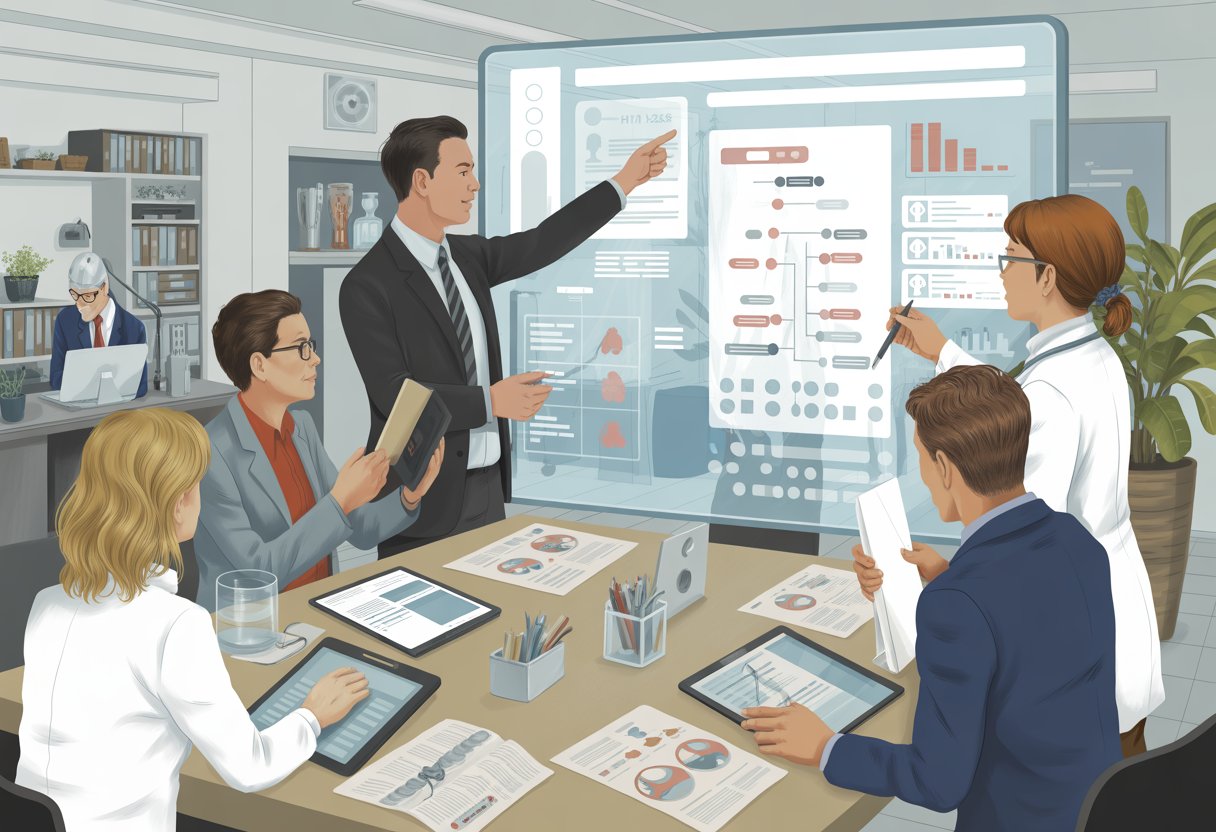
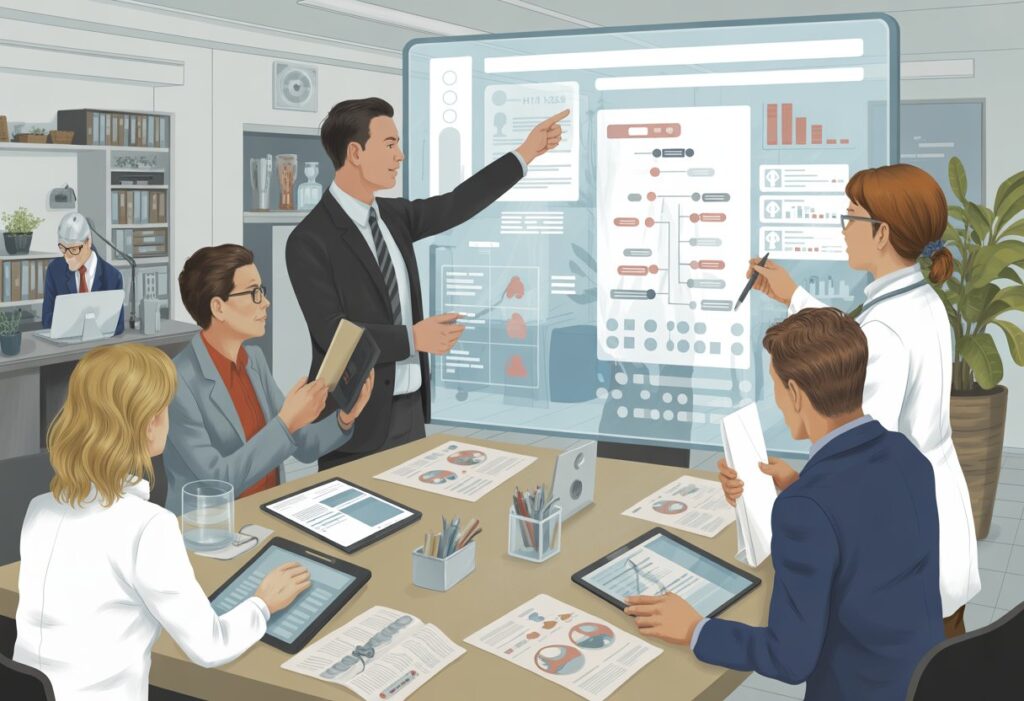
Conducting a health risk assessment[1] requires a clear plan and attention to detail. The process involves looking at every part of the work environment to spot what could cause harm. This includes checking equipment, materials, work tasks, and the physical space where employees spend their time.
Understanding how to complete a thorough risk assessment helps employers meet their legal duties and creates a safer workplace for everyone. The steps are straightforward but require careful thought and honest evaluation. When done correctly, a health risk assessment becomes a practical tool that prevents accidents, reduces illness, and supports occupational health programs.
Table of Contents
Key Takeaways
- Health risk assessments identify workplace hazards and determine what controls are needed to protect workers from harm
- The process involves identifying hazards, evaluating risks, implementing safety measures, and documenting all findings
- Regular reviews and updates keep the assessment current and ensure workplace safety remains effective over time
Understanding the Purpose and Importance
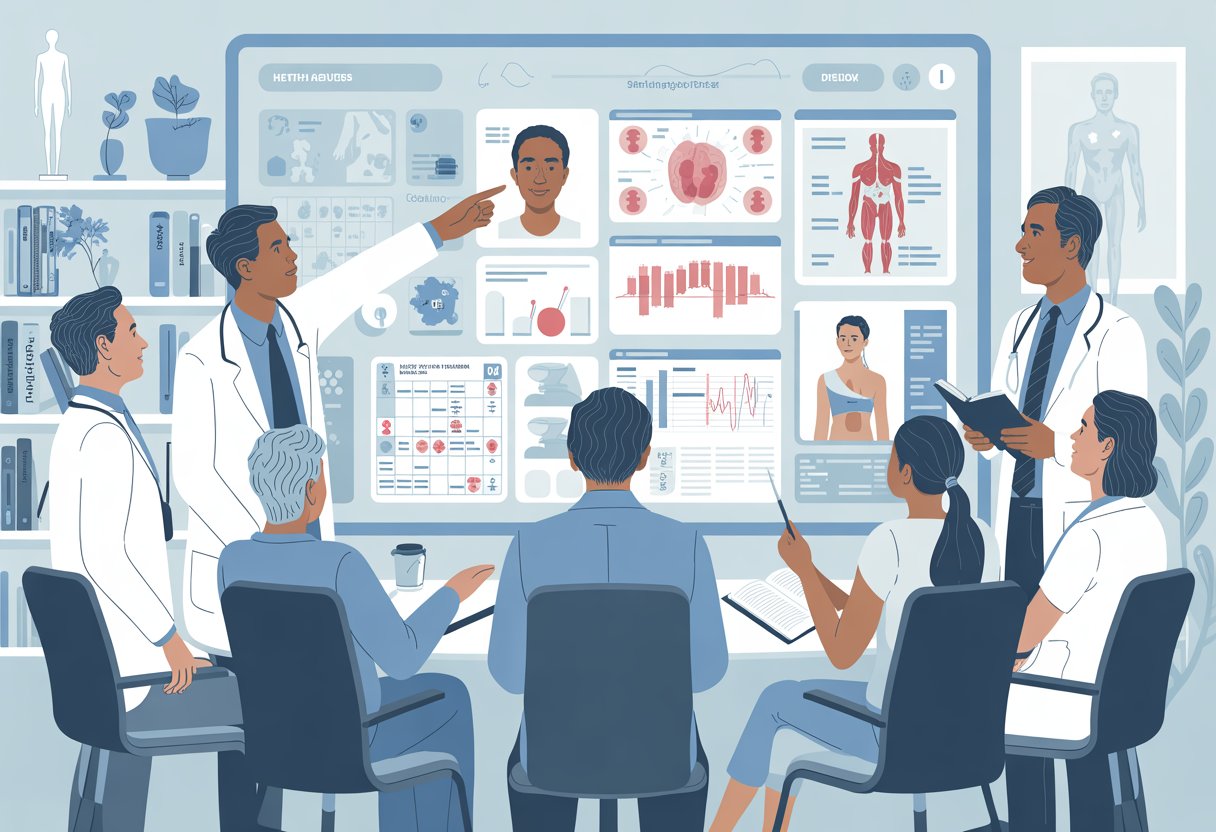
Health risk assessments serve as a foundation for identifying workplace hazards and protecting employee well-being. They help organizations meet legal standards while reducing costs related to workplace injuries and health issues.
Why Risk Assessments Matter
A health risk assessment questionnaire[2] collects information about health status, lifestyle habits, and potential risk factors. This process allows employers to spot problems before they cause harm to workers.
Organizations that conduct regular assessments can identify physical hazards, chemical exposures, and ergonomic issues. They can also find behavioral risks like stress and poor nutrition that affect productivity.
Early detection of health risks helps prevent workplace injuries and chronic conditions. When companies know what dangers exist, they can create targeted programs to address specific problems. This proactive approach reduces medical costs and keeps employees healthy and productive.
Regulatory and Legal Requirements
OSHA requires employers to provide a safe workplace and identify hazards that could harm workers. Companies must follow specific standards based on their industry and the types of risks present.
HSE guidelines outline steps needed to manage risk[3] through a structured process. Organizations must identify hazards, assess risks, implement controls, record findings, and review their effectiveness regularly.
ISO 45001 provides an international framework for occupational safety and health management systems. This standard helps organizations build a systematic approach to risk management. Companies that follow these regulations avoid penalties and demonstrate their commitment to worker safety.
Benefits for Organizations and Individuals
Employers gain valuable data to shape wellness programs and reduce healthcare spending. Risk assessments reveal trends across the workforce that guide decisions about preventive care and safety improvements.
Workers receive personalized feedback about their health status and recommendations for improvement. This information empowers them to make better choices about exercise, nutrition, and stress management.
Organizations see measurable outcomes including lower absenteeism, improved morale, and reduced turnover. Data-driven wellness strategies[4] deliver better results than generic programs because they address actual workforce needs.
Companies also build stronger employer brands and attract top talent. A culture focused on health and safety shows employees that leadership values their well-being beyond productivity metrics.
Core Types of Health Hazards in the Workplace
Workplace hazards fall into four main categories that can cause injury or illness. Physical dangers include noise and electricity, chemical risks involve harmful substances, biological threats come from living organisms, and psychosocial factors relate to mental health and body strain.
Physical Hazards
Physical hazards represent dangers that can harm the body without necessarily touching it. Noise exposure can damage hearing over time, especially in factories or construction sites. Extreme temperatures affect workers in outdoor jobs or near ovens and freezers.
Common physical hazards include:
- Radiation from equipment or materials
- Vibration from tools and machinery
- Poor lighting that strains eyes or causes accidents
- Electrical hazards from exposed wiring or faulty equipment
Height poses serious risks for falls, particularly on ladders, roofs, or elevated platforms. Workers can also face injuries from moving machinery parts or falling objects. Electrical hazards cause burns, shocks, or death when equipment lacks proper grounding or workers contact live wires.
Slips, trips, and falls remain among the most frequent workplace injuries across industries.
Chemical Hazards
Chemical hazards occur when workers breathe in, swallow, or touch harmful substances. These materials can cause immediate harm or long-term health problems like cancer or organ damage.
Liquids such as cleaning products, solvents, and acids can burn skin or eyes on contact. Gases and vapors from paints, fuels, or manufacturing processes damage lungs and other organs. Dust particles from wood, metal, or minerals settle in airways and cause breathing problems.
Workers face chemical exposure through:
- Inhalation of fumes or airborne particles
- Skin contact with corrosive materials
- Ingestion from contaminated hands or food
- Injection through puncture wounds
Proper labeling and storage prevent many chemical accidents. Personal protective equipment like gloves, goggles, and respirators reduce exposure when working with dangerous substances.
Biological Hazards
Biological hazards come from living organisms or their byproducts that cause infections or allergic reactions. Bacteria, viruses, and fungi spread through air, surfaces, or direct contact with infected people or animals.
Healthcare workers face exposure to bloodborne pathogens like hepatitis and HIV. Agricultural workers encounter mold spores, animal waste, and plant allergens. Laboratory staff handle cultures and specimens containing dangerous microorganisms.
Insect or animal bites transmit diseases in outdoor work environments. Mold growth in damp buildings triggers asthma and respiratory problems. Food service workers risk contamination from raw meat, unwashed produce, or sick coworkers.
Regular hand washing and vaccination programs protect against many biological threats.
Psychosocial and Ergonomic Hazards
Psychosocial hazards affect mental health and emotional well-being at work. Stress builds from heavy workloads, tight deadlines, or lack of control over job tasks. Workplace violence includes physical attacks, threats, or verbal abuse from coworkers, customers, or strangers.
Fatigue develops from long shifts, night work, or insufficient breaks between workdays. Bullying and harassment create hostile environments that harm mental health.
Ergonomic hazards cause pain and injuries to muscles, joints, and nerves. Repetitive motions like typing or assembly line work strain hands and wrists. Poor workstation setup forces awkward postures that hurt backs and necks. Heavy lifting without proper technique damages spines and shoulders.
Ergonomic risk factors:
- Repetitive movements
- Forceful exertions
- Awkward body positions
- Static postures held too long
Adjustable chairs, proper tool design, and regular breaks reduce ergonomic injuries. Mental health support and clear workplace policies address psychosocial risks.
Preparation and Planning for Hazard Assessment
A successful health risk assessment requires careful preparation to identify workplace hazards accurately and completely. Organizations must define clear boundaries for their assessment, assign qualified personnel, and compile all relevant safety documentation before beginning the evaluation process.
Defining Scope and Objectives
The scope establishes which work areas, processes, and employees the assessment will cover. Organizations should specify whether the assessment applies to a single department, multiple locations, or the entire facility. Clear objectives help the team focus on specific outcomes, such as reducing injury rates, achieving regulatory compliance, or addressing particular hazards.
The scope should identify which types of hazards require evaluation. These include physical hazards like noise and machinery, chemical exposures, biological agents, and ergonomic risk factors. A well-defined scope prevents teams from overlooking critical areas while avoiding unnecessary effort on low-priority concerns.
Organizations conducting workplace inspections[5] should document the assessment boundaries in writing. This documentation ensures all stakeholders understand what the team will examine and what falls outside the current evaluation.
Selecting Competent Assessors
Assessment teams need members with appropriate knowledge and authority to evaluate hazards effectively. A safety committee typically includes both management representatives and frontline workers who understand daily operations. Workers often identify hazards that managers might miss because they interact with equipment and processes directly.
Team members should receive training in hazard recognition techniques and job safety analysis (JSA) methods. Some health hazards require specialized expertise to identify properly. Chemical exposures, noise levels, and ergonomic issues may need input from industrial hygienists or safety consultants.
The team should include personnel familiar with existing safety programs like lockout/tagout procedures and confined space protocols. This knowledge helps assessors understand existing controls already in place.
Gathering Relevant Documentation
Documentation provides essential background information about potential workplace hazards. The team should collect equipment operating manuals, Safety Data Sheets (SDS), and maintenance records before starting field assessments. SDS documents, formerly called MSDS, contain critical information about chemical hazards and exposure limits.
Previous injury records, including OSHA 300 logs, reveal patterns that point to recurring hazards. Workers’ compensation claims and incident investigation reports show where problems have occurred before. The team should also review any existing job hazard analyses and self-inspection reports[5] from insurance carriers or consultants.
This documentation helps assessors prepare targeted questions and inspection checklists. It also prevents duplication of effort by building on previous safety work.
Identifying and Documenting Hazards
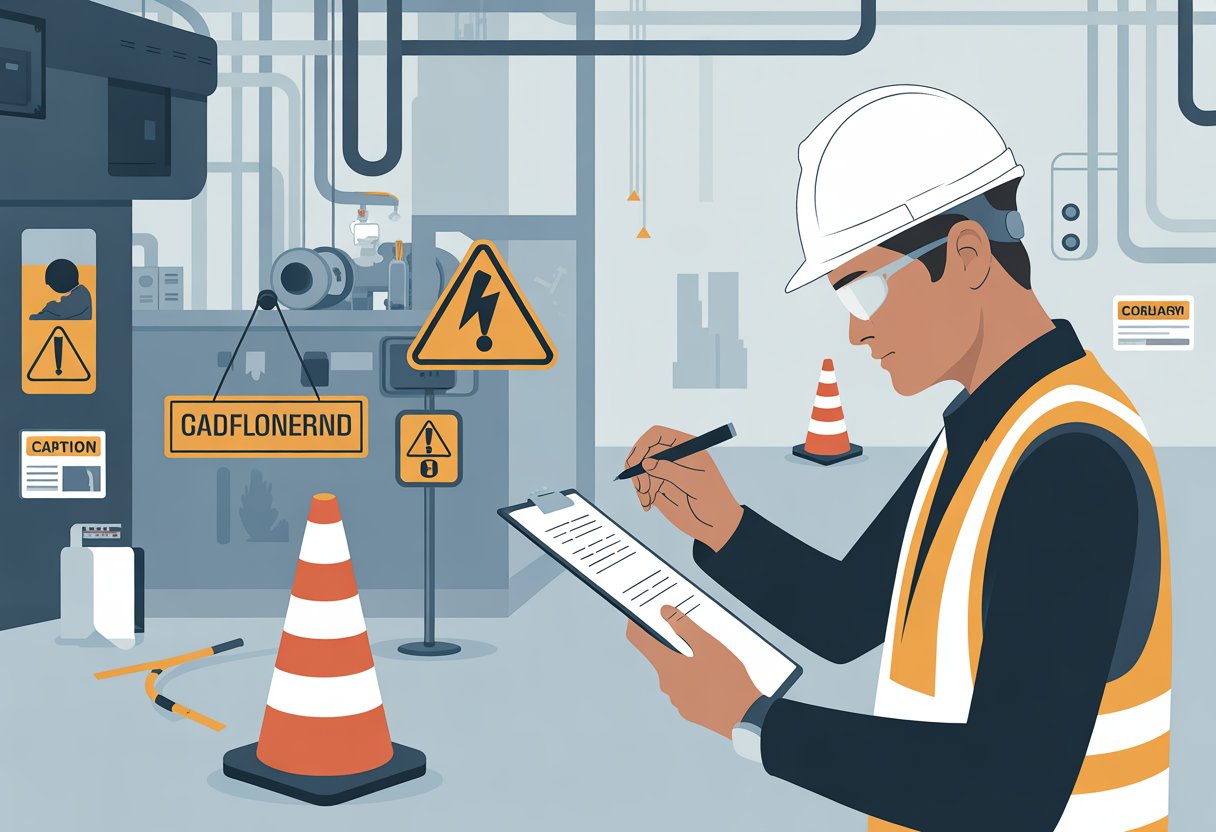
A thorough hazard identification process requires examining physical spaces, gathering input from workers, and reviewing chemical information. Organizations must document findings systematically to create a complete picture of workplace risks.
Conducting Walkthroughs and Inspections
Regular workplace inspections reveal hazards that develop over time as equipment wears down or processes change. Safety teams should inspect all operations, equipment, and work areas[5] on a scheduled basis to catch problems before they cause injuries.
Inspectors need to examine specific hazard categories during walkthroughs. Common areas include housekeeping issues, electrical hazards, equipment operation and maintenance, fire protection, and ergonomic problems. They should also check slip and trip hazards, work practices, and emergency procedures.
Documentation makes the process effective. Teams should take photos or videos of problem areas to review later. Written records verify that identified hazards get corrected.
Workers who perform the tasks daily should join inspection teams. They notice hazards that others might miss because they understand the actual work conditions. Before making changes to operations or introducing new equipment, teams should evaluate potential hazards with worker input.
Consulting Employees and Reviewing Incident Data
Workplace incidents show exactly where hazards exist. Companies must investigate injuries, illnesses, and close calls[5] to identify root causes and prevent future occurrences.
Investigation teams should include both management and worker representatives. They need training in objective investigation techniques that ask “why” multiple times to uncover underlying problems. A piece of equipment failure requires questions about maintenance schedules, service life, and whether workers had proper tools.
Worker input provides critical information about day-to-day hazards. Safety committees, surveys, and direct conversations reveal concerns that might not appear in formal reports. Patterns in injury records, workers’ compensation claims, and OSHA 300 logs help identify recurring problems.
Medical records can reveal health hazards linked to workplace exposures. Cases of musculoskeletal injuries, hearing loss, or respiratory disease may point to specific hazard sources.
Evaluating Safety Data Sheets
Chemical hazards require special attention during hazard identification. Safety Data Sheets provide essential information about substances used in the workplace.
Teams should review SDSs and product labels to identify chemicals with low exposure limits[5], high volatility, or those used in large quantities. Special concern applies to chemicals used in spaces without proper ventilation. Labels indicate activities that might cause skin exposure to harmful substances.
Health hazards extend beyond chemicals to include physical exposures. Noise levels that require raised voices to communicate, elevated heat conditions, and radiation sources all need identification. Biological hazards like infectious diseases, molds, and materials causing allergic reactions require assessment.
Ergonomic risk factors appear in tasks requiring heavy lifting, overhead work, repetitive motions, or significant vibration. Quantitative exposure assessments using air sampling or direct reading instruments provide specific data about hazard levels.
Determining Who Is at Risk
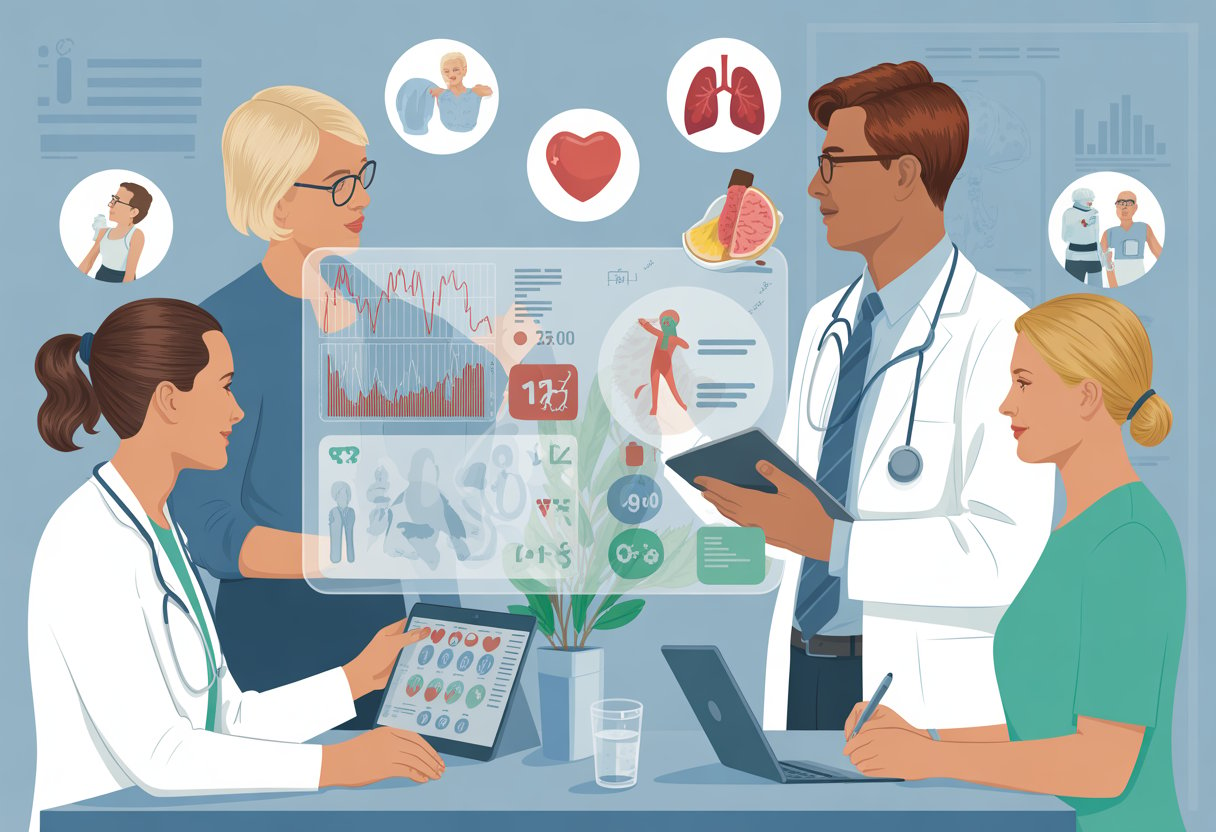
Identifying which individuals face the greatest health threats requires examining population characteristics, job-specific duties, and workforce composition. These factors help pinpoint where to focus prevention efforts and allocate resources most effectively.
Recognizing Vulnerable Populations
Certain groups face higher health risks due to age, pre-existing conditions, or social factors. Older workers may have compromised immune systems or chronic diseases that increase their susceptibility to workplace hazards. Pregnant employees require special consideration as some exposures can affect fetal development.
People with respiratory conditions face elevated risks when working in environments with poor air quality or chemical fumes. Those with diabetes or heart disease may struggle in physically demanding roles or extreme temperatures. Low-income workers often lack access to preventive healthcare, making them more vulnerable to untreated health issues.
Geographic location matters too. Communities near industrial sites or areas with limited healthcare access face different risk profiles than urban populations with readily available medical services.
Task-Specific Risk Profiles
Different jobs carry distinct hazards that put workers at varying levels of risk. Confined space entry[6] operations expose workers to oxygen deficiency, toxic gases, and engulfment hazards. Construction workers face falls, equipment injuries, and repetitive strain.
A job safety analysis breaks down each task to identify specific dangers. This process examines:
- Physical demands and ergonomic stressors
- Chemical or biological exposures
- Equipment operation risks
- Environmental conditions like noise or temperature
Healthcare workers encounter infectious diseases and needle stick injuries. Office employees may develop musculoskeletal disorders from poor workstation setup. Manufacturing staff often work with machinery that poses crush or amputation risks.
The Role of Workforce Demographics
Age distribution affects overall risk levels within an organization. Younger workers often lack experience recognizing hazards, while older employees may have accumulated exposures over decades. Gender influences certain health outcomes, as men and women metabolize chemicals differently and face distinct occupational disease patterns.
Shift schedules impact health risks significantly. Night shift workers experience higher rates of sleep disorders, cardiovascular disease, and metabolic problems. Extended work hours increase fatigue-related accidents and errors.
Education and training levels determine how well employees understand and respond to hazards. Workers with limited literacy may struggle with safety instructions. Language barriers in multilingual workforces can prevent effective hazard communication and emergency response.
Evaluating Risks: Likelihood, Severity, and Risk Rating
After identifying health hazards, the next step involves measuring how dangerous each risk actually is. This process combines two key factors—how likely something is to happen and how much harm it could cause—to create a clear picture of which risks need attention first.
Assessing Likelihood and Impact
Likelihood refers to the probability that a specific health hazard will occur. Organizations typically rate likelihood on a scale from one to five, where one means improbable and five means frequent. An improbable event is so unlikely that it may never happen, while a frequent event will likely occur often during normal operations.
Severity measures the potential harm or damage if the hazard does occur. Severity is often ranked on a four-point scale[7] within risk assessments. The rankings include negligible (no injury or minimal harm), marginal (minor injury or illness), critical (severe injury requiring immediate action), and catastrophic (death or major system loss).
Each identified hazard receives both a likelihood score and a severity score. These two values work together to determine the overall risk level. A hazard with high likelihood but low severity may pose less danger than one with moderate likelihood but catastrophic severity.
Using a Risk Matrix
A risk matrix is a visual tool used to evaluate and prioritize potential hazards[7] based on their likelihood and severity scores. The matrix displays risks in a color-coded chart where high risks appear in red, moderate risks in yellow or orange, and low risks in green.
To use the matrix, multiply the likelihood value by the severity value. For example, a hazard with a likelihood score of 3 and severity score of 3 produces a risk rating of 9. This calculation places the hazard in a specific category on the matrix.
Common matrix formats include 3×3 and 5×5 configurations. The 3×3 matrix uses three levels for both likelihood and severity, making it ideal for smaller organizations. The 5×5 matrix provides five levels for each factor, allowing more detailed risk categorization for complex operations.
Establishing Risk Levels and Ratings
Risk ratings translate numerical scores into actionable categories. Most organizations use three to four risk levels: low, medium, high, and sometimes severe or critical. Each level corresponds to specific score ranges on the matrix.
Low-risk items typically require only monitoring or minor interventions. Medium risks need scheduled action and ongoing attention. High and severe risks demand immediate corrective action or even cessation of the activity until controls are implemented.
Organizations should document their rating system clearly so all team members understand what each level means. The risk rating determines resource allocation, response timelines, and priority for control measures. Reassessment after implementing controls shows whether the risk level has decreased to an acceptable range.
Selecting and Implementing Control Measures
After identifying and assessing health risks, organizations must choose appropriate control measures to reduce or eliminate hazards. The hierarchy of controls provides a framework for selecting the most effective solutions, starting with engineering controls and moving through administrative measures to personal protective equipment.
Applying the Hierarchy of Controls
The hierarchy of controls[8] ranks control measures by their effectiveness. Elimination sits at the top as the most effective option, removing the hazard completely from the workplace. Substitution comes next, replacing dangerous materials or processes with safer alternatives.
Engineering controls rank third and include physical changes to the workplace that reduce exposure without relying on worker behavior. Administrative controls fall fourth, using policies and procedures to limit worker exposure to hazards. PPE ranks last as the least effective control because it only protects individual workers and depends on proper use.
Organizations should implement controls on a worst-first basis when resources are limited, addressing the highest-priority hazards first. Multiple control measures often work together to provide better protection than relying on a single approach.
Engineering and Administrative Controls
Engineering controls[3] physically remove or reduce hazards through workplace design changes. These include ventilation systems, machine guards, sound dampening materials, and automated processes that limit worker contact with dangerous substances or equipment. Redesigning work areas, replacing hazardous materials, or modifying equipment are common engineering solutions.
Administrative controls change how people work rather than changing the workplace itself. These include job rotation to limit exposure time, work permits for dangerous tasks, training programs, and clear safety procedures. Scheduling high-risk activities during times when fewer workers are present also falls into this category.
Employers should examine existing controls already in place before adding new measures. Many workplaces already have some protections that can be strengthened or expanded rather than starting from scratch.
Personal Protective Equipment (PPE)
Personal protective equipment serves as the last line of defense when other controls cannot sufficiently reduce risk. Common PPE includes safety glasses, gloves, respirators, hard hats, steel-toed boots, and hearing protection. Each type addresses specific hazards identified during the risk assessment.
Employers must provide appropriate PPE at no cost to workers and ensure proper fit. Training workers on correct use, maintenance, and limitations of PPE is required. Workers must actually wear the equipment for it to provide protection, making enforcement and monitoring essential.
PPE works best when combined with other control measures rather than used alone. Relying solely on PPE puts the burden of safety on individual workers and leaves them vulnerable if equipment fails or is used incorrectly.
Monitoring Control Effectiveness
Reviewing controls[3] ensures they continue working as intended over time. Regular inspections, workplace observations, and worker feedback reveal whether control measures need adjustment. Changes in staff, processes, substances, or equipment may reduce the effectiveness of existing controls.
Accident reports and near-miss incidents provide valuable information about control failures. When workers spot problems with safety measures, employers should investigate and update their approach. Tracking injury rates and exposure levels helps measure whether controls are reducing risk.
Organizations must update their risk assessment records when implementing new controls or modifying existing ones. This documentation shows what protections are in place and helps identify gaps in coverage.
Documenting and Reporting the Assessment
Proper documentation creates a clear record of identified hazards and planned actions while ensuring legal compliance. Organized records help teams track progress and make informed decisions during periodic reviews.
Key Elements of Comprehensive Records
A risk assessment template[9] should document who might be harmed and how, what controls are already in place, and what further actions are needed. The template must also specify who needs to carry out each action and when the action is needed.
Essential documentation elements include:
- Hazard identification details with specific locations and affected workers
- Risk ratings based on likelihood and severity
- Current control measures already implemented
- Recommended actions with assigned responsibilities
- Timeline for implementation of new controls
- Review dates for monitoring effectiveness
Organizations should record the date of the assessment and the names of people involved in conducting it. Photos, diagrams, or floor plans can strengthen documentation by providing visual context. Each entry must be specific enough that someone unfamiliar with the workplace can understand the risks and controls.
Best Practices for Risk Assessment Documentation
Documentation should be simple and accessible to all relevant staff members. Complex jargon makes records less useful for workers who need to understand the risks they face.
Teams must avoid copying generic examples and putting their company name on them. This practice fails to satisfy legal requirements because it does not address specific workplace hazards. Instead, assessors should adapt risk assessment methods to their unique environment.
Records need regular updates when new equipment arrives, processes change, or incidents occur. A periodic review schedule ensures documentation stays current and accurate. Digital systems can help teams monitor and review assessments more efficiently than paper files.
The documentation must be stored where managers and workers can easily access it when needed.
Monitoring, Reviewing, and Updating the Assessment
Health risk assessments require ongoing attention to remain effective. Organizations must establish regular review schedules and respond to workplace changes that could introduce new hazards or alter existing risk levels.
Triggers for Reassessment
Several events should prompt an immediate review of health risk assessments. Workplace incidents, including injuries or near misses, indicate that current controls may not be adequate. Changes in equipment, processes, or materials require reassessment to identify new hazards.
Introduction of new tasks or job roles changes the risk profile for workers. Legal or regulatory updates may establish stricter exposure limits or require additional protections. Employee feedback about safety concerns often reveals gaps in the original assessment.
Physical changes to the workplace layout or structure can alter exposure patterns. Increases in workers’ compensation claims or sick leave patterns may signal emerging occupational health risks that were not previously identified.
Continuous Improvement and Review Cycles
Most organizations conduct a periodic review at least annually to verify their health risk assessments remain accurate. Standards like ISO 45001 recommend more frequent reviews for high-risk environments or rapidly changing workplaces.
The review process should examine whether implemented controls continue to work as intended. Organizations track both lagging indicators like injury rates and leading indicators such as hazard reports submitted by workers. Data from exposure monitoring helps determine if health risks have increased or decreased over time.
Safety committees should establish clear timelines for reassessment activities. Some organizations schedule quarterly reviews of high-priority risks while conducting comprehensive annual assessments of all workplace hazards.
Involving Safety Committees and Stakeholders
Worker participation strengthens the review process because employees directly experience workplace conditions. The safety committee should include representatives from different departments and job roles to provide diverse perspectives on health risks.
Organizations benefit from involving health and safety professionals in program evaluation[10] activities. Workers help review incident reports and exposure monitoring data to identify trends. They participate in establishing performance indicators that track whether risk controls remain effective.
Management must share review findings with all stakeholders and act on identified improvements. Regular communication about assessment updates builds trust and encourages ongoing hazard reporting from workers.
Integrating Risk Assessment into Broader Health and Safety Strategies
Risk assessments work best when they connect to larger workplace safety plans and daily operations. Companies need to link their assessment findings with ongoing safety programs, build a workplace where everyone values protection, and use expert health resources to support their efforts.
Linking Assessments with Risk Management Systems
Managing risks and conducting assessments[11] should connect directly to a company’s overall safety management system. Organizations need to track identified hazards in centralized databases where teams can monitor progress on control measures. This tracking allows managers to see patterns across different departments and prioritize resources effectively.
Assessment results should trigger specific actions within existing safety protocols. When a new hazard appears, the risk management system should automatically assign responsibilities, set deadlines, and schedule follow-up reviews. Companies can use software platforms to maintain records of all assessments, control measures, and their effectiveness over time.
Regular audits help verify that assessment findings actually lead to improved safety conditions. Teams should review whether implemented controls reduce incidents and near-misses as expected. This feedback loop ensures assessments remain practical tools rather than paperwork exercises.
Promoting a Culture of Safety
Workers at all levels need to view safety as a shared responsibility. Management demonstrates this commitment by providing adequate time and resources for thorough assessments. When employees see their safety concerns addressed quickly, they become more willing to report hazards.
Training programs should teach staff how to spot risks and understand assessment results. Workers who know why certain controls exist are more likely to follow procedures consistently. Companies can hold brief safety meetings where teams discuss recent assessment findings and proposed solutions.
Recognition programs reinforce positive safety behaviors. Acknowledging employees who identify hazards or suggest improvements encourages ongoing participation. This approach transforms risk assessment from a top-down requirement into a collaborative effort.
Leveraging Occupational Health Resources
Organizations can access specialized guidance from agencies like NIOSH and HSE to strengthen their assessment processes. These agencies provide industry-specific tools, case studies, and best practices based on extensive research. Their resources help companies identify hazards they might otherwise miss.
Occupational health professionals bring medical expertise to risk assessments. They can evaluate exposure limits, recommend health monitoring programs, and assess whether current controls adequately protect worker health. Their input proves especially valuable for chemical exposures, ergonomic risks, and biological hazards.
External consultants offer fresh perspectives on long-standing safety challenges. They can review assessment procedures, identify gaps in current approaches, and suggest improvements based on experience across multiple industries. This outside expertise complements internal knowledge and strengthens overall safety strategies.
Special Considerations for Health and Environmental Risk Assessments
Different types of risk assessments require specific approaches based on whether they focus on human populations, ecosystems, or particular industries. The methods and priorities vary significantly when evaluating how chemical hazards affect people compared to wildlife or when assessing risks in healthcare versus manufacturing settings.
Human Health Risk Assessment
A human health risk assessment[12] evaluates how exposure to hazards might cause illness, injury, or death in people. This process examines multiple exposure routes including ingestion, inhalation, and skin contact.
Assessors must consider vulnerable populations such as children, pregnant women, and elderly individuals who face greater health risks from the same exposures. A child’s developing body processes chemicals differently than an adult’s body does.
Key factors in human health assessments include:
Health endpoints range from immediate effects like pain and respiratory distress to long-term outcomes including cancer, reproductive problems, and organ damage. Some assessments also evaluate how exposures might affect weight loss or metabolic function when evaluating certain chemical exposures or workplace conditions.
Ecological Risk Assessment
An ecological risk assessment[13] examines threats to plants, animals, and entire ecosystems rather than focusing solely on human populations. This evaluation identifies how pollutants or activities might harm biodiversity and ecosystem services.
The assessment considers effects at multiple levels: individual organisms, populations, communities, and whole ecosystems. A pesticide might kill individual insects while also reducing food sources for birds and disrupting pollination.
Assessors evaluate both direct toxicity and indirect effects like habitat destruction or food chain disruption. They examine sensitive species that serve as indicators of ecosystem health.
Critical elements include:
- Bioaccumulation of toxins through food webs
- Effects on reproduction and population sustainability
- Habitat quality and connectivity
- Interaction between multiple stressors
Industry-Specific Approaches
Different industries require tailored risk assessment methods based on their unique hazards and operational contexts. Healthcare facilities focus heavily on infection control, medication errors, and patient safety protocols.
Manufacturing plants emphasize chemical exposure, machinery hazards, and process safety management. Industrial risk assessments[13] in sectors like oil and gas evaluate catastrophic events such as explosions or large-scale spills.
Agriculture assessments examine pesticide application methods, worker protection during harvest, and impacts on soil and water quality. Construction sites prioritize fall hazards, equipment operation, and temporary work conditions that change daily.
Each sector uses specialized tools and regulatory frameworks. Nuclear facilities employ quantitative risk assessment with precise probability calculations. Food processing plants follow HACCP protocols to identify biological and chemical contamination points.
Frequently Asked Questions
Conducting a health risk assessment requires clear protocols for data collection, risk scoring, stakeholder communication, and legal compliance. These common questions address the practical steps organizations take to implement effective assessments while protecting employee privacy.
What are the key steps involved in performing a health risk assessment from start to finish?
The first step involves defining the assessment goals and identifying the target population. Organizations decide whether to assess all employees, specific departments, or include dependents in the process.
Next, administrators select a secure digital platform that integrates with existing HR systems. A confidential tool is used to collect information[4] about employees’ health status, lifestyle behaviors, and risk factors.
Communication with employees comes before data collection begins. Transparent messaging explains how data will be used, who will see it, and what confidentiality protections are in place.
Data collection includes both questionnaire responses and optional biometric screenings. The system aggregates anonymous data to identify workforce trends while providing individual participants with personalized feedback.
The final step translates findings into targeted wellness programs. Organizations use the results to create health improvement plans, coaching programs, and preventive initiatives that address identified risks.
Which data sources and health indicators should be collected to evaluate individual and population risk?
Effective assessments gather information across multiple health categories. Questionnaires typically cover lifestyle habits[14] including nutrition, exercise, sleep, and stress management.
Preventive care data tracks completion of health screenings and immunizations. This information helps identify gaps in routine medical care that could lead to undetected conditions.
Chronic condition indicators measure blood pressure, cholesterol levels, and weight management status. These clinical markers provide objective data about existing health risks.
Mental well-being questions assess emotional resilience and burnout risk. Stress levels and psychological health have become critical components of workplace wellness assessments.
Readiness to change questions evaluate employee awareness and motivation. Understanding where employees are in their health journey helps organizations design appropriate interventions.
How do you choose and apply a validated risk assessment tool or questionnaire for a specific setting?
Organizations should select tools that align with their specific workforce demographics and health priorities. A manufacturing company may emphasize physical injury risk and ergonomics, while a tech company might focus more on mental health and sedentary behavior.
The platform must ensure data privacy, compliance with regulations, and integration capabilities. Security features like encrypted storage and anonymous aggregate reporting protect employee information.
Customization options allow organizations to add industry-specific questions while maintaining core health indicators. The questionnaire should remain short enough to encourage completion while gathering meaningful data.
Mobile optimization increases participation rates among employees who work remotely or in the field. The tool should provide immediate feedback to participants after they complete the assessment.
What methods are used to score and prioritize risks to determine the highest-impact interventions?
Most platforms use a scoring model that translates responses into risk categories. Individuals typically receive ratings of low, medium, or high risk for different health factors.
Aggregate data analysis identifies the most prevalent risks across the workforce. If 40% of employees report high stress levels, that becomes a priority area for program development.
Organizations track both the number of people affected and the severity of each risk factor. A condition affecting many employees at a moderate level may warrant more attention than a severe issue affecting only a few people.
Cost correlation analysis examines which risks historically lead to higher healthcare spending. This approach helps organizations focus resources on interventions with the greatest potential for cost reduction.
How should results be documented, communicated to stakeholders, and translated into an action plan?
Individual results go directly to participants through secure portals with personalized recommendations. Employees receive clear explanations of their risk factors and suggested next steps for improvement.
Aggregate reports for leadership present anonymous population-level trends. These summaries show the distribution of risk categories, participation rates, and key health priorities without revealing individual information.
Action plans should connect specific findings to program initiatives. If assessment data shows high rates of pre-diabetes, the organization might launch nutrition coaching or diabetes prevention classes.
Documentation includes baseline metrics that allow for year-over-year comparison. Tracking how risk levels change over time demonstrates program effectiveness and return on investment.
Regular updates to stakeholders maintain engagement and accountability. Quarterly reports on participation trends and program enrollment keep wellness initiatives visible to leadership.
What legal, ethical, and privacy requirements should be addressed when gathering and handling health information?
All health data collection must comply with regional data protection regulations. In the United States, this includes HIPAA requirements, while European organizations must follow GDPR standards.
Employees must provide informed consent before participating. The consent process should clearly explain what data will be collected, how it will be used, and who will have access to it.
Employers should only receive anonymous, aggregated data rather than individual results. This separation protects employee privacy and reduces concerns about discrimination or adverse employment actions.
Data storage requires encrypted systems and secure cloud infrastructure. Access controls limit who can view health information to authorized wellness program administrators.
Participation in health risk assessments must remain voluntary. Organizations cannot require employees to complete assessments or penalize those who choose not to participate, though incentives for participation are generally permissible.
Post Views: 5
References
- The Complete Guide to Health Risk Assessments. https://corehealth.global/resource/guide-to-health-risk-assessments/ Accessed June 19, 2026
- Health Risk Assessment: A Complete Guide. https://woliba.io/blog/health-risk-assessment-a-complete-guide/ Accessed June 19, 2026
- Risk assessment: Steps needed to manage risk. https://www.hse.gov.uk/simple-health-safety/risk/steps-needed-to-manage-risk.htm Accessed June 19, 2026
- Conducting a Comprehensive Health Risk Assessment (HRA): A Strategic Foundation for Workplace Wellness. https://chapmaninstitute.com/conducting-a-comprehensive-health-risk-assessment-hra-a-strategic-foundation-for-workplace-wellness/ Accessed June 19, 2026
- Safety Management. https://www.osha.gov/safety-management/hazard-Identification Accessed June 19, 2026
- ERROR: The request could not be satisfied. https://www.numberanalytics.com/blog/ultimate-guide-health-risk-assessment-community-health Accessed June 19, 2026
- Risk Assessment Matrix: How to Calculate & Use a Risk Matrix Effectively. https://www.vectorsolutions.com/resources/blogs/risk-matrix-calculations-severity-probability-risk-assessment/ Accessed June 19, 2026
- Safety Management. https://www.osha.gov/safety-management/hazard-prevention Accessed June 19, 2026
- Risk assessment: Template and examples. https://www.hse.gov.uk/simple-health-safety/risk/risk-assessment-template-and-examples.htm Accessed June 19, 2026
- Safety Management. https://www.osha.gov/safety-management/program-evaluation Accessed June 19, 2026
- Managing risks and risk assessment at work: Overview. https://www.hse.gov.uk/simple-health-safety/risk/index.htm Accessed June 19, 2026
- ERROR: The request could not be satisfied. https://www.numberanalytics.com/blog/environmental-health-assessment-guide Accessed June 19, 2026
- Environmental Risk Assessment: A Complete Guide to Understanding and Managing Risks. https://environmentgo.com/environmental-risk-assessment/ Accessed June 19, 2026
- The Complete Guide to Health Risk Assessments. https://corehealth.global/resource/the-complete-guide-to-health-risk-assessments/ Accessed June 19, 2026

Elevate Your Health for Just $29.99/Month
Join the Precision Wellness Subscription at My Healing 365 and get discounted services, priority coaching access, virtual care, and exclusive wellness resources to support your physical, emotional, and hormonal health.
Join for $29.99/MonthMedically Reviewed
Dr. Jose Rossello, MD, PhD, MHCM
Preventive Medicine & Public Health Specialist
Last Reviewed: June 19, 2026
A health risk assessment is a process that identifies potential health hazards in a workplace, evaluates who might be harmed, and determines what steps are needed to prevent injury or illness. Companies use this tool to protect workers from dangers like chemical exposure, physical strain, or safety hazards. To conduct a health risk assessment, organizations must identify hazards, evaluate the level of risk, implement control measures, document findings, and review the assessment regularly to keep workers safe.
Conducting a health risk assessment[1] requires a clear plan and attention to detail. The process involves looking at every part of the work environment to spot what could cause harm. This includes checking equipment, materials, work tasks, and the physical space where employees spend their time.
Understanding how to complete a thorough risk assessment helps employers meet their legal duties and creates a safer workplace for everyone. The steps are straightforward but require careful thought and honest evaluation. When done correctly, a health risk assessment becomes a practical tool that prevents accidents, reduces illness, and supports occupational health programs.
Key Takeaways
- Health risk assessments identify workplace hazards and determine what controls are needed to protect workers from harm
- The process involves identifying hazards, evaluating risks, implementing safety measures, and documenting all findings
- Regular reviews and updates keep the assessment current and ensure workplace safety remains effective over time
Understanding the Purpose and Importance
Health risk assessments serve as a foundation for identifying workplace hazards and protecting employee well-being. They help organizations meet legal standards while reducing costs related to workplace injuries and health issues.
Why Risk Assessments Matter
A health risk assessment questionnaire[2] collects information about health status, lifestyle habits, and potential risk factors. This process allows employers to spot problems before they cause harm to workers.
Organizations that conduct regular assessments can identify physical hazards, chemical exposures, and ergonomic issues. They can also find behavioral risks like stress and poor nutrition that affect productivity.
Early detection of health risks helps prevent workplace injuries and chronic conditions. When companies know what dangers exist, they can create targeted programs to address specific problems. This proactive approach reduces medical costs and keeps employees healthy and productive.
Regulatory and Legal Requirements
OSHA requires employers to provide a safe workplace and identify hazards that could harm workers. Companies must follow specific standards based on their industry and the types of risks present.
HSE guidelines outline steps needed to manage risk[3] through a structured process. Organizations must identify hazards, assess risks, implement controls, record findings, and review their effectiveness regularly.
ISO 45001 provides an international framework for occupational safety and health management systems. This standard helps organizations build a systematic approach to risk management. Companies that follow these regulations avoid penalties and demonstrate their commitment to worker safety.
Benefits for Organizations and Individuals
Employers gain valuable data to shape wellness programs and reduce healthcare spending. Risk assessments reveal trends across the workforce that guide decisions about preventive care and safety improvements.
Workers receive personalized feedback about their health status and recommendations for improvement. This information empowers them to make better choices about exercise, nutrition, and stress management.
Organizations see measurable outcomes including lower absenteeism, improved morale, and reduced turnover. Data-driven wellness strategies[4] deliver better results than generic programs because they address actual workforce needs.
Companies also build stronger employer brands and attract top talent. A culture focused on health and safety shows employees that leadership values their well-being beyond productivity metrics.
Core Types of Health Hazards in the Workplace
Workplace hazards fall into four main categories that can cause injury or illness. Physical dangers include noise and electricity, chemical risks involve harmful substances, biological threats come from living organisms, and psychosocial factors relate to mental health and body strain.
Physical Hazards
Physical hazards represent dangers that can harm the body without necessarily touching it. Noise exposure can damage hearing over time, especially in factories or construction sites. Extreme temperatures affect workers in outdoor jobs or near ovens and freezers.
Common physical hazards include:
- Radiation from equipment or materials
- Vibration from tools and machinery
- Poor lighting that strains eyes or causes accidents
- Electrical hazards from exposed wiring or faulty equipment
Height poses serious risks for falls, particularly on ladders, roofs, or elevated platforms. Workers can also face injuries from moving machinery parts or falling objects. Electrical hazards cause burns, shocks, or death when equipment lacks proper grounding or workers contact live wires.
Slips, trips, and falls remain among the most frequent workplace injuries across industries.
Chemical Hazards
Chemical hazards occur when workers breathe in, swallow, or touch harmful substances. These materials can cause immediate harm or long-term health problems like cancer or organ damage.
Liquids such as cleaning products, solvents, and acids can burn skin or eyes on contact. Gases and vapors from paints, fuels, or manufacturing processes damage lungs and other organs. Dust particles from wood, metal, or minerals settle in airways and cause breathing problems.
Workers face chemical exposure through:
- Inhalation of fumes or airborne particles
- Skin contact with corrosive materials
- Ingestion from contaminated hands or food
- Injection through puncture wounds
Proper labeling and storage prevent many chemical accidents. Personal protective equipment like gloves, goggles, and respirators reduce exposure when working with dangerous substances.
Biological Hazards
Biological hazards come from living organisms or their byproducts that cause infections or allergic reactions. Bacteria, viruses, and fungi spread through air, surfaces, or direct contact with infected people or animals.
Healthcare workers face exposure to bloodborne pathogens like hepatitis and HIV. Agricultural workers encounter mold spores, animal waste, and plant allergens. Laboratory staff handle cultures and specimens containing dangerous microorganisms.
Insect or animal bites transmit diseases in outdoor work environments. Mold growth in damp buildings triggers asthma and respiratory problems. Food service workers risk contamination from raw meat, unwashed produce, or sick coworkers.
Regular hand washing and vaccination programs protect against many biological threats.
Psychosocial and Ergonomic Hazards
Psychosocial hazards affect mental health and emotional well-being at work. Stress builds from heavy workloads, tight deadlines, or lack of control over job tasks. Workplace violence includes physical attacks, threats, or verbal abuse from coworkers, customers, or strangers.
Fatigue develops from long shifts, night work, or insufficient breaks between workdays. Bullying and harassment create hostile environments that harm mental health.
Ergonomic hazards cause pain and injuries to muscles, joints, and nerves. Repetitive motions like typing or assembly line work strain hands and wrists. Poor workstation setup forces awkward postures that hurt backs and necks. Heavy lifting without proper technique damages spines and shoulders.
Ergonomic risk factors:
- Repetitive movements
- Forceful exertions
- Awkward body positions
- Static postures held too long
Adjustable chairs, proper tool design, and regular breaks reduce ergonomic injuries. Mental health support and clear workplace policies address psychosocial risks.
Preparation and Planning for Hazard Assessment
A successful health risk assessment requires careful preparation to identify workplace hazards accurately and completely. Organizations must define clear boundaries for their assessment, assign qualified personnel, and compile all relevant safety documentation before beginning the evaluation process.
Defining Scope and Objectives
The scope establishes which work areas, processes, and employees the assessment will cover. Organizations should specify whether the assessment applies to a single department, multiple locations, or the entire facility. Clear objectives help the team focus on specific outcomes, such as reducing injury rates, achieving regulatory compliance, or addressing particular hazards.
The scope should identify which types of hazards require evaluation. These include physical hazards like noise and machinery, chemical exposures, biological agents, and ergonomic risk factors. A well-defined scope prevents teams from overlooking critical areas while avoiding unnecessary effort on low-priority concerns.
Organizations conducting workplace inspections[5] should document the assessment boundaries in writing. This documentation ensures all stakeholders understand what the team will examine and what falls outside the current evaluation.
Selecting Competent Assessors
Assessment teams need members with appropriate knowledge and authority to evaluate hazards effectively. A safety committee typically includes both management representatives and frontline workers who understand daily operations. Workers often identify hazards that managers might miss because they interact with equipment and processes directly.
Team members should receive training in hazard recognition techniques and job safety analysis (JSA) methods. Some health hazards require specialized expertise to identify properly. Chemical exposures, noise levels, and ergonomic issues may need input from industrial hygienists or safety consultants.
The team should include personnel familiar with existing safety programs like lockout/tagout procedures and confined space protocols. This knowledge helps assessors understand existing controls already in place.
Gathering Relevant Documentation
Documentation provides essential background information about potential workplace hazards. The team should collect equipment operating manuals, Safety Data Sheets (SDS), and maintenance records before starting field assessments. SDS documents, formerly called MSDS, contain critical information about chemical hazards and exposure limits.
Previous injury records, including OSHA 300 logs, reveal patterns that point to recurring hazards. Workers’ compensation claims and incident investigation reports show where problems have occurred before. The team should also review any existing job hazard analyses and self-inspection reports[5] from insurance carriers or consultants.
This documentation helps assessors prepare targeted questions and inspection checklists. It also prevents duplication of effort by building on previous safety work.
Identifying and Documenting Hazards
A thorough hazard identification process requires examining physical spaces, gathering input from workers, and reviewing chemical information. Organizations must document findings systematically to create a complete picture of workplace risks.
Conducting Walkthroughs and Inspections
Regular workplace inspections reveal hazards that develop over time as equipment wears down or processes change. Safety teams should inspect all operations, equipment, and work areas[5] on a scheduled basis to catch problems before they cause injuries.
Inspectors need to examine specific hazard categories during walkthroughs. Common areas include housekeeping issues, electrical hazards, equipment operation and maintenance, fire protection, and ergonomic problems. They should also check slip and trip hazards, work practices, and emergency procedures.
Documentation makes the process effective. Teams should take photos or videos of problem areas to review later. Written records verify that identified hazards get corrected.
Workers who perform the tasks daily should join inspection teams. They notice hazards that others might miss because they understand the actual work conditions. Before making changes to operations or introducing new equipment, teams should evaluate potential hazards with worker input.
Consulting Employees and Reviewing Incident Data
Workplace incidents show exactly where hazards exist. Companies must investigate injuries, illnesses, and close calls[5] to identify root causes and prevent future occurrences.
Investigation teams should include both management and worker representatives. They need training in objective investigation techniques that ask “why” multiple times to uncover underlying problems. A piece of equipment failure requires questions about maintenance schedules, service life, and whether workers had proper tools.
Worker input provides critical information about day-to-day hazards. Safety committees, surveys, and direct conversations reveal concerns that might not appear in formal reports. Patterns in injury records, workers’ compensation claims, and OSHA 300 logs help identify recurring problems.
Medical records can reveal health hazards linked to workplace exposures. Cases of musculoskeletal injuries, hearing loss, or respiratory disease may point to specific hazard sources.
Evaluating Safety Data Sheets
Chemical hazards require special attention during hazard identification. Safety Data Sheets provide essential information about substances used in the workplace.
Teams should review SDSs and product labels to identify chemicals with low exposure limits[5], high volatility, or those used in large quantities. Special concern applies to chemicals used in spaces without proper ventilation. Labels indicate activities that might cause skin exposure to harmful substances.
Health hazards extend beyond chemicals to include physical exposures. Noise levels that require raised voices to communicate, elevated heat conditions, and radiation sources all need identification. Biological hazards like infectious diseases, molds, and materials causing allergic reactions require assessment.
Ergonomic risk factors appear in tasks requiring heavy lifting, overhead work, repetitive motions, or significant vibration. Quantitative exposure assessments using air sampling or direct reading instruments provide specific data about hazard levels.
Determining Who Is at Risk
Identifying which individuals face the greatest health threats requires examining population characteristics, job-specific duties, and workforce composition. These factors help pinpoint where to focus prevention efforts and allocate resources most effectively.
Recognizing Vulnerable Populations
Certain groups face higher health risks due to age, pre-existing conditions, or social factors. Older workers may have compromised immune systems or chronic diseases that increase their susceptibility to workplace hazards. Pregnant employees require special consideration as some exposures can affect fetal development.
People with respiratory conditions face elevated risks when working in environments with poor air quality or chemical fumes. Those with diabetes or heart disease may struggle in physically demanding roles or extreme temperatures. Low-income workers often lack access to preventive healthcare, making them more vulnerable to untreated health issues.
Geographic location matters too. Communities near industrial sites or areas with limited healthcare access face different risk profiles than urban populations with readily available medical services.
Task-Specific Risk Profiles
Different jobs carry distinct hazards that put workers at varying levels of risk. Confined space entry[6] operations expose workers to oxygen deficiency, toxic gases, and engulfment hazards. Construction workers face falls, equipment injuries, and repetitive strain.
A job safety analysis breaks down each task to identify specific dangers. This process examines:
- Physical demands and ergonomic stressors
- Chemical or biological exposures
- Equipment operation risks
- Environmental conditions like noise or temperature
Healthcare workers encounter infectious diseases and needle stick injuries. Office employees may develop musculoskeletal disorders from poor workstation setup. Manufacturing staff often work with machinery that poses crush or amputation risks.
The Role of Workforce Demographics
Age distribution affects overall risk levels within an organization. Younger workers often lack experience recognizing hazards, while older employees may have accumulated exposures over decades. Gender influences certain health outcomes, as men and women metabolize chemicals differently and face distinct occupational disease patterns.
Shift schedules impact health risks significantly. Night shift workers experience higher rates of sleep disorders, cardiovascular disease, and metabolic problems. Extended work hours increase fatigue-related accidents and errors.
Education and training levels determine how well employees understand and respond to hazards. Workers with limited literacy may struggle with safety instructions. Language barriers in multilingual workforces can prevent effective hazard communication and emergency response.
Evaluating Risks: Likelihood, Severity, and Risk Rating
After identifying health hazards, the next step involves measuring how dangerous each risk actually is. This process combines two key factors—how likely something is to happen and how much harm it could cause—to create a clear picture of which risks need attention first.
Assessing Likelihood and Impact
Likelihood refers to the probability that a specific health hazard will occur. Organizations typically rate likelihood on a scale from one to five, where one means improbable and five means frequent. An improbable event is so unlikely that it may never happen, while a frequent event will likely occur often during normal operations.
Severity measures the potential harm or damage if the hazard does occur. Severity is often ranked on a four-point scale[7] within risk assessments. The rankings include negligible (no injury or minimal harm), marginal (minor injury or illness), critical (severe injury requiring immediate action), and catastrophic (death or major system loss).
Each identified hazard receives both a likelihood score and a severity score. These two values work together to determine the overall risk level. A hazard with high likelihood but low severity may pose less danger than one with moderate likelihood but catastrophic severity.
Using a Risk Matrix
A risk matrix is a visual tool used to evaluate and prioritize potential hazards[7] based on their likelihood and severity scores. The matrix displays risks in a color-coded chart where high risks appear in red, moderate risks in yellow or orange, and low risks in green.
To use the matrix, multiply the likelihood value by the severity value. For example, a hazard with a likelihood score of 3 and severity score of 3 produces a risk rating of 9. This calculation places the hazard in a specific category on the matrix.
Common matrix formats include 3×3 and 5×5 configurations. The 3×3 matrix uses three levels for both likelihood and severity, making it ideal for smaller organizations. The 5×5 matrix provides five levels for each factor, allowing more detailed risk categorization for complex operations.
Establishing Risk Levels and Ratings
Risk ratings translate numerical scores into actionable categories. Most organizations use three to four risk levels: low, medium, high, and sometimes severe or critical. Each level corresponds to specific score ranges on the matrix.
Low-risk items typically require only monitoring or minor interventions. Medium risks need scheduled action and ongoing attention. High and severe risks demand immediate corrective action or even cessation of the activity until controls are implemented.
Organizations should document their rating system clearly so all team members understand what each level means. The risk rating determines resource allocation, response timelines, and priority for control measures. Reassessment after implementing controls shows whether the risk level has decreased to an acceptable range.
Selecting and Implementing Control Measures
After identifying and assessing health risks, organizations must choose appropriate control measures to reduce or eliminate hazards. The hierarchy of controls provides a framework for selecting the most effective solutions, starting with engineering controls and moving through administrative measures to personal protective equipment.
Applying the Hierarchy of Controls
The hierarchy of controls[8] ranks control measures by their effectiveness. Elimination sits at the top as the most effective option, removing the hazard completely from the workplace. Substitution comes next, replacing dangerous materials or processes with safer alternatives.
Engineering controls rank third and include physical changes to the workplace that reduce exposure without relying on worker behavior. Administrative controls fall fourth, using policies and procedures to limit worker exposure to hazards. PPE ranks last as the least effective control because it only protects individual workers and depends on proper use.
Organizations should implement controls on a worst-first basis when resources are limited, addressing the highest-priority hazards first. Multiple control measures often work together to provide better protection than relying on a single approach.
Engineering and Administrative Controls
Engineering controls[3] physically remove or reduce hazards through workplace design changes. These include ventilation systems, machine guards, sound dampening materials, and automated processes that limit worker contact with dangerous substances or equipment. Redesigning work areas, replacing hazardous materials, or modifying equipment are common engineering solutions.
Administrative controls change how people work rather than changing the workplace itself. These include job rotation to limit exposure time, work permits for dangerous tasks, training programs, and clear safety procedures. Scheduling high-risk activities during times when fewer workers are present also falls into this category.
Employers should examine existing controls already in place before adding new measures. Many workplaces already have some protections that can be strengthened or expanded rather than starting from scratch.
Personal Protective Equipment (PPE)
Personal protective equipment serves as the last line of defense when other controls cannot sufficiently reduce risk. Common PPE includes safety glasses, gloves, respirators, hard hats, steel-toed boots, and hearing protection. Each type addresses specific hazards identified during the risk assessment.
Employers must provide appropriate PPE at no cost to workers and ensure proper fit. Training workers on correct use, maintenance, and limitations of PPE is required. Workers must actually wear the equipment for it to provide protection, making enforcement and monitoring essential.
PPE works best when combined with other control measures rather than used alone. Relying solely on PPE puts the burden of safety on individual workers and leaves them vulnerable if equipment fails or is used incorrectly.
Monitoring Control Effectiveness
Reviewing controls[3] ensures they continue working as intended over time. Regular inspections, workplace observations, and worker feedback reveal whether control measures need adjustment. Changes in staff, processes, substances, or equipment may reduce the effectiveness of existing controls.
Accident reports and near-miss incidents provide valuable information about control failures. When workers spot problems with safety measures, employers should investigate and update their approach. Tracking injury rates and exposure levels helps measure whether controls are reducing risk.
Organizations must update their risk assessment records when implementing new controls or modifying existing ones. This documentation shows what protections are in place and helps identify gaps in coverage.
Documenting and Reporting the Assessment
Proper documentation creates a clear record of identified hazards and planned actions while ensuring legal compliance. Organized records help teams track progress and make informed decisions during periodic reviews.
Key Elements of Comprehensive Records
A risk assessment template[9] should document who might be harmed and how, what controls are already in place, and what further actions are needed. The template must also specify who needs to carry out each action and when the action is needed.
Essential documentation elements include:
- Hazard identification details with specific locations and affected workers
- Risk ratings based on likelihood and severity
- Current control measures already implemented
- Recommended actions with assigned responsibilities
- Timeline for implementation of new controls
- Review dates for monitoring effectiveness
Organizations should record the date of the assessment and the names of people involved in conducting it. Photos, diagrams, or floor plans can strengthen documentation by providing visual context. Each entry must be specific enough that someone unfamiliar with the workplace can understand the risks and controls.
Best Practices for Risk Assessment Documentation
Documentation should be simple and accessible to all relevant staff members. Complex jargon makes records less useful for workers who need to understand the risks they face.
Teams must avoid copying generic examples and putting their company name on them. This practice fails to satisfy legal requirements because it does not address specific workplace hazards. Instead, assessors should adapt risk assessment methods to their unique environment.
Records need regular updates when new equipment arrives, processes change, or incidents occur. A periodic review schedule ensures documentation stays current and accurate. Digital systems can help teams monitor and review assessments more efficiently than paper files.
The documentation must be stored where managers and workers can easily access it when needed.
Monitoring, Reviewing, and Updating the Assessment
Health risk assessments require ongoing attention to remain effective. Organizations must establish regular review schedules and respond to workplace changes that could introduce new hazards or alter existing risk levels.
Triggers for Reassessment
Several events should prompt an immediate review of health risk assessments. Workplace incidents, including injuries or near misses, indicate that current controls may not be adequate. Changes in equipment, processes, or materials require reassessment to identify new hazards.
Introduction of new tasks or job roles changes the risk profile for workers. Legal or regulatory updates may establish stricter exposure limits or require additional protections. Employee feedback about safety concerns often reveals gaps in the original assessment.
Physical changes to the workplace layout or structure can alter exposure patterns. Increases in workers’ compensation claims or sick leave patterns may signal emerging occupational health risks that were not previously identified.
Continuous Improvement and Review Cycles
Most organizations conduct a periodic review at least annually to verify their health risk assessments remain accurate. Standards like ISO 45001 recommend more frequent reviews for high-risk environments or rapidly changing workplaces.
The review process should examine whether implemented controls continue to work as intended. Organizations track both lagging indicators like injury rates and leading indicators such as hazard reports submitted by workers. Data from exposure monitoring helps determine if health risks have increased or decreased over time.
Safety committees should establish clear timelines for reassessment activities. Some organizations schedule quarterly reviews of high-priority risks while conducting comprehensive annual assessments of all workplace hazards.
Involving Safety Committees and Stakeholders
Worker participation strengthens the review process because employees directly experience workplace conditions. The safety committee should include representatives from different departments and job roles to provide diverse perspectives on health risks.
Organizations benefit from involving health and safety professionals in program evaluation[10] activities. Workers help review incident reports and exposure monitoring data to identify trends. They participate in establishing performance indicators that track whether risk controls remain effective.
Management must share review findings with all stakeholders and act on identified improvements. Regular communication about assessment updates builds trust and encourages ongoing hazard reporting from workers.
Integrating Risk Assessment into Broader Health and Safety Strategies
Risk assessments work best when they connect to larger workplace safety plans and daily operations. Companies need to link their assessment findings with ongoing safety programs, build a workplace where everyone values protection, and use expert health resources to support their efforts.
Linking Assessments with Risk Management Systems
Managing risks and conducting assessments[11] should connect directly to a company’s overall safety management system. Organizations need to track identified hazards in centralized databases where teams can monitor progress on control measures. This tracking allows managers to see patterns across different departments and prioritize resources effectively.
Assessment results should trigger specific actions within existing safety protocols. When a new hazard appears, the risk management system should automatically assign responsibilities, set deadlines, and schedule follow-up reviews. Companies can use software platforms to maintain records of all assessments, control measures, and their effectiveness over time.
Regular audits help verify that assessment findings actually lead to improved safety conditions. Teams should review whether implemented controls reduce incidents and near-misses as expected. This feedback loop ensures assessments remain practical tools rather than paperwork exercises.
Promoting a Culture of Safety
Workers at all levels need to view safety as a shared responsibility. Management demonstrates this commitment by providing adequate time and resources for thorough assessments. When employees see their safety concerns addressed quickly, they become more willing to report hazards.
Training programs should teach staff how to spot risks and understand assessment results. Workers who know why certain controls exist are more likely to follow procedures consistently. Companies can hold brief safety meetings where teams discuss recent assessment findings and proposed solutions.
Recognition programs reinforce positive safety behaviors. Acknowledging employees who identify hazards or suggest improvements encourages ongoing participation. This approach transforms risk assessment from a top-down requirement into a collaborative effort.
Leveraging Occupational Health Resources
Organizations can access specialized guidance from agencies like NIOSH and HSE to strengthen their assessment processes. These agencies provide industry-specific tools, case studies, and best practices based on extensive research. Their resources help companies identify hazards they might otherwise miss.
Occupational health professionals bring medical expertise to risk assessments. They can evaluate exposure limits, recommend health monitoring programs, and assess whether current controls adequately protect worker health. Their input proves especially valuable for chemical exposures, ergonomic risks, and biological hazards.
External consultants offer fresh perspectives on long-standing safety challenges. They can review assessment procedures, identify gaps in current approaches, and suggest improvements based on experience across multiple industries. This outside expertise complements internal knowledge and strengthens overall safety strategies.
Special Considerations for Health and Environmental Risk Assessments
Different types of risk assessments require specific approaches based on whether they focus on human populations, ecosystems, or particular industries. The methods and priorities vary significantly when evaluating how chemical hazards affect people compared to wildlife or when assessing risks in healthcare versus manufacturing settings.
Human Health Risk Assessment
A human health risk assessment[12] evaluates how exposure to hazards might cause illness, injury, or death in people. This process examines multiple exposure routes including ingestion, inhalation, and skin contact.
Assessors must consider vulnerable populations such as children, pregnant women, and elderly individuals who face greater health risks from the same exposures. A child’s developing body processes chemicals differently than an adult’s body does.
Key factors in human health assessments include:
Health endpoints range from immediate effects like pain and respiratory distress to long-term outcomes including cancer, reproductive problems, and organ damage. Some assessments also evaluate how exposures might affect weight loss or metabolic function when evaluating certain chemical exposures or workplace conditions.
Ecological Risk Assessment
An ecological risk assessment[13] examines threats to plants, animals, and entire ecosystems rather than focusing solely on human populations. This evaluation identifies how pollutants or activities might harm biodiversity and ecosystem services.
The assessment considers effects at multiple levels: individual organisms, populations, communities, and whole ecosystems. A pesticide might kill individual insects while also reducing food sources for birds and disrupting pollination.
Assessors evaluate both direct toxicity and indirect effects like habitat destruction or food chain disruption. They examine sensitive species that serve as indicators of ecosystem health.
Critical elements include:
- Bioaccumulation of toxins through food webs
- Effects on reproduction and population sustainability
- Habitat quality and connectivity
- Interaction between multiple stressors
Industry-Specific Approaches
Different industries require tailored risk assessment methods based on their unique hazards and operational contexts. Healthcare facilities focus heavily on infection control, medication errors, and patient safety protocols.
Manufacturing plants emphasize chemical exposure, machinery hazards, and process safety management. Industrial risk assessments[13] in sectors like oil and gas evaluate catastrophic events such as explosions or large-scale spills.
Agriculture assessments examine pesticide application methods, worker protection during harvest, and impacts on soil and water quality. Construction sites prioritize fall hazards, equipment operation, and temporary work conditions that change daily.
Each sector uses specialized tools and regulatory frameworks. Nuclear facilities employ quantitative risk assessment with precise probability calculations. Food processing plants follow HACCP protocols to identify biological and chemical contamination points.
Frequently Asked Questions
Conducting a health risk assessment requires clear protocols for data collection, risk scoring, stakeholder communication, and legal compliance. These common questions address the practical steps organizations take to implement effective assessments while protecting employee privacy.
What are the key steps involved in performing a health risk assessment from start to finish?
The first step involves defining the assessment goals and identifying the target population. Organizations decide whether to assess all employees, specific departments, or include dependents in the process.
Next, administrators select a secure digital platform that integrates with existing HR systems. A confidential tool is used to collect information[4] about employees’ health status, lifestyle behaviors, and risk factors.
Communication with employees comes before data collection begins. Transparent messaging explains how data will be used, who will see it, and what confidentiality protections are in place.
Data collection includes both questionnaire responses and optional biometric screenings. The system aggregates anonymous data to identify workforce trends while providing individual participants with personalized feedback.
The final step translates findings into targeted wellness programs. Organizations use the results to create health improvement plans, coaching programs, and preventive initiatives that address identified risks.
Which data sources and health indicators should be collected to evaluate individual and population risk?
Effective assessments gather information across multiple health categories. Questionnaires typically cover lifestyle habits[14] including nutrition, exercise, sleep, and stress management.
Preventive care data tracks completion of health screenings and immunizations. This information helps identify gaps in routine medical care that could lead to undetected conditions.
Chronic condition indicators measure blood pressure, cholesterol levels, and weight management status. These clinical markers provide objective data about existing health risks.
Mental well-being questions assess emotional resilience and burnout risk. Stress levels and psychological health have become critical components of workplace wellness assessments.
Readiness to change questions evaluate employee awareness and motivation. Understanding where employees are in their health journey helps organizations design appropriate interventions.
How do you choose and apply a validated risk assessment tool or questionnaire for a specific setting?
Organizations should select tools that align with their specific workforce demographics and health priorities. A manufacturing company may emphasize physical injury risk and ergonomics, while a tech company might focus more on mental health and sedentary behavior.
The platform must ensure data privacy, compliance with regulations, and integration capabilities. Security features like encrypted storage and anonymous aggregate reporting protect employee information.
Customization options allow organizations to add industry-specific questions while maintaining core health indicators. The questionnaire should remain short enough to encourage completion while gathering meaningful data.
Mobile optimization increases participation rates among employees who work remotely or in the field. The tool should provide immediate feedback to participants after they complete the assessment.
What methods are used to score and prioritize risks to determine the highest-impact interventions?
Most platforms use a scoring model that translates responses into risk categories. Individuals typically receive ratings of low, medium, or high risk for different health factors.
Aggregate data analysis identifies the most prevalent risks across the workforce. If 40% of employees report high stress levels, that becomes a priority area for program development.
Organizations track both the number of people affected and the severity of each risk factor. A condition affecting many employees at a moderate level may warrant more attention than a severe issue affecting only a few people.
Cost correlation analysis examines which risks historically lead to higher healthcare spending. This approach helps organizations focus resources on interventions with the greatest potential for cost reduction.
How should results be documented, communicated to stakeholders, and translated into an action plan?
Individual results go directly to participants through secure portals with personalized recommendations. Employees receive clear explanations of their risk factors and suggested next steps for improvement.
Aggregate reports for leadership present anonymous population-level trends. These summaries show the distribution of risk categories, participation rates, and key health priorities without revealing individual information.
Action plans should connect specific findings to program initiatives. If assessment data shows high rates of pre-diabetes, the organization might launch nutrition coaching or diabetes prevention classes.
Documentation includes baseline metrics that allow for year-over-year comparison. Tracking how risk levels change over time demonstrates program effectiveness and return on investment.
Regular updates to stakeholders maintain engagement and accountability. Quarterly reports on participation trends and program enrollment keep wellness initiatives visible to leadership.
What legal, ethical, and privacy requirements should be addressed when gathering and handling health information?
All health data collection must comply with regional data protection regulations. In the United States, this includes HIPAA requirements, while European organizations must follow GDPR standards.
Employees must provide informed consent before participating. The consent process should clearly explain what data will be collected, how it will be used, and who will have access to it.
Employers should only receive anonymous, aggregated data rather than individual results. This separation protects employee privacy and reduces concerns about discrimination or adverse employment actions.
Data storage requires encrypted systems and secure cloud infrastructure. Access controls limit who can view health information to authorized wellness program administrators.
Participation in health risk assessments must remain voluntary. Organizations cannot require employees to complete assessments or penalize those who choose not to participate, though incentives for participation are generally permissible.
Post Views: 5
References
- The Complete Guide to Health Risk Assessments. https://corehealth.global/resource/guide-to-health-risk-assessments/ Accessed June 19, 2026
- Health Risk Assessment: A Complete Guide. https://woliba.io/blog/health-risk-assessment-a-complete-guide/ Accessed June 19, 2026
- Risk assessment: Steps needed to manage risk. https://www.hse.gov.uk/simple-health-safety/risk/steps-needed-to-manage-risk.htm Accessed June 19, 2026
- Conducting a Comprehensive Health Risk Assessment (HRA): A Strategic Foundation for Workplace Wellness. https://chapmaninstitute.com/conducting-a-comprehensive-health-risk-assessment-hra-a-strategic-foundation-for-workplace-wellness/ Accessed June 19, 2026
- Safety Management. https://www.osha.gov/safety-management/hazard-Identification Accessed June 19, 2026
- ERROR: The request could not be satisfied. https://www.numberanalytics.com/blog/ultimate-guide-health-risk-assessment-community-health Accessed June 19, 2026
- Risk Assessment Matrix: How to Calculate & Use a Risk Matrix Effectively. https://www.vectorsolutions.com/resources/blogs/risk-matrix-calculations-severity-probability-risk-assessment/ Accessed June 19, 2026
- Safety Management. https://www.osha.gov/safety-management/hazard-prevention Accessed June 19, 2026
- Risk assessment: Template and examples. https://www.hse.gov.uk/simple-health-safety/risk/risk-assessment-template-and-examples.htm Accessed June 19, 2026
- Safety Management. https://www.osha.gov/safety-management/program-evaluation Accessed June 19, 2026
- Managing risks and risk assessment at work: Overview. https://www.hse.gov.uk/simple-health-safety/risk/index.htm Accessed June 19, 2026
- ERROR: The request could not be satisfied. https://www.numberanalytics.com/blog/environmental-health-assessment-guide Accessed June 19, 2026
- Environmental Risk Assessment: A Complete Guide to Understanding and Managing Risks. https://environmentgo.com/environmental-risk-assessment/ Accessed June 19, 2026
- The Complete Guide to Health Risk Assessments. https://corehealth.global/resource/the-complete-guide-to-health-risk-assessments/ Accessed June 19, 2026

























