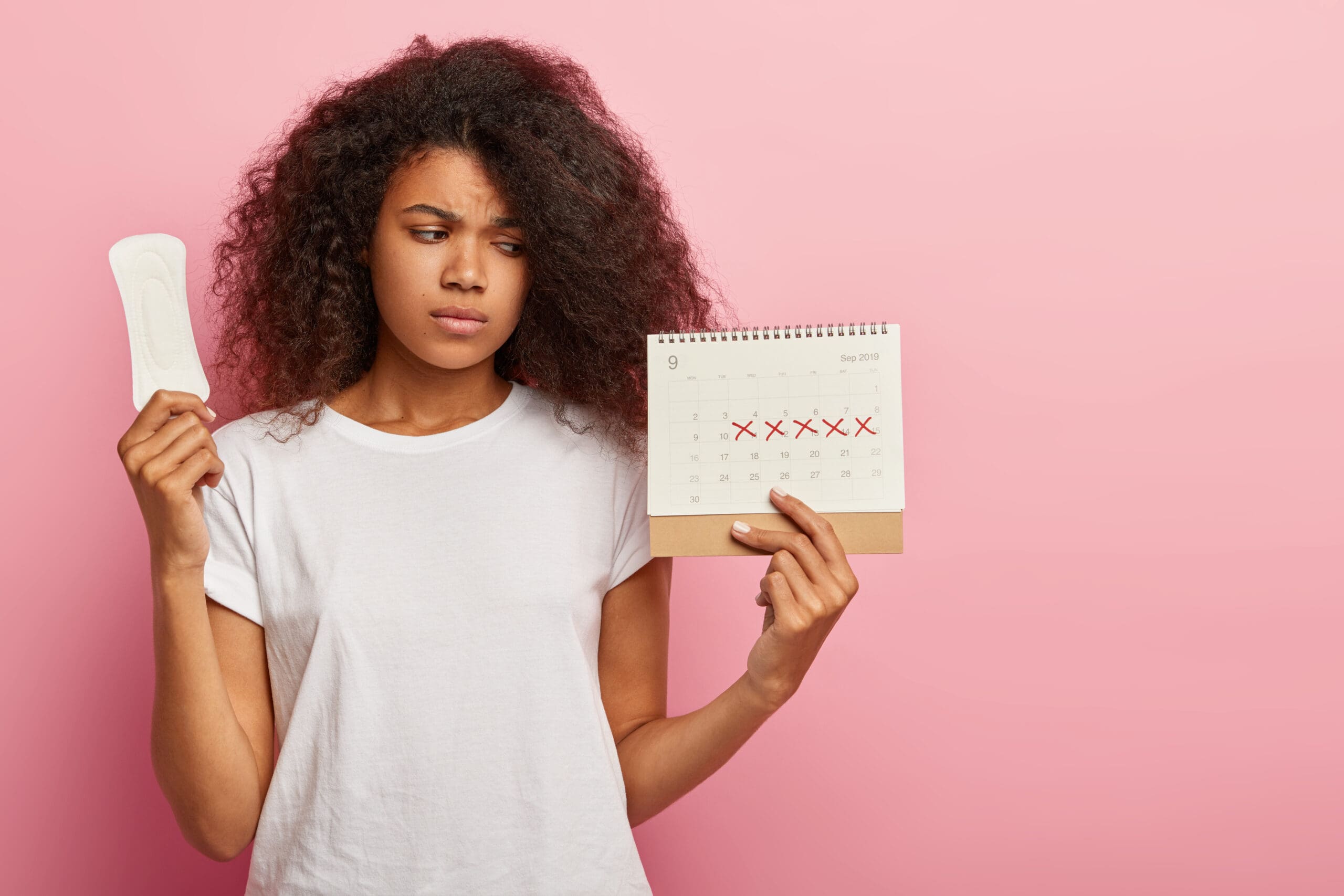
Black teens are speaking up about what it means to live with period shame. They describe hiding pads in their sleeves, skipping movements in gym class, and pushing through pain so they don’t seem dramatic.
The 2025 State of the Period report shows just how common these moments are. Board-certified OB-GYN Dr. Fran Haydanek, partnering with Thinx, a company known for its reusable period underwear, says the findings reveal the weight of stigma and the urgent need for support.
Table of Contents
Basic Menstrual Health Screenings Are Not Always Available to Black Teens,
“From the 2025 State of the Period findings, it’s clear that period shame is showing up in the smaller, everyday moments for Black teens,” Dr. Haydanek explains. Eighty-three percent report tucking pads or tampons away when they leave class. More than half avoid specific movements or activities due to concerns about leakage. She says these patterns show how many teens feel they must manage their periods quietly, without the support or understanding they deserve.
The survey also found that nearly one in five Black teens has never received a basic menstrual health screening. Many are navigating their symptoms without guidance, leaving them vulnerable to misinformation and isolation.
A Lack of Support and Preparation
Teens want products they can count on, honest, accurate education, and adults who understand menstrual health and take their pain seriously. Yet only three in ten feel their school supports them.
“Even though access to free products has improved in some places, stigma has grown since 2023,” Dr. Haydanek says. That gap is why she partnered with Thinx to share practical tips for parents, coaches, and after-school instructors.
The disconnect also shows up in education. Many teens report that they first experienced their period before they learned about the menstrual cycle. That lack of preparation leaves them feeling unready and unsupported at a critical moment.
Creating Safe Spaces
Dr. Haydanek believes adults play a central role in shifting stigma. “It is up to parents, teachers, coaches, and mentors to shift the stigmas associated with periods by normalizing and helping teens to feel safe asking for support,” she says.
Her advice is straightforward. She urges adults to create judgment-free zones, empower teens with education, encourage open communication, and suggest products designed for teens. She points to Thinx Teens period underwear, which offers up to twelve hours of leakproof protection, as one option that helps teens move through their day with less worry.
The findings also show that when teens feel supported, they are more likely to ask questions. When asked who they would turn to with a private health concern, many said they would go to a parent or trusted adult rather than a teacher or health professional. That trust is an opportunity for families and mentors to step in with accurate information.
The High Cost of Access
“For a lot of families, it comes down to cost and inconsistent access,” Dr. Haydanek says.
Teens spend about forty dollars a month on products, which can strain tight budgets. Nearly half of Black teens say their families have had to adjust what they buy because of financial pressure. That often means wearing products longer than recommended or relying on friends.
Economic pressure also affects participation in sports and extracurricular activities. Teens report missing activities because of cramping, fatigue, irritability, or fear of spotting. These experiences show how stigma and cost combine to limit opportunities.
Where Brand Messaging Stops Short
“We need to have more discussions about warning signs when it comes to menstrual health,” she says. Periods can signal what is happening inside the body. Irregular cycles, pain that causes missed school or work, or the disappearance of periods altogether should be evaluated by an OB-GYN.
Yet brand messaging often focuses only on empowerment without addressing these health realities. Teens need clear information about when to seek care, not just slogans.
They Are Ready to Break Taboos
The findings also show teens are pushing for change themselves. Eighty-two percent want more advocacy around menstrual health in 2025. Even though only 62% feel in control of their periods, 81% say they have helped someone feel more comfortable talking about theirs. Peer support is reshaping the conversation and breaking the silence.
Measuring Impact
Dr. Haydanek says awareness is not enough. “We need to continue to push for things like the removal of the pink tax on items like menstrual products, because they are not a luxury good. We need access to menstrual products in schools, especially for populations with limited resources. And most importantly, I am pushing for continued funding for gynecologic research.”
The survey makes clear that stigma is real, but so is resilience. Teens are speaking up, supporting one another, and asking for change. With adults who listen and policies that prioritize menstrual health, the next generation can move through their lives with confidence instead of shame.
Resources:

















