
Medically Reviewed
Dr. Jose Rossello, MD, PhD, MHCM
Preventive Medicine & Public Health Specialist
Last Reviewed: April 6, 2026
Turning 50 marks a significant milestone that many people approach with mixed feelings. Some worry about getting older, while others see it as a chance to start fresh. The years after 50 can be some of the most rewarding and fulfilling times in a person’s life when approached with the right mindset and strategies.
Research shows that people can improve their health and quality of life at any age. U.S. life expectancy recently reached 78.4 years, with women living to an average of 81.1 years and men to 75.8 years. This means most people have decades ahead of them after reaching 50. Habits started at age 50 can significantly increase longevity[1] and overall well-being.
This guide covers practical ways to make the most of life after 50. It includes advice on staying healthy, keeping the mind sharp, building strong relationships, and finding new purposes. The goal is to help readers understand that aging can bring growth, joy, and new opportunities.
Table of Contents
Key Takeaways
- Life after 50 offers opportunities for personal growth, reinvention, and fulfillment when approached with intention
- Simple lifestyle changes in health, social connections, and mental wellness can add years to life and improve quality of life
- Planning ahead while staying flexible allows people to build meaningful, independent lives during their later decades
Turning 50: A New Chapter in Life
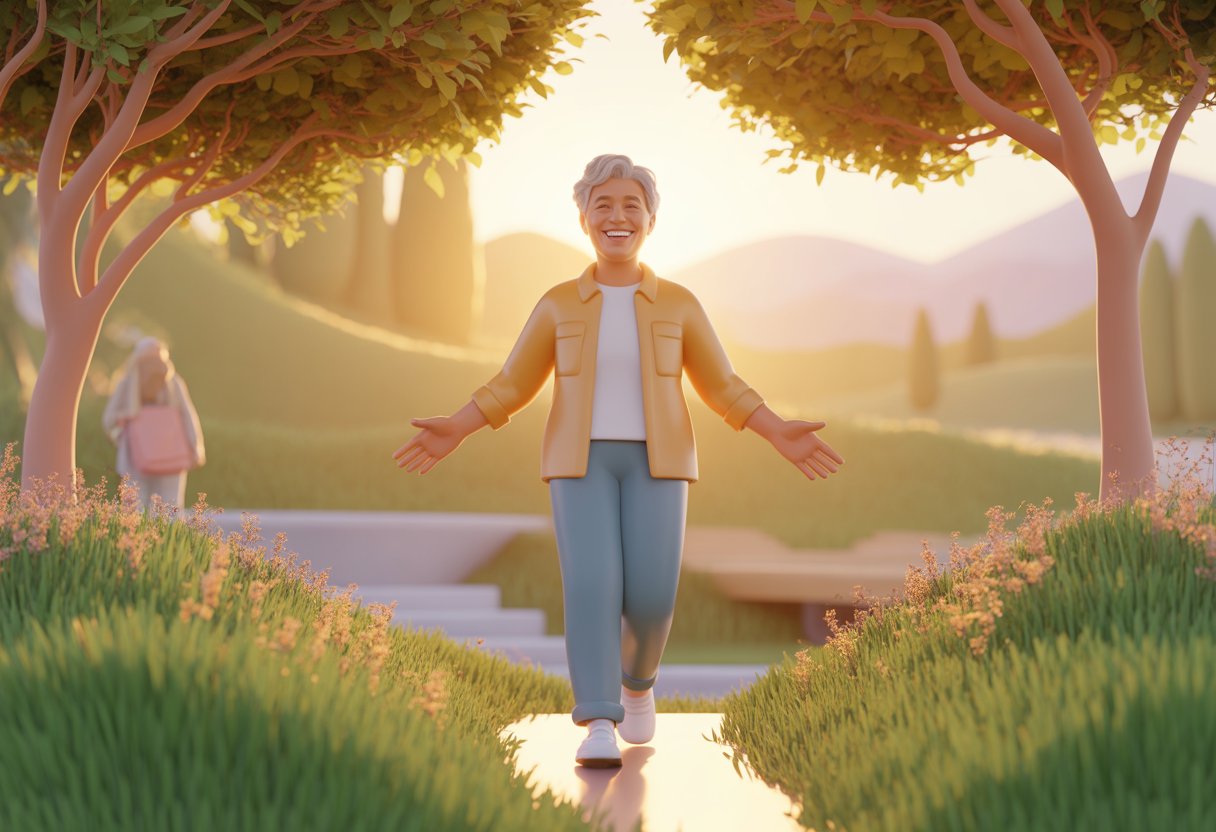
Reaching 50 marks a significant transition that brings both freedom and self-awareness, along with practical considerations about health, finances, and evolving relationships. This milestone offers a chance to reassess priorities and embrace new possibilities with confidence built from decades of experience.
Embracing Change and Opportunity
Turning 50 opens doors to experiences that weren’t possible in earlier decades. Many people find themselves with more financial stability and fewer family obligations than they had in their 30s and 40s.
This age often brings a shift in perspective about what matters most. People at 50 typically feel more comfortable making decisions based on personal values rather than external expectations. They’re more willing to pursue hobbies, travel, or career changes that align with their authentic interests.
The freedom that comes with this stage allows for exploration without the same pressures that dominated earlier years. Adult children may have moved out, creating space for new routines and adventures. Some people choose to explore new creative passions[2] or redirect their energy toward causes they care about deeply.
Milestones and Mindset Shifts
Life after 50 brings a distinctive combination of wisdom and confidence that younger years rarely provide. People at this age often report feeling more comfortable in their own skin and less concerned with others’ opinions.
Key mindset shifts include:
- Self-acceptance: Greater comfort with personal quirks and imperfections
- Authentic expression: Confidence to voice opinions without seeking validation
- Prioritization: Clear understanding of what deserves time and energy
- Perspective: Ability to find humor in situations that once caused stress
These changes don’t happen overnight but develop gradually through accumulated life experiences. The half-century mark serves as a natural point to reflect on personal growth and recognize how far one has come.
Unique Challenges Faced at 50
While turning 50 offers many advantages, it also presents specific concerns that require attention and planning. Health becomes a more immediate priority as bodies change and the risk of chronic conditions increases.
Common challenges include worries about retirement savings, job security in an age-conscious workplace, and the responsibility of caring for aging parents while supporting adult children. Physical changes like decreased stamina, vision changes, and shifting metabolism require lifestyle adjustments.
Many people experience what’s known as empty nest syndrome when children leave home, leading to questions about identity and purpose. Mortality awareness becomes more pronounced, prompting reflections on legacy and time remaining.
Financial planning takes on new urgency as retirement draws closer. People need to evaluate whether their savings will support their desired lifestyle and cover potential healthcare costs in later years.
Transforming Perspectives on Aging
The way people think about getting older shapes their health outcomes and quality of life. Research shows that individuals with positive beliefs about aging live seven and a half years longer[3] than those with negative views.
Debunking Aging Myths
Many common beliefs about aging simply aren’t true. Memory doesn’t always decline with age. In fact, certain cognitive abilities improve in later years, including metacognition—the ability to understand one’s own thinking process, solve conflicts between people, and consider multiple perspectives.
The stereotype that older workers perform poorly has no scientific backing. Studies show they bring valuable skills and experience to their roles.
Common myths include:
- Older adults are too fragile for exercise
- Cognitive decline is inevitable
- Seniors can’t learn new skills
- Memory lapses only happen to older people
Physical issues often get blamed on age when other factors are responsible. A pulled muscle might result from skipping a warm-up, not from an aging body. Poor hearing in a restaurant could be due to background noise rather than declining abilities.
Adopting a Positive Attitude Toward Getting Older
People absorb negative messages about aging from childhood through fairy tales, media, and cultural stereotypes. These beliefs become self-fulfilling prophecies that affect physical and mental health.
Those with negative age beliefs face higher risks of heart attacks, strokes, chronic stress, balance problems, and depression. They also experience shorter lifespans than people who view aging positively.
Challenging ageist thoughts makes a real difference. When someone blames age for a memory lapse, they should remember these lapses happen at every age. Rather than accepting age-related stereotypes, people can question whether other explanations exist.
Building relationships across generations helps break down stereotypes. Spending time with people of different ages provides examples that contradict negative assumptions.
Empowerment Through Experience
Growing older brings genuine advantages that younger people don’t possess. Decades of life experience create wisdom that helps navigate complex situations and make better decisions.
Older adults develop stronger emotional regulation skills. They handle stress more effectively and maintain more stable moods than younger individuals.
Key strengths that develop with age:
- Problem-solving abilities that draw from years of varied experiences
- Emotional intelligence refined through countless social interactions
- Perspective gained from witnessing historical changes and personal growth
- Resilience built through overcoming past challenges
Research from AARP and National Geographic found that older adults make up the happiest age group. Two out of three people aged 80 and older report living their best possible life or close to it. This data contradicts the stereotype that aging brings inevitable decline and unhappiness.
Emotional Wellness and Personal Growth
Life after 50 brings unique opportunities to strengthen emotional health through resilience, continuous learning, and releasing past burdens. These practices help people navigate aging with confidence and purpose.
Building Resilience and Adaptability
Resilience becomes essential as people face the changes that come with aging. Physical shifts, retirement transitions, and losses test emotional strength in new ways.
Building resilience starts with accepting that challenges are normal parts of life. People who view obstacles as opportunities for growth rather than threats develop stronger coping skills. They bounce back faster from setbacks.
Small daily practices make a difference. Regular exercise, even light walking, helps regulate mood and stress levels. Maintaining social connections provides emotional support during difficult times.
Adaptability means adjusting expectations and finding new approaches when old methods no longer work. Someone who retires might redirect their professional skills into volunteer work or mentoring. A person dealing with physical limitations might discover different activities that bring joy.
The key is staying flexible rather than rigid. People who embrace change instead of resisting it experience less anxiety and frustration as they age.
The Power of Lifelong Learning
Learning new skills and exploring interests after 50[4] keeps the mind sharp and creates a sense of accomplishment. The brain remains capable of growth throughout life.
Taking classes, whether online or in person, opens doors to new communities and friendships. Someone might learn a language, study history, or master a musical instrument. These pursuits provide structure and meaning to daily life.
Personal growth is a lifelong journey[5] that supports wellbeing at any age. It involves improving self-awareness and developing strengths through intentional effort.
New hobbies offer mental stimulation and creative outlets. Painting, woodworking, photography, or gardening engage different parts of the brain. They provide tangible results that boost confidence.
Learning doesn’t require perfection. The process itself matters more than achieving expert status. Each small improvement brings satisfaction and reinforces that growth remains possible regardless of age.
Letting Go of Regret and Cultivating Forgiveness
Carrying regrets from the past weighs heavily on emotional wellness. Many people over 50 reflect on choices they wish they had made differently.
Forgiveness starts with self-compassion. Everyone makes mistakes based on the information and resources available at the time. Looking back with harsh judgment ignores that reality.
Steps to release regret:
- Acknowledge the feeling without dwelling on it
- Recognize what was learned from the experience
- Focus energy on present actions rather than past decisions
- Practice self-talk that is kind rather than critical
Forgiving others frees up emotional space for positive experiences. Holding grudges creates stress that affects both mental and physical health. This doesn’t mean forgetting harmful actions or allowing bad behavior to continue.
It means choosing not to let past hurts control present emotions. People who practice forgiveness report lower levels of anxiety and depression. They sleep better and feel more at peace.
Writing thoughts in a journal helps process difficult emotions. Some find it useful to write letters they never send, expressing feelings and then symbolically releasing them. Others benefit from talking with a therapist or trusted friend.
Reinventing Yourself After 50

Turning 50 opens doors to new opportunities that weren’t possible during earlier life stages. People can explore hobbies they’ve always wanted to try and shift careers toward work that feels more meaningful.
Exploring New Passions and Hobbies
Life after 50 provides more freedom to pursue interests that got pushed aside during busy working years. Many people find they finally have time to take painting classes, learn a musical instrument, or join community theater groups.
Physical activities like hiking, yoga, or swimming offer both enjoyment and health benefits. Creative pursuits such as photography, writing, or woodworking allow for self-expression and skill development. Some people discover daily habits that support personal growth[6] and mental flexibility.
Popular hobbies to consider:
- Learning a new language
- Gardening or landscaping
- Cooking international cuisines
- Volunteering in the community
- Joining book clubs or discussion groups
The key is choosing activities that spark genuine interest rather than following what others expect. Trying different hobbies helps people identify what truly brings satisfaction and joy to their daily routine.
Career Shifts and Entrepreneurial Ventures
Many professionals use their 50s to change career paths or start their own businesses. Decades of experience provide valuable knowledge that translates well into consulting, coaching, or freelance work.
Career reinvention doesn’t require starting from scratch[7]. Instead, it involves applying existing skills in new ways. Someone who spent years in corporate management might transition to nonprofit leadership or business coaching.
Entrepreneurship appeals to those wanting more control over their work life. Online platforms make it easier to launch service-based businesses with minimal startup costs. Options include virtual assistance, graphic design, content writing, or financial planning.
Taking courses or attending industry events helps people stay current with market trends. Working with a career coach provides guidance on identifying transferable skills and exploring viable opportunities. The combination of wisdom, stability, and experience makes this age group well-suited for professional reinvention.
Healthy Living Strategies for Your Fifties and Beyond
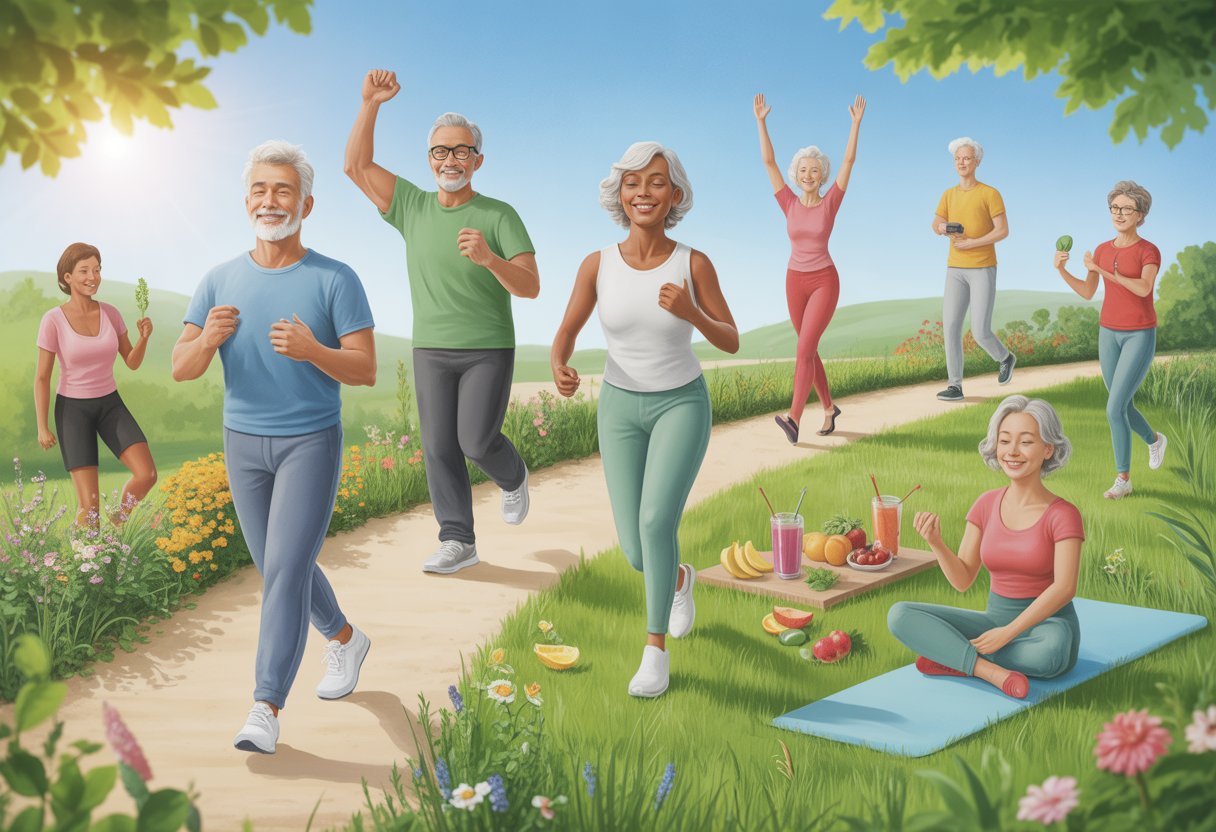
Turning 50 brings new opportunities to focus on habits that support long-term health. Regular movement, preventive medical care, and smart food choices form the foundation for staying strong and active in the decades ahead.
Physical Activity and Exercise Tips
Adults over 50 need at least 150 minutes of moderate exercise each week. This breaks down to about 30 minutes on most days. Walking, swimming, and cycling count as moderate activities that get the heart pumping without excessive strain.
Strength training becomes especially important for women over 50. Lifting weights or using resistance bands twice a week helps maintain muscle mass and bone density. These exercises don’t require a gym membership. Bodyweight movements like squats, wall push-ups, and standing leg lifts work well at home.
Balance exercises prevent falls, which become more dangerous with aging. Simple practices include standing on one foot while brushing teeth or walking heel-to-toe in a straight line. Yoga and tai chi also improve balance while building flexibility.
Key weekly targets include:
- 150 minutes of moderate cardio
- 2 strength training sessions
- Daily balance and flexibility work
Essential Health Screenings
Regular checkups catch problems early when they’re easier to treat. Vision and hearing tests need special attention as people age[1]. People over 65 should get their eyes checked every one to two years.
Hearing loss often goes unnoticed. Warning signs include turning up the TV volume or struggling to follow conversations in noisy places. Untreated hearing problems increase dementia risk.
Blood pressure, cholesterol, and diabetes screenings should happen annually. Women need mammograms every one to two years starting at age 50. Colonoscopy screening typically begins at 45 and continues every 10 years if results are normal.
Bone density scans check for osteoporosis in women over 65. Those with risk factors may need testing earlier.
Balanced Nutrition for Longevity
Eating patterns matter more than single foods. A plate should be half vegetables and fruits, one quarter whole grains, and one quarter lean protein. This simple formula provides nutrients without excess calories.
Calcium and vitamin D protect bones during aging. Dairy products, leafy greens, and fortified foods deliver calcium. The body makes vitamin D from sunlight, but many people need supplements.
Protein needs actually increase after 50. Each meal should include a palm-sized portion of fish, poultry, beans, or eggs. Protein maintains muscle mass that naturally declines with age.
Staying hydrated prevents fatigue and supports kidney function. Water remains the best choice. Coffee and tea count toward fluid intake, but sugary drinks add empty calories.
Daily nutrition priorities:
- 5-9 servings of fruits and vegetables
- 25-30 grams of fiber
- 1,200 mg of calcium for women over 50
- 8 cups of water
Mental Sharpness and Brain Health

Your brain naturally changes with age, but simple daily actions and regular social connection can protect cognitive function and reduce dementia risk. Small lifestyle adjustments make a meaningful difference in maintaining mental clarity.
Daily Habits to Maintain Cognitive Function
Regular fish consumption as part of a balanced diet could reduce age-related cognitive decline[8]. Salmon, shrimp, canned light tuna, and pollack contain lower mercury levels compared to shark, swordfish, and king mackerel.
Sleep quality directly impacts brain health. Older adults who get less slow-wave sleep have higher levels of tau protein, which links to cognitive decline and Alzheimer’s disease. Waking up tired and irritable regularly may signal a shift from healthy to impaired brain function.
Exercise and proper nutrition remain the two biggest weapons for protecting the brain. Physical activity increases blood flow to the brain and supports the formation of new neural connections. A diet rich in vegetables, whole grains, and omega-3 fatty acids provides essential nutrients for cognitive health.
People should watch for concerning memory changes. Forgetting a word temporarily is normal aging. Losing keys repeatedly and never finding them requires medical screening.
Staying Socially and Intellectually Engaged
The brain forms new connections throughout life when challenged with novel experiences. Learning new skills, whether a language, instrument, or hobby, strengthens neural pathways and builds cognitive reserve.
Social interaction protects against cognitive decline. Regular conversations, group activities, and meaningful relationships keep the mind active and engaged. Isolation increases dementia risk, while strong social networks provide mental stimulation.
Chronic stress in late midlife raises dementia risk later. Prolonged stress causes vital exhaustion, marked by unusual fatigue, irritability, and demoralized feelings. Managing stress through social connection, relaxation techniques, and purposeful activities supports long-term brain health.
Intellectual engagement matters as much as social connection. Reading, puzzles, strategic games, and creative pursuits all challenge the brain in different ways.
The Unique Journey of Women Over 50
Women over 50 experience significant physical and emotional shifts that require new approaches to health and self-care. Hormonal changes bring challenges that demand attention, while growing confidence often leads to stronger advocacy and personal empowerment.
Navigating Menopause and Hormonal Changes
Menopause typically occurs between ages 45 and 55, marking the end of menstrual cycles. This transition brings hot flashes, night sweats, mood changes, and sleep disruptions that affect daily life.
Hormone levels of estrogen and progesterone decline during this time. These changes can lead to vaginal dryness, decreased bone density, and shifts in metabolism. Many women gain weight more easily during this phase.
Some women choose hormone replacement therapy to manage symptoms. Others find relief through lifestyle modifications like regular exercise, balanced nutrition, and stress management techniques.
Sleep quality often suffers during menopause. Women may need to adjust bedroom temperature, invest in moisture-wicking bedding, or establish new sleep routines to improve rest.
Bone health becomes more critical as estrogen levels drop. Weight-bearing exercises and adequate calcium and vitamin D intake help maintain bone strength and prevent osteoporosis.
Elevate Your Health for Just $29.99/Month
Join the Precision Wellness Subscription at My Healing 365 and get discounted services, priority coaching access, virtual care, and exclusive wellness resources to support your physical, emotional, and hormonal health.
Join for $29.99/MonthPrioritizing Self-Care and Well-Being
Self-care takes on new importance for women thriving beyond 50[9]. Physical activity helps maintain muscle mass, balance, and cognitive function as the body ages.
Protein intake needs increase with age. Women should consume adequate protein at each meal to preserve muscle and support bone health. Adding eggs, fish, legumes, or Greek yogurt to meals helps meet these needs.
Hydration becomes more challenging as the body’s thirst signals diminish. Drinking water first thing in the morning and keeping water accessible throughout the day helps maintain proper hydration levels.
Mental health deserves equal attention to physical wellness. Many women find this decade offers new freedom to explore interests, develop hobbies, or pursue passions they set aside earlier in life.
Regular health screenings including mammograms, colonoscopies, and bone density tests help catch potential issues early. Preventive care becomes increasingly valuable during these years.
Empowerment and Advocacy for Women
Women over 50 often experience a shift in confidence and self-assurance. Years of experience translate into wisdom that informs better decision-making in personal and professional contexts.
Many women become stronger advocates for themselves and others during this stage. They speak up more readily about their needs, set firmer boundaries, and refuse to settle for less than they deserve.
Career changes and new ventures become common as women reassess priorities. Some launch businesses, switch fields, or take on leadership roles they previously avoided.
The stigma around aging continues to fade as more women publicly embrace this life stage. Social attitudes are shifting to recognize the value and capability of older women rather than dismissing them.
Community involvement often increases during these years. Women join groups, volunteer for causes they care about, and build networks that provide support and connection.
This period offers opportunities to mentor younger generations. Sharing knowledge and experience helps others while reinforcing a sense of purpose and contribution.
Building and Sustaining Meaningful Connections
Strong relationships protect against loneliness and isolation, which research links to serious health risks including heart disease, cognitive decline, and even shortened lifespan. People over 50 can strengthen family bonds, deepen friendships through shared activities, and find community support both online and in person.
Strengthening Family Relationships
Family connections often shift after 50 as children grow independent and parents age. Regular communication becomes essential, even if it’s brief check-ins by phone or text. Setting up weekly video calls creates consistency and keeps everyone connected despite distance.
Sharing activities builds stronger bonds. Cooking together, working on projects, or planning family gatherings gives everyone something to look forward to. These shared experiences create new memories while honoring family traditions.
Boundaries matter too. Adult children may need space to build their own lives while aging parents might require more support. Having honest conversations about expectations and needs prevents misunderstandings. Family members should discuss practical matters like health decisions and future plans before crises occur.
Grandparents can maintain close relationships with grandchildren through regular visits, letters, or video chats. Teaching skills like gardening, cooking, or woodworking passes down knowledge while creating one-on-one time. Even simple activities like reading books together or playing games strengthens these important connections.
Deepening Friendships in Later Life
Making and keeping friends after 50 requires three key elements. Relationships need positivity through enjoyable interactions, consistency through regular contact, and vulnerability through honest sharing.
Joining groups that meet regularly makes friendship easier. Hobby clubs, fitness classes, and volunteer opportunities provide built-in schedules and shared interests. People don’t have to coordinate individual meetups when they’re both committed to the same weekly activity.
Online communities offer ways to connect[10] with others who share similar interests or life experiences. These digital spaces let people build friendships regardless of location or mobility limitations.
Old friendships need attention too. Reaching out to former colleagues or childhood friends can revive meaningful connections. A simple message or invitation to meet for coffee often leads to renewed relationships.
Finding Community and Support
Building a social network after retirement[11] replaces workplace connections that previously filled daily life. Community centers, libraries, and faith organizations host activities designed for older adults. These spaces provide natural opportunities to meet people with similar backgrounds and interests.
Volunteer work serves dual purposes. It provides meaningful activity while connecting people with others who care about the same causes. Food banks, animal shelters, museums, and hospitals all need regular volunteers.
Support groups help people navigate specific life challenges. Whether dealing with health conditions, caregiving responsibilities, or grief, connecting with others who understand creates powerful bonds. Many hospitals and community organizations offer these groups both in person and online.
Taking classes introduces people to new skills and new friends simultaneously. Community colleges, senior centers, and continuing education programs offer everything from art and music to technology and languages. The regular schedule and shared learning experience naturally fosters connection.
Living Independently and Redefining Retirement

More Americans are choosing to live alone as they age, with about one in five people ages 50 to 54 now living independently. This shift brings both freedom and new opportunities to create a retirement that fits personal values and goals.
Solo Living and Personal Freedom
Living alone after 50 offers unique advantages that many people find rewarding. One person who directed a play at age 73 noted that the great advantage of solo aging is answering to no one, which brings considerable freedom.
Older Americans are redefining aging alone[12] in ways that challenge old assumptions. Research tracking African American female solo agers found they were less likely to feel lonely than women with partners. Both groups rated their health similarly.
Key benefits of solo living include:
- Control over daily schedules and decisions
- Time to pursue personal interests without compromise
- Flexibility to travel or relocate as desired
- Space to develop deeper friendships
Social connections remain essential. Sixty-three percent of solo agers report that spending time with friends brings them joy. Regular activities like attending a coffee shop, joining community groups, or volunteering help prevent isolation. A Navy veteran who volunteers three mornings weekly calling other older adults says the connections inspire him.
Designing a Purposeful Daily Routine
A purposeful life after retirement[13] starts with reconnecting with personal values and aspirations. Life after 50 works best when daily activities reflect what truly matters to each individual.
Successful routines blend structure with flexibility. Some people schedule regular social activities like Friday afternoon coffee meetings or Tuesday morning breakfasts with friends. Others join groups that meet weekly, from bereavement support to nature clubs.
Elements of an effective daily routine:
- Morning rituals that set a positive tone
- Physical activity matched to current abilities
- Social engagement through clubs or volunteer work
- Creative pursuits like directing plays or artistic hobbies
One person joined the Audubon Society and multiple support groups after becoming widowed, noting that laughing together and being social is sometimes all someone needs. Another volunteer who checks on older adults through a social service organization doesn’t consider it work but rather a rich and valuable way to connect.
The routine should also address practical needs. Many solo agers worry about tasks like household repairs, climbing ladders, or managing health issues alone. Building relationships with neighbors, hiring help for specific tasks, or living in communities that offer assistance while maintaining independence[14] can ease these concerns.
Planning for the Future
Building a secure foundation requires addressing both money management and legal matters. These two areas work together to protect assets and ensure wishes are honored.
Financial Stability After 50
Meeting with a financial planner becomes essential after turning 50. A professional can assess retirement accounts, investment portfolios, and savings to create a strategy that aligns with individual goals and timeline.
Key areas to address include:
- Retirement fund management and withdrawal strategies
- Social Security benefit timing and optimization
- Healthcare costs and insurance coverage gaps
- Investment risk adjustment as retirement approaches
Long-term care insurance deserves serious consideration. These policies help cover expenses for home care, assisted living, or nursing home services that regular health insurance doesn’t include. The younger and healthier someone is when purchasing coverage, the lower the premiums typically are.
Emergency funds need attention too. Experts recommend saving enough to cover six to twelve months of living expenses. This cushion provides protection against unexpected costs without forcing early retirement account withdrawals that carry tax penalties.
Regular financial reviews help adapt plans as circumstances change. Life expectancy, health status, and market conditions all shift over time, requiring adjustments to maintain financial stability and meet lifestyle goals[15].
Legal and Estate Planning Essentials
Estate planning ensures assets transfer according to personal wishes while minimizing tax burdens on heirs. A comprehensive estate plan includes several critical documents that work together.
A will outlines how property and assets should be distributed after death. Without one, state laws determine who receives what, which may not match intended wishes.
Trusts offer additional control and can help avoid probate. They allow assets to transfer directly to beneficiaries without court involvement, saving time and money.
Essential legal documents include:
- Living will: Specifies medical treatment preferences
- Healthcare power of attorney: Names someone to make medical decisions if incapacitated
- Financial power of attorney: Authorizes someone to handle financial matters
- Beneficiary designations: Updates on retirement accounts and life insurance policies
These essential legal documents help manage assets and healthcare decisions[16], providing clarity for family members during difficult times. Review and update all documents every few years or after major life changes like divorce, remarriage, or the birth of grandchildren.
Celebrating the Wisdom and Joy of Aging
Growing older brings unique opportunities to appreciate life’s richness and share accumulated knowledge with others. People over 50 often discover deeper satisfaction in simple pleasures and find meaningful ways to contribute their experience to family and community.
Finding Fulfillment in Everyday Moments
Life after 50 offers a chance to slow down and notice what truly matters. Many people find greater joy in activities they once rushed through, like morning coffee, conversations with friends, or walks in nature.
This stage of life often brings emotional wisdom that helps people focus on quality over quantity in relationships. Research shows that older adults tend to prioritize fewer but more meaningful connections that bring genuine satisfaction.
Daily routines become opportunities for appreciation rather than tasks to complete. Gardening, cooking, reading, or pursuing creative hobbies take on new significance when people have time to fully engage with them.
Simple ways to find daily fulfillment:
- Practice gratitude by noting three positive moments each day
- Engage fully in conversations without distractions
- Try new recipes or revisit favorite comfort foods
- Spend time outdoors observing seasonal changes
- Connect with friends through regular phone calls or visits
The key is being present rather than dwelling on the past or worrying about the future. This mindful approach to aging helps people extract more meaning from ordinary experiences.
Leaving a Legacy and Inspiring Others
Many people over 50 feel called to share their knowledge and experience with younger generations. This desire to leave something meaningful behind brings deep purpose during later years.
Meaningful contributions through volunteering[17] provides fulfillment while helping causes that matter. Whether mentoring young professionals, tutoring students, or supporting community organizations, these activities create lasting impact.
Family connections offer another avenue for legacy building. Grandparents can share stories, traditions, and life lessons that help younger family members understand their roots and values.
Ways to build a lasting legacy:
- Mentor someone in your former profession
- Document family history through photos or written stories
- Teach skills like cooking, woodworking, or music
- Volunteer with organizations aligned with your values
- Share life lessons through writing or speaking
The wisdom gained through decades of experience becomes a gift to others. People who actively share their knowledge often report feeling more connected and purposeful in their daily lives.
Frequently Asked Questions
Life after 50 brings real questions about daily routines, health choices, and maintaining independence. These answers focus on practical steps that can make a measurable difference in how people feel and function.
What does thriving after 50 realistically look like in everyday life?
Thriving after 50 means maintaining independence in daily activities without struggling or needing assistance. A person who thrives can climb stairs without getting winded, carry groceries without strain, and participate in activities they enjoy.
It also means keeping social connections active. People who thrive maintain relationships with family and friends through regular contact, whether in person or through phone and video calls.
Mental sharpness remains intact. They can manage their finances, remember appointments, and learn new skills when they choose to.
Physical comfort plays a role too. This includes getting quality sleep, managing any chronic conditions effectively, and having enough energy to complete daily tasks without exhaustion.
What is the #1 mistake that can make you age faster?
Social isolation stands out as one of the most damaging habits for aging. Spending too much time alone can shorten lives[1] by about as much as smoking 15 cigarettes a day, according to the U.S. Surgeon General.
Loneliness affects both mental and physical health in measurable ways. It has been linked to heart disease, diabetes, and cognitive decline in older adults.
Many people over 50 lose touch with others due to retirement, moves to new locations, or the death of friends and family members. This makes them especially vulnerable to isolation.
The problem compounds itself because lonely people often withdraw further instead of seeking connection. Breaking this cycle requires intentional effort to maintain and build relationships.
What is the number one daily habit most associated with boosting longevity?
Regular physical activity stands as the most important daily habit for living longer. Moving the body every day helps prevent heart disease, maintains muscle mass, and keeps bones strong.
Physical activity doesn’t require intense workouts or gym memberships. Walking for 30 minutes most days of the week provides significant health benefits.
Consistency matters more than intensity. Someone who takes a moderate walk every day will see better results than someone who exercises hard once a week.
Movement also supports mental health and cognitive function. Active people tend to sleep better, experience less depression, and maintain sharper thinking skills as they age.
How can someone over 50 build strength and mobility safely without injury?
Starting slowly prevents most injuries when beginning a new exercise routine. People should begin with exercises they can complete comfortably and add difficulty gradually over weeks and months.
Proper form matters more than the amount of weight lifted or repetitions completed. Working with a physical therapist or certified trainer for even a few sessions can teach correct technique.
Warming up before exercise and cooling down afterward protects muscles and joints. Five to ten minutes of gentle movement prepares the body for activity and reduces injury risk.
Balance exercises become increasingly important after 50. Standing on one foot, walking heel-to-toe, or using a balance board helps prevent falls that can lead to serious injuries.
Rest days allow the body to recover and rebuild. People over 50 should avoid working the same muscle groups on consecutive days.
Which nutrition changes after 50 tend to have the biggest impact on energy and weight management?
Reducing portion sizes helps counter the natural metabolism slowdown that occurs with age. The body needs fewer calories after 50, so eating the same amounts as in younger years leads to weight gain.
Increasing protein intake supports muscle maintenance. Muscles naturally decrease with age, but adequate protein helps slow this loss and maintains strength.
Eating more fiber improves digestion and helps people feel full longer. Whole grains, vegetables, fruits, and legumes provide fiber while delivering important nutrients.
Cutting back on added sugars and processed foods reduces empty calories. These foods provide energy spikes followed by crashes that leave people feeling tired.
Staying hydrated becomes more important because the sensation of thirst decreases with age. Drinking water throughout the day supports energy levels and helps the body function properly.
How can people over 50 protect cognitive health and reduce the risk of memory decline?
Getting eyes and ears checked regularly[1] protects brain health in surprising ways. People with uncorrected hearing loss are more likely to develop dementia than those who use hearing aids when needed.
Learning new skills challenges the brain and builds cognitive reserve. Taking classes in subjects like music, languages, or crafts creates new neural pathways.
Staying socially engaged protects memory and thinking skills. Conversations, group activities, and maintaining friendships provide mental stimulation that keeps the brain active.
Managing cardiovascular health directly impacts brain function. High blood pressure, diabetes, and high cholesterol damage blood vessels in the brain, so controlling these conditions preserves cognitive abilities.
Getting quality sleep allows the brain to clear out waste products and consolidate memories. Adults need seven to nine hours of sleep per night for optimal brain health.
Post Views: 4
References
- 8 Habits to Start at Age 50 to Live Longer. https://www.aarp.org/health/healthy-living/healthy-habits-to-live-longer-after-50/ Accessed April 7, 2026
- 50 and Fabulous: How to Make the Most of Your Golden Years. https://askbart.org/best-things-about-turning-50/ Accessed April 7, 2026
- 6 Ways to Change How You See Your Senior Years. https://www.aarp.org/health/healthy-living/perspectives-on-aging/ Accessed April 7, 2026
- 429 Too Many Requests. https://tealnotes.com/plan-your-life-after-50/ Accessed April 7, 2026
- Personal Growth & Wellbeing: A Blueprint for Happiness. https://positivepsychology.com/personal-growth/ Accessed April 7, 2026
- People who reinvent themselves after 50 usually start with these 7 daily habits. https://geediting.com/kir-people-who-reinvent-themselves-after-50-usually-start-with-these-daily-habits/ Accessed April 7, 2026
- 8 Ways to Reinvent Yourself After 50. https://shebudgets.com/lifestyle/8-ways-to-reinvent-yourself-after-50/ Accessed April 7, 2026
- Ways to Keep Your Brain Healthy After 50. https://www.aarp.org/health/healthy-living/brain-guide/ Accessed April 7, 2026
- women thriving beyond 50. https://www.eatingwell.com/healthy-aging-for-women-over-50-11807568 Accessed April 7, 2026
- Your Guide to Building Lasting Connections Later in Life. https://ethel.aarp.org/relationships/friendship/your-guide-to-building-lasting-connections-later-in-life/ Accessed April 7, 2026
- Building a Social Network After Retirement: Stay Connected. https://due.com/building-a-social-network-after-retirement-staying-connected-and-thriving/ Accessed April 7, 2026
- Older Americans Are Redefining Aging Alone. https://www.aarp.org/family-relationships/solo-aging/ Accessed April 7, 2026
- 9 Tips for a More Purposeful Life After Retirement. https://secondwindmovement.com/purposeful-life-after-retirement/ Accessed April 7, 2026
- How Senior Citizens Can Enjoy Retirement While Still Living Independently. https://thirdclover.com/how-senior-citizens-can-enjoy-retirement-while-still-living-independently/ Accessed April 7, 2026
- Access Denied. https://www.raymondjames.com/-/media/rj/common/advisor-site-pdfs/longevity-planning-thrive-guide.pdf Accessed April 7, 2026
- Guide To Preparing for the Golden Years. https://seniorsafetyadvice.com/how-to-prepare-for-old-age/ Accessed April 7, 2026
- Exploring the Science of Aging Happily. https://positivepsychology.com/aging-happily/ Accessed April 7, 2026

























