Medically Reviewed
Dr. Jose Rossello, MD, PhD, MHCM
Preventive Medicine & Public Health Specialist
Last Reviewed: June 1, 2026
Your gut does far more than digest food. The trillions of bacteria living in your digestive tract influence inflammation levels throughout your entire body, affecting everything from your immune system to your mood. When the gut microbiome falls out of balance, it can trigger widespread inflammation that contributes to chronic health problems.
Gut inflammation occurs[1] when the lining of the digestive tract becomes irritated by factors like stress, processed foods, or infection. This irritation disrupts the delicate balance of good and bad bacteria in the microbiome. The result is a cascade of effects that reach far beyond stomach discomfort.
Understanding how gut health and inflammation connect gives people real tools to improve their wellbeing. The relationship between the microbiome and systemic inflammation explains why digestive health matters for conditions that seem completely unrelated to the gut. Simple changes to diet and lifestyle can help restore balance and reduce inflammation throughout the body.
Table of Contents
Key Takeaways
- The gut microbiome contains trillions of bacteria that directly influence inflammation levels throughout the body
- Gut inflammation affects mood and mental health[1] through multiple pathways including immune responses and brain chemical production
- Eating fiber-rich foods, managing stress, and getting regular exercise help reduce gut inflammation and support a healthy microbiome
Understanding the Gut Microbiome
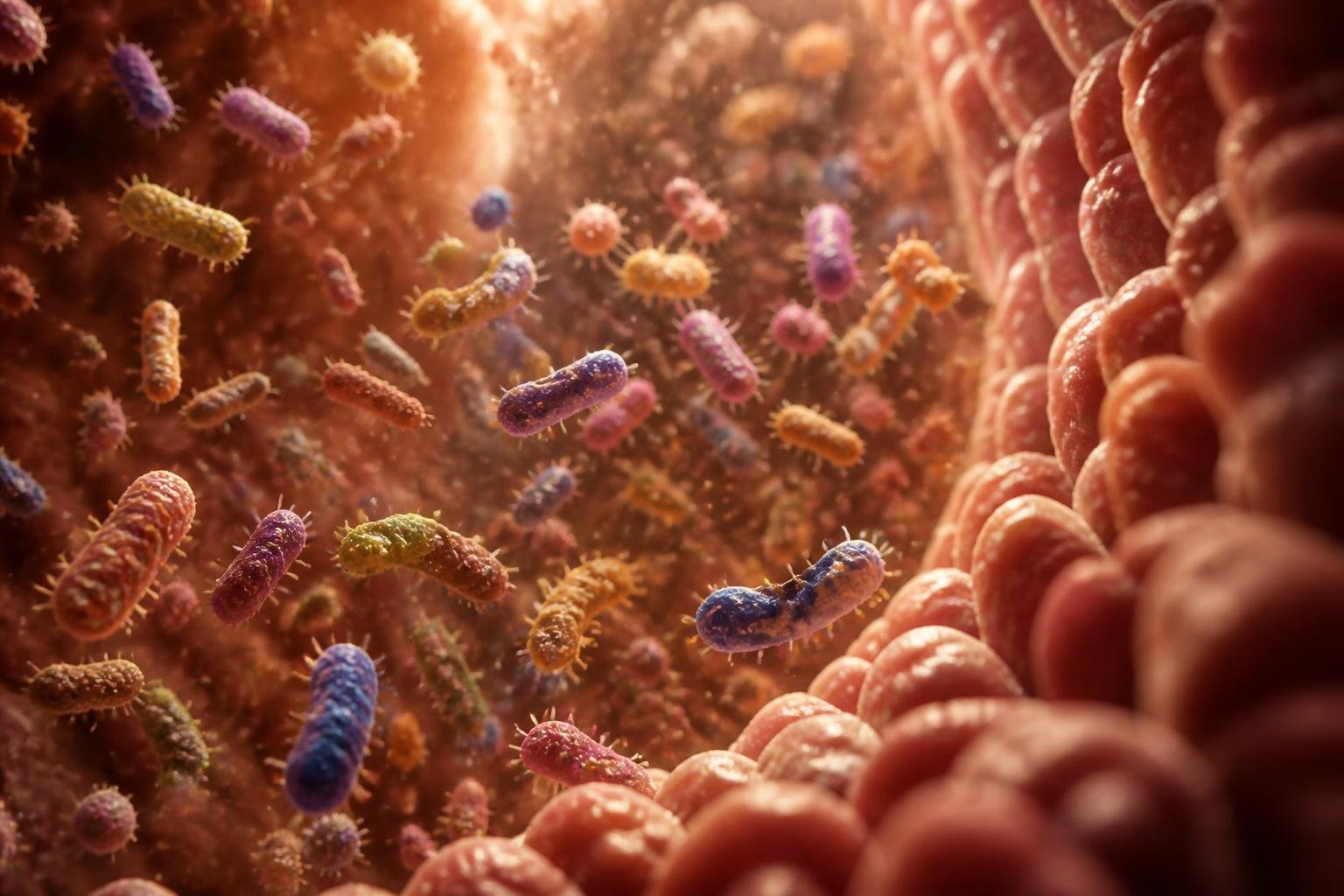
The gut microbiome contains trillions of microorganisms that work together to support digestion, immunity, and overall health. The balance and variety of these microbes determine how well the body functions, while disruptions can lead to widespread health issues.
Microbial Diversity and Its Importance
A healthy gut microbiome contains hundreds of different bacterial species working together. The gut microbiome includes bacteria, viruses, fungi, and other microorganisms[2] that live primarily in the intestines and colon.
The two main groups of bacteria are Firmicutes and Bacteroidetes. These make up most of the gut microbiota in healthy people. Other important groups include Actinobacteria and Proteobacteria.
Diverse bacterial populations provide better protection against disease. Each type of bacteria performs specific jobs, from breaking down fiber to producing vitamins. When many different species are present, the gut can handle changes in diet, stress, or medication more effectively.
The bacteria produce short-chain fatty acids (SCFAs) when they digest fiber. Butyrate is one of the most important SCFAs. It feeds the cells lining the intestines and helps reduce inflammation throughout the body.
Factors Influencing the Microbiome
The gut microbiome starts developing at birth. Babies born through vaginal delivery receive different bacteria than those born by C-section. Breastfeeding also shapes the early microbiome differently than formula feeding.
Diet has the biggest impact on gut microbiota in adults. Fiber-rich foods like fruits, vegetables, and whole grains feed beneficial bacteria. Processed foods and sugar can promote harmful bacteria growth.
Key factors that shape the microbiome:
- Age and genetics
- Medications, especially antibiotics
- Exercise habits
- Sleep patterns
- Stress levels
- Geographic location
Antibiotic use in infancy increases the risk of childhood obesity and other health problems[3] by reducing microbial diversity. The effects can last for years after the medication stops.
Signs of Microbial Imbalance
Dysbiosis occurs when harmful bacteria outnumber beneficial ones or when overall diversity decreases. This imbalance can damage the intestinal barrier, leading to increased intestinal permeability.
Common digestive symptoms include bloating, gas, diarrhea, or constipation. Many people also experience food sensitivities they never had before. Inflammatory bowel disease and irritable bowel syndrome are linked to gut microbiome imbalances[4].
Symptoms beyond the gut can also signal dysbiosis. These include frequent infections, skin problems like acne or eczema, and unexplained fatigue. Some people notice mood changes or difficulty concentrating.
Weight changes without diet modifications may indicate microbial imbalance. The gut microbiota influences how the body stores fat and regulates hunger hormones. An imbalanced microbiome can make weight management more difficult even with healthy eating habits.
Elevate Your Health for Just $29.99/Month
Join the Precision Wellness Subscription at My Healing 365 and get discounted services, priority coaching access, virtual care, and exclusive wellness resources to support your physical, emotional, and hormonal health.
Join for $29.99/MonthHow Inflammation Starts in the Gut
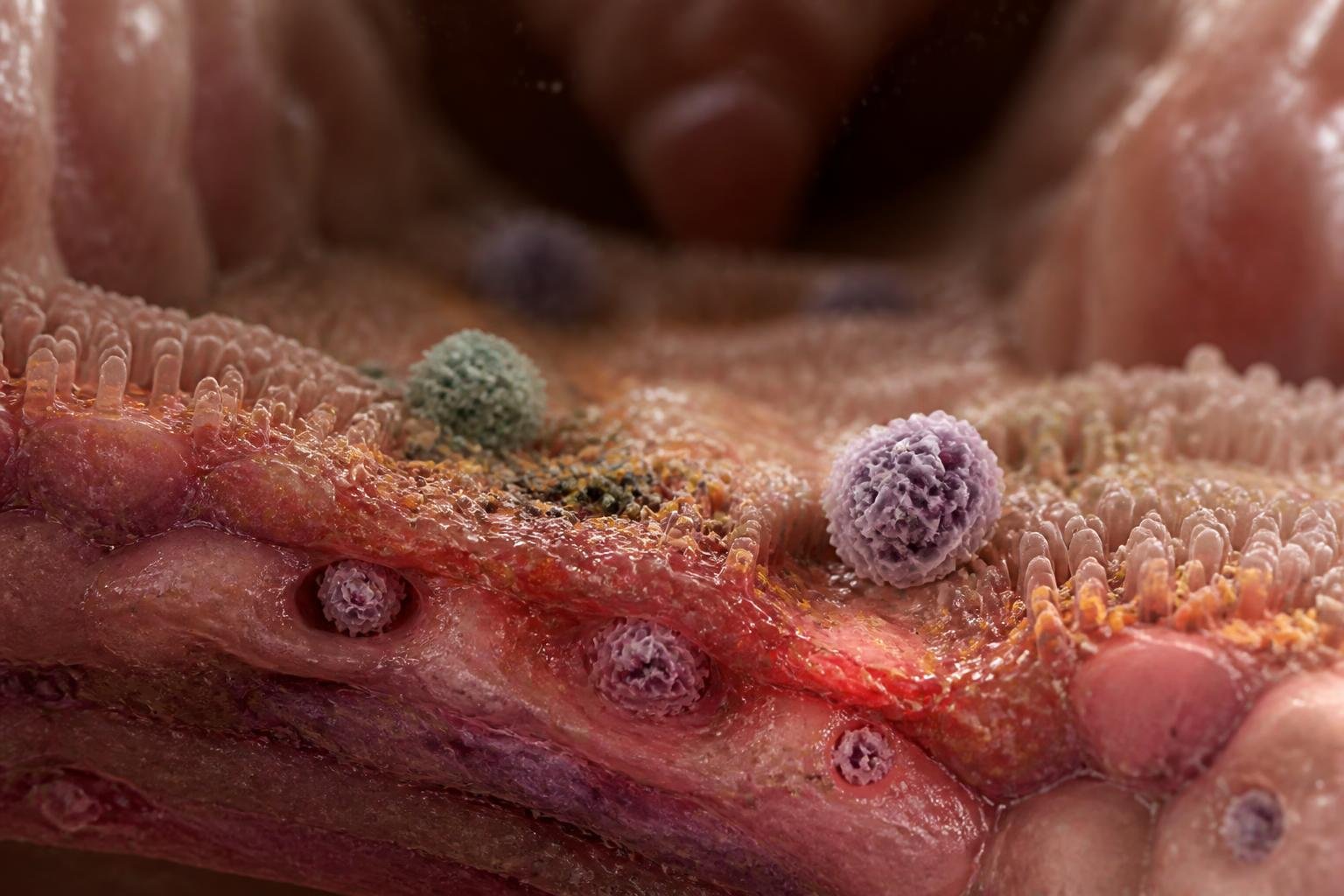
The gut becomes inflamed when its protective barriers break down or when harmful substances trigger immune responses. This process can shift from a helpful short-term reaction to a persistent problem that affects the entire body.
Differences Between Acute and Chronic Inflammation
Acute inflammation in the gut happens quickly and resolves within days or weeks. When someone eats spoiled food or catches a stomach bug, their immune system sends inflammatory cytokines to the affected area. Blood flow increases, and immune cells attack the threat. This response typically ends once the danger passes.
Chronic inflammation works differently. It persists for months or years, often at a lower intensity than acute inflammation. The immune system stays activated even when no immediate threat exists.
The gut experiences chronic inflammation when repeated exposures to irritants, imbalanced gut bacteria, or ongoing barrier problems keep the inflammatory response turned on. Unlike acute inflammation that heals tissue, chronic inflammation in the digestive system[5] damages healthy cells over time.
Role of the Gut Lining and Intestinal Permeability
The gut lining forms a single layer of cells held together by tight junctions. These cells allow nutrients to pass through while blocking bacteria, toxins, and undigested food particles.
When the gut lining becomes damaged, intestinal permeability increases. The tight junctions loosen, creating gaps between cells. This condition, often called leaky gut, lets unwanted substances slip into the bloodstream.
Several factors damage the gut lining:
- Poor diet high in processed foods and sugar
- Chronic stress that alters gut function
- Medications like antibiotics and NSAIDs
- Alcohol consumption
- Imbalanced gut bacteria
Once these foreign particles enter the blood, the immune system treats them as threats. It releases cytokines to fight what it perceives as invaders. This reaction creates intestinal inflammation that further weakens the gut barrier, creating a cycle that maintains chronic inflammation.
Impact on Whole-Body Health
Gut inflammation does not stay confined to the digestive system. When the intestinal barrier fails, inflammatory signals spread throughout the body, triggering systemic inflammation[6].
The immune system becomes overactive as it constantly responds to particles leaking from the gut. This persistent activation affects multiple body systems. Brain function can decline, leading to fog and mood changes. Joints may become painful and stiff.
Autoimmune conditions like rheumatoid arthritis and type 1 diabetes[7] show strong connections to gut dysbiosis and increased intestinal permeability. The body’s confused immune system may start attacking its own tissues.
Metabolic problems also emerge. Chronic systemic inflammation interferes with insulin signaling and fat storage. It contributes to weight gain, blood sugar imbalances, and cardiovascular issues. Skin conditions like eczema and psoriasis often worsen when gut inflammation increases.
Link Between Gut Health and the Immune System
The gut houses approximately 70% of the body’s immune cells, making it the largest immune organ in the human body. When gut bacteria maintain proper balance, they help train immune cells to distinguish between harmful pathogens and beneficial organisms, directly affecting immune function throughout the entire body.
Gut-Driven Immune Regulation
The gut microbiota produces short-chain fatty acids[8] (SCFAs) through the fermentation of complex carbohydrates. These SCFAs include acetate, propionate, and butyrate. Butyrate specifically helps develop regulatory T-cells, which prevent the immune system from overreacting to harmless substances.
Certain beneficial bacteria like Faecalibacterium prausnitzii and Roseburia intestinalis create these SCFAs that directly communicate with immune cells. This communication happens through specialized receptors on immune cells called G-protein coupled receptors. When activated, these receptors reduce inflammation by lowering production of inflammatory molecules like IL-6 and TNF-α.
The gut lining acts as a barrier between trillions of bacteria and immune cells underneath. A healthy barrier keeps bacteria in the right place while allowing beneficial metabolites to pass through. When this barrier weakens, bacteria and their products can leak into the bloodstream, triggering widespread immune activation.
Autoimmune Reactions and Allergies
Gut dysbiosis can dysregulate immune responses[8], leading to conditions where the immune system attacks the body’s own tissues. Research shows strong connections between altered gut bacteria and autoimmune diseases including rheumatoid arthritis, inflammatory bowel disease (IBD), and ulcerative colitis.
In IBD, the balance between helpful and harmful bacteria shifts dramatically. This imbalance reduces SCFA production and increases inflammatory signals. The gut lining becomes more permeable, allowing bacterial fragments to activate immune cells inappropriately.
Allergies also connect to gut health through immune regulation. The gut microbiome helps train developing immune systems in early life. When this training goes wrong due to antibiotic use, poor diet, or other factors, the immune system may react excessively to normally harmless proteins like pollen or food. Studies indicate that children with less diverse gut bacteria face higher rates of allergic conditions.
Signs of Immune Dysfunction
Frequent infections suggest the immune system isn’t responding effectively to pathogens. When gut bacteria lack diversity, immune cells don’t receive proper training signals. This leads to both increased susceptibility to illness and longer recovery times.
Chronic inflammation appears in multiple ways including persistent digestive issues, skin problems like eczema or psoriasis, and joint pain. These symptoms often indicate that gut-derived inflammatory signals have spread beyond the digestive tract.
Common immune dysfunction indicators include:
- Recurring colds or respiratory infections
- Slow wound healing
- Persistent fatigue despite adequate rest
- New food sensitivities or worsening allergies
- Unexplained skin rashes or inflammation
Autoimmune conditions frequently develop gradually. Early warning signs might include mild digestive changes, unexplained joint stiffness, or fluctuating energy levels. When the gut barrier becomes compromised, immune cells encounter bacterial products they normally wouldn’t, potentially triggering autoimmune reactions against similar-looking proteins in body tissues.
The Gut-Brain Axis and Mental Health
The connection between digestive health and brain function operates through multiple pathways that affect mood, thinking, and behavior. Gut bacteria produce chemicals that influence brain activity, while the enteric nervous system communicates directly with the central nervous system.
Enteric Nervous System: The Second Brain
The enteric nervous system contains over 500 million neurons lining the digestive tract. This network operates independently from the brain and spinal cord, controlling digestion without conscious input.
Scientists call it the “second brain” because it uses the same neurotransmitters found in the central nervous system. The vagus nerve serves as the main communication highway between the gut and brain, sending signals in both directions.
When inflammation occurs in the gut, the enteric nervous system detects these changes and relays information to the brain. This communication affects how the gut-brain connection influences mood[1] and stress responses. Chronic stress can disrupt this system, leading to digestive problems and altered brain signaling.
Mood, Cognition, and Mental Disorders
Research shows that gut bacteria composition differs in people with depression and anxiety compared to healthy individuals. Imbalances in gut microbiota may contribute to brain fog, difficulty concentrating, and emotional regulation problems.
The gut-brain axis and mental health[9] relationship involves immune system activation and inflammation. When the intestinal barrier becomes permeable, bacterial compounds enter the bloodstream and trigger immune responses that affect brain function.
Studies on stress management demonstrate that improving gut health can reduce symptoms of anxiety and depression. People experiencing chronic stress often develop gut dysbiosis, which further worsens mental health symptoms in a cyclical pattern.
Microbial Impact on Neurotransmitters
Gut bacteria produce approximately 90% of the body’s serotonin, a neurotransmitter that regulates mood, sleep, and appetite. They also manufacture GABA, dopamine, and other brain chemicals that influence mental state.
Key neurotransmitters produced by gut bacteria:
- Serotonin – affects mood and emotional well-being
- GABA – reduces anxiety and promotes calmness
- Dopamine – influences motivation and pleasure
- Norepinephrine – impacts attention and stress response
Specific bacterial strains have different effects on neurotransmitter production. Lactobacillus and Bifidobacterium species increase GABA levels, while certain Escherichia strains produce serotonin precursors. When gut bacteria diversity decreases due to poor diet, antibiotics, or stress, neurotransmitter production changes, potentially affecting mental health.
Digestive Symptoms and Systemic Clues
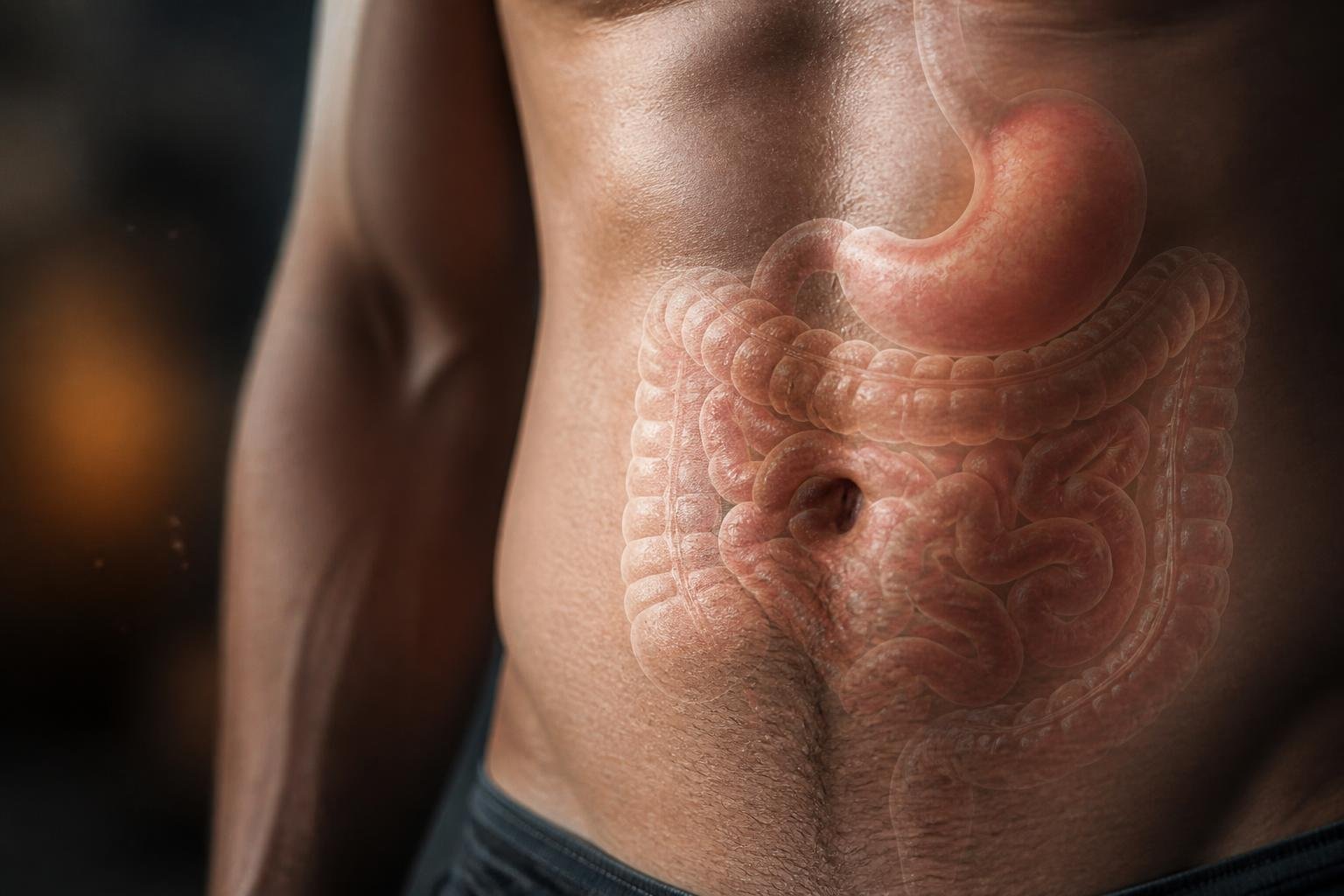
Problems in the digestive tract often show up as obvious gut symptoms, but they can also trigger unexpected issues throughout the body. Understanding these patterns helps people connect seemingly unrelated health complaints to their digestive system.
Bloating, Gas, and Irregular Bowel Movements
Bloating and gas are among the most common signs that something is off in the digestive system. These symptoms often come with changes in bowel habits like constipation or diarrhea.
When food doesn’t break down properly in the small intestine, bacteria in the colon ferment it. This produces excess gas that causes the belly to feel swollen and tight.
People with irritable bowel syndrome (IBS) often experience these symptoms in a pattern. They may have periods of constipation followed by diarrhea, along with ongoing bloating. The digestive tract responds to stress[10] and inflammation in ways that affect how quickly food moves through it.
Persistent bloating that doesn’t resolve after eating can signal bacterial imbalance in the gut. Gas that smells especially bad often indicates protein fermentation by certain bacteria types. These signs suggest the digestive system needs attention beyond just dietary changes.
Skin Issues, Fatigue, and Beyond
Gut inflammation doesn’t stay contained to the digestive system. It can trigger problems in distant parts of the body through inflammatory signals that travel through the bloodstream.
Acne, eczema, and psoriasis frequently connect to gut health problems. When the intestinal barrier becomes damaged, bacterial components enter the bloodstream and activate immune responses. The skin often shows these inflammatory reactions as rashes, breakouts, or flare-ups of existing conditions.
Chronic fatigue represents another common sign of gut dysfunction. The body uses significant energy to manage ongoing inflammation. Poor nutrient absorption from a damaged gut lining also contributes to low energy levels.
Joint pain, brain fog, and mood changes can all stem from gut inflammation and systemic responses[11]. These symptoms show how connected the gut is to overall body function.
Food Sensitivities and Intolerances
Food sensitivities develop when the gut barrier loses its normal protective function. Partially digested food proteins cross into the bloodstream and trigger immune reactions.
People may notice that foods they once tolerated now cause problems. Common triggers include dairy, gluten, eggs, and certain vegetables. The reactions differ from true allergies because they develop gradually and cause delayed symptoms.
Symptoms can range from digestive upset to headaches, skin reactions, or fatigue. These responses usually appear hours after eating the problem food, making them hard to identify without careful tracking.
Multiple food sensitivities often indicate underlying gut barrier damage rather than true intolerances to each individual food. Healing the gut lining can sometimes restore tolerance to foods that previously caused problems. Keeping a detailed food and symptom diary helps identify patterns and problematic foods.
Dietary Drivers of Gut Inflammation
What people eat directly shapes the balance of bacteria in their gut and determines whether inflammation increases or decreases. Certain foods trigger inflammatory responses while others actively calm the digestive system and support beneficial microbes.
The Impact of Processed and Pro-Inflammatory Foods
Eating a western-style diet triggers gut dysbiosis and inflammation[12], creating what researchers call “leaky gut.” Processed foods contain ingredients that harm the microbiome and promote inflammation throughout the digestive tract.
Processed sugar feeds harmful bacteria while starving beneficial strains. This imbalance weakens the gut lining and allows inflammatory compounds to enter the bloodstream.
Artificial sweeteners disrupt the normal bacterial balance even without providing calories. Studies show they alter gut bacteria composition in ways that increase inflammation and metabolic problems.
Processed meats contain preservatives and additives that damage the intestinal barrier. These products also lack the fiber needed to feed helpful gut bacteria.
Unhealthy fats from fried foods and certain vegetable oils promote inflammatory bacterial strains. A poor diet high in these fats reduces microbial diversity, which is essential for gut health.
Fiber, Prebiotics, and Polyphenols
Fiber serves as fuel for beneficial gut bacteria that produce anti-inflammatory compounds. Fiber-rich foods help maintain the protective mucus layer lining the intestines.
Whole grains contain both fiber and prebiotics that support diverse bacterial populations. These foods help reduce inflammation markers in the gut and throughout the body.
Prebiotics are specific types of fiber that selectively feed helpful bacteria. They’re abundant in foods like garlic, onions, leeks, and asparagus.
Nuts and legumes provide fiber alongside protein and healthy fats. Regular consumption of these foods is associated with species that provide mucosal protection and anti-inflammatory effects[13].
Polyphenol-rich foods include berries, green tea, and dark chocolate. These compounds reduce inflammation while promoting the growth of beneficial bacteria.
Olive oil contains polyphenols and omega-3 fatty acids that calm gut inflammation. Regular use of this healthy fat supports a balanced microbiome.
Fermented Foods and Probiotics
Fermented foods deliver live beneficial bacteria directly to the digestive system. These probiotics help restore microbial balance and strengthen the gut barrier.
Yogurt and kefir contain lactobacilli and bifidobacteria strains that reduce inflammation. Regular consumption of these dairy products increases beneficial bacterial diversity.
Kimchi and sauerkraut provide probiotics alongside fiber from vegetables. The fermentation process creates compounds that further support gut health.
Miso introduces beneficial bacteria while providing amino acids and nutrients. This fermented soybean paste has been consumed for centuries in anti-inflammatory dietary patterns.
Kombucha offers probiotics in a liquid form that many people find easy to consume. This fermented tea also contains polyphenols that support the microbiome.
Foods rich in omega-3 fatty acids work synergistically with probiotics to reduce gut inflammation. These healthy fats help beneficial bacteria thrive while limiting harmful strains.
Lifestyle Strategies to Reduce Gut Inflammation

Making specific changes to daily habits can directly impact gut inflammation levels. Regular physical activity, stress management techniques, and quality sleep work together to support a healthier digestive system.
Exercise and Physical Activity
Participating in 150 to 270 minutes of moderate- to high-intensity exercise per week[14] for at least six weeks positively affects gut bacteria, especially when combining aerobic exercise with resistance training. People who remain sedentary have different gut bacteria than those who stay active.
Walking serves as an accessible starting point for most people. A 30-minute walk five days per week meets the minimum exercise threshold.
Yoga offers dual benefits by providing physical movement while incorporating stress-reducing elements. The combination of poses and breathing exercises supports both gut motility and relaxation. Even light activities like gardening or household chores contribute to weekly movement goals.
Key exercise approaches for gut health:
- Aerobic activities (brisk walking, cycling, swimming)
- Resistance training (weights, bodyweight exercises)
- Flexibility work (yoga, stretching)
- Consistent routine of at least six weeks
Stress Reduction and Mindful Practices
Chronic stress causes hormones like adrenaline and cortisol to spike[14], leading to diarrhea, constipation, stomach pain, and heartburn. The gut-brain connection explains why people experience butterflies before presentations or nausea during high-stakes situations.
Deep breathing exercises provide immediate stress relief. Breathing slowly through the nose for four counts, holding for four counts, and exhaling for six counts activates the body’s relaxation response.
Meditation helps manage stress through focused attention. Starting with just five minutes daily builds the habit. Mindfulness practices teach people to observe thoughts without judgment, reducing the physical impact of stressful thinking patterns.
Managing stress levels[15] through techniques like belly breathing, relaxation therapy, and meditation helps prevent stress-related digestive symptoms.
Optimizing Sleep and Reducing Environmental Toxins
Certain bacteria in the gut may impact sleep quality[14], affecting insomnia likelihood, napping frequency, and sleep duration. Most adults need seven to nine hours of sleep nightly. Lack of sleep disrupts gut bacteria balance and increases inflammation markers.
Improving sleep hygiene creates better rest conditions. This includes keeping bedrooms dark and cool, avoiding screens one hour before bed, and maintaining consistent sleep schedules even on weekends.
Environmental toxins from cleaning products, pesticides, and plastics can trigger gut inflammation. Choosing natural cleaning products reduces chemical exposure. Washing produce thoroughly removes pesticide residues. Using glass or stainless steel containers instead of plastic limits toxin intake from food storage.
Sleep optimization steps:
Chronic Disease Connections and Long-Term Outcomes
Poor gut health creates a chain reaction that increases the risk of several chronic diseases. The bacteria in the digestive system influence how the body processes food, stores fat, and responds to insulin.
Obesity and Metabolic Disorders
Gut microbiota composition directly affects metabolism[16] and weight management. People with obesity often have less diverse gut bacteria compared to those at healthy weights. Certain bacterial strains extract more calories from food, which leads to increased fat storage.
The gut bacteria produce substances called metabolites. These metabolites influence how the body burns or stores energy. An imbalanced gut can trigger low-grade inflammation throughout the body, which disrupts normal metabolic processes.
Metabolic disorders develop when the body cannot properly process nutrients. The gut microbiome regulates hunger hormones like ghrelin and leptin. When these hormones get disrupted, people experience increased appetite and difficulty feeling full after meals.
Type 2 Diabetes and Insulin Resistance
Alterations in gut microbiota contribute to disease progression[17] in type 2 diabetes. The gut barrier becomes more permeable when beneficial bacteria decline. This allows bacterial fragments to enter the bloodstream and trigger inflammation.
Insulin resistance occurs when cells stop responding properly to insulin signals. Gut bacteria influence this process by producing compounds that affect how muscle and liver cells react to insulin. Studies show that people with type 2 diabetes have different bacterial populations than those without the condition.
The microbiome also affects blood sugar control through short-chain fatty acids. These acids help regulate glucose production in the liver. An unhealthy gut produces fewer of these beneficial compounds, making blood sugar harder to control.
Inflammation’s Role in Chronic Disease Risk
Chronic inflammation contributes to various long-term health conditions[18] including heart disease and autoimmune disorders. The gut contains 70% of the immune system’s cells. When gut bacteria become imbalanced, these immune cells release inflammatory signals throughout the body.
Intestinal permeability increases systemic inflammation[19] when the gut barrier weakens. This allows toxins and undigested food particles to escape into the bloodstream. The immune system attacks these foreign substances, creating widespread inflammation.
Prolonged inflammation damages blood vessels, organs, and tissues. This damage accumulates over years and increases the risk of cardiovascular disease, certain cancers, and neurodegenerative conditions. The gut-inflammation connection explains why digestive health affects seemingly unrelated body systems.
Frequently Asked Questions
People dealing with digestive issues often have similar questions about inflammation, bacterial balance, and how their daily habits affect their gut. The answers below address the root causes, warning signs, and practical steps for supporting a healthier digestive system.
What are the most common signs and symptoms of an inflamed gut?
Bloating and gas are among the most frequent complaints when the gut lining becomes irritated. These symptoms often appear after meals and can persist for hours.
Abdominal pain or cramping signals that inflammation may be affecting the intestinal walls. The discomfort can range from mild to severe depending on the level of irritation.
Diarrhea or constipation indicates that gut inflammation is disrupting normal digestive processes. Some people alternate between both conditions.
Fatigue and brain fog can develop when inflammation spreads beyond the digestive tract. Gut inflammation can cloud thinking[20] by triggering immune responses that affect mental clarity.
Food sensitivities that weren’t previously problematic may suddenly cause reactions. An inflamed gut lining allows partially digested food particles to trigger immune responses.
What are the leading causes of intestinal inflammation, including diet, stress, and infections?
Processed foods high in sugar and refined carbohydrates feed harmful bacteria that produce inflammatory compounds. These foods also lack the fiber needed to support beneficial microbes.
Chronic stress disrupts gut function by altering hormone levels that normally protect the digestive lining. Stress and poor sleep can disrupt gut function[21] by triggering hormonal imbalances that compromise digestive health.
Antibiotic use kills both harmful and beneficial bacteria, creating an imbalance that allows inflammation to take hold. Frequent or prolonged antibiotic courses pose the greatest risk.
Infections from bacteria, viruses, or parasites directly damage the intestinal lining. Even after the infection clears, inflammation can persist if the gut doesn’t fully heal.
Excessive alcohol consumption irritates the stomach and intestinal lining while disrupting the protective mucus layer. Regular heavy drinking creates ongoing inflammatory stress.
Non-steroidal anti-inflammatory drugs (NSAIDs) can damage the gut barrier when used frequently. These medications reduce protective prostaglandins that maintain intestinal integrity.
How can you improve gut health naturally through food, sleep, and lifestyle changes?
Eating more fruits and vegetables provides fiber that feeds beneficial bacteria and reduces inflammatory markers. Incorporating more fruits and vegetables[15] helps lower inflammation throughout the digestive system.
Fermented foods like yogurt, kefir, sauerkraut, and kimchi introduce live beneficial bacteria to the gut. These foods also contain compounds that support the intestinal barrier.
Getting seven to nine hours of quality sleep each night allows the gut lining to repair itself. Poor sleep disrupts the circadian rhythms that regulate digestive function.
Regular physical activity promotes healthy gut motility and increases microbial diversity. The most important factor is finding an exercise routine that can be maintained consistently.
Managing stress through meditation, deep breathing, or other relaxation techniques reduces inflammatory hormones. Even short daily practices can provide measurable benefits.
Staying hydrated supports mucus production that protects the intestinal lining. Water also helps move fiber through the digestive system.
Limiting processed foods, artificial sweeteners, and emulsifiers gives the gut a break from irritating substances. These additives can damage the protective mucus layer.
What does the gut microbiome do, and how does it influence inflammation in the body?
The gut microbiome consists of trillions of bacteria, viruses, and fungi living in the digestive tract. These organisms perform essential functions that human cells cannot do alone.
Beneficial bacteria produce short-chain fatty acids from dietary fiber. These compounds reduce inflammation and strengthen the intestinal barrier.
The microbiome trains the immune system to distinguish between harmful invaders and harmless substances. A balanced microbial community helps prevent overactive immune responses.
Gut bacteria manufacture vitamins including B12, K2, and several B vitamins. They also help break down complex carbohydrates and proteins.
The relationship between gut inflammation, diet, microbes, and systemic health[5] continues to reveal new insights as research methods improve. Scientists now understand that microbial shifts can trigger inflammatory patterns throughout the body.
An imbalanced microbiome sends inflammatory signals beyond the gut to other organs and tissues. This process connects digestive health to conditions affecting the brain, heart, and joints.
Why is chronic gut inflammation harmful, and what long-term risks can it increase?
Persistent inflammation damages the tight junctions between intestinal cells, leading to increased permeability. This condition allows bacteria and toxins to enter the bloodstream.
Chronic inflammation clouds thinking[20] and affects mental performance when inflammatory molecules reach the brain. These compounds interfere with neurotransmitter production and neural communication.
Long-term gut inflammation raises the risk of developing inflammatory bowel diseases like Crohn’s disease and ulcerative colitis. These conditions can cause permanent damage to the digestive tract.
Systemic inflammation originating in the gut increases the likelihood of metabolic disorders including type 2 diabetes. Inflammatory compounds interfere with insulin signaling and glucose metabolism.
Autoimmune conditions become more likely when chronic gut inflammation causes immune system confusion. The body may start attacking its own tissues in response to ongoing inflammatory signals.
Cardiovascular disease risk increases as inflammatory molecules from the gut contribute to arterial damage. These compounds promote plaque formation and blood vessel dysfunction.
Mental health conditions including depression and anxiety show strong connections to ongoing gut inflammation. The gut-brain axis transmits inflammatory signals that affect mood regulation.
What is dysbiosis, and how do “bad” gut bacteria contribute to digestive problems?
Dysbiosis refers to an imbalance where harmful bacteria outnumber beneficial species in the gut. This disruption prevents the microbiome from performing its protective functions.
Harmful bacteria produce inflammatory compounds and toxins that irritate the intestinal lining. These substances damage the protective mucus layer and weaken tight junctions between cells.
Bad gut bacteria contribute to digestive problems[22] by creating an environment that perpetuates inflammation
Post Views: 17
References
- How the gut-brain connection influences mood. https://www.health.harvard.edu/digestive-health/how-the-gut-brain-connection-influences-mood Accessed June 7, 2026
- What Is Your Gut Microbiome?. https://my.clevelandclinic.org/health/body/25201-gut-microbiome Accessed June 7, 2026
- Unraveling the Role of the Human Gut Microbiome in Health and Diseases. https://pmc.ncbi.nlm.nih.gov/articles/PMC11596745/ Accessed June 7, 2026
- Understanding and Improving Gut Health and Digestion. https://weillcornell.org/news/understanding-and-improving-gut-health-and-digestion Accessed June 7, 2026
- Inflammation and the Gut: Understanding the Root Cause — Institute For Integrative Gastroenterology. https://gutscience.org/microbiome/inflammation-and-the-gut-understanding-the-root-cause Accessed June 7, 2026
- Gut microbiota, intestinal permeability, and systemic inflammation: a narrative review. https://pmc.ncbi.nlm.nih.gov/articles/PMC10954893/ Accessed June 7, 2026
- Just a moment…. https://wellri.com/the-gut-immune-connection-how-gut-health-affects-immunity-and-inflammation Accessed June 7, 2026
- Gut Microbiota and Immune System Interactions. https://pmc.ncbi.nlm.nih.gov/articles/PMC7602490/ Accessed June 7, 2026
- The gut-brain axis and mental health. https://www.nutritional-psychology.org/research-summaries/the-gut-brain-axis-and-mental-health-how-diet-shapes-our-cognitive-and-emotional-well-being/ Accessed June 7, 2026
- Gastrointestinal Diseases: Symptoms, Treatment & Causes. https://my.clevelandclinic.org/health/articles/7040-gastrointestinal-diseases Accessed June 7, 2026
- Exploring the Gut-Inflammation Connection: How Digestive Health Impacts Chronic Inflammation. https://www.hilarispublisher.com/open-access/exploring-the-gutinflammation-connection-how-digestive-health-impacts-chronic-inflammation-112389.html Accessed June 7, 2026
- ScienceDirect. https://www.sciencedirect.com/science/article/pii/S2589004222021782 Accessed June 7, 2026
- Just a moment…. https://gut.bmj.com/content/70/7/1287%20 Accessed June 7, 2026
- 5 simple ways to improve gut health. https://www.health.harvard.edu/healthy-aging-and-longevity/5-simple-ways-to-improve-gut-health Accessed June 7, 2026
- Managing stress levels. https://www.verywellhealth.com/how-to-reduce-inflammation-in-the-gut-8387529 Accessed June 7, 2026
- . https://www.mdpi.com/1422-0067/26/8/3752 Accessed June 7, 2026
- Just a moment…. https://onlinelibrary.wiley.com/doi/full/10.1111/joim.20089 Accessed June 7, 2026
- Chronic inflammation contributes to various long-term health conditions. https://www.hilarispublisher.com/open-access/exploring-the-gutinflammation-connection-how-digestive-health-impacts-chronic-inflammation.pdf Accessed June 7, 2026
- ScienceDirect. https://www.sciencedirect.com/science/article/pii/S2949824425003969 Accessed June 7, 2026
- Gut Inflammation: Symptoms, Causes, and Brain Fog Connection Explained. https://www.pragmaticnutritionist.com/post/gut-inflammation Accessed June 7, 2026
- Attention Required!. https://vitalrecord.tamu.edu/gut-health-explained-whats-worth-following-and-whats-just-hype/ Accessed June 7, 2026
- Just a moment…. https://wellri.com/heal-your-gut-understanding-treating-dysbiosis-inflammation Accessed June 7, 2026

























