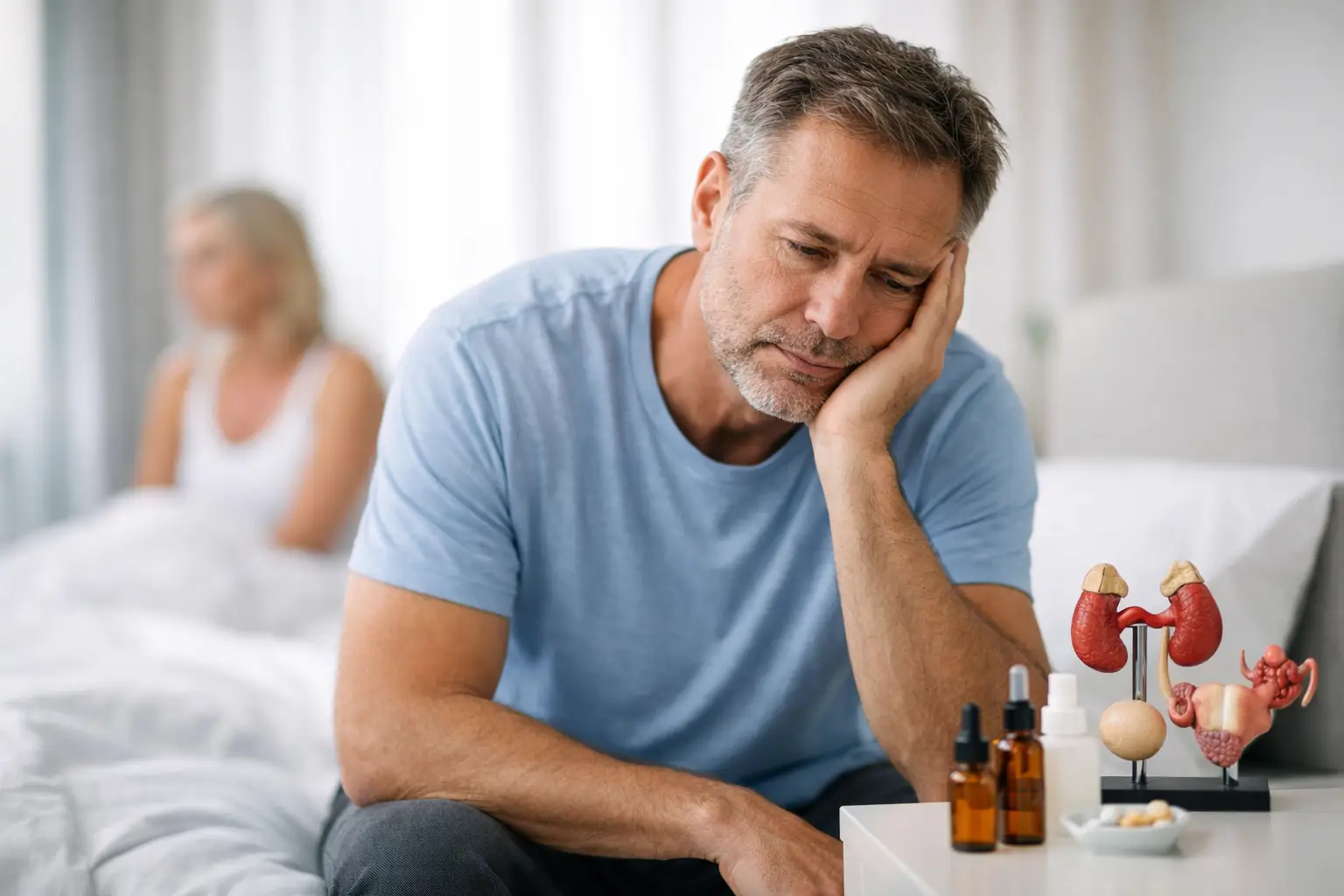
Dragging yourself through the afternoon, relying on caffeine, and still feeling flat is not always about stress or a packed schedule. For many adults, hormone therapy for low energy becomes part of the conversation when fatigue starts showing up alongside poor sleep, low libido, mood changes, weight shifts, or a sense that your body no longer feels like your own.
Low energy can be frustrating because it is easy to dismiss at first. You may tell yourself you are just getting older, pushing too hard, or not sleeping enough. Sometimes that is true. But when fatigue becomes persistent, especially with other symptoms, hormones may be part of the picture.
Table of Contents
When low energy might be hormone-related
Hormones influence much more than reproduction. They help regulate metabolism, sleep quality, mood, muscle mass, motivation, temperature control, and sexual wellness. When levels shift too far out of balance, energy often drops in a way that feels hard to fix with better habits alone.
For women, this can happen during perimenopause and menopause, when estrogen and progesterone fluctuate or decline. Energy may feel inconsistent at first, then more steadily depleted. Hot flashes, night sweats, headaches, irritability, brain fog, and lower sex drive often show up in the same season of life.
For men, testosterone decline can contribute to fatigue, reduced stamina, lower motivation, depressed mood, and decreased libido. Some people also notice less strength, more body fat, or a harder time recovering from exercise. These changes may come on gradually, which is one reason they are often overlooked.
That said, hormones are not the only cause of low energy. Thyroid disorders, anemia, sleep apnea, nutritional deficiencies, chronic stress, depression, medication side effects, and blood sugar issues can all play a role. Good care starts by asking the right questions instead of assuming one answer fits everyone.
How hormone therapy for low energy works
Hormone therapy is not a quick fix for every tired feeling. The goal is to identify whether a meaningful hormonal imbalance is contributing to your symptoms, then build a treatment plan that supports better balance over time.
That usually begins with a medical review of symptoms, health history, and lab work. If treatment is appropriate, therapy may involve testosterone support for men with clinically low levels and related symptoms, or estrogen and other hormone-based support for women navigating menopause-related changes. The best plans are personalized rather than one-size-fits-all.
When hormone therapy is well matched to the person, many patients report a steadier sense of energy, better sleep, improved mood, stronger libido, and a greater feeling of physical and emotional resilience. Those benefits do not always happen overnight. Some people notice early changes within weeks, while others improve more gradually as dosing is adjusted and the body responds.
What to expect from treatment
One of the biggest misconceptions about hormone care is that it should make you feel dramatically different right away. In reality, sustainable improvement is often more measured. The goal is not to feel overstimulated or artificially boosted. It is to feel more like yourself again.
For women in menopause or perimenopause, appropriate treatment may reduce sleep disruption from night sweats, improve mood stability, and support libido and mental clarity. Better rest alone can have a major impact on daytime energy. For men with low testosterone, treatment may help support motivation, physical drive, sexual wellness, and recovery, which can translate into better day-to-day vitality.
There are trade-offs to consider. Not every person with fatigue is a candidate for hormone therapy, and not every symptom improves at the same pace. Some people need more than hormone support, especially if sleep habits, nutrition, stress load, or other medical issues are also contributing. The strongest results usually come from looking at the whole picture.
Hormone therapy for low energy is not just about lab numbers
Lab testing matters, but symptoms matter too. A result that falls within a broad reference range does not always reflect how a person actually feels. At the same time, symptoms alone are not enough to justify treatment without proper evaluation.
That balance is where thoughtful medical oversight becomes so important. Good hormone care looks at patterns, not just isolated data points. It considers age, goals, symptom severity, medical history, and whether another issue could be driving the problem.
This is especially relevant for adults who have spent months trying to fix low energy on their own. If you have cleaned up your diet, improved your routine, exercised more, and still feel off, it may be time to look deeper. Personalized care can help separate normal fatigue from something more persistent and biologically driven.
Why a telehealth model appeals to so many adults
When you are already exhausted, traditional care can feel like one more obstacle. Scheduling visits, taking time off work, commuting, waiting for follow-up, and repeating the same story to multiple providers can keep people stuck longer than they need to be.
A telehealth approach makes hormone care more accessible for people who want privacy, convenience, and ongoing guidance from home. Virtual consultations, online symptom review, refill support, and a patient portal can simplify the process without making care feel impersonal. For many adults, that convenience is not just a perk. It is what makes treatment realistic.
Elevate Your Health for Just $29.99/Month
Join the Precision Wellness Subscription at My Healing 365 and get discounted services, priority coaching access, virtual care, and exclusive wellness resources to support your physical, emotional, and hormonal health.
Join for $29.99/MonthThis model also fits the way many people think about wellness now. They are not only looking to treat one symptom. They want support that helps them sleep better, feel more emotionally steady, improve body composition, restore intimacy, and show up with more confidence in daily life. That broader lens is part of why integrated platforms like My Healing 365 resonate with people who want more than a basic prescription experience.
Who may be a good candidate
If your low energy comes with symptoms such as low libido, mood swings, poor sleep, brain fog, hot flashes, weight changes, reduced stamina, or a general loss of drive, a hormone evaluation may be worth considering. This is especially true if symptoms are ongoing and affecting work, relationships, exercise, or confidence.
A good candidate is not simply someone who feels tired. It is someone whose symptoms, history, and testing suggest that hormonal imbalance may be a meaningful factor. The safest approach is individualized care with medical review, clear expectations, and follow-up to monitor response.
Some people are disappointed to learn they are not ideal candidates for a certain therapy. But that is actually a sign of responsible care. The right plan may involve hormone treatment, lifestyle changes, another medical workup, or a combination of all three. The goal is real improvement, not a rushed answer.
Questions worth asking before starting hormone therapy for low energy
Before beginning treatment, it helps to ask what symptoms are most likely hormone-related, what results are realistic, how progress will be monitored, and what side effects or risks should be considered. You should also ask how often treatment plans are adjusted and what kind of support is available between appointments.
Those questions matter because the best hormone care is collaborative. You are not just receiving a prescription. You are building a plan around how you feel, how your body responds, and what you want your health to support in the months ahead.
Energy affects almost everything. It shapes your focus, patience, sex life, workouts, sleep, and the way you move through your day. If low energy has become your normal, it may be worth taking a closer look at whether hormones are part of the reason. The right care can help you move toward balance with more clarity, confidence, and a real chance to feel like your best self again.

























