Medically Reviewed
Dr. Jose Rossello, MD, PhD, MHCM
Preventive Medicine & Public Health Specialist
Last Reviewed: May 2, 2026
Your kitchen affects your health in ways most people never consider. Beyond the food you prepare, the cooking space itself impacts air quality, chemical exposure, and food safety every single day. A healthy cooking space requires proper ventilation, non-toxic materials, organized storage, and regular cleaning practices that work together to protect your family from hidden hazards.
Most kitchens contain surprising health risks. Gas stoves release nitrogen dioxide and carbon monoxide into the air. Worn cutting boards harbor bacteria in their grooves. Poor ventilation allows cooking particles to spread throughout the home. These issues add up over time, affecting respiratory health and food safety.
The good news is that creating a healthier cooking environment[1] doesn’t require expensive renovations. Simple changes to ventilation habits, surface materials, and organization can transform any kitchen into a space that supports wellness. Understanding which factors matter most helps homeowners focus their efforts where they’ll make the biggest difference.
Table of Contents
Key Takeaways
- Proper ventilation removes harmful cooking pollutants and prevents them from spreading through your home
- Non-porous surfaces and proper cleaning prevent bacteria growth and reduce chemical exposure during food preparation
- Strategic organization and regular maintenance create lasting habits that support both food safety and air quality
Assessing Your Cooking Space’s Health
A kitchen’s health depends on air quality, surface cleanliness, and the absence of hazards that could contaminate food or harm people. Regular assessment helps identify problems before they affect anyone’s wellbeing.
Key Indicators of a Healthy Kitchen
A healthy kitchen starts with proper ventilation that removes cooking pollutants. Range hoods should match or exceed cooktop width[1] while providing adequate airflow ratings based on the cooking method used.
Air quality matters more than most people realize. Gas stoves release nitrogen dioxide and carbon monoxide into the air. High-heat cooking releases tiny particles that stay in the air for hours after cooking ends.
Signs of good air quality include:
- No lingering cooking odors after meals
- Windows that don’t show excessive condensation
- No visible mold or mildew on walls or ceilings
- Fresh-smelling cabinets and storage areas
Surface materials play a role in maintaining hygiene. Non-porous countertops resist bacteria better than porous natural stones. Cutting boards need different materials for different foods, with wood offering natural antimicrobial properties and plastic being easier to sanitize.
Water quality affects both cooking results and health. Testing home water can identify specific issues in individual plumbing systems that municipal testing might miss.
The Importance of Regular Cleaning Practices
Daily cleaning prevents food residue buildup that attracts pests and creates air quality problems. A clean kitchen requires wiping prep areas before and after food preparation to prevent cross-contamination.
Elevate Your Health for Just $29.99/Month
Join the Precision Wellness Subscription at My Healing 365 and get discounted services, priority coaching access, virtual care, and exclusive wellness resources to support your physical, emotional, and hormonal health.
Join for $29.99/MonthEssential daily tasks include:
- Cleaning all food prep surfaces between uses
- Washing hands frequently during food preparation
- Wiping up spills immediately
- Taking out trash daily
Deep cleaning schedules ensure hidden areas stay sanitary. Areas behind appliances, inside cabinets, and around plumbing can become sources of contamination if neglected. These spots need attention every few months.
Cleaning product choices impact both air quality and surface safety. Many conventional cleaners release chemicals that affect breathing and leave residues on surfaces where food gets prepared. Natural alternatives using white vinegar, baking soda, and hydrogen peroxide clean effectively without harmful chemicals.
Filter maintenance in range hoods requires regular attention. Clogged filters reduce airflow and can redistribute grease and particles back into the kitchen instead of removing them.
Identifying Common Hazards in the Kitchen
Cross-contamination through air circulation[1] can spread cooking pollutants throughout the home via heating and cooling systems. This affects air quality in bedrooms and living areas beyond the kitchen itself.
Food storage containers can introduce chemicals into food, especially when heated or used with acidic foods. Glass containers provide non-reactive surfaces that don’t leach chemicals. Some plastic wraps contain plasticizers that migrate into food.
Common hazards to check for:
- Expired foods in pantries and refrigerators
- Damaged non-stick cookware with peeling coatings
- Cutting boards with deep grooves harboring bacteria
- Poor lighting creating shadows during food prep
- Excess humidity promoting mold growth
Temperature and humidity control prevents mold while maintaining food safety. Excess moisture encourages mold growth. Very low humidity causes discomfort. Proper ventilation manages moisture from cooking activities.
Pest problems threaten both food safety and hygiene[1]. Prevention focuses on eliminating food sources, water access, and entry points. Clean storage practices and prompt cleanup reduce pest attraction without requiring chemical pesticides near food preparation areas.
Optimizing Kitchen Ventilation and Air Quality
Proper kitchen ventilation removes harmful cooking byproducts while improving overall air quality. Selecting the right equipment and combining mechanical systems with natural solutions creates a healthier cooking environment.
Why Kitchen Ventilation Matters
Cooking releases multiple contaminants that affect both health and home conditions. Grease particles settle on surfaces[2], creating sticky buildup on cabinets and walls. Smoke irritates eyes, throat, and lungs while leaving lingering odors throughout the home.
Gas stoves produce carbon monoxide and nitrogen dioxide. These gases can be dangerous without proper ventilation. Nitrogen dioxide irritates the respiratory system and worsens asthma symptoms.
Steam and moisture from cooking increase humidity levels. This creates ideal conditions for mold and mildew growth. Effective kitchen ventilation maintains air quality[3] by removing smoke, steam, and airborne grease while reducing moisture damage to cabinetry and walls.
Choosing the Right Range Hood
The hood’s physical size should match the stovetop width. Airflow capacity, measured in cubic feet per minute (CFM), must align with the stove’s BTU output and burner intensity.
Ductless range hoods simply recirculate air[2] back into the room without removing contaminants. External venting systems expel air outdoors through ductwork. The ductwork should run as straight as possible with minimal turns to maintain efficiency.
Installation height affects performance significantly. Most range hoods work best when mounted 24 to 30 inches above the stovetop. Installing too high reduces suction effectiveness. Installing too low limits cooking space and creates accessibility issues.
Range hoods with 400 CFM or higher require make-up air systems. These systems replace exhausted air to prevent negative pressure problems.
Improving Indoor Air Quality With Natural Solutions
Opening windows while cooking provides immediate air circulation. Fresh air dilutes cooking contaminants and reduces concentration levels indoors.
Turn on ventilation before starting to cook. Leave it running for at least 10 minutes after finishing to clear remaining particles. This simple practice improves indoor air quality[4] even with basic ventilation systems.
Clean mesh filters regularly to maintain airflow efficiency. Grease and debris accumulation blocks air passage and reduces ventilation effectiveness. Monthly cleaning prevents buildup and fire hazards.
Adding a skylight introduces natural light and ventilation options. Operable skylights allow hot air to escape naturally through convection. Natural light also makes the cooking space more pleasant and reduces reliance on artificial lighting during daytime hours.
Creating a Kitchen Layout for Healthy Cooking
The physical arrangement of a kitchen directly affects cooking habits and food choices. A well-planned layout reduces barriers to meal preparation while making fresh ingredients more accessible than processed alternatives.
Fundamentals of Functional Kitchen Design
The work triangle concept forms the basis of effective kitchen design. This approach positions the sink, stove, and refrigerator in a triangular pattern with each leg measuring between 4 and 9 feet.
The arrangement minimizes unnecessary movement during food preparation. A cook can move between washing vegetables, cutting them on nearby counter space, and cooking without crossing the entire room.
Kitchen ergonomics focuses on creating spaces[5] that complement natural body movements. Counter heights should sit at 36 inches for most adults. The most frequently used items belong within the zone between hip and eye level.
Adequate counter space proves essential for healthy cooking. A minimum of 15 inches on each side of the cooktop allows room for ingredient prep and pot placement. The primary prep area needs at least 36 inches of uninterrupted counter space.
Benefits of Kitchen Islands and Open-Concept Spaces
A kitchen island adds valuable workspace for chopping vegetables and assembling meals. The extra surface area encourages batch cooking and meal prep sessions that support healthier eating throughout the week.
Kitchen islands serve multiple functions beyond food preparation. They provide additional storage for appliances like blenders and food processors. A functional kitchen island can include built-in cutting boards, compost bins, or herb gardens.
The open-concept kitchen promotes social interaction during cooking. Family members can help with meal preparation while maintaining conversation. This setup makes cooking feel less isolated and more enjoyable.
Open layouts allow natural light to flow throughout the space. Better visibility reduces eye strain and creates a more pleasant cooking environment. The connection between kitchen and living areas encourages social interaction and healthy habits[6].
Space Planning for Meal Prep and Storage
Dedicated zones for different tasks streamline the cooking process. A beverage station near the refrigerator keeps drink preparation separate from meal prep. A baking zone groups flour, sugar, and mixing tools together.
Storage placement affects food choices more than most people realize. Clear containers at eye level in the pantry make whole grains and legumes visible. A produce drawer positioned at the bottom of the refrigerator gets forgotten.
The prep zone requires the most planning. This area needs a large cutting board, knife storage, and a trash bowl or compost container. Positioning this zone between the sink and stove creates natural workflow.
Reorganizing storage to make healthy ingredients visible[7] increases their use by 45%. Fresh produce belongs on countertops or refrigerator shelves at eye level rather than hidden in drawers.
Building a New Kitchen With Health in Mind
Building a new kitchen offers the opportunity[8] to integrate health features from the ground up. Custom cabinetry can include pull-out shelves for heavy appliances and deep drawers for pots and pans.
The kitchen layout should accommodate multiple cooks when building from scratch. A minimum walkway width of 42 inches allows two people to pass comfortably. Work zones should not overlap to prevent congestion.
Natural ventilation deserves consideration in new construction. Windows positioned near the stove remove cooking odors and excess heat. A range hood with adequate CFM rating keeps air quality high during cooking.
Energy-efficient appliances reduce environmental impact while supporting healthy cooking methods. Convection ovens cook vegetables evenly at lower temperatures. Induction cooktops provide precise temperature control for delicate preparations. The placement of these appliances within the kitchen layout affects how often they get used.
Selecting Surfaces and Materials for Wellness
The materials in a cooking space directly affect both cleanliness and air quality. Non-porous countertops resist bacteria better than porous ones, while low-VOC materials reduce chemical exposure in the home.
Best Countertops and Flooring for a Hygienic Kitchen
Non-porous surfaces create the safest food preparation areas. Quartz countertops resist harboring germs[9] more effectively than porous materials like unsealed natural stone or wood. These dense surfaces prevent moisture absorption and make sanitization straightforward.
Granite offers another hygienic option when properly sealed. Its smooth, non-porous surface maintains a sanitary food preparation area[10] that resists bacterial growth. Stainless steel provides similar benefits in professional-grade kitchens.
Flooring requires the same attention to hygiene. Sealed tile, luxury vinyl, and sealed concrete resist moisture and clean easily. Avoid unsealed wood or grout lines that trap debris and moisture.
Material comparison:
- Quartz: Non-porous, stain-resistant, low maintenance
- Sealed granite: Durable, heat-resistant, needs periodic resealing
- Stainless steel: Antimicrobial properties, heat-proof, shows fingerprints
- Sealed tile flooring: Water-resistant, durable, grout requires maintenance
Sustainable and Non-Toxic Material Choices
Some kitchen surface materials release volatile organic compounds[9] into the air over time. Certain laminates and sealants emit these chemicals at low levels, affecting indoor air quality. Looking for certified eco-friendly materials with low VOC emissions reduces this exposure.
Sustainable materials like bamboo, reclaimed wood, and recycled glass combine environmental responsibility with health benefits. These options often use fewer chemical treatments during manufacturing. Natural stone countertops require less processing than synthetic alternatives.
Sealants and finishes deserve careful consideration. Water-based sealers contain fewer harmful chemicals than solvent-based products. Food-safe mineral oil works well for wood surfaces without introducing toxins.
Natural materials enhance the tactile experience[11] of cooking while supporting wellness. Wood cabinetry and stone countertops connect users to the cooking process without synthetic off-gassing.
Outfitting Your Kitchen for Healthy Cooking
The right kitchen appliances and cooking technologies make preparing nutritious meals faster and easier. Modern equipment reduces the need for excess oil and fat while preserving vitamins and minerals in food.
Essential Kitchen Appliances for Nutritious Meals
A well-equipped kitchen needs certain appliances that support healthy cooking methods. An Instant Pot combines multiple functions in one device, including pressure cooking, slow cooking, and steaming. This appliance cooks beans, whole grains, and lean proteins quickly while keeping nutrients intact.
Steam ovens cook vegetables and fish without added fats. They use moisture instead of dry heat, which prevents food from drying out. Steam cooking preserves water-soluble vitamins that other cooking methods often destroy.
A high-quality blender handles smoothies, vegetable soups, and homemade nut butters. It breaks down fibrous ingredients into smooth textures without artificial additives. A food processor chops vegetables and prepares ingredients in seconds, making meal prep less time-consuming.
Core appliances for healthy cooking:
- Instant Pot or pressure cooker
- Steam oven or steamer basket
- High-powered blender
- Food processor
Energy-Efficient and Modern Cooking Technologies
Induction cooktops heat food faster than traditional gas or electric stoves. They use electromagnetic energy to heat pots and pans directly, wasting less heat in the process. Induction cooktops respond quickly to temperature changes, giving cooks better control over their food.
These cooktops stay cooler to the touch than other stovetops. They only heat the cookware, not the surrounding surface. This feature reduces kitchen heat and makes cooking more comfortable.
Energy-efficient appliances lower electricity bills and reduce environmental impact. When shopping for kitchen appliances for healthy eating[12], look for Energy Star ratings. These appliances meet strict efficiency guidelines set by environmental agencies.
Convection ovens circulate hot air around food for even cooking. They cook at lower temperatures than conventional ovens, saving energy while producing better results.
Small Appliances That Promote Healthy Cooking
An air fryer creates crispy textures without deep frying. It circulates hot air around food, requiring little to no oil. This small appliance cuts fat content significantly compared to traditional frying methods.
Air fryers work well for chicken, fish, and vegetables. They cook frozen foods without the excess oil needed for pan frying. Most models fit on countertops and heat up quickly.
A rice cooker prepares whole grains perfectly without monitoring. It automatically switches to a warming mode when cooking finishes. Modern rice cookers handle quinoa, brown rice, and steel-cut oats.
Electric kettles boil water faster than stovetop methods while using less energy. They help people prepare herbal teas and hot water for cooking vegetables. A citrus juicer extracts fresh juice without added sugars or preservatives found in store-bought options.
Stocking and Organizing for Healthy Eating
A well-organized cooking space with the right ingredients makes preparing nutritious meals simpler and faster. Smart storage keeps whole foods fresh while strategic placement of healthy options encourages better food choices throughout the day.
Pantry Organization and Smart Storage Solutions
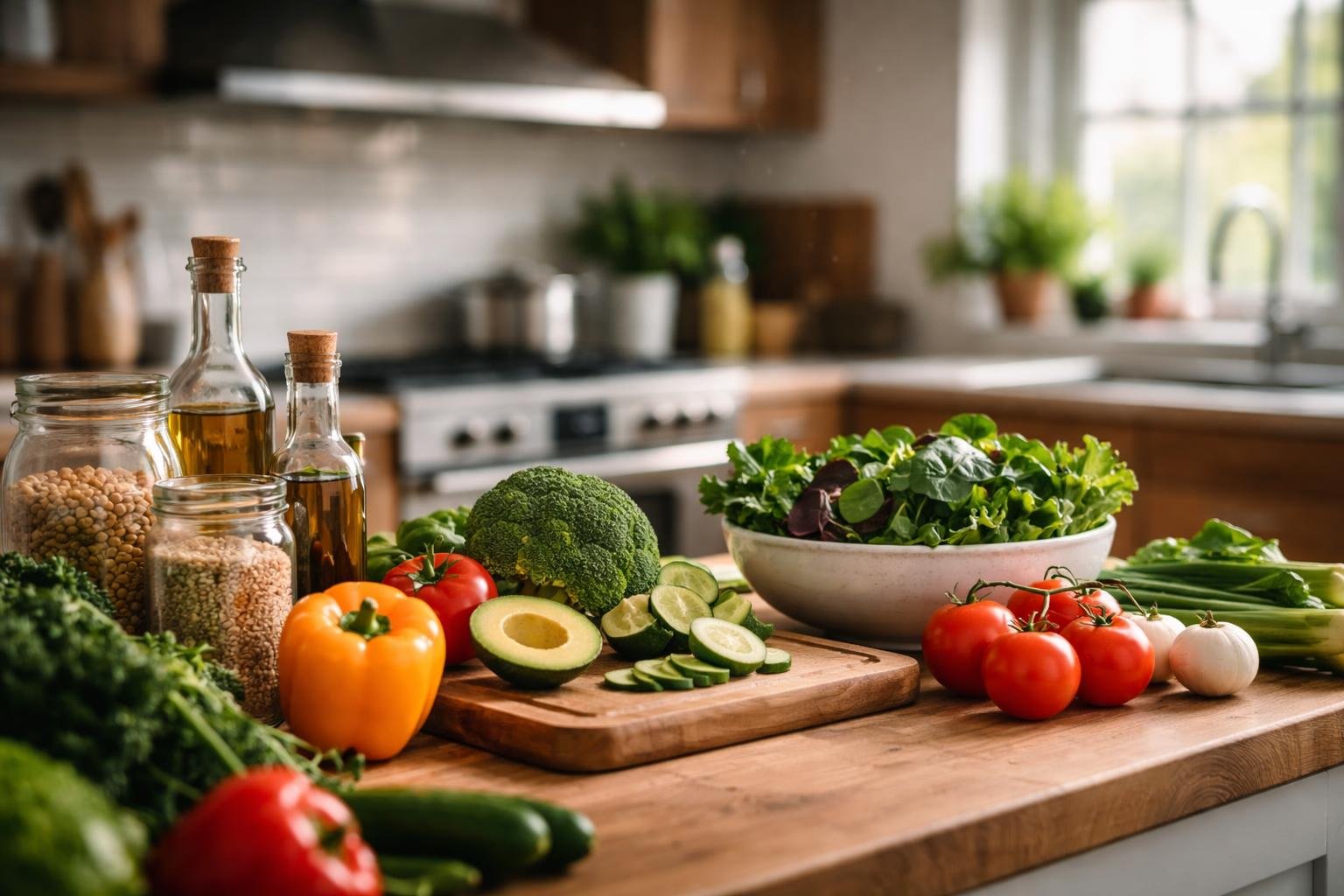
Organizing a pantry into zones helps keep healthy staples visible and within reach. Whole grains like quinoa and brown rice belong in clear, airtight containers that show exactly how much remains in stock. Glass jars work well for storing nuts, seeds, and dried beans while protecting them from moisture and pests.
Grouping similar items together saves time during cooking. Olive oil, vinegars, and cooking oils should occupy one shelf area. Herbs and spices need their own designated spot where labels stay visible.
Placing nutritious options at eye level makes them the first choice when hunger strikes. Sweet potatoes, canned beans, and whole grain pasta deserve front-row placement. Less healthy items can sit on higher shelves where they require extra effort to access.
Essential pantry zones include:
- Whole grains and pasta
- Canned goods and legumes
- Oils and vinegars
- Baking supplies
- Healthy snacks
Clear storage containers eliminate guessing about what needs restocking. Vacuum-sealed containers extend the shelf life of opened packages and keep foods fresh for weeks longer than original packaging.
Fresh Produce, Whole Foods, and Herbs
Fresh produce stays fresher when stored properly based on each item’s needs. A fruit bowl on the counter keeps bananas, apples, and citrus visible and encourages healthy snacking. Vegetables like carrots and celery need refrigeration in clear containers where they remain crisp and ready to eat.
Whole foods form the foundation of nutritious meals when they’re easy to grab. Pre-washing lettuce and chopping vegetables during a designated prep time makes throwing together salads effortless. Glass containers in the refrigerator keep cut vegetables fresh for several days.
Fresh herbs like basil, mint, and rosemary add flavor without extra calories or sodium. Storing herbs upright in water-filled glass jars extends their life. Rosemary and thicker-stemmed herbs can wrap in damp paper towels inside containers. Keeping a cutting board and herbs together in one area speeds up meal preparation.
Meal Prepping, Planning, and Food Safety
Meal prepping transforms healthy eating from a daily challenge into a straightforward routine. Setting aside time for organized meal preparation[13] makes nutritious meals available throughout the week. Cooking whole grains, roasting sweet potatoes, and preparing proteins in advance cuts weeknight cooking time significantly.
Meal planning starts with checking what ingredients already sit in the pantry and refrigerator. This prevents buying duplicates and reduces food waste. Writing out a weekly menu based on available items helps create focused shopping lists.
Glass containers work better than plastic for storing prepared foods. They don’t absorb odors, heat safely in the microwave, and last for years. Labeling each container with contents and preparation dates ensures foods get eaten while still fresh.
Food safety requires attention to:
- Cooling hot foods within two hours
- Storing raw meats on bottom shelves
- Keeping refrigerator temperature at 40°F or below
- Using prepared meals within three to four days
Batch cooking on weekends provides ready-to-eat options for busy weeknights. Portioning meals into individual containers makes grabbing healthy food as convenient as ordering takeout.
Maintaining Long-Term Kitchen Health and Cleanliness
Keeping a kitchen healthy requires consistent routines and smart environmental choices. Regular cleaning schedules, family involvement, and strategic improvements to lighting and air quality create lasting results.
Daily and Weekly Kitchen Routines
Daily tasks prevent buildup of harmful bacteria and reduce the need for deep cleaning sessions. Wiping down countertops after each meal prep stops cross-contamination between raw and cooked foods. People should wash cutting boards, knives, and other utensils immediately after use with hot soapy water.
The sink needs attention every day since it harbors more bacteria than most other kitchen surfaces. A quick scrub with disinfectant keeps germs from spreading to dishes and food preparation areas.
Weekly routines tackle areas that don’t need daily attention. Refrigerator shelves should be wiped down once a week to remove spills and check for expired items. The microwave, oven interior, and range hood filters need weekly cleaning to prevent grease buildup.
Essential weekly tasks include:
- Mopping kitchen floors to remove tracked-in dirt
- Cleaning the inside of the garbage bin
- Sanitizing sponges and dishcloths or replacing them
- Wiping down cabinet fronts and handles
These consistent practices support healthy cooking by maintaining a clean workspace.
Encouraging Healthy Habits for the Whole Family
Everyone in the household should understand basic kitchen safety rules. Children can learn to wash hands before handling food and after touching raw ingredients. Assigning age-appropriate tasks gets kids involved while teaching responsibility.
A shared meal planning board helps families coordinate schedules and food preferences. When everyone contributes ideas, people eat more home-cooked meals instead of relying on takeout.
Setting up a command center with a calendar and shopping list keeps the family organized. This system reduces food waste by tracking what needs to be used before it expires.
Families that cook together build stronger connections while creating a clean and safe kitchen environment[14]. Kids who help prepare meals develop better eating habits and feel more willing to try new foods.
Supporting Healthy Choices With Smart Lighting and Plants
Proper lighting makes food preparation safer and more accurate. Task lighting under cabinets illuminates cutting boards and stovetops where precision matters. LED bulbs use less energy while providing bright, clear light that doesn’t generate excess heat.
Natural light from windows improves mood and makes it easier to see true food colors when cooking. Skylights bring in daylight without taking up wall space.
Smart lighting systems adjust brightness based on time of day and activity. Dimmer switches create different atmospheres for cooking versus dining while saving electricity.
Indoor plants improve air quality by filtering toxins and releasing oxygen. Herbs like basil, mint, and rosemary grow well on sunny windowsills and provide fresh ingredients for recipes. Snake plants and pothos thrive in kitchens with less natural light.
Plants require minimal care but need proper drainage to prevent mold growth. Ceramic pots with drainage holes work better than plastic containers that trap moisture.
Frequently Asked Questions
Kitchen hygiene involves recognizing warning signs like odors and sticky surfaces, following regular cleaning schedules, and understanding core safety principles that prevent foodborne illness. These practical answers help maintain a safe cooking environment through proper sanitization, smart organization, and contamination prevention.
What are the most common signs that a kitchen is not hygienic?
Unpleasant odors are one of the first indicators of poor kitchen hygiene. Foul smells from the sink, trash area, or refrigerator signal bacterial growth and food decay.
Sticky or greasy surfaces on counters, stovetops, and cabinet handles show buildup of grime and bacteria. These areas become breeding grounds for harmful microorganisms when not cleaned regularly.
Visible mold growth on food, in the refrigerator, or around sink areas clearly indicates a hygiene problem. Fruit flies or other pests in the kitchen also point to cleanliness issues and food waste management problems.
Cluttered countertops and overflowing trash bins make it harder to maintain proper sanitation. Food residue left on dishes, cutting boards, or utensils creates contamination risks.
How often should kitchen counters, sinks, and high-touch surfaces be sanitized?
Kitchen counters should be wiped down after each meal preparation session. High-touch areas like countertops, stovetops, and cabinet handles[15] need daily attention to prevent bacterial spread.
Sinks require daily sanitization since they contact raw foods and dirty dishes. The sink basin, faucet handles, and drain area should be cleaned with a disinfectant or bleach solution at the end of each day.
Cabinet handles, refrigerator doors, and appliance controls should be wiped down daily with a cleaning solution. These surfaces get touched frequently during cooking and can transfer bacteria between different areas of the kitchen.
Light switches and door handles in the kitchen need weekly sanitization at minimum. During illness outbreaks in the household, increase sanitization frequency to multiple times per day.
What is the 3 kitchen rule, and how does it reduce contamination risk?
The 3 kitchen rule refers to maintaining three separate zones for food preparation activities. One zone handles raw meats, another manages fresh produce, and the third deals with ready-to-eat foods.
This separation prevents harmful bacteria from raw foods transferring to items that won’t be cooked further. Each zone should have its own cutting board, knife, and preparation space when possible.
Designating specific areas helps household members remember which surfaces touched raw ingredients. Color-coded cutting boards make the system easier to follow, with red for meat, green for vegetables, and white for bread or cooked foods.
The rule also extends to storage, keeping raw meats on lower refrigerator shelves below ready-to-eat items. This prevents raw meat juices from dripping onto foods that won’t receive additional cooking.
What are the 4 C’s of kitchen hygiene, and how do they apply at home?
The 4 C’s of kitchen hygiene stand for Cleaning, Cooking, Chilling, and Cross-contamination prevention. These principles form the foundation of food safety in any cooking space.
Cleaning involves washing hands, surfaces, and utensils thoroughly before and after food preparation. Proper handwashing takes at least 20 seconds with soap and water to remove harmful bacteria effectively.
Cooking refers to heating foods to safe internal temperatures that kill bacteria. Meat thermometers help verify that chicken reaches 165°F, ground beef hits 160°F, and fish cooks to 145°F.
Chilling means refrigerating perishable foods promptly at 40°F or below. Leftovers should go into the refrigerator within two hours of cooking, or within one hour if room temperature exceeds 90°F.
Cross-contamination prevention requires keeping raw and cooked foods separate throughout the entire preparation and storage process. This includes using different cutting boards and washing hands between handling different food types.
Which kitchen tools and appliances tend to harbor the most bacteria?
Cutting boards accumulate bacteria in the knife grooves and surface scratches that develop over time. Plastic and wooden boards both require thorough washing with hot soapy water after each use, with wooden boards needing extra drying time.
Sponges and dish towels rank among the dirtiest items in kitchens since they stay damp and touch multiple surfaces. Sponges should be replaced every one to two weeks and sanitized daily by microwaving them damp for one minute or running them through the dishwasher.
Refrigerator handles and door seals collect bacteria from repeated touching with unwashed hands. The rubber seals around refrigerator doors trap moisture and food particles, creating ideal conditions for mold growth.
Can openers often get overlooked during cleaning but directly contact food. The blade and gear mechanism need washing after each use to prevent bacterial buildup.
Blender gaskets and food processor blades have small crevices where food particles hide. These components should be disassembled and cleaned separately rather than just rinsing the assembled unit.
What are the best practices for preventing cross-contamination during meal prep?
Using separate cutting boards for raw meat and vegetables is essential for preventing bacterial transfer. Separate cutting boards for raw meat and vegetables[15] should be sanitized after each use to reduce bacterial growth.
Washing hands between handling different food types stops bacteria from spreading. Hands should be washed after touching raw meat, before handling ready-to-eat foods, and after any interruption like answering the phone or taking out trash.
Never placing cooked food back on plates or surfaces that held raw ingredients prevents recontamination. Use clean plates for serving cooked meats rather than reusing the dish that transported raw items from the refrigerator.
Storing raw meats on the bottom shelf of the refrigerator keeps their juices from dripping onto other foods. Wrapping raw meats in plastic bags or containers adds an extra layer of protection.
Sanitizing countertops between preparation tasks reduces the risk of bacterial spread. A simple spray of diluted bleach solution or commercial sanitizer kills most harmful bacteria on contact when surfaces are wiped down properly.
Post Views: 10
References
- Creating a Healthier Cooking Environment at Home: Simple Changes for Better Family Health. https://cosmoappliances.com/creating-a-healthier-cooking-environment-at-home-simple-changes-for-better-family-health/ Accessed May 6, 2026
- Top 4 Kitchen Ventilation Challenges & How to Fix Them for a Healthier Home. https://www.patrickafinn.com/blog/top-4-kitchen-ventilation-challenges-how-to-fix-them-for-a-healthier-home Accessed May 6, 2026
- Why Kitchen Ventilation Matters: Health Risks, Safety Benefits and How to Protect Your Home’s Air. https://broan-nutone.com/en-us/home/learn/the-importance-of-kitchen-ventilation-to-keep Accessed May 6, 2026
- How to Improve Indoor Air Quality While Cooking, Even Without a Range Hood. https://blog.aham.org/how-to-improve-indoor-air-quality-while-cooking/ Accessed May 6, 2026
- Deep Dive into Kitchen Ergonomics and Layout Planning: A Professional Guide. https://casolia.com/deep-dive-into-kitchen-ergonomics-and-layout-planning-a-professional-guide/ Accessed May 6, 2026
- Verifying…. https://thecreativekitchenco.com/designing-kitchen-promotes-healthy-eating-tips/ Accessed May 6, 2026
- Designing a Kitchen that Supports Healthy Eating: The Complete Guide to Creating Your Wellness-Centered Culinary Space. https://allabouthomeandgarden.com/designing-a-kitchen-that-supports-healthy-eating-the-complete-guide-to-creating-your-wellness-centered-culinary-space/ Accessed May 6, 2026
- Building a New Kitchen to Optimize Healthy Eating Habits. https://cookingadvicenow.com/building-a-new-kitchen-to-optimize-healthy-eating/ Accessed May 6, 2026
- How Your Kitchen Surfaces Impact Your Health. https://worldhealth.net/news/how-your-kitchen-surfaces-impact-your-health/ Accessed May 6, 2026
- Building a New Kitchen That Supports a Healthy Lifestyle: 10 Ideas to Consider. https://whatscookingwithdoc.com/building-a-new-kitchen-that-supports-a-healthy-lifestyle-10-ideas-to-consider/ Accessed May 6, 2026
- How to…Design a Kitchen That Supports Your Wellbeing Part 1
– WLLW. https://wllw.eco/blogs/journal/healthy-kitchen-design-ideas-part-1 Accessed May 6, 2026 - 12 Ways to Set Up Your Kitchen for Healthy Eating. https://www.houzz.com/magazine/12-ways-to-set-up-your-kitchen-for-healthy-eating-stsetivw-vs~22967694 Accessed May 6, 2026
- 5 Hacks to Stock and Organize Your Kitchen for Healthy Cooking. https://nutritionstripped.com/organize-your-kitchen/ Accessed May 6, 2026
- A Clean, Safe, Healthy Kitchen & Home: The Importance of Keeping Your Kitchen Clean and Safe. https://hgic.clemson.edu/factsheet/a-clean-safe-healthy-kitchen-home-the-importance-of-keeping-your-kitchen-clean-and-safe/ Accessed May 6, 2026
- How To Keep Your Kitchen Clean And Hygienic: Simple Tips For A Sparkling Space. https://cleanmastermind.com/cleaning/house/kitchen/how-to-keep-your-kitchen-clean-and-hygienic/ Accessed May 6, 2026

























