Amid a rapid, AI-driven technology boom and all the changes it’s entailed, mental health issues due to social isolation have been on the rise. Researchers in social and clinical psychology have documented this shift and coined it the “loneliness epidemic.”
Human connection is imperative to psychological well-being but the world is increasingly disconnected. With technology streamlining our lives, many report growing levels of depression, anxiety and existential dread brought on by the physical and emotional distance it creates between us.
And so psychologists have begun asking: “How do we stay connected to the here and now, and to each other?”
One facet of self-compassion theory — a concept developed by psychologist Kristin Neff that dictates treating ourselves with the same care and understanding as we would our friends — may hold the answer. “Common humanity” promotes the recognition that we are, in fact, not alone since all humans share the same fundamental experiences, emotions and struggles.
Table of Contents
The loneliness epidemic
To begin finding a solution to social disconnectedness, it’s important to understand the vehicles that drive it. A 2024 Statistics Canada survey found more than one in 10 Canadians report often or always feeling lonely, a finding that aligns with psychological research on rising social isolation.
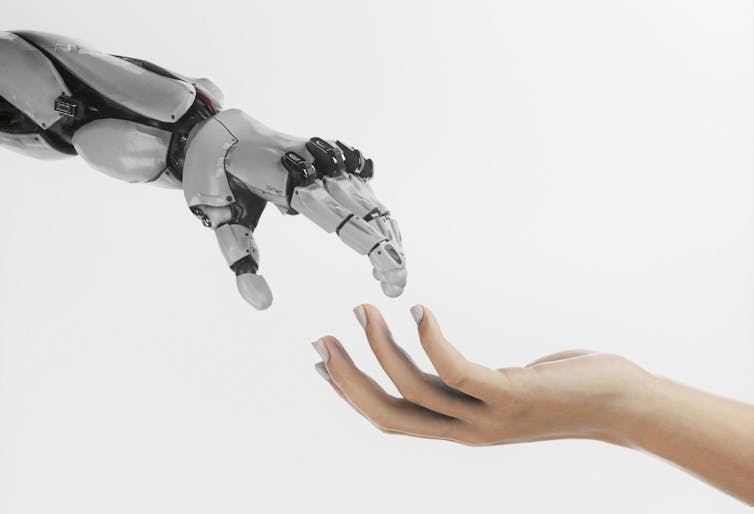
At the same time, studies indicate that heavy reliance on digital technologies can both reflect and reinforce this isolation.
(Unsplash)
Technology, AI and algorithms divide and capture human attention, often limiting exposure to interactions or varied points of view and perspectives. A study by clinical and social psychologists suggests that the motivation to escape everyday life and experience social gratification reinforces the relationship between mental health and AI dependence, especially for people with mental illness.
The more attention spent in the digital world, the less is available to spend with one another.
It’s easy to fall into a pattern of pessimism as we observe technology shifts toward automated entry-level jobs, addictive doomscrolling and students submitting AI-generated homework. These negative emotions, the attention we spend on them and the frustration we feel with ourselves for having these emotions can perpetuate a cycle of self-isolation.
Self-compassion and common humanity are evidence-based tools that can help stop this cycle by shifting attention back to what is important: each other.
Self-compassion and common humanity
According to Kristin Neff, an American education psychology scholar, self-compassion functions on three key tenets: self-kindness versus self-judgment, common humanity versus self-isolation and mindfulness versus over-identification.
Each facet emphasizes intentionality in our actions, both toward ourselves and others.
At its core, mindful self-compassion’s concept of common humanity is the belief that we are connected by familiar human experiences. Personal suffering is part of a shared human condition, for example, and in accepting this truth, we reduce self-judgment and weaken the tendency toward social withdrawal.
Research shows that self-compassion can be exercised like a muscle through interventions that shift awareness of our personal experiences to how these experiences connect us with others.
Appealing to the humanness of our present experiences reduces feelings of isolation and self-judgment and increases life satisfaction. Common humanity addresses our basic human need to belong.
Elevate Your Health for Just $29.99/Month
Join the Precision Wellness Subscription at My Healing 365 and get discounted services, priority coaching access, virtual care, and exclusive wellness resources to support your physical, emotional, and hormonal health.
Join for $29.99/MonthFeeling down about not having plans with others this weekend? You’re not alone in this struggle. It is uniquely human to feel alone and want to self-soothe with a scroll on TikTok. Knowing this, it might be time to take the first step and reach out to that friend and invite them over.

(Unsplash)
From theory to practice
Demonstrating the principles of self-compassion and common humanity in the presence of others can create a positive feedback cycle. Three action-based practices help exercise control over our attention, centre community, empathize and attend to our “why.”
Invest in community. Allowing technology to seep into all corners of life is not inevitable. Self-compassion teaches that while this is human, we have the power to change our actions as an act of compassion. It is our choice to bring our attention back to the present.
This may mean making an explicit choice to unplug instead of following the urge to respond; leaning into sharing imperfect experiences and mutual not-knowing; talking something through instead of Googling it immediately; practising collaboration over outsourcing thinking.
Practise empathy. Excessive tech or AI use can leave us feeling depleted and disconnected. In order to interrupt the cycle of overusing technology, notice these emotions without judgment rather than feeling guilt and avoiding the guilt through more tech use.
To ground yourself, ask: “What do I need right now?” You may find your response involves uniquely human experiences: food, a cup of tea, calling a parent, fresh air or a walk.
Centre your ‘why.’ Think about why you choose to connect with others. Centre this “why” in your day-to-day life.
If you notice yourself opting for AI to write an email, pause for a moment and notice this reflex. It is human to seek shortcuts to preserve energy. Consider what you might gain from writing that email yourself. Notice any discomfort. Know that it’s human to feel it, and choose to write it yourself anyway. Theory suggests you might feel more connected to your people and to your own humanness in the process.
In this context, self-compassion functions as a psychological counterweight to the isolating tendencies of digital life. It helps reorient attention away from performance and productivity and back toward shared human experiences.

























