Medically Reviewed
Dr. Jose Rossello, MD, PhD, MHCM
Preventive Medicine & Public Health Specialist
Last Reviewed: June 16, 2026
Berries offer a natural and enjoyable way to support weight loss goals without feeling deprived. These small fruits pack powerful nutritional benefits while remaining low in calories, making them an ideal addition to any eating plan focused on losing weight.
To eat berries for weight loss success, aim for one to two cups daily as snacks or meal additions, choosing fresh options like strawberries, blueberries, and raspberries that provide fiber to control hunger while their antioxidants support metabolism. The benefits of berries[1] extend beyond simple calorie reduction, as they help regulate blood sugar levels and reduce inflammation that can interfere with fat burning.
Understanding how to select, store, and prepare berries correctly makes a real difference in achieving weight loss results. This guide covers the most effective strategies for incorporating these nutrient-rich fruits into daily routines, along with practical tips on timing, portions, and preparation methods that maximize their weight loss potential.
Table of Contents
Key Takeaways
Why Berries Are Effective for Weight Loss
Berries stand out as powerful foods for weight loss due to their unique combination of low calories, high fiber content, and beneficial plant compounds. These small fruits deliver substantial nutrition while helping people feel satisfied and maintain steady energy levels throughout the day.
Low Calorie Density and Natural Sweetness
Berries provide a sweet taste without the calorie load of many other foods. Most berries contain fewer than 85 calories per cup, making them one of the lowest-calorie fruit options available.
Raspberries contain just 65 calories per cup[4], while strawberries offer around 50 calories for the same amount. This low calorie density means people can eat a generous portion without consuming excessive energy.
The natural sugars in berries satisfy sweet cravings effectively. Rather than reaching for candy or baked goods that pack hundreds of calories, a bowl of berries delivers sweetness along with vitamins and minerals. This makes berries an ideal substitute for high-calorie desserts and snacks when someone wants to reduce their overall calorie intake.
Role of Dietary Fiber in Promoting Fullness
The fiber content in berries sets them apart from most other fruits. Berries contain high amounts of dietary fiber[3], which plays a critical role in weight management.
One cup of raspberries provides 8 grams of dietary fiber, representing about 53% of the daily recommended intake. This fiber slows down digestion, which helps people feel full for longer periods after eating.
Fiber-rich foods move through the digestive system at a slower rate than low-fiber options. This gradual process keeps hunger at bay and reduces the urge to snack between meals. The fiber in berries also helps stabilize blood sugar levels by preventing rapid spikes and crashes that can trigger cravings.
Most of the carbohydrates in berries come from fiber rather than simple sugars, making them naturally low in net carbohydrates while still providing volume and satisfaction.
Antioxidants and Metabolism Support
Berries contain high levels of antioxidants, particularly anthocyanins that give them their vibrant colors. These compounds provide benefits for metabolism and appetite control[2].
The antioxidants in berries help reduce inflammation in the body, which research links to improved metabolic function. A well-functioning metabolism processes calories more efficiently and may support fat burning over time.
Berries also deliver essential vitamins that support overall health during weight loss. One cup of raspberries provides 53% of the daily value for vitamin C, which supports immune function and helps the body absorb nutrients properly.
The combination of antioxidants, vitamins, and minerals in berries ensures that people receive quality nutrition even while reducing their calorie intake for weight loss.
Top Berries for Weight Loss and Their Unique Benefits
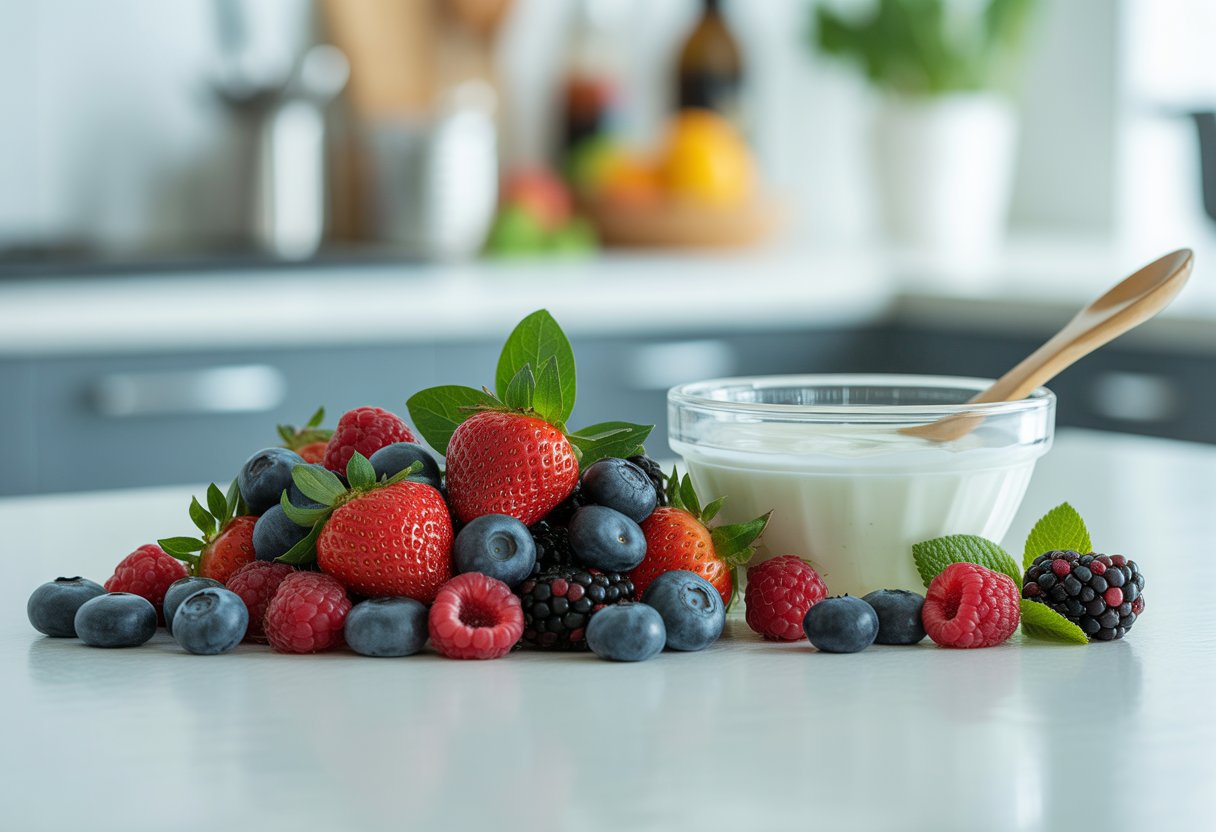
Different berries offer distinct nutritional advantages that support weight management goals. Each variety provides specific compounds and fiber levels that help control appetite, boost metabolism, and reduce overall calorie intake.
Blueberries: Fat Burning and Insulin Sensitivity
Blueberries contain powerful antioxidants called anthocyanins that give them their deep blue color. These compounds help the body process glucose more efficiently and may reduce belly fat storage.
Research shows that regular blueberry consumption can improve how cells respond to insulin. Better insulin sensitivity means the body manages blood sugar more effectively, which reduces cravings and prevents energy crashes. This makes it easier to stick to a healthy eating plan.
One cup of blueberries contains about 84 calories and 4 grams of fiber. The antioxidants in these berries for weight loss[3] also fight inflammation throughout the body. Lower inflammation levels support better metabolic function and make losing weight easier.
Fresh blueberries work well in smoothies, oatmeal, or eaten alone as a snack. They’re available year-round in most stores, either fresh or frozen.
Raspberries: Highest Fiber for Satiety
Raspberries rank as the top berry for weight loss[4] due to their exceptional fiber content. One cup provides 8 grams of dietary fiber along with only 65 calories and 5 grams of sugar.
The high fiber content comes from the many tiny seeds that make up each raspberry. This fiber slows digestion and creates lasting feelings of fullness. People who eat fiber-rich foods like raspberries tend to consume fewer calories throughout the day without feeling hungry.
Raspberries also deliver 53% of the daily vitamin C requirement per cup. The combination of low calories, high fiber, and minimal sugar makes them ideal for anyone trying to lose weight. Most of the carbohydrates in raspberries come from fiber rather than sugar.
These berries help stabilize blood sugar levels and prevent the dips that trigger snack cravings. They work well in yogurt, mixed into salads, or blended into smoothies.
Strawberries: Low Calorie, High Vitamin C
Strawberries provide excellent nutrition with very few calories. One cup contains approximately 50 calories while delivering more than 100% of the daily vitamin C needs.
The high water content in strawberries helps increase feelings of fullness without adding calories. They also contain compounds that may help regulate blood sugar and reduce inflammation. Vitamin C supports the body’s fat-burning processes during exercise.
Strawberries offer about 3 grams of fiber per cup. While this is less than raspberries, it still contributes to daily fiber goals. The natural sweetness satisfies sugar cravings without the need for processed desserts.
These best berries for weight loss[2] are versatile and available year-round. They can be sliced onto whole grain toast, added to salads, or eaten fresh as a low-calorie snack.
Blackberries and Other Varieties
Blackberries contain about 62 calories per cup with 8 grams of fiber, matching raspberries for fiber content. They provide vitamin K, which supports bone health and proper blood function.
Other beneficial berries include cranberries, goji berries, and acai berries. Cranberries are low in sugar and high in antioxidants. Fresh berries generally provide more nutrients than dried versions, which often contain added sugars.
The key is choosing fresh or frozen berries without added sweeteners. All berry varieties share common benefits: low calories, high fiber, and rich antioxidant content. Mixing different types throughout the week provides varied nutrients and prevents taste fatigue.
Blackberries work well in the same applications as other berries. They can be frozen for later use without losing significant nutritional value.
Understanding the Science: Fiber, Antioxidants, and Fat Loss
Berries contain specific compounds that work together to support weight management through three main pathways. High fiber content creates lasting fullness, antioxidants called polyphenols enhance fat burning, and their low glycemic impact keeps blood sugar steady throughout the day.
How Dietary Fiber Suppresses Appetite
Dietary fiber[5] in berries creates a sense of fullness that lasts for hours after eating. Raspberries lead the pack with 8 grams of fiber per cup, followed by blackberries at 7.6 grams.
This fiber absorbs water in the digestive system and expands. The expansion slows digestion and triggers signals to the brain that reduce hunger. A person who eats a cup of raspberries consumes only 65 calories while getting nearly one-third of their daily fiber needs.
Soluble fiber in berries also forms a gel-like substance in the gut. This gel slows the absorption of nutrients and helps maintain stable energy levels. Studies show that replacing common fruits with berries increases soluble fiber intake by up to 10.2%.
Polyphenols and Metabolic Effects
Anthocyanins are the main polyphenols in berries that give them their deep red, blue, and purple colors. Research shows these compounds can boost metabolism by 14%[3] in people who eat berries regularly.
A 2023 study found that individuals who ate a handful of berries daily had 5% lower body fat than those who avoided them. The anthocyanins appear to activate genes involved in fat burning and reduce inflammation in fat cells.
Blueberries contain particularly high levels of these compounds. They help the body process glucose more efficiently and may prevent fat storage in cells. The antioxidant content also protects cells from damage during weight loss.
Impact on Blood Sugar and Cravings
Berries have a low glycemic impact compared to other fruits. They cause a gradual rise in blood sugar rather than sharp spikes that lead to crashes and cravings.
The fiber and water content in berries slows sugar absorption. This keeps insulin levels stable and prevents the hunger that follows blood sugar drops. A person who eats berries between meals experiences fewer cravings for processed snacks.
Berries help stabilize blood sugar levels[5] because they contain less sugar than bananas or grapes. One cup of strawberries has only 7 grams of sugar compared to 23 grams in a banana. This makes them ideal for controlling appetite while still satisfying sweet cravings naturally.
Incorporating Fresh Berries Into Your Daily Routine
Adding fresh berries to meals throughout the day provides natural sweetness and nutrition without extra calories. Simple changes like topping breakfast foods, creating quick snacks, or mixing berries into savory dishes make it easy to enjoy their weight loss benefits.
Using Berries in Breakfast Meals
Breakfast is an ideal time[6] to add berries since they provide natural sweetness without refined sugars. A bowl of plain Greek yogurt topped with a half cup of mixed berries creates a protein-rich breakfast that keeps hunger away for hours.
Oatmeal becomes more satisfying when fresh strawberries, blueberries, or raspberries are stirred in during the last minute of cooking. The berries soften slightly and release their juices into the oats.
Whole grain toast with almond butter and sliced strawberries offers a balance of fiber, protein, and antioxidants. Smoothies made with frozen berries, spinach, and unsweetened almond milk provide a quick option for busy mornings. The frozen berries create a thick, creamy texture without ice cream or added sugars.
Healthy Snack Ideas with Berries
Fresh berries work perfectly as healthy snacks between meals to prevent overeating later. A simple portion of one cup of mixed berries contains only 60-80 calories while providing fiber that promotes fullness.
Pairing berries with protein extends their satisfying effect. A handful of almonds with fresh raspberries creates a balanced snack. Cottage cheese topped with blueberries combines protein and antioxidants in one bowl.
Freezing grapes or berries turns them into a cold treat that takes longer to eat. This slows down consumption and helps with portion control. Dark chocolate squares paired with strawberries satisfy sweet cravings while keeping calories reasonable. Small containers of pre-washed berries in the refrigerator make grabbing a quick snack easier than reaching for processed foods.
Adding Berries to Salads and Main Courses
Berries add unexpected flavor to salads and savory dishes while supporting weight loss goals. Spinach salads with sliced strawberries, goat cheese, and walnuts combine sweet and savory elements. The berries provide vitamin C that helps the body absorb iron from the greens.
Grilled chicken paired with a blackberry sauce creates a lean protein dish with bold flavor. The sauce uses fresh blackberries, balsamic vinegar, and a touch of honey instead of heavy cream or butter.
Raspberries mixed into quinoa salads with cucumber and feta cheese add brightness to grain bowls. Blueberries work well in cold pasta salads with vegetables and a light vinaigrette. Roasted Brussels sprouts or asparagus topped with fresh cranberries or pomegranate seeds turn simple vegetables into interesting side dishes that complement any protein.
When and How Much: Best Time and Portions for Eating Berries
Timing and portion control play important roles in maximizing the weight loss benefits of berries. The right serving sizes help manage calorie intake while strategic timing can support better blood sugar control and sustained energy throughout the day.
Optimal Timing for Metabolic Benefits
Eating berries with meals or snacks that include protein or healthy fats[2] helps with satiety and keeps blood sugar levels steady. This combination slows down digestion and prevents energy crashes that often lead to overeating.
Morning consumption offers particular advantages. Adding berries to breakfast with Greek yogurt or oatmeal provides fiber and nutrients that help control appetite for hours. The natural sugars in berries deliver quick energy without causing the blood sugar spikes that processed foods create.
Between-meal snacking represents another smart option. A small handful of berries can curb cravings while delivering only 40-80 calories per serving. The fiber content keeps hunger at bay until the next meal arrives.
Evening portions work well too, especially as a dessert replacement. Berries satisfy sweet cravings with far fewer calories than traditional desserts while supporting healthy digestion overnight.
Portion Sizes and Calorie Control
A standard serving equals about 80 grams or one cup of berries. This translates to roughly 7 strawberries or two handfuls of frozen blueberries[7]. Each portion contains approximately 40-70 calories depending on the berry type.
Daily intake recommendations:
- Minimum: 1 serving (80g) most days
- Optimal: 1-2 servings daily
- Maximum: 3 servings for active individuals
Strawberries, blueberries, raspberries, and blackberries are great for weight loss[3] due to their high fiber content and low calorie count. A cup of strawberries contains just 50 calories while providing 3 grams of fiber. Blueberries deliver similar benefits with 84 calories and 4 grams of fiber per cup.
Frozen berries offer the same nutritional value as fresh ones. They cost less and last longer in the freezer without losing their weight loss benefits.
Creative and Satisfying Ways to Prepare Berries
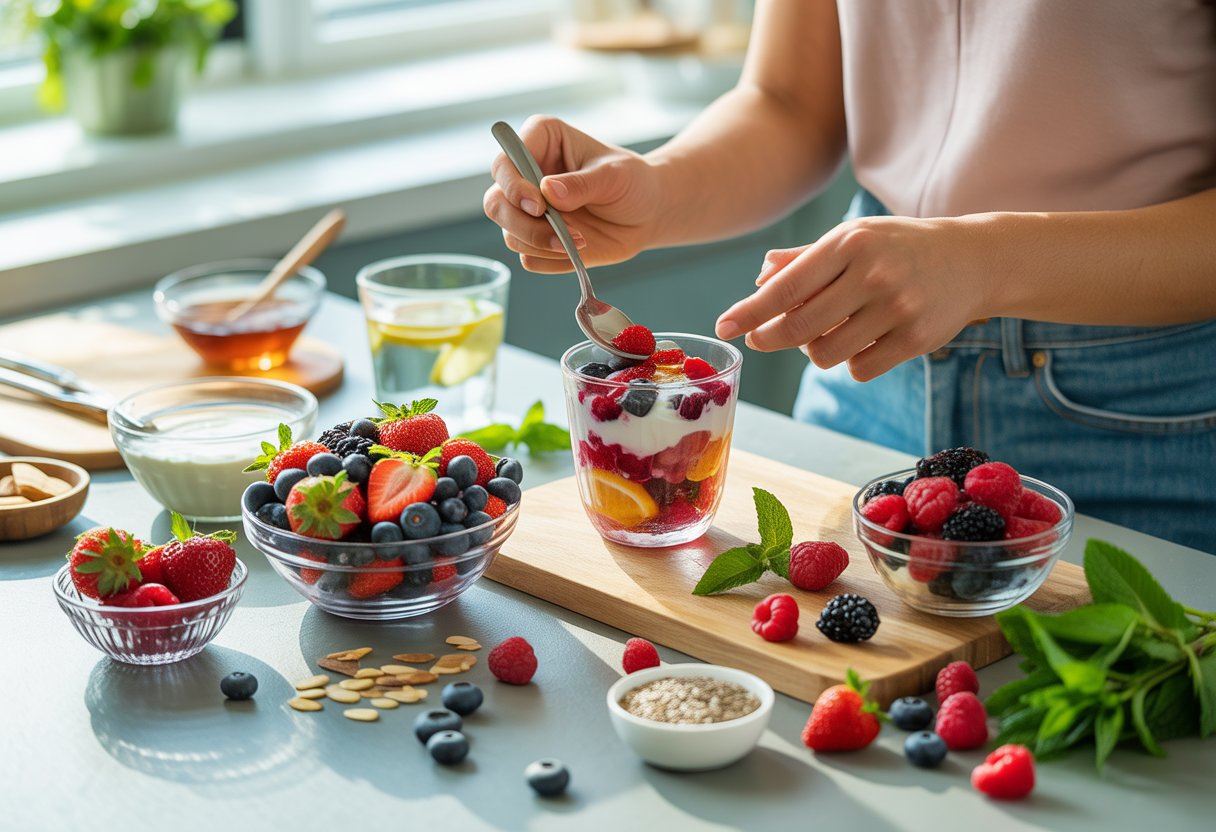
Preparing fresh berries in different ways helps people stick to their weight loss goals while enjoying varied flavors and textures. Simple preparation methods can turn berries into filling meals and healthy snacks that satisfy cravings without adding extra calories.
Smoothies and Parfaits
Smoothies made with fresh berries provide a quick meal that keeps people full for hours. A basic berry smoothie combines one cup of mixed berries with Greek yogurt and a splash of unsweetened almond milk. The protein from yogurt slows digestion and prevents blood sugar spikes.
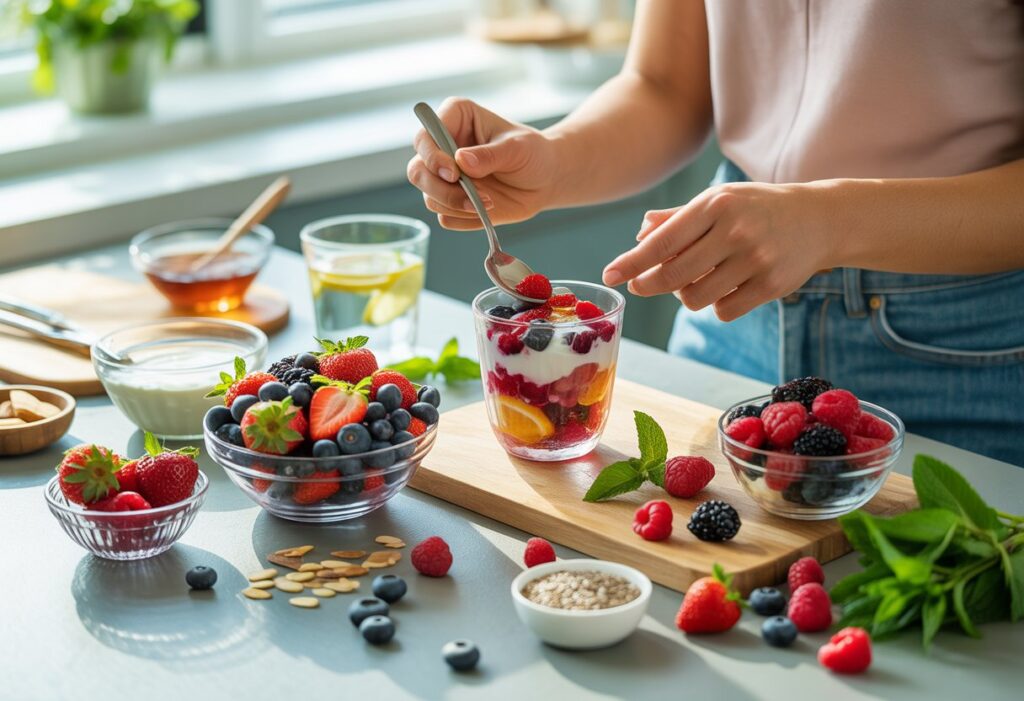
Berry parfaits work well as breakfast or healthy snacks. Layer fresh strawberries, blueberries, or raspberries with plain Greek yogurt in a glass. Add a small sprinkle of granola or chopped nuts for crunch. This combination delivers protein, fiber, and antioxidants in one serving.
People can prep smoothie ingredients in advance by portioning frozen berries into bags. Each morning, they simply blend the contents with liquid. This saves time and ensures berries are always available for weight loss efforts.
Berry-Infused Water and Teas
Adding berries to water creates a flavorful drink without calories from juice or soda. Crushed raspberries, sliced strawberries, or whole blueberries release natural flavor into cold water after sitting for 30 minutes. This simple trick helps people drink more water throughout the day.
Iced berry tea offers another refreshing option. Brew green or black tea, let it cool, then add fresh berries and ice. The berries provide subtle sweetness while the tea contains compounds that may support metabolism.
Hot berry tea works during colder months. Simmer fresh or frozen berries in water for five minutes, then strain. The resulting tea has natural berry flavor without added sugars. Some people find creative berry dishes[8] include innovative beverage options beyond traditional preparations.
Baking and Cooking with Minimal Sugar
Berries contain natural sugars that allow for baking without adding sweeteners. Muffins made with mashed berries stay moist and sweet using just the fruit’s sugar content. Mix two cups of berries into whole wheat muffin batter for a filling breakfast option.
Roasting berries intensifies their natural sweetness. Spread berries on a baking sheet and roast at 375°F for 15 minutes. The heat caramelizes their sugars, creating a topping for oatmeal or yogurt. Those looking for recipes that don’t rely on added sugar[9] can explore berry-focused options that highlight natural flavors.
Savory dishes benefit from berries too. Fresh blueberries pair well with grilled chicken, while blackberries complement pork. The fruit adds brightness to meals without heavy sauces or dressings that contain hidden calories.
Berry Supplements: Do They Help With Weight Loss?
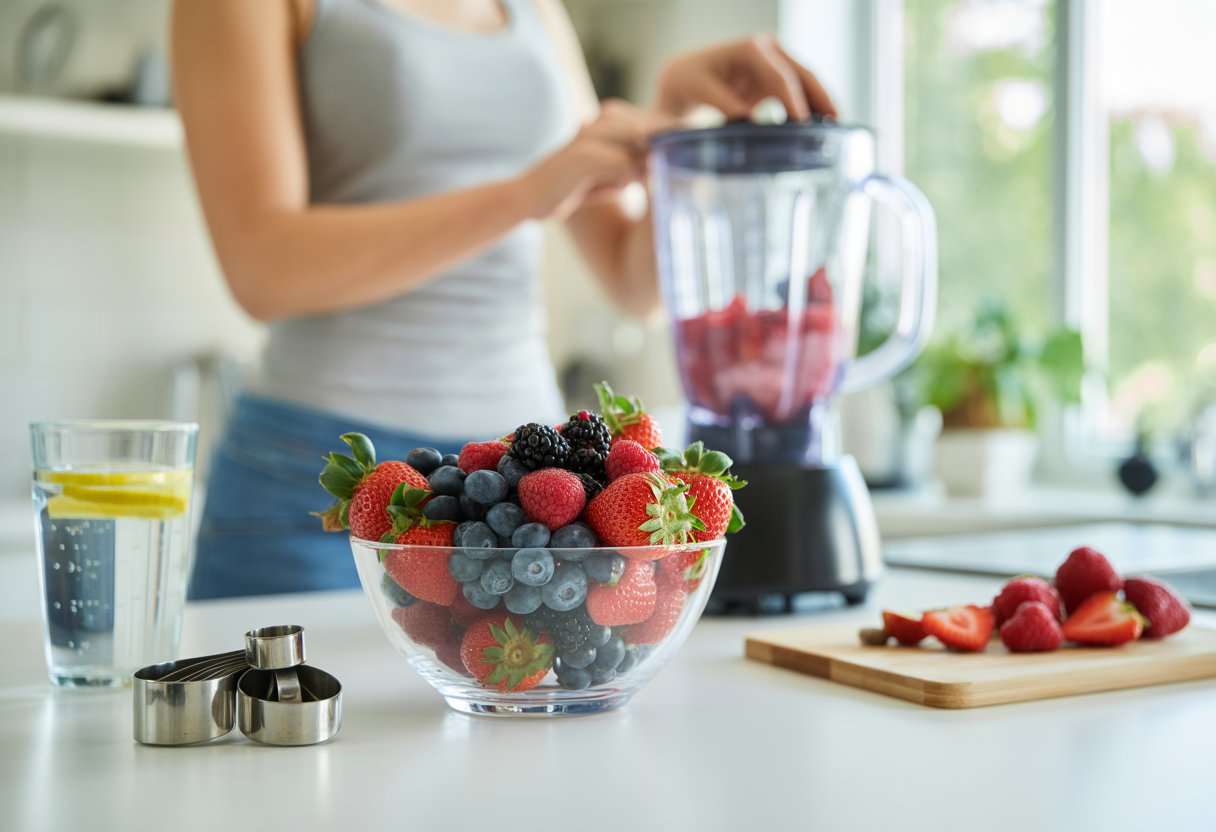
Berry supplements come in many forms, but they don’t always match the weight loss benefits of eating whole berries. While supplements offer convenience, whole berries provide fiber and water content that pills and powders can’t replicate.
Types of Berry Supplements
Berry supplements are available in several different formats at most health stores and online retailers. The most common types include capsules, powders, extracts, and freeze-dried options.
Capsule supplements typically contain concentrated berry extracts or freeze-dried berry powder. These often focus on a single type of berry like acai or goji, marketed for their antioxidant content.
Powder supplements can be mixed into smoothies or water. They usually contain dried and ground berries, though some include added sugars or fillers that reduce their effectiveness for weight loss.
Liquid extracts concentrate the antioxidants from berries into a small dose. These products often remove the fiber entirely, which eliminates one of the key weight loss benefits.
Freeze-dried berry supplements preserve more of the original nutrition compared to other processing methods. However, they still lack the water content that helps with fullness when eating fresh berries.
Comparing Whole Berries to Supplements
Whole berries offer advantages that supplements simply cannot provide for weight loss efforts. Fresh or frozen berries contain high amounts of water and fiber that fill the stomach and reduce overall calorie intake.
Research on berry extracts shows they can reduce the size of fat cells, but these studies use concentrated amounts not typically found in standard supplements. The fiber in whole berries slows digestion and stabilizes blood sugar, preventing the energy crashes that lead to snacking.
Berries like raspberries and blackberries[10] contain 5-6.5 grams of fiber per 100-gram serving. Most berry supplements contain little to no fiber since it’s removed during processing.
Supplements also miss the natural combination of nutrients found in whole berries. Fresh berries provide vitamin C, manganese, and various antioxidants working together in ways that isolated extracts don’t replicate.
Potential Drawbacks and Considerations
Berry supplements carry several risks and limitations that people should know about before purchasing them. Many products contain added sugars, artificial flavors, or fillers that add unwanted calories to a weight loss diet.
Quality concerns affect the supplement industry significantly. Unlike whole berries, supplements aren’t strictly regulated, so the actual berry content may not match what’s listed on the label.
Cost differences make supplements less practical for most people. A bottle of berry capsules costs more per serving than buying fresh or frozen berries from the grocery store.
Some supplements can interact with medications, particularly blood thinners. Anyone taking prescription drugs should consult their doctor before adding berry supplements to their routine.
The concentrated nature of some berry extracts may cause digestive upset in certain individuals. Whole berries spread nutrients across a larger volume of food, making them gentler on the stomach while still delivering benefits for weight loss[3].
Choosing and Storing Berries for Maximum Benefits
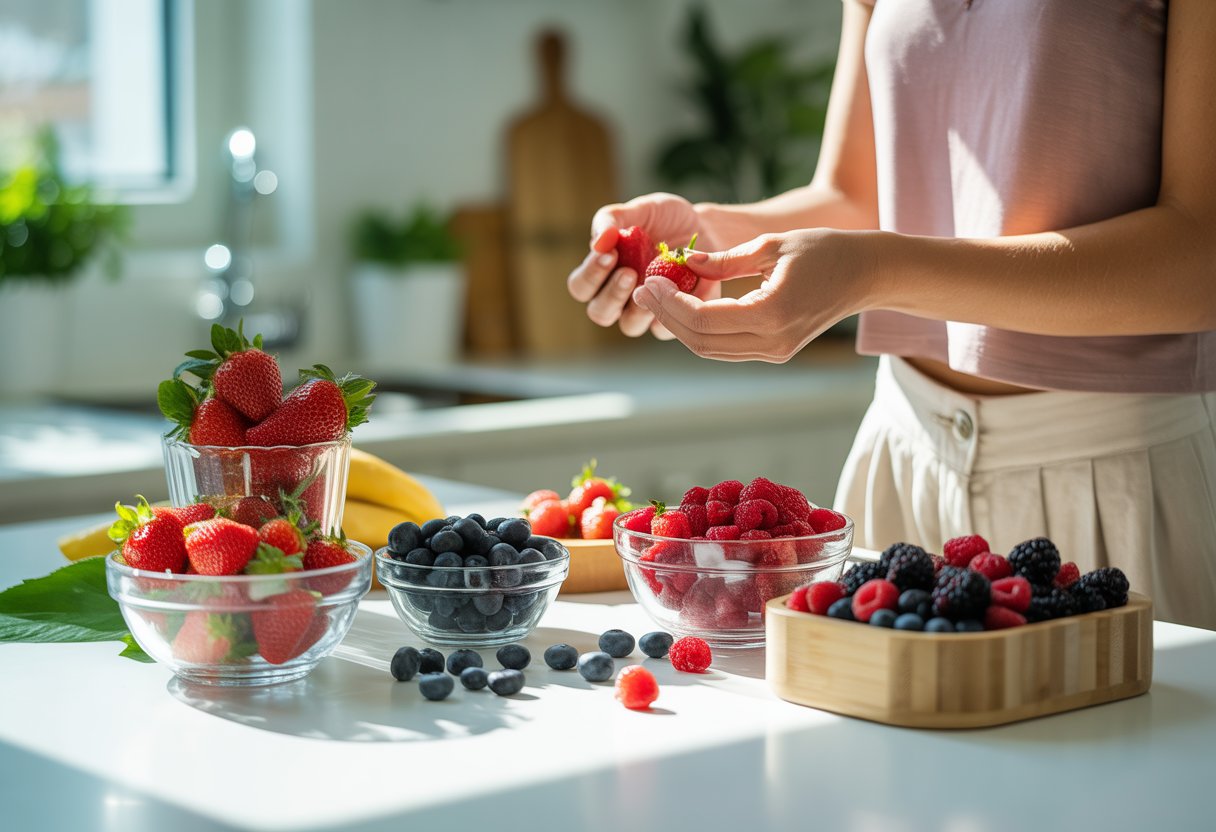
Fresh berries offer the most benefits when selected at peak ripeness and stored correctly. The way someone handles berries from purchase to consumption directly affects their nutrient content and weight loss potential.
Picking the Freshest Berries
Fresh berries should be plump, firm, and deeply colored. Strawberries need bright red color with fresh green caps. Blueberries should have a silvery frost coating on their skin.
People should avoid berries with soft spots, mold, or moisture in the container. These signs indicate the fruit is past its prime. The container bottom deserves a quick check for crushed or leaking berries.
Signs of quality berries:
- Uniform color throughout
- Firm texture when gently pressed
- Sweet smell at room temperature
- No visible bruising or damage
Buying berries during their peak season ensures better taste and higher nutrient levels. Local farmers markets often offer the freshest options since the fruit travels shorter distances.
Proper Storage Techniques
Berries stay fresh longer when stored unwashed in the refrigerator. Washing before storage adds moisture that promotes mold growth. People should rinse berries only right before eating them.
A paper towel placed in the container absorbs excess moisture. This simple step can extend the shelf life of berries[11] by several days. The crisper drawer maintains the ideal humidity level for berry storage.
Strawberries last 3-7 days when stored properly. Blueberries, raspberries, and blackberries typically stay fresh for 5-10 days. Removing any damaged berries from the container prevents them from spoiling the rest.
Frozen vs. Fresh: Nutritional Differences
Frozen berries contain nearly the same nutrients as fresh ones. Freezing happens at peak ripeness, which locks in vitamins and antioxidants. The benefits of berries remain largely intact through the freezing process.
Fresh berries that sit for days lose some vitamin C content. Frozen varieties often contain more nutrients than fresh berries that have been transported long distances or stored for extended periods.
Nutritional comparison:
| Aspect | Fresh Berries | Frozen Berries |
|---|---|---|
| Vitamin C | High when just picked | Preserved at freezing |
| Antioxidants | Peak at harvest | Maintained through freezing |
| Fiber | Unchanged | Unchanged |
| Cost | Higher, seasonal | Lower, year-round |
Frozen berries work well for smoothies and overnight oats. Fresh berries provide better texture for snacking and topping yogurt. Both options support weight loss goals equally when portion sizes remain consistent.
Potential Pitfalls and Common Mistakes to Avoid
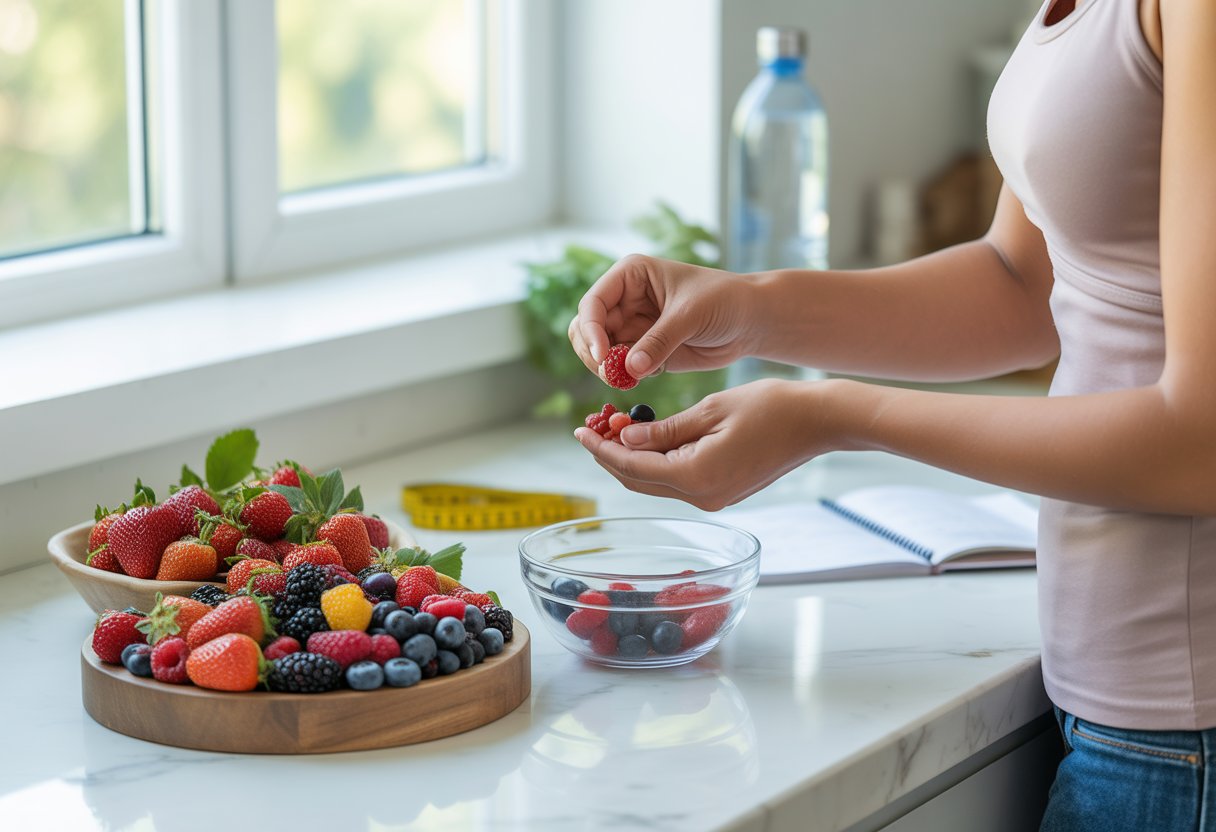
Even the most nutritious berries for weight loss can backfire when prepared incorrectly or consumed without attention to portions. Small mistakes with added ingredients and serving sizes can quickly turn a healthy snack into a calorie-dense setback.
Added Sugars and High-Calorie Preparations
Many store-bought berry products contain hidden sugars that eliminate their weight loss benefits. Dried berries often have added sweeteners that triple their calorie content compared to fresh versions. Flavored yogurts with berries typically contain 15-20 grams of added sugar per serving.
Berry smoothies from cafes frequently include fruit juices, honey, or sweetened yogurt that can push a single drink past 400 calories. Even frozen berry blends may contain added syrups or sweeteners listed in the ingredients.
The solution involves choosing fresh or frozen unsweetened berries whenever possible. Reading nutrition labels carefully helps identify products with no added sugars. Making berry preparations at home allows complete control over ingredients and sweetness levels.
Portion Oversight and Calorie Creep
While berries are low in calories[5], eating them without measuring can lead to unintended calorie increases. A proper serving equals about one cup or 140 grams of fresh berries, containing roughly 50-85 calories depending on the variety.
Trail mixes with dried berries pose particular risks since dried fruit concentrates both sugars and calories into smaller volumes. What feels like a handful might contain 200-300 calories. Berry juices present similar challenges, with an 8-ounce glass containing 120-150 calories without the filling fiber of whole fruit.
Pre-portioning berries into containers for the week prevents mindless overeating. Measuring cups should become standard kitchen tools during the adjustment period until proper portions become automatic.
How to Make Berries a Sustainable Habit
Healthy snacks[3] that include berries work best when integrated into daily routines rather than treated as temporary diet foods. Buying frozen berries in bulk reduces costs and ensures year-round availability regardless of seasonal price fluctuations.
Setting specific times for berry consumption creates consistency. Adding berries to morning oatmeal or having them as an afternoon snack establishes predictable patterns. Keeping washed berries in visible containers at eye level in the refrigerator increases the likelihood of choosing them over less nutritious options.
Pairing berries with protein sources like Greek yogurt or nut butter enhances satiety and prevents blood sugar spikes. This combination transforms a simple snack into a balanced mini-meal that supports weight loss goals long-term.
Linking Berries With a Holistic Weight Loss Lifestyle
Berries work best for weight loss when they become part of a complete healthy lifestyle rather than a standalone solution. They provide natural energy for workouts and pair well with other nutritious foods to create balanced meals that support lasting results.
Physical Activity and Berries as Fuel
Berries offer quick and sustained energy that makes them ideal for active people trying to lose weight. The natural sugars provide an immediate boost while the fiber ensures steady energy release during workouts.
Eating a small serving of berries 30-60 minutes before exercise gives the body easily digestible carbohydrates. A half cup of blueberries or strawberries contains enough fuel for moderate activity without weighing down the stomach.
Pre-workout berry options:
- Fresh raspberries mixed with Greek yogurt
- Blueberries blended into a smoothie
- Sliced strawberries with a handful of nuts
After exercise, berries help with recovery. The antioxidants in berries reduce inflammation from physical stress. Combining berries with protein after a workout supports muscle repair and keeps metabolism active throughout the day.
Combining Berries With Balanced Meals
Knowing how to eat berries for weight loss[3] means pairing them with proteins, healthy fats, and whole grains. This combination creates satisfying meals that prevent overeating.
Balanced berry meal combinations:
| Meal | Berry Addition | Protein Source | Healthy Fat |
|---|---|---|---|
| Breakfast | Raspberries | Greek yogurt | Almonds |
| Lunch | Strawberries | Grilled chicken | Avocado |
| Snack | Blueberries | Cottage cheese | Walnuts |
| Dinner | Blackberries | Salmon | Olive oil |
Adding berries to salads increases volume without adding many calories. A spinach salad with grilled chicken, mixed berries, and a light vinaigrette creates a filling meal under 400 calories.
Berries also reduce cravings for processed sweets. When someone wants dessert, a bowl of fresh berries with a small amount of dark chocolate satisfies the craving while keeping calorie intake reasonable.
Monitoring Progress and Adjusting Intake
Tracking berry consumption helps people understand how berries for weight loss[10] fit into their daily calorie goals. Most people benefit from 1-2 cups of berries per day as part of a balanced diet.
Weight loss requires creating a calorie deficit. Even though berries are low in calories, eating excessive amounts can interfere with progress. One cup of mixed berries contains roughly 60-85 calories depending on the variety.
People should weigh themselves weekly at the same time to track trends. If weight loss stalls for 2-3 weeks, they might need to adjust portion sizes or increase physical activity rather than eliminate berries.
Signs berries are working well:
- Feeling satisfied between meals
- Fewer cravings for sugary snacks
- Steady energy throughout the day
- Gradual weight loss of 1-2 pounds per week
Keeping a food journal helps identify patterns. Some people notice they eat fewer calories overall when they include berries at breakfast. Others find berries as an afternoon snack prevents overeating at dinner.
Conclusion and Practical Next Steps
Adding berries to a daily eating plan takes simple planning. People should start by keeping fresh or frozen berries on hand at all times.
Daily Berry Goals
Most nutrition experts recommend 1 to 2 cups of fruit per day. Berries can make up a significant portion of this amount. Raspberries, strawberries, and blueberries[2] work well because they are low in calories and high in fiber.
Easy Ways to Add Berries
- Top morning oatmeal or yogurt with fresh berries
- Blend frozen berries into smoothies
- Keep washed berries in clear containers for quick snacks
- Add berries to salads for natural sweetness
- Replace desserts with a bowl of mixed berries
People should buy berries when they are in season for better prices. Frozen berries without added sugar work just as well as fresh ones. They often cost less and last longer in the freezer.
Tracking Progress
Keeping track of berry intake helps build the habit. A simple food journal or phone app can show patterns over time. People can also note how they feel after eating berries compared to other snacks.
The benefits of berries[12] go beyond weight loss. These fruits provide vitamins, minerals, and antioxidants that support overall health. Starting with one serving per day and gradually increasing intake makes the change sustainable. Success comes from consistent choices rather than perfect ones.
Frequently Asked Questions
Berries offer powerful weight loss benefits when eaten in the right amounts and at optimal times. The key is choosing fiber-rich varieties like raspberries and blueberries while avoiding high-sugar dried fruits.
Can you lose weight by eating berries every day?
Yes, eating berries daily can support weight loss goals. Berries are low in calories but high in fiber[3], which helps control appetite and reduce overall calorie intake throughout the day.
A cup of strawberries contains only 50 calories while providing 3 grams of fiber. This combination keeps people feeling full longer without adding excess calories to their diet.
The antioxidants in berries may also boost metabolism. Studies show that compounds in blueberries can increase fat oxidation, helping the body burn more calories even during rest periods.
When is the best time to eat berries for weight loss—morning or night?
Morning is typically the best time to eat berries for weight loss. Adding berries to breakfast helps stabilize blood sugar levels early in the day and reduces cravings for sugary snacks later.
Berries paired with protein-rich foods like Greek yogurt or eggs provide sustained energy. This combination prevents the mid-morning energy crashes that often lead to unhealthy snacking.
Evening consumption can also work well as a healthy dessert alternative. Berries satisfy sweet cravings without the high sugar content found in traditional desserts.
What is the best portion size of berries for weight loss goals?
One cup of fresh berries per serving is the ideal portion for weight loss. This amount provides substantial fiber and nutrients while keeping calories between 50 and 85 depending on the berry type.
People can eat berries 1-2 times per day as part of a balanced diet. Spreading portions throughout the day helps maintain steady blood sugar levels and prevents overeating at meals.
Frozen berries work just as well as fresh ones. They’re often more affordable and can be portioned easily for smoothies, oatmeal, or snacks.
Which berries are best for reducing belly fat?
Blueberries are particularly effective for targeting belly fat[2]. Research shows they improve insulin response and reduce abdominal fat over time.
Raspberries contain 8 grams of fiber per cup, making them excellent for reducing belly bloat. Their high fiber content slows digestion and helps the body process food more efficiently.
Blackberries offer high antioxidant levels that activate genes promoting fat breakdown. Their polyphenols help reduce inflammation, which is often linked to weight gain around the midsection.
What are the best ways to pair berries with meals to stay full longer?
Combining berries with protein sources creates the most satisfying meals. Greek yogurt with blueberries or a smoothie with berries and protein powder provides both quick energy and lasting fullness.
Adding berries to oatmeal with nuts creates a balanced breakfast. The fiber from berries and oats plus healthy fats from nuts keeps hunger at bay for hours.
Berries work well in salads with lean proteins like grilled chicken. Tossing strawberries into a spinach salad with almonds and a light vinaigrette provides nutrients and satiety.
Snacking on berries with cheese or nut butter balances blood sugar. This combination of carbohydrates, protein, and fat prevents energy dips between meals.
Which fruits should be limited or avoided when trying to lose weight?
Dried fruits should be limited or avoided during weight loss. Dried cranberries and blueberries often contain added sugar and pack significantly more calories than fresh versions.
Fruit juices lack the fiber found in whole fruits and cause rapid blood sugar spikes. Even 100% berry juice can undermine weight loss efforts[10] because it delivers concentrated sugar without the filling fiber.
Canned fruits packed in syrup add unnecessary sugar and calories. Tropical fruits like mangoes and pineapples, while nutritious, contain more natural sugar than berries and should be eaten in smaller portions.
Flavored yogurts with fruit often contain more added sugar than actual berries. Plain yogurt with fresh berries is a better choice for controlling calorie and sugar intake.
Post Views: 4
References
- Why Berries Are Great for Weight Loss. https://collectedmed.com/health-issues/weight-management/why-berries-are-great-for-weight-loss/ Accessed June 16, 2026
- Best Berries for Weight Loss – Top 6 Fat-Burning Fruits. https://collectedmed.com/health-issues/weight-management/best-berries-for-weight-loss/ Accessed June 16, 2026
- Berries for Weight Loss? Here’s What No One Tells You!. https://fitelo.co/weight-loss/berries-for-weight-loss/ Accessed June 16, 2026
- The #1 Best Berry for Weight Loss, Says Dietitian — Eat This Not That. https://www.eatthis.com/best-berry-weight-loss/ Accessed June 16, 2026
- Are Berries Good For Weight Loss?. https://www.myjuniper.co.uk/articles/fat-burning-berries-for-weight-loss Accessed June 16, 2026
- Best Ways to Incorporate Berries Into Your Diet. https://realitypathing.com/best-ways-to-incorporate-berries-into-your-diet/ Accessed June 16, 2026
- Berries: A daily habit for health. https://www.thedoctorskitchen.com/learn/berries-a-daily-habit-for-health Accessed June 16, 2026
- 14 Unique Berry Dishes You’ve Never Tasted Before. https://trinakrug.com/unique-berry-dishes-youve-never-tasted-before/ Accessed June 16, 2026
- 27 Berry Recipes That Don’t Rely On Added Sugar. https://chefstandards.com/berry-recepies-no-sugar/ Accessed June 16, 2026
- Attention Required!. https://www.myjuniper.com/blog/do-berries-help-with-weight-loss Accessed June 16, 2026
- Best Ways to Preserve Berries Without Losing Nutrients – Reality Pathing. https://realitypathing.com/best-ways-to-preserve-berries-without-losing-nutrients/ Accessed June 16, 2026
- benefits of berries. https://www.verywellhealth.com/best-fruits-for-weight-loss-11710613 Accessed June 16, 2026

Elevate Your Health for Just $29.99/Month
Join the Precision Wellness Subscription at My Healing 365 and get discounted services, priority coaching access, virtual care, and exclusive wellness resources to support your physical, emotional, and hormonal health.
Join for $29.99/MonthMedically Reviewed
Dr. Jose Rossello, MD, PhD, MHCM
Preventive Medicine & Public Health Specialist
Last Reviewed: June 16, 2026
Berries offer a natural and enjoyable way to support weight loss goals without feeling deprived. These small fruits pack powerful nutritional benefits while remaining low in calories, making them an ideal addition to any eating plan focused on losing weight.
To eat berries for weight loss success, aim for one to two cups daily as snacks or meal additions, choosing fresh options like strawberries, blueberries, and raspberries that provide fiber to control hunger while their antioxidants support metabolism. The benefits of berries[1] extend beyond simple calorie reduction, as they help regulate blood sugar levels and reduce inflammation that can interfere with fat burning.
Understanding how to select, store, and prepare berries correctly makes a real difference in achieving weight loss results. This guide covers the most effective strategies for incorporating these nutrient-rich fruits into daily routines, along with practical tips on timing, portions, and preparation methods that maximize their weight loss potential.
Key Takeaways
Why Berries Are Effective for Weight Loss
Berries stand out as powerful foods for weight loss due to their unique combination of low calories, high fiber content, and beneficial plant compounds. These small fruits deliver substantial nutrition while helping people feel satisfied and maintain steady energy levels throughout the day.
Low Calorie Density and Natural Sweetness
Berries provide a sweet taste without the calorie load of many other foods. Most berries contain fewer than 85 calories per cup, making them one of the lowest-calorie fruit options available.
Raspberries contain just 65 calories per cup[4], while strawberries offer around 50 calories for the same amount. This low calorie density means people can eat a generous portion without consuming excessive energy.
The natural sugars in berries satisfy sweet cravings effectively. Rather than reaching for candy or baked goods that pack hundreds of calories, a bowl of berries delivers sweetness along with vitamins and minerals. This makes berries an ideal substitute for high-calorie desserts and snacks when someone wants to reduce their overall calorie intake.
Role of Dietary Fiber in Promoting Fullness
The fiber content in berries sets them apart from most other fruits. Berries contain high amounts of dietary fiber[3], which plays a critical role in weight management.
One cup of raspberries provides 8 grams of dietary fiber, representing about 53% of the daily recommended intake. This fiber slows down digestion, which helps people feel full for longer periods after eating.
Fiber-rich foods move through the digestive system at a slower rate than low-fiber options. This gradual process keeps hunger at bay and reduces the urge to snack between meals. The fiber in berries also helps stabilize blood sugar levels by preventing rapid spikes and crashes that can trigger cravings.
Most of the carbohydrates in berries come from fiber rather than simple sugars, making them naturally low in net carbohydrates while still providing volume and satisfaction.
Antioxidants and Metabolism Support
Berries contain high levels of antioxidants, particularly anthocyanins that give them their vibrant colors. These compounds provide benefits for metabolism and appetite control[2].
The antioxidants in berries help reduce inflammation in the body, which research links to improved metabolic function. A well-functioning metabolism processes calories more efficiently and may support fat burning over time.
Berries also deliver essential vitamins that support overall health during weight loss. One cup of raspberries provides 53% of the daily value for vitamin C, which supports immune function and helps the body absorb nutrients properly.
The combination of antioxidants, vitamins, and minerals in berries ensures that people receive quality nutrition even while reducing their calorie intake for weight loss.
Top Berries for Weight Loss and Their Unique Benefits
Different berries offer distinct nutritional advantages that support weight management goals. Each variety provides specific compounds and fiber levels that help control appetite, boost metabolism, and reduce overall calorie intake.
Blueberries: Fat Burning and Insulin Sensitivity
Blueberries contain powerful antioxidants called anthocyanins that give them their deep blue color. These compounds help the body process glucose more efficiently and may reduce belly fat storage.
Research shows that regular blueberry consumption can improve how cells respond to insulin. Better insulin sensitivity means the body manages blood sugar more effectively, which reduces cravings and prevents energy crashes. This makes it easier to stick to a healthy eating plan.
One cup of blueberries contains about 84 calories and 4 grams of fiber. The antioxidants in these berries for weight loss[3] also fight inflammation throughout the body. Lower inflammation levels support better metabolic function and make losing weight easier.
Fresh blueberries work well in smoothies, oatmeal, or eaten alone as a snack. They’re available year-round in most stores, either fresh or frozen.
Raspberries: Highest Fiber for Satiety
Raspberries rank as the top berry for weight loss[4] due to their exceptional fiber content. One cup provides 8 grams of dietary fiber along with only 65 calories and 5 grams of sugar.
The high fiber content comes from the many tiny seeds that make up each raspberry. This fiber slows digestion and creates lasting feelings of fullness. People who eat fiber-rich foods like raspberries tend to consume fewer calories throughout the day without feeling hungry.
Raspberries also deliver 53% of the daily vitamin C requirement per cup. The combination of low calories, high fiber, and minimal sugar makes them ideal for anyone trying to lose weight. Most of the carbohydrates in raspberries come from fiber rather than sugar.
These berries help stabilize blood sugar levels and prevent the dips that trigger snack cravings. They work well in yogurt, mixed into salads, or blended into smoothies.
Strawberries: Low Calorie, High Vitamin C
Strawberries provide excellent nutrition with very few calories. One cup contains approximately 50 calories while delivering more than 100% of the daily vitamin C needs.
The high water content in strawberries helps increase feelings of fullness without adding calories. They also contain compounds that may help regulate blood sugar and reduce inflammation. Vitamin C supports the body’s fat-burning processes during exercise.
Strawberries offer about 3 grams of fiber per cup. While this is less than raspberries, it still contributes to daily fiber goals. The natural sweetness satisfies sugar cravings without the need for processed desserts.
These best berries for weight loss[2] are versatile and available year-round. They can be sliced onto whole grain toast, added to salads, or eaten fresh as a low-calorie snack.
Blackberries and Other Varieties
Blackberries contain about 62 calories per cup with 8 grams of fiber, matching raspberries for fiber content. They provide vitamin K, which supports bone health and proper blood function.
Other beneficial berries include cranberries, goji berries, and acai berries. Cranberries are low in sugar and high in antioxidants. Fresh berries generally provide more nutrients than dried versions, which often contain added sugars.
The key is choosing fresh or frozen berries without added sweeteners. All berry varieties share common benefits: low calories, high fiber, and rich antioxidant content. Mixing different types throughout the week provides varied nutrients and prevents taste fatigue.
Blackberries work well in the same applications as other berries. They can be frozen for later use without losing significant nutritional value.
Understanding the Science: Fiber, Antioxidants, and Fat Loss
Berries contain specific compounds that work together to support weight management through three main pathways. High fiber content creates lasting fullness, antioxidants called polyphenols enhance fat burning, and their low glycemic impact keeps blood sugar steady throughout the day.
How Dietary Fiber Suppresses Appetite
Dietary fiber[5] in berries creates a sense of fullness that lasts for hours after eating. Raspberries lead the pack with 8 grams of fiber per cup, followed by blackberries at 7.6 grams.
This fiber absorbs water in the digestive system and expands. The expansion slows digestion and triggers signals to the brain that reduce hunger. A person who eats a cup of raspberries consumes only 65 calories while getting nearly one-third of their daily fiber needs.
Soluble fiber in berries also forms a gel-like substance in the gut. This gel slows the absorption of nutrients and helps maintain stable energy levels. Studies show that replacing common fruits with berries increases soluble fiber intake by up to 10.2%.
Polyphenols and Metabolic Effects
Anthocyanins are the main polyphenols in berries that give them their deep red, blue, and purple colors. Research shows these compounds can boost metabolism by 14%[3] in people who eat berries regularly.
A 2023 study found that individuals who ate a handful of berries daily had 5% lower body fat than those who avoided them. The anthocyanins appear to activate genes involved in fat burning and reduce inflammation in fat cells.
Blueberries contain particularly high levels of these compounds. They help the body process glucose more efficiently and may prevent fat storage in cells. The antioxidant content also protects cells from damage during weight loss.
Impact on Blood Sugar and Cravings
Berries have a low glycemic impact compared to other fruits. They cause a gradual rise in blood sugar rather than sharp spikes that lead to crashes and cravings.
The fiber and water content in berries slows sugar absorption. This keeps insulin levels stable and prevents the hunger that follows blood sugar drops. A person who eats berries between meals experiences fewer cravings for processed snacks.
Berries help stabilize blood sugar levels[5] because they contain less sugar than bananas or grapes. One cup of strawberries has only 7 grams of sugar compared to 23 grams in a banana. This makes them ideal for controlling appetite while still satisfying sweet cravings naturally.
Incorporating Fresh Berries Into Your Daily Routine
Adding fresh berries to meals throughout the day provides natural sweetness and nutrition without extra calories. Simple changes like topping breakfast foods, creating quick snacks, or mixing berries into savory dishes make it easy to enjoy their weight loss benefits.
Using Berries in Breakfast Meals
Breakfast is an ideal time[6] to add berries since they provide natural sweetness without refined sugars. A bowl of plain Greek yogurt topped with a half cup of mixed berries creates a protein-rich breakfast that keeps hunger away for hours.
Oatmeal becomes more satisfying when fresh strawberries, blueberries, or raspberries are stirred in during the last minute of cooking. The berries soften slightly and release their juices into the oats.
Whole grain toast with almond butter and sliced strawberries offers a balance of fiber, protein, and antioxidants. Smoothies made with frozen berries, spinach, and unsweetened almond milk provide a quick option for busy mornings. The frozen berries create a thick, creamy texture without ice cream or added sugars.
Healthy Snack Ideas with Berries
Fresh berries work perfectly as healthy snacks between meals to prevent overeating later. A simple portion of one cup of mixed berries contains only 60-80 calories while providing fiber that promotes fullness.
Pairing berries with protein extends their satisfying effect. A handful of almonds with fresh raspberries creates a balanced snack. Cottage cheese topped with blueberries combines protein and antioxidants in one bowl.
Freezing grapes or berries turns them into a cold treat that takes longer to eat. This slows down consumption and helps with portion control. Dark chocolate squares paired with strawberries satisfy sweet cravings while keeping calories reasonable. Small containers of pre-washed berries in the refrigerator make grabbing a quick snack easier than reaching for processed foods.
Adding Berries to Salads and Main Courses
Berries add unexpected flavor to salads and savory dishes while supporting weight loss goals. Spinach salads with sliced strawberries, goat cheese, and walnuts combine sweet and savory elements. The berries provide vitamin C that helps the body absorb iron from the greens.
Grilled chicken paired with a blackberry sauce creates a lean protein dish with bold flavor. The sauce uses fresh blackberries, balsamic vinegar, and a touch of honey instead of heavy cream or butter.
Raspberries mixed into quinoa salads with cucumber and feta cheese add brightness to grain bowls. Blueberries work well in cold pasta salads with vegetables and a light vinaigrette. Roasted Brussels sprouts or asparagus topped with fresh cranberries or pomegranate seeds turn simple vegetables into interesting side dishes that complement any protein.
When and How Much: Best Time and Portions for Eating Berries
Timing and portion control play important roles in maximizing the weight loss benefits of berries. The right serving sizes help manage calorie intake while strategic timing can support better blood sugar control and sustained energy throughout the day.
Optimal Timing for Metabolic Benefits
Eating berries with meals or snacks that include protein or healthy fats[2] helps with satiety and keeps blood sugar levels steady. This combination slows down digestion and prevents energy crashes that often lead to overeating.
Morning consumption offers particular advantages. Adding berries to breakfast with Greek yogurt or oatmeal provides fiber and nutrients that help control appetite for hours. The natural sugars in berries deliver quick energy without causing the blood sugar spikes that processed foods create.
Between-meal snacking represents another smart option. A small handful of berries can curb cravings while delivering only 40-80 calories per serving. The fiber content keeps hunger at bay until the next meal arrives.
Evening portions work well too, especially as a dessert replacement. Berries satisfy sweet cravings with far fewer calories than traditional desserts while supporting healthy digestion overnight.
Portion Sizes and Calorie Control
A standard serving equals about 80 grams or one cup of berries. This translates to roughly 7 strawberries or two handfuls of frozen blueberries[7]. Each portion contains approximately 40-70 calories depending on the berry type.
Daily intake recommendations:
- Minimum: 1 serving (80g) most days
- Optimal: 1-2 servings daily
- Maximum: 3 servings for active individuals
Strawberries, blueberries, raspberries, and blackberries are great for weight loss[3] due to their high fiber content and low calorie count. A cup of strawberries contains just 50 calories while providing 3 grams of fiber. Blueberries deliver similar benefits with 84 calories and 4 grams of fiber per cup.
Frozen berries offer the same nutritional value as fresh ones. They cost less and last longer in the freezer without losing their weight loss benefits.
Creative and Satisfying Ways to Prepare Berries
Preparing fresh berries in different ways helps people stick to their weight loss goals while enjoying varied flavors and textures. Simple preparation methods can turn berries into filling meals and healthy snacks that satisfy cravings without adding extra calories.
Smoothies and Parfaits
Smoothies made with fresh berries provide a quick meal that keeps people full for hours. A basic berry smoothie combines one cup of mixed berries with Greek yogurt and a splash of unsweetened almond milk. The protein from yogurt slows digestion and prevents blood sugar spikes.
Berry parfaits work well as breakfast or healthy snacks. Layer fresh strawberries, blueberries, or raspberries with plain Greek yogurt in a glass. Add a small sprinkle of granola or chopped nuts for crunch. This combination delivers protein, fiber, and antioxidants in one serving.
People can prep smoothie ingredients in advance by portioning frozen berries into bags. Each morning, they simply blend the contents with liquid. This saves time and ensures berries are always available for weight loss efforts.
Berry-Infused Water and Teas
Adding berries to water creates a flavorful drink without calories from juice or soda. Crushed raspberries, sliced strawberries, or whole blueberries release natural flavor into cold water after sitting for 30 minutes. This simple trick helps people drink more water throughout the day.
Iced berry tea offers another refreshing option. Brew green or black tea, let it cool, then add fresh berries and ice. The berries provide subtle sweetness while the tea contains compounds that may support metabolism.
Hot berry tea works during colder months. Simmer fresh or frozen berries in water for five minutes, then strain. The resulting tea has natural berry flavor without added sugars. Some people find creative berry dishes[8] include innovative beverage options beyond traditional preparations.
Baking and Cooking with Minimal Sugar
Berries contain natural sugars that allow for baking without adding sweeteners. Muffins made with mashed berries stay moist and sweet using just the fruit’s sugar content. Mix two cups of berries into whole wheat muffin batter for a filling breakfast option.
Roasting berries intensifies their natural sweetness. Spread berries on a baking sheet and roast at 375°F for 15 minutes. The heat caramelizes their sugars, creating a topping for oatmeal or yogurt. Those looking for recipes that don’t rely on added sugar[9] can explore berry-focused options that highlight natural flavors.
Savory dishes benefit from berries too. Fresh blueberries pair well with grilled chicken, while blackberries complement pork. The fruit adds brightness to meals without heavy sauces or dressings that contain hidden calories.
Berry Supplements: Do They Help With Weight Loss?
Berry supplements come in many forms, but they don’t always match the weight loss benefits of eating whole berries. While supplements offer convenience, whole berries provide fiber and water content that pills and powders can’t replicate.
Types of Berry Supplements
Berry supplements are available in several different formats at most health stores and online retailers. The most common types include capsules, powders, extracts, and freeze-dried options.
Capsule supplements typically contain concentrated berry extracts or freeze-dried berry powder. These often focus on a single type of berry like acai or goji, marketed for their antioxidant content.
Powder supplements can be mixed into smoothies or water. They usually contain dried and ground berries, though some include added sugars or fillers that reduce their effectiveness for weight loss.
Liquid extracts concentrate the antioxidants from berries into a small dose. These products often remove the fiber entirely, which eliminates one of the key weight loss benefits.
Freeze-dried berry supplements preserve more of the original nutrition compared to other processing methods. However, they still lack the water content that helps with fullness when eating fresh berries.
Comparing Whole Berries to Supplements
Whole berries offer advantages that supplements simply cannot provide for weight loss efforts. Fresh or frozen berries contain high amounts of water and fiber that fill the stomach and reduce overall calorie intake.
Research on berry extracts shows they can reduce the size of fat cells, but these studies use concentrated amounts not typically found in standard supplements. The fiber in whole berries slows digestion and stabilizes blood sugar, preventing the energy crashes that lead to snacking.
Berries like raspberries and blackberries[10] contain 5-6.5 grams of fiber per 100-gram serving. Most berry supplements contain little to no fiber since it’s removed during processing.
Supplements also miss the natural combination of nutrients found in whole berries. Fresh berries provide vitamin C, manganese, and various antioxidants working together in ways that isolated extracts don’t replicate.
Potential Drawbacks and Considerations
Berry supplements carry several risks and limitations that people should know about before purchasing them. Many products contain added sugars, artificial flavors, or fillers that add unwanted calories to a weight loss diet.
Quality concerns affect the supplement industry significantly. Unlike whole berries, supplements aren’t strictly regulated, so the actual berry content may not match what’s listed on the label.
Cost differences make supplements less practical for most people. A bottle of berry capsules costs more per serving than buying fresh or frozen berries from the grocery store.
Some supplements can interact with medications, particularly blood thinners. Anyone taking prescription drugs should consult their doctor before adding berry supplements to their routine.
The concentrated nature of some berry extracts may cause digestive upset in certain individuals. Whole berries spread nutrients across a larger volume of food, making them gentler on the stomach while still delivering benefits for weight loss[3].
Choosing and Storing Berries for Maximum Benefits
Fresh berries offer the most benefits when selected at peak ripeness and stored correctly. The way someone handles berries from purchase to consumption directly affects their nutrient content and weight loss potential.
Picking the Freshest Berries
Fresh berries should be plump, firm, and deeply colored. Strawberries need bright red color with fresh green caps. Blueberries should have a silvery frost coating on their skin.
People should avoid berries with soft spots, mold, or moisture in the container. These signs indicate the fruit is past its prime. The container bottom deserves a quick check for crushed or leaking berries.
Signs of quality berries:
- Uniform color throughout
- Firm texture when gently pressed
- Sweet smell at room temperature
- No visible bruising or damage
Buying berries during their peak season ensures better taste and higher nutrient levels. Local farmers markets often offer the freshest options since the fruit travels shorter distances.
Proper Storage Techniques
Berries stay fresh longer when stored unwashed in the refrigerator. Washing before storage adds moisture that promotes mold growth. People should rinse berries only right before eating them.
A paper towel placed in the container absorbs excess moisture. This simple step can extend the shelf life of berries[11] by several days. The crisper drawer maintains the ideal humidity level for berry storage.
Strawberries last 3-7 days when stored properly. Blueberries, raspberries, and blackberries typically stay fresh for 5-10 days. Removing any damaged berries from the container prevents them from spoiling the rest.
Frozen vs. Fresh: Nutritional Differences
Frozen berries contain nearly the same nutrients as fresh ones. Freezing happens at peak ripeness, which locks in vitamins and antioxidants. The benefits of berries remain largely intact through the freezing process.
Fresh berries that sit for days lose some vitamin C content. Frozen varieties often contain more nutrients than fresh berries that have been transported long distances or stored for extended periods.
Nutritional comparison:
| Aspect | Fresh Berries | Frozen Berries |
|---|---|---|
| Vitamin C | High when just picked | Preserved at freezing |
| Antioxidants | Peak at harvest | Maintained through freezing |
| Fiber | Unchanged | Unchanged |
| Cost | Higher, seasonal | Lower, year-round |
Frozen berries work well for smoothies and overnight oats. Fresh berries provide better texture for snacking and topping yogurt. Both options support weight loss goals equally when portion sizes remain consistent.
Potential Pitfalls and Common Mistakes to Avoid
Even the most nutritious berries for weight loss can backfire when prepared incorrectly or consumed without attention to portions. Small mistakes with added ingredients and serving sizes can quickly turn a healthy snack into a calorie-dense setback.
Added Sugars and High-Calorie Preparations
Many store-bought berry products contain hidden sugars that eliminate their weight loss benefits. Dried berries often have added sweeteners that triple their calorie content compared to fresh versions. Flavored yogurts with berries typically contain 15-20 grams of added sugar per serving.
Berry smoothies from cafes frequently include fruit juices, honey, or sweetened yogurt that can push a single drink past 400 calories. Even frozen berry blends may contain added syrups or sweeteners listed in the ingredients.
The solution involves choosing fresh or frozen unsweetened berries whenever possible. Reading nutrition labels carefully helps identify products with no added sugars. Making berry preparations at home allows complete control over ingredients and sweetness levels.
Portion Oversight and Calorie Creep
While berries are low in calories[5], eating them without measuring can lead to unintended calorie increases. A proper serving equals about one cup or 140 grams of fresh berries, containing roughly 50-85 calories depending on the variety.
Trail mixes with dried berries pose particular risks since dried fruit concentrates both sugars and calories into smaller volumes. What feels like a handful might contain 200-300 calories. Berry juices present similar challenges, with an 8-ounce glass containing 120-150 calories without the filling fiber of whole fruit.
Pre-portioning berries into containers for the week prevents mindless overeating. Measuring cups should become standard kitchen tools during the adjustment period until proper portions become automatic.
How to Make Berries a Sustainable Habit
Healthy snacks[3] that include berries work best when integrated into daily routines rather than treated as temporary diet foods. Buying frozen berries in bulk reduces costs and ensures year-round availability regardless of seasonal price fluctuations.
Setting specific times for berry consumption creates consistency. Adding berries to morning oatmeal or having them as an afternoon snack establishes predictable patterns. Keeping washed berries in visible containers at eye level in the refrigerator increases the likelihood of choosing them over less nutritious options.
Pairing berries with protein sources like Greek yogurt or nut butter enhances satiety and prevents blood sugar spikes. This combination transforms a simple snack into a balanced mini-meal that supports weight loss goals long-term.
Linking Berries With a Holistic Weight Loss Lifestyle
Berries work best for weight loss when they become part of a complete healthy lifestyle rather than a standalone solution. They provide natural energy for workouts and pair well with other nutritious foods to create balanced meals that support lasting results.
Physical Activity and Berries as Fuel
Berries offer quick and sustained energy that makes them ideal for active people trying to lose weight. The natural sugars provide an immediate boost while the fiber ensures steady energy release during workouts.
Eating a small serving of berries 30-60 minutes before exercise gives the body easily digestible carbohydrates. A half cup of blueberries or strawberries contains enough fuel for moderate activity without weighing down the stomach.
Pre-workout berry options:
- Fresh raspberries mixed with Greek yogurt
- Blueberries blended into a smoothie
- Sliced strawberries with a handful of nuts
After exercise, berries help with recovery. The antioxidants in berries reduce inflammation from physical stress. Combining berries with protein after a workout supports muscle repair and keeps metabolism active throughout the day.
Combining Berries With Balanced Meals
Knowing how to eat berries for weight loss[3] means pairing them with proteins, healthy fats, and whole grains. This combination creates satisfying meals that prevent overeating.
Balanced berry meal combinations:
| Meal | Berry Addition | Protein Source | Healthy Fat |
|---|---|---|---|
| Breakfast | Raspberries | Greek yogurt | Almonds |
| Lunch | Strawberries | Grilled chicken | Avocado |
| Snack | Blueberries | Cottage cheese | Walnuts |
| Dinner | Blackberries | Salmon | Olive oil |
Adding berries to salads increases volume without adding many calories. A spinach salad with grilled chicken, mixed berries, and a light vinaigrette creates a filling meal under 400 calories.
Berries also reduce cravings for processed sweets. When someone wants dessert, a bowl of fresh berries with a small amount of dark chocolate satisfies the craving while keeping calorie intake reasonable.
Monitoring Progress and Adjusting Intake
Tracking berry consumption helps people understand how berries for weight loss[10] fit into their daily calorie goals. Most people benefit from 1-2 cups of berries per day as part of a balanced diet.
Weight loss requires creating a calorie deficit. Even though berries are low in calories, eating excessive amounts can interfere with progress. One cup of mixed berries contains roughly 60-85 calories depending on the variety.
People should weigh themselves weekly at the same time to track trends. If weight loss stalls for 2-3 weeks, they might need to adjust portion sizes or increase physical activity rather than eliminate berries.
Signs berries are working well:
- Feeling satisfied between meals
- Fewer cravings for sugary snacks
- Steady energy throughout the day
- Gradual weight loss of 1-2 pounds per week
Keeping a food journal helps identify patterns. Some people notice they eat fewer calories overall when they include berries at breakfast. Others find berries as an afternoon snack prevents overeating at dinner.
Conclusion and Practical Next Steps
Adding berries to a daily eating plan takes simple planning. People should start by keeping fresh or frozen berries on hand at all times.
Daily Berry Goals
Most nutrition experts recommend 1 to 2 cups of fruit per day. Berries can make up a significant portion of this amount. Raspberries, strawberries, and blueberries[2] work well because they are low in calories and high in fiber.
Easy Ways to Add Berries
- Top morning oatmeal or yogurt with fresh berries
- Blend frozen berries into smoothies
- Keep washed berries in clear containers for quick snacks
- Add berries to salads for natural sweetness
- Replace desserts with a bowl of mixed berries
People should buy berries when they are in season for better prices. Frozen berries without added sugar work just as well as fresh ones. They often cost less and last longer in the freezer.
Tracking Progress
Keeping track of berry intake helps build the habit. A simple food journal or phone app can show patterns over time. People can also note how they feel after eating berries compared to other snacks.
The benefits of berries[12] go beyond weight loss. These fruits provide vitamins, minerals, and antioxidants that support overall health. Starting with one serving per day and gradually increasing intake makes the change sustainable. Success comes from consistent choices rather than perfect ones.
Frequently Asked Questions
Berries offer powerful weight loss benefits when eaten in the right amounts and at optimal times. The key is choosing fiber-rich varieties like raspberries and blueberries while avoiding high-sugar dried fruits.
Can you lose weight by eating berries every day?
Yes, eating berries daily can support weight loss goals. Berries are low in calories but high in fiber[3], which helps control appetite and reduce overall calorie intake throughout the day.
A cup of strawberries contains only 50 calories while providing 3 grams of fiber. This combination keeps people feeling full longer without adding excess calories to their diet.
The antioxidants in berries may also boost metabolism. Studies show that compounds in blueberries can increase fat oxidation, helping the body burn more calories even during rest periods.
When is the best time to eat berries for weight loss—morning or night?
Morning is typically the best time to eat berries for weight loss. Adding berries to breakfast helps stabilize blood sugar levels early in the day and reduces cravings for sugary snacks later.
Berries paired with protein-rich foods like Greek yogurt or eggs provide sustained energy. This combination prevents the mid-morning energy crashes that often lead to unhealthy snacking.
Evening consumption can also work well as a healthy dessert alternative. Berries satisfy sweet cravings without the high sugar content found in traditional desserts.
What is the best portion size of berries for weight loss goals?
One cup of fresh berries per serving is the ideal portion for weight loss. This amount provides substantial fiber and nutrients while keeping calories between 50 and 85 depending on the berry type.
People can eat berries 1-2 times per day as part of a balanced diet. Spreading portions throughout the day helps maintain steady blood sugar levels and prevents overeating at meals.
Frozen berries work just as well as fresh ones. They’re often more affordable and can be portioned easily for smoothies, oatmeal, or snacks.
Which berries are best for reducing belly fat?
Blueberries are particularly effective for targeting belly fat[2]. Research shows they improve insulin response and reduce abdominal fat over time.
Raspberries contain 8 grams of fiber per cup, making them excellent for reducing belly bloat. Their high fiber content slows digestion and helps the body process food more efficiently.
Blackberries offer high antioxidant levels that activate genes promoting fat breakdown. Their polyphenols help reduce inflammation, which is often linked to weight gain around the midsection.
What are the best ways to pair berries with meals to stay full longer?
Combining berries with protein sources creates the most satisfying meals. Greek yogurt with blueberries or a smoothie with berries and protein powder provides both quick energy and lasting fullness.
Adding berries to oatmeal with nuts creates a balanced breakfast. The fiber from berries and oats plus healthy fats from nuts keeps hunger at bay for hours.
Berries work well in salads with lean proteins like grilled chicken. Tossing strawberries into a spinach salad with almonds and a light vinaigrette provides nutrients and satiety.
Snacking on berries with cheese or nut butter balances blood sugar. This combination of carbohydrates, protein, and fat prevents energy dips between meals.
Which fruits should be limited or avoided when trying to lose weight?
Dried fruits should be limited or avoided during weight loss. Dried cranberries and blueberries often contain added sugar and pack significantly more calories than fresh versions.
Fruit juices lack the fiber found in whole fruits and cause rapid blood sugar spikes. Even 100% berry juice can undermine weight loss efforts[10] because it delivers concentrated sugar without the filling fiber.
Canned fruits packed in syrup add unnecessary sugar and calories. Tropical fruits like mangoes and pineapples, while nutritious, contain more natural sugar than berries and should be eaten in smaller portions.
Flavored yogurts with fruit often contain more added sugar than actual berries. Plain yogurt with fresh berries is a better choice for controlling calorie and sugar intake.
Post Views: 4
References
- Why Berries Are Great for Weight Loss. https://collectedmed.com/health-issues/weight-management/why-berries-are-great-for-weight-loss/ Accessed June 16, 2026
- Best Berries for Weight Loss – Top 6 Fat-Burning Fruits. https://collectedmed.com/health-issues/weight-management/best-berries-for-weight-loss/ Accessed June 16, 2026
- Berries for Weight Loss? Here’s What No One Tells You!. https://fitelo.co/weight-loss/berries-for-weight-loss/ Accessed June 16, 2026
- The #1 Best Berry for Weight Loss, Says Dietitian — Eat This Not That. https://www.eatthis.com/best-berry-weight-loss/ Accessed June 16, 2026
- Are Berries Good For Weight Loss?. https://www.myjuniper.co.uk/articles/fat-burning-berries-for-weight-loss Accessed June 16, 2026
- Best Ways to Incorporate Berries Into Your Diet. https://realitypathing.com/best-ways-to-incorporate-berries-into-your-diet/ Accessed June 16, 2026
- Berries: A daily habit for health. https://www.thedoctorskitchen.com/learn/berries-a-daily-habit-for-health Accessed June 16, 2026
- 14 Unique Berry Dishes You’ve Never Tasted Before. https://trinakrug.com/unique-berry-dishes-youve-never-tasted-before/ Accessed June 16, 2026
- 27 Berry Recipes That Don’t Rely On Added Sugar. https://chefstandards.com/berry-recepies-no-sugar/ Accessed June 16, 2026
- Attention Required!. https://www.myjuniper.com/blog/do-berries-help-with-weight-loss Accessed June 16, 2026
- Best Ways to Preserve Berries Without Losing Nutrients – Reality Pathing. https://realitypathing.com/best-ways-to-preserve-berries-without-losing-nutrients/ Accessed June 16, 2026
- benefits of berries. https://www.verywellhealth.com/best-fruits-for-weight-loss-11710613 Accessed June 16, 2026

























