Medically Reviewed
Dr. Jose Rossello, MD, PhD, MHCM
Preventive Medicine & Public Health Specialist
Last Reviewed: May 4, 2026
Turning 40 doesn’t mean slowing down, but it does mean working out smarter. The body experiences natural changes in muscle mass, flexibility, and recovery time during middle age, which makes adapting exercise routines both important and practical.
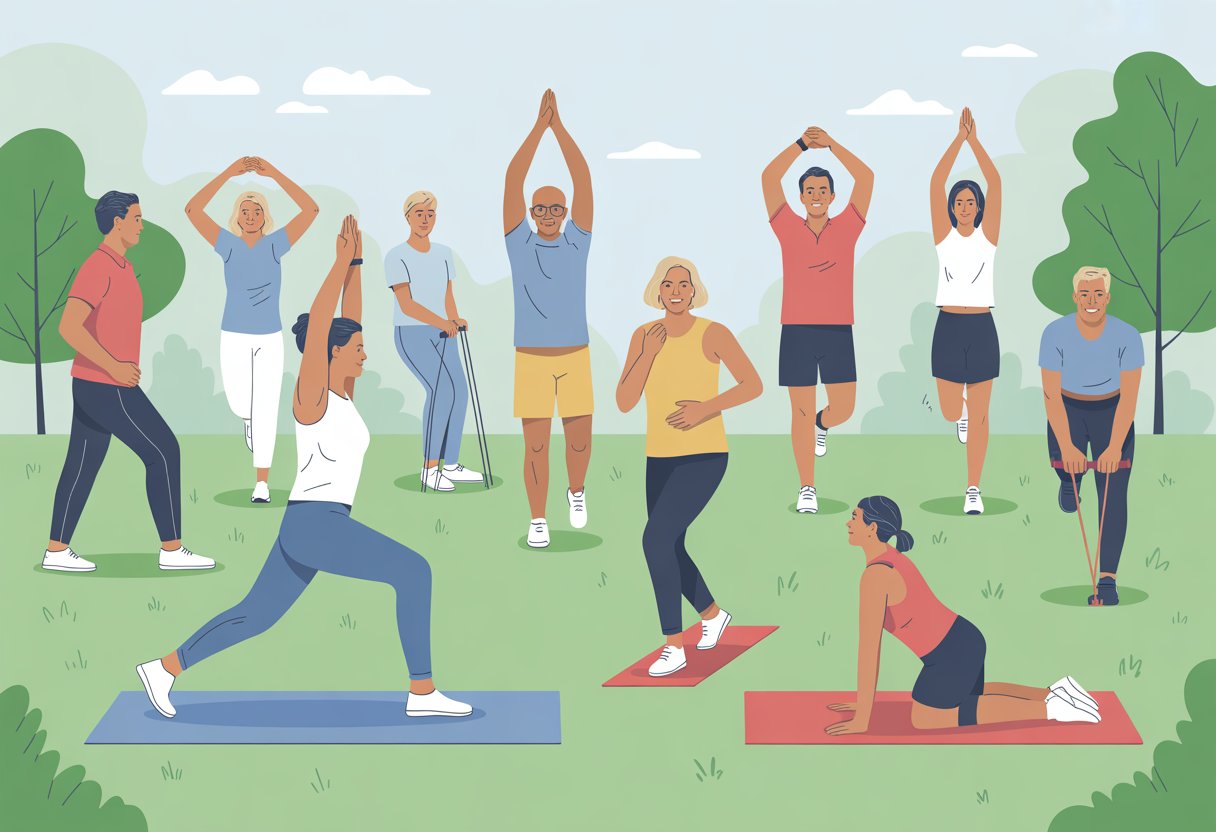
Adults over 40 should focus on strength training, low-impact cardio, flexibility work, and proper recovery to exercise safely while maintaining fitness gains. Research shows that people can stay active well into their later years[1] with the right approach. The key is understanding which exercises provide the best results while reducing injury risk.
Getting fit over 40[2] requires adjusting workout intensity, incorporating proper warm-ups, and listening to body signals. This guide covers everything from choosing the right exercises to structuring workouts that support long-term health and mobility.
Table of Contents
Key Takeaways
- Strength training two to three days per week helps maintain muscle tone and bone density while reducing fall risk
- Low-impact activities like walking, swimming, and cycling provide cardiovascular benefits without stressing joints
- Proper warm-ups, flexibility work, and recovery time prevent common injuries like tendon tears that increase with age
Physiological Changes After 40: What to Expect
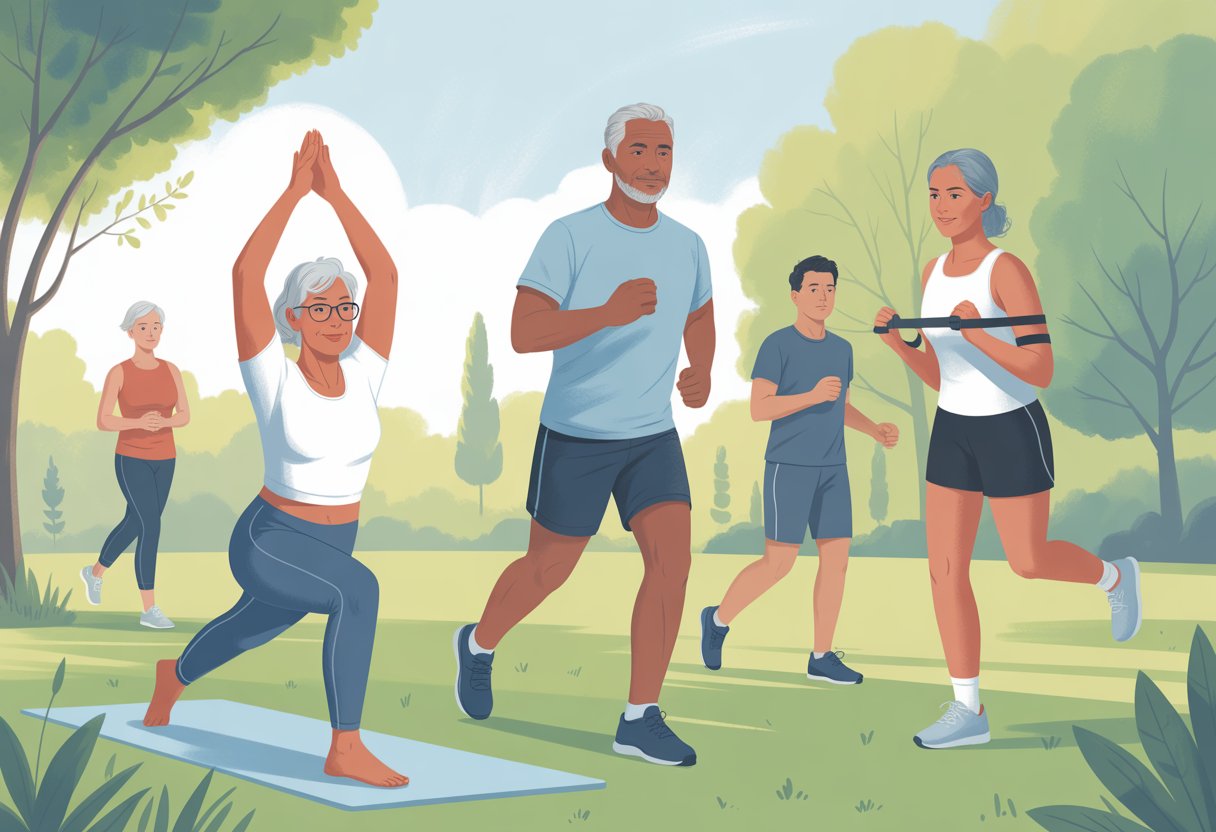
The body undergoes several significant changes after age 40 that affect muscle mass, bone strength, and metabolism. Understanding these shifts helps people adapt their exercise routines to work with their changing bodies rather than against them.
Muscle Loss and Sarcopenia
Adults naturally lose between 3% to 8% of their muscle mass each decade after age 30. This rate increases after age 60.
This condition, called sarcopenia, affects both strength and daily function. The loss happens because the body produces less protein and hormones that build muscle tissue.
People with sarcopenia may notice they tire more easily during activities. They might struggle with tasks that once felt simple, like carrying groceries or climbing stairs.
Signs of muscle loss include:
- Decreased grip strength
- Slower walking speed
- Difficulty rising from chairs
- Reduced stamina during exercise
The good news is that strength training helps maintain better posture, strength, flexibility, and movement[3] even as people age. Regular resistance exercises can slow or even reverse muscle loss in many cases.
Bone Density and Joint Health
Bone density naturally decreases with age, especially in women. After ages 40 to 50, the risk of breaking a bone increases because of bone loss[3] that occurs as estrogen levels drop.
Women face higher risks than men because they typically start with thinner bones. Osteoporosis becomes a real concern during this period.
Joint cartilage also begins to wear down after 40. This can lead to stiffness and discomfort during movement. The fluid between joints may decrease, causing more friction.
Weight-bearing exercises help maintain bone strength. Activities like walking, jogging, and dancing put healthy stress on bones that encourages them to stay dense and strong.
Metabolic and Hormonal Shifts
Metabolism slows by about 2% to 4% per decade after age 40. This means the body burns fewer calories at rest than it did in younger years.
Hormonal changes affect both men and women. Testosterone levels decline in men, reducing muscle-building capacity. Women experience drops in estrogen during perimenopause and menopause.
These hormonal shifts change where the body stores fat. The abdominal area tends to accumulate more fat after 40, which increases health risks.
Insulin sensitivity often decreases, making blood sugar harder to control. This raises the risk of developing type 2 diabetes if lifestyle habits don’t adjust accordingly.
Regular cardiovascular exercise helps maintain metabolic health during these transitions. It improves how the body processes glucose and manages weight.
Strength Training as a Foundation for Healthy Aging
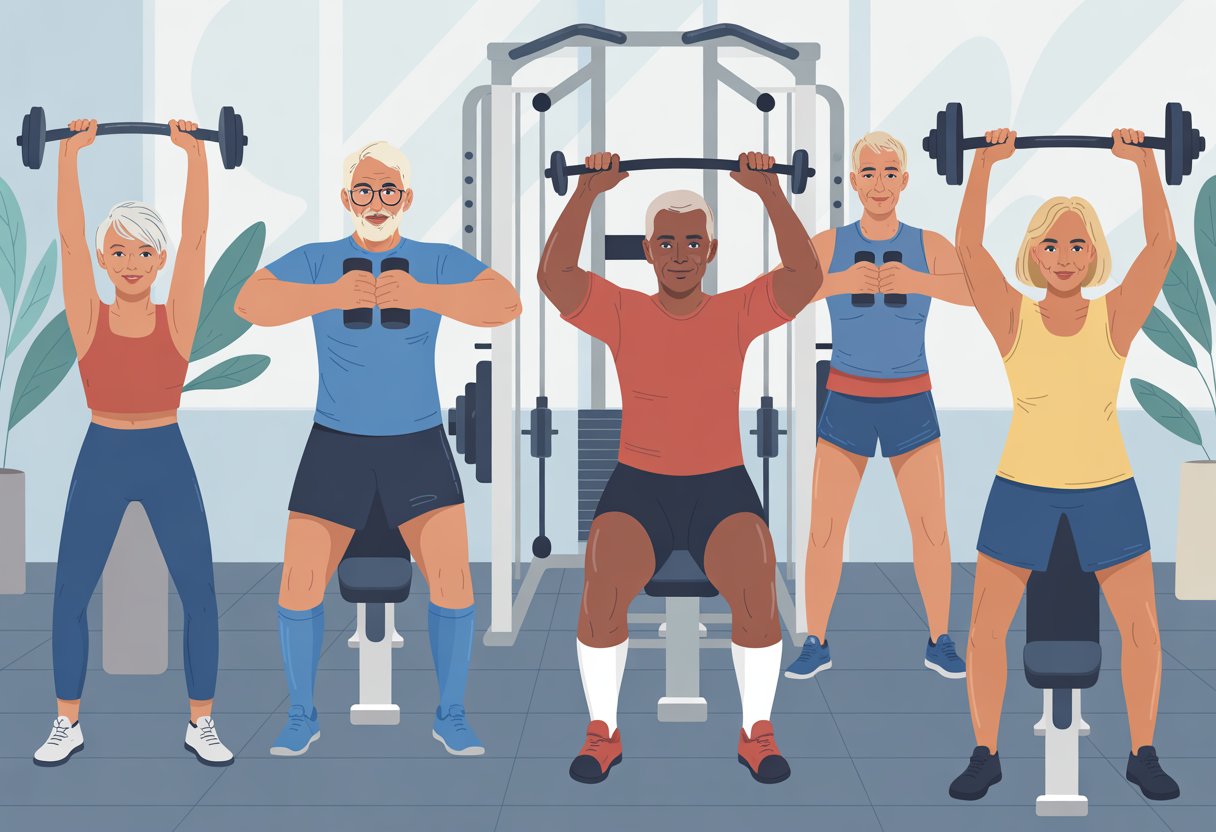
Resistance training builds muscle strength and protects bone health, which directly impacts mobility and independence after 40. Starting with basic movements and progressing gradually helps adults develop the functional strength needed for daily activities while reducing injury risk.
Benefits of Resistance Training
Strength training is critical for older adults[4] because it addresses two major age-related changes: declining bone density and muscle loss. After age 50, bones lose calcium and minerals faster than the body can replace them. Women face particularly rapid decline in the seven years following menopause, potentially losing up to 20% of their bone mineral density.
Resistance training slows this decline and may even reverse it. Research shows that high-intensity resistance training—lifting heavier weights for fewer repetitions—proves more effective than lighter weights for more reps when building bone density.
Muscle strength also decreases with age. Adults lose approximately 8% of muscle mass per decade after age 30, and this loss accelerates after 60. Training with weights at least twice weekly enhances muscle strength and improves walking speed, even when muscle mass gains remain modest.
The health benefits extend beyond bones and muscles. People who do any weight training show lower risks of death from heart disease, cancer, and other causes compared to those who avoid it entirely.
Elevate Your Health for Just $29.99/Month
Join the Precision Wellness Subscription at My Healing 365 and get discounted services, priority coaching access, virtual care, and exclusive wellness resources to support your physical, emotional, and hormonal health.
Join for $29.99/MonthHow to Start Strength Training Safely
Anyone beginning resistance training should discuss their plans with a primary care physician first. Doctors can identify any health concerns and recommend appropriate programs or resources.
Form takes priority over weight. Beginners should start with bodyweight exercises only:
Once someone can comfortably complete eight repetitions with proper form, they can add resistance bands or light weights. For push-ups, progress gradually from wall to counter, then bench, and finally floor level.
Adding weight should happen slowly. The goal focuses on building strength rather than muscle size, so heavier resistance with fewer repetitions works better than lighter weights done many times.
Training two to three times weekly on non-consecutive days gives muscles necessary recovery time between sessions.
Essential Functional Strength Movements
Functional strength exercises mimic everyday activities and improve the body’s ability to handle real-world tasks. The bodyweight squat builds leg strength needed for getting up from chairs, climbing stairs, and picking items off the ground. This movement engages the quadriceps, hamstrings, and glutes simultaneously.
Wall push-ups develop upper body and core strength required for pushing doors, lifting grocery bags, and maintaining balance. They also strengthen bones in the arms and shoulders through weight-bearing activity.
Lunges improve single-leg stability and balance, which directly reduces fall risk. They strengthen the same muscle groups as squats while challenging coordination.
The sit-to-stand exercise replicates one of the most common daily movements. Practicing this motion builds the specific strength and control needed to maintain independence as mobility naturally declines with age.
Each of these movements can be modified based on current fitness level and progressed by adding resistance through bands, dumbbells, or medicine balls once proper form is established.
Cardiovascular Fitness: Low-Impact Cardio for Heart Health
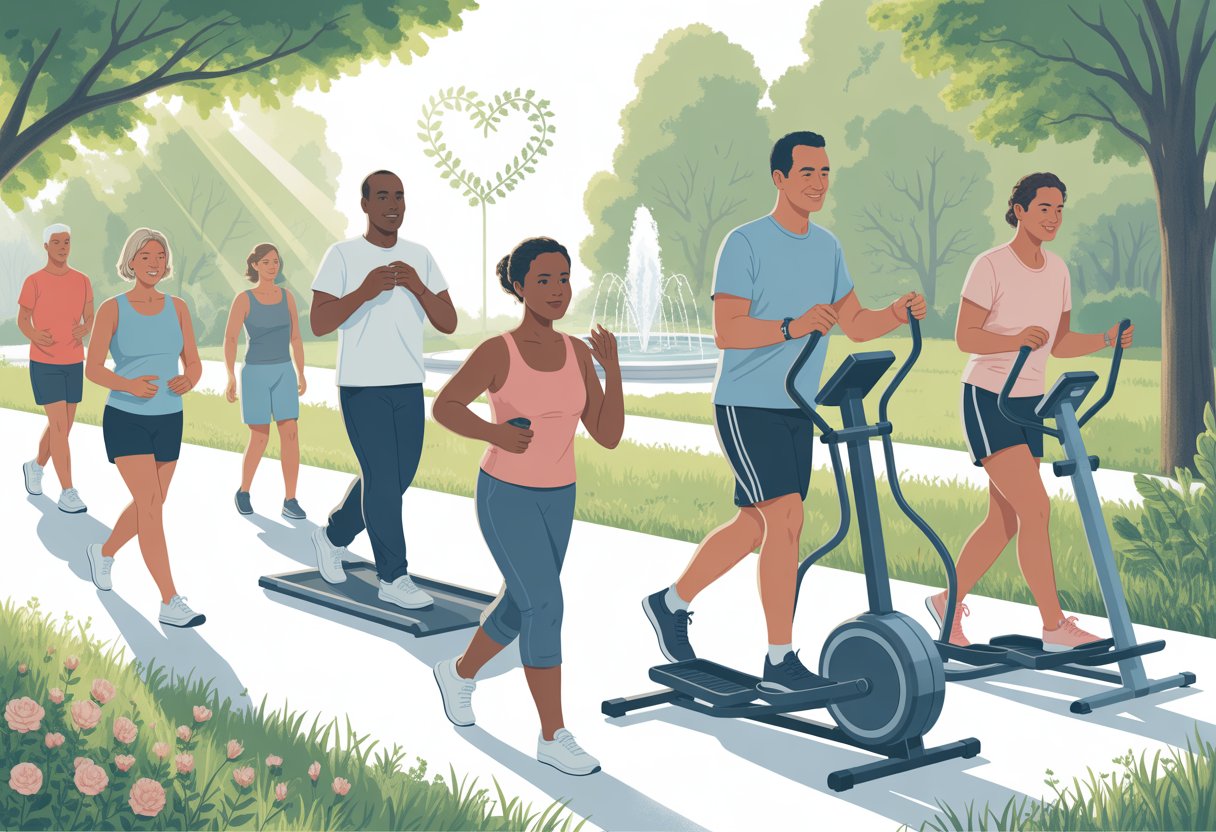
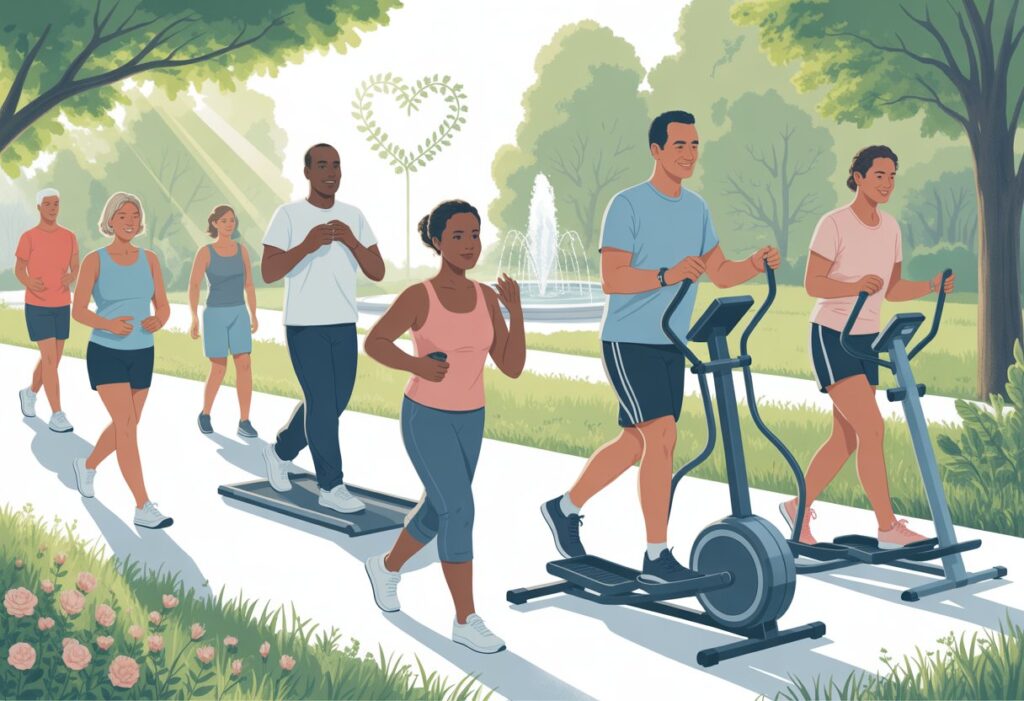
After 40, the heart and lungs need regular aerobic exercise to stay strong, but high-impact activities can stress aging joints. Low-impact cardio offers a way to build cardiovascular fitness while protecting the body from unnecessary wear and tear.
Aerobic Exercise Recommendations
The American Heart Association recommends at least 150 minutes of moderate-intensity cardio exercise each week for heart health. This breaks down to about 30 minutes per day, five days per week.
People over 40 should aim for exercise that raises the heart rate to 50-70% of maximum capacity during moderate-intensity sessions. A simple way to calculate maximum heart rate is to subtract age from 220. For a 45-year-old, this means a target heart rate of 88-123 beats per minute during moderate-intensity cardio exercise[5].
Starting with shorter sessions of 10-15 minutes is acceptable for those new to exercise. Gradually increasing duration and frequency over several weeks helps the body adapt safely.
Low-Impact Cardio Options
Swimming provides nearly zero impact on joints because water buoyancy reduces body weight effects. The water supports the body while still allowing for an intense cardiovascular workout.
Cycling keeps weight off the feet and minimizes stress on ankles, knees, and hips. Whether on a stationary bike or outdoors, this seated activity builds heart strength without jarring movements.
Walking remains one of the most accessible forms of low-impact cardio[6]. It puts less stress on joints compared to running while still providing solid cardiovascular benefits. Walking on inclines increases intensity without adding impact.
Other effective options include:
- Elliptical machines – Gliding motion eliminates the foot-strike impact
- Rowing – Seated position reduces pressure on lower body joints
- Vertical climbers – Near-zero impact while engaging multiple muscle groups
Building Cardiovascular Endurance
Starting with activities at a comfortable pace allows the heart and lungs to adapt gradually. After 40, building endurance takes patience as recovery times may be longer than in younger years.
Progression should focus on small increases in duration before intensity. Adding 5 minutes to workout time each week is a safe approach. Once a person can comfortably maintain 30-45 minute sessions, they can increase intensity through faster pace, resistance, or incline.
Monitoring heart rate during exercise helps ensure proper intensity levels. Many people over 40 benefit from heart rate monitors or fitness trackers to stay within target zones. The body should feel challenged but not exhausted during and after workouts.
Consistency matters more than intensity for long-term cardiovascular fitness gains. Three to five sessions per week provides enough stimulus for improvement while allowing adequate recovery time between workouts.
Movement Quality: Mobility and Flexibility for Lifelong Function
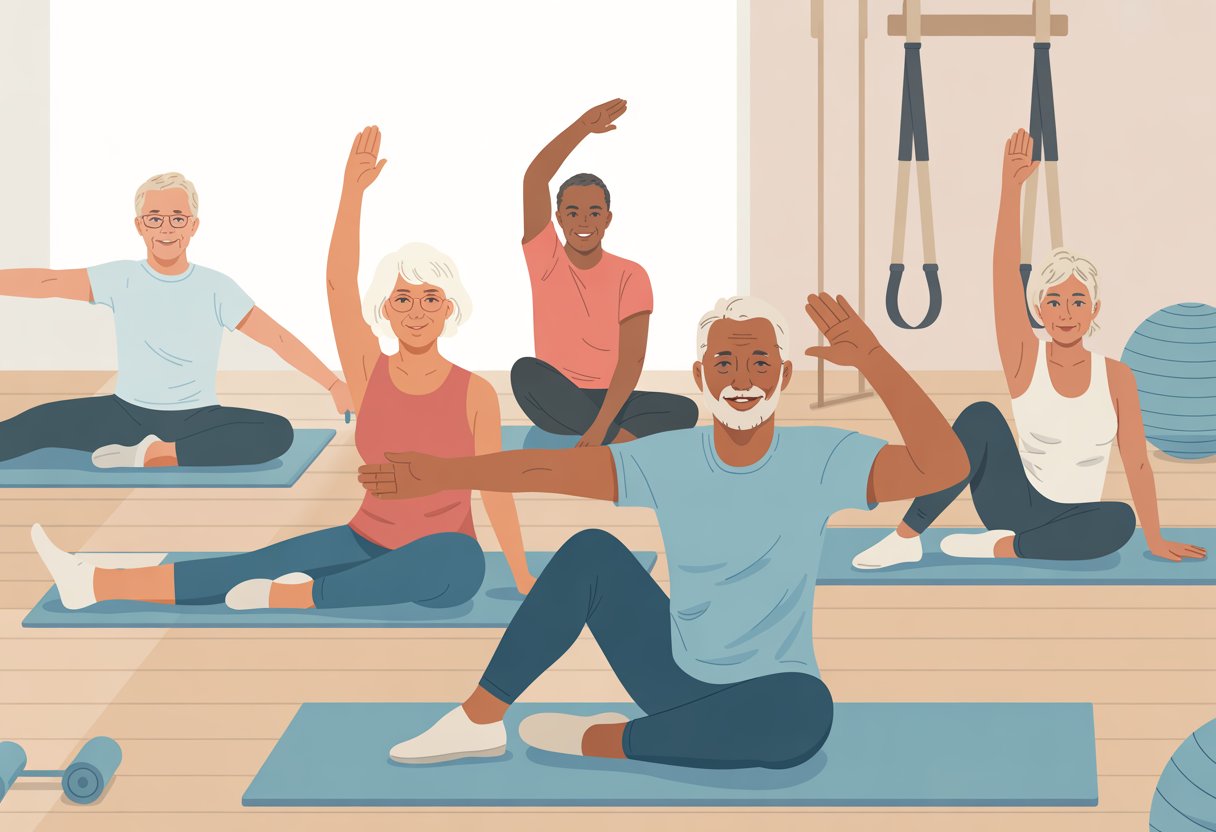
Joint stiffness and limited range of motion aren’t inevitable parts of aging. Targeted mobility drills and flexibility training preserve joint health and keep the body moving efficiently through daily activities.
Mobility Drills for Joint Preservation
Mobility drills focus on controlled movement through a joint’s full range of motion. Unlike static stretching, these active movements improve coordination and train the body to move efficiently[7].
The spine requires special attention. Cat-cow stretches on all fours alternate between arching and rounding the back to maintain spinal mobility. Thoracic rotations while seated help unlock the upper back, which reduces strain on the neck and lower back.
Hip mobility affects everything from walking to getting out of a chair. 90/90 hip rotations involve sitting with legs at 90-degree angles and rotating the knees side to side. Cossack squats, which shift weight laterally in a deep squat position, open up the hips through dynamic movement.
Ankle mobility often gets overlooked but directly impacts balance and knee health. Ankle rockers in a half-kneeling position involve pushing the knee forward over the toes repeatedly to increase ankle range of motion.
Flexibility Training Strategies
Flexibility work lengthens muscles and connective tissue to maintain range of motion. Adults over 40 should hold stretches for 30 to 60 seconds rather than bouncing, which can cause injury.
Key flexibility exercises include:
- Hip flexor stretches with overhead reaches in a lunge position
- Thread the needle stretches from all fours to target shoulders and upper back
- Deep squat holds to open hips and improve lower body flexibility
These stretches work best after warming up for at least 5 minutes[8] when muscles are more pliable. Stretching cold muscles increases injury risk.
Incorporating Mobility Work Daily
Consistency matters more than duration. Dedicating just 15 minutes, 2-3 times per week[9] to mobility work reduces stiffness and improves joint function.
Morning mobility sessions prepare the body for daily activities. A simple routine might include neck rotations, wall angels for shoulders, and hip circles before starting the day.
Mobility work also fits between strength training sets or during TV commercial breaks. Small movement sessions throughout the day keep joints lubricated and reduce the compensatory patterns that lead to pain and injury.
Effective Training Structure for Adults Over 40
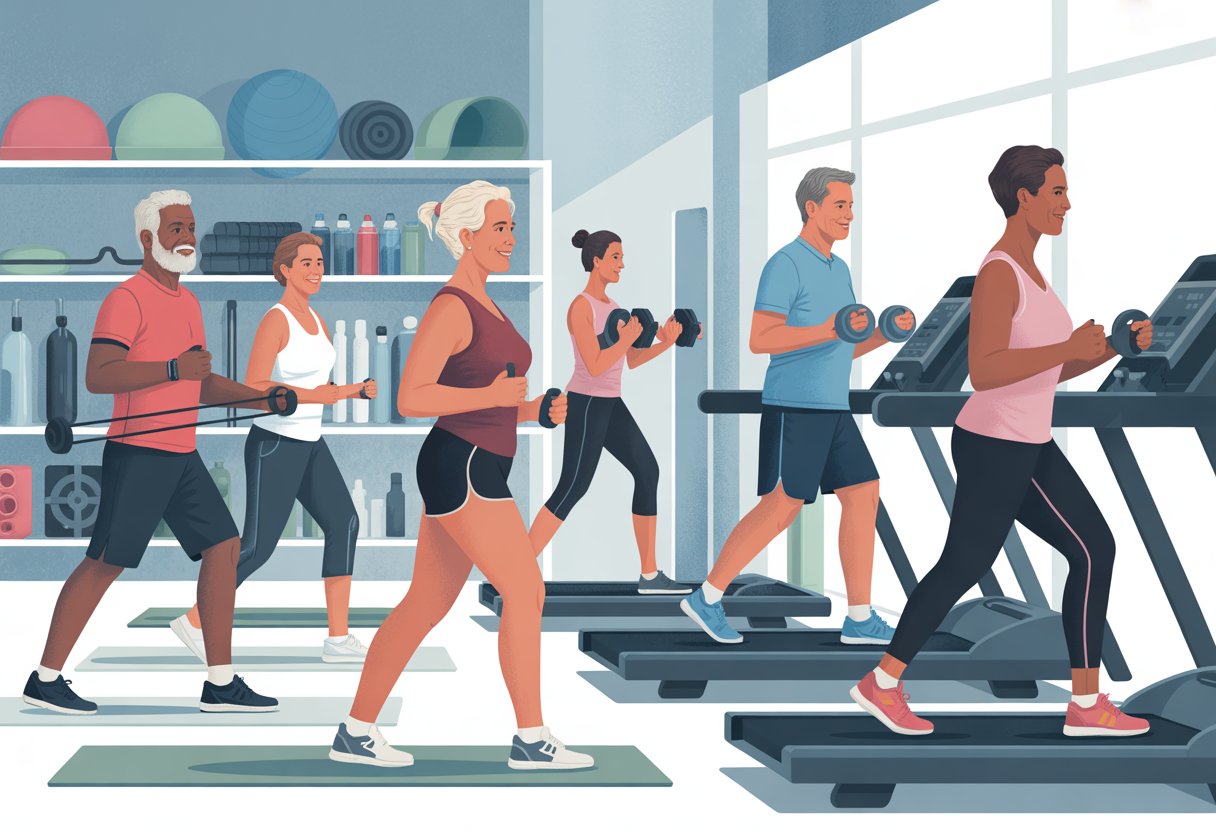
Training after 40 requires a structured approach that balances work with rest. The right mix of lifting frequency, exercise intensity, and recovery periods builds muscle while protecting joints.
Balancing Volume and Intensity
Strength training should be the key exercise[10] for anyone over 40. The body needs enough work to trigger growth but not so much that recovery becomes impossible.
A solid approach uses 3-4 sets per exercise with 6-12 reps. This range builds muscle without crushing joints. Rest periods of 90 seconds to 2 minutes allow full recovery between sets.
Total workout time should stay under 55 minutes. Longer sessions spike cortisol, which breaks down muscle tissue. Four to six exercises per session provides enough stimulus without overdoing it.
Volume Guidelines by Week:
- Week 1-3: 12-16 total sets per muscle group
- Week 4: Cut volume by 40% (deload week)
- Week 5-7: 14-18 total sets per muscle group
- Week 8: Cut volume by 40% (deload week)
Cardio exercise fits around resistance training. Two 20-minute walks after lifting sessions raise heart rate without stressing joints. Interval training can work for some people, but traditional steady-state cardio often works better for recovery.
Weekly Scheduling Tips
A three-day lifting schedule[11] hits each muscle group twice per week without burnout. Monday, Wednesday, and Friday creates natural recovery time between sessions.
Each workout should include one squat pattern, one hinge, one push, and one pull. This covers all major muscle groups in 35-40 minutes.
Sample Weekly Structure:
- Monday: Full-body resistance training (35 min)
- Tuesday: Walk and mobility work (25 min)
- Wednesday: Full-body resistance training (35 min)
- Thursday: Walk and core work (25 min)
- Friday: Full-body resistance training (35 min)
- Saturday: Light activity or longer walk (45-60 min)
- Sunday: Complete rest
Recovery time becomes more important after 40. Muscles need 48 hours between heavy sessions, not the 24 hours younger people can manage. Sleep requirements increase to 7-8 hours per night for proper hormone function and tissue repair.
Progression and Periodization
Progressive overload drives strength gains at any age. Adding 2-5 pounds per week on lower body moves and 1-2 pounds on upper body moves keeps progress steady.
Periodized training programs[12] cycle through different phases. Weeks 1-4 focus on higher reps (12-15) with lighter weight to build tendon strength. Weeks 5-8 shift to heavier loads (6-8 reps) for muscle and strength gains.
Progression Caps by Movement:
| Exercise Type | Weekly Addition | Maximum Load Target |
|---|---|---|
| Squat | 5 pounds | 1.75× body weight |
| Bench Press | 2 pounds | 1× body weight |
| Deadlift | 10 pounds | 2× body weight |
Deload weeks every fourth week cut both weight and volume in half. This allows tendons and joints to catch up with muscle growth. Training at 60% of normal weight for one week prevents injury and refreshes the nervous system.
When lifts stall at maximum targets, switching to tempo work or pause reps adds challenge without adding risk. A three-second lowering phase or two-second pause at the bottom keeps muscles working harder with the same weight.
Essential Exercises for Safe and Impactful Results
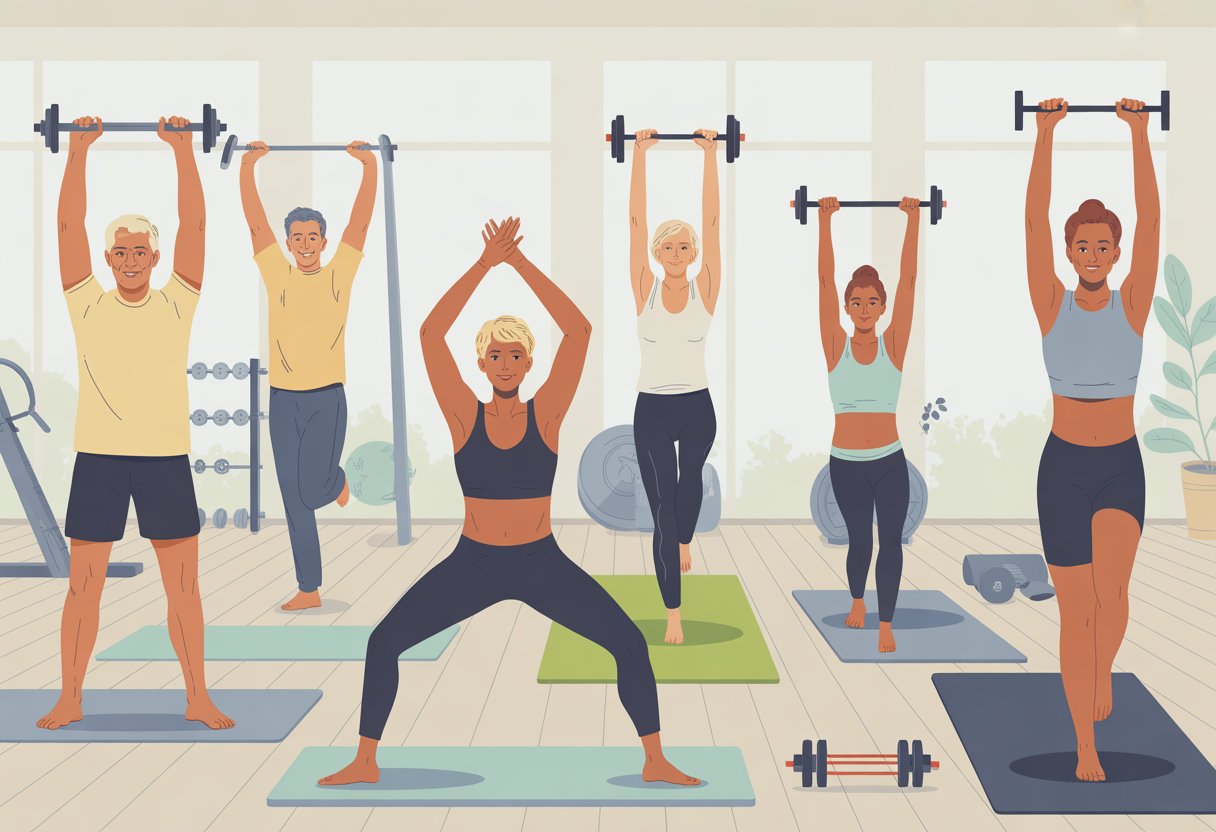
After 40, the body responds best to exercises that build strength without excessive joint stress while maintaining cardiovascular health. These four foundational movements target major muscle groups and support long-term fitness goals.
Bodyweight Squat
The bodyweight squat strengthens the legs, glutes, and core without requiring equipment or placing stress on the joints. This movement pattern supports daily activities like sitting down and standing up.
To perform a proper bodyweight squat, a person should stand with feet shoulder-width apart and toes pointing slightly outward. They lower their hips back and down as if sitting in a chair, keeping their chest up and weight in their heels. The goal is to reach a depth where the thighs are parallel to the floor, though not everyone needs to go that low initially.
Key form points:
- Knees track over toes without collapsing inward
- Core stays engaged throughout the movement
- Weight remains centered over the midfoot
- Back maintains a neutral spine position
Beginners can start with 2 sets of 8-10 repetitions. Those who find full squats challenging can use a chair for support or reduce the depth of the squat until they build adequate strength.
Wall Push-Ups and Variations
Wall push-ups provide an accessible entry point for upper body strengthening after 40. This exercise targets the chest, shoulders, and triceps while placing minimal stress on the wrists and shoulders.
A person performs wall push-ups by standing about two feet from a wall and placing their palms flat against it at shoulder height. They lean forward while keeping their body straight, then push back to the starting position. The closer they stand to the wall, the easier the exercise becomes.
As strength improves, they can progress through several variations:
- Incline push-ups on a countertop or sturdy table
- Knee push-ups on the floor
- Standard push-ups for advanced exercisers
Each variation increases the load on the upper body muscles. A typical starting point is 2 sets of 10-12 repetitions, with rest periods between sets.
Kettlebell Swings for Power
Kettlebell swings develop explosive power in the hips and posterior chain while improving cardiovascular fitness. This dynamic movement trains multiple muscle groups simultaneously and builds functional strength for daily activities.
The exercise begins with feet slightly wider than shoulder-width and the kettlebell on the floor in front. A person grips the kettlebell with both hands, hinges at the hips, and swings it back between their legs. They then drive their hips forward explosively to swing the weight to chest height.
Safety considerations include:
- Starting with a light weight (8-12 pounds for beginners)
- Focusing on hip drive rather than arm strength
- Maintaining a flat back throughout the movement
- Avoiding overhead swings until proper form is mastered
Those new to kettlebells should begin with 2 sets of 10 swings and gradually increase volume as technique improves.
Low-Impact Cardio Activities
Low-impact cardio protects joints while delivering cardiovascular benefits and supporting active recovery between workout sessions[13]. These activities maintain heart health without the pounding associated with running or jumping.
Brisk walking serves as an excellent starting point for most people over 40. It requires no special equipment and can be performed anywhere. A pace where conversation is possible but slightly challenging typically indicates appropriate intensity.
Cycling offers a joint-friendly alternative that builds leg strength while improving aerobic capacity. Stationary bikes provide climate-controlled options, while outdoor cycling adds variety and fresh air.
Swimming works the entire body while water supports the joints and reduces injury risk. The resistance of water provides natural strength training alongside cardiovascular conditioning.
Each activity can be tailored to individual fitness levels. Beginners might start with 20-minute sessions three times per week, gradually increasing duration and frequency as endurance improves.
Exercise programs that alternate between high and low intensity can improve how the body processes sugar and burns fat, while movements that mimic daily tasks build practical strength for real-world activities.
Introduction to Interval Training
Interval training switches between short bursts of intense activity and periods of lighter exercise or rest. A person might sprint for 30 seconds, then walk for 90 seconds, repeating this pattern several times.
This approach offers benefits for those over 40 who want to improve their metabolic health. Research shows that high-intensity interval training helps individuals with metabolic diseases[14] like type 2 diabetes and obesity manage their conditions better.
However, people in their 40s and 50s should approach intervals carefully. High-intensity interval training causes many injuries[1] in this age group because muscles and tendons become less flexible with age. Starting with moderate intervals and gradually increasing intensity helps reduce injury risk while still gaining metabolic benefits.
Combining Strength and Cardio
Mixing strength exercises with cardio work creates an efficient workout that supports metabolic health. A person can perform a set of squats, followed by two minutes on a stationary bike, then move to resistance band rows.
This combination keeps the heart rate elevated while building muscle mass. More muscle tissue helps the body burn calories even at rest, which supports healthy blood sugar levels and weight management.
Sample workout structure:
- Bodyweight squats (12 reps)
- Stationary bike (2 minutes, moderate pace)
- Resistance band rows (10 reps per arm)
- Elliptical machine (2 minutes, steady pace)
- Modified pushups (8-10 reps)
This pattern can be repeated two to three times, with rest periods as needed between circuits.
Functional Strength for Daily Activities
Functional strength exercises train muscles to work together the way they do during everyday tasks. These movements help people maintain independence and reduce injury risk as they age.
Squats strengthen the legs and core in the same pattern used when sitting down or getting out of a car. Modified pushups build upper body strength for pushing open heavy doors or lifting groceries onto high shelves. Step-ups onto a low platform practice the motion of climbing stairs.
These exercises also support metabolic health by engaging multiple muscle groups at once. The body uses more energy during compound movements compared to isolated exercises, which helps manage weight and blood sugar levels. Practicing these movements two to three times per week builds strength that translates directly to daily life while supporting overall metabolic function.
Recovery and Injury Prevention for Midlife Fitness
The body needs more time to recover after age 40, and taking the right steps to prevent injuries becomes essential for long-term fitness success. Proper rest periods, attention to joint health, and smart training strategies help maintain an active lifestyle while reducing the risk of setbacks.
Importance of Recovery Time
Recovery time becomes longer as the body ages. Muscles and connective tissues need 48 to 72 hours to repair fully after intense exercise, compared to 24 to 48 hours in younger adults.
Adults over 40 should schedule rest days between strength training sessions that work the same muscle groups. This approach prevents overtraining and reduces the risk of chronic injuries. Light activity on rest days, such as walking or gentle stretching, promotes blood flow without adding stress.
Sleep plays a critical role in recovery. The body repairs muscle tissue and releases growth hormones during deep sleep phases. Adults should aim for seven to nine hours of quality sleep each night to support their fitness goals.
Recovery time also applies to returning to exercise after breaks. Those who have been inactive need to rebuild fitness gradually[15] rather than jumping back into previous routines.
Managing Soreness and Fatigue
Normal muscle soreness typically lasts 24 to 48 hours after exercise. Pain that continues for a week or more signals a potential problem that requires attention.
Warning signs that require medical evaluation:
- Joint pain lasting more than two days
- Sharp or shooting pain during movement
- Swelling that doesn’t improve with rest
- Difficulty catching breath beyond normal exertion
Mobility work helps reduce soreness and maintains joint health. Foam rolling, dynamic stretches, and gentle movement increase blood flow to sore muscles and speed recovery.
Hydration and nutrition affect how quickly the body recovers. Drinking water throughout the day and eating protein within two hours after exercise supports muscle repair. Anti-inflammatory foods like berries, fatty fish, and leafy greens can help reduce exercise-related inflammation.
Strategies to Reduce Injury Risk
Warming up muscles before strength training[1] for five to ten minutes reduces injury risk significantly. Light cardio on an elliptical or bike prepares the body for more intense activity.
A comprehensive injury prevention plan includes these elements:
Flexibility and mobility work: Regular stretching or yoga maintains range of motion and reduces tension in muscles and tendons. This practice protects against common midlife injuries like tendon tears.
Progressive overload: Increasing weight, intensity, or duration gradually gives the body time to adapt. Sudden jumps in training volume often lead to overuse injuries.
Equipment modifications: Weight machines provide more stability than free weights for those experiencing decreased muscle tone. This adjustment helps maintain strength training safely.
Cross-training: Varying activities throughout the week prevents repetitive stress on the same joints and muscles. Swimming, cycling, and walking offer different movement patterns that build overall fitness.
Joint health requires special attention after 40. Low-impact activities protect cartilage while building strength. Maintaining a healthy weight also reduces stress on weight-bearing joints like knees and hips.
Adaptations and Modifications for Different Fitness Levels
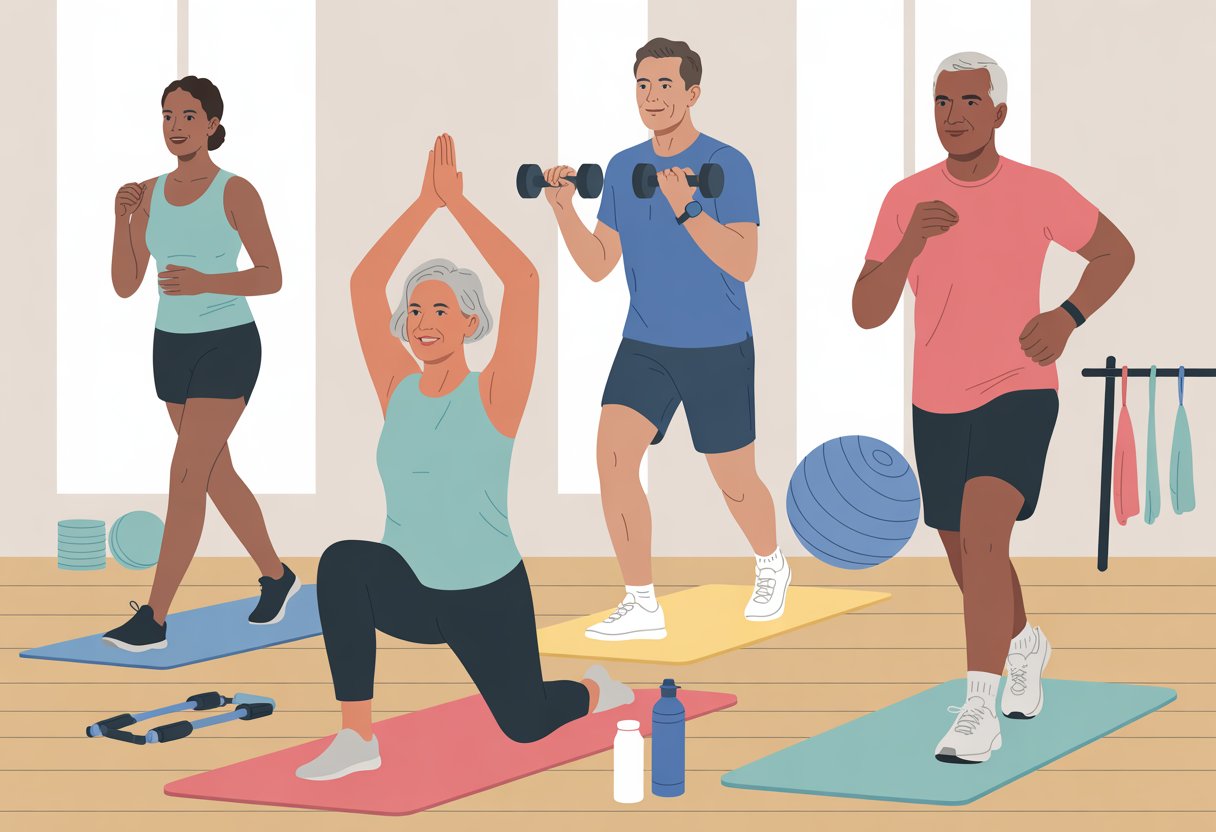
Everyone over 40 needs different exercise modifications based on their current fitness level and physical limitations. The right approach depends on whether someone is just starting out, managing health conditions, or already has years of training experience.
Starting From Scratch: Beginner Approaches
People who haven’t exercised in years should start with low-impact activities that build basic movement patterns. Walking for 10-15 minutes daily provides an excellent foundation without stressing joints.
Beginners should master bodyweight exercises before adding weights. Wall push-ups are safer than floor push-ups for building upper body strength. A bodyweight squat teaches proper form while strengthening legs and core.
New exercisers benefit from 2-3 weekly sessions with at least one rest day between workouts. Each session should last 20-30 minutes. This schedule prevents overtraining while building consistency.
Mobility drills help beginners improve range of motion safely. Gentle shoulder circles, hip rotations, and ankle movements prepare joints for exercise. These movements reduce injury risk and improve daily function.
Modifying for Chronic Issues or Limitations
Arthritis requires low-impact exercises like swimming or cycling instead of running. Water exercises reduce joint stress while maintaining cardiovascular benefits.
People with back pain should avoid heavy deadlifts and overhead presses initially. They can substitute exercises like bird dogs, modified planks, and resistance band rows. These alternatives strengthen the back without compression.
Those with balance issues need stable support during exercises. Holding a chair during single-leg stands or using a wall for support during stretches prevents falls. Seated strength training eliminates standing balance requirements entirely.
Heart conditions require medical clearance before starting any program. These individuals should monitor heart rate during exercise and stay within prescribed zones.
Progressing for Advanced Trainees
Experienced exercisers over 40 need adequate recovery between intense sessions. Three to four days of strength training per week allows proper muscle repair. Each major muscle group needs 48-72 hours rest before training again.
Advanced trainees should incorporate periodization into their programs. Alternating between heavy, moderate, and light weeks prevents plateaus and reduces injury risk. This variation maintains progress without constant high intensity.
Strength training for experienced individuals should emphasize proper form over heavy weights. Slower, controlled movements with moderate loads protect joints while building muscle. Single-leg exercises and unilateral movements address muscle imbalances that develop over time.
Advanced exercisers benefit from adding mobility drills before and after workouts. Dynamic stretches prepare muscles for activity. Static stretches after training maintain flexibility that naturally decreases with age.
Lifestyle Integration: Making Exercise Sustainable After 40
Building exercise into daily life requires practical strategies that fit real schedules and priorities. Success comes from finding time-efficient workouts, maintaining motivation through proven techniques, and understanding the long-term health returns that make consistent effort worthwhile.
Time Management for Busy Schedules
People over 40 often juggle work, family, and other responsibilities that leave little room for hour-long gym sessions. The solution lies in breaking exercise into smaller chunks throughout the day.
Short workout strategies include:
- 10-minute brisk walking sessions during lunch breaks
- Two 15-minute strength training circuits in the morning and evening
- Active commuting by parking farther away or taking stairs
- Weekend longer sessions paired with weekday quick workouts
Research shows that 30 minutes of exercise most days[3] provides significant health benefits. This can be split into three 10-minute blocks if needed. The key is consistency rather than duration.
Scheduling exercise like any other appointment helps ensure it happens. Setting out workout clothes the night before removes one barrier. Choosing activities that require minimal setup, such as bodyweight exercises at home, eliminates travel time to fitness facilities.
Staying Motivated and Consistent
Motivation fluctuates naturally, so building systems that don’t rely on willpower alone keeps people moving. Tracking progress through simple metrics like number of workouts completed or energy levels throughout the day provides tangible evidence of improvement.
Social accountability makes a difference. Workout partners or group classes create commitment beyond personal discipline. Even sharing fitness goals with family members adds external motivation.
Variety prevents boredom and works different muscle groups. Alternating between brisk walking, functional strength exercises, and flexibility work keeps routines fresh. Functional strength movements like squats, lunges, and push-ups translate directly to daily activities, making their value immediately apparent.
Setting realistic expectations prevents discouragement. Progress after 40 looks different than at 25, but improvements in energy, sleep quality, and physical capability appear within weeks. Celebrating small wins, like completing a full week of planned workouts or increasing weights by five pounds, builds momentum.
Long-Term Benefits for Healthspan
Exercise after 40 directly impacts how well the body functions in later decades. Regular physical activity maintains metabolic health by improving how the body processes glucose and manages weight. This reduces risks for type 2 diabetes and cardiovascular disease.
Muscle mass naturally declines with age, but strength training slows this process significantly. Maintaining muscle supports metabolism, protects joints, and preserves independence in daily tasks. Bone density also improves with weight-bearing exercise, reducing fracture risk.
Cardiovascular exercise strengthens the heart muscle and improves circulation. Studies demonstrate that previously sedentary people in their fifties who exercised regularly for two years showed measurable improvements in heart health and reduced stiffness in heart tissue.
Mental health benefits extend beyond mood improvement. Regular exercise supports cognitive function and may reduce dementia risk. Sleep quality typically improves, which affects nearly every aspect of health. These combined effects mean more active, pain-free years rather than simply longer lifespan.
Frequently Asked Questions
Starting or changing an exercise routine after 40 raises practical questions about safety, effectiveness, and how to balance different types of training. These answers address the most common concerns about medical clearance, workout structure, and gender-specific considerations.
What medical checkups or screenings should I get before starting a new workout routine after 40?
Anyone over 40 should talk to their doctor before starting a new exercise program[1]. This step becomes especially important for people taking medications or managing chronic conditions like heart disease or lung problems.
A basic checkup should include blood pressure measurement and heart health assessment. The doctor may recommend additional tests based on personal health history and risk factors.
People with chest pain, shortness of breath, or dizziness during daily activities need medical evaluation before exercising. Those with diabetes, arthritis, or previous injuries should discuss specific exercise modifications with their healthcare provider.
What is the most important type of exercise to prioritize for health and longevity in your 40s and beyond?
Strength training stands out as the most critical form of exercise for people over 40. It maintains muscle tone and bone density, which directly lowers the risk of falls and injuries.
Experts recommend doing strength training two or three days per week. This frequency allows adequate recovery time while building and preserving muscle mass.
Cardiovascular exercise also plays an important role in overall health. Walking, cycling, or swimming for 150 minutes per week supports heart health and maintains endurance.
How should beginners structure a weekly fitness plan in their 40s to avoid injury and stay consistent?
A beginner should start with three to four workout days per week. This schedule provides enough activity to see progress while allowing rest days for recovery.
Each week should include two strength training sessions and two to three cardio sessions. Strength days can focus on full-body workouts or alternate between upper and lower body exercises.
Rest days are not optional for beginners over 40. The body needs time to repair and adapt to new physical demands.
Starting slowly prevents burnout and injury. Beginners should plan to exercise for 20 to 30 minutes per session during the first few weeks, then gradually increase duration as fitness improves.
What are the safest ways to start strength training with weights after 40?
Weight machines offer safer options[1] than free weights for people new to strength training after 40. Machines provide stability and guide movements along fixed paths, reducing injury risk.
Beginners should start with light weights that allow 12 to 15 repetitions with good form. The last few repetitions should feel challenging but not impossible.
Working with a certified personal trainer or certified strength and conditioning specialist helps ensure proper form from the start. These professionals can design safe programs that match current fitness levels.
Body weight exercises provide another safe entry point. Squats, modified pushups, and lunges build strength without requiring equipment.
How can women over 40 build muscle and improve body composition without overtraining?
Women over 40 need adequate protein intake to support muscle growth. Consuming protein within an hour after strength training helps muscles recover and grow.
Strength training sessions should focus on progressive overload by gradually increasing weight, repetitions, or sets over time. This approach stimulates muscle growth without excessive strain.
Recovery time becomes more important with age. Women should avoid training the same muscle groups on consecutive days and aim for at least 48 hours between similar workouts.
Sleep quality directly affects body composition results. Getting seven to nine hours of sleep per night supports hormone balance and muscle recovery.
How can men over 40 regain fitness and strength while protecting joints and managing recovery?
Men over 40 should prioritize warming up before each workout. Five to 10 minutes on an elliptical machine or stationary bike prepares muscles and joints for heavier work.
Incorporating flexibility work[1] alongside strength training reduces injury risk. Yoga or regular stretching sessions keep tendons and muscles flexible.
Joint-friendly exercises like swimming, cycling, and using elliptical machines provide cardiovascular benefits without high impact. These activities allow men to maintain fitness while protecting knees, hips, and ankles.
Recovery takes longer after 40 than it did in younger years. Men should listen to their bodies and take extra rest days when muscle soreness lasts more than a few days or joint pain persists beyond 48 hours.
Post Views: 6
References
- Stay Fit in Your 40s, 50s, 60s, 70s and Beyond. https://health.clevelandclinic.org/stay-fit-in-your-40s-50s-60s-70s-and-beyond Accessed May 5, 2026
- Why getting fit over 40 matters (and how anyone can do it). https://www.sciencefocus.com/the-human-body/getting-fit-over-40 Accessed May 5, 2026
- Stronger at 40 (and Beyond): Smart Fitness Tips for Women in Midlife. https://www.everydayhealth.com/menopause/know-about-midlife-exercise-needs/ Accessed May 5, 2026
- Why strength training is critical for older adults. https://www.uclahealth.org/news/article/why-strength-training-critical-older-adults Accessed May 5, 2026
- 7 Low-Impact Cardio Exercises To Try. https://health.clevelandclinic.org/low-impact-cardio Accessed May 5, 2026
- Low-Impact Cardio: Benefits and Exercises. https://www.hingehealth.com/resources/articles/low-impact-cardio/ Accessed May 5, 2026
- Complete Lifelong Mobility Guide. https://essentrics.com/complete-life-long-mobility-guide/ Accessed May 5, 2026
- 16 Ways to Improve Range of Motion After 40. https://www.fitfatherproject.com/range-of-motion/ Accessed May 5, 2026
- Improve Mobility After 40: Easy 15-Minute Exercises to Reduce Joint Pain & Boost Strength. https://www.muscleandfitness.com/anti-aging/wellness/improve-mobility-after-40-easy-15-minute-exercises-to-reduce-joint-pain-boost-strength/ Accessed May 5, 2026
- How to exercise after 40. https://blogs.bcm.edu/2025/09/11/how-to-exercise-after-40/ Accessed May 5, 2026
- Proven Strategies for Effective Training After 40 in 2025. https://gearuptofit.com/fitness/how-to-train-after-the-age-of-40/ Accessed May 5, 2026
- 8-Week Muscle Building Program for Adults 40+. https://www.muscleandstrength.com/content/8-week-muscle-building-program-adults-40 Accessed May 5, 2026
- Active Recovery: Workouts and Exercises To Try. https://health.clevelandclinic.org/active-recovery Accessed May 5, 2026
- Just a moment…. https://journals.lww.com/acsm-healthfitness/Fulltext/2021/09000/High_Intensity_Interval_Training_in_Metabolic.12.aspx Accessed May 5, 2026
- Attention Required!. https://www.news-medical.net/health/How-to-Safely-Return-to-Exercise-After-Prolonged-Physical-Inactivity.aspx Accessed May 5, 2026

























