
Medically Reviewed
Dr. Jose Rossello, MD, PhD, MHCM
Preventive Medicine & Public Health Specialist
Last Reviewed: June 21, 2026
Magnesium plays a vital role in keeping the body healthy. It helps manage blood pressure, builds strong bones, controls blood sugar levels, and keeps the heart beating steady. Many people don’t get enough of this mineral from their daily meals.

The best way to increase magnesium intake is to eat more leafy greens, nuts, seeds, whole grains, and legumes regularly. These magnesium-rich foods[1] provide natural sources of the mineral that the body can use easily. Adding these foods to meals throughout the day helps maintain healthy magnesium levels.
Getting enough magnesium doesn’t require major diet changes. Simple swaps and additions to everyday meals can make a big difference. Understanding which foods contain the most magnesium and how to prepare them helps people meet their daily needs without relying on supplements.
Table of Contents
Key Takeaways
- Magnesium supports heart health, bone strength, and blood sugar control in the body
- Leafy greens, nuts, seeds, and whole grains are the best natural sources of magnesium
- Small dietary changes like adding these foods to regular meals can prevent magnesium deficiency
Understanding Magnesium and Its Role in the Body

Magnesium is a mineral that helps the body perform hundreds of important tasks every day. The body stores about 25 grams of magnesium, with most of it found in bones and soft tissues.
What Is Magnesium?
Magnesium is an essential mineral that the body cannot make on its own. People must get it through food or supplements. The body uses magnesium as a helper for more than 300 enzymes that carry out chemical reactions.
This mineral works throughout the entire body. About half of the body’s magnesium sits in the bones, where it helps build strength. The rest spreads through muscles, soft tissues, and fluids.
Magnesium also acts as an electrical conductor in the body. It helps send signals between cells and keeps different body systems working together.
Key Functions of Magnesium
Magnesium helps build proteins and maintain strong bones. It regulates blood sugar levels and keeps blood pressure in a healthy range.
The mineral plays a major role in muscle and nerve functions[2]. Muscles need magnesium to contract properly. Nerves depend on it to send and receive messages throughout the body.
Magnesium moves calcium and potassium across cell membranes[3]. This process controls nerve signals, muscle contractions, and heart rhythm. The heart relies on magnesium to beat steadily and maintain a normal rhythm.
The mineral also supports the immune system and helps create energy from food. It assists with DNA production and helps regulate body temperature.
Signs of Low Magnesium
Low magnesium levels can affect how the body works. Early signs may be hard to notice because symptoms can be mild at first.
Common signs of magnesium deficiency include:
- Muscle cramps or twitches
- Weakness or fatigue
- Loss of appetite
- Nausea
More serious symptoms can develop if magnesium intake stays low for a long time. These may include numbness, tingling sensations, and irregular heartbeat. Some people experience personality changes or mood problems.
The kidneys normally control magnesium levels by removing excess amounts. However, certain health conditions or medications can make it harder for the body to absorb or keep enough magnesium.
Daily Requirements and Recommended Intake
The amount of magnesium a person needs varies based on age, sex, and life stage. Understanding these requirements helps prevent deficiency and ensures the body can perform essential functions like energy production and muscle contraction.
How Much Magnesium Do You Need?
Adult males ages 31 and older need 420 mg of magnesium daily, which is the highest recommended amount for any adult group. Adult females ages 31-50 require 320 mg per day, while younger adult women ages 19-30 need 310 mg daily.
Teenage boys ages 14-18 should get 410 mg each day. Teenage girls in the same age range need 360 mg daily, though this increases to 400 mg during pregnancy.
Children have lower requirements that increase with age. Kids ages 1-3 need 80 mg, those ages 4-8 require 130 mg, and children ages 9-13 should get 240 mg daily. Infants need the least amount, with 30 mg for babies under 6 months and 75 mg for those 7-12 months old.
Pregnant women require additional magnesium, with recommendations ranging from 350-400 mg depending on age. Breastfeeding women need between 310-360 mg daily.
Factors Affecting Magnesium Needs
Several health conditions and lifestyle factors can increase how much magnesium someone needs. People with digestive disorders like Crohn’s disease or celiac disease[3] often absorb less magnesium from food, putting them at higher risk for magnesium deficiency.
Type 2 diabetes affects magnesium levels in two ways. High blood sugar causes the kidneys to excrete more magnesium through urine. At the same time, low magnesium levels can worsen insulin resistance.
Older adults typically need more attention to their magnesium intake. They absorb less magnesium from food as they age and often take medications that reduce magnesium absorption. Kidney function naturally declines with age, which affects how the body regulates magnesium levels.
Alcohol dependence significantly impacts magnesium status. Heavy alcohol use damages the digestive system’s ability to absorb nutrients and increases magnesium loss through urine.
Top Food Sources of Magnesium

Many common foods contain significant amounts of magnesium, making it easy to meet daily needs through diet alone. Plant-based options like nuts, seeds, leafy greens, whole grains, and legumes provide the highest concentrations of this essential mineral.
Nuts and Seeds
Pumpkin seeds rank among the best sources of magnesium[1], with 1 ounce of roasted, hulled seeds delivering 150 mg. This single serving provides roughly one-third of the daily recommended amount for most adults.
Almonds offer 80 mg per ounce when roasted, while cashews provide 72 mg in the same portion size. Chia seeds contain 111 mg per ounce, making them an excellent addition to smoothies or yogurt. Peanuts deliver 49 mg per ounce, and peanut butter makes an easy way to add magnesium to meals throughout the day.
Brazil nuts and other tree nuts also contribute meaningful amounts of this mineral. People can sprinkle seeds on salads, blend them into smoothies, or eat them as snacks between meals.
Leafy Greens and Vegetables
Cooked spinach provides 78 mg of magnesium per half-cup serving, making it one of the most concentrated vegetable sources. Swiss chard offers a similar amount at 75 mg per half cup when cooked.
Green vegetables retain their magnesium content better when steamed or sautéed rather than boiled. Collard greens contain 25 mg per half cup, while green peas provide 31 mg in the same serving size.
Potatoes with skin intact deliver 48 mg per medium potato. Sweet corn adds 27 mg per half cup. These starchy vegetables work well as side dishes or main meal components.
Other magnesium-rich foods include edamame[1], which offers 50 mg per half cup when cooked and prepared. Soy products like tofu also contribute to magnesium intake while providing plant-based protein.
Whole Grains and Legumes
Quinoa stands out among whole grains with 60 mg of magnesium per half-cup cooked serving. This pseudo-grain works as a base for bowls, salads, or side dishes. Shredded wheat cereal provides 56 mg per cup when choosing plain, unfrosted varieties.
Brown rice and other whole grains maintain their mineral content because the bran layer remains intact during processing. White rice loses much of its magnesium during refinement.
Black beans deliver 60 mg per half cup when boiled. Lima beans offer 40 mg in the same portion size. Legumes provide fiber and protein alongside their magnesium content, making them filling additions to meals.
People can add these foods with magnesium to soups, stews, salads, or grain bowls. Cooking dried beans from scratch preserves more nutrients than using canned varieties, though both options contribute to daily magnesium needs.
Fruits and Other Plant-Based Sources
A whole avocado contains 58 mg of magnesium while also providing healthy fats. Avocado toast combines this fruit with whole grain bread for a magnesium boost at breakfast or lunch.
Bananas offer 32 mg per medium fruit, making them a convenient portable snack. A small papaya provides 33 mg, while blackberries contain 29 mg per cup.
Dark chocolate with 70-85% cocoa delivers 64 mg per ounce. This treat satisfies sweet cravings while contributing to magnesium intake, though portion control remains important due to calorie and sugar content.
Low-fat dairy products also contain magnesium. Plain yogurt provides 42 mg per 8-ounce serving, while nonfat milk offers 24-27 mg per cup. These options deliver calcium alongside magnesium for bone health.
Additional Nutrients in Magnesium-Rich Foods
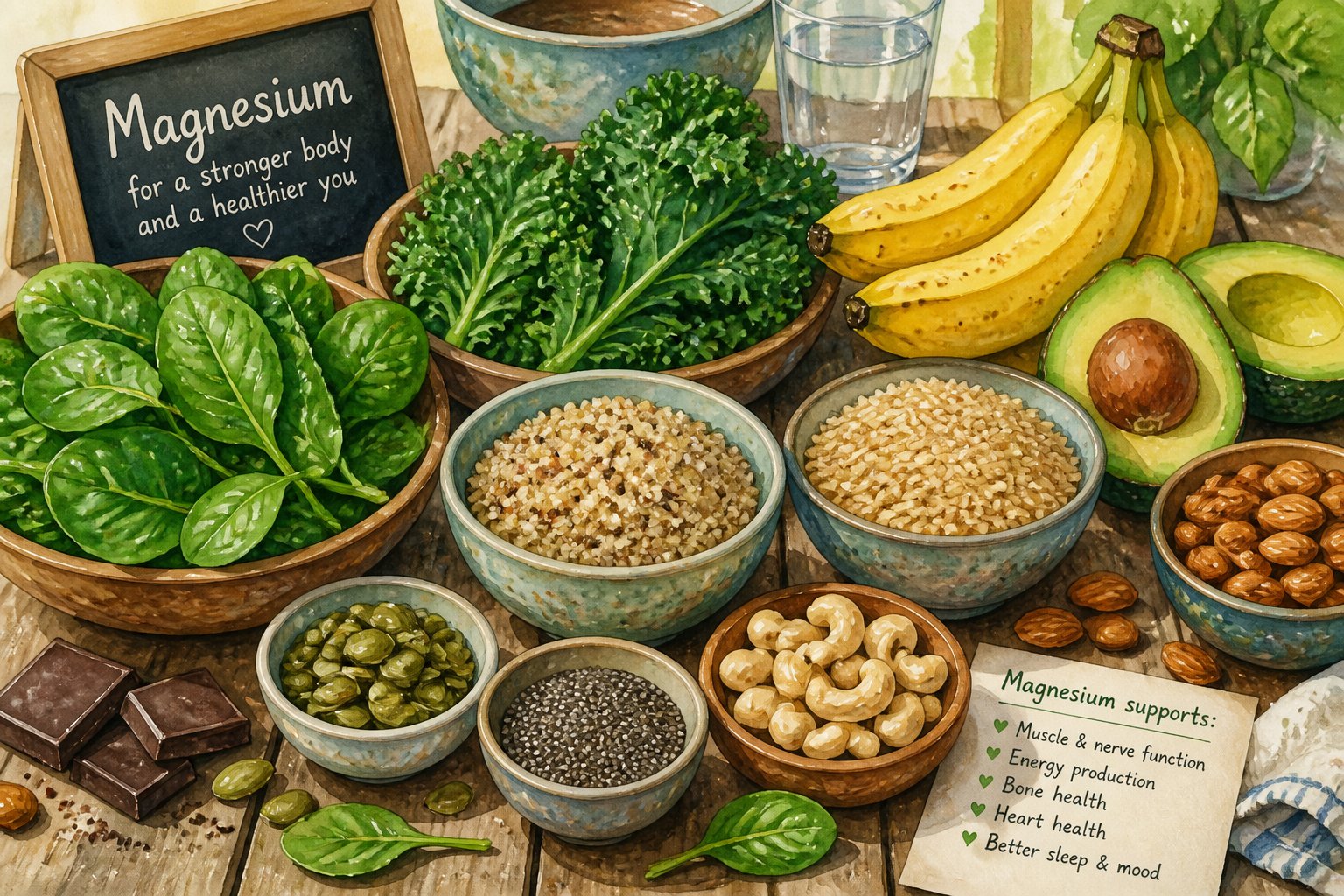
Foods high in magnesium deliver many other nutrients that support overall health. These foods often contain healthy fats, fiber, and minerals like calcium, potassium, zinc, and iron.
Healthy Fats and Fiber
Many magnesium-rich foods contain fiber and healthy fats that benefit the body. Nuts and seeds provide omega-3 fatty acids along with their magnesium content. Almonds, cashews, and pumpkin seeds contain both healthy fats and fiber in each serving.
Avocados offer monounsaturated fats while also supplying magnesium and fiber. Whole grains like brown rice and quinoa provide fiber that aids digestion. Leafy greens such as spinach and Swiss chard deliver fiber without adding many calories.
The fiber in these foods helps maintain healthy blood sugar levels and supports digestive health. Healthy fats help the body absorb vitamins and provide lasting energy throughout the day.
Vitamins and Minerals: Calcium, Potassium, Zinc, and Iron
Magnesium-rich foods typically contain other essential minerals that work together in the body. Leafy greens provide calcium for bone strength and iron for healthy blood cells. Spinach and kale deliver all of these minerals in one serving.
Nuts and seeds supply zinc, which supports immune function and wound healing. Pumpkin seeds and cashews are particularly high in zinc content. Bananas and sweet potatoes offer potassium alongside magnesium to help regulate blood pressure and muscle function.
Beans and lentils provide iron, zinc, and potassium in addition to magnesium. These combinations of minerals work better together than when consumed separately. The body uses these nutrients for hundreds of daily processes, from building strong bones to maintaining a steady heartbeat.
Tips to Boost Magnesium Absorption and Intake
Getting enough magnesium involves both choosing the right foods and understanding how certain nutrients work together. Pairing magnesium-rich foods with specific vitamins and making small changes to daily meals can significantly increase magnesium intake.
Meal Ideas and Food Pairings
Starting the day with avocado toast on whole grain bread provides a magnesium boost from both the avocado and the grain. Adding pumpkin seeds on top increases the magnesium content even further, with just one ounce of these seeds delivering 150 mg of magnesium.
A spinach and black bean bowl makes an excellent lunch option. Cooked spinach provides 78 mg of magnesium per half cup, while black beans add another 60 mg. Topping this combination with cashews adds 72 mg per ounce.
For dinner, grilled salmon with Swiss chard and quinoa creates a complete magnesium-rich meal. The Swiss chard offers 75 mg per half cup, and quinoa contributes 60 mg per half cup. A small square of dark chocolate (70-85% cocoa) for dessert adds 64 mg of magnesium.
Snacking on almonds between meals provides 80 mg of magnesium per ounce. Mixing almonds with dried fruit creates a portable option for busy days.
Simple Swaps for Everyday Meals
Replacing white rice with quinoa increases magnesium intake significantly. White rice contains minimal magnesium, while quinoa provides substantial amounts in each serving.
Switching regular cereal for plain shredded wheat delivers 56 mg of magnesium per cup. Adding sliced banana on top contributes an additional 32 mg.
Using spinach instead of iceberg lettuce in salads and sandwiches dramatically increases magnesium content. Iceberg lettuce provides almost no magnesium, while dark leafy greens are among the foods highest in magnesium.
Choosing roasted peanuts over chips as a snack provides 49 mg of magnesium per ounce. Replacing regular pasta with whole grain versions adds more fiber and magnesium to meals. Snacking on edamame instead of pretzels offers 50 mg of magnesium per half cup.
Maximizing Absorption
Vitamin D helps the body absorb magnesium more effectively. Pairing magnesium-rich foods with vitamin D sources like fortified milk or fatty fish improves absorption rates.
Vitamin B6 works alongside magnesium in many body processes. Foods to eat with magnesium supplements or magnesium-rich meals include those containing B6, such as chickpeas, potatoes, and bananas.
Consuming adequate protein supports magnesium absorption. Including lean meats, fish, or plant-based proteins with magnesium sources helps the body use this mineral efficiently.
Limiting caffeine and alcohol intake helps maintain magnesium levels. Both substances can increase magnesium loss through urine. Spacing out calcium supplements from magnesium-rich meals prevents competition for absorption, as high doses of calcium can interfere with magnesium uptake.
Supplements and Managing Deficiency
Magnesium supplements can fill nutritional gaps when diet alone falls short, but understanding when they’re necessary and which type to choose matters for safety and effectiveness. Taking too much magnesium through supplementation can cause uncomfortable side effects that outweigh potential benefits.
When to Consider Magnesium Supplements
A person should consider magnesium supplements when a healthcare provider confirms low magnesium levels through blood tests. Signs of deficiency include muscle cramps, fatigue, irregular heartbeat, and numbness or tingling in the extremities.
People with certain health conditions face higher risks of low magnesium. Those with digestive disorders like Crohn’s disease or celiac disease may struggle to absorb magnesium properly. Type 2 diabetes and long-term alcohol use also increase the likelihood of deficiency.
Older adults often need supplementation because magnesium absorption decreases with age. Some medications, including certain diuretics and proton pump inhibitors, can deplete magnesium stores over time. Anyone taking these medications should discuss magnesium supplementation with their doctor before starting.
Types of Magnesium Supplements
Different types of magnesium supplements[4] serve specific purposes based on how the body absorbs and uses them. Magnesium citrate absorbs well and often helps with constipation. Magnesium glycinate causes fewer digestive side effects and works well for addressing deficiency.
Magnesium oxide contains high amounts of elemental magnesium but absorbs poorly in the digestive system. Magnesium sulfate, also known as Epsom salt, is typically used externally in baths rather than taken orally. Magnesium malate may help with energy production and muscle pain.
The form of magnesium supplement a person chooses should match their specific needs. Someone dealing with sleep issues might benefit from magnesium glycinate, while another person with digestive complaints might prefer magnesium citrate.
Possible Risks of Too Much Magnesium
Taking too much magnesium through supplements can lead to digestive problems like diarrhea, nausea, and stomach cramping. These symptoms often occur when magnesium intake exceeds 350 mg per day from supplements alone.
Very high doses of magnesium supplementation can cause serious health problems. Symptoms of magnesium toxicity include low blood pressure, confusion, irregular heartbeat, and difficulty breathing. People with kidney disease face the highest risk because their bodies cannot remove excess magnesium efficiently.
Magnesium supplements can interact with certain medications. They may interfere with antibiotics, blood pressure medications, and osteoporosis drugs. A person should always inform their doctor about any magnesium supplement use to avoid dangerous interactions.
Magnesium and Health Benefits
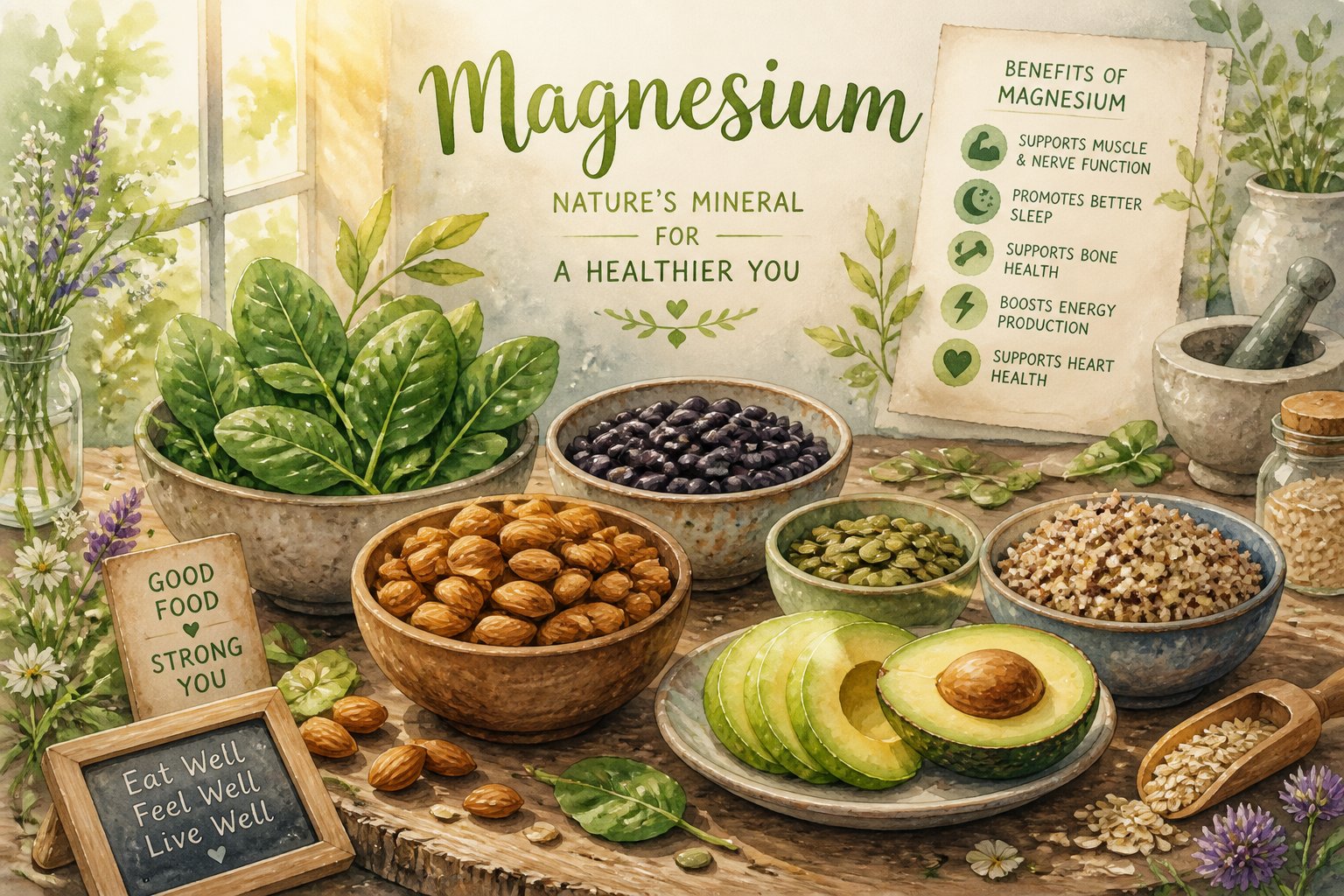
Magnesium plays a key role in maintaining healthy blood pressure levels and supporting heart function. This mineral also contributes to immune system health and helps with muscle function, bone strength, and blood sugar control.
Blood Pressure and Heart Health
Magnesium helps regulate blood pressure[5] and keeps the heart functioning properly. It works as an electrolyte, similar to sodium and potassium, which means it helps the body’s electrical system work correctly.
When magnesium levels are too low, the heartbeat can become irregular. This can lead to heart palpitations and other rhythm problems.
The mineral also helps protect against diabetes[5] by regulating blood sugar levels. This is important because diabetes increases the risk of heart disease. People who eat diets higher in magnesium tend to have lower rates of heart-related health problems.
Magnesium may help manage abnormal heart rhythms. It supports the heart muscle and helps blood vessels relax, which contributes to healthy blood pressure levels.
Immune System Support
Magnesium supports immune function by helping cells communicate and work together effectively. The mineral assists in the production and activity of white blood cells, which fight off infections and illness.
A deficiency in magnesium can weaken the immune response. This makes it harder for the body to defend against viruses and bacteria.
The mineral also helps reduce inflammation in the body. Chronic inflammation can harm the immune system over time and contribute to various health conditions.
Other Health Effects
Magnesium helps muscle function[5] and prevents muscle cramps, numbness, and tingling that can occur with severe deficiency. It also aids digestion[5] by helping break down food so it moves through the digestive system properly.
The mineral supports bone health by working with calcium to build strong bones. It also helps with energy production throughout the body.
Magnesium may help reduce stress and anxiety[5] by regulating cortisol levels. Cortisol is a stress hormone, and when it stays too high, it can lead to anxiety and depression. The mineral helps keep these hormones balanced.
Some research suggests magnesium can help with sleep quality. This is why it appears in many products designed to promote relaxation and better rest.
Frequently Asked Questions
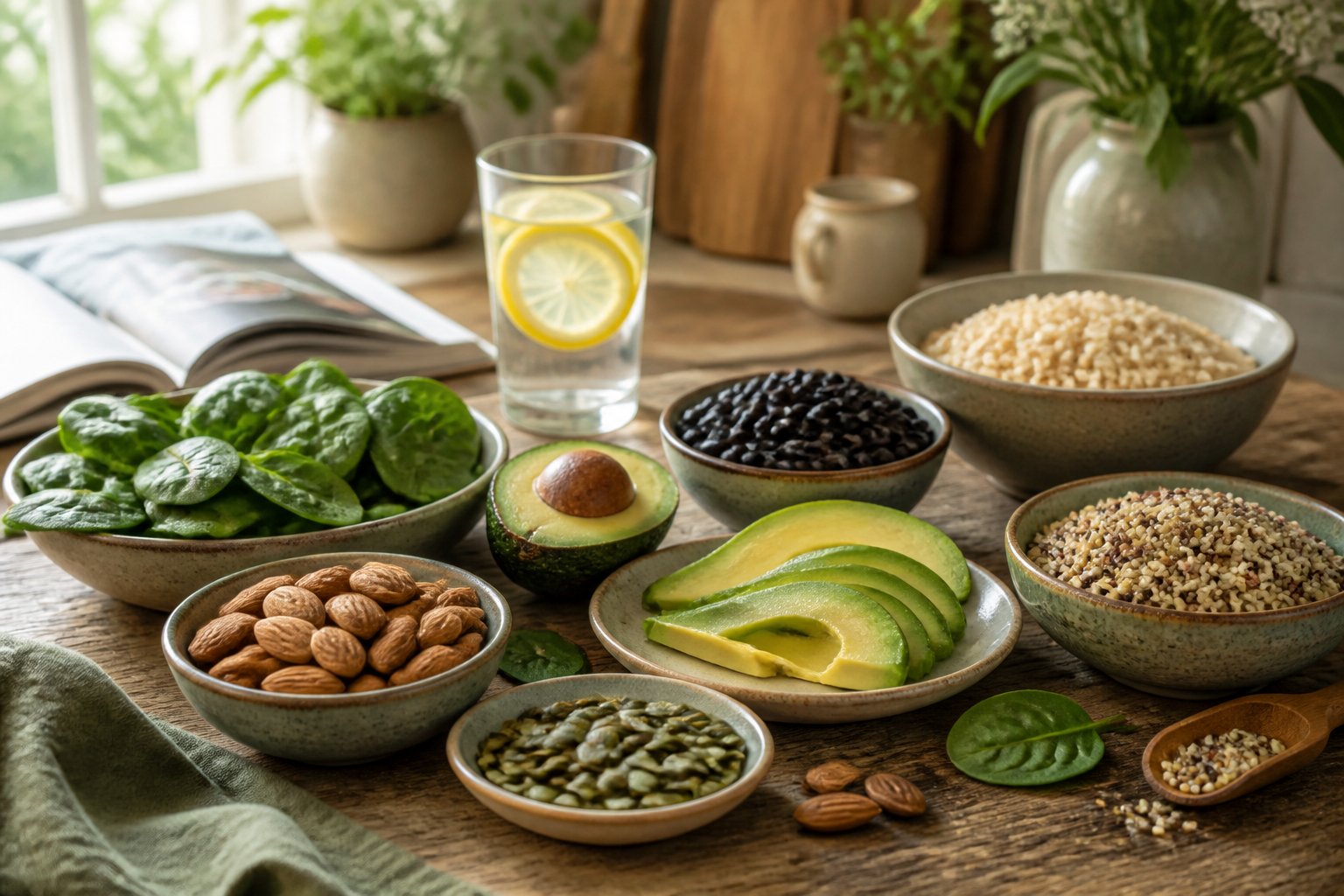
Many people want to know which foods contain the most magnesium and how much they need each day. Understanding the signs of low magnesium and knowing which beverages and fruits can help boost intake makes it easier to meet daily needs.
Which foods are the highest in magnesium?
Pumpkin seeds top the list with 150 mg of magnesium per ounce. Chia seeds provide 111 mg per ounce, while almonds offer 80 mg per ounce.
Spinach and Swiss chard are excellent vegetable choices. Cooked spinach contains 78 mg per half cup, and Swiss chard provides 75 mg per half cup.
Dark chocolate with 70-85% cocoa delivers 64 mg per ounce. Black beans offer 60 mg per half cup, and quinoa provides the same amount when cooked.
How much magnesium do adults need per day?
Adults need between 310 and 420 mg of magnesium daily. The exact amount depends on age and sex.
Women typically require 310-320 mg per day. Men need more, with recommendations ranging from 400-420 mg daily.
What are the most common symptoms of magnesium deficiency?
Muscle cramps and spasms are common signs of low magnesium levels. The body relies on magnesium for proper muscle function and contractions.
Fatigue and weakness often appear when magnesium levels drop. Heart rhythm irregularities can also develop since the mineral plays a key role in maintaining steady heartbeat.
Bone health problems may emerge over time. Blood pressure issues can occur because magnesium helps control blood pressure[1] within the body.
Which fruits are good sources of magnesium?
Avocados lead the fruit category with 58 mg of magnesium per whole avocado. Papayas provide 33 mg in one small fruit.
Bananas contain 32 mg of magnesium in one medium fruit. Blackberries offer 29 mg per cup, making them a tasty option for boosting intake.
How much magnesium is in a banana?
One medium banana contains 32 mg of magnesium. This represents about 8-10% of the daily recommended amount for most adults.
Bananas are convenient and portable, making them an easy snack choice. They also provide potassium, fiber, and vitamin B6 along with magnesium.
What drinks and beverages contain meaningful amounts of magnesium?
Water can be a significant source of magnesium depending on where it comes from. Tap, mineral, and bottled waters contain between 1 and 120 mg per liter.
Drinking 2 liters of water daily could provide up to 240 mg of magnesium. The actual amount varies based on the water source and mineral content.
Low-fat milk provides 24-27 mg per cup. This makes it a dual source of both calcium and magnesium for bone health.
Post Views: 4

Elevate Your Health for Just $29.99/Month
Join the Precision Wellness Subscription at My Healing 365 and get discounted services, priority coaching access, virtual care, and exclusive wellness resources to support your physical, emotional, and hormonal health.
Join for $29.99/MonthMedically Reviewed
Dr. Jose Rossello, MD, PhD, MHCM
Preventive Medicine & Public Health Specialist
Last Reviewed: June 21, 2026
Magnesium plays a vital role in keeping the body healthy. It helps manage blood pressure, builds strong bones, controls blood sugar levels, and keeps the heart beating steady. Many people don’t get enough of this mineral from their daily meals.
The best way to increase magnesium intake is to eat more leafy greens, nuts, seeds, whole grains, and legumes regularly. These magnesium-rich foods[1] provide natural sources of the mineral that the body can use easily. Adding these foods to meals throughout the day helps maintain healthy magnesium levels.
Getting enough magnesium doesn’t require major diet changes. Simple swaps and additions to everyday meals can make a big difference. Understanding which foods contain the most magnesium and how to prepare them helps people meet their daily needs without relying on supplements.
Key Takeaways
- Magnesium supports heart health, bone strength, and blood sugar control in the body
- Leafy greens, nuts, seeds, and whole grains are the best natural sources of magnesium
- Small dietary changes like adding these foods to regular meals can prevent magnesium deficiency
Understanding Magnesium and Its Role in the Body
Magnesium is a mineral that helps the body perform hundreds of important tasks every day. The body stores about 25 grams of magnesium, with most of it found in bones and soft tissues.
What Is Magnesium?
Magnesium is an essential mineral that the body cannot make on its own. People must get it through food or supplements. The body uses magnesium as a helper for more than 300 enzymes that carry out chemical reactions.
This mineral works throughout the entire body. About half of the body’s magnesium sits in the bones, where it helps build strength. The rest spreads through muscles, soft tissues, and fluids.
Magnesium also acts as an electrical conductor in the body. It helps send signals between cells and keeps different body systems working together.
Key Functions of Magnesium
Magnesium helps build proteins and maintain strong bones. It regulates blood sugar levels and keeps blood pressure in a healthy range.
The mineral plays a major role in muscle and nerve functions[2]. Muscles need magnesium to contract properly. Nerves depend on it to send and receive messages throughout the body.
Magnesium moves calcium and potassium across cell membranes[3]. This process controls nerve signals, muscle contractions, and heart rhythm. The heart relies on magnesium to beat steadily and maintain a normal rhythm.
The mineral also supports the immune system and helps create energy from food. It assists with DNA production and helps regulate body temperature.
Signs of Low Magnesium
Low magnesium levels can affect how the body works. Early signs may be hard to notice because symptoms can be mild at first.
Common signs of magnesium deficiency include:
- Muscle cramps or twitches
- Weakness or fatigue
- Loss of appetite
- Nausea
More serious symptoms can develop if magnesium intake stays low for a long time. These may include numbness, tingling sensations, and irregular heartbeat. Some people experience personality changes or mood problems.
The kidneys normally control magnesium levels by removing excess amounts. However, certain health conditions or medications can make it harder for the body to absorb or keep enough magnesium.
Daily Requirements and Recommended Intake
The amount of magnesium a person needs varies based on age, sex, and life stage. Understanding these requirements helps prevent deficiency and ensures the body can perform essential functions like energy production and muscle contraction.
How Much Magnesium Do You Need?
Adult males ages 31 and older need 420 mg of magnesium daily, which is the highest recommended amount for any adult group. Adult females ages 31-50 require 320 mg per day, while younger adult women ages 19-30 need 310 mg daily.
Teenage boys ages 14-18 should get 410 mg each day. Teenage girls in the same age range need 360 mg daily, though this increases to 400 mg during pregnancy.
Children have lower requirements that increase with age. Kids ages 1-3 need 80 mg, those ages 4-8 require 130 mg, and children ages 9-13 should get 240 mg daily. Infants need the least amount, with 30 mg for babies under 6 months and 75 mg for those 7-12 months old.
Pregnant women require additional magnesium, with recommendations ranging from 350-400 mg depending on age. Breastfeeding women need between 310-360 mg daily.
Factors Affecting Magnesium Needs
Several health conditions and lifestyle factors can increase how much magnesium someone needs. People with digestive disorders like Crohn’s disease or celiac disease[3] often absorb less magnesium from food, putting them at higher risk for magnesium deficiency.
Type 2 diabetes affects magnesium levels in two ways. High blood sugar causes the kidneys to excrete more magnesium through urine. At the same time, low magnesium levels can worsen insulin resistance.
Older adults typically need more attention to their magnesium intake. They absorb less magnesium from food as they age and often take medications that reduce magnesium absorption. Kidney function naturally declines with age, which affects how the body regulates magnesium levels.
Alcohol dependence significantly impacts magnesium status. Heavy alcohol use damages the digestive system’s ability to absorb nutrients and increases magnesium loss through urine.
Top Food Sources of Magnesium
Many common foods contain significant amounts of magnesium, making it easy to meet daily needs through diet alone. Plant-based options like nuts, seeds, leafy greens, whole grains, and legumes provide the highest concentrations of this essential mineral.
Nuts and Seeds
Pumpkin seeds rank among the best sources of magnesium[1], with 1 ounce of roasted, hulled seeds delivering 150 mg. This single serving provides roughly one-third of the daily recommended amount for most adults.
Almonds offer 80 mg per ounce when roasted, while cashews provide 72 mg in the same portion size. Chia seeds contain 111 mg per ounce, making them an excellent addition to smoothies or yogurt. Peanuts deliver 49 mg per ounce, and peanut butter makes an easy way to add magnesium to meals throughout the day.
Brazil nuts and other tree nuts also contribute meaningful amounts of this mineral. People can sprinkle seeds on salads, blend them into smoothies, or eat them as snacks between meals.
Leafy Greens and Vegetables
Cooked spinach provides 78 mg of magnesium per half-cup serving, making it one of the most concentrated vegetable sources. Swiss chard offers a similar amount at 75 mg per half cup when cooked.
Green vegetables retain their magnesium content better when steamed or sautéed rather than boiled. Collard greens contain 25 mg per half cup, while green peas provide 31 mg in the same serving size.
Potatoes with skin intact deliver 48 mg per medium potato. Sweet corn adds 27 mg per half cup. These starchy vegetables work well as side dishes or main meal components.
Other magnesium-rich foods include edamame[1], which offers 50 mg per half cup when cooked and prepared. Soy products like tofu also contribute to magnesium intake while providing plant-based protein.
Whole Grains and Legumes
Quinoa stands out among whole grains with 60 mg of magnesium per half-cup cooked serving. This pseudo-grain works as a base for bowls, salads, or side dishes. Shredded wheat cereal provides 56 mg per cup when choosing plain, unfrosted varieties.
Brown rice and other whole grains maintain their mineral content because the bran layer remains intact during processing. White rice loses much of its magnesium during refinement.
Black beans deliver 60 mg per half cup when boiled. Lima beans offer 40 mg in the same portion size. Legumes provide fiber and protein alongside their magnesium content, making them filling additions to meals.
People can add these foods with magnesium to soups, stews, salads, or grain bowls. Cooking dried beans from scratch preserves more nutrients than using canned varieties, though both options contribute to daily magnesium needs.
Fruits and Other Plant-Based Sources
A whole avocado contains 58 mg of magnesium while also providing healthy fats. Avocado toast combines this fruit with whole grain bread for a magnesium boost at breakfast or lunch.
Bananas offer 32 mg per medium fruit, making them a convenient portable snack. A small papaya provides 33 mg, while blackberries contain 29 mg per cup.
Dark chocolate with 70-85% cocoa delivers 64 mg per ounce. This treat satisfies sweet cravings while contributing to magnesium intake, though portion control remains important due to calorie and sugar content.
Low-fat dairy products also contain magnesium. Plain yogurt provides 42 mg per 8-ounce serving, while nonfat milk offers 24-27 mg per cup. These options deliver calcium alongside magnesium for bone health.
Additional Nutrients in Magnesium-Rich Foods
Foods high in magnesium deliver many other nutrients that support overall health. These foods often contain healthy fats, fiber, and minerals like calcium, potassium, zinc, and iron.
Healthy Fats and Fiber
Many magnesium-rich foods contain fiber and healthy fats that benefit the body. Nuts and seeds provide omega-3 fatty acids along with their magnesium content. Almonds, cashews, and pumpkin seeds contain both healthy fats and fiber in each serving.
Avocados offer monounsaturated fats while also supplying magnesium and fiber. Whole grains like brown rice and quinoa provide fiber that aids digestion. Leafy greens such as spinach and Swiss chard deliver fiber without adding many calories.
The fiber in these foods helps maintain healthy blood sugar levels and supports digestive health. Healthy fats help the body absorb vitamins and provide lasting energy throughout the day.
Vitamins and Minerals: Calcium, Potassium, Zinc, and Iron
Magnesium-rich foods typically contain other essential minerals that work together in the body. Leafy greens provide calcium for bone strength and iron for healthy blood cells. Spinach and kale deliver all of these minerals in one serving.
Nuts and seeds supply zinc, which supports immune function and wound healing. Pumpkin seeds and cashews are particularly high in zinc content. Bananas and sweet potatoes offer potassium alongside magnesium to help regulate blood pressure and muscle function.
Beans and lentils provide iron, zinc, and potassium in addition to magnesium. These combinations of minerals work better together than when consumed separately. The body uses these nutrients for hundreds of daily processes, from building strong bones to maintaining a steady heartbeat.
Tips to Boost Magnesium Absorption and Intake
Getting enough magnesium involves both choosing the right foods and understanding how certain nutrients work together. Pairing magnesium-rich foods with specific vitamins and making small changes to daily meals can significantly increase magnesium intake.
Meal Ideas and Food Pairings
Starting the day with avocado toast on whole grain bread provides a magnesium boost from both the avocado and the grain. Adding pumpkin seeds on top increases the magnesium content even further, with just one ounce of these seeds delivering 150 mg of magnesium.
A spinach and black bean bowl makes an excellent lunch option. Cooked spinach provides 78 mg of magnesium per half cup, while black beans add another 60 mg. Topping this combination with cashews adds 72 mg per ounce.
For dinner, grilled salmon with Swiss chard and quinoa creates a complete magnesium-rich meal. The Swiss chard offers 75 mg per half cup, and quinoa contributes 60 mg per half cup. A small square of dark chocolate (70-85% cocoa) for dessert adds 64 mg of magnesium.
Snacking on almonds between meals provides 80 mg of magnesium per ounce. Mixing almonds with dried fruit creates a portable option for busy days.
Simple Swaps for Everyday Meals
Replacing white rice with quinoa increases magnesium intake significantly. White rice contains minimal magnesium, while quinoa provides substantial amounts in each serving.
Switching regular cereal for plain shredded wheat delivers 56 mg of magnesium per cup. Adding sliced banana on top contributes an additional 32 mg.
Using spinach instead of iceberg lettuce in salads and sandwiches dramatically increases magnesium content. Iceberg lettuce provides almost no magnesium, while dark leafy greens are among the foods highest in magnesium.
Choosing roasted peanuts over chips as a snack provides 49 mg of magnesium per ounce. Replacing regular pasta with whole grain versions adds more fiber and magnesium to meals. Snacking on edamame instead of pretzels offers 50 mg of magnesium per half cup.
Maximizing Absorption
Vitamin D helps the body absorb magnesium more effectively. Pairing magnesium-rich foods with vitamin D sources like fortified milk or fatty fish improves absorption rates.
Vitamin B6 works alongside magnesium in many body processes. Foods to eat with magnesium supplements or magnesium-rich meals include those containing B6, such as chickpeas, potatoes, and bananas.
Consuming adequate protein supports magnesium absorption. Including lean meats, fish, or plant-based proteins with magnesium sources helps the body use this mineral efficiently.
Limiting caffeine and alcohol intake helps maintain magnesium levels. Both substances can increase magnesium loss through urine. Spacing out calcium supplements from magnesium-rich meals prevents competition for absorption, as high doses of calcium can interfere with magnesium uptake.
Supplements and Managing Deficiency
Magnesium supplements can fill nutritional gaps when diet alone falls short, but understanding when they’re necessary and which type to choose matters for safety and effectiveness. Taking too much magnesium through supplementation can cause uncomfortable side effects that outweigh potential benefits.
When to Consider Magnesium Supplements
A person should consider magnesium supplements when a healthcare provider confirms low magnesium levels through blood tests. Signs of deficiency include muscle cramps, fatigue, irregular heartbeat, and numbness or tingling in the extremities.
People with certain health conditions face higher risks of low magnesium. Those with digestive disorders like Crohn’s disease or celiac disease may struggle to absorb magnesium properly. Type 2 diabetes and long-term alcohol use also increase the likelihood of deficiency.
Older adults often need supplementation because magnesium absorption decreases with age. Some medications, including certain diuretics and proton pump inhibitors, can deplete magnesium stores over time. Anyone taking these medications should discuss magnesium supplementation with their doctor before starting.
Types of Magnesium Supplements
Different types of magnesium supplements[4] serve specific purposes based on how the body absorbs and uses them. Magnesium citrate absorbs well and often helps with constipation. Magnesium glycinate causes fewer digestive side effects and works well for addressing deficiency.
Magnesium oxide contains high amounts of elemental magnesium but absorbs poorly in the digestive system. Magnesium sulfate, also known as Epsom salt, is typically used externally in baths rather than taken orally. Magnesium malate may help with energy production and muscle pain.
The form of magnesium supplement a person chooses should match their specific needs. Someone dealing with sleep issues might benefit from magnesium glycinate, while another person with digestive complaints might prefer magnesium citrate.
Possible Risks of Too Much Magnesium
Taking too much magnesium through supplements can lead to digestive problems like diarrhea, nausea, and stomach cramping. These symptoms often occur when magnesium intake exceeds 350 mg per day from supplements alone.
Very high doses of magnesium supplementation can cause serious health problems. Symptoms of magnesium toxicity include low blood pressure, confusion, irregular heartbeat, and difficulty breathing. People with kidney disease face the highest risk because their bodies cannot remove excess magnesium efficiently.
Magnesium supplements can interact with certain medications. They may interfere with antibiotics, blood pressure medications, and osteoporosis drugs. A person should always inform their doctor about any magnesium supplement use to avoid dangerous interactions.
Magnesium and Health Benefits
Magnesium plays a key role in maintaining healthy blood pressure levels and supporting heart function. This mineral also contributes to immune system health and helps with muscle function, bone strength, and blood sugar control.
Blood Pressure and Heart Health
Magnesium helps regulate blood pressure[5] and keeps the heart functioning properly. It works as an electrolyte, similar to sodium and potassium, which means it helps the body’s electrical system work correctly.
When magnesium levels are too low, the heartbeat can become irregular. This can lead to heart palpitations and other rhythm problems.
The mineral also helps protect against diabetes[5] by regulating blood sugar levels. This is important because diabetes increases the risk of heart disease. People who eat diets higher in magnesium tend to have lower rates of heart-related health problems.
Magnesium may help manage abnormal heart rhythms. It supports the heart muscle and helps blood vessels relax, which contributes to healthy blood pressure levels.
Immune System Support
Magnesium supports immune function by helping cells communicate and work together effectively. The mineral assists in the production and activity of white blood cells, which fight off infections and illness.
A deficiency in magnesium can weaken the immune response. This makes it harder for the body to defend against viruses and bacteria.
The mineral also helps reduce inflammation in the body. Chronic inflammation can harm the immune system over time and contribute to various health conditions.
Other Health Effects
Magnesium helps muscle function[5] and prevents muscle cramps, numbness, and tingling that can occur with severe deficiency. It also aids digestion[5] by helping break down food so it moves through the digestive system properly.
The mineral supports bone health by working with calcium to build strong bones. It also helps with energy production throughout the body.
Magnesium may help reduce stress and anxiety[5] by regulating cortisol levels. Cortisol is a stress hormone, and when it stays too high, it can lead to anxiety and depression. The mineral helps keep these hormones balanced.
Some research suggests magnesium can help with sleep quality. This is why it appears in many products designed to promote relaxation and better rest.
Frequently Asked Questions
Many people want to know which foods contain the most magnesium and how much they need each day. Understanding the signs of low magnesium and knowing which beverages and fruits can help boost intake makes it easier to meet daily needs.
Which foods are the highest in magnesium?
Pumpkin seeds top the list with 150 mg of magnesium per ounce. Chia seeds provide 111 mg per ounce, while almonds offer 80 mg per ounce.
Spinach and Swiss chard are excellent vegetable choices. Cooked spinach contains 78 mg per half cup, and Swiss chard provides 75 mg per half cup.
Dark chocolate with 70-85% cocoa delivers 64 mg per ounce. Black beans offer 60 mg per half cup, and quinoa provides the same amount when cooked.
How much magnesium do adults need per day?
Adults need between 310 and 420 mg of magnesium daily. The exact amount depends on age and sex.
Women typically require 310-320 mg per day. Men need more, with recommendations ranging from 400-420 mg daily.
What are the most common symptoms of magnesium deficiency?
Muscle cramps and spasms are common signs of low magnesium levels. The body relies on magnesium for proper muscle function and contractions.
Fatigue and weakness often appear when magnesium levels drop. Heart rhythm irregularities can also develop since the mineral plays a key role in maintaining steady heartbeat.
Bone health problems may emerge over time. Blood pressure issues can occur because magnesium helps control blood pressure[1] within the body.
Which fruits are good sources of magnesium?
Avocados lead the fruit category with 58 mg of magnesium per whole avocado. Papayas provide 33 mg in one small fruit.
Bananas contain 32 mg of magnesium in one medium fruit. Blackberries offer 29 mg per cup, making them a tasty option for boosting intake.
How much magnesium is in a banana?
One medium banana contains 32 mg of magnesium. This represents about 8-10% of the daily recommended amount for most adults.
Bananas are convenient and portable, making them an easy snack choice. They also provide potassium, fiber, and vitamin B6 along with magnesium.
What drinks and beverages contain meaningful amounts of magnesium?
Water can be a significant source of magnesium depending on where it comes from. Tap, mineral, and bottled waters contain between 1 and 120 mg per liter.
Drinking 2 liters of water daily could provide up to 240 mg of magnesium. The actual amount varies based on the water source and mineral content.
Low-fat milk provides 24-27 mg per cup. This makes it a dual source of both calcium and magnesium for bone health.
Post Views: 4

























