
Medically Reviewed
Dr. Jose Rossello, MD, PhD, MHCM
Preventive Medicine & Public Health Specialist
Last Reviewed: April 26, 2026
Chronic inflammation quietly affects millions of people, contributing to fatigue, joint pain, brain fog, and long-term health conditions like heart disease and arthritis. Unlike acute inflammation that helps the body heal from injuries or infections, chronic inflammation lingers and can damage tissues over time. Living an anti-inflammatory lifestyle means making daily choices in diet, movement, sleep, and stress management that help the body naturally calm its immune system and reduce inflammatory markers.
The good news is that small, consistent habits can make a real difference. People don’t need extreme diets or complicated routines to reduce inflammation naturally[1]. Simple adjustments like eating more whole foods, moving regularly, getting quality sleep, and managing stress all work together to support the body’s natural balance.
This guide breaks down the essential daily habits that help fight chronic inflammation. It covers what foods to eat, how to move without overdoing it, why sleep matters, and how to manage stress in realistic ways. Each habit builds on the others to create a lifestyle that supports long-term health and energy.
Table of Contents
Key Takeaways
- Chronic inflammation develops from poor diet, lack of sleep, stress, and inactivity, and can be reduced through daily lifestyle changes
- Eating whole foods rich in omega-3s, fiber, and antioxidants while limiting processed foods helps calm the immune system naturally
- Regular movement, quality sleep, stress management, and staying hydrated all work together to lower inflammatory markers and improve overall health
Understanding Inflammation and Its Impact
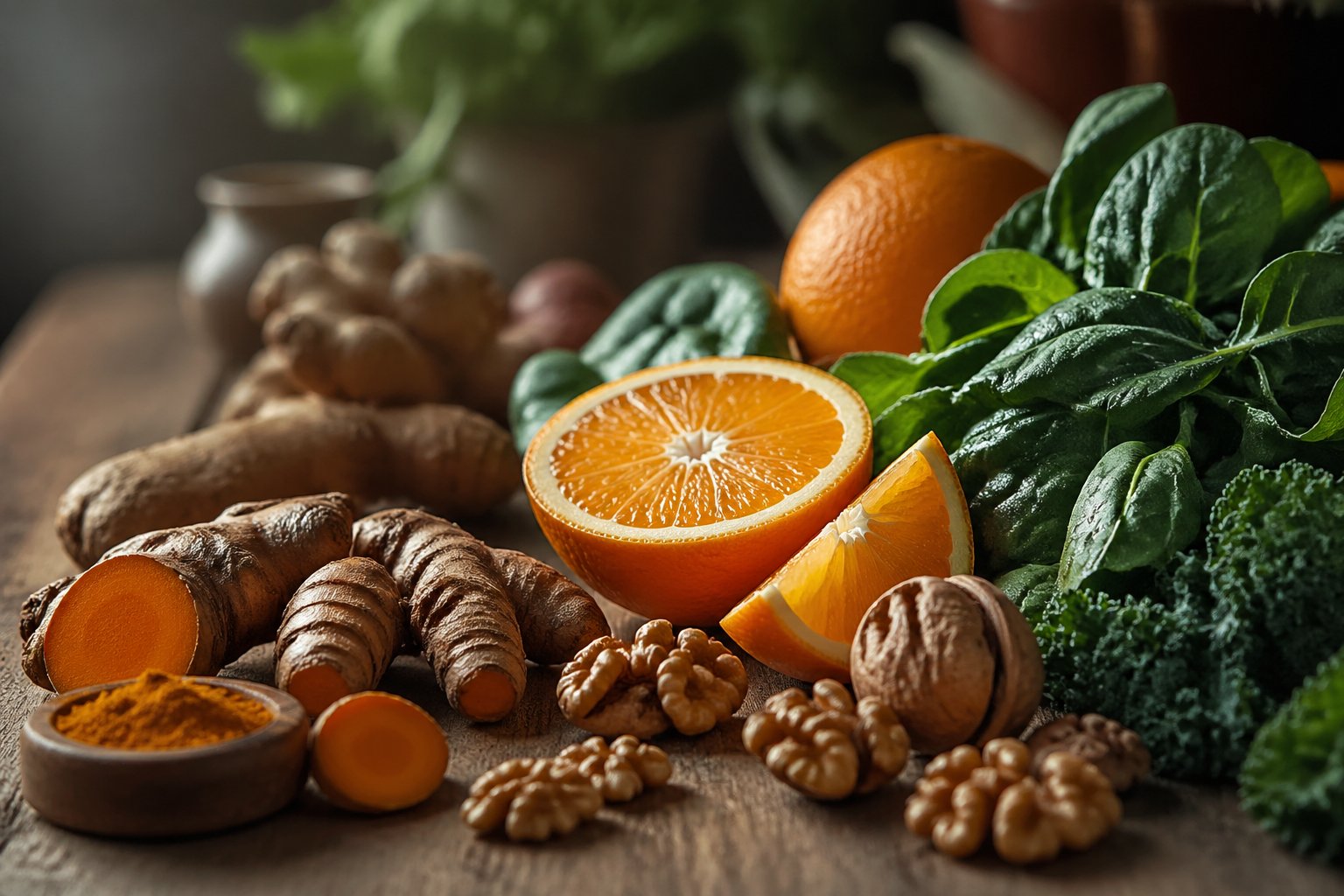
Inflammation serves as the body’s natural defense mechanism, but when it persists beyond its protective role, it becomes a driver of disease rather than a healer. The distinction between short-term and long-term inflammatory responses determines whether this process protects health or undermines it.
Types of Inflammation: Acute vs. Chronic
Acute inflammation appears suddenly and typically resolves within days or weeks. When someone cuts their finger or catches a cold, the immune system sends white blood cells to the affected area, causing redness, swelling, and heat. This response fights infection and repairs damaged tissue.
Chronic inflammation operates differently. It lingers for months or years, often without obvious symptoms. Unlike acute inflammation’s visible signs, chronic inflammation works quietly inside the body. The immune system remains activated even when no immediate threat exists.
This persistent activation damages healthy cells and tissues over time. While acute inflammation protects and heals, chronic inflammation contributes to arthritis, diabetes, cardiovascular disease, and even cancer.
Risks of Persistent Low-Grade Inflammation
Low-grade inflammation creates a state of constant immune activation throughout the body. This systemic inflammation affects multiple organs simultaneously, unlike localized acute responses. The damage accumulates slowly, making it difficult to detect until serious problems develop.
Heart health suffers significantly from chronic inflammatory processes. Inflammation in blood vessel walls promotes plaque buildup, increasing the risk of heart attacks and strokes. Studies show that people with elevated inflammatory markers face higher rates of cardiovascular disease.
The brain also experiences consequences. Cognitive decline and memory problems link to sustained inflammatory activity in neural tissue. Research indicates that chronic inflammation may accelerate conditions like Alzheimer’s disease.
Oxidative stress intensifies during prolonged inflammation, creating unstable molecules that damage cellular structures. This combination of inflammation and oxidative stress accelerates aging processes throughout the body.
The Role of the Immune System
The immune system controls inflammation through complex signaling pathways. When functioning properly, it activates inflammatory responses when needed and shuts them down once the threat passes. White blood cells release chemical messengers called pro-inflammatory cytokines that coordinate the inflammatory response.
IL-6 represents one key cytokine that regulates inflammation. In healthy amounts, it helps fight infections. Excessive IL-6 production, however, drives chronic inflammatory conditions.
Problems arise when the immune system fails to turn off these signals. Continuous production of pro-inflammatory cytokines keeps the body in a constant state of alert. This dysregulation transforms the protective immune response into a source of harm.
Inflammatory Markers and Health Consequences
Doctors measure inflammation through blood tests that detect specific markers. C-reactive protein (CRP) serves as the most common indicator of systemic inflammation. Elevated CRP levels signal increased risk for heart disease and other conditions.
| Marker | Normal Range | What It Indicates |
|---|---|---|
| CRP | <1.0 mg/L | Low cardiovascular risk |
| CRP | 1.0-3.0 mg/L | Moderate risk |
| CRP | >3.0 mg/L | High risk |
Other inflammatory markers include fibrinogen, erythrocyte sedimentation rate, and various cytokines. Elevated levels of these markers appear in people with arthritis, diabetes, and autoimmune disorders. They help healthcare providers assess disease activity and treatment effectiveness.
Tracking these markers over time reveals patterns that predict future health problems. People with consistently high inflammatory markers show greater likelihood of developing chronic diseases compared to those with normal levels.
Building an Anti-Inflammatory Diet
The foundation of reducing chronic inflammation starts with choosing whole, unprocessed foods rich in antioxidants, fiber, and omega-3 fatty acids while avoiding ultra-processed foods and added sugars. A person can lower inflammation by focusing on colorful fruits and vegetables, fish, nuts and seeds, and healthy fats like olive oil.
Key Foods and Nutrients to Prioritize
Fruits and vegetables form the cornerstone of any anti-inflammatory diet. Berries stand out as particularly powerful sources of polyphenols and antioxidants that fight inflammation. Dark leafy greens like spinach and kale provide essential nutrients along with fiber.
Omega-3 fatty acids are critical for reducing inflammation naturally. Fatty fish such as salmon, mackerel, and sardines deliver high amounts of these healthy fats. For plant-based sources, walnuts and flaxseeds offer omega-3s along with other beneficial compounds.
Nuts and seeds provide both healthy fats and important minerals. Almonds, walnuts, and pumpkin seeds make excellent daily snacks. These foods contain unsaturated fats that help reduce inflammation.
Whole grains like oats, barley, and bran offer substantial fiber content. The fiber found in whole grains, fruits, vegetables, and legumes[2] helps fight inflammation throughout the body.
Herbs and spices add flavor while providing anti-inflammatory benefits. Turmeric contains curcumin, a powerful compound that reduces inflammation. Ginger, cinnamon, and cumin also support this effort. Legumes including beans, lentils, and peas deliver protein and fiber without promoting inflammation.
What to Limit or Avoid
Ultra-processed foods represent the biggest threat to an anti-inflammatory lifestyle. These items include microwaveable dinners, chicken nuggets, processed meats, and dehydrated soups. Studies show that ultra-processed foods can change gut bacteria, damage the gut’s lining, and activate inflammatory genes[2] in cells.
Added sugars drive inflammation throughout the body. Sodas and sugary drinks, cookies, candy, and other baked goods spike blood sugar levels. Even flavored yogurts and jarred sauces often contain hidden sweeteners.
Refined grains like white bread, white pasta, and white rice lack the beneficial fiber found in whole grains. White flour directly promotes a pro-inflammatory state in the body.
Saturated fats from butter, cheese, ice cream, and deep-fried foods increase “bad” LDL cholesterol. Processed and cured meats also fall into this category and should be limited.
Supporting Gut Health and the Microbiome
The gut plays a central role in inflammation throughout the body. A diverse microbiome helps regulate immune responses and reduces chronic inflammation.
Fiber-rich foods feed beneficial gut bacteria. Whole grains, legumes, fruits, and vegetables provide the prebiotics these bacteria need to thrive. Onions contain specific compounds that support healthy gut flora.
Fermented foods introduce beneficial bacteria directly into the digestive system. While not all fermented options fit an anti-inflammatory eating pattern[3], choices like plain yogurt and sauerkraut offer benefits.
Elevate Your Health for Just $29.99/Month
Join the Precision Wellness Subscription at My Healing 365 and get discounted services, priority coaching access, virtual care, and exclusive wellness resources to support your physical, emotional, and hormonal health.
Join for $29.99/MonthPolyphenols from berries, tea, coffee, and dark chocolate support both gut health and inflammation reduction. Green tea provides particularly high levels of these beneficial plant compounds. The mediterranean diet naturally incorporates many foods that promote a healthy microbiome.
Sample Meal Ideas
Breakfast options can include oatmeal topped with berries and walnuts, or a smoothie blended with spinach, berries, and flaxseeds. A person might also choose whole grain toast with avocado and tomatoes.
Lunch combinations work well as salads featuring dark leafy greens, colorful vegetables, beans, nuts, and olive oil dressing. Another option includes a bowl with quinoa, roasted vegetables, and grilled salmon.
Dinner plates should contain lean protein like fish or legumes alongside colorful vegetables. Baked mackerel with roasted Brussels sprouts and brown rice provides omega-3 fatty acids and fiber. A curry made with chickpeas, turmeric, ginger, cumin, and kale over whole grains delivers multiple anti-inflammatory foods in one meal.
Snacks might include almonds, fresh fruit, vegetable sticks with hummus, or a cup of green tea. These choices provide antioxidants and healthy fats between meals.
Daily Movement and Regular Exercise

Regular physical activity triggers anti-inflammatory responses in the body while improving insulin sensitivity and supporting heart health. Both aerobic exercise and strength training work together to reduce inflammatory markers and promote longevity.
Benefits of Aerobic and Strength Training
Aerobic exercise produces immediate anti-inflammatory effects. Just 20 minutes of moderate walking or jogging[4] decreases immune cells that produce TNF, a key regulator of inflammation throughout the body. Swimming offers similar benefits, with research showing that 45-minute sessions twice weekly for seven months lower inflammatory markers in the blood.
Strength training provides different but equally important advantages. Lifting weights reduces the risk of cardiovascular disease, diabetes, and certain cancers by 10 to 17 percent[4] compared to those who skip muscle-building activities. The exercise creates anti-inflammatory responses after each workout while building lean muscle mass that processes inflammation more efficiently.
Cardio activities like cycling show long-term results. People who attended three 45-minute cycling classes weekly for a full year had fewer signs of inflammation in their blood tests. This combination of movement types addresses both immediate inflammatory responses and builds lasting protection against oxidative stress.
Designing a Sustainable Routine
A practical anti-inflammatory exercise plan balances intensity with adequate recovery. High-intensity workouts without proper rest can increase illness susceptibility, so alternating between vigorous sessions and lower-impact movement prevents overtraining.
An effective weekly schedule includes:
- Aerobic activity: 20-30 minutes of walking, swimming, or cycling most days
- Strength training: Two sessions per week targeting major muscle groups
- Active recovery: Yoga, stretching, or light movement on rest days
Yoga reduces inflammation[4] across multiple chronic conditions including high blood pressure and rheumatoid arthritis. The practice calms the nervous system through intentional breathing, which activates stress-regulating responses that complement other exercise benefits. Quality sleep becomes easier when physical activity is consistent but not excessive, creating a cycle that supports both recovery and reduces inflammation naturally.
Sleep, Circadian Rhythm, and Recovery

Getting enough quality sleep and maintaining a consistent daily rhythm helps the body produce more antioxidants and reduces inflammation naturally. Poor sleep and disrupted schedules trigger cortisol spikes and prevent proper cellular repair.
Optimizing Sleep Quality
Quality sleep allows the body to complete essential anti-inflammatory processes that only happen during rest. When someone sleeps deeply, their immune system resets and tissues repair themselves. Sleep may be the most underestimated anti-inflammatory tool[5] available for managing inflammation.
A consistent sleep schedule strengthens the body’s natural 24-hour cycle. Going to bed and waking up at the same time every day helps regulate hormone release, including cortisol and melatonin. This consistency makes falling asleep easier and improves sleep quality over time.
The bedroom environment matters significantly. A cool room between 60 and 67 degrees Fahrenheit supports better sleep. Complete darkness helps because light exposure at night suppresses melatonin production. Blackout curtains or eye masks block unwanted light effectively.
Deep breathing exercises before bed activate the parasympathetic nervous system. This activation counters chronic stress and lowers cortisol levels. Just five minutes of slow, deliberate breathing can prepare the body for restorative sleep.
Addressing Sleep Disruptors
Exposure to artificial light at night interferes with circadian rhythm[6] by suppressing melatonin production. Blue light from phones, computers, and televisions tricks the brain into thinking it’s still daytime. Limiting screen time one hour before bed protects natural sleep patterns.
Sleep deprivation creates a cycle of increased inflammation. Missing just one or two hours of sleep raises inflammatory markers in the bloodstream. Over time, chronic sleep loss contributes to persistent inflammation that affects multiple body systems.
Heavy meals late at night disrupt both digestion and sleep quality. Eating should stop at least two to three hours before bedtime. Large meals close to sleep time force the digestive system to work when it should be resting.
Caffeine and alcohol both interfere with sleep architecture. Caffeine consumed after 2 PM can still affect sleep onset hours later. While alcohol may make someone feel drowsy initially, it prevents deep sleep stages where the most significant recovery happens.
Managing Stress for Inflammation Reduction

Chronic stress triggers the release of cortisol and other stress hormones that fuel inflammatory processes throughout the body. Simple daily practices like deep breathing and mindfulness can lower pro-inflammatory cytokines and help break the cycle between stress and inflammation.
The Effects of Chronic and Acute Stress
When a person experiences stress, their body releases cortisol and other stress hormones as part of the natural fight-or-flight response. Short bursts of acute stress are normal and usually harmless. However, chronic stress keeps these hormones elevated over time.
High cortisol levels prompt the immune system to produce pro-inflammatory cytokines. These chemical messengers increase inflammation throughout the body. The longer someone stays stressed, the more these inflammatory markers build up.
Repeatedly triggered stress hormones contribute to chronic inflammation[7] and can lead to serious health problems. The connection between stress and inflammation affects everything from heart disease risk to autoimmune conditions. Breaking this cycle requires targeted stress management approaches.
Mindfulness and Breathing Exercises
Deep breathing activates the parasympathetic nervous system, which counters the stress response. A person can practice simple breathing exercises anywhere by inhaling slowly for four counts, holding for four counts, and exhaling for six counts.
Mindfulness practices help calm the nervous system and reduce inflammation markers. These techniques train people to observe thoughts without judgment, which lowers stress reactivity over time. Even five minutes of daily mindfulness can make a difference.
Mindfulness-based stress reduction and breathing exercises help reduce stress-related inflammation[8] and support overall health. Morning breathing sessions set a calm tone for the day. People who practice regularly often see measurable drops in inflammatory markers within weeks.
Incorporating Stress-Reducing Habits
Yoga combines movement with breath control and mindfulness, making it particularly effective for stress reduction. Regular yoga practice lowers cortisol levels and decreases inflammation throughout the body. A person doesn’t need an advanced practice to see benefits.
Building stress-reducing habits into daily routines makes them sustainable. Simple changes include:
- Taking short walking breaks during the workday
- Setting aside 10 minutes for morning meditation
- Practicing progressive muscle relaxation before bed
- Scheduling regular activities that bring joy
Consistency matters more than duration. A 30-minute daily walk or yoga session helps the body process inflammation more efficiently. People who stick with these habits typically notice improved mood and energy levels alongside reduced inflammation markers.
Hydration, Social Connection, and Additional Daily Habits

Drinking enough water supports the gut microbiome while strong relationships protect against chronic inflammation. Small daily choices in how people hydrate, connect with others, and structure their routines can have lasting effects on inflammatory markers.
Why Hydration Matters
Water plays a direct role in maintaining gut health and reducing inflammation throughout the body. The gut microbiome relies on adequate hydration to function properly, as water helps move nutrients and waste through the digestive system.
When someone becomes dehydrated, the protective mucus layer in the intestines can thin out. This allows harmful gut bacteria to trigger inflammatory responses. Drinking enough water each day helps maintain the balance of beneficial bacteria that keep inflammation in check.
Most people need about 8 to 10 cups of water daily, though individual needs vary based on activity level and climate. Plain water works best, but herbal teas and water-rich foods like cucumbers and watermelon also contribute to hydration. Adding lemon or cucumber slices can make water more appealing without added sugars that feed harmful gut bacteria.
Community, Connection, and Longevity
Social connections can have powerful effects on health and biology[9], including their impact on inflammation levels. People with strong relationships tend to have lower markers of chronic inflammation compared to those who feel isolated.
Loneliness and social isolation trigger stress responses that increase inflammatory chemicals in the body. Regular interaction with family, friends, or community groups helps calm these responses. This doesn’t require a large social circle—even a few meaningful connections make a difference.
Ways to build anti-inflammatory social habits:
- Join a group focused on a shared interest like hiking or cooking
- Volunteer at local organizations
- Schedule regular calls or visits with family members
- Take group fitness classes
- Participate in community events
The quality of relationships matters more than quantity. Supportive connections that reduce stress provide the most benefit for lowering inflammation.
Other Lifestyle Choices That Lower Inflammation
Beyond food and water, several daily habits shape inflammatory responses. Getting organized and maintaining consistent routines[9] helps reduce the stress that drives inflammation.
Mindful eating practices support gut health by improving digestion and nutrient absorption. This means sitting down for meals, chewing food thoroughly, and paying attention to hunger and fullness cues. Eating a daily salad packed with diverse vegetables feeds beneficial gut bacteria that produce anti-inflammatory compounds.
Limiting alcohol consumption reduces inflammation in the gut lining and liver. When people do drink, keeping it to one drink per day or less prevents inflammatory damage.
Maintaining a healthy weight through balanced eating and movement decreases the inflammatory chemicals that fat tissue produces. Even small weight changes can lower inflammation markers in people carrying excess weight.
Spending time outdoors and reducing exposure to environmental toxins like cigarette smoke also supports an anti-inflammatory daily routine.
Frequently Asked Questions
Making changes to reduce inflammation often brings up common questions about which habits matter most, what foods to choose or avoid, and how lifestyle factors affect the body’s inflammatory response.
What are the most effective daily habits to reduce chronic inflammation?
The most effective habits combine what a person eats with how they move, sleep, and manage stress. Eating whole, unprocessed foods forms the foundation of an anti-inflammatory approach.
Regular physical activity helps lower inflammation markers in the blood. Even moderate exercise like walking for 30 minutes most days can make a difference.
Getting 7 to 9 hours of quality sleep each night allows the body to repair and reset its inflammatory processes. Poor sleep or irregular sleep patterns can trigger inflammation.
Managing stress through techniques like deep breathing, meditation, or spending time outdoors helps keep cortisol levels balanced. High stress creates a state where inflammation can build up over time.
Staying hydrated by drinking enough water throughout the day supports the body’s natural detoxification processes. This helps remove inflammatory compounds from tissues.
Which foods should I eat more often to support an anti-inflammatory diet?
Colorful fruits and vegetables contain antioxidants that fight free radicals and reduce inflammation. Tomatoes, carrots, squash, broccoli, berries, and leafy greens should appear on plates regularly.
Fatty fish like salmon, mackerel, sardines, and tuna provide omega-3 fatty acids that actively combat inflammation. Eating fish two to three times per week delivers meaningful benefits.
Whole grains such as oats, barley, brown rice, and quinoa offer fiber that supports gut health and reduces inflammatory markers. These should replace refined grains whenever possible.
Nuts and seeds, especially walnuts, almonds, flaxseeds, and chia seeds, contain healthy fats and compounds that lower inflammation. A small handful each day provides these benefits.
Legumes like beans, lentils, and chickpeas deliver both fiber and plant-based protein. They help stabilize blood sugar and prevent inflammation spikes.
Olive oil and avocado oil contain unsaturated fats and polyphenols that reduce inflammation when used as primary cooking oils.
What foods and ingredients are most likely to trigger inflammation and should be limited?
Ultra-processed foods that come in packages cause the most inflammatory problems. These include microwaveable dinners, hot dogs, chicken nuggets, dehydrated soups, processed meats, and packaged baked goods.
Added sugars in any form promote inflammation throughout the body. Sodas, sweetened drinks, cookies, candy, flavored yogurts, and jarred sauces with added sweeteners should be limited or avoided.
Many sugar substitutes like aspartame, erythritol, and sucralose may trigger inflammation despite having no calories. Stevia and monk fruit appear safer, but foods containing them are often still ultra-processed.
White flour products including white bread, refined cereals, white pasta, and white rice create inflammatory responses. White flour leads directly to a pro-inflammatory state[2] in the body.
High amounts of saturated fat from butter, cheese, ice cream, and fatty red meats can increase inflammation. These should be eaten in smaller portions and less frequently.
Deep-fried foods cooked in vegetable oils at high temperatures contain compounds that trigger inflammatory pathways. These should be occasional treats rather than regular choices.
How can I follow a structured 21-day anti-inflammatory meal plan successfully?
Starting with meal planning and grocery shopping sets up the first week for success. Writing out meals for all three main meals plus snacks prevents last-minute decisions that often lead to inflammatory food choices.
Batch cooking on weekends helps maintain the plan during busy weekdays. Preparing grains, roasting vegetables, and cooking proteins in advance makes assembling meals quick and simple.
Keeping meals simple during the first week reduces overwhelm. A typical day might include oatmeal with berries for breakfast, a large salad with beans and seeds for lunch, and grilled fish with roasted vegetables for dinner.
Gradually adding variety in weeks two and three keeps meals interesting without creating stress. Trying one or two new recipes each week builds cooking skills while maintaining the anti-inflammatory focus.
Planning for challenges like dining out or social events helps people stay on track. Reviewing restaurant menus ahead of time and eating a small anti-inflammatory snack before events prevents hunger-driven poor choices.
Tracking how the body feels throughout the 21 days provides motivation to continue. Many people notice improvements in energy, joint pain, or digestive issues within the first two weeks.
How can I build an anti-inflammatory grocery list using the top anti-inflammatory foods?
The produce section should fill most of the cart with colorful options. Dark leafy greens, berries, citrus fruits, cruciferous vegetables, sweet potatoes, and tomatoes form the foundation.
The seafood counter provides omega-3 rich fish options. Fresh or frozen salmon, sardines, mackerel, and tuna should appear on the list weekly.
The bulk section or grain aisle offers whole grains at good prices. Steel-cut oats, brown rice, quinoa, barley, and whole grain pasta belong on every shopping trip.
Canned and dried legumes provide affordable protein and fiber. Black beans, chickpeas, lentils, and kidney beans store well and cook quickly.
Nuts and seeds in raw or dry-roasted forms without added oils work best. Walnuts, almonds, pecans, flaxseeds, chia seeds, and pumpkin seeds add nutrition to many meals.
Healthy oils and vinegars round out the pantry. Extra virgin olive oil, avocado oil, and apple cider vinegar support anti-inflammatory cooking methods.
Fresh herbs and spices add flavor while fighting inflammation. Turmeric, ginger, garlic, cinnamon, and cayenne pepper should be restocked regularly.
Which lifestyle factors—sleep, stress, exercise, and alcohol—most influence inflammation levels?
Sleep quality affects inflammation more than most people realize. Getting less than 7 hours regularly or having interrupted sleep increases inflammatory markers in the blood within days.
The body uses deep sleep stages to clear out inflammatory compounds and repair damaged tissues. Creating a consistent sleep schedule and keeping the bedroom dark and cool improves sleep quality.
Chronic stress keeps cortisol levels elevated, which directly triggers inflammation throughout the body. Managing stress helps reduce existing inflammation and chronic inflammation[10] over time.
Post Views: 5
References
- Anti-Inflammatory Lifestyle: Complete Guide + 7-Day Plan & Checklist. https://www.antiinflammatoryeats.com/anti-inflammatory-lifestyle-guide/ Accessed April 27, 2026
- Quick-start guide to an anti‑inflammation diet. https://www.health.harvard.edu/diet-and-nutrition/quick-start-guide-to-an-antiinflammation-diet Accessed April 27, 2026
- Anti-Inflammatory Diet: Foods List and Benefits. https://health.clevelandclinic.org/anti-inflammatory-diet Accessed April 27, 2026
- Just 20 minutes of moderate walking or jogging. https://www.realsimple.com/anti-inflammatory-exercise-6754728 Accessed April 27, 2026
- The Anti-Inflammatory Life. https://avoiceforchange.com/the-anti-inflammatory-life/ Accessed April 27, 2026
- Understanding Circadian Rhythms and Your Health. https://compassionhealthcare.org/understanding-circadian-rhythms-why-they-matter-and-how-to-improve-yours/ Accessed April 27, 2026
- An action plan to fight unhealthy inflammation. https://www.health.harvard.edu/blog/an-action-plan-to-fight-unhealthy-inflammation-202205052739 Accessed April 27, 2026
- Anti-Inflammatory Lifestyle: Daily Habits to Reduce Inflammation. https://wellnesshq.net/mind-body-health/the-anti-inflammatory-lifestyle-daily-habits-that-reduce-chronic-inflammation/ Accessed April 27, 2026
- Social Wellness Toolkit. https://www.nih.gov/health-information/your-healthiest-self-wellness-toolkits/social-wellness-toolkit Accessed April 27, 2026
- Anti-Inflammatory Lifestyle in 7 steps – Women’s Health Network. https://www.womenshealthnetwork.com/inflammation/seven-steps-to-an-anti-inflammatory-lifestyle/ Accessed April 27, 2026

























