
Medically Reviewed
Dr. Jose Rossello, MD, PhD, MHCM
Preventive Medicine & Public Health Specialist
Last Reviewed: May 5, 2026
Chronic inflammation affects millions of people and can contribute to serious health problems like heart disease, diabetes, and arthritis. The good news is that simple changes to daily eating habits can help reduce inflammation and improve overall health. An anti-inflammatory diet focuses on whole foods like fruits, vegetables, fatty fish, nuts, and healthy oils while limiting processed foods, added sugars, and refined grains.
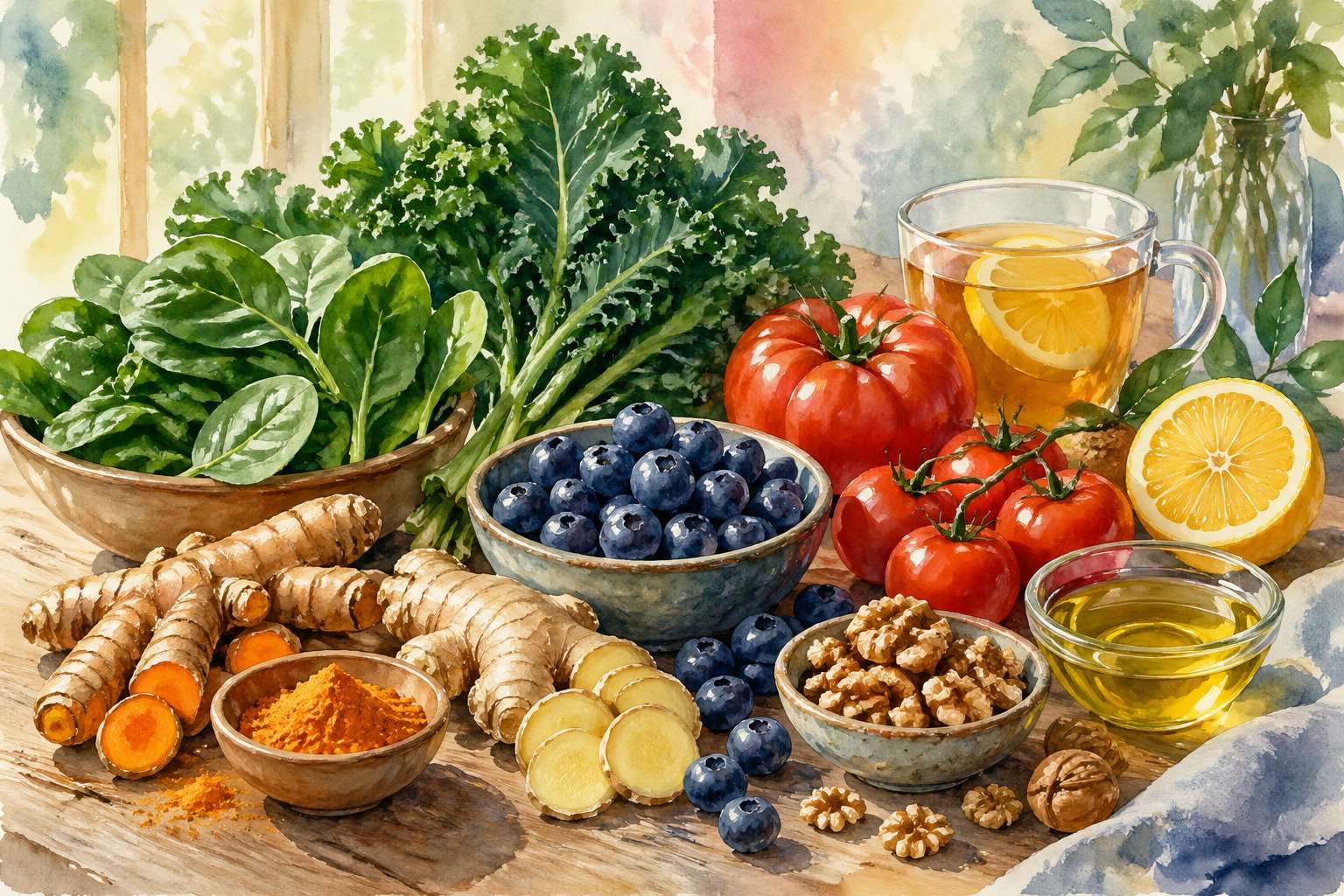
Many people worry that anti-inflammatory eating[1] requires complicated meal prep or giving up favorite foods. The truth is that this style of eating can fit into any lifestyle with a few smart strategies. By understanding which ingredients fight inflammation and learning how to build balanced meals, anyone can make this approach work long-term.
The key to success is starting small and building new habits over time. Rather than overhauling everything at once, people can begin by adding more anti-inflammatory foods[2] to their plates and gradually reducing processed items. This gentle approach makes the transition easier and helps create lasting changes that support better health.
Table of Contents
Key Takeaways
- An anti-inflammatory diet emphasizes whole foods like produce, fish, and healthy fats while avoiding processed items and added sugars
- Planning meals ahead and keeping simple recipes on hand makes anti-inflammatory eating practical for everyday life
- Small, gradual changes to eating habits create sustainable results that help reduce inflammation over time
Core Principles of an Anti-Inflammatory Diet
An anti-inflammatory diet centers on choosing whole, nutrient-dense foods while limiting refined and processed options. The eating pattern emphasizes specific food groups known to combat inflammation, such as colorful vegetables, fatty fish, and foods rich in omega-3 fatty acids.
Defining Anti-Inflammatory Eating Patterns
An anti-inflammatory diet focuses on balance[3] rather than strict elimination of food groups. The approach prioritizes whole, unprocessed foods rich in antioxidants, healthy fats, and fiber.
This eating pattern differs from typical restrictive diets because it’s guided as much by what a person doesn’t eat as what they do eat. The goal is to reduce the body’s inflammatory response through consistent food choices.
Several established eating plans align with anti-inflammatory principles. The Mediterranean diet and DASH diet both follow similar guidelines and provide structured frameworks for those who prefer a specific plan to follow.
The key difference from other diets is the focus on foods that actively fight inflammation rather than simply counting calories or restricting macronutrients.
Foods to Emphasize and Avoid
Foods to emphasize include fruits, vegetables, whole grains, legumes, fatty fish, poultry, nuts, seeds, low-fat dairy, and olive oil. Anti-inflammatory foods contain compounds that help the body manage inflammation naturally.
Specific beneficial components include:
- Omega-3 fatty acids from salmon, mackerel, sardines, tuna, walnuts, and flaxseeds
- Fiber from legumes, whole grains like barley and oats, fruits, and vegetables
- Polyphenols from berries, dark chocolate, tea, apples, and citrus
- Antioxidants from brightly colored produce like tomatoes, carrots, squash, and broccoli
Leafy greens such as spinach and kale provide both omega-3 fatty acids and important nutrients. Nuts and seeds offer healthy fats and protein.
Foods to avoid include ultra-processed items like microwaveable dinners, hot dogs, chicken nuggets, sugary cereals, and processed meats[4]. These products contain high amounts of salt, added sugars, and saturated fat.
White bread, refined cereals, white pasta, and white rice promote inflammation. Butter, cheese, ice cream, and deep-fried foods should be limited.
Sugar substitutes like aspartame and sucralose may trigger inflammation. Stevia and monk fruit are better alternatives.
Role of Minimally Processed Foods
Minimally processed foods form the foundation of anti-inflammatory eating. These foods retain their natural nutrients and lack the additives that promote inflammation in the body.
Ultra-processed foods can change gut bacteria, damage the gut’s lining, and activate inflammatory genes in cells[4]. They have little nutritional value despite being calorie-dense.
Whole grains like oats, barley, and brown rice provide fiber and nutrients that refined versions lack. Fresh vegetables and fruits deliver antioxidants that fight free radicals.
The more a food is processed, the more likely it contains inflammation-promoting ingredients. Choosing foods that come from the ground rather than packages helps reduce inflammatory responses.
Benefits for Long-Term Health
Research shows that reducing inflammation through diet may lower the risk of several chronic conditions. The evidence is strongest for arthritis, gastrointestinal health, heart disease, and diabetes.
Anti-inflammatory eating may also help with cognitive decline and autoimmune diseases. Studies have linked ultra-processed foods to shorter life spans, cancer, heart attacks, and strokes.
The dietary approach supports sustainable weight management by focusing on nutrient-dense foods rather than empty calories. Fiber-rich foods promote satiety and stable blood sugar levels.
Long-term adherence becomes easier because the diet doesn’t require strict calorie counting or elimination of entire food groups. The variety of allowed foods makes meal planning flexible and sustainable.
Essential Anti-Inflammatory Ingredients
Stocking the right foods makes it simple to create meals that fight inflammation every day. The key is choosing ingredients rich in antioxidants, omega-3 fatty acids, and fiber while building flavor with natural herbs and spices.
Best Foods to Stock in Your Kitchen
Berries rank among the most powerful anti-inflammatory ingredients. Blueberries contain anthocyanins that reduce inflammation markers in the body. Raspberries provide similar benefits with high levels of antioxidants. These fruits work well in smoothies, salads, or as quick snacks.
Leafy greens like spinach, kale, and arugula deliver vitamins and minerals that combat oxidative stress. They’re easy to add to chickpea grain bowls[5] or blend into smoothies.
Fresh produce should include cherry tomatoes, zucchini, apple, and pear. These ingredients add natural sweetness and nutrients to meals. Canned options like tomato sauce and cannellini beans offer convenience without sacrificing nutritional value.
Nuts and seeds provide healthy fats and protein. Almonds, walnuts, flaxseed, and chia seeds reduce inflammation when eaten regularly. A handful of nuts makes a satisfying snack, while seeds blend easily into breakfast dishes.
Beans like butter beans and cannellini beans deliver plant-based protein and fiber. They work in soups, salads, and main dishes without requiring extensive preparation.
Building Flavor with Herbs and Spices
Herbs and spices deliver anti-inflammatory benefits while making food taste better. Turmeric contains curcumin, a compound that fights inflammation at the cellular level. It pairs well with chicken, creating dishes like turmeric chicken[6] that are both flavorful and beneficial.
Fresh herbs like cilantro, basil, and parsley add brightness to meals without extra calories. Garlic provides sulfur compounds that reduce inflammation markers. Ginger offers similar benefits and works in both sweet and savory recipes.
Black pepper, cinnamon, and oregano contain antioxidants that support health. These spices enhance flavor naturally, reducing the need for salt or sugar. A well-stocked spice cabinet makes it easy to create variety without relying on processed seasonings.
Importance of Healthy Fats and Whole Grains
Olive oil serves as a cornerstone of anti-inflammatory eating. It contains oleic acid and polyphenols that protect cells from damage. Using olive oil for cooking and dressings adds rich flavor while supporting overall health.
Salmon fillets provide omega-3 fatty acids that actively reduce inflammation. The body cannot produce these essential fats, making fish a critical dietary component. Salmon cooks quickly and pairs well with vegetables for complete meals.
Whole grains like quinoa, brown rice, and farro offer fiber and B vitamins. A quinoa salad provides sustained energy without causing blood sugar spikes. Farro has a nutty taste and chewy texture that works in both warm and cold dishes. Brown rice serves as a reliable base for grain bowls and stir-fries.
These ingredients maintain stable blood sugar levels, which helps control inflammation. Unlike refined grains, whole grains keep their nutrient-rich bran and germ intact.
Planning Anti-Inflammatory Meals With Ease
Success with anti-inflammatory eating comes down to having practical systems in place. The right meal prep strategies, batch cooking methods, and family-friendly approaches make it possible to stick with this eating pattern long-term without spending excessive time in the kitchen.
Meal Prep Tips for Busy Schedules
A beginner-friendly anti-inflammatory meal plan[7] typically includes repeat breakfasts and lunches throughout the week to minimize cooking time. This approach reduces decision fatigue and cuts prep work in half.
Setting aside two hours on Sunday covers most of the week’s needs. Start by washing and chopping vegetables like bell peppers, broccoli, and leafy greens. Store them in airtight containers with a paper towel to absorb moisture.
Cook proteins in bulk for quick assembly later. Bake salmon fillets, grill chicken breasts, or prepare a batch of chickpeas all at once. These become building blocks for different anti-inflammatory meals throughout the week.
Pre-portion snacks into individual containers. Almonds, walnuts, and cut vegetables with hummus stay fresh and grab-and-go ready. This prevents reaching for processed options when hunger strikes between meals.
Smart Batch Cooking and Leftovers
Easy anti-inflammatory recipes[8] work best when they yield multiple servings. Sheet pan dinners with salmon, sweet potatoes, and asparagus create enough food for two or three meals with minimal cleanup.
One-pot dishes like kimchi rice bowls or stuffed sweet potatoes reheat well and maintain their flavor. Cook double portions of these anti-inflammatory dinner recipes to have ready-made lunches or quick dinners later in the week.
Freezer-friendly options extend meal prep benefits even further. Soups, frittatas, and grain bowls freeze for up to three months. Label containers with the date and contents for easy identification.
Elevate Your Health for Just $29.99/Month
Join the Precision Wellness Subscription at My Healing 365 and get discounted services, priority coaching access, virtual care, and exclusive wellness resources to support your physical, emotional, and hormonal health.
Join for $29.99/MonthTransform leftovers into new meals rather than eating identical dishes repeatedly. Yesterday’s roasted chicken becomes today’s salad topping. Cooked quinoa transitions from a dinner side to a breakfast bowl base with berries and nuts.
Making Anti-Inflammatory Eating Family-Friendly
Most anti-inflammatory dinners feature familiar ingredients that appeal to different palates. Start with simple recipes like grilled fish with roasted vegetables or chicken hummus bowls that offer customizable toppings.
Let family members build their own plates from prepared components. Set out cooked chicken, mixed greens, cherry tomatoes, cucumbers, and olive oil-based dressings. Everyone creates a version they enjoy while eating the same anti-inflammatory meals.
Introduce new foods gradually alongside favorites. Serve roasted broccoli with a familiar main dish rather than making an entirely new meal. This reduces resistance and helps expand food preferences over time.
Keep anti-inflammatory snacks visible and accessible. A bowl of fresh fruit on the counter or pre-cut vegetables at eye level in the refrigerator makes healthy choices the easy choice for kids and adults alike.
Simple and Delicious Anti-Inflammatory Recipes
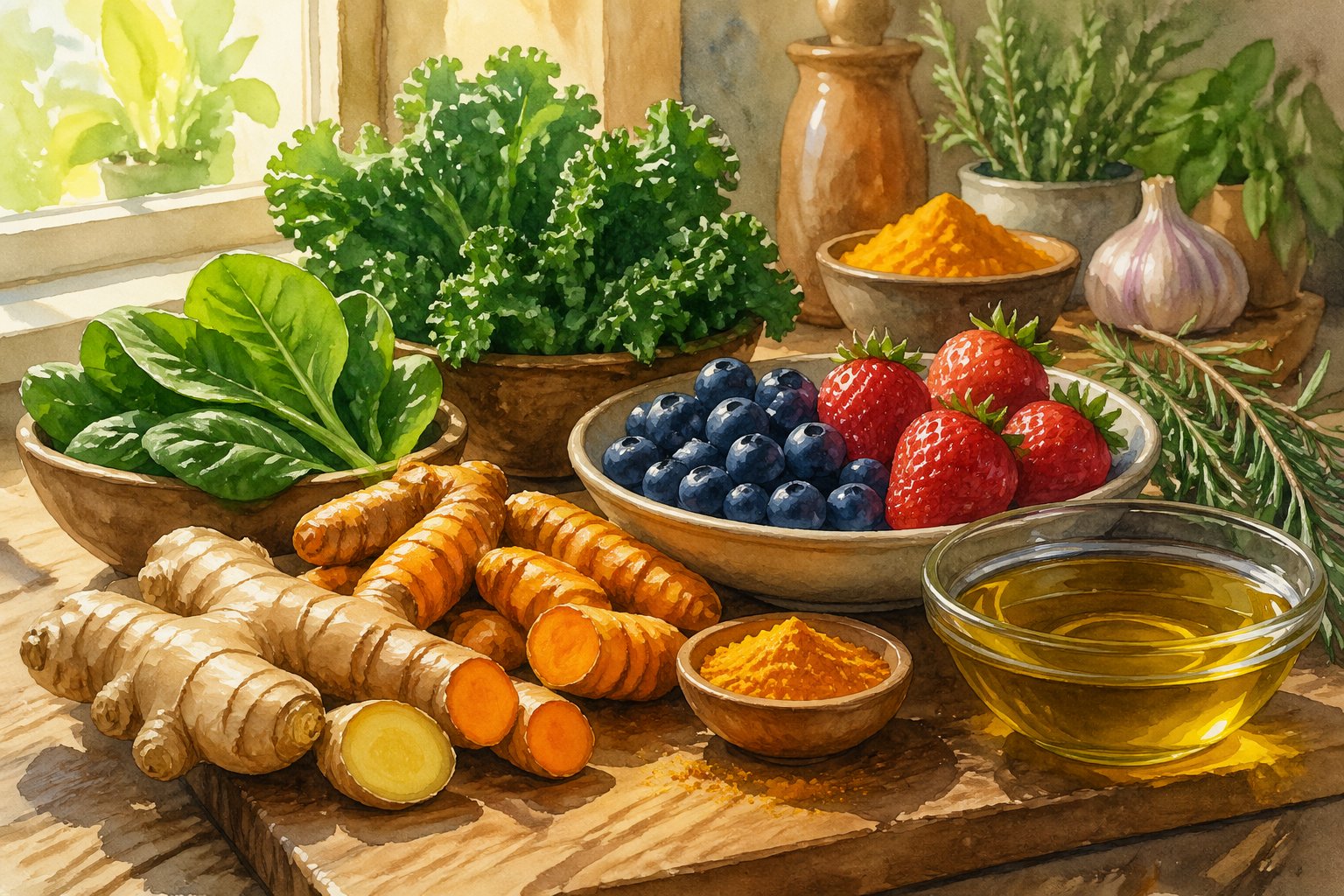
Anti-inflammatory meals don’t require hours in the kitchen or complicated techniques. Simple recipes featuring salmon, leafy greens, colorful vegetables, and warming spices like turmeric deliver powerful nutrients while keeping prep time minimal.
Quick Breakfast Ideas
Starting the day with an anti-inflammatory breakfast[5] sets the tone for balanced eating throughout the day. Smoothies blend easily and pack in nutrients from spinach, berries, and healthy fats. A green smoothie with banana, mango, and pineapple provides natural sweetness while the spinach adds antioxidants without overpowering the taste.
Chia seed smoothies offer another quick option. Blending frozen peaches or berries with almond milk, yogurt, and a tablespoon of chia seeds creates a filling breakfast rich in omega-3 fatty acids and fiber. The chia seeds thicken the smoothie naturally and help stabilize blood sugar levels.
For those who prefer something more substantial, a peanut butter-banana smoothie with ground flaxseed delivers plant-based protein and keeps hunger at bay for hours. These breakfast options require just five minutes of blending time.
Vibrant Lunch Options
Salads built around nutrient-dense ingredients make satisfying midday meals. A kale salad with Brussels sprouts and pear combines fiber-rich greens with a tangy apple-cider vinaigrette that tenderizes the vegetables and adds flavor. Pomegranate arils provide bursts of tartness and additional antioxidants.
Quinoa salad variations offer complete plant-based protein. A chickpea grain bowl with farro, feta, and tomatoes delivers both protein and fiber in a hearty dish. The nutty taste of farro pairs well with tender chickpeas and fresh vegetables.
Burrata salad recipes bring creamy richness to leafy greens. A strawberry and kale combination topped with burrata balances sweet fruit against earthy greens. For a protein boost, salmon salad preparations combine omega-3-rich fish with crisp vegetables and herbs.
White bean salads dressed with lemon-garlic vinaigrette and topped with feta and toasted walnuts require no cooking. These anti-inflammatory meals come together in under 15 minutes.
One-Pan and Sheet Pan Dinners
Sheet pan salmon simplifies weeknight cooking while delivering anti-inflammatory benefits. Roasting salmon fillets with bok choy over rice creates a complete meal where the vegetables soak up the savory miso glaze. This five-ingredient dinner requires minimal cleanup.
A salmon and potatoes combination works well when roasted together with broccoli and bell peppers. One-skillet preparations keep all the flavors together while making cleanup simple. The omega-3s in salmon pair perfectly with fiber-rich vegetables.
Stuffed sweet potatoes offer a vegetable-forward dinner option. Filling roasted sweet potatoes with black beans, avocado, and fresh herbs creates a satisfying meal rich in fiber and healthy fats. These preparations take about 30 minutes from start to finish.
Turmeric chicken sheet pan meals incorporate the powerful anti-inflammatory compound curcumin. Roasting chicken with colorful vegetables and turmeric creates a flavorful dinner that supports joint health and reduces inflammation markers.
Comforting Soups and Stews
Warm soups provide comfort while delivering anti-inflammatory ingredients in every spoonful. A 20-minute black bean soup uses canned beans, fire-roasted tomatoes, and taco seasoning for quick flavor development. Cream cheese adds silky texture without heavy cream.
Creamy chickpea soup comes together in just 20 minutes using pantry staples. The cream cheese creates a velvety base while cilantro and tortilla strips add fresh garnishes. This one-pot meal serves as both lunch and dinner.
Vegetable stew preparations layer different vegetables for complex flavors. Adding white beans or lentils increases protein content and makes the stew more filling. These stews taste even better the next day as flavors meld together.
Sweet potato curry combines warming spices with creamy coconut milk and tender sweet potatoes. Adding chickpeas or lentils boosts the protein while maintaining the plant-based focus. These anti-inflammatory diet recipes[9] support digestive health and blood sugar balance without being restrictive.
Incorporating Favorite Ingredients Into Every Meal
Building anti-inflammatory meals becomes effortless when you focus on versatile ingredients that work across breakfast, lunch, and dinner. The key is choosing nutrient-dense foods like berries, fatty fish, and whole grains that blend easily into familiar dishes.
Using Fruits and Nuts in Snacks and Salads
Blueberries and raspberries add natural sweetness to morning oatmeal or afternoon yogurt bowls. These berries contain antioxidants that help fight inflammation throughout the day.
Walnuts and almonds provide satisfying crunch when sprinkled over salads or eaten as standalone snacks. A handful of nuts and seeds delivers healthy fats and protein between meals. Almond butter works well as a spread on apple slices or stirred into smoothies for extra creaminess.
Cherry tomatoes pair perfectly with burrata or feta in simple salads that come together in minutes. The combination of juicy tomatoes and creamy cheese creates a balanced flavor profile. Tossing fresh berries into leafy greens adds unexpected pops of sweetness that complement tangy vinaigrettes.
Creative Ways to Add Beans and Whole Grains
Whole grains like brown rice, farro, and quinoa form the foundation of satisfying grain bowls. These options cook in batches and store well for quick assembly during busy weekdays.
Cannellini beans and butter beans blend seamlessly into soups, creating creamy textures without added dairy. They also work cold in quinoa salad alongside fresh vegetables and herbs. Chickpeas boost protein content[5] in wraps and sandwiches while adding fiber.
Cooked farro holds up well when mixed with roasted vegetables or tossed with olive oil and lemon. Brown rice serves as a neutral base that absorbs flavors from sauces and seasonings. Preparing larger portions of these grains at the start of the week saves time on hectic evenings.
Satisfying Protein Choices for Anti-Inflammatory Eating
Salmon fillets deliver omega-3 fatty acids that specifically target inflammation in the body. Sheet pan salmon[5] cooks alongside vegetables in under 20 minutes for complete one-pan dinners.
Other fatty fish like mackerel and sardines offer similar benefits with distinct flavors. These proteins work well grilled, baked, or pan-seared with simple seasonings. Rotating between different types of fatty fish throughout the week provides variety while maintaining anti-inflammatory benefits.
Plant-based proteins from beans combine effectively with whole grains to create complete amino acid profiles. This pairing appears in dishes ranging from bean-topped rice bowls to hearty grain salads with mixed vegetables.
Making Anti-Inflammatory Eating Sustainable
Long-term success with anti-inflammatory eating depends on working through practical challenges, customizing meals to fit individual needs, and creating routines that feel natural rather than forced.
Overcoming Common Barriers
Cost concerns often stop people from trying an anti-inflammatory diet. Frozen vegetables and fruits contain the same nutrients as fresh options but cost less. Buying dried beans, lentils, and whole grains in bulk reduces expenses while providing anti-inflammatory foods that last for months.
Time constraints make meal preparation feel impossible for busy schedules. Batch cooking on weekends helps create anti-inflammatory recipes[10] for the entire week. A person can prep vegetables, cook grains, and prepare proteins in advance to assemble quick meals during hectic weekdays.
Limited access to specialty stores should not prevent anyone from eating anti-inflammatory foods. Regular grocery stores stock basic items like olive oil, leafy greens, berries, nuts, and fish. These simple ingredients form the foundation of anti-inflammatory meals without requiring expensive or hard-to-find products.
Adapting Recipes for Dietary Needs
People with food allergies can still follow an anti-inflammatory diet by swapping problem ingredients. Those allergic to nuts can use seeds like pumpkin or sunflower for healthy fats and protein. Fish allergies do not prevent getting omega-3 fatty acids since flaxseeds, chia seeds, and walnuts provide plant-based alternatives.
Vegetarians and vegans need to focus on plant proteins that fight inflammation. Legumes, tofu, tempeh, and quinoa deliver protein without animal products. These foods also provide fiber that supports gut health and reduces inflammation throughout the body.
Cultural food preferences fit naturally into anti-inflammatory eating patterns. Traditional spices like turmeric, ginger, and garlic add flavor while reducing inflammation. A person can maintain their cultural cuisine by emphasizing vegetables, whole grains, and healthy cooking methods like steaming or grilling instead of frying.
Building Consistent Habits That Last
Starting with small changes prevents overwhelm and increases long-term success. Adding one anti-inflammatory meal per day creates momentum without requiring a complete diet overhaul. This gradual approach helps people adjust their taste preferences and shopping habits naturally.
Meal planning removes daily decision-making stress. Writing a weekly menu and shopping list ensures healthy anti-inflammatory meals[8] stay available at home. Planning also prevents last-minute takeout orders that often include processed foods high in inflammatory ingredients.
Tracking how the body responds to anti-inflammatory eating provides motivation to continue. Many people notice reduced joint pain, better energy, and less bloating within weeks. These physical improvements reinforce the habit more effectively than willpower alone.
Frequently Asked Questions
Stocking a kitchen with berries, leafy greens, and fatty fish makes anti-inflammatory eating simpler. Starting with small swaps and understanding which foods to choose or avoid helps beginners build sustainable habits.
What are the top anti-inflammatory foods to keep on hand for quick meals?
Fatty fish like salmon, sardines, and mackerel provide omega-3 fatty acids that fight inflammation. These fish can be grilled, baked, or pan-seared in under 15 minutes for a quick dinner.
Leafy greens such as spinach, kale, and arugula contain vitamins and antioxidants. They work well in salads, smoothies, or sautéed as a side dish.
Berries including blueberries, strawberries, and raspberries are packed with polyphenols. They require no preparation and can be added to breakfast or eaten as snacks.
Nuts and seeds like walnuts, almonds, and flaxseeds offer healthy fats and protein. A handful makes a filling snack or crunchy salad topping.
Olive oil serves as a versatile cooking fat and salad dressing base. Extra virgin olive oil contains the most anti-inflammatory compounds.
How do I start an anti-inflammatory diet as a beginner without feeling overwhelmed?
Beginners should make gradual changes rather than sudden shifts[4] to create lasting habits. Swapping one processed food for a whole food option each week builds momentum without stress.
A simple starting point involves adding one serving of colorful vegetables to each meal. This approach increases nutrient intake while making meals more filling.
Replacing sugary drinks with water or unsweetened tea eliminates a major source of inflammation. This single change can reduce added sugar intake significantly.
Reading ingredient labels helps identify ultra-processed foods to avoid. Products with long lists of unfamiliar ingredients typically contain inflammatory additives.
Planning three to four simple recipes per week reduces decision fatigue. Repeating favorite meals creates consistency while shopping and cooking become easier.
What does a simple 21-day anti-inflammatory meal plan look like?
A 21-day plan focuses on whole foods including vegetables, fruits, whole grains, and lean proteins. Each week introduces different recipes while repeating successful meals.
Week one emphasizes learning basic anti-inflammatory cooking techniques. Breakfast might include oatmeal with berries, lunch features salads with grilled chicken, and dinner incorporates baked fish with roasted vegetables.
Week two adds variety with different protein sources and cooking methods. Meals might include smoothie bowls, grain bowls with beans, and stir-fried vegetables with tofu or shrimp.
Week three combines favorite meals from the previous weeks while trying new recipes. This approach helps identify which dishes work best for individual preferences and schedules.
Meal prep on Sundays saves time during busy weekdays. Cooking large batches of grains, chopping vegetables, and preparing proteins in advance makes assembling meals faster.
How can I reduce inflammation quickly with food choices and meal timing?
Eliminating added sugars provides the fastest impact on inflammation levels. Cutting out sodas, baked goods, and sweetened foods can show effects within days.
Eating more omega-3 rich foods like salmon and walnuts helps balance inflammatory omega-6 fatty acids. This ratio shift supports the body’s natural anti-inflammatory processes.
Adding turmeric, ginger, and garlic to meals provides immediate anti-inflammatory compounds. These spices work best when combined with black pepper to increase absorption.
Eating regular meals every 3-4 hours stabilizes blood sugar and reduces inflammatory spikes. Skipping meals or eating erratically triggers stress responses that promote inflammation.
Staying hydrated with at least eight glasses of water daily helps flush inflammatory compounds. Proper hydration also supports digestion and nutrient absorption.
Which anti-inflammatory foods should I avoid if I have Hashimoto’s disease?
People with Hashimoto’s should limit cruciferous vegetables like raw broccoli, cauliflower, and kale in large amounts. These vegetables contain compounds that can interfere with thyroid function when eaten raw.
Cooking cruciferous vegetables reduces their goitrogenic effects. Steaming, roasting, or sautéing makes these otherwise healthy foods safer for thyroid health.
Gluten may trigger inflammation in some people with Hashimoto’s disease. Many individuals find symptom relief by choosing gluten-free whole grains like rice, quinoa, and oats.
Soy products including tofu, tempeh, and edamame can affect thyroid hormone absorption. Consuming these foods at least four hours away from thyroid medication minimizes interactions.
Nightshade vegetables such as tomatoes, peppers, and eggplants cause problems for some people with autoimmune conditions. Testing individual tolerance helps determine whether these foods need elimination.
What are the easiest anti-inflammatory snacks and breakfasts for busy days?
Hard-boiled eggs prepared in advance provide protein and healthy fats. They stay fresh in the refrigerator for up to one week.
Apple slices with almond butter combine fiber, antioxidants, and anti-inflammatory fats. This snack requires no cooking and takes seconds to prepare.
Greek yogurt with berries and a sprinkle of nuts offers protein and polyphenols. Choosing plain yogurt and adding fresh fruit avoids added sugars.
Overnight oats made with rolled oats, chia seeds, and almond milk can be prepared the night before. Adding cinnamon and berries in the morning creates a complete anti-inflammatory breakfast.
Smoothies blend leafy greens, frozen berries, and protein powder into a portable meal. Making extra servings and freezing them in individual portions saves time on rushed mornings.
Post Views: 4
References
- anti-inflammatory eating. https://www.eatingwell.com/7-day-no-sugar-anti-inflammatory-meal-plan-for-beginners-11948846 Accessed May 6, 2026
- Anti-Inflammatory Diet: Foods List and Benefits. https://health.clevelandclinic.org/anti-inflammatory-diet Accessed May 6, 2026
- Anti-Inflammatory Diet 101: Foods to Eat & Avoid, and a Sample 1-Day Meal Plan. https://welltech.com/content/anti-inflammatory-diet-101 Accessed May 6, 2026
- Quick-start guide to an anti‑inflammation diet. https://www.health.harvard.edu/diet-and-nutrition/quick-start-guide-to-an-antiinflammation-diet Accessed May 6, 2026
- chickpea grain bowls. https://www.eatingwell.com/anti-inflammatory-recipes-you-can-make-in-20-minutes-11856088 Accessed May 6, 2026
- 30 Easy Anti-Inflammatory Recipes From A Dietitian — Maria Lucey Dietitian. https://www.marialuceydietitian.com/anti-inflammatory-recipes/ Accessed May 6, 2026
- beginner-friendly anti-inflammatory meal plan. https://www.eatingwell.com/5-day-anti-inflammatory-meal-plan-for-beginners-11793972 Accessed May 6, 2026
- 15 Anti-Inflammatory Recipes to Make Eating Healthy Feel Easy. https://www.cathydiep.com/healthy-anti-inflammatory-meals/ Accessed May 6, 2026
- 31 Easy Anti-Inflammatory Dinner Recipes for Busy, Tired Nights. https://www.cathydiep.com/easy-anti-inflammatory-dinner-recipes-for-busy-tired-nights/ Accessed May 6, 2026
- 25 Anti-Inflammatory Recipes (From a Nutritionist). https://www.cleaneatingkitchen.com/anti-inflammatory-recipes/ Accessed May 6, 2026

























