Medically Reviewed
Dr. Jose Rossello, MD, PhD, MHCM
Preventive Medicine & Public Health Specialist
Last Reviewed: June 20, 2026
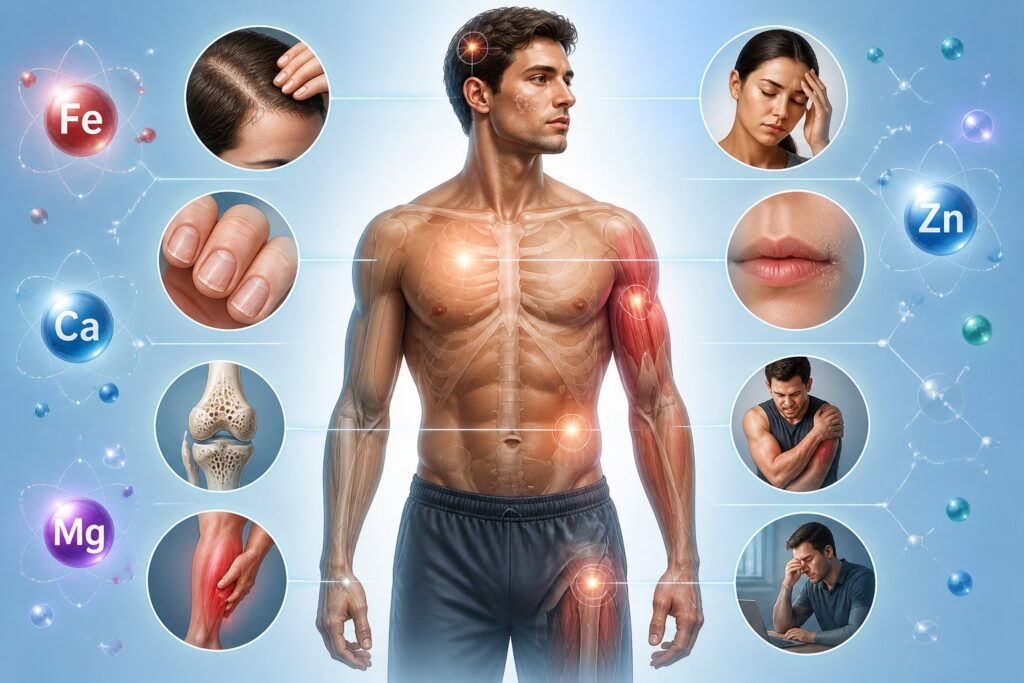
Your body needs minerals to keep your heart beating, your muscles working, and your bones strong. When you don’t get enough of these nutrients, your body sends out warning signals. The key to catching a mineral deficiency early is recognizing subtle symptoms like ongoing fatigue, muscle cramps, brittle nails, or frequent headaches before they turn into bigger health problems.

Many people miss the early warning signs of mineral deficiency[1] because the symptoms start small and build slowly over time. A person might feel tired and blame it on stress or lack of sleep. Someone else might notice their hair thinning or their nails breaking easily. These common complaints often point to specific mineral gaps that can be fixed once identified.
Learning to spot these patterns helps you take action quickly. The good news is that most mineral deficiencies can be addressed through simple changes to diet or supplements once you know what to look for.
Table of Contents
Key Takeaways
- Your body signals mineral deficiencies through symptoms like fatigue, muscle cramps, and changes to your hair, skin, and nails
- Certain groups face higher risk including people with restricted diets, digestive issues, or increased nutrient needs
- Getting proper testing and making targeted dietary changes can prevent and reverse most mineral deficiencies
Essential Minerals and Their Functions
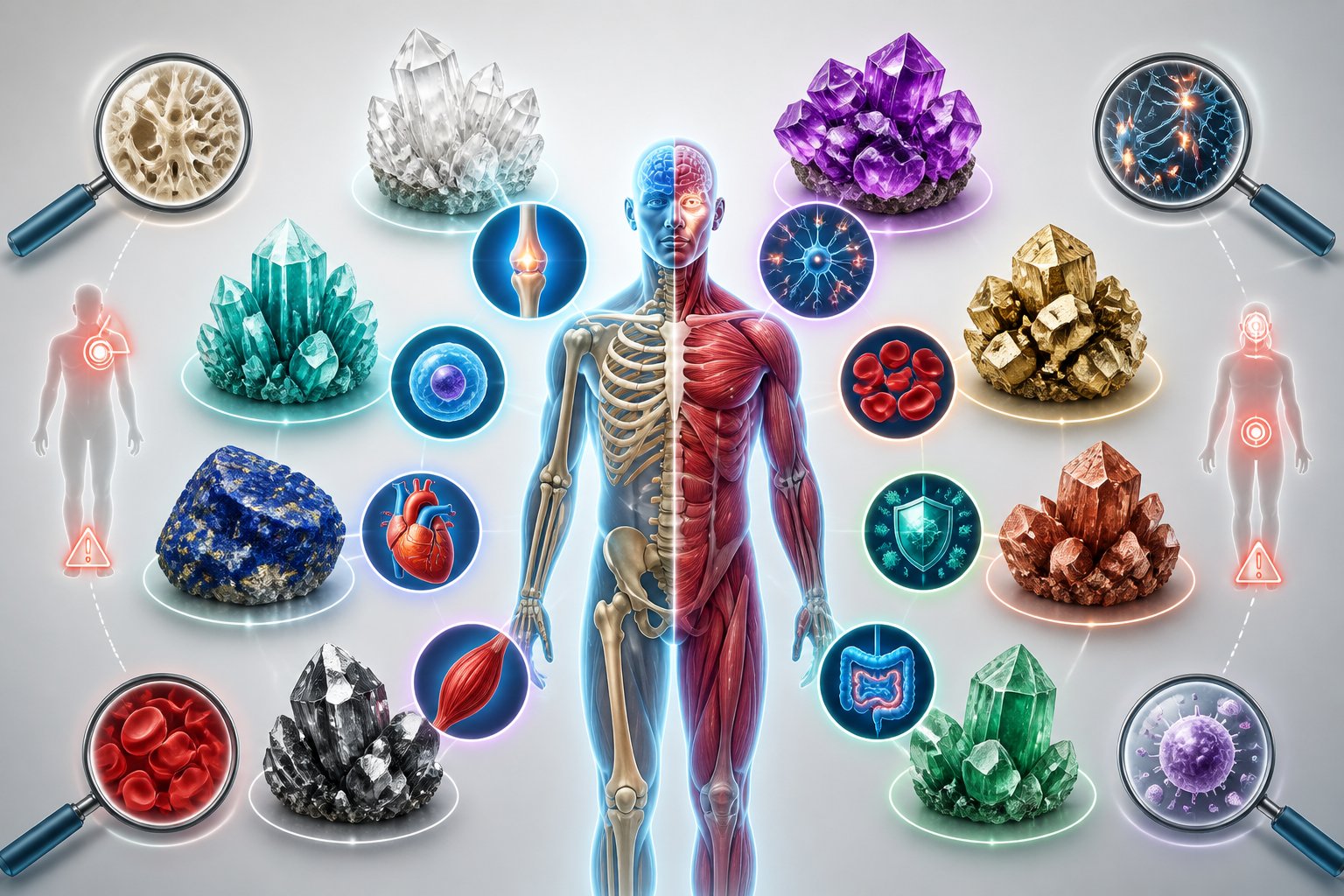
Your body needs minerals to build bones, produce energy, and keep your immune system working. These nutrients fall into two groups based on how much you need, and both play specific roles that keep your body running properly.
Macrominerals vs. Trace Minerals
The body requires macrominerals in amounts greater than 100 milligrams per day. This group includes calcium, phosphorus, magnesium, sodium, potassium, chloride, and sulfur.
Trace minerals are needed in smaller amounts, typically less than 100 milligrams daily. Iron, zinc, copper, manganese, iodine, selenium, fluoride, and chromium make up this category.
Both types are equally important for health. The classification simply reflects how much the body needs, not how essential they are. A person can develop serious health problems from lacking either type of mineral.
Core Roles in Energy, Immunity, and Bone Health
Calcium, magnesium, and phosphorus make up about 98% of the body’s mineral content and are critical for maintaining skeletal structure, cardiovascular health, and neuromuscular function[2]. Calcium builds and maintains strong bones and teeth, while also helping muscles contract and nerves send signals.
Iron carries oxygen in the blood to cells throughout the body. Without enough iron, cells cannot produce energy efficiently, leading to fatigue and weakness.
Zinc supports the immune system by helping white blood cells fight off bacteria and viruses. It also helps wounds heal and supports normal growth during childhood and pregnancy. Magnesium participates in over 300 enzyme reactions, including those that convert food into energy.
Selenium and copper act as antioxidants, protecting cells from damage. Iodine keeps the thyroid gland working properly, which controls metabolism and energy levels throughout the body.
Impact of Soil Depletion and Diet
Modern farming practices have reduced mineral levels in soil, which means crops contain fewer minerals than they did decades ago. Fruits, vegetables, and grains grown in depleted soil provide less nutrition even when people eat the recommended amounts.
Processing removes minerals from foods. White flour contains far less magnesium, zinc, and selenium than whole wheat flour. Refined sugar provides calories but no minerals at all.
People who eat mostly processed foods face higher risks of mineral deficiencies[3]. Those following restricted diets, including strict vegetarians and people avoiding entire food groups, may also struggle to get enough minerals. Certain medical conditions affect how the body absorbs minerals, even when dietary intake seems adequate.
Early Warning Signs to Watch For
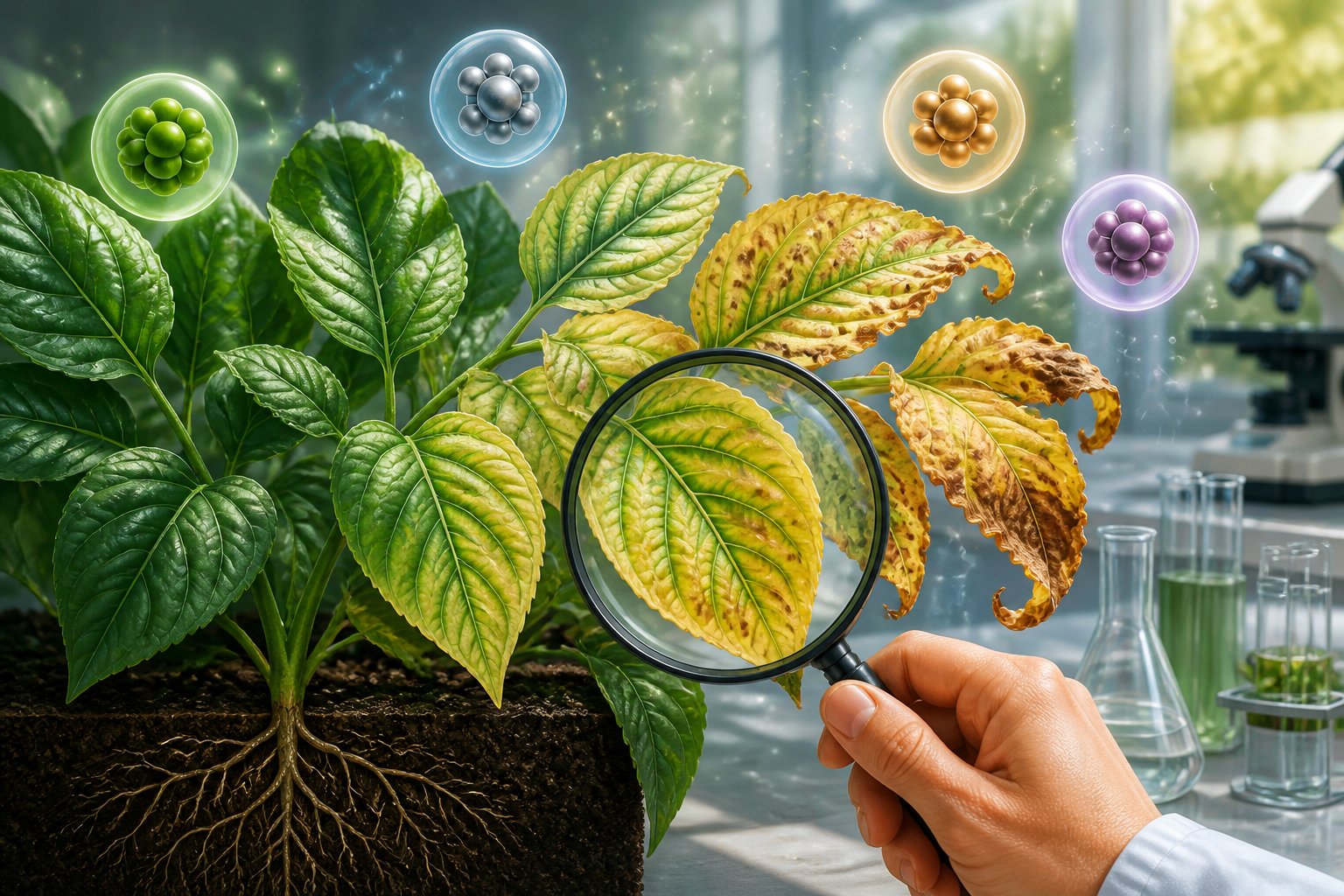
The body sends clear signals when mineral levels drop too low. Recognizing fatigue, muscle cramps, brittle nails, and brain fog[4] can help someone catch a deficiency before it causes serious health problems.
Persistent Fatigue and Low Energy
Persistent fatigue often appears as one of the first signs that something is wrong with mineral levels. Unlike normal tiredness from a busy day, this type of exhaustion doesn’t improve with rest or sleep.
Iron deficiency commonly causes this kind of ongoing tiredness. The body needs iron to make hemoglobin, which carries oxygen through the blood. Without enough oxygen reaching the cells, energy production drops significantly.
Magnesium and potassium deficiencies also lead to low energy. These minerals help convert food into usable energy inside the cells. When levels fall too low, even simple daily tasks can feel overwhelming.
People with persistent fatigue from mineral deficiency[5] may notice they need more sleep than usual but still wake up tired. Physical activity becomes harder, and mental tasks require more effort than they should.
Muscle Cramps and Spasms
Muscle cramps and spasms happen when muscles contract suddenly and won’t relax. These painful episodes often strike at night or during exercise.
Common mineral-related causes:
- Magnesium deficiency – affects muscle relaxation
- Potassium deficiency – disrupts nerve signals to muscles
- Calcium deficiency – interferes with muscle contraction control
- Sodium deficiency – impairs fluid balance around muscle cells
The legs, feet, and calves experience cramps most often. Some people get spasms in their hands, arms, or abdomen. The pain can last from a few seconds to several minutes.
Athletes and older adults face higher risks for these muscle cramps and spasms[6]. Heavy sweating during exercise removes minerals from the body. Age-related changes affect how well the body absorbs and uses minerals.
Brittle Nails, Hair Loss, and Skin Changes
The body’s outer layers show visible signs when mineral levels drop. Nails, hair, and skin all need specific minerals to stay healthy and strong.
Brittle nails that crack, split, or break easily often point to iron or zinc deficiency. The nails may develop ridges, white spots, or a spoon-shaped curve. Some people notice their nails grow more slowly than normal.
Hair loss beyond normal shedding can signal problems with iron, zinc, or selenium. The hair may become thin, dry, or lose its natural color. New hair growth slows down or stops completely.
Skin changes include dryness, rashes, slow wound healing, and unusual paleness. Iron deficiency makes skin look pale because less oxygen reaches the surface. Zinc deficiency can cause red, scaly patches or acne-like breakouts.
These changes in hair or skin texture[7] develop slowly over weeks or months. They often appear alongside other symptoms like fatigue or weakness.
Brain Fog, Mood Swings, and Poor Sleep
Mental and emotional symptoms can be just as serious as physical ones. The brain needs minerals to function properly and regulate mood.
Brain fog makes thinking feel slow and unclear. People struggle to focus, remember things, or make decisions. This mental cloudiness can affect work, school, and daily activities. Iron, magnesium, and zinc all play important roles in brain function.
Mood swings appear as sudden changes between feeling fine and feeling irritable, anxious, or sad. Magnesium helps regulate stress hormones and brain chemicals that control mood. Low levels can make someone feel more stressed or nervous than usual.
Poor sleep and sleep quality problems[8] often go hand in hand with mineral deficiencies. Magnesium helps the body relax and prepare for sleep. Without enough, people may have trouble falling asleep, wake up frequently during the night, or experience restless legs that prevent deep rest.
These mental symptoms often get dismissed or blamed on stress. However, they deserve attention, especially when they occur with physical signs like muscle cramps or fatigue.
Spotting Deficiencies by Symptom Patterns
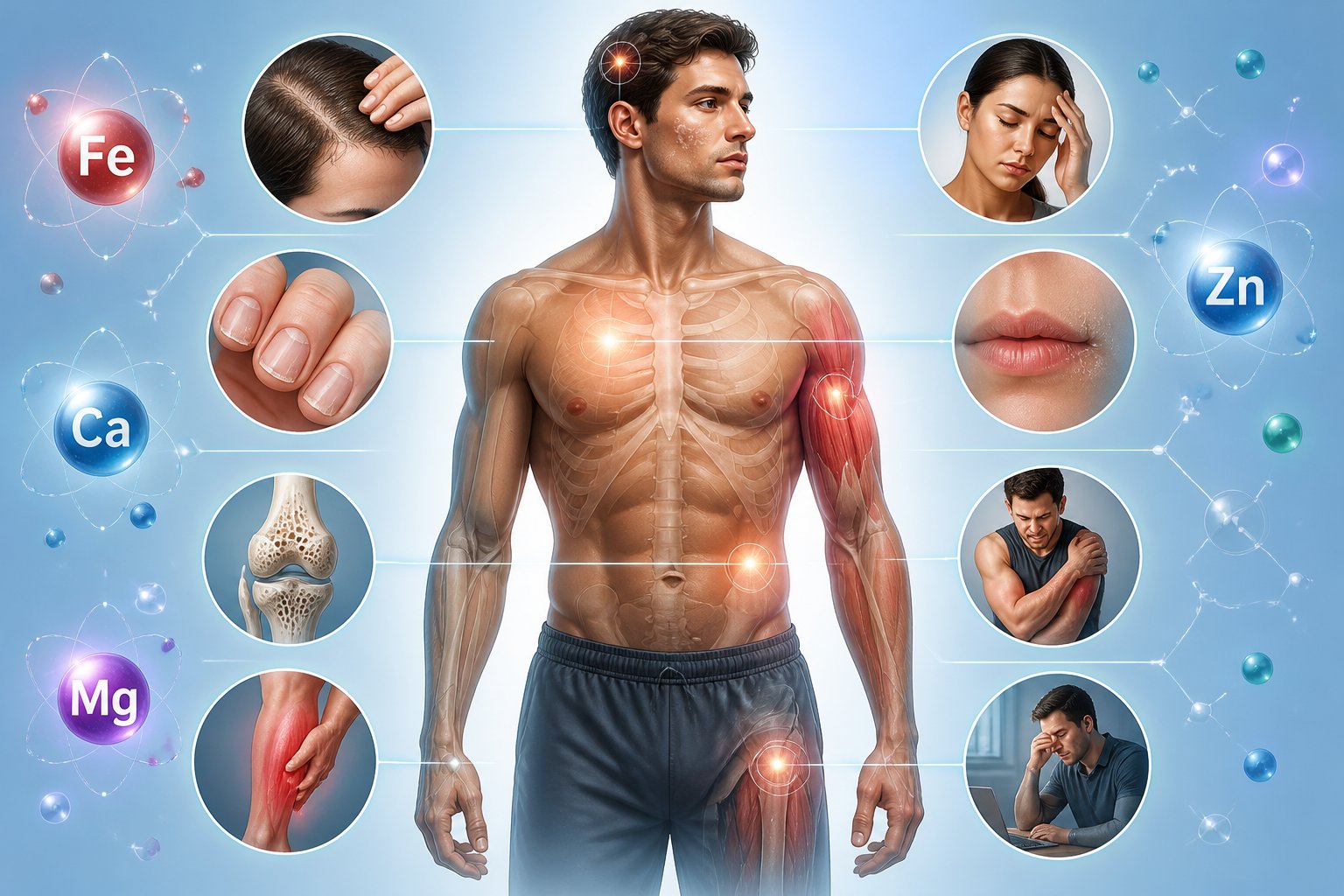
Different minerals create distinct patterns of symptoms in the body. Learning to recognize these specific combinations helps identify which nutrients may be running low.
Telltale Signs of Iron Deficiency
Iron deficiency leads to anemia, which shows up through several clear symptoms. People with low iron often feel tired all the time, even after getting enough sleep. They may notice their skin looks paler than usual, especially around the eyelids and nail beds.
Shortness of breath during normal activities is common with anemia. The heart may beat faster than usual because it works harder to move oxygen through the body.
Some people with iron deficiency develop unusual cravings for non-food items like ice, dirt, or starch. This condition is called pica. Cold hands and feet, brittle nails, and frequent headaches and muscle cramps[9] also point to low iron levels.
Eating iron-rich foods like red meat, beans, spinach, and fortified cereals helps restore levels. Vitamin C improves iron absorption when eaten at the same time.
Recognizing Magnesium Deficiency
Magnesium deficiency often appears as muscle problems first. Leg cramps that happen at night or during exercise are a major clue. The muscles may twitch or spasm without warning.
Fatigue and muscle cramps[4] frequently signal low magnesium stores. People may feel weak or notice their muscles don’t work as well during physical activity. Some develop numbness or tingling in their hands and feet.
Mental symptoms include trouble sleeping, anxiety, and feeling irritable. Magnesium deficiency can trigger headaches and migraines in some people. An irregular heartbeat is a serious sign that requires immediate medical attention.
Green leafy vegetables, nuts, seeds, whole grains, and dark chocolate provide good amounts of magnesium. Many people don’t get enough through diet alone.
Indicators of Calcium and Potassium Deficiency
Low calcium affects bones and muscles over time. Early signs include numbness and tingling in the fingers. Muscle cramps happen more often, especially in the back and legs.
Calcium deficiency weakens bone density gradually. This puts people at higher risk for fractures and osteoporosis as they age. Brittle nails and dry skin may develop.
Potassium deficiency shows different patterns. Muscle weakness is often the first symptom people notice. Fatigue feels overwhelming even with rest. Constipation becomes a regular problem.
An irregular heartbeat is the most serious sign of potassium deficiency. Some people feel their heart flutter or skip beats. Severe cases can cause dangerous heart rhythm problems. Dairy products, leafy greens, and fortified foods provide calcium, while bananas, potatoes, and beans offer potassium.
Clues Pointing to Zinc, Selenium, and Iodine Shortfalls
Zinc deficiency slows down wound healing noticeably. Cuts and scrapes take longer to close and repair. Frequent infections[10] happen because zinc supports immune function.
Hair loss, skin rashes, and white spots on the nails point to low zinc. Taste and smell may become weaker. Children with zinc deficiency often grow more slowly than expected. Good zinc sources include meat, shellfish, legumes, and seeds.
Selenium deficiency weakens the immune system and thyroid function. People may feel tired and mentally foggy. Muscle weakness develops in some cases.
Iodine deficiency affects the thyroid gland directly. The neck may swell as the thyroid enlarges, creating a visible lump called a goiter. Weight gain happens even without eating more food. People feel cold, tired, and may notice their hair thinning. Iodized salt and seafood help prevent iodine deficiency.
Common Causes and Risk Factors
Mineral deficiencies develop through a combination of inadequate intake, poor absorption, and factors that deplete the body’s mineral stores. Understanding these risk factors helps identify who faces the greatest likelihood of developing mineral imbalances.
Dietary Shortfalls and Restricted Diets
Poor eating habits represent the most common pathway to mineral deficiency. People who consume limited varieties of foods or skip entire food groups often miss critical minerals their bodies need daily.
High-Risk Dietary Patterns:
- Strict vegan or vegetarian diets without proper planning
- Elimination diets that remove multiple food categories
- Processed food-heavy eating with minimal whole foods
- Calorie-restricted diets below nutritional needs
Certain populations face elevated risks due to increased mineral requirements. Pregnant women need more iron and calcium to support fetal development. Growing children and teenagers require higher amounts of minerals for bone formation and tissue growth.
People who avoid mineral-rich foods like leafy greens, legumes, whole grains, and lentils commonly develop deficiencies. Those who rely heavily on refined grains instead of whole grains miss out on magnesium, zinc, and other essential minerals stripped during processing. Limited access to diverse food sources also prevents many individuals from obtaining adequate mineral balance through diet alone.
Absorption Issues and Medical Conditions
The body’s ability to extract minerals from food determines whether dietary intake translates into actual mineral absorption. Digestive disorders frequently interfere with this process, creating deficiencies even when people consume mineral-rich foods.
Conditions That Impair Mineral Absorption:
- Celiac disease and inflammatory bowel disease
- Crohn’s disease and ulcerative colitis
- Chronic diarrhea or malabsorption syndromes
- Kidney disease affecting mineral regulation
Stomach acid plays a vital role in breaking down food and releasing minerals. People with low stomach acid production struggle to absorb iron, calcium, and magnesium efficiently. Aging naturally reduces stomach acid levels, putting older adults at higher risk for mineral imbalances.
Surgical procedures that alter the digestive tract also compromise mineral absorption. Gastric bypass and other weight-loss surgeries can limit iron absorption and calcium uptake. Individuals who have undergone these procedures require ongoing monitoring to prevent developing mineral deficiencies over time.
Impact of Medications and Lifestyle Factors
Common medications interfere with how the body processes and retains minerals. Diagnosing mineral deficiencies[11] requires understanding these medication interactions and lifestyle habits that deplete mineral stores.
Medications That Affect Mineral Balance:
- Proton pump inhibitors reduce calcium and magnesium absorption
- Diuretics increase mineral loss through urine
- Antacids bind to minerals and prevent uptake
- Some antibiotics interfere with zinc and iron
Heavy alcohol consumption damages the intestinal lining and reduces the body’s capacity to absorb essential minerals. Regular alcohol use also increases mineral excretion through urine, creating a dual problem of poor absorption and excessive loss.
Athletes and people who sweat heavily lose significant amounts of minerals, particularly sodium, potassium, and magnesium. Without adequate replacement through diet or supplementation, intense physical activity can lead to mineral depletion. Chronic stress elevates cortisol levels, which affects how the body stores and uses minerals like magnesium and zinc.
Testing and Diagnosing Mineral Deficiencies
Medical professionals use blood tests and specialized panels[8] to measure mineral levels in the body. A registered dietitian can help interpret results and create personalized nutrition plans to address deficiencies.
When to Seek Professional Assessment
Persistent symptoms like ongoing fatigue, muscle cramps, or brittle nails warrant a visit to a healthcare provider. The diagnosis process typically begins with a thorough medical history and physical examination[8].
People at higher risk should consider testing even without obvious symptoms. Those following restrictive diets, individuals with digestive disorders, and pregnant women may need regular monitoring.
High-risk groups include:
- Vegans and vegetarians
- People with chronic digestive conditions
- Older adults
- Athletes with intense training schedules
- Individuals taking certain medications
A doctor will assess current symptoms, review dietary habits, and examine physical signs like skin changes or nail abnormalities.
Blood Tests, Mineral Panels, and Advanced Lab Methods
Blood tests remain the most common and reliable way to detect mineral deficiencies. A comprehensive metabolic panel checks calcium, potassium, and other essential minerals in the bloodstream.
Specialized mineral panels can measure specific nutrients like iron, magnesium, zinc, and selenium. These tests can be conducted at a laboratory or through at-home finger-prick kits[12].
Doctors may order additional tests based on initial results:
- Bone density scans to check for calcium and vitamin D deficiencies
- Thyroid function tests to evaluate iodine status
- Urine tests to measure mineral excretion
- Hair analysis for long-term mineral status
Regular blood testing helps identify hidden nutrient deficiencies[13] before they cause serious health problems.
The Role of a Registered Dietitian
A registered dietitian provides expert guidance after a diagnosis of mineral deficiency. They analyze test results alongside eating patterns to identify dietary gaps.
The dietitian creates a personalized nutrition plan that addresses specific deficiencies through food sources. They recommend mineral-rich foods and advise on proper supplementation when diet alone cannot meet needs.
Follow-up appointments allow the dietitian to track progress and adjust recommendations. They also educate patients about food combinations that enhance or block mineral absorption.
Working with a registered dietitian ensures safe and effective treatment. They help prevent over-supplementation and monitor for interactions with medications or other nutrients.
Effective Solutions and Prevention Strategies
Addressing mineral deficiencies requires a combination of smart food choices, targeted supplementation when needed, and lifestyle habits that support how the body uses these nutrients. Simple changes in diet and daily routines can make a significant difference in maintaining proper mineral levels.
Dietary Adjustments and Food-Based Approaches
Eating a variety of nutrient-dense foods provides the foundation for preventing mineral deficiencies[9]. Whole grains, legumes, and leafy greens deliver essential minerals in forms the body readily absorbs.
Key mineral-rich foods include:
- Calcium sources: Dairy products, fortified plant milks, sardines with bones, and dark leafy greens like kale
- Iron sources: Red meat, poultry, beans, lentils, and fortified cereals
- Magnesium: Nuts, seeds, whole grains, and spinach
- Zinc: Oysters, beef, pumpkin seeds, and chickpeas
- Potassium: Bananas, sweet potatoes, white beans, and avocados
People who follow restricted diets need to plan meals carefully. Vegetarians should combine different plant proteins and pair iron-rich foods with vitamin C sources to boost absorption. Those avoiding dairy must seek alternative calcium sources to support bone health.
Smart Use of Mineral Supplements
Mineral supplements fill gaps when diet alone cannot meet nutritional needs. Healthcare providers can determine which supplements are necessary based on blood tests and individual risk factors.
Calcium supplements come in different forms, with calcium citrate absorbing better on an empty stomach than calcium carbonate. Adults typically need 1,000 to 1,200 mg of calcium daily, but splitting doses into 500 mg portions improves absorption.
Iron supplements work best for treating diagnosed deficiencies rather than as preventive measures. Taking them with vitamin C enhances absorption, while coffee and tea can block it. People should avoid taking calcium and iron supplements together since calcium interferes with iron absorption.
Multimineral formulas provide broad-spectrum coverage but may not contain therapeutic doses for specific deficiencies. Single-mineral supplements offer higher concentrations when addressing particular needs.
Supporting Mineral Balance and Absorption
The body’s ability to absorb and use minerals depends on several factors working together. Vitamin D helps the intestines absorb calcium effectively, making it critical for bone health. Without adequate vitamin D, even high calcium intake provides limited benefits.
Proper hydration supports mineral absorption and helps transport nutrients throughout the body. Water also maintains electrolyte balance, which involves minerals like sodium, potassium, and magnesium.
Certain substances block mineral absorption. Phytic acid in grains and legumes binds to minerals, reducing availability. Soaking, sprouting, or fermenting these foods before cooking reduces phytic acid content. Oxalates in spinach and rhubarb can limit calcium absorption from these foods.
Some medications interfere with mineral balance. Proton pump inhibitors reduce stomach acid needed to absorb calcium and magnesium. Diuretics can deplete potassium and magnesium levels.
Lifestyle Changes for Prevention
Regular physical activity strengthens bones and improves how the body uses minerals. Weight-bearing exercises stimulate calcium deposition in bones, supporting bone health throughout life.
Limiting alcohol consumption protects mineral status since excessive drinking interferes with absorption and increases mineral loss through urine. Smoking also depletes several minerals and should be avoided.
Stress management matters because chronic stress affects digestive function and nutrient absorption. It can also increase mineral excretion through urine.
People with specific health conditions need extra attention to mineral intake. Thyroid disorders require adequate iodine and selenium for thyroid support. Those with digestive conditions like celiac disease or Crohn’s disease face higher risks of multiple mineral deficiencies and need regular monitoring.
Getting adequate sleep supports hormone balance, which influences how the body regulates minerals. Poor sleep patterns can disrupt calcium metabolism and affect bone health over time.
Frequently Asked Questions
Many people want to know how to recognize mineral deficiencies early and what steps to take once they suspect a problem. The most common questions involve identifying early warning signs, understanding which deficiencies affect specific groups, and learning how to address these issues through testing and nutrition.
What are the earliest signs and symptoms that may indicate a mineral deficiency?
The earliest signs of mineral deficiency[14] often appear as fatigue, muscle cramps, and headaches. These symptoms can be easy to miss because they seem like normal responses to stress or lack of sleep.
Brittle nails, hair loss, and skin changes may also signal a problem. Some people notice tingling in their hands and feet or experience unusual food cravings.
Mood changes and difficulty concentrating can indicate that the brain is not getting enough minerals to function properly. Since mineral deficiency symptoms can be subtle[1], many people do not realize they have a deficiency until symptoms become more severe.
Which mineral deficiencies are most common, and what symptoms are they typically associated with?
Iron deficiency is one of the most widespread mineral deficiencies worldwide. It causes fatigue, weakness, pale skin, and shortness of breath.
Calcium deficiency can lead to weak bones, muscle cramps, and numbness in the fingers. Magnesium deficiency often shows up as muscle cramps, anxiety, and irregular heartbeat.
Zinc deficiency may cause hair loss, poor wound healing, and a weakened immune system. Potassium deficiency can result in muscle weakness, constipation, and irregular heart rhythms.
Iodine deficiency affects thyroid function and can cause weight gain, fatigue, and difficulty regulating body temperature.
How can I use a symptoms chart to narrow down a possible mineral deficiency?
A symptoms chart lists specific minerals alongside their associated deficiency symptoms. Someone experiencing muscle cramps and fatigue can check the chart to see if these symptoms match calcium, magnesium, or potassium deficiency.
The chart helps narrow down possibilities based on the combination of symptoms present. For example, brittle nails combined with fatigue might point to iron or zinc deficiency rather than other minerals.
However, symptoms often overlap between different deficiencies. This means a chart provides clues but cannot replace proper medical testing for an accurate diagnosis.
What tests can confirm a suspected mineral deficiency, and when should I ask for them?
Blood tests are the most common way to measure mineral levels in the body. A healthcare provider can order specific tests for iron, calcium, magnesium, zinc, and other minerals based on symptoms.
Someone should ask for testing when symptoms persist[4] despite getting adequate rest and nutrition. People with conditions that affect nutrient absorption should also request regular mineral testing.
Some minerals require specialized tests beyond basic blood work. For instance, a red blood cell magnesium test may be more accurate than a standard serum test.
Healthcare providers typically recommend testing when symptoms interfere with daily activities or when someone has risk factors like restrictive diets or digestive disorders.
Are mineral deficiency symptoms different in women, and what should women watch for specifically?
Women have higher iron needs due to menstrual blood loss. Heavy periods can lead to iron deficiency, causing extreme fatigue and dizziness.
Pregnant and breastfeeding women need more calcium, iron, and other minerals to support their baby’s development. Without enough minerals, they may experience bone loss, anemia, and muscle weakness.
Women going through menopause face increased risk of calcium deficiency as hormone changes affect bone density. They should watch for signs like frequent fractures, back pain, and loss of height.
Women who follow restrictive diets or have eating disorders are at higher risk for multiple mineral deficiencies. They may notice hair thinning, irregular periods, and chronic fatigue.
What foods and supplements are commonly recommended to correct mineral deficiencies safely?
Iron-rich foods include red meat, poultry, fish, beans, and fortified cereals. Vitamin C helps the body absorb iron better, so pairing iron foods with citrus fruits or tomatoes improves absorption.
Dairy products, leafy greens, and fortified plant milks provide calcium. Magnesium comes from nuts, seeds, whole grains, and dark chocolate.
Zinc is found in oysters, beef, pumpkin seeds, and lentils. Potassium-rich foods include bananas, sweet potatoes, spinach, and avocados.
Supplements can help when diet alone cannot meet mineral needs. However, taking too much of certain minerals can cause harm and interfere with the absorption of other nutrients.
A healthcare provider should guide supplement choices and dosages based on test results. Some minerals work better when taken with food, while others absorb best on an empty stomach.
Post Views: 6
References
- Top Signs You Might Have a Mineral Deficiency. https://continentalhospitals.com/blog/top-signs-you-might-have-a-mineral-deficiency/ Accessed June 21, 2026
- Attention Required!. https://www.grassrootshealth.net/blog/common-minerals-deficiency-toxicity-can-affect-health/ Accessed June 21, 2026
- Mineral Deficiency. https://www.healthline.com/health/mineral-deficiency Accessed June 21, 2026
- Are You Low in Minerals? How to Spot Deficiencies and What to Test. https://www.wellnessuprooted.com/blog/are-you-low-in-minerals Accessed June 21, 2026
- How to Identify Mineral Deficiencies: Symptoms, Tests, and Smart Supplementation Strategies — Fluxini — Fluxini. https://fluxini.com/article/mineral-deficiency-symptoms-testing-supplementation-guide Accessed June 21, 2026
- Top Signs You Might Have a Mineral Deficiency. https://continentalhospitals.com/blog/top-signs-you-might-have-a-mineral-deficiency Accessed June 21, 2026
- Mineral Deficiency: Common Signs & Prevention Tips. https://wellbeingnutrition.com/blogs/essentials/mineral-deficiency-common-signs-and-prevention-tips Accessed June 21, 2026
- How to Spot and Address Symptoms of Mineral Deficiency. https://www.drberrypierre.com/how-to-spot-and-address-symptoms-of-mineral-deficiency/ Accessed June 21, 2026
- Mineral Deficiency Symptoms & Treatment. https://my.clevelandclinic.org/health/diseases/mineral-deficiency Accessed June 21, 2026
- What Does a Mineral Deficiency Look Like? – Reality Pathing. https://realitypathing.com/what-does-a-mineral-deficiency-look-like/ Accessed June 21, 2026
- Mineral Deficiency: Causes, Symptoms, and Solutions. https://synevit.com/press/mineral-deficiency-guide/ Accessed June 21, 2026
- Macro Tracker — Free Macro Tracking App. https://integrativehealthjournal.com/mineral-deficiency-test-identify-your-needs/ Accessed June 21, 2026
- Essential Blood Tests to Detect Vitamin and Mineral Deficiencies. https://www.healthchek.in/essential-blood-tests-to-check-your-nutrient-levels-bg-199 Accessed June 21, 2026
- How to Detect Nutrient Deficiency from Simple Signs. https://continentalhospitals.com/blog/how-to-detect-nutrient-deficiency-from-simple-signs/ Accessed June 21, 2026

Elevate Your Health for Just $29.99/Month
Join the Precision Wellness Subscription at My Healing 365 and get discounted services, priority coaching access, virtual care, and exclusive wellness resources to support your physical, emotional, and hormonal health.
Join for $29.99/MonthMedically Reviewed
Dr. Jose Rossello, MD, PhD, MHCM
Preventive Medicine & Public Health Specialist
Last Reviewed: June 20, 2026
Your body needs minerals to keep your heart beating, your muscles working, and your bones strong. When you don’t get enough of these nutrients, your body sends out warning signals. The key to catching a mineral deficiency early is recognizing subtle symptoms like ongoing fatigue, muscle cramps, brittle nails, or frequent headaches before they turn into bigger health problems.
Many people miss the early warning signs of mineral deficiency[1] because the symptoms start small and build slowly over time. A person might feel tired and blame it on stress or lack of sleep. Someone else might notice their hair thinning or their nails breaking easily. These common complaints often point to specific mineral gaps that can be fixed once identified.
Learning to spot these patterns helps you take action quickly. The good news is that most mineral deficiencies can be addressed through simple changes to diet or supplements once you know what to look for.
Key Takeaways
- Your body signals mineral deficiencies through symptoms like fatigue, muscle cramps, and changes to your hair, skin, and nails
- Certain groups face higher risk including people with restricted diets, digestive issues, or increased nutrient needs
- Getting proper testing and making targeted dietary changes can prevent and reverse most mineral deficiencies
Essential Minerals and Their Functions
Your body needs minerals to build bones, produce energy, and keep your immune system working. These nutrients fall into two groups based on how much you need, and both play specific roles that keep your body running properly.
Macrominerals vs. Trace Minerals
The body requires macrominerals in amounts greater than 100 milligrams per day. This group includes calcium, phosphorus, magnesium, sodium, potassium, chloride, and sulfur.
Trace minerals are needed in smaller amounts, typically less than 100 milligrams daily. Iron, zinc, copper, manganese, iodine, selenium, fluoride, and chromium make up this category.
Both types are equally important for health. The classification simply reflects how much the body needs, not how essential they are. A person can develop serious health problems from lacking either type of mineral.
Core Roles in Energy, Immunity, and Bone Health
Calcium, magnesium, and phosphorus make up about 98% of the body’s mineral content and are critical for maintaining skeletal structure, cardiovascular health, and neuromuscular function[2]. Calcium builds and maintains strong bones and teeth, while also helping muscles contract and nerves send signals.
Iron carries oxygen in the blood to cells throughout the body. Without enough iron, cells cannot produce energy efficiently, leading to fatigue and weakness.
Zinc supports the immune system by helping white blood cells fight off bacteria and viruses. It also helps wounds heal and supports normal growth during childhood and pregnancy. Magnesium participates in over 300 enzyme reactions, including those that convert food into energy.
Selenium and copper act as antioxidants, protecting cells from damage. Iodine keeps the thyroid gland working properly, which controls metabolism and energy levels throughout the body.
Impact of Soil Depletion and Diet
Modern farming practices have reduced mineral levels in soil, which means crops contain fewer minerals than they did decades ago. Fruits, vegetables, and grains grown in depleted soil provide less nutrition even when people eat the recommended amounts.
Processing removes minerals from foods. White flour contains far less magnesium, zinc, and selenium than whole wheat flour. Refined sugar provides calories but no minerals at all.
People who eat mostly processed foods face higher risks of mineral deficiencies[3]. Those following restricted diets, including strict vegetarians and people avoiding entire food groups, may also struggle to get enough minerals. Certain medical conditions affect how the body absorbs minerals, even when dietary intake seems adequate.
Early Warning Signs to Watch For
The body sends clear signals when mineral levels drop too low. Recognizing fatigue, muscle cramps, brittle nails, and brain fog[4] can help someone catch a deficiency before it causes serious health problems.
Persistent Fatigue and Low Energy
Persistent fatigue often appears as one of the first signs that something is wrong with mineral levels. Unlike normal tiredness from a busy day, this type of exhaustion doesn’t improve with rest or sleep.
Iron deficiency commonly causes this kind of ongoing tiredness. The body needs iron to make hemoglobin, which carries oxygen through the blood. Without enough oxygen reaching the cells, energy production drops significantly.
Magnesium and potassium deficiencies also lead to low energy. These minerals help convert food into usable energy inside the cells. When levels fall too low, even simple daily tasks can feel overwhelming.
People with persistent fatigue from mineral deficiency[5] may notice they need more sleep than usual but still wake up tired. Physical activity becomes harder, and mental tasks require more effort than they should.
Muscle Cramps and Spasms
Muscle cramps and spasms happen when muscles contract suddenly and won’t relax. These painful episodes often strike at night or during exercise.
Common mineral-related causes:
- Magnesium deficiency – affects muscle relaxation
- Potassium deficiency – disrupts nerve signals to muscles
- Calcium deficiency – interferes with muscle contraction control
- Sodium deficiency – impairs fluid balance around muscle cells
The legs, feet, and calves experience cramps most often. Some people get spasms in their hands, arms, or abdomen. The pain can last from a few seconds to several minutes.
Athletes and older adults face higher risks for these muscle cramps and spasms[6]. Heavy sweating during exercise removes minerals from the body. Age-related changes affect how well the body absorbs and uses minerals.
Brittle Nails, Hair Loss, and Skin Changes
The body’s outer layers show visible signs when mineral levels drop. Nails, hair, and skin all need specific minerals to stay healthy and strong.
Brittle nails that crack, split, or break easily often point to iron or zinc deficiency. The nails may develop ridges, white spots, or a spoon-shaped curve. Some people notice their nails grow more slowly than normal.
Hair loss beyond normal shedding can signal problems with iron, zinc, or selenium. The hair may become thin, dry, or lose its natural color. New hair growth slows down or stops completely.
Skin changes include dryness, rashes, slow wound healing, and unusual paleness. Iron deficiency makes skin look pale because less oxygen reaches the surface. Zinc deficiency can cause red, scaly patches or acne-like breakouts.
These changes in hair or skin texture[7] develop slowly over weeks or months. They often appear alongside other symptoms like fatigue or weakness.
Brain Fog, Mood Swings, and Poor Sleep
Mental and emotional symptoms can be just as serious as physical ones. The brain needs minerals to function properly and regulate mood.
Brain fog makes thinking feel slow and unclear. People struggle to focus, remember things, or make decisions. This mental cloudiness can affect work, school, and daily activities. Iron, magnesium, and zinc all play important roles in brain function.
Mood swings appear as sudden changes between feeling fine and feeling irritable, anxious, or sad. Magnesium helps regulate stress hormones and brain chemicals that control mood. Low levels can make someone feel more stressed or nervous than usual.
Poor sleep and sleep quality problems[8] often go hand in hand with mineral deficiencies. Magnesium helps the body relax and prepare for sleep. Without enough, people may have trouble falling asleep, wake up frequently during the night, or experience restless legs that prevent deep rest.
These mental symptoms often get dismissed or blamed on stress. However, they deserve attention, especially when they occur with physical signs like muscle cramps or fatigue.
Spotting Deficiencies by Symptom Patterns
Different minerals create distinct patterns of symptoms in the body. Learning to recognize these specific combinations helps identify which nutrients may be running low.
Telltale Signs of Iron Deficiency
Iron deficiency leads to anemia, which shows up through several clear symptoms. People with low iron often feel tired all the time, even after getting enough sleep. They may notice their skin looks paler than usual, especially around the eyelids and nail beds.
Shortness of breath during normal activities is common with anemia. The heart may beat faster than usual because it works harder to move oxygen through the body.
Some people with iron deficiency develop unusual cravings for non-food items like ice, dirt, or starch. This condition is called pica. Cold hands and feet, brittle nails, and frequent headaches and muscle cramps[9] also point to low iron levels.
Eating iron-rich foods like red meat, beans, spinach, and fortified cereals helps restore levels. Vitamin C improves iron absorption when eaten at the same time.
Recognizing Magnesium Deficiency
Magnesium deficiency often appears as muscle problems first. Leg cramps that happen at night or during exercise are a major clue. The muscles may twitch or spasm without warning.
Fatigue and muscle cramps[4] frequently signal low magnesium stores. People may feel weak or notice their muscles don’t work as well during physical activity. Some develop numbness or tingling in their hands and feet.
Mental symptoms include trouble sleeping, anxiety, and feeling irritable. Magnesium deficiency can trigger headaches and migraines in some people. An irregular heartbeat is a serious sign that requires immediate medical attention.
Green leafy vegetables, nuts, seeds, whole grains, and dark chocolate provide good amounts of magnesium. Many people don’t get enough through diet alone.
Indicators of Calcium and Potassium Deficiency
Low calcium affects bones and muscles over time. Early signs include numbness and tingling in the fingers. Muscle cramps happen more often, especially in the back and legs.
Calcium deficiency weakens bone density gradually. This puts people at higher risk for fractures and osteoporosis as they age. Brittle nails and dry skin may develop.
Potassium deficiency shows different patterns. Muscle weakness is often the first symptom people notice. Fatigue feels overwhelming even with rest. Constipation becomes a regular problem.
An irregular heartbeat is the most serious sign of potassium deficiency. Some people feel their heart flutter or skip beats. Severe cases can cause dangerous heart rhythm problems. Dairy products, leafy greens, and fortified foods provide calcium, while bananas, potatoes, and beans offer potassium.
Clues Pointing to Zinc, Selenium, and Iodine Shortfalls
Zinc deficiency slows down wound healing noticeably. Cuts and scrapes take longer to close and repair. Frequent infections[10] happen because zinc supports immune function.
Hair loss, skin rashes, and white spots on the nails point to low zinc. Taste and smell may become weaker. Children with zinc deficiency often grow more slowly than expected. Good zinc sources include meat, shellfish, legumes, and seeds.
Selenium deficiency weakens the immune system and thyroid function. People may feel tired and mentally foggy. Muscle weakness develops in some cases.
Iodine deficiency affects the thyroid gland directly. The neck may swell as the thyroid enlarges, creating a visible lump called a goiter. Weight gain happens even without eating more food. People feel cold, tired, and may notice their hair thinning. Iodized salt and seafood help prevent iodine deficiency.
Common Causes and Risk Factors
Mineral deficiencies develop through a combination of inadequate intake, poor absorption, and factors that deplete the body’s mineral stores. Understanding these risk factors helps identify who faces the greatest likelihood of developing mineral imbalances.
Dietary Shortfalls and Restricted Diets
Poor eating habits represent the most common pathway to mineral deficiency. People who consume limited varieties of foods or skip entire food groups often miss critical minerals their bodies need daily.
High-Risk Dietary Patterns:
- Strict vegan or vegetarian diets without proper planning
- Elimination diets that remove multiple food categories
- Processed food-heavy eating with minimal whole foods
- Calorie-restricted diets below nutritional needs
Certain populations face elevated risks due to increased mineral requirements. Pregnant women need more iron and calcium to support fetal development. Growing children and teenagers require higher amounts of minerals for bone formation and tissue growth.
People who avoid mineral-rich foods like leafy greens, legumes, whole grains, and lentils commonly develop deficiencies. Those who rely heavily on refined grains instead of whole grains miss out on magnesium, zinc, and other essential minerals stripped during processing. Limited access to diverse food sources also prevents many individuals from obtaining adequate mineral balance through diet alone.
Absorption Issues and Medical Conditions
The body’s ability to extract minerals from food determines whether dietary intake translates into actual mineral absorption. Digestive disorders frequently interfere with this process, creating deficiencies even when people consume mineral-rich foods.
Conditions That Impair Mineral Absorption:
- Celiac disease and inflammatory bowel disease
- Crohn’s disease and ulcerative colitis
- Chronic diarrhea or malabsorption syndromes
- Kidney disease affecting mineral regulation
Stomach acid plays a vital role in breaking down food and releasing minerals. People with low stomach acid production struggle to absorb iron, calcium, and magnesium efficiently. Aging naturally reduces stomach acid levels, putting older adults at higher risk for mineral imbalances.
Surgical procedures that alter the digestive tract also compromise mineral absorption. Gastric bypass and other weight-loss surgeries can limit iron absorption and calcium uptake. Individuals who have undergone these procedures require ongoing monitoring to prevent developing mineral deficiencies over time.
Impact of Medications and Lifestyle Factors
Common medications interfere with how the body processes and retains minerals. Diagnosing mineral deficiencies[11] requires understanding these medication interactions and lifestyle habits that deplete mineral stores.
Medications That Affect Mineral Balance:
- Proton pump inhibitors reduce calcium and magnesium absorption
- Diuretics increase mineral loss through urine
- Antacids bind to minerals and prevent uptake
- Some antibiotics interfere with zinc and iron
Heavy alcohol consumption damages the intestinal lining and reduces the body’s capacity to absorb essential minerals. Regular alcohol use also increases mineral excretion through urine, creating a dual problem of poor absorption and excessive loss.
Athletes and people who sweat heavily lose significant amounts of minerals, particularly sodium, potassium, and magnesium. Without adequate replacement through diet or supplementation, intense physical activity can lead to mineral depletion. Chronic stress elevates cortisol levels, which affects how the body stores and uses minerals like magnesium and zinc.
Testing and Diagnosing Mineral Deficiencies
Medical professionals use blood tests and specialized panels[8] to measure mineral levels in the body. A registered dietitian can help interpret results and create personalized nutrition plans to address deficiencies.
When to Seek Professional Assessment
Persistent symptoms like ongoing fatigue, muscle cramps, or brittle nails warrant a visit to a healthcare provider. The diagnosis process typically begins with a thorough medical history and physical examination[8].
People at higher risk should consider testing even without obvious symptoms. Those following restrictive diets, individuals with digestive disorders, and pregnant women may need regular monitoring.
High-risk groups include:
- Vegans and vegetarians
- People with chronic digestive conditions
- Older adults
- Athletes with intense training schedules
- Individuals taking certain medications
A doctor will assess current symptoms, review dietary habits, and examine physical signs like skin changes or nail abnormalities.
Blood Tests, Mineral Panels, and Advanced Lab Methods
Blood tests remain the most common and reliable way to detect mineral deficiencies. A comprehensive metabolic panel checks calcium, potassium, and other essential minerals in the bloodstream.
Specialized mineral panels can measure specific nutrients like iron, magnesium, zinc, and selenium. These tests can be conducted at a laboratory or through at-home finger-prick kits[12].
Doctors may order additional tests based on initial results:
- Bone density scans to check for calcium and vitamin D deficiencies
- Thyroid function tests to evaluate iodine status
- Urine tests to measure mineral excretion
- Hair analysis for long-term mineral status
Regular blood testing helps identify hidden nutrient deficiencies[13] before they cause serious health problems.
The Role of a Registered Dietitian
A registered dietitian provides expert guidance after a diagnosis of mineral deficiency. They analyze test results alongside eating patterns to identify dietary gaps.
The dietitian creates a personalized nutrition plan that addresses specific deficiencies through food sources. They recommend mineral-rich foods and advise on proper supplementation when diet alone cannot meet needs.
Follow-up appointments allow the dietitian to track progress and adjust recommendations. They also educate patients about food combinations that enhance or block mineral absorption.
Working with a registered dietitian ensures safe and effective treatment. They help prevent over-supplementation and monitor for interactions with medications or other nutrients.
Effective Solutions and Prevention Strategies
Addressing mineral deficiencies requires a combination of smart food choices, targeted supplementation when needed, and lifestyle habits that support how the body uses these nutrients. Simple changes in diet and daily routines can make a significant difference in maintaining proper mineral levels.
Dietary Adjustments and Food-Based Approaches
Eating a variety of nutrient-dense foods provides the foundation for preventing mineral deficiencies[9]. Whole grains, legumes, and leafy greens deliver essential minerals in forms the body readily absorbs.
Key mineral-rich foods include:
- Calcium sources: Dairy products, fortified plant milks, sardines with bones, and dark leafy greens like kale
- Iron sources: Red meat, poultry, beans, lentils, and fortified cereals
- Magnesium: Nuts, seeds, whole grains, and spinach
- Zinc: Oysters, beef, pumpkin seeds, and chickpeas
- Potassium: Bananas, sweet potatoes, white beans, and avocados
People who follow restricted diets need to plan meals carefully. Vegetarians should combine different plant proteins and pair iron-rich foods with vitamin C sources to boost absorption. Those avoiding dairy must seek alternative calcium sources to support bone health.
Smart Use of Mineral Supplements
Mineral supplements fill gaps when diet alone cannot meet nutritional needs. Healthcare providers can determine which supplements are necessary based on blood tests and individual risk factors.
Calcium supplements come in different forms, with calcium citrate absorbing better on an empty stomach than calcium carbonate. Adults typically need 1,000 to 1,200 mg of calcium daily, but splitting doses into 500 mg portions improves absorption.
Iron supplements work best for treating diagnosed deficiencies rather than as preventive measures. Taking them with vitamin C enhances absorption, while coffee and tea can block it. People should avoid taking calcium and iron supplements together since calcium interferes with iron absorption.
Multimineral formulas provide broad-spectrum coverage but may not contain therapeutic doses for specific deficiencies. Single-mineral supplements offer higher concentrations when addressing particular needs.
Supporting Mineral Balance and Absorption
The body’s ability to absorb and use minerals depends on several factors working together. Vitamin D helps the intestines absorb calcium effectively, making it critical for bone health. Without adequate vitamin D, even high calcium intake provides limited benefits.
Proper hydration supports mineral absorption and helps transport nutrients throughout the body. Water also maintains electrolyte balance, which involves minerals like sodium, potassium, and magnesium.
Certain substances block mineral absorption. Phytic acid in grains and legumes binds to minerals, reducing availability. Soaking, sprouting, or fermenting these foods before cooking reduces phytic acid content. Oxalates in spinach and rhubarb can limit calcium absorption from these foods.
Some medications interfere with mineral balance. Proton pump inhibitors reduce stomach acid needed to absorb calcium and magnesium. Diuretics can deplete potassium and magnesium levels.
Lifestyle Changes for Prevention
Regular physical activity strengthens bones and improves how the body uses minerals. Weight-bearing exercises stimulate calcium deposition in bones, supporting bone health throughout life.
Limiting alcohol consumption protects mineral status since excessive drinking interferes with absorption and increases mineral loss through urine. Smoking also depletes several minerals and should be avoided.
Stress management matters because chronic stress affects digestive function and nutrient absorption. It can also increase mineral excretion through urine.
People with specific health conditions need extra attention to mineral intake. Thyroid disorders require adequate iodine and selenium for thyroid support. Those with digestive conditions like celiac disease or Crohn’s disease face higher risks of multiple mineral deficiencies and need regular monitoring.
Getting adequate sleep supports hormone balance, which influences how the body regulates minerals. Poor sleep patterns can disrupt calcium metabolism and affect bone health over time.
Frequently Asked Questions
Many people want to know how to recognize mineral deficiencies early and what steps to take once they suspect a problem. The most common questions involve identifying early warning signs, understanding which deficiencies affect specific groups, and learning how to address these issues through testing and nutrition.
What are the earliest signs and symptoms that may indicate a mineral deficiency?
The earliest signs of mineral deficiency[14] often appear as fatigue, muscle cramps, and headaches. These symptoms can be easy to miss because they seem like normal responses to stress or lack of sleep.
Brittle nails, hair loss, and skin changes may also signal a problem. Some people notice tingling in their hands and feet or experience unusual food cravings.
Mood changes and difficulty concentrating can indicate that the brain is not getting enough minerals to function properly. Since mineral deficiency symptoms can be subtle[1], many people do not realize they have a deficiency until symptoms become more severe.
Which mineral deficiencies are most common, and what symptoms are they typically associated with?
Iron deficiency is one of the most widespread mineral deficiencies worldwide. It causes fatigue, weakness, pale skin, and shortness of breath.
Calcium deficiency can lead to weak bones, muscle cramps, and numbness in the fingers. Magnesium deficiency often shows up as muscle cramps, anxiety, and irregular heartbeat.
Zinc deficiency may cause hair loss, poor wound healing, and a weakened immune system. Potassium deficiency can result in muscle weakness, constipation, and irregular heart rhythms.
Iodine deficiency affects thyroid function and can cause weight gain, fatigue, and difficulty regulating body temperature.
How can I use a symptoms chart to narrow down a possible mineral deficiency?
A symptoms chart lists specific minerals alongside their associated deficiency symptoms. Someone experiencing muscle cramps and fatigue can check the chart to see if these symptoms match calcium, magnesium, or potassium deficiency.
The chart helps narrow down possibilities based on the combination of symptoms present. For example, brittle nails combined with fatigue might point to iron or zinc deficiency rather than other minerals.
However, symptoms often overlap between different deficiencies. This means a chart provides clues but cannot replace proper medical testing for an accurate diagnosis.
What tests can confirm a suspected mineral deficiency, and when should I ask for them?
Blood tests are the most common way to measure mineral levels in the body. A healthcare provider can order specific tests for iron, calcium, magnesium, zinc, and other minerals based on symptoms.
Someone should ask for testing when symptoms persist[4] despite getting adequate rest and nutrition. People with conditions that affect nutrient absorption should also request regular mineral testing.
Some minerals require specialized tests beyond basic blood work. For instance, a red blood cell magnesium test may be more accurate than a standard serum test.
Healthcare providers typically recommend testing when symptoms interfere with daily activities or when someone has risk factors like restrictive diets or digestive disorders.
Are mineral deficiency symptoms different in women, and what should women watch for specifically?
Women have higher iron needs due to menstrual blood loss. Heavy periods can lead to iron deficiency, causing extreme fatigue and dizziness.
Pregnant and breastfeeding women need more calcium, iron, and other minerals to support their baby’s development. Without enough minerals, they may experience bone loss, anemia, and muscle weakness.
Women going through menopause face increased risk of calcium deficiency as hormone changes affect bone density. They should watch for signs like frequent fractures, back pain, and loss of height.
Women who follow restrictive diets or have eating disorders are at higher risk for multiple mineral deficiencies. They may notice hair thinning, irregular periods, and chronic fatigue.
What foods and supplements are commonly recommended to correct mineral deficiencies safely?
Iron-rich foods include red meat, poultry, fish, beans, and fortified cereals. Vitamin C helps the body absorb iron better, so pairing iron foods with citrus fruits or tomatoes improves absorption.
Dairy products, leafy greens, and fortified plant milks provide calcium. Magnesium comes from nuts, seeds, whole grains, and dark chocolate.
Zinc is found in oysters, beef, pumpkin seeds, and lentils. Potassium-rich foods include bananas, sweet potatoes, spinach, and avocados.
Supplements can help when diet alone cannot meet mineral needs. However, taking too much of certain minerals can cause harm and interfere with the absorption of other nutrients.
A healthcare provider should guide supplement choices and dosages based on test results. Some minerals work better when taken with food, while others absorb best on an empty stomach.
Post Views: 6
References
- Top Signs You Might Have a Mineral Deficiency. https://continentalhospitals.com/blog/top-signs-you-might-have-a-mineral-deficiency/ Accessed June 21, 2026
- Attention Required!. https://www.grassrootshealth.net/blog/common-minerals-deficiency-toxicity-can-affect-health/ Accessed June 21, 2026
- Mineral Deficiency. https://www.healthline.com/health/mineral-deficiency Accessed June 21, 2026
- Are You Low in Minerals? How to Spot Deficiencies and What to Test. https://www.wellnessuprooted.com/blog/are-you-low-in-minerals Accessed June 21, 2026
- How to Identify Mineral Deficiencies: Symptoms, Tests, and Smart Supplementation Strategies — Fluxini — Fluxini. https://fluxini.com/article/mineral-deficiency-symptoms-testing-supplementation-guide Accessed June 21, 2026
- Top Signs You Might Have a Mineral Deficiency. https://continentalhospitals.com/blog/top-signs-you-might-have-a-mineral-deficiency Accessed June 21, 2026
- Mineral Deficiency: Common Signs & Prevention Tips. https://wellbeingnutrition.com/blogs/essentials/mineral-deficiency-common-signs-and-prevention-tips Accessed June 21, 2026
- How to Spot and Address Symptoms of Mineral Deficiency. https://www.drberrypierre.com/how-to-spot-and-address-symptoms-of-mineral-deficiency/ Accessed June 21, 2026
- Mineral Deficiency Symptoms & Treatment. https://my.clevelandclinic.org/health/diseases/mineral-deficiency Accessed June 21, 2026
- What Does a Mineral Deficiency Look Like? – Reality Pathing. https://realitypathing.com/what-does-a-mineral-deficiency-look-like/ Accessed June 21, 2026
- Mineral Deficiency: Causes, Symptoms, and Solutions. https://synevit.com/press/mineral-deficiency-guide/ Accessed June 21, 2026
- Macro Tracker — Free Macro Tracking App. https://integrativehealthjournal.com/mineral-deficiency-test-identify-your-needs/ Accessed June 21, 2026
- Essential Blood Tests to Detect Vitamin and Mineral Deficiencies. https://www.healthchek.in/essential-blood-tests-to-check-your-nutrient-levels-bg-199 Accessed June 21, 2026
- How to Detect Nutrient Deficiency from Simple Signs. https://continentalhospitals.com/blog/how-to-detect-nutrient-deficiency-from-simple-signs/ Accessed June 21, 2026

























