Medically Reviewed
Dr. Jose Rossello, MD, PhD, MHCM
Preventive Medicine & Public Health Specialist
Last Reviewed: June 28, 2026
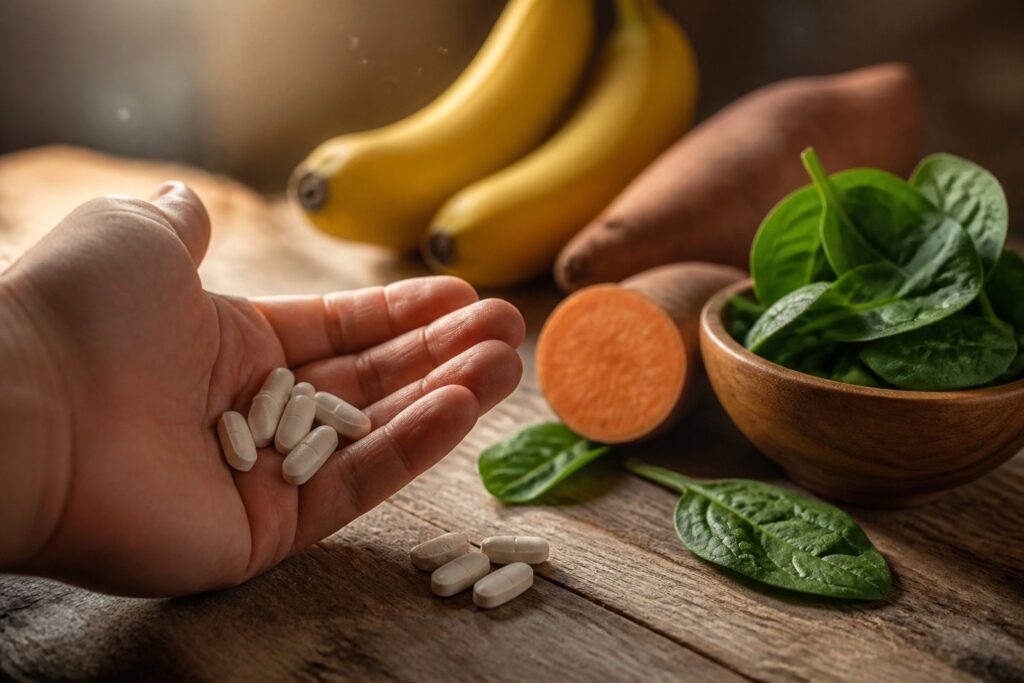
Your heart depends on potassium to function properly every single day. This mineral helps control blood pressure, maintains normal heart rhythm, and supports the electrical signals that make your heart beat. Eating more potassium-rich foods[1] can help control blood pressure by reducing the effects of sodium and relaxing blood vessel walls.
Research shows that increasing potassium intake significantly reduces blood pressure[2] in adults and lowers the risk of serious heart problems. Many people do not get enough potassium because modern diets contain too many processed foods and not enough fresh fruits and vegetables. Understanding how to add more potassium to meals can make a real difference in protecting the heart.
Getting enough potassium does not require complicated meal plans or expensive supplements. Simple changes like eating more beans, leafy greens, and bananas can boost potassium levels naturally. This guide explains how potassium protects the heart, how much people need each day, and which foods provide the most benefit.
Table of Contents
Key Takeaways
- Potassium helps lower blood pressure and reduces the risk of heart disease and stroke
- Adults should aim for at least 3,510 mg of potassium daily from whole foods like vegetables, fruits, and beans
- Most people can meet their potassium needs through diet without needing supplements
The Role of Potassium in Cardiovascular Function
Potassium plays several essential roles in keeping the heart and blood vessels healthy. This mineral helps control blood pressure levels, maintains normal heart rhythm, and supports proper fluid balance throughout the body.
How Potassium Regulates Blood Pressure
Potassium helps control blood pressure[1] by reducing the harmful effects of sodium in the body. When a person consumes more potassium, their kidneys remove more sodium through urine. This process helps prevent sodium from building up and raising blood pressure.
The mineral also relaxes blood vessel walls. When blood vessels relax, they widen and allow blood to flow more easily. This reduces the pressure on artery walls.
Research shows that increasing potassium intake[2] significantly reduces blood pressure in adults. The World Health Organization recommends at least 3,510 mg of potassium daily for adults to help lower the risk of cardiovascular disease, stroke, and coronary heart disease.
People with high blood pressure often benefit from eating more potassium-rich foods. Studies demonstrate that higher potassium consumption from foods may lower both hypertension and the overall risk of cardiovascular disease.
Effects on Heart Rhythm and Muscle Function
The heart muscle needs potassium to beat in a regular, steady rhythm. Potassium ions help create the electrical signals that control each heartbeat. When potassium levels stay balanced, the heart maintains its normal rhythm and pumps blood effectively.
Low potassium levels can cause irregular heartbeats called arrhythmias. These rhythm problems can range from mild to serious. High potassium levels also pose risks and may lead to dangerous heart rhythm disorders.
The heart is a muscle that contracts and relaxes constantly. Potassium works with other minerals to help heart muscle cells contract properly. Each contraction pumps blood throughout the body to deliver oxygen and nutrients.
Fluid Balance and Blood Vessel Health
Potassium helps maintain the right balance of fluids inside and outside of cells. This balance affects blood volume and how much pressure blood puts on vessel walls. When fluid balance stays stable, cardiovascular health[3] improves.
The mineral supports blood vessel flexibility. Healthy, flexible blood vessels can expand and contract as needed. This flexibility reduces strain on the cardiovascular system and helps maintain normal blood pressure.
Potassium works together with sodium to regulate fluid movement in the body. Too much sodium and too little potassium can lead to fluid retention and increased blood pressure. Eating potassium-rich fruits and vegetables helps restore this important balance.
Understanding Potassium Intake Recommendations
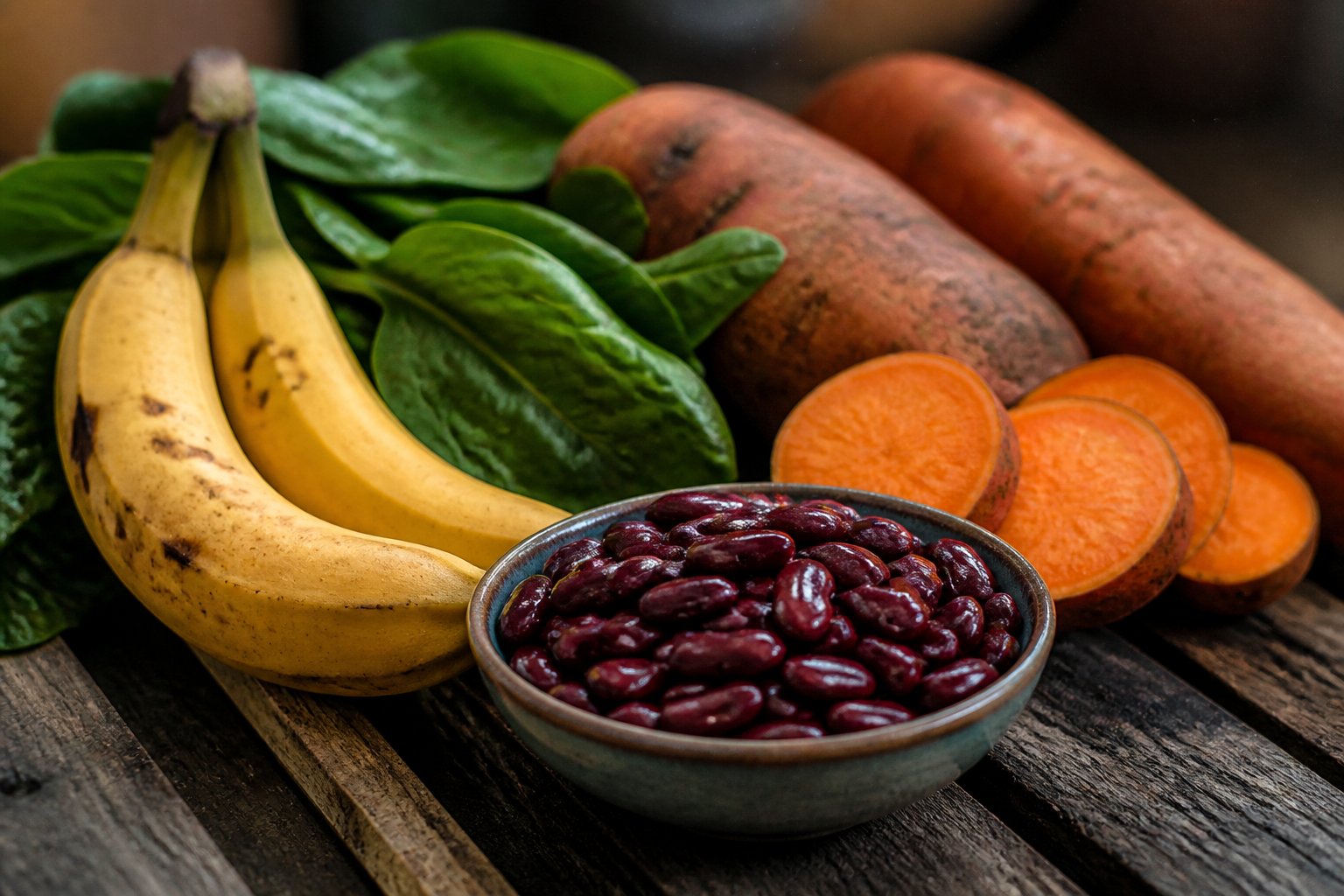
Most adults need specific amounts of potassium daily, yet the majority fall short of these targets. The relationship between potassium and sodium plays a critical role in how effectively this mineral supports cardiovascular health.
Daily Potassium Needs by Age and Gender
Most women should get 2,600 milligrams of potassium[1] per day, while men need 3,400 milligrams daily. These recommendations apply to healthy adults and help maintain proper heart function and blood pressure control.
Children require different amounts based on their age. Younger children need less potassium than teenagers, who approach adult requirements as they grow.
Older adults face unique challenges with potassium intake. Their kidneys become less efficient at processing potassium, which means they need to be more careful about both getting enough dietary potassium and avoiding excessive amounts. Anyone with kidney disease should consult their healthcare provider before increasing potassium foods or taking supplements.
Why Most People Fall Short
The average American consumes significantly less potassium than recommended. Men typically eat about 3,000 mg per day, falling 400 mg short of their target. Women consume roughly 2,300 mg daily, missing their goal by 300 mg.
Modern diets often lack sufficient fruits and vegetables, which are the primary sources of dietary potassium. Processed foods dominate many eating patterns, and these products typically contain minimal potassium while being high in sodium.
Potassium deficiency symptoms[4] may not be obvious, making it easy to overlook this nutritional gap. Many people simply don’t prioritize potassium-rich foods when planning meals.
Balancing Sodium and Potassium
The relationship between these two minerals directly affects cardiovascular health. Potassium helps control blood pressure by blunting the effects of sodium[1], and the more potassium a person eats, the more sodium their body processes out.
Potassium also relaxes blood vessel walls, which contributes to lower blood pressure independently of its sodium-balancing effects. This dual action makes adequate potassium intake particularly important for people concerned about hypertension.
The typical American diet creates an imbalance between these minerals. High sodium intake combined with low potassium consumption creates the worst scenario for heart health. Reversing this pattern by reducing processed foods and eating more potassium foods helps restore the natural balance the body needs for optimal cardiovascular function.
Top Natural Sources of Potassium for Heart Health
Natural sources of potassium include a wide variety of whole foods that can easily fit into daily meals. Fruits like bananas and dates, vegetables such as spinach and potatoes, along with beans, peas, dairy products, and nuts all provide significant amounts of this essential mineral.
Fruits: Bananas, Dates, and More
Bananas are one of the most well-known potassium-rich foods, with a medium banana providing about 450 mg of potassium. This makes them a convenient snack for people looking to increase their intake.
Dates and raisins offer concentrated sources of potassium due to their dried nature. Other fruit options include cantaloupe, honeydew melon, oranges, and grapefruit.
Apricots, prunes, and avocados also rank high among potassium foods. A medium sweet potato contains more than 500 mg of potassium, making it one of the richest sources available.
People can choose fresh, frozen, or dried versions of these fruits. 100% fruit juices like orange juice and prune juice also contribute potassium to the diet.
Vegetables: Spinach, Potatoes, and Parsley
Spinach and other leafy greens provide substantial amounts of potassium while being low in calories. Potatoes, whether white or sweet, are among the best sources beyond bananas[4].
Beets, tomatoes, and mushrooms add variety to potassium intake. Tomato juice and tomato sauce offer concentrated forms that work well in cooking.
Parsley serves as both a garnish and a potassium contributor when used in larger amounts. Other vegetables like squash and carrots provide moderate levels.
When cooking vegetables, using low-sodium broth or tomato juice helps retain potassium content. Fresh, frozen, and canned vegetables all contain this mineral, though canned versions may need rinsing to reduce sodium.
Beans, Peas, and Legumes
White beans are one of the most readily available potassium-rich foods, offering about 1,000 mg per serving. Lima beans also rank high on the list of potassium foods.
Beans and peas provide both plant protein and soluble fiber that support heart health. Lentils offer another legume option packed with potassium and other nutrients.
These foods can be added to soups, salads, or pasta dishes. Canned beans should be rinsed before use to reduce added sodium content.
Legumes fit well into various eating patterns and cuisines. They represent affordable, shelf-stable options for boosting potassium intake throughout the week.
Dairy, Nuts, and Minimally Processed Foods
Fat-free or low-fat milk provides potassium along with calcium and protein. Fat-free, no-sugar-added yogurt delivers multiple nutrients[1] that support cardiovascular health.
Nuts and seeds contain potassium in addition to healthy fats. Almonds, pistachios, and sunflower seeds work well as snacks or salad toppings.
Minimally processed foods retain more of their natural potassium content compared to heavily processed options. Whole grains like quinoa, brown rice, and oats provide moderate amounts.
Fish such as salmon, tuna, and halibut offer potassium along with omega-3 fatty acids. Coconut water has become popular as a natural source of potassium for hydration.
How Potassium-Rich Diets Reduce Cardiovascular Disease Risk
Potassium plays a critical role in protecting the heart by lowering blood pressure, supporting healthy blood vessels, and reducing the likelihood of serious cardiac events. These protective effects work through multiple pathways in the body to decrease the risk of cardiovascular disease.
Lowering Hypertension and Blood Pressure
Increasing potassium intake significantly reduces blood pressure[2] in adults with hypertension. The mineral works by helping the body remove excess sodium through urine, which directly lowers blood pressure levels.
Potassium also helps relax blood vessel walls[1], making it easier for blood to flow through arteries. This dual action makes potassium essential for managing high blood pressure.
The World Health Organization recommends adults consume at least 3,510 mg of potassium daily to reduce blood pressure and cardiovascular risk. Research shows that women who eat potassium-rich foods experience lower blood pressure even when their diets contain high amounts of salt.
Key sources of dietary potassium include:
- Beans and peas
- Nuts
- Vegetables like spinach, cabbage, and parsley
- Fruits such as bananas, papayas, and dates
Supporting Cholesterol and Arterial Health
Potassium contributes to keeping cholesterol levels in check[3] while supporting the health of arterial walls. The mineral helps maintain the electrical balance needed for proper heart muscle function.
Studies suggest that lower potassium intake links to higher cardiovascular disease risk[4] through various mechanisms. Potassium works with sodium to generate electrical signals that enable the heart to contract and relax properly.
A diet high in processed foods typically lacks adequate potassium because food processing removes much of this mineral. Fresh, unrefined foods provide the best sources for maintaining cardiovascular health through improved arterial function.
Prevention of Stroke and Heart Disease
Cardiovascular diseases cause approximately 32% of all deaths worldwide[2], making prevention critical. Evidence shows that potassium-rich diets reduce the risk of stroke and coronary heart disease in adults.
Lower sodium and higher potassium intake links with lower risk of cardiovascular disease in most people. Some research indicates that eating potassium-rich foods like avocados, bananas, and spinach could reduce the risk of heart conditions, hospitalization, and death by 24%.
The protective effect comes from potassium’s ability to counteract the harmful effects of excessive sodium consumption. This combination of reduced blood pressure and improved vascular function creates multiple layers of protection against serious cardiac events.
Potassium Supplementation: Who Needs It and When
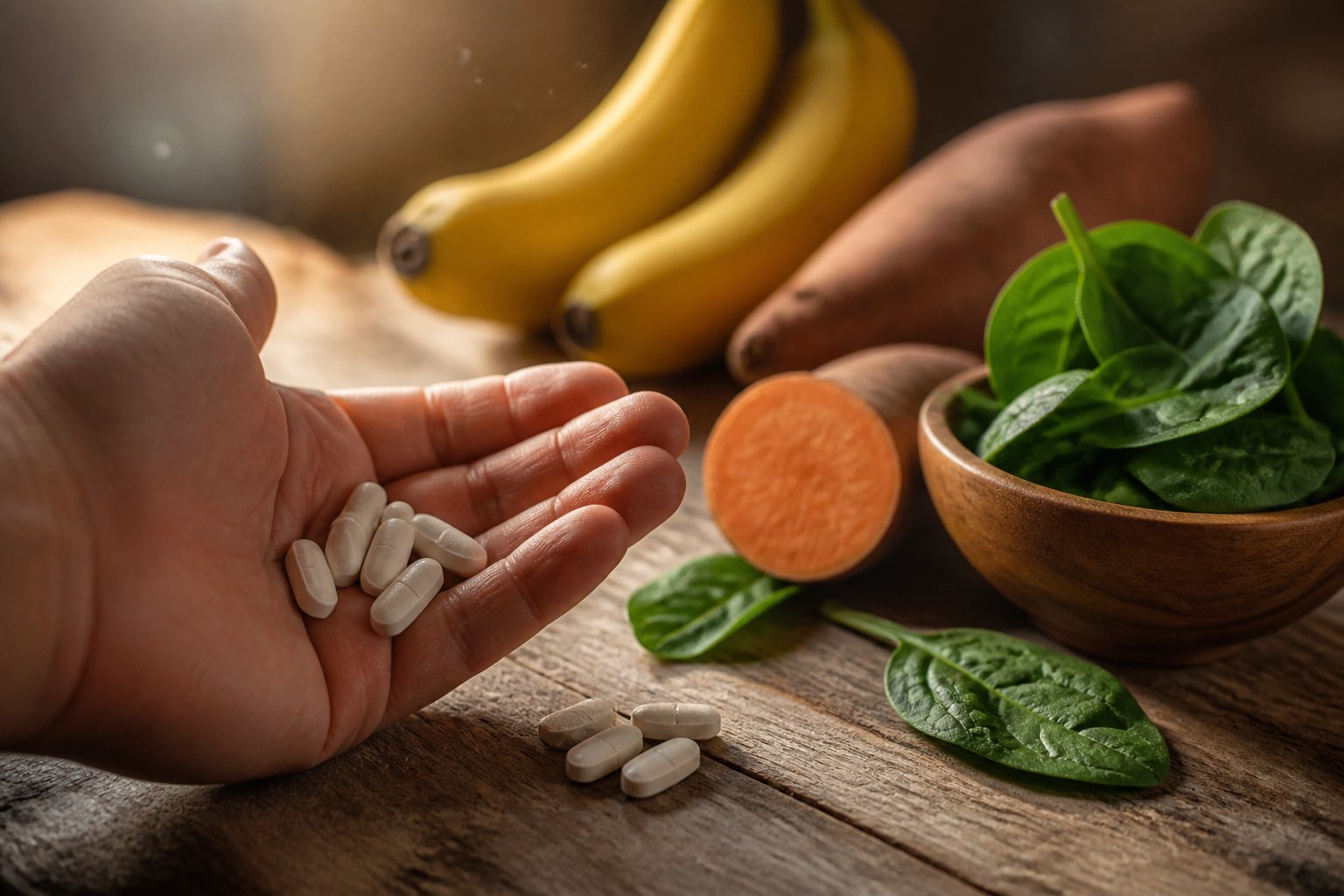
Most people can meet their potassium needs through food alone, but some situations call for supplements. Talking to a doctor before starting supplements[3] is essential because potassium levels need careful monitoring.
When to Consider Potassium Supplements
People who struggle to get enough potassium through their diet may benefit from supplementation. The body cannot meet its potassium needs if someone consistently eats few fruits, vegetables, or other potassium-rich foods.
Certain medications can deplete potassium levels. Some diuretics cause the body to lose more potassium through urine. People taking these medications may need supplements to maintain healthy levels.
Medical conditions sometimes create a need for extra potassium. Doctors may recommend potassium supplementation for patients with specific deficiencies confirmed through blood tests. A healthcare professional should always determine if someone has a true potassium deficiency before starting any supplement regimen.
Who Should Exercise Caution
Older adults need to be careful with potassium because their kidneys become less effective at removing excess amounts from the blood. Too much potassium can be harmful[1] in people with reduced kidney function.
People who should avoid potassium supplements without medical supervision include:
- Those with kidney disease or kidney failure
- Individuals with chronic kidney problems
- Patients taking certain medications that affect potassium levels
- People with conditions that impact fluid balance in the body
Potassium affects how the body manages fluids. When kidneys cannot process potassium properly, it builds up in the blood and creates dangerous health problems. This makes medical guidance critical for anyone considering supplementation.
Medical Advice and Monitoring
Healthcare professionals should prescribe potassium supplements[5] because taking them without proper oversight can easily lead to dangerously high blood levels. A doctor needs to evaluate kidney function and current potassium levels before recommending any supplement.
Regular blood tests help monitor potassium levels during supplementation. These tests ensure levels stay within a safe range and prevent complications. The body needs a precise balance of potassium to function properly.
Doctors consider multiple factors when deciding if someone needs supplements. They review current medications, existing health conditions, kidney function, and dietary intake. This complete assessment helps determine the right approach for each person.
Practical Strategies to Boost Potassium Intake
Choosing whole foods over processed options and building meals around natural sources of potassium helps people meet their daily needs. Simple swaps and meal patterns make it easier to include potassium-rich foods throughout the day.
Using Whole and Minimally Processed Foods
Minimally processed foods provide the most potassium because processing removes much of this mineral from food products. Fresh fruits like bananas, papayas, and dates offer high amounts of dietary potassium in their natural form. Vegetables such as spinach, cabbage, and parsley contain significant levels as well.
Beans and peas serve as excellent plant-based sources. A person can add white beans, lentils, or kidney beans to meals for a potassium boost. Nuts also provide this mineral along with healthy fats and protein.
Fresh produce contains more potassium than canned or packaged versions. When fresh options aren’t available, frozen vegetables and fruits without added salt or sugar work as good alternatives. The key is selecting foods in forms closest to how they grow naturally.
Meal Ideas and Dietary Patterns
Swapping red meat for fish or plant proteins increases potassium intake while supporting heart health. Salmon, tuna, and halibut all contain good amounts of this mineral. Plant proteins like tofu and tempeh provide potassium along with fiber.
Replacing cream-based sauces with tomato sauces adds potassium to pasta and other dishes. Tomatoes and tomato products rank high in this mineral. Adding more leafy greens to sandwiches, salads, and main dishes builds potassium throughout the day.
Snacking on yogurt or kefir instead of chips or crackers provides calcium and potassium together. A breakfast bowl with yogurt, banana slices, and nuts delivers multiple potassium-rich foods in one meal.
Limiting Processed Foods and Sodium
Food processing reduces potassium content while often increasing sodium levels. A diet high in processed foods and low in fresh fruits and vegetables typically lacks adequate potassium. Packaged snacks, frozen meals, and fast food contain less potassium than whole food alternatives.
Reading nutrition labels helps identify products with added sodium and low potassium. People should look for items with less than 140 mg of sodium per serving when choosing packaged foods. Choosing fresh or frozen vegetables without sauces avoids excess sodium.
Making meals at home using whole ingredients gives better control over both potassium and sodium intake. This approach supports blood pressure management by increasing potassium while reducing sodium consumption.
Frequently Asked Questions
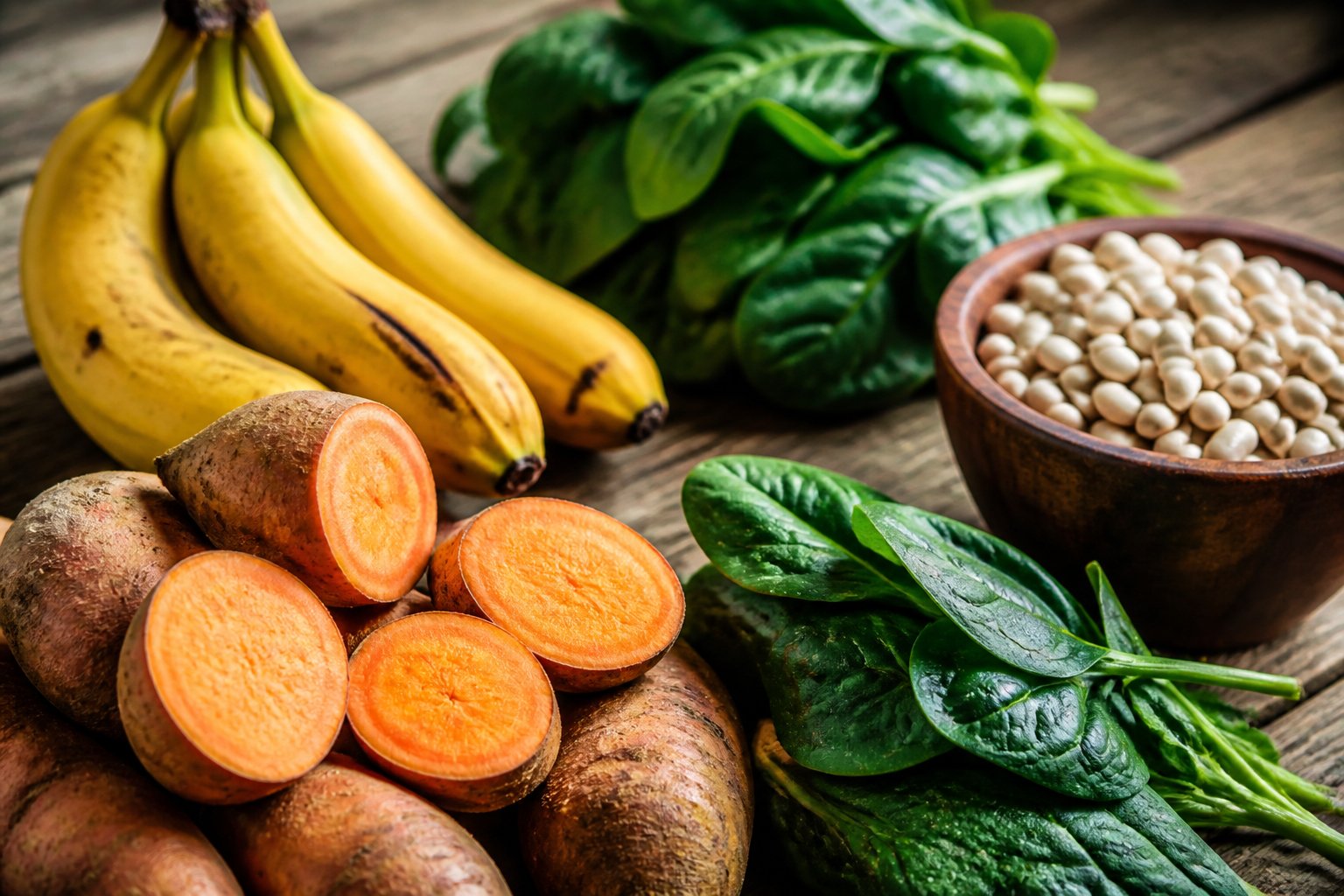
Potassium plays a central role in heart rhythm regulation and blood pressure control, but both deficiency and excess can create serious cardiovascular risks. Understanding the timeline for benefits, recognizing warning signs, and choosing appropriate supplements helps people make informed decisions about their heart health.
Is potassium beneficial for people with heart disease or heart failure?
Potassium can benefit people with heart disease when levels are properly maintained. Potassium helps control blood pressure[1] by counteracting sodium’s effects and relaxing blood vessel walls, which reduces strain on the heart.
However, people with heart failure or certain heart conditions need to monitor their potassium levels carefully. Many heart medications, particularly ACE inhibitors and certain diuretics, can increase potassium levels in the blood. This makes it essential for people with heart disease to work with their healthcare provider before increasing potassium intake through diet or supplements.
People with kidney problems, which often accompany heart disease, may have difficulty removing excess potassium from their body. Their doctors typically monitor potassium levels through regular blood tests.
What are the signs that potassium levels are too low, and how can that affect the heart?
Low potassium levels, called hypokalemia, often develop without obvious symptoms in the early stages. When symptoms do appear, they may include muscle weakness, fatigue, cramps, and constipation.
The heart effects of low potassium can be serious. Insufficient potassium disrupts the electrical signals that control heartbeat, potentially causing irregular heart rhythms called arrhythmias. People may experience heart palpitations, where they feel their heart racing, fluttering, or skipping beats.
Severe potassium deficiency increases the risk of high blood pressure and stroke. Most people in the U.S. don’t get enough potassium in their diets, which increases their risk for cardiovascular diseases.
Can high potassium levels cause dangerous heart rhythm problems?
High potassium levels, called hyperkalemia, can indeed cause life-threatening heart rhythm problems. When potassium levels rise too high, the electrical conduction system of the heart becomes disrupted in different ways than with low potassium.
Excessive potassium can slow the heart rate dangerously or cause it to stop altogether in severe cases. The condition can develop from kidney disease, certain medications, or taking too many potassium supplements. People with impaired kidney function face the highest risk because their bodies cannot efficiently remove excess potassium.
Early symptoms of high potassium may include nausea, weakness, and numbness or tingling sensations. However, dangerous heart rhythm changes can occur before these symptoms appear, which is why people at risk need regular blood monitoring.
How does potassium influence heart rate and electrical conduction?
Potassium is essential for generating and transmitting electrical signals that control each heartbeat. The mineral moves in and out of heart cells to create electrical charges that trigger heart muscle contractions.
When potassium levels stay within the normal range, the heart maintains a steady rhythm of 60 to 100 beats per minute at rest. The electrical signals travel through specific pathways in the heart in a coordinated pattern, ensuring the upper chambers contract before the lower chambers.
Both low and high potassium levels interfere with this electrical system, but in different ways. Low potassium can make the heart overly excitable and prone to extra beats or rapid rhythms. High potassium can slow or block electrical signals, potentially causing the heart to beat too slowly or irregularly.
How long does it typically take for increasing potassium intake to affect blood pressure?
Increasing potassium intake[2] can begin affecting blood pressure within a few weeks, though individual responses vary. Research shows that consistent dietary changes produce more reliable results than short-term increases.
Most studies examining potassium’s effects on blood pressure measure changes over periods ranging from four to twelve weeks. People who maintain higher potassium intake through dietary sources tend to see gradual, sustained reductions in blood pressure readings.
The blood pressure benefits depend on maintaining adequate intake consistently rather than occasional high-potassium meals. People who eat potassium-rich fruits, vegetables, and legumes daily typically experience better outcomes than those with inconsistent dietary patterns.
Which potassium supplement forms are most appropriate for supporting cardiovascular health?
Potassium chloride is the most common form used in supplements and is generally well-absorbed by the body. This form provides the potassium needed for heart function while also replacing chloride, another important electrolyte.
Potassium citrate offers an alternative that may benefit people who need to reduce dietary acid load. Some healthcare providers recommend this form for people with certain kidney conditions or those taking medications that affect acid-base balance.
However, most people should obtain potassium through food rather than supplements. Over-the-counter potassium supplements are limited to 99 milligrams per dose because higher amounts require medical supervision. Whole foods provide potassium along with fiber, vitamins, and other nutrients that work together to support heart health without the risk of dangerous potassium spikes.
Post Views: 11

Elevate Your Health for Just $29.99/Month
Join the Precision Wellness Subscription at My Healing 365 and get discounted services, priority coaching access, virtual care, and exclusive wellness resources to support your physical, emotional, and hormonal health.
Join for $29.99/MonthMedically Reviewed
Dr. Jose Rossello, MD, PhD, MHCM
Preventive Medicine & Public Health Specialist
Last Reviewed: June 28, 2026
Your heart depends on potassium to function properly every single day. This mineral helps control blood pressure, maintains normal heart rhythm, and supports the electrical signals that make your heart beat. Eating more potassium-rich foods[1] can help control blood pressure by reducing the effects of sodium and relaxing blood vessel walls.
Research shows that increasing potassium intake significantly reduces blood pressure[2] in adults and lowers the risk of serious heart problems. Many people do not get enough potassium because modern diets contain too many processed foods and not enough fresh fruits and vegetables. Understanding how to add more potassium to meals can make a real difference in protecting the heart.
Getting enough potassium does not require complicated meal plans or expensive supplements. Simple changes like eating more beans, leafy greens, and bananas can boost potassium levels naturally. This guide explains how potassium protects the heart, how much people need each day, and which foods provide the most benefit.
Key Takeaways
- Potassium helps lower blood pressure and reduces the risk of heart disease and stroke
- Adults should aim for at least 3,510 mg of potassium daily from whole foods like vegetables, fruits, and beans
- Most people can meet their potassium needs through diet without needing supplements
The Role of Potassium in Cardiovascular Function
Potassium plays several essential roles in keeping the heart and blood vessels healthy. This mineral helps control blood pressure levels, maintains normal heart rhythm, and supports proper fluid balance throughout the body.
How Potassium Regulates Blood Pressure
Potassium helps control blood pressure[1] by reducing the harmful effects of sodium in the body. When a person consumes more potassium, their kidneys remove more sodium through urine. This process helps prevent sodium from building up and raising blood pressure.
The mineral also relaxes blood vessel walls. When blood vessels relax, they widen and allow blood to flow more easily. This reduces the pressure on artery walls.
Research shows that increasing potassium intake[2] significantly reduces blood pressure in adults. The World Health Organization recommends at least 3,510 mg of potassium daily for adults to help lower the risk of cardiovascular disease, stroke, and coronary heart disease.
People with high blood pressure often benefit from eating more potassium-rich foods. Studies demonstrate that higher potassium consumption from foods may lower both hypertension and the overall risk of cardiovascular disease.
Effects on Heart Rhythm and Muscle Function
The heart muscle needs potassium to beat in a regular, steady rhythm. Potassium ions help create the electrical signals that control each heartbeat. When potassium levels stay balanced, the heart maintains its normal rhythm and pumps blood effectively.
Low potassium levels can cause irregular heartbeats called arrhythmias. These rhythm problems can range from mild to serious. High potassium levels also pose risks and may lead to dangerous heart rhythm disorders.
The heart is a muscle that contracts and relaxes constantly. Potassium works with other minerals to help heart muscle cells contract properly. Each contraction pumps blood throughout the body to deliver oxygen and nutrients.
Fluid Balance and Blood Vessel Health
Potassium helps maintain the right balance of fluids inside and outside of cells. This balance affects blood volume and how much pressure blood puts on vessel walls. When fluid balance stays stable, cardiovascular health[3] improves.
The mineral supports blood vessel flexibility. Healthy, flexible blood vessels can expand and contract as needed. This flexibility reduces strain on the cardiovascular system and helps maintain normal blood pressure.
Potassium works together with sodium to regulate fluid movement in the body. Too much sodium and too little potassium can lead to fluid retention and increased blood pressure. Eating potassium-rich fruits and vegetables helps restore this important balance.
Understanding Potassium Intake Recommendations
Most adults need specific amounts of potassium daily, yet the majority fall short of these targets. The relationship between potassium and sodium plays a critical role in how effectively this mineral supports cardiovascular health.
Daily Potassium Needs by Age and Gender
Most women should get 2,600 milligrams of potassium[1] per day, while men need 3,400 milligrams daily. These recommendations apply to healthy adults and help maintain proper heart function and blood pressure control.
Children require different amounts based on their age. Younger children need less potassium than teenagers, who approach adult requirements as they grow.
Older adults face unique challenges with potassium intake. Their kidneys become less efficient at processing potassium, which means they need to be more careful about both getting enough dietary potassium and avoiding excessive amounts. Anyone with kidney disease should consult their healthcare provider before increasing potassium foods or taking supplements.
Why Most People Fall Short
The average American consumes significantly less potassium than recommended. Men typically eat about 3,000 mg per day, falling 400 mg short of their target. Women consume roughly 2,300 mg daily, missing their goal by 300 mg.
Modern diets often lack sufficient fruits and vegetables, which are the primary sources of dietary potassium. Processed foods dominate many eating patterns, and these products typically contain minimal potassium while being high in sodium.
Potassium deficiency symptoms[4] may not be obvious, making it easy to overlook this nutritional gap. Many people simply don’t prioritize potassium-rich foods when planning meals.
Balancing Sodium and Potassium
The relationship between these two minerals directly affects cardiovascular health. Potassium helps control blood pressure by blunting the effects of sodium[1], and the more potassium a person eats, the more sodium their body processes out.
Potassium also relaxes blood vessel walls, which contributes to lower blood pressure independently of its sodium-balancing effects. This dual action makes adequate potassium intake particularly important for people concerned about hypertension.
The typical American diet creates an imbalance between these minerals. High sodium intake combined with low potassium consumption creates the worst scenario for heart health. Reversing this pattern by reducing processed foods and eating more potassium foods helps restore the natural balance the body needs for optimal cardiovascular function.
Top Natural Sources of Potassium for Heart Health
Natural sources of potassium include a wide variety of whole foods that can easily fit into daily meals. Fruits like bananas and dates, vegetables such as spinach and potatoes, along with beans, peas, dairy products, and nuts all provide significant amounts of this essential mineral.
Fruits: Bananas, Dates, and More
Bananas are one of the most well-known potassium-rich foods, with a medium banana providing about 450 mg of potassium. This makes them a convenient snack for people looking to increase their intake.
Dates and raisins offer concentrated sources of potassium due to their dried nature. Other fruit options include cantaloupe, honeydew melon, oranges, and grapefruit.
Apricots, prunes, and avocados also rank high among potassium foods. A medium sweet potato contains more than 500 mg of potassium, making it one of the richest sources available.
People can choose fresh, frozen, or dried versions of these fruits. 100% fruit juices like orange juice and prune juice also contribute potassium to the diet.
Vegetables: Spinach, Potatoes, and Parsley
Spinach and other leafy greens provide substantial amounts of potassium while being low in calories. Potatoes, whether white or sweet, are among the best sources beyond bananas[4].
Beets, tomatoes, and mushrooms add variety to potassium intake. Tomato juice and tomato sauce offer concentrated forms that work well in cooking.
Parsley serves as both a garnish and a potassium contributor when used in larger amounts. Other vegetables like squash and carrots provide moderate levels.
When cooking vegetables, using low-sodium broth or tomato juice helps retain potassium content. Fresh, frozen, and canned vegetables all contain this mineral, though canned versions may need rinsing to reduce sodium.
Beans, Peas, and Legumes
White beans are one of the most readily available potassium-rich foods, offering about 1,000 mg per serving. Lima beans also rank high on the list of potassium foods.
Beans and peas provide both plant protein and soluble fiber that support heart health. Lentils offer another legume option packed with potassium and other nutrients.
These foods can be added to soups, salads, or pasta dishes. Canned beans should be rinsed before use to reduce added sodium content.
Legumes fit well into various eating patterns and cuisines. They represent affordable, shelf-stable options for boosting potassium intake throughout the week.
Dairy, Nuts, and Minimally Processed Foods
Fat-free or low-fat milk provides potassium along with calcium and protein. Fat-free, no-sugar-added yogurt delivers multiple nutrients[1] that support cardiovascular health.
Nuts and seeds contain potassium in addition to healthy fats. Almonds, pistachios, and sunflower seeds work well as snacks or salad toppings.
Minimally processed foods retain more of their natural potassium content compared to heavily processed options. Whole grains like quinoa, brown rice, and oats provide moderate amounts.
Fish such as salmon, tuna, and halibut offer potassium along with omega-3 fatty acids. Coconut water has become popular as a natural source of potassium for hydration.
How Potassium-Rich Diets Reduce Cardiovascular Disease Risk
Potassium plays a critical role in protecting the heart by lowering blood pressure, supporting healthy blood vessels, and reducing the likelihood of serious cardiac events. These protective effects work through multiple pathways in the body to decrease the risk of cardiovascular disease.
Lowering Hypertension and Blood Pressure
Increasing potassium intake significantly reduces blood pressure[2] in adults with hypertension. The mineral works by helping the body remove excess sodium through urine, which directly lowers blood pressure levels.
Potassium also helps relax blood vessel walls[1], making it easier for blood to flow through arteries. This dual action makes potassium essential for managing high blood pressure.
The World Health Organization recommends adults consume at least 3,510 mg of potassium daily to reduce blood pressure and cardiovascular risk. Research shows that women who eat potassium-rich foods experience lower blood pressure even when their diets contain high amounts of salt.
Key sources of dietary potassium include:
- Beans and peas
- Nuts
- Vegetables like spinach, cabbage, and parsley
- Fruits such as bananas, papayas, and dates
Supporting Cholesterol and Arterial Health
Potassium contributes to keeping cholesterol levels in check[3] while supporting the health of arterial walls. The mineral helps maintain the electrical balance needed for proper heart muscle function.
Studies suggest that lower potassium intake links to higher cardiovascular disease risk[4] through various mechanisms. Potassium works with sodium to generate electrical signals that enable the heart to contract and relax properly.
A diet high in processed foods typically lacks adequate potassium because food processing removes much of this mineral. Fresh, unrefined foods provide the best sources for maintaining cardiovascular health through improved arterial function.
Prevention of Stroke and Heart Disease
Cardiovascular diseases cause approximately 32% of all deaths worldwide[2], making prevention critical. Evidence shows that potassium-rich diets reduce the risk of stroke and coronary heart disease in adults.
Lower sodium and higher potassium intake links with lower risk of cardiovascular disease in most people. Some research indicates that eating potassium-rich foods like avocados, bananas, and spinach could reduce the risk of heart conditions, hospitalization, and death by 24%.
The protective effect comes from potassium’s ability to counteract the harmful effects of excessive sodium consumption. This combination of reduced blood pressure and improved vascular function creates multiple layers of protection against serious cardiac events.
Potassium Supplementation: Who Needs It and When
Most people can meet their potassium needs through food alone, but some situations call for supplements. Talking to a doctor before starting supplements[3] is essential because potassium levels need careful monitoring.
When to Consider Potassium Supplements
People who struggle to get enough potassium through their diet may benefit from supplementation. The body cannot meet its potassium needs if someone consistently eats few fruits, vegetables, or other potassium-rich foods.
Certain medications can deplete potassium levels. Some diuretics cause the body to lose more potassium through urine. People taking these medications may need supplements to maintain healthy levels.
Medical conditions sometimes create a need for extra potassium. Doctors may recommend potassium supplementation for patients with specific deficiencies confirmed through blood tests. A healthcare professional should always determine if someone has a true potassium deficiency before starting any supplement regimen.
Who Should Exercise Caution
Older adults need to be careful with potassium because their kidneys become less effective at removing excess amounts from the blood. Too much potassium can be harmful[1] in people with reduced kidney function.
People who should avoid potassium supplements without medical supervision include:
- Those with kidney disease or kidney failure
- Individuals with chronic kidney problems
- Patients taking certain medications that affect potassium levels
- People with conditions that impact fluid balance in the body
Potassium affects how the body manages fluids. When kidneys cannot process potassium properly, it builds up in the blood and creates dangerous health problems. This makes medical guidance critical for anyone considering supplementation.
Medical Advice and Monitoring
Healthcare professionals should prescribe potassium supplements[5] because taking them without proper oversight can easily lead to dangerously high blood levels. A doctor needs to evaluate kidney function and current potassium levels before recommending any supplement.
Regular blood tests help monitor potassium levels during supplementation. These tests ensure levels stay within a safe range and prevent complications. The body needs a precise balance of potassium to function properly.
Doctors consider multiple factors when deciding if someone needs supplements. They review current medications, existing health conditions, kidney function, and dietary intake. This complete assessment helps determine the right approach for each person.
Practical Strategies to Boost Potassium Intake
Choosing whole foods over processed options and building meals around natural sources of potassium helps people meet their daily needs. Simple swaps and meal patterns make it easier to include potassium-rich foods throughout the day.
Using Whole and Minimally Processed Foods
Minimally processed foods provide the most potassium because processing removes much of this mineral from food products. Fresh fruits like bananas, papayas, and dates offer high amounts of dietary potassium in their natural form. Vegetables such as spinach, cabbage, and parsley contain significant levels as well.
Beans and peas serve as excellent plant-based sources. A person can add white beans, lentils, or kidney beans to meals for a potassium boost. Nuts also provide this mineral along with healthy fats and protein.
Fresh produce contains more potassium than canned or packaged versions. When fresh options aren’t available, frozen vegetables and fruits without added salt or sugar work as good alternatives. The key is selecting foods in forms closest to how they grow naturally.
Meal Ideas and Dietary Patterns
Swapping red meat for fish or plant proteins increases potassium intake while supporting heart health. Salmon, tuna, and halibut all contain good amounts of this mineral. Plant proteins like tofu and tempeh provide potassium along with fiber.
Replacing cream-based sauces with tomato sauces adds potassium to pasta and other dishes. Tomatoes and tomato products rank high in this mineral. Adding more leafy greens to sandwiches, salads, and main dishes builds potassium throughout the day.
Snacking on yogurt or kefir instead of chips or crackers provides calcium and potassium together. A breakfast bowl with yogurt, banana slices, and nuts delivers multiple potassium-rich foods in one meal.
Limiting Processed Foods and Sodium
Food processing reduces potassium content while often increasing sodium levels. A diet high in processed foods and low in fresh fruits and vegetables typically lacks adequate potassium. Packaged snacks, frozen meals, and fast food contain less potassium than whole food alternatives.
Reading nutrition labels helps identify products with added sodium and low potassium. People should look for items with less than 140 mg of sodium per serving when choosing packaged foods. Choosing fresh or frozen vegetables without sauces avoids excess sodium.
Making meals at home using whole ingredients gives better control over both potassium and sodium intake. This approach supports blood pressure management by increasing potassium while reducing sodium consumption.
Frequently Asked Questions
Potassium plays a central role in heart rhythm regulation and blood pressure control, but both deficiency and excess can create serious cardiovascular risks. Understanding the timeline for benefits, recognizing warning signs, and choosing appropriate supplements helps people make informed decisions about their heart health.
Is potassium beneficial for people with heart disease or heart failure?
Potassium can benefit people with heart disease when levels are properly maintained. Potassium helps control blood pressure[1] by counteracting sodium’s effects and relaxing blood vessel walls, which reduces strain on the heart.
However, people with heart failure or certain heart conditions need to monitor their potassium levels carefully. Many heart medications, particularly ACE inhibitors and certain diuretics, can increase potassium levels in the blood. This makes it essential for people with heart disease to work with their healthcare provider before increasing potassium intake through diet or supplements.
People with kidney problems, which often accompany heart disease, may have difficulty removing excess potassium from their body. Their doctors typically monitor potassium levels through regular blood tests.
What are the signs that potassium levels are too low, and how can that affect the heart?
Low potassium levels, called hypokalemia, often develop without obvious symptoms in the early stages. When symptoms do appear, they may include muscle weakness, fatigue, cramps, and constipation.
The heart effects of low potassium can be serious. Insufficient potassium disrupts the electrical signals that control heartbeat, potentially causing irregular heart rhythms called arrhythmias. People may experience heart palpitations, where they feel their heart racing, fluttering, or skipping beats.
Severe potassium deficiency increases the risk of high blood pressure and stroke. Most people in the U.S. don’t get enough potassium in their diets, which increases their risk for cardiovascular diseases.
Can high potassium levels cause dangerous heart rhythm problems?
High potassium levels, called hyperkalemia, can indeed cause life-threatening heart rhythm problems. When potassium levels rise too high, the electrical conduction system of the heart becomes disrupted in different ways than with low potassium.
Excessive potassium can slow the heart rate dangerously or cause it to stop altogether in severe cases. The condition can develop from kidney disease, certain medications, or taking too many potassium supplements. People with impaired kidney function face the highest risk because their bodies cannot efficiently remove excess potassium.
Early symptoms of high potassium may include nausea, weakness, and numbness or tingling sensations. However, dangerous heart rhythm changes can occur before these symptoms appear, which is why people at risk need regular blood monitoring.
How does potassium influence heart rate and electrical conduction?
Potassium is essential for generating and transmitting electrical signals that control each heartbeat. The mineral moves in and out of heart cells to create electrical charges that trigger heart muscle contractions.
When potassium levels stay within the normal range, the heart maintains a steady rhythm of 60 to 100 beats per minute at rest. The electrical signals travel through specific pathways in the heart in a coordinated pattern, ensuring the upper chambers contract before the lower chambers.
Both low and high potassium levels interfere with this electrical system, but in different ways. Low potassium can make the heart overly excitable and prone to extra beats or rapid rhythms. High potassium can slow or block electrical signals, potentially causing the heart to beat too slowly or irregularly.
How long does it typically take for increasing potassium intake to affect blood pressure?
Increasing potassium intake[2] can begin affecting blood pressure within a few weeks, though individual responses vary. Research shows that consistent dietary changes produce more reliable results than short-term increases.
Most studies examining potassium’s effects on blood pressure measure changes over periods ranging from four to twelve weeks. People who maintain higher potassium intake through dietary sources tend to see gradual, sustained reductions in blood pressure readings.
The blood pressure benefits depend on maintaining adequate intake consistently rather than occasional high-potassium meals. People who eat potassium-rich fruits, vegetables, and legumes daily typically experience better outcomes than those with inconsistent dietary patterns.
Which potassium supplement forms are most appropriate for supporting cardiovascular health?
Potassium chloride is the most common form used in supplements and is generally well-absorbed by the body. This form provides the potassium needed for heart function while also replacing chloride, another important electrolyte.
Potassium citrate offers an alternative that may benefit people who need to reduce dietary acid load. Some healthcare providers recommend this form for people with certain kidney conditions or those taking medications that affect acid-base balance.
However, most people should obtain potassium through food rather than supplements. Over-the-counter potassium supplements are limited to 99 milligrams per dose because higher amounts require medical supervision. Whole foods provide potassium along with fiber, vitamins, and other nutrients that work together to support heart health without the risk of dangerous potassium spikes.
Post Views: 11

























