
The room inside Hästens’s “sleep spa” is calming. Lights dimmed low, soft piano music and a subtle lavender scent linger in the air as I sink into the Swedish bedmaker’s signature blue-and-white checked mattress.
It feels less like shopping and more like checking into a boutique hotel. The luxury brand, which has showrooms in Sydney and Melbourne, has celebrity fans, too. Emily Blunt loves her Hästens pillow so much she gave one to Oppenheimer co-star Cillian Murphy.
But what, exactly, makes a pillow worthy of such devotion? After years hunched over a laptop, plus occasional insomnia and many pillows of my own, I’m hoping to find out.
Elevate Your Health for Just $29.99/Month
Join the Precision Wellness Subscription at My Healing 365 and get discounted services, priority coaching access, virtual care, and exclusive wellness resources to support your physical, emotional, and hormonal health.
Join for $29.99/MonthSleep specialist Emilia Axelsson watches as I roll on to my side before sliding one pillow from beneath my head and replacing it with another. “This one’s too high,” she says, noticing my chin tip towards my chest. “When a pillow is the wrong height, your muscles work all night to hold your neck in position. The right pillow lets them switch off.”
Based on my fitting, Axelsson recommends two options: the Beddoc Therapeutic Pillow ($1,035), which combines down and feathers with an ergonomic core, and the Hästens High Firm Pillow ($725), a lofty down pillow for side sleepers who need more height.
The Beddoc gently cradles my neck while remaining surprisingly soft. The High Firm is light, airy and moulds around my head without feeling heavy. But the price tags are neither soft nor airy.
Australians are spending more on sleep than ever before, but millions across the country are still waking up exhausted. More than half of adults regularly experience at least one sleep symptom while Choice found in 2023 that 62% of survey respondents bought a product they hoped would improve their sleep. But do we really need to?
Sleep physician Dr David Cunnington argues sleep is far more complicated than the products promising to fix it suggest. “A pillow can improve comfort, but it can’t solve a sleep problem,” he says. “Sleep is influenced by so many factors that no single product can be a silver bullet.”
Cunnington believes part of the appeal of sleep products is that they give us something tangible to fix: “When the causes of poor sleep are complicated or difficult to change, buying a new pillow can feel like taking back control.”

The pursuit of perfect sleep can even be counterproductive. “The harder we chase it, the more elusive it becomes,” Cunnington says. “Sleep is a mirror of our daily lifestyle. If we’re running on nervous energy throughout the day, that is likely to keep us awake at night too.”
Mining engineer Samuel Paterson has accumulated so many pillows that his cupboard has become a graveyard for them. “I’ve lost count of how much I’ve spent on pillows,” he says. “Every time my neck flares up, I convince myself the next one will finally fix it. My wife keeps asking when I’m going to stop buying them.”
After long shifts underground and hours crouching in confined spaces, Paterson often returns home with a stiff, aching neck. One pillow that has helped is Dunlopillo’s Luxurious Latex Contour Pillow ($189.99) – the only pillow range endorsed by the Australian Physiotherapy Association. It felt unfamiliar at first, Paterson says, but after several nights he found himself waking with less morning stiffness.
Neck pain is one of the most common musculoskeletal conditions after back pain, and physiotherapist Trudy Rebbeck says modern lifestyles are partly to blame.
“We’re living more sedentary lives than we were 20 years ago, spending longer sitting and staring at screens and moving less, which can contribute to headaches and neck pain,” she says.
Rebbeck says pain can feel worse upon waking because muscles and joints have been relatively still overnight, before movement gradually eases the stiffness. “People sometimes think their pillow is causing their neck pain,” she says. “Changing it may help, but it’s only one piece of the puzzle. Movement, muscle strength, stress, general health and good-quality sleep all play a role.”
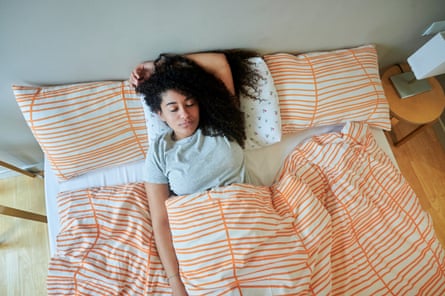
So what does good pillow design actually mean? Rebbeck says it starts with height and alignment. Side sleepers generally need more height to fill the space between shoulder and head, while back and stomach sleepers tend to need less. Mattress firmness matters, too, because a softer mattress allows the shoulder to sink further in.
Material affects feel, but doesn’t automatically make one better than another. Memory foam and latex tend to hold their shape, while down and feather are more malleable. For Rebbeck, the more important question is whether the pillow keeps the head and neck comfortably supported in the sleeper’s usual position.
That helps explain why I found Ikea’s Klubbsporre pillow ($49.99) one of the more comfortable of the affordable options I tested. Its contoured shape gave me noticeable support without feeling overly firm, and it worked well for me on my side and back – though its relatively high profile may not suit everyone.
“I once stole a pillow from a hotel,” says sleep research student Claire Boland. The pillow had somehow slipped into her suitcase after another blissful night’s sleep, the sort that leaves you wondering why hotel beds always seem more comfortable than your own.
Boland eventually returned the stolen pillow and bought Sheridan’s Pure Indulgence Feather & Goose Down Pillow ($449.99), which she says delivers exactly the lofty, sink-in comfort she associates with luxury hotels.
But after alternating between it and the Emma Diamond Pillow ($269), Boland reached an unexpected conclusion. “The Sheridan pillow made getting into bed feel like a treat,” she says. “But the Emma pillow better suited the way I actually sleep. It wasn’t as glamorous, but it made me forget about my pillow altogether – and I think that’s probably what good sleep is supposed to do.”
After my own weeks testing five pillows, from ergonomic memory foam to luxury goose down and one that promised tailored support using material “born from NASA technology”, one thing became clear: there is no one-size-fits-all.
In the end the Hästens High Firm Pillow was my favourite – though its cost is enough to make you blink twice. I’d been saving up for a luxury pillow for a while but, even then, the $700-plus price tag made me feel slightly guilty.
Ultimately, as someone who is obsessed with sleep, there are few things I value more than waking up feeling rested. Once I committed, I also became unreasonably protective of the pillow, suddenly eyeing every guest in my house as a potential thief.
That doesn’t make it the right choice for everyone.
No price tag can tell you which pillow will work for your body. The best one is simply the one that suits the way you sleep – which, inconveniently, means the quest for the perfect pillow has only one answer: it’s personal.

























