
Medically Reviewed
Dr. Jose Rossello, MD, PhD, MHCM
Preventive Medicine & Public Health Specialist
Last Reviewed: May 20, 2026
Your body might be fighting a battle you can’t see. Chronic inflammation happens when your immune response stays active[1] for months or years, quietly damaging healthy tissues instead of protecting them. Many common lifestyle choices—from what you eat to how much you sleep—directly fuel this ongoing inflammatory response and increase disease risk.

Unlike the helpful swelling that occurs after an injury, chronic inflammation operates silently in the background. It doesn’t always cause obvious symptoms, yet it affects nearly every system in the body. Chronic inflammation is closely linked to heart disease, Type 2 diabetes, and some cancers[2], making it a serious concern for long-term health.
The good news is that lifestyle changes can make a real difference. Understanding which daily habits raise inflammatory markers and which ones lower them gives people the power to reduce their inflammation levels naturally. Small adjustments to diet, exercise, sleep, and stress management can help the immune system return to a healthier balance.
Table of Contents
Key Takeaways
What Is Inflammation and Why It Matters

Inflammation serves as the body’s defense mechanism against harm, but when it becomes chronic, it shifts from protector to threat. Understanding how acute and chronic inflammation differ, how the immune system activates inflammatory responses, and recognizing warning signs helps people identify potential health risks early.
The Difference Between Acute and Chronic Inflammation
Acute inflammation represents the body’s immediate, short-term response to injury or infection. When someone cuts their finger or sprains an ankle, white blood cells rush to the damaged area[4] to fight off potential invaders and begin healing. This process typically resolves within hours to days.
Chronic inflammation operates differently. It persists for months or years, quietly damaging healthy tissues instead of healing them. This happens when the immune system stays activated even after the initial threat disappears, or when it mistakenly identifies normal cells as dangerous.
The key distinctions include:
How the Immune System Triggers Inflammatory Responses
The immune system activates inflammation through a complex chain of chemical signals. When cells detect damage or pathogens, they release pro-inflammatory cytokines and other signaling molecules that alert nearby immune cells.
These chemical messengers cause blood vessels to expand and become more permeable. This allows inflammatory cells and proteins to reach the affected area quickly. The process involves infection-fighting cells and proteins that warn other cells of invaders[4].
During systemic inflammation, these signals spread throughout the body rather than staying localized. Inflammatory markers like C-reactive protein and erythrocyte sedimentation rate increase in the bloodstream. Oxidative stress builds up as the body produces reactive molecules faster than it can neutralize them. This ongoing inflammatory signaling damages tissues and disrupts normal cellular function.
Common Inflammation Symptoms and Red Flags
Acute inflammation produces obvious signs: redness, heat, swelling, and pain at the injury site. Someone with an infection like flu or pneumonia experiences fever, body aches, and fatigue.
Chronic inflammation often operates silently[5], making it harder to detect. People may experience persistent fatigue that doesn’t improve with rest. Joint pain and stiffness can develop without an obvious cause.
Other red flags include:
- Digestive problems like bloating or abdominal discomfort
- Brain fog and difficulty concentrating
- Unexplained weight changes
- Skin issues such as rashes or acne
- Frequent infections
Blood tests can reveal elevated inflammatory markers even when symptoms seem mild. High levels of C-reactive protein or erythrocyte sedimentation rate indicate ongoing inflammation. Recognizing these inflammation symptoms early allows for intervention before serious damage occurs.
Root Causes of Chronic Inflammation in Modern Lifestyles
Modern daily habits create a perfect environment for systemic inflammation to take hold in the body. The way people manage stress, sleep, and food choices directly affects inflammatory markers and can trigger long-term health problems.
Chronic Stress and the Stress Response
When someone experiences chronic stress, their body releases cortisol repeatedly over weeks or months. This constant flood of stress hormones keeps the immune system in an active state.
The stress response was designed to handle short-term threats, not ongoing pressure from work deadlines, financial worries, or relationship problems. When cortisol stays elevated for too long, it stops working properly to control inflammation. Instead, it begins to promote the release of inflammatory cytokines.
These chemical messengers travel through the bloodstream and trigger inflammation in tissues throughout the body. Chronic immune activity from prolonged stress[6] contributes to various health conditions. The body essentially loses its ability to turn off the inflammatory response, leading to tissue damage over time.
Poor Sleep Quality and Its Biological Effects
Sleep deprivation triggers immediate changes in the immune system. When people regularly get less than seven hours of sleep, their bodies produce more inflammatory markers.
During deep sleep, the body repairs damaged cells and removes waste products that build up during the day. Without enough quality sleep, this cleanup process gets interrupted. The result is increased oxidative stress, which damages cells and promotes inflammation.
Studies show that even one night of poor sleep can raise levels of C-reactive protein and other inflammatory markers in the blood. Poor sleep is a key lifestyle factor[7] that keeps inflammation levels high. People who consistently sleep poorly face higher risks of developing chronic inflammatory conditions.
Diet Patterns That Increase Inflammation
Certain foods directly trigger inflammatory responses in the body. The modern diet often includes high amounts of these inflammatory foods.
Common dietary triggers include:
- Added sugar and sugary drinks – cause blood sugar spikes that promote inflammatory cytokine release
- Processed foods – contain chemical additives and preservatives that irritate the immune system
- Refined carbohydrates – white bread, pasta, and pastries that quickly convert to sugar
- Trans fats – found in fried foods and baked goods, they directly increase inflammatory markers
These dietary patterns create metabolic stress[8] that keeps the body in an inflamed state. When people eat these foods regularly, their immune systems stay activated. The combination of excess calories, poor nutrient quality, and inflammatory compounds creates a cycle of ongoing inflammation that affects multiple organ systems.
Inflammation and Chronic Disease: The Hidden Link

Chronic inflammation doesn’t just cause discomfort—it acts as a driver for many serious health conditions. Research shows that inflammation is directly linked[9] to cardiovascular disease, type 2 diabetes, autoimmune disorders, and cognitive decline.
Cardiovascular Disease and Heart Risk
Chronic inflammation plays a central role in the development of heart disease. When inflammation persists in the body, it damages the inner lining of blood vessels, creating conditions that lead to plaque buildup.
This process, called atherosclerosis, narrows arteries and restricts blood flow. Inflammation has both a mechanistic role in the underlying cause of diseases like atherosclerosis[10] and serves as a predictor of future cardiovascular events.
Key inflammatory markers linked to heart risk include:
- C-reactive protein (CRP)
- Interleukin-6 (IL-6)
- Tumor necrosis factor-alpha (TNF-α)
People with elevated levels of these markers face significantly higher rates of heart attacks and strokes. The connection is so strong that some cardiologists now treat inflammation as aggressively as they treat high cholesterol.
Metabolic Dysfunction, Insulin Resistance, and Type 2 Diabetes
Low-grade inflammation disrupts how the body processes sugar and stores energy. When inflammatory signaling becomes chronic, cells become less responsive to insulin, the hormone that helps glucose enter cells for energy.
This insulin resistance forces the pancreas to produce more insulin to achieve the same effect. Over time, this system breaks down, leading to type 2 diabetes.
Fat tissue, especially around the abdomen, releases inflammatory molecules that worsen metabolic dysfunction. Obesity has been strongly associated with low-grade chronic inflammation[9], creating a cycle where inflammation promotes weight gain and excess weight triggers more inflammation.
The liver becomes particularly vulnerable in this process. Chronic inflammation contributes to fatty liver disease, which affects how the body regulates blood sugar and cholesterol levels.
Autoimmune Disorders and Gut Health
The gut plays a major role in regulating inflammation throughout the body. When gut health deteriorates, the intestinal barrier becomes permeable, allowing bacteria and toxins to leak into the bloodstream.
This triggers widespread inflammatory responses that can lead to autoimmune conditions. In these disorders, the immune system mistakenly attacks healthy tissue because of ongoing inflammatory signaling.
Common autoimmune conditions linked to chronic inflammation:
| Condition | Primary Target |
|---|---|
| Rheumatoid arthritis | Joints and connective tissue |
| Multiple sclerosis | Nervous system myelin |
| Inflammatory bowel disease | Digestive tract lining |
| Psoriasis | Skin cells |
| Ulcerative colitis | Colon and rectum |
The gut microbiome—the collection of bacteria living in the digestive system—directly influences inflammation levels. An imbalanced microbiome produces more inflammatory compounds and fewer anti-inflammatory substances, increasing the risk of autoimmune disorders.
The Role of Inflammation in Cognitive Decline and Aging
Chronic inflammation accelerates brain aging through a process called inflammaging. This term describes how persistent low-grade inflammation damages tissues and organs over time, including the brain.
Inflammation is linked to neurodegenerative disorders[2] like Alzheimer’s disease and dementia. Inflammatory molecules cross the blood-brain barrier and activate immune cells in the brain called microglia. When these cells remain activated too long, they damage neurons and interfere with memory formation.
The hippocampus, the brain region responsible for learning and memory, is particularly vulnerable. Studies show that people with higher levels of inflammatory markers experience faster cognitive decline as they age.
Inflammation also disrupts the brain’s ability to clear out toxic proteins like beta-amyloid, which accumulate in Alzheimer’s disease. This creates a harmful cycle where inflammation prevents cleanup, allowing more damage to occur.
Everyday Habits That Quietly Raise Inflammatory Levels
Daily routines that seem harmless can steadily increase inflammation throughout the body. Physical inactivity, alcohol consumption, and lack of social connection all contribute to rising inflammatory markers that affect long-term health.
Sedentary Behavior and Lack of Movement
Sitting for extended periods triggers inflammatory responses in the body even when people think they’re just resting. When muscles stay inactive, they produce fewer anti-inflammatory compounds that normally help regulate the immune system.
Physical activity supports the body’s repair systems[2] and helps reduce chronic inflammation. Without regular movement, the body experiences increased oxidative stress and elevated inflammatory markers.
Just 150 minutes of moderate exercise per week can significantly lower systemic inflammation. This breaks down to about 30 minutes of activity five days a week. Cardio activities like brisk walking, swimming, or cycling help activate anti-inflammatory pathways.
People who sit for more than eight hours daily without breaks show higher inflammation levels than those who move regularly. Even short movement breaks every hour can help counteract the inflammatory effects of prolonged sitting.
Excessive Alcohol and Smoking
Drinking too much alcohol damages the gut lining and allows inflammatory compounds to enter the bloodstream. This process increases disease risk across multiple body systems including the liver, heart, and brain.
Elevate Your Health for Just $29.99/Month
Join the Precision Wellness Subscription at My Healing 365 and get discounted services, priority coaching access, virtual care, and exclusive wellness resources to support your physical, emotional, and hormonal health.
Join for $29.99/MonthSmoking introduces thousands of chemicals into the body that directly trigger inflammatory responses. These chemicals cause oxidative stress and damage cells throughout the respiratory system and bloodstream.
Both habits disrupt the body’s natural repair systems and create ongoing inflammation. Smoking particularly affects lung tissue while alcohol primarily impacts digestive and liver health.
Moderate drinking means up to one drink per day for women and two for men. Exceeding these amounts regularly promotes chronic inflammation that builds over time.
Social Isolation and Emotional Well-being
Loneliness and lack of social connection activate stress hormones that increase inflammatory markers in the blood. People who feel socially isolated show higher levels of C-reactive protein and other inflammation indicators.
Chronic stress from poor emotional well-being keeps the body in a constant state of alert. This prolonged activation raises systemic inflammation and weakens immune function over time.
Strong social bonds help regulate the body’s stress response and lower inflammation. Regular meaningful interactions support both mental health and physical inflammatory processes[11].
Emotional stress combined with isolation creates a cycle where inflammation affects mood and poor mood increases inflammation further. Breaking this pattern through social engagement helps restore balance to the immune system.
Anti-Inflammatory Diet: What to Eat and What to Avoid
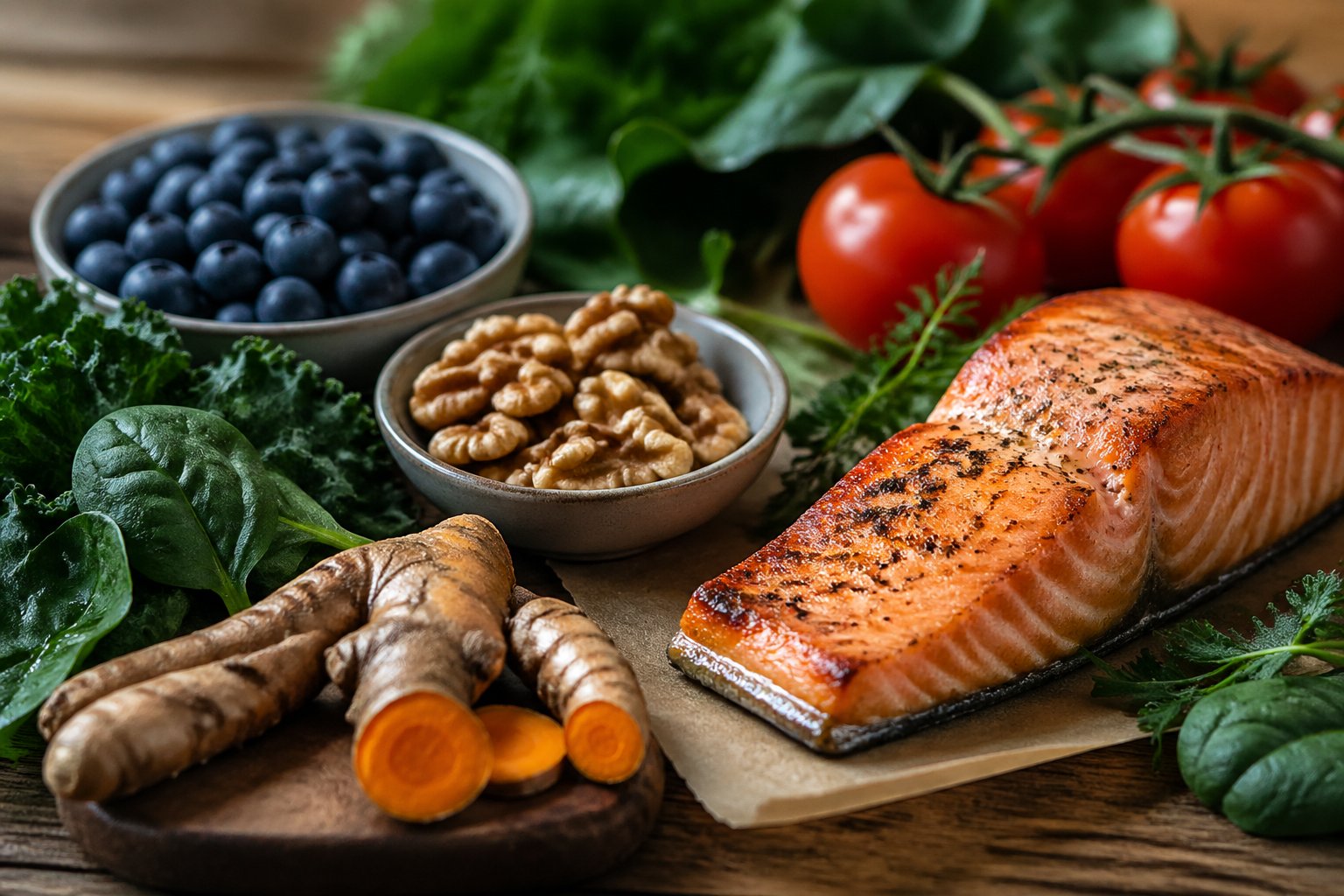
The foods a person eats can either fuel inflammation or help calm it down. An anti-inflammatory diet focuses on whole foods[12] like fruits, vegetables, and fish while cutting back on processed items that trigger the body’s inflammatory response.
Nutrients and Foods That Reduce Inflammation
Certain nutrients work directly to lower inflammation in the body. Omega-3 fatty acids found in salmon, tuna, and other fatty fish help reduce inflammatory markers. Nuts like walnuts provide both healthy fats and anti-inflammatory compounds.
Polyphenols are protective plant compounds that fight inflammation naturally. Berries, green tea, and colorful vegetables contain high amounts of these beneficial substances. Turmeric stands out for its active ingredient curcumin, which has strong anti-inflammatory effects.
Fiber from whole grains, legumes, and vegetables supports the body’s ability to manage inflammation. Leafy greens such as spinach and kale[13] contain natural antioxidants that protect cells from inflammatory damage. Ginger offers anti-inflammatory benefits similar to turmeric.
Key Anti-Inflammatory Foods:
- Fatty fish (salmon, mackerel, sardines)
- Nuts and seeds (walnuts, almonds)
- Berries (blueberries, strawberries, cherries)
- Leafy greens (spinach, kale, collards)
- Olive oil
- Whole grains
- Legumes
Inflammatory Foods and Dietary Triggers
Processed foods and refined carbohydrates[14] promote inflammation throughout the body. White bread, pastries, and other refined grain products spike blood sugar and trigger inflammatory responses. Trans fats found in margarine and shortening increase inflammation markers.
Added sugar and sugary drinks rank among the worst offenders for causing chronic inflammation. Soda and sweetened beverages create inflammatory conditions that persist long after consumption. Red meat and processed meats like hot dogs and sausage have been linked to higher inflammation levels.
Fried foods contain compounds that activate inflammatory pathways. French fries and other deep-fried items combine refined carbohydrates with unhealthy fats, creating a double inflammatory threat.
Foods to Limit or Avoid:
- Refined carbohydrates (white bread, pastries)
- Sugary drinks and soda
- Red meat and processed meats
- Fried foods
- Trans fats (margarine, shortening)
- Foods with added sugar
The Gut Connection: Fiber, Polyphenols, and Microbiome
The gut microbiome plays a central role in controlling inflammation throughout the body. Fiber feeds beneficial gut bacteria that produce anti-inflammatory compounds. Whole grains, legumes, and vegetables provide the fiber these helpful microbes need to thrive.
Polyphenols from berries, green tea, and other plant foods interact with gut bacteria in ways that reduce inflammation. These compounds help maintain a healthy balance of microorganisms in the digestive tract. A diverse, fiber-rich diet supports gut health[15] and keeps harmful inflammatory bacteria in check.
When gut bacteria break down fiber, they create short-chain fatty acids that calm inflammation. This process explains why eating more whole foods[16] benefits the entire body, not just the digestive system. People who consume adequate fiber typically show lower markers of chronic inflammation than those who eat mostly processed foods.
Lifestyle Strategies to Actively Lower Chronic Inflammation
Making specific daily choices can help reduce inflammation throughout the body. Regular physical activity, stress control methods, quality sleep, and proper hydration work together to calm the immune system and support long-term health.
Exercise and Movement for Immune Balance
Physical activity stands out as one of the most effective ways to reduce chronic inflammation[17] in the body. Moderate exercise helps fight obesity, which is important because body fat releases proteins that promote inflammation.
Adults should aim for at least 150 minutes of moderate-intensity cardio each week. This breaks down to 30 minutes five days per week. Alternatively, 75 minutes of vigorous activity achieves similar benefits.
Walking, swimming, and cycling count as moderate cardio options. Even short movement breaks throughout the day add up. People who sit for long periods should stand and move every hour.
Types of beneficial movement:
- Aerobic activities like jogging or dancing
- Strength training at least two days weekly
- Low-impact options such as yoga
- Daily walking or household tasks
Yoga offers unique benefits beyond basic movement. It combines physical activity with controlled breathing and stress reduction. Any exercise proves better than none when it comes to lowering inflammation markers.
Stress Management Techniques
Chronic stress raises cortisol levels in the body. High cortisol promotes inflammation and damages blood vessels over time. Lowering stress levels through cortisol reduction[18] serves as an anti-inflammatory mechanism.
Meditation helps calm the mind and lower stress hormones. Starting with just five minutes daily builds a helpful habit. Guided meditation apps make this practice easier for beginners.
Deep breathing exercises activate the body’s relaxation response. A simple technique involves breathing in for four counts, holding for four counts, and exhaling for six counts. This pattern slows heart rate and reduces tension.
Mindfulness practices train people to focus on the present moment. This reduces worry about future events and rumination about past problems. Even mindful eating or walking counts as practice.
Other stress reduction methods include spending time in nature, connecting with friends, or engaging in hobbies. Finding what works best varies by person.
Prioritizing Sleep and Recovery
The body’s repair systems work most effectively during sleep. Adults need 7-9 hours of sleep each night to support healthy inflammation levels. Lack of sleep increases cortisol and promotes inflammatory responses.
Sleep quality matters as much as quantity. A dark, cool bedroom supports better rest. Going to bed and waking at consistent times helps regulate the body’s internal clock.
Blue light from screens disrupts natural sleep patterns. Avoiding phones and tablets for one hour before bed improves sleep onset. Reading or listening to calm music works better as evening activities.
Caffeine stays in the system for six to eight hours. Limiting coffee and tea after 2 PM prevents sleep interference. Alcohol might cause drowsiness but reduces sleep quality throughout the night.
Creating a bedtime routine signals the body to prepare for rest. This might include gentle stretching, a warm shower, or breathing exercises.
Hydration and Other Daily Practices
Staying hydrated supports every bodily function, including immune regulation. Water helps flush toxins and carries nutrients to cells. Most adults need eight glasses of water daily, though needs vary based on activity level and climate.
Protecting against viral infections prevents acute inflammation that can trigger heart problems. Getting annual flu shots and staying current on vaccinations reduces this risk. People are four times more likely to have a heart attack in the month after having the flu.
Oral health connects to systemic inflammation. Flossing daily and regular dental cleanings prevent bacteria from entering the bloodstream through gum tissue. This simple habit protects both teeth and heart health.
Avoiding processed foods high in unhealthy fats and salt helps control inflammation. These foods promote inflammatory responses in blood vessels and throughout the body.
Frequently Asked Questions

People often wonder which daily habits matter most for inflammation levels and how quickly their bodies might respond to healthier choices. These questions address the practical concerns about recognizing inflammation and making changes that work.
What are the most common lifestyle factors that contribute to chronic inflammation?
Poor diet choices rank among the top contributors to chronic inflammation. Eating highly processed foods and sugary drinks triggers inflammatory responses in the body.
A sedentary lifestyle without regular physical activity also promotes inflammation. Poor diet, sedentary lifestyle, chronic stress, inadequate sleep, and environmental toxins[19] all work together to raise inflammation levels.
Excess body weight creates another major problem. Fat cells actively produce inflammatory chemicals that affect the entire body.
Chronic stress keeps the body in a state of alert, which drives ongoing inflammation. Poor sleep quality prevents the body from properly recovering and resetting inflammatory processes each night.
How can I tell if I might have chronic inflammation in my body?
Chronic inflammation often shows up through persistent symptoms rather than obvious signs. Many people experience ongoing fatigue that does not improve with rest.
Joint pain and stiffness can indicate inflammatory processes at work. Digestive problems like bloating or discomfort may signal inflammation in the gut.
Frequent infections suggest the immune system is not functioning properly. Skin problems such as rashes or slow wound healing can also point to inflammation issues.
Blood tests can measure specific markers of inflammation when a doctor suspects a problem. However, routine testing for inflammation is not typically recommended for most people.
Which anti-inflammatory lifestyle changes have the biggest impact on lowering inflammation?
Eating whole foods including fruits, vegetables, whole grains, healthy fats, and legumes[20] provides one of the most powerful ways to reduce inflammation. This eating pattern naturally replaces inflammatory foods with protective ones.
Regular exercise helps control inflammation through multiple pathways. Physical activity regulates the immune system and affects white blood cells and inflammatory messengers called cytokines.
Maintaining a healthy weight prevents fat cells from producing excessive inflammatory chemicals. Weight loss for those carrying extra pounds can significantly reduce inflammation markers.
Stress management through practices like yoga, deep breathing, or mindfulness helps calm the nervous system. These techniques prevent stress hormones from constantly triggering inflammatory responses.
What are the best anti-inflammatory foods to prioritize and which foods tend to worsen inflammation?
Fruits and vegetables should form the foundation of an anti-inflammatory diet. Berries, leafy greens, and colorful vegetables contain compounds that actively fight inflammation.
Fatty fish like salmon and sardines provide omega-3 fatty acids that reduce inflammatory processes. Nuts, seeds, and olive oil offer healthy fats that support the body’s anti-inflammatory systems.
Whole grains such as brown rice and oats help maintain stable blood sugar and reduce inflammatory spikes. Beans and lentils provide fiber and nutrients that support gut health and lower inflammation.
Sugary drinks and foods with added sugars promote inflammation throughout the body. Ultra-processed foods containing refined oils and artificial ingredients trigger inflammatory responses.
Red meat and processed meats like bacon and sausage increase inflammation when eaten regularly. Refined carbohydrates including white bread and pastries cause blood sugar spikes that drive inflammation.
How quickly can inflammation levels improve after making diet, sleep, and exercise changes?
Some inflammation markers can improve within weeks of making lifestyle changes. Blood tests may show reduced inflammatory proteins after just a few weeks of healthier eating.
Weight loss from improved diet and exercise often leads to measurable decreases in inflammation within one to three months. The body responds fairly quickly when inflammatory triggers are removed.
Symptoms like joint pain or digestive issues may take longer to improve than blood markers. Most people notice meaningful changes in how they feel within two to three months of consistent lifestyle modifications.
Long-term chronic inflammation that developed over years requires sustained effort to fully resolve. The timeline varies based on the severity of inflammation and how consistently someone maintains new habits.
Is a sedentary lifestyle linked to chronic inflammation, and how much movement is needed to reduce the risk?
A sedentary lifestyle without regular physical activity promotes inflammation[19] and increases disease risk. Sitting for long periods throughout the day keeps the body in a pro-inflammatory state.
Exercise provides anti-inflammatory effects by regulating the immune system. Even moderate activity helps control inflammatory chemicals in the blood.
Most health experts recommend at least 150 minutes of moderate exercise per week. This breaks down to about 30 minutes of activity on most days.
Breaking up sitting time with short movement breaks throughout the day also helps. Standing, walking, or stretching for a few minutes every hour can reduce inflammation related to prolonged sitting.
The type of exercise matters less than consistency. Walking, swimming, cycling, or strength training all provide anti-inflammatory benefits when done regularly.
Post Views: 4
References
- What is Chronic Inflammation (and How to Treat It). https://www.healthline.com/health/chronic-inflammation Accessed May 21, 2026
- Healthy habits for reducing chronic inflammation. https://www.mdanderson.org/cancerwise/how-to-reduce-inflammation-in-the-body.h00-159853767.html Accessed May 21, 2026
- Adopting anti-inflammatory habits through diet, movement, sleep, and stress management. https://www.medicaldaily.com/anti-inflammatory-lifestyle-explained-how-reducing-chronic-inflammation-supports-longevity-474405 Accessed May 21, 2026
- What is Inflammation? Causes, Effects, Treatment. https://health.harvard.edu/topics/inflammation Accessed May 21, 2026
- Chronic Inflammation: How Your Lifestyle Fuels or Fights It. https://calcvita.com/en/resources/inflammation-lifestyle-guide Accessed May 21, 2026
- Inflammation: The Hidden Cause of Many Health Problems – Health-ft. https://health-ft.com/chronic-inflammation-causes/ Accessed May 21, 2026
- What really causes chronic inflammation in the body?. https://www.eurekahealth.com/resources/what-causes-chronic-inflammation-en Accessed May 21, 2026
- These dietary patterns create metabolic stress. https://www.verywellhealth.com/what-causes-inflammation-11777094 Accessed May 21, 2026
- Frontiers. https://www.frontiersin.org/journals/medicine/articles/10.3389/fmed.2024.1434533/full Accessed May 21, 2026
- Inflammation and Disease: The Hidden Link Behind Many Modern Health Conditions. https://acendhealth.com/inflammation-and-disease-the-hidden-link-behind-many-modern-health-conditions/ Accessed May 21, 2026
- Regular meaningful interactions support both mental health and physical inflammatory processes. https://www.verywellhealth.com/quiet-habits-that-can-cause-inflammation-11940831 Accessed May 21, 2026
- Anti-Inflammatory Diet: Foods List and Benefits. https://health.clevelandclinic.org/anti-inflammatory-diet Accessed May 21, 2026
- Foods that fight inflammation. https://www.health.harvard.edu/healthy-aging-and-longevity/foods-that-fight-inflammation Accessed May 21, 2026
- Anti-inflammatory diet: Food list and tips. https://www.medicalnewstoday.com/articles/320233 Accessed May 21, 2026
- Anti-Inflammatory Diet 101: Foods to Eat & Avoid, and a Sample 1-Day Meal Plan. https://welltech.com/content/anti-inflammatory-diet-101 Accessed May 21, 2026
- eating more whole foods. https://www.verywellhealth.com/anti-inflammatory-diet-88752 Accessed May 21, 2026
- How to Reduce Chronic Inflammation. https://www.geisinger.org/health-and-wellness/wellness-articles/2024/01/30/17/56/reduce-inflammation Accessed May 21, 2026
- Simple ways to reduce inflammation and protect your heart. https://www.heart.org/en/news/2025/12/08/simple-ways-to-reduce-inflammation-and-protect-your-heart Accessed May 21, 2026
- Just a moment…. https://prlabs.com/blog/how-to-reduce-inflammation-naturally-with-diet-and-lifestyle.html Accessed May 21, 2026
- An action plan to fight unhealthy inflammation. https://www.health.harvard.edu/blog/an-action-plan-to-fight-unhealthy-inflammation-202205052739 Accessed May 21, 2026

























