Medically Reviewed
Dr. Jose Rossello, MD, PhD, MHCM
Preventive Medicine & Public Health Specialist
Last Reviewed: June 24, 2026
Healthcare is changing fast. Modern risk assessment tools combine artificial intelligence, genetic data, and digital monitoring to predict health problems before they happen, helping doctors and patients make better decisions about prevention and treatment. These tools analyze everything from a person’s medical history to their daily habits to spot warning signs early.
The shift from reactive care to proactive health management represents a major change in medicine. Traditional methods relied on waiting for symptoms to appear. Today’s AI-powered health risk assessment tools can measure vital signs through a smartphone camera, analyze genetic markers, and predict disease risks years in advance. This technology is making personalized medicine a reality for millions of people.
Understanding how these tools work matters for everyone. From facial recognition systems that check heart rate in 60 seconds to platforms that screen for mental health concerns, the landscape of healthcare risk assessment keeps expanding. These advances raise important questions about accuracy, privacy, and how to best use technology alongside traditional medical care.
Table of Contents
Key Takeaways
- Risk assessment tools now use AI and genetic data to predict health problems before symptoms appear
- Modern platforms can measure multiple health indicators quickly through smartphones without invasive testing
- These technologies work best when combined with professional medical guidance and proper regulatory oversight
Core Concepts of Modern Risk Assessment
Modern risk assessment in healthcare relies on structured frameworks that identify vulnerabilities and statistical approaches that predict future outcomes. These tools use data-driven methods to evaluate threats across clinical, operational, and technological domains.
Defining Health Risk Assessment Tools
Risk assessment tools in healthcare are specialized software applications and frameworks designed to identify, analyze, and manage potential threats. These platforms help organizations evaluate risks across multiple areas including patient safety, data security, and regulatory compliance.
The tools provide structured approaches for several key functions. They pinpoint vulnerabilities in care processes and IT systems. They evaluate risks based on likelihood and impact to determine which issues need immediate attention. They monitor adherence to regulations like HIPAA and OSHA standards.
Healthcare-specific solutions differ from general risk management platforms. They account for unique medical environment needs including ethical considerations and life-critical systems. Organizations typically deploy multiple tools to address different risk categories rather than relying on a single solution.
Statistical Models and Predictive Analytics
Statistical models form the foundation of modern risk assessment by analyzing historical data to identify patterns and correlations. These models use regression analysis, probability distributions, and risk scoring algorithms to quantify potential threats.
Predictive analytics takes this further by forecasting future risks before they occur. Machine learning algorithms process large datasets from electronic health records, claims data, and operational systems to detect early warning signs. These systems can predict patient deterioration, identify potential medication errors, and flag unusual billing patterns that may indicate fraud.
The accuracy of these models depends on data quality and regular updates. Healthcare organizations must continuously refine their algorithms as new data becomes available and as clinical practices evolve.
Transformative Technologies Shaping the Landscape
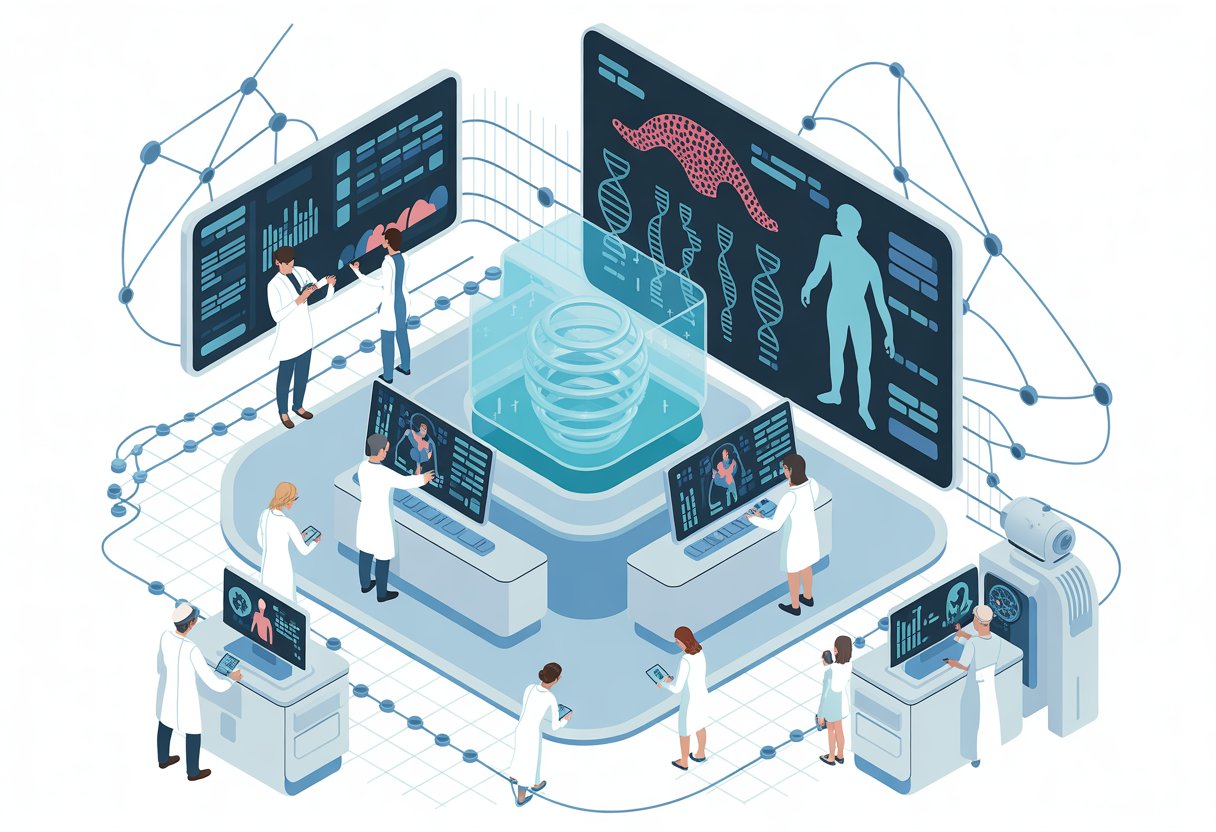
New technologies are making health risk assessment more accurate and accessible. AI and machine learning now analyze patient data in ways that were impossible just a few years ago.
AI and Machine Learning Innovations
Machine learning algorithms can process thousands of patient records in seconds. These systems identify patterns in medical history, genetics, and lifestyle factors to predict disease risk. Predictive analytics tools now forecast conditions like diabetes, heart disease, and certain cancers years before symptoms appear.
Healthcare providers use these tools to calculate personalized risk scores for their patients. The algorithms analyze data from electronic health records, lab results, and imaging scans. They spot warning signs that human doctors might miss.
Key applications include:
- Early detection of cardiovascular disease risk
- Identifying patients likely to develop diabetes
- Predicting hospital readmission rates
- Assessing cancer recurrence probability
The technology improves as it processes more patient data. Systems learn from outcomes and refine their predictions over time.
Explainable AI and Transparency in Healthcare
Explainable AI addresses a critical challenge in healthcare technology. Doctors and patients need to understand how algorithms reach their conclusions. These systems show which factors influenced each risk assessment.
A transparent AI model might reveal that a patient’s high cholesterol, family history, and blood pressure drove their heart disease risk score. The system explains its reasoning in plain language. This builds trust between healthcare providers and their patients.
Regulatory bodies now require this transparency for medical AI tools. Healthcare organizations must demonstrate that their algorithms make fair, unbiased decisions. Explainable AI helps doctors verify recommendations before acting on them.
Patients can see exactly what data shaped their risk assessment. They understand which lifestyle changes might lower their scores.
Clinical Applications and Prominent Risk Scoring Systems
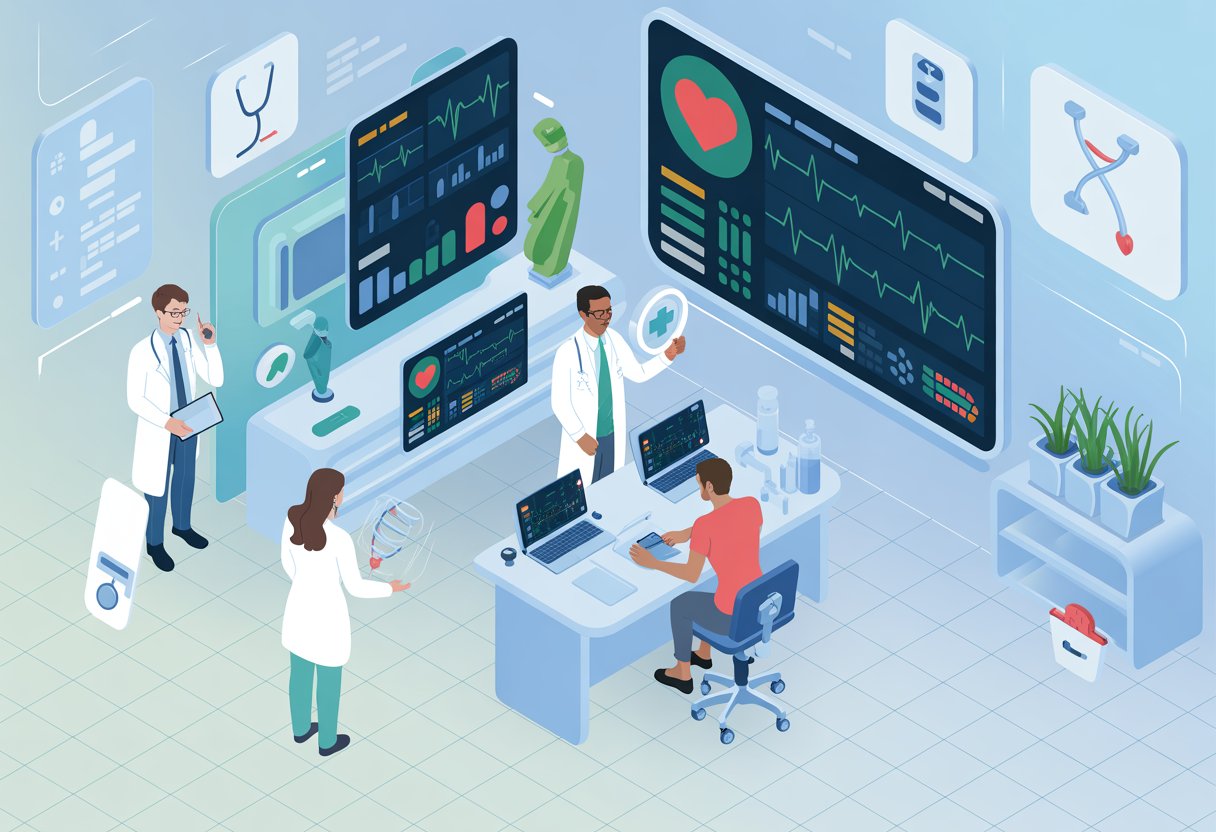
Healthcare providers use specific risk assessment tools to predict patient outcomes and guide treatment decisions across multiple medical specialties. These scoring systems analyze patient data to identify individuals who need closer monitoring or early intervention.
Cardiovascular Risk Assessment and the Framingham Risk Score
The Framingham Risk Score stands as one of the most widely used cardiovascular risk assessment tools in clinical practice. It calculates a patient’s 10-year risk of developing coronary heart disease based on age, sex, cholesterol levels, blood pressure, smoking status, and diabetes presence.
Doctors use this score to determine which patients need aggressive treatment for high cholesterol or blood pressure. A score above 20% typically indicates high risk and prompts immediate intervention.
The tool helps physicians make evidence-based decisions about starting medications like statins. It also guides conversations with patients about lifestyle changes needed to reduce heart disease risk.
Suicide and Mental Health Risk Tools
Mental health professionals rely on suicide risk assessment instruments to identify patients at elevated risk of self-harm. The Columbia-Suicide Severity Rating Scale (C-SSRS) asks about suicidal thoughts, plans, and behaviors to classify risk levels.
These tools help clinicians decide whether a patient needs hospitalization or can be safely treated as an outpatient. They also guide the frequency of follow-up appointments and the intensity of monitoring required.
The Patient Health Questionnaire-9 (PHQ-9) screens for depression severity and includes a question about suicidal ideation. Scores above 15 indicate moderately severe to severe depression requiring close attention.
Bone Mineral Density and Chronic Disease Predictors
The FRAX tool calculates 10-year probability of hip fracture and major osteoporotic fracture using bone mineral density (BMD) measurements and clinical risk factors. Doctors use these predictions to decide when to start osteoporosis medications in at-risk patients.
BMD scores, measured through dual-energy X-ray absorptiometry (DXA) scans, classify bone health as normal, osteopenia, or osteoporosis. A T-score of -2.5 or lower indicates osteoporosis and warrants treatment consideration.
Risk stratification methods allow healthcare teams to distribute resources efficiently and adjust patient panel sizes based on complexity. Chronic disease prediction tools also identify patients who would benefit from care management programs before complications develop.
Integration of Omics and Genomic Data
Genomic data and omics technologies now enable healthcare providers to assess disease risk with unprecedented precision. Polygenic risk scores combine genetic variants to predict individual susceptibility, while multi-omics approaches examine multiple biological layers simultaneously to reveal complex disease mechanisms.
Polygenic Risk Scores in Personalized Medicine
Polygenic risk scores aggregate the effects of thousands or millions of genetic variants across a person’s genome. These scores calculate cumulative risk for conditions like heart disease, diabetes, and certain cancers. Healthcare providers use these scores alongside traditional risk factors such as age, blood pressure, and family history.
The scores help identify individuals who may benefit from earlier screening or preventive interventions. A person with a high polygenic risk score for coronary artery disease might start cholesterol management at a younger age. Similarly, those with elevated breast cancer risk scores may begin mammography screening earlier than standard guidelines recommend.
Current limitations include reduced accuracy in non-European populations due to genetic databases that primarily contain European ancestry data. Researchers are working to develop more inclusive reference datasets that improve score accuracy across diverse ethnic groups.
The Role of Multi-Omics in Risk Prediction
Multi-omics integrates genomics, proteomics, metabolomics, and transcriptomics to create comprehensive biological profiles. Combining multiomics data with electronic health records provides detailed views into disease pathways that single data types cannot capture alone.
This approach reveals how genetic predisposition interacts with protein expression, metabolic processes, and environmental factors. A patient might carry genetic variants for diabetes risk, but their metabolomic profile could show protective metabolic signatures that modify actual disease likelihood.
Scientists use several integration strategies including concatenation-based methods that combine datasets directly and network-based approaches that map relationships between biological layers. These techniques help researchers identify biomarkers that predict disease onset years before symptoms appear, enabling truly preventive medicine strategies.
Environmental and Population Health Approaches
Risk assessment tools now track how environmental exposures affect entire populations and measure harmful substances that build up in living organisms over time. These systems identify which communities face the greatest health threats from their surroundings.
Exposure Assessment and Bioaccumulation Tracking
Exposure assessment measures how people come into contact with harmful substances through air, water, food, and soil. Modern tools collect data from sensors, blood tests, and environmental samples to determine exposure levels in specific populations.
Bioaccumulation tracking monitors how toxins concentrate in organisms over time. When people or animals absorb chemicals faster than they can eliminate them, these substances build up in body tissues. Mercury in fish provides a clear example of this process.
Key tracking methods include:
- Blood and urine biomarker testing
- Environmental sensor networks
- Food chain contamination mapping
- Tissue sample analysis from wildlife
Health agencies use this data to set safety standards and issue warnings about contaminated areas or foods. The information helps doctors identify patients at risk for exposure-related diseases.
Environmental Risk Models and Population Vulnerability
Environmental risk assessment combines exposure data with health outcomes to predict disease patterns in communities. These models identify neighborhoods where pollution, water quality, or industrial sites create elevated health risks.
Population vulnerability maps show which groups face the highest risks based on age, income, pre-existing conditions, and location. Children and elderly residents often appear as high-risk groups because their bodies process toxins differently than healthy adults.
Geographic information systems layer environmental hazards over demographic data. This reveals patterns such as higher asthma rates near highways or increased cancer clusters around contaminated sites. Cities use these tools to prioritize cleanup efforts and direct health resources to affected areas.
Validation, Data Quality, and Limitations
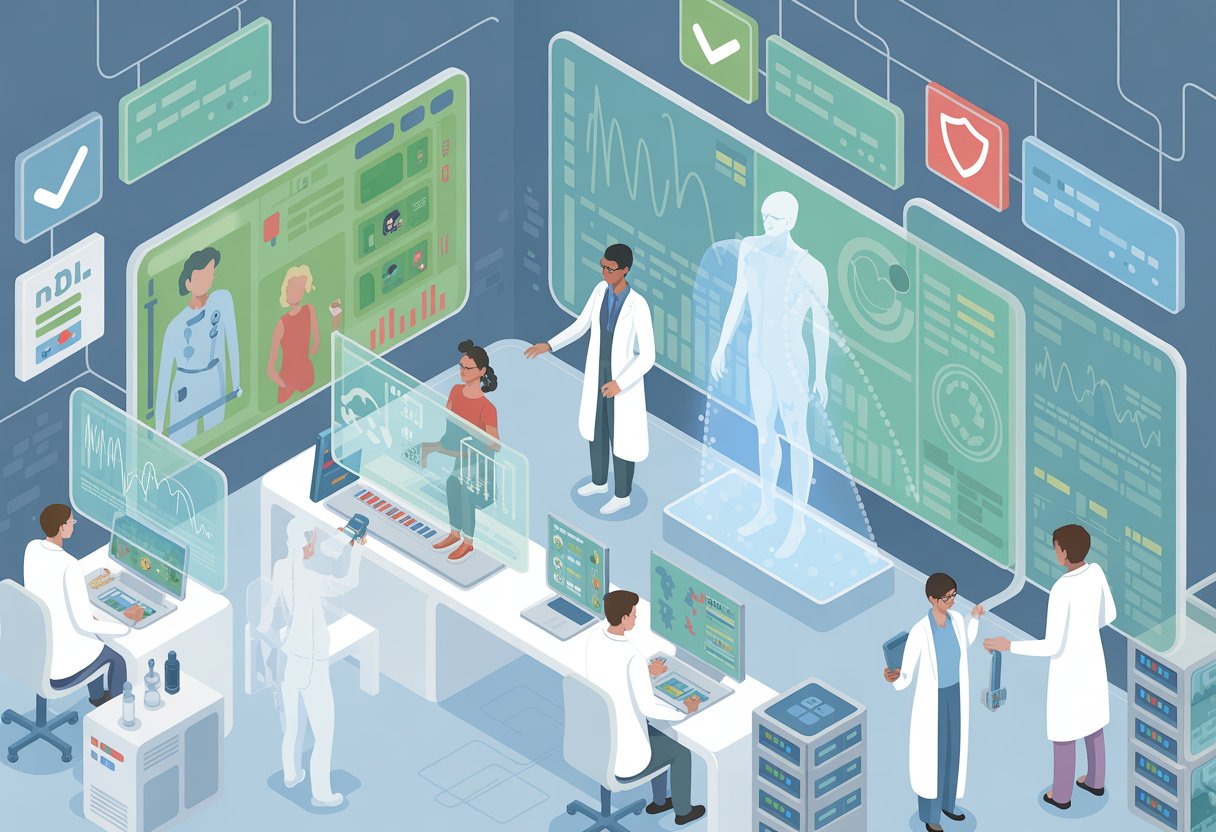
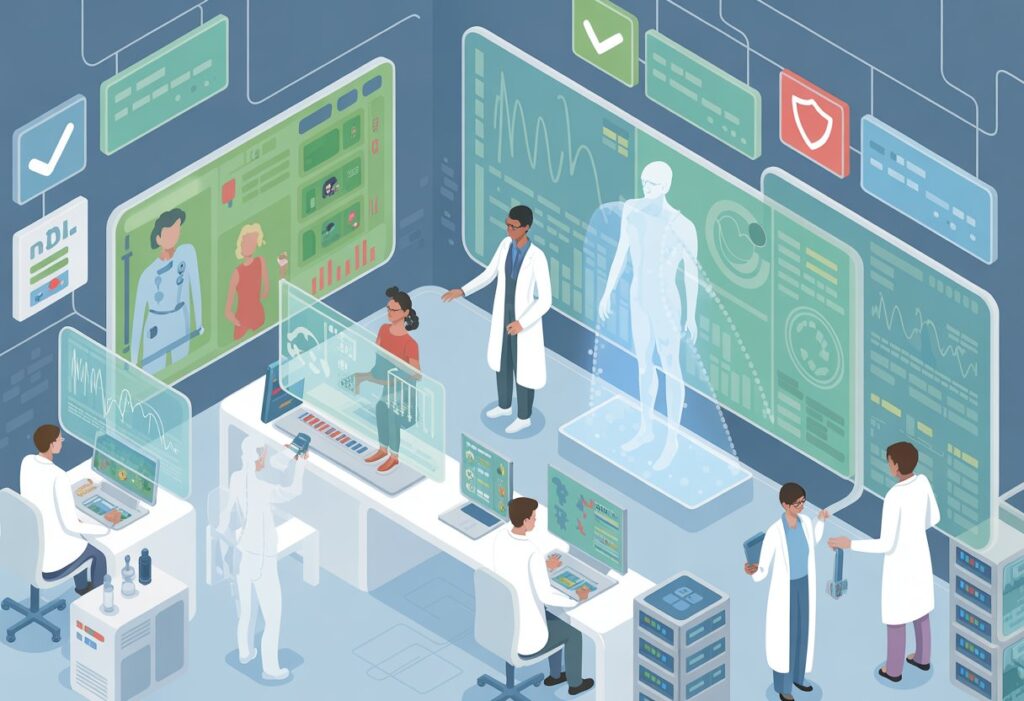
Risk assessment tools require rigorous testing against real patient outcomes, and their accuracy depends heavily on the quality of data used to build them. Poor data sources and inherent uncertainties can significantly limit how well these tools perform in practice.
Benchmarking and Real-World Evidence
Statistical models must be validated against actual patient outcomes before doctors can trust them. Researchers test predictive analytics by comparing tool predictions to what actually happened to patients over time. This process reveals whether a tool works as well in hospitals and clinics as it did during initial development.
Real-world evidence often shows different results than laboratory testing. A risk assessment tool might perform well with data from one hospital but struggle with patients from different regions or backgrounds. Tools trained on data from mostly one demographic group may give less accurate predictions for other populations.
Validation studies track metrics like sensitivity and specificity. Sensitivity measures how well a tool identifies patients who actually develop a condition. Specificity shows how accurately it rules out patients who won’t develop the condition.
Challenges Around Data Sources and Uncertainty
Data quality problems create major obstacles for risk assessment tools. Missing patient records, inconsistent measurements, and errors in medical coding all reduce accuracy. Many statistical models need complete datasets to work properly, but real healthcare data often has gaps.
Predictive analytics tools can’t account for all variables that affect patient health. Factors like stress levels, home environment, and medication adherence are hard to measure consistently. This uncertainty means even well-designed tools provide probabilities rather than definite answers.
Different healthcare systems use different electronic health record formats. This variation makes it difficult to share data between institutions or combine datasets to improve models. Some older medical records exist only on paper, limiting their usefulness for modern risk assessment tools.
Regulatory Oversight and Compliance Considerations
Healthcare organizations must navigate complex regulatory requirements when implementing risk assessment tools. These frameworks protect patient data and ensure safety while varying significantly across different regions and jurisdictions.
International Guidelines and Regulatory Frameworks
Healthcare risk assessment tools fall under multiple regulatory frameworks depending on their location and function. In the United States, tools that qualify as medical devices must comply with FDA requirements. Tools handling patient information must meet HIPAA and HITECH standards for data protection.
European organizations follow GDPR for data privacy alongside medical device regulations. The complexity increases for organizations operating across state lines or internationally, as they must comply with local data protection laws and storage requirements.
Key regulatory bodies include:
- FDA (United States medical devices and software)
- EMA (European medical products)
- State health departments (local privacy laws)
- CMS (Medicare and Medicaid compliance)
Healthcare providers must track regulatory changes continuously. AI-powered compliance tools can monitor regulatory updates and adjust their criteria automatically, helping organizations stay current with evolving standards.
Ensuring Regulatory Compliance and Patient Safety
Compliance programs must balance automation with human oversight to maintain patient safety. Organizations need detailed audit trails that track data access, system changes, and assessment procedures. These logs must be tamper-proof and easily exportable for regulatory reviews.
Risk assessment platforms should include role-based access controls that limit data visibility based on job functions. Encryption must protect data both at rest and in transit using industry-approved protocols. Organizations should maintain separate encryption keys for different datasets to enhance security.
Patient safety requires continuous monitoring of risk assessment tool performance. Healthcare teams must validate AI-generated results against manual evaluations regularly. High-risk assessments, especially those involving critical medical devices or large volumes of protected health information, need additional human review before final decisions.
Digital Health Integration and Patient Engagement
Modern risk assessment tools rely on seamless integration with existing healthcare systems and active patient participation to deliver accurate, personalized predictions. These technologies transform how patients and providers collaborate on health decisions by combining clinical data with real-world patient experiences.
Integration With Electronic Health Records
Electronic health record systems serve as the foundation for effective digital risk assessment tools. When these systems connect directly with health records, they can automatically pull patient demographics, lab results, medications, and clinical measurements without manual data entry.
This automation reduces errors and saves time for healthcare teams. Registry-specific case report forms that require manual entry are resource-intensive and subject to transcription mistakes.
Digitally enabled care collaborations between health systems and technology companies demonstrate how integration streamlines workflows. Risk assessment tools that access electronic health records can generate predictions in real-time during patient visits.
The integration also enables continuous monitoring. As new test results or vital signs enter the system, risk scores update automatically to reflect the patient’s current health status.
Patient Engagement and Decision-Making Support
Risk assessment tools work best when patients actively participate in their care. Patient engagement in digital health development remains insufficient despite its proven value in healthcare delivery and clinical research.
Digital tools collect patient-reported outcomes like fatigue levels, ability to complete daily tasks, and quality of life measures. These metrics matter because patients often prioritize functional goals over clinical endpoints when making treatment decisions.
Personalized medicine benefits from this engagement through:
- Real-time symptom tracking via smartphone apps
- Wearable devices monitoring physical activity and vital signs
- Patient questionnaires capturing mood and energy levels
- Shared decision-making based on individualized risk predictions
Risk assessment tools help patients understand their specific health trajectory. Rather than general population statistics, they receive predictions based on people with similar health profiles and circumstances.
Emerging Trends in Risk Assessment Personalization
Risk assessment tools are shifting from one-size-fits-all approaches to highly individualized predictions that account for genetic makeup, lifestyle factors, and real-time health data. These advances enable earlier interventions and more accurate forecasting of health outcomes.
Adaptive Models and Precision Risk Tools
Personalized medicine now relies on sophisticated algorithms that analyze individual genetic profiles alongside traditional health markers. Polygenic risk scores calculate disease probability by examining hundreds or thousands of genetic variants simultaneously. These scores help identify people at elevated risk for conditions like heart disease, diabetes, and certain cancers before symptoms appear.
AI powers many of these predictive analytics tools in healthcare, processing vast datasets to detect patterns that human analysis might miss. Machine learning models continuously refine their predictions as they incorporate new patient data and outcomes.
The technology goes beyond genetics. Modern tools integrate data from wearable devices, electronic health records, and patient-reported information to create dynamic risk profiles that update in real time. A person’s risk score might change based on recent blood pressure readings, activity levels, or medication adherence.
These precision tools allow doctors to tailor prevention strategies to each patient’s specific risk profile rather than applying broad population-level guidelines.
Addressing Equity, Accessibility, and Trust
Despite technological advances, significant barriers prevent equal access to personalized risk assessment. Many polygenic risk scores were developed using data from European populations, making them less accurate for people of African, Asian, or Hispanic ancestry. This creates a concerning equity gap in precision medicine.
Cost remains another obstacle. Advanced genetic testing and AI-powered analysis tools often carry high price tags that insurance may not cover. Rural areas and underserved communities frequently lack access to facilities offering these services.
Trust issues also complicate adoption. Some patients worry about genetic privacy or fear that risk scores might lead to insurance discrimination. The “black box” nature of some AI algorithms makes it difficult for patients and even clinicians to understand how the system reached its conclusions.
Healthcare organizations must prioritize developing diverse datasets, reducing costs, and building transparent systems that explain their reasoning. Without addressing these challenges, personalized risk assessment could widen existing health disparities.
The Road Ahead: Opportunities and Future Directions
Health risk assessment tools are moving toward systems that combine genetic information with environmental factors. Artificial intelligence and automation will transform how quickly these tools can predict health threats and respond to them.
Integration of Genomic and Environmental Data
The next generation of health risk assessment tools will blend omics data with environmental factors to create more accurate predictions. Omics includes genomics, proteomics, and metabolomics, which examine genes, proteins, and metabolic processes in detail.
These tools will analyze how a person’s genetic makeup interacts with their environment. For example, they can show how air pollution affects individuals with certain genetic markers differently than others. This level of detail helps doctors create personalized prevention plans.
The global public health security assessment tools span four major domains that need to incorporate this genetic and environmental data. Health systems must build databases that can store and process both types of information together. This requires new regulatory frameworks that protect genetic privacy while allowing data sharing for research.
The challenge lies in collecting environmental data at the individual level. Wearable devices and smartphone sensors can track exposure to pollutants, temperature changes, and other factors. When combined with genetic information, these tools provide a complete picture of health risks.
Innovation, Automation, and the Next Generation
AI and predictive analytics are changing how health risk assessment tools work. These technologies can process millions of data points in seconds to identify patterns that humans would miss.
Automation reduces the time between detecting a health threat and taking action. AI systems can monitor disease outbreaks in real time and predict where they will spread next. They analyze travel patterns, climate data, and population density to make these predictions.
Machine learning algorithms improve as they process more data. They learn which risk factors matter most for different populations and adjust their predictions accordingly. This creates tools that become more accurate over time without human intervention.
Regulatory frameworks must keep pace with these technological advances. Governments need to set standards for AI accuracy and transparency in health assessment tools. They must also address concerns about algorithmic bias that could lead to unequal treatment of different groups.
Frequently Asked Questions
Healthcare organizations face specific requirements for protecting patient data and evaluating new technologies. Understanding HIPAA mandates, assessment tools, and emerging tech risks helps providers maintain compliance and security.
What is the purpose of a HIPAA Security Risk Assessment, and who is required to complete one?
A HIPAA Security Risk Assessment identifies vulnerabilities in how an organization protects electronic protected health information (ePHI). The assessment examines potential threats to patient data and evaluates current security measures.
All HIPAA-covered entities must complete this assessment. This includes healthcare providers, health plans, and healthcare clearinghouses. Business associates that handle ePHI on behalf of covered entities must also conduct these assessments.
The assessment must be ongoing rather than a one-time event. Organizations need to review and update their risk assessments regularly as new threats emerge and technology changes.
How does the HHS Security Risk Assessment Tool help organizations document and manage compliance?
The HHS Security Risk Assessment Tool provides a structured framework for evaluating security practices. It walks organizations through questions about their current safeguards and potential vulnerabilities.
The tool generates reports that document findings and areas needing improvement. These reports help organizations track their progress over time and demonstrate compliance efforts during audits.
Healthcare facilities can use the tool to prioritize remediation efforts. It identifies high-risk areas that need immediate attention and helps allocate resources effectively.
What are the key differences between a security risk analysis and a security risk assessment in healthcare?
The terms security risk analysis and security risk assessment are often used interchangeably in healthcare settings. Both processes involve identifying threats and vulnerabilities to ePHI.
Some organizations distinguish between the two by scope. A risk analysis may refer to the broader examination of all potential threats. A risk assessment might focus on evaluating specific systems or processes.
HIPAA regulations use the term “risk analysis” in the Security Rule requirements. Healthcare organizations should focus on meeting the regulatory requirements regardless of terminology.
Which risk assessment frameworks or tools are most commonly used to evaluate cybersecurity and privacy risks in health systems?
The NIST Cybersecurity Framework provides comprehensive guidance for managing cybersecurity risks. Many healthcare organizations adopt this framework because it aligns well with HIPAA requirements.
HITRUST CSF combines multiple standards into a single framework designed for healthcare. It incorporates HIPAA, NIST, and ISO standards to create a unified approach to risk management.
The HITECH Act introduced health risk assessment processes that help identify gaps in care and security. Healthcare facilities also use ISO 27001 for information security management and the CIS Controls for prioritizing cybersecurity actions.
What should be included in a HIPAA risk assessment template to meet audit and reporting expectations?
A compliant HIPAA risk assessment template must include an inventory of all systems that store or transmit ePHI. This inventory should document hardware, software, and network components.
The template needs sections for identifying potential threats and vulnerabilities. These include both external threats like hackers and internal risks like employee errors.
Organizations must document current security measures for each identified risk. The template should include likelihood and impact ratings for each threat. It must also contain a remediation plan with timelines and assigned responsibilities.
How should healthcare organizations assess risks introduced by new technologies such as AI, connected devices, and cloud platforms?
Healthcare organizations need to evaluate how AI systems access and process patient data. They must determine if AI vendors qualify as business associates and require appropriate agreements.
Connected medical devices create new entry points for potential security breaches. Organizations should assess network segmentation, device authentication, and patch management capabilities for each connected device.
Cloud platforms require careful review of data storage locations and encryption methods. Healthcare facilities must verify that cloud providers offer HIPAA-compliant services and sign business associate agreements. They should also evaluate data backup procedures and disaster recovery capabilities.
Post Views: 7

Elevate Your Health for Just $29.99/Month
Join the Precision Wellness Subscription at My Healing 365 and get discounted services, priority coaching access, virtual care, and exclusive wellness resources to support your physical, emotional, and hormonal health.
Join for $29.99/MonthMedically Reviewed
Dr. Jose Rossello, MD, PhD, MHCM
Preventive Medicine & Public Health Specialist
Last Reviewed: June 24, 2026
Healthcare is changing fast. Modern risk assessment tools combine artificial intelligence, genetic data, and digital monitoring to predict health problems before they happen, helping doctors and patients make better decisions about prevention and treatment. These tools analyze everything from a person’s medical history to their daily habits to spot warning signs early.
The shift from reactive care to proactive health management represents a major change in medicine. Traditional methods relied on waiting for symptoms to appear. Today’s AI-powered health risk assessment tools can measure vital signs through a smartphone camera, analyze genetic markers, and predict disease risks years in advance. This technology is making personalized medicine a reality for millions of people.
Understanding how these tools work matters for everyone. From facial recognition systems that check heart rate in 60 seconds to platforms that screen for mental health concerns, the landscape of healthcare risk assessment keeps expanding. These advances raise important questions about accuracy, privacy, and how to best use technology alongside traditional medical care.
Key Takeaways
- Risk assessment tools now use AI and genetic data to predict health problems before symptoms appear
- Modern platforms can measure multiple health indicators quickly through smartphones without invasive testing
- These technologies work best when combined with professional medical guidance and proper regulatory oversight
Core Concepts of Modern Risk Assessment
Modern risk assessment in healthcare relies on structured frameworks that identify vulnerabilities and statistical approaches that predict future outcomes. These tools use data-driven methods to evaluate threats across clinical, operational, and technological domains.
Defining Health Risk Assessment Tools
Risk assessment tools in healthcare are specialized software applications and frameworks designed to identify, analyze, and manage potential threats. These platforms help organizations evaluate risks across multiple areas including patient safety, data security, and regulatory compliance.
The tools provide structured approaches for several key functions. They pinpoint vulnerabilities in care processes and IT systems. They evaluate risks based on likelihood and impact to determine which issues need immediate attention. They monitor adherence to regulations like HIPAA and OSHA standards.
Healthcare-specific solutions differ from general risk management platforms. They account for unique medical environment needs including ethical considerations and life-critical systems. Organizations typically deploy multiple tools to address different risk categories rather than relying on a single solution.
Statistical Models and Predictive Analytics
Statistical models form the foundation of modern risk assessment by analyzing historical data to identify patterns and correlations. These models use regression analysis, probability distributions, and risk scoring algorithms to quantify potential threats.
Predictive analytics takes this further by forecasting future risks before they occur. Machine learning algorithms process large datasets from electronic health records, claims data, and operational systems to detect early warning signs. These systems can predict patient deterioration, identify potential medication errors, and flag unusual billing patterns that may indicate fraud.
The accuracy of these models depends on data quality and regular updates. Healthcare organizations must continuously refine their algorithms as new data becomes available and as clinical practices evolve.
Transformative Technologies Shaping the Landscape
New technologies are making health risk assessment more accurate and accessible. AI and machine learning now analyze patient data in ways that were impossible just a few years ago.
AI and Machine Learning Innovations
Machine learning algorithms can process thousands of patient records in seconds. These systems identify patterns in medical history, genetics, and lifestyle factors to predict disease risk. Predictive analytics tools now forecast conditions like diabetes, heart disease, and certain cancers years before symptoms appear.
Healthcare providers use these tools to calculate personalized risk scores for their patients. The algorithms analyze data from electronic health records, lab results, and imaging scans. They spot warning signs that human doctors might miss.
Key applications include:
- Early detection of cardiovascular disease risk
- Identifying patients likely to develop diabetes
- Predicting hospital readmission rates
- Assessing cancer recurrence probability
The technology improves as it processes more patient data. Systems learn from outcomes and refine their predictions over time.
Explainable AI and Transparency in Healthcare
Explainable AI addresses a critical challenge in healthcare technology. Doctors and patients need to understand how algorithms reach their conclusions. These systems show which factors influenced each risk assessment.
A transparent AI model might reveal that a patient’s high cholesterol, family history, and blood pressure drove their heart disease risk score. The system explains its reasoning in plain language. This builds trust between healthcare providers and their patients.
Regulatory bodies now require this transparency for medical AI tools. Healthcare organizations must demonstrate that their algorithms make fair, unbiased decisions. Explainable AI helps doctors verify recommendations before acting on them.
Patients can see exactly what data shaped their risk assessment. They understand which lifestyle changes might lower their scores.
Clinical Applications and Prominent Risk Scoring Systems
Healthcare providers use specific risk assessment tools to predict patient outcomes and guide treatment decisions across multiple medical specialties. These scoring systems analyze patient data to identify individuals who need closer monitoring or early intervention.
Cardiovascular Risk Assessment and the Framingham Risk Score
The Framingham Risk Score stands as one of the most widely used cardiovascular risk assessment tools in clinical practice. It calculates a patient’s 10-year risk of developing coronary heart disease based on age, sex, cholesterol levels, blood pressure, smoking status, and diabetes presence.
Doctors use this score to determine which patients need aggressive treatment for high cholesterol or blood pressure. A score above 20% typically indicates high risk and prompts immediate intervention.
The tool helps physicians make evidence-based decisions about starting medications like statins. It also guides conversations with patients about lifestyle changes needed to reduce heart disease risk.
Suicide and Mental Health Risk Tools
Mental health professionals rely on suicide risk assessment instruments to identify patients at elevated risk of self-harm. The Columbia-Suicide Severity Rating Scale (C-SSRS) asks about suicidal thoughts, plans, and behaviors to classify risk levels.
These tools help clinicians decide whether a patient needs hospitalization or can be safely treated as an outpatient. They also guide the frequency of follow-up appointments and the intensity of monitoring required.
The Patient Health Questionnaire-9 (PHQ-9) screens for depression severity and includes a question about suicidal ideation. Scores above 15 indicate moderately severe to severe depression requiring close attention.
Bone Mineral Density and Chronic Disease Predictors
The FRAX tool calculates 10-year probability of hip fracture and major osteoporotic fracture using bone mineral density (BMD) measurements and clinical risk factors. Doctors use these predictions to decide when to start osteoporosis medications in at-risk patients.
BMD scores, measured through dual-energy X-ray absorptiometry (DXA) scans, classify bone health as normal, osteopenia, or osteoporosis. A T-score of -2.5 or lower indicates osteoporosis and warrants treatment consideration.
Risk stratification methods allow healthcare teams to distribute resources efficiently and adjust patient panel sizes based on complexity. Chronic disease prediction tools also identify patients who would benefit from care management programs before complications develop.
Integration of Omics and Genomic Data
Genomic data and omics technologies now enable healthcare providers to assess disease risk with unprecedented precision. Polygenic risk scores combine genetic variants to predict individual susceptibility, while multi-omics approaches examine multiple biological layers simultaneously to reveal complex disease mechanisms.
Polygenic Risk Scores in Personalized Medicine
Polygenic risk scores aggregate the effects of thousands or millions of genetic variants across a person’s genome. These scores calculate cumulative risk for conditions like heart disease, diabetes, and certain cancers. Healthcare providers use these scores alongside traditional risk factors such as age, blood pressure, and family history.
The scores help identify individuals who may benefit from earlier screening or preventive interventions. A person with a high polygenic risk score for coronary artery disease might start cholesterol management at a younger age. Similarly, those with elevated breast cancer risk scores may begin mammography screening earlier than standard guidelines recommend.
Current limitations include reduced accuracy in non-European populations due to genetic databases that primarily contain European ancestry data. Researchers are working to develop more inclusive reference datasets that improve score accuracy across diverse ethnic groups.
The Role of Multi-Omics in Risk Prediction
Multi-omics integrates genomics, proteomics, metabolomics, and transcriptomics to create comprehensive biological profiles. Combining multiomics data with electronic health records provides detailed views into disease pathways that single data types cannot capture alone.
This approach reveals how genetic predisposition interacts with protein expression, metabolic processes, and environmental factors. A patient might carry genetic variants for diabetes risk, but their metabolomic profile could show protective metabolic signatures that modify actual disease likelihood.
Scientists use several integration strategies including concatenation-based methods that combine datasets directly and network-based approaches that map relationships between biological layers. These techniques help researchers identify biomarkers that predict disease onset years before symptoms appear, enabling truly preventive medicine strategies.
Environmental and Population Health Approaches
Risk assessment tools now track how environmental exposures affect entire populations and measure harmful substances that build up in living organisms over time. These systems identify which communities face the greatest health threats from their surroundings.
Exposure Assessment and Bioaccumulation Tracking
Exposure assessment measures how people come into contact with harmful substances through air, water, food, and soil. Modern tools collect data from sensors, blood tests, and environmental samples to determine exposure levels in specific populations.
Bioaccumulation tracking monitors how toxins concentrate in organisms over time. When people or animals absorb chemicals faster than they can eliminate them, these substances build up in body tissues. Mercury in fish provides a clear example of this process.
Key tracking methods include:
- Blood and urine biomarker testing
- Environmental sensor networks
- Food chain contamination mapping
- Tissue sample analysis from wildlife
Health agencies use this data to set safety standards and issue warnings about contaminated areas or foods. The information helps doctors identify patients at risk for exposure-related diseases.
Environmental Risk Models and Population Vulnerability
Environmental risk assessment combines exposure data with health outcomes to predict disease patterns in communities. These models identify neighborhoods where pollution, water quality, or industrial sites create elevated health risks.
Population vulnerability maps show which groups face the highest risks based on age, income, pre-existing conditions, and location. Children and elderly residents often appear as high-risk groups because their bodies process toxins differently than healthy adults.
Geographic information systems layer environmental hazards over demographic data. This reveals patterns such as higher asthma rates near highways or increased cancer clusters around contaminated sites. Cities use these tools to prioritize cleanup efforts and direct health resources to affected areas.
Validation, Data Quality, and Limitations
Risk assessment tools require rigorous testing against real patient outcomes, and their accuracy depends heavily on the quality of data used to build them. Poor data sources and inherent uncertainties can significantly limit how well these tools perform in practice.
Benchmarking and Real-World Evidence
Statistical models must be validated against actual patient outcomes before doctors can trust them. Researchers test predictive analytics by comparing tool predictions to what actually happened to patients over time. This process reveals whether a tool works as well in hospitals and clinics as it did during initial development.
Real-world evidence often shows different results than laboratory testing. A risk assessment tool might perform well with data from one hospital but struggle with patients from different regions or backgrounds. Tools trained on data from mostly one demographic group may give less accurate predictions for other populations.
Validation studies track metrics like sensitivity and specificity. Sensitivity measures how well a tool identifies patients who actually develop a condition. Specificity shows how accurately it rules out patients who won’t develop the condition.
Challenges Around Data Sources and Uncertainty
Data quality problems create major obstacles for risk assessment tools. Missing patient records, inconsistent measurements, and errors in medical coding all reduce accuracy. Many statistical models need complete datasets to work properly, but real healthcare data often has gaps.
Predictive analytics tools can’t account for all variables that affect patient health. Factors like stress levels, home environment, and medication adherence are hard to measure consistently. This uncertainty means even well-designed tools provide probabilities rather than definite answers.
Different healthcare systems use different electronic health record formats. This variation makes it difficult to share data between institutions or combine datasets to improve models. Some older medical records exist only on paper, limiting their usefulness for modern risk assessment tools.
Regulatory Oversight and Compliance Considerations
Healthcare organizations must navigate complex regulatory requirements when implementing risk assessment tools. These frameworks protect patient data and ensure safety while varying significantly across different regions and jurisdictions.
International Guidelines and Regulatory Frameworks
Healthcare risk assessment tools fall under multiple regulatory frameworks depending on their location and function. In the United States, tools that qualify as medical devices must comply with FDA requirements. Tools handling patient information must meet HIPAA and HITECH standards for data protection.
European organizations follow GDPR for data privacy alongside medical device regulations. The complexity increases for organizations operating across state lines or internationally, as they must comply with local data protection laws and storage requirements.
Key regulatory bodies include:
- FDA (United States medical devices and software)
- EMA (European medical products)
- State health departments (local privacy laws)
- CMS (Medicare and Medicaid compliance)
Healthcare providers must track regulatory changes continuously. AI-powered compliance tools can monitor regulatory updates and adjust their criteria automatically, helping organizations stay current with evolving standards.
Ensuring Regulatory Compliance and Patient Safety
Compliance programs must balance automation with human oversight to maintain patient safety. Organizations need detailed audit trails that track data access, system changes, and assessment procedures. These logs must be tamper-proof and easily exportable for regulatory reviews.
Risk assessment platforms should include role-based access controls that limit data visibility based on job functions. Encryption must protect data both at rest and in transit using industry-approved protocols. Organizations should maintain separate encryption keys for different datasets to enhance security.
Patient safety requires continuous monitoring of risk assessment tool performance. Healthcare teams must validate AI-generated results against manual evaluations regularly. High-risk assessments, especially those involving critical medical devices or large volumes of protected health information, need additional human review before final decisions.
Digital Health Integration and Patient Engagement
Modern risk assessment tools rely on seamless integration with existing healthcare systems and active patient participation to deliver accurate, personalized predictions. These technologies transform how patients and providers collaborate on health decisions by combining clinical data with real-world patient experiences.
Integration With Electronic Health Records
Electronic health record systems serve as the foundation for effective digital risk assessment tools. When these systems connect directly with health records, they can automatically pull patient demographics, lab results, medications, and clinical measurements without manual data entry.
This automation reduces errors and saves time for healthcare teams. Registry-specific case report forms that require manual entry are resource-intensive and subject to transcription mistakes.
Digitally enabled care collaborations between health systems and technology companies demonstrate how integration streamlines workflows. Risk assessment tools that access electronic health records can generate predictions in real-time during patient visits.
The integration also enables continuous monitoring. As new test results or vital signs enter the system, risk scores update automatically to reflect the patient’s current health status.
Patient Engagement and Decision-Making Support
Risk assessment tools work best when patients actively participate in their care. Patient engagement in digital health development remains insufficient despite its proven value in healthcare delivery and clinical research.
Digital tools collect patient-reported outcomes like fatigue levels, ability to complete daily tasks, and quality of life measures. These metrics matter because patients often prioritize functional goals over clinical endpoints when making treatment decisions.
Personalized medicine benefits from this engagement through:
- Real-time symptom tracking via smartphone apps
- Wearable devices monitoring physical activity and vital signs
- Patient questionnaires capturing mood and energy levels
- Shared decision-making based on individualized risk predictions
Risk assessment tools help patients understand their specific health trajectory. Rather than general population statistics, they receive predictions based on people with similar health profiles and circumstances.
Emerging Trends in Risk Assessment Personalization
Risk assessment tools are shifting from one-size-fits-all approaches to highly individualized predictions that account for genetic makeup, lifestyle factors, and real-time health data. These advances enable earlier interventions and more accurate forecasting of health outcomes.
Adaptive Models and Precision Risk Tools
Personalized medicine now relies on sophisticated algorithms that analyze individual genetic profiles alongside traditional health markers. Polygenic risk scores calculate disease probability by examining hundreds or thousands of genetic variants simultaneously. These scores help identify people at elevated risk for conditions like heart disease, diabetes, and certain cancers before symptoms appear.
AI powers many of these predictive analytics tools in healthcare, processing vast datasets to detect patterns that human analysis might miss. Machine learning models continuously refine their predictions as they incorporate new patient data and outcomes.
The technology goes beyond genetics. Modern tools integrate data from wearable devices, electronic health records, and patient-reported information to create dynamic risk profiles that update in real time. A person’s risk score might change based on recent blood pressure readings, activity levels, or medication adherence.
These precision tools allow doctors to tailor prevention strategies to each patient’s specific risk profile rather than applying broad population-level guidelines.
Addressing Equity, Accessibility, and Trust
Despite technological advances, significant barriers prevent equal access to personalized risk assessment. Many polygenic risk scores were developed using data from European populations, making them less accurate for people of African, Asian, or Hispanic ancestry. This creates a concerning equity gap in precision medicine.
Cost remains another obstacle. Advanced genetic testing and AI-powered analysis tools often carry high price tags that insurance may not cover. Rural areas and underserved communities frequently lack access to facilities offering these services.
Trust issues also complicate adoption. Some patients worry about genetic privacy or fear that risk scores might lead to insurance discrimination. The “black box” nature of some AI algorithms makes it difficult for patients and even clinicians to understand how the system reached its conclusions.
Healthcare organizations must prioritize developing diverse datasets, reducing costs, and building transparent systems that explain their reasoning. Without addressing these challenges, personalized risk assessment could widen existing health disparities.
The Road Ahead: Opportunities and Future Directions
Health risk assessment tools are moving toward systems that combine genetic information with environmental factors. Artificial intelligence and automation will transform how quickly these tools can predict health threats and respond to them.
Integration of Genomic and Environmental Data
The next generation of health risk assessment tools will blend omics data with environmental factors to create more accurate predictions. Omics includes genomics, proteomics, and metabolomics, which examine genes, proteins, and metabolic processes in detail.
These tools will analyze how a person’s genetic makeup interacts with their environment. For example, they can show how air pollution affects individuals with certain genetic markers differently than others. This level of detail helps doctors create personalized prevention plans.
The global public health security assessment tools span four major domains that need to incorporate this genetic and environmental data. Health systems must build databases that can store and process both types of information together. This requires new regulatory frameworks that protect genetic privacy while allowing data sharing for research.
The challenge lies in collecting environmental data at the individual level. Wearable devices and smartphone sensors can track exposure to pollutants, temperature changes, and other factors. When combined with genetic information, these tools provide a complete picture of health risks.
Innovation, Automation, and the Next Generation
AI and predictive analytics are changing how health risk assessment tools work. These technologies can process millions of data points in seconds to identify patterns that humans would miss.
Automation reduces the time between detecting a health threat and taking action. AI systems can monitor disease outbreaks in real time and predict where they will spread next. They analyze travel patterns, climate data, and population density to make these predictions.
Machine learning algorithms improve as they process more data. They learn which risk factors matter most for different populations and adjust their predictions accordingly. This creates tools that become more accurate over time without human intervention.
Regulatory frameworks must keep pace with these technological advances. Governments need to set standards for AI accuracy and transparency in health assessment tools. They must also address concerns about algorithmic bias that could lead to unequal treatment of different groups.
Frequently Asked Questions
Healthcare organizations face specific requirements for protecting patient data and evaluating new technologies. Understanding HIPAA mandates, assessment tools, and emerging tech risks helps providers maintain compliance and security.
What is the purpose of a HIPAA Security Risk Assessment, and who is required to complete one?
A HIPAA Security Risk Assessment identifies vulnerabilities in how an organization protects electronic protected health information (ePHI). The assessment examines potential threats to patient data and evaluates current security measures.
All HIPAA-covered entities must complete this assessment. This includes healthcare providers, health plans, and healthcare clearinghouses. Business associates that handle ePHI on behalf of covered entities must also conduct these assessments.
The assessment must be ongoing rather than a one-time event. Organizations need to review and update their risk assessments regularly as new threats emerge and technology changes.
How does the HHS Security Risk Assessment Tool help organizations document and manage compliance?
The HHS Security Risk Assessment Tool provides a structured framework for evaluating security practices. It walks organizations through questions about their current safeguards and potential vulnerabilities.
The tool generates reports that document findings and areas needing improvement. These reports help organizations track their progress over time and demonstrate compliance efforts during audits.
Healthcare facilities can use the tool to prioritize remediation efforts. It identifies high-risk areas that need immediate attention and helps allocate resources effectively.
What are the key differences between a security risk analysis and a security risk assessment in healthcare?
The terms security risk analysis and security risk assessment are often used interchangeably in healthcare settings. Both processes involve identifying threats and vulnerabilities to ePHI.
Some organizations distinguish between the two by scope. A risk analysis may refer to the broader examination of all potential threats. A risk assessment might focus on evaluating specific systems or processes.
HIPAA regulations use the term “risk analysis” in the Security Rule requirements. Healthcare organizations should focus on meeting the regulatory requirements regardless of terminology.
Which risk assessment frameworks or tools are most commonly used to evaluate cybersecurity and privacy risks in health systems?
The NIST Cybersecurity Framework provides comprehensive guidance for managing cybersecurity risks. Many healthcare organizations adopt this framework because it aligns well with HIPAA requirements.
HITRUST CSF combines multiple standards into a single framework designed for healthcare. It incorporates HIPAA, NIST, and ISO standards to create a unified approach to risk management.
The HITECH Act introduced health risk assessment processes that help identify gaps in care and security. Healthcare facilities also use ISO 27001 for information security management and the CIS Controls for prioritizing cybersecurity actions.
What should be included in a HIPAA risk assessment template to meet audit and reporting expectations?
A compliant HIPAA risk assessment template must include an inventory of all systems that store or transmit ePHI. This inventory should document hardware, software, and network components.
The template needs sections for identifying potential threats and vulnerabilities. These include both external threats like hackers and internal risks like employee errors.
Organizations must document current security measures for each identified risk. The template should include likelihood and impact ratings for each threat. It must also contain a remediation plan with timelines and assigned responsibilities.
How should healthcare organizations assess risks introduced by new technologies such as AI, connected devices, and cloud platforms?
Healthcare organizations need to evaluate how AI systems access and process patient data. They must determine if AI vendors qualify as business associates and require appropriate agreements.
Connected medical devices create new entry points for potential security breaches. Organizations should assess network segmentation, device authentication, and patch management capabilities for each connected device.
Cloud platforms require careful review of data storage locations and encryption methods. Healthcare facilities must verify that cloud providers offer HIPAA-compliant services and sign business associate agreements. They should also evaluate data backup procedures and disaster recovery capabilities.
Post Views: 7

























