Medically Reviewed
Dr. Jose Rossello, MD, PhD, MHCM
Preventive Medicine & Public Health Specialist
Last Reviewed: April 12, 2026
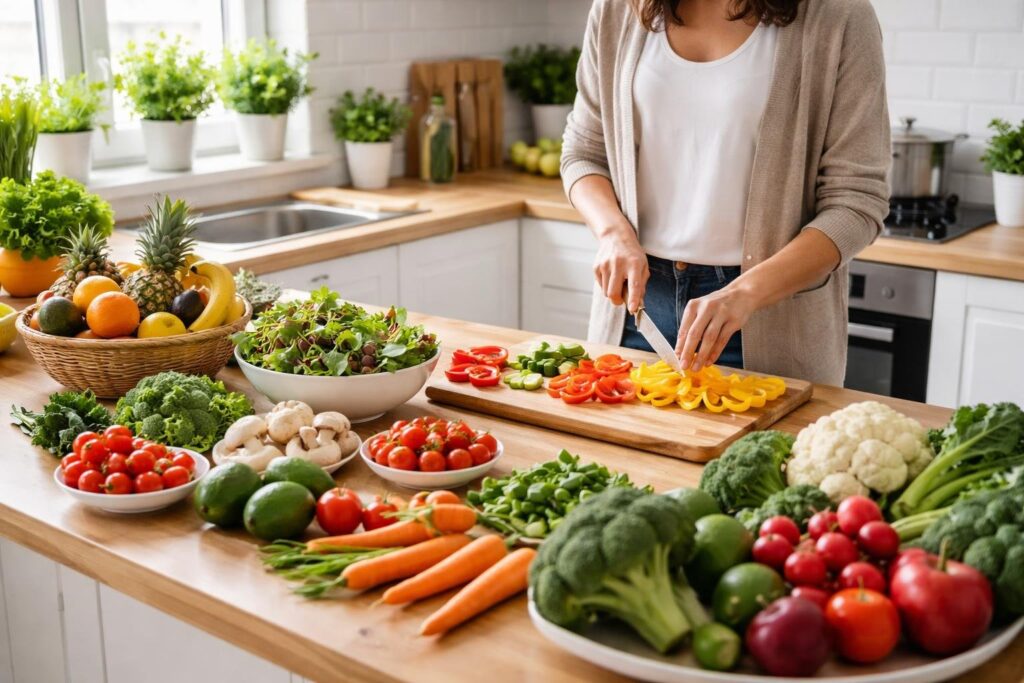
Your kitchen does more than just store food and cookware. The way you organize and stock your kitchen directly influences your daily food choices and can make healthy eating effortless instead of a constant struggle. Most people don’t realize that simple changes to their kitchen setup[1] can naturally guide them toward better nutrition without relying on willpower alone.
When healthy foods are visible and easy to access, people naturally reach for them more often. When cooking tools sit within arm’s reach and fresh ingredients are ready to use, preparing nutritious meals becomes the path of least resistance. Transforming your kitchen for better health[2] doesn’t require a complete renovation or expensive purchases.
Small adjustments to storage, organization, and the foods kept on hand can shift eating habits in lasting ways. From where fruit sits on the counter to how measuring tools are stored, each detail plays a role in supporting health goals. These practical strategies help create an environment where healthy choices become the easy choices[3].
Table of Contents
Key Takeaways
- Organizing your kitchen to make healthy foods visible and accessible naturally encourages better eating habits
- Keeping essential cooking tools and fresh ingredients within easy reach removes barriers to preparing nutritious meals
- Small changes to kitchen layout and food storage create an environment that supports long-term wellness goals
The Power of a Healthy Kitchen
A well-designed kitchen shapes eating patterns and makes nutritious choices easier. The layout, organization, and setup of this space directly affect what people eat and how they approach meals each day.
How Kitchen Design Influences Healthy Eating
The physical layout of a kitchen affects food choices in ways most people never notice. When healthy foods sit at eye level and within easy reach, people naturally grab them more often. Redesigning your kitchen for healthy eating[1] starts with strategic placement of nutritious options.
Counter space matters more than most realize. Clear countertops make meal prep simpler and faster. People who keep their counters clean tend to cook at home more often than those with cluttered surfaces.
Storage also plays a key role. Glass containers let you see what’s inside, which reduces food waste. Label everything with dates to track freshness. Keep whole grains, nuts, and seeds in airtight containers where you’ll spot them first.
Lighting affects both mood and food preparation. Good lighting helps you see what you’re cooking and makes the space more inviting. Natural light works best, but quality task lighting over prep areas also helps.
Nurturing Healthy Habits at Home
A healthy kitchen supports better habits through smart organization. Stock your pantry with items that nourish your body instead of processed foods with added sugars. Place a fruit bowl on the counter where everyone can see it.
Meal planning becomes easier when your kitchen works with you. Designate specific areas for breakfast items, snacks, and cooking supplies. This setup saves time and reduces the mental energy needed to prepare meals.
Keep cooking tools accessible. When a cutting board and sharp knives are ready to use, chopping vegetables takes less effort. The same applies to measuring cups, mixing bowls, and other basics.
Create a system that supports a healthy lifestyle. Many people find success by prepping ingredients on weekends. Store cut vegetables in clear containers at eye level so they become the obvious choice during busy weeknights.
Reducing Temptations and Unhealthy Choices
Out of sight works better than willpower alone. Store treats in opaque containers on high shelves or in the back of cupboards. This simple change reduces mindless snacking.
Replace problem foods with better options. Swap chips for air-popped popcorn or nuts. Keep pre-cut vegetables with hummus ready to grab. These switches make it easier to lose weight without feeling restricted.
The first shelf of your refrigerator should hold foods you want to eat most. Put washed lettuce, cut fruit, and healthy snacks here. Push less nutritious items to the back or bottom drawers.
Remove visual triggers completely if needed. Some people do better without any junk food in the house. Others find that keeping small portions of treats prevents feelings of restriction. Choose what works best for your situation and stick with it.
Organize Your Kitchen for Wellness
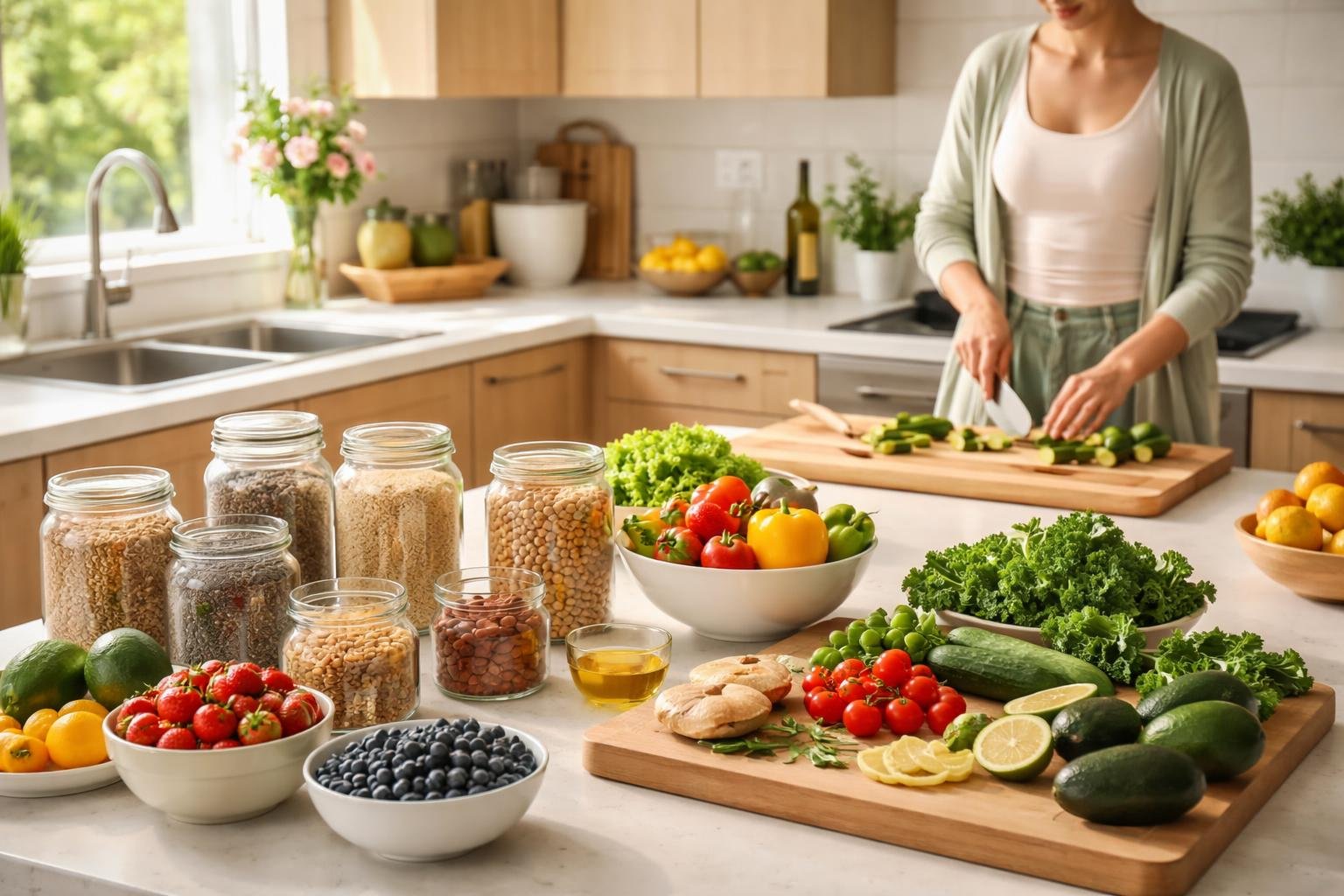
The way someone sets up their kitchen directly affects their food choices and eating habits. Keeping healthy foods visible and accessible while storing less nutritious items out of sight creates an environment that supports better decisions.
Fridge and Freezer Organization
The refrigerator works best when healthy foods sit at eye level instead of hidden in drawers. Storing fruits and vegetables in clear containers on middle shelves makes them the first thing someone sees when opening the door. This simple change helps people grab nutritious options more often.
The crisper drawer should hold backup produce or items that need high humidity to stay fresh longer. Keeping less healthy treats like desserts and sugary drinks on lower shelves or in the back of the fridge reduces their appeal.
The freezer deserves the same attention. Frozen vegetables and fruits contain nutrients comparable to fresh versions, making them valuable for meal prep. Organizing frozen items by category speeds up cooking. One section can hold vegetables, another for fruits, and a third for proteins. This setup makes it easy to find ingredients quickly when preparing meals.
Decluttering Countertops and Cabinets
A cluttered kitchen creates stress and makes cooking feel harder than it needs to be. Research shows that clutter leads to lost time and more negative emotions[4], which can trigger poor eating choices.
Countertops should only hold items used daily. Appliances like blenders, toasters, and coffee makers can go in cabinets when not in use. This creates a calmer space that feels more inviting for cooking.
Kitchen tools need regular review. Items that haven’t been used in a year should be donated or thrown away. The tools that remain should be easy to grab, stored in low cabinets or drawers near the stove. Meal prepping becomes simpler when the right tools are within reach.
Smart Pantry Setup
Organizing a pantry by category[5] keeps the space functional and reduces food waste. Grouping similar items together makes it easier to see what needs restocking and helps with creating a grocery list.
Pantry staples like whole grain pasta, oats, nuts, canned beans, and nut butter should occupy easy-to-reach shelves. Less healthy snacks and sweets belong on high or low shelves where they’re harder to see and grab.
Clear containers work well for storing dried goods like rice, quinoa, and flour. They keep food fresh while showing exactly how much remains. Labeling containers with names and expiration dates prevents waste and confusion.
A well-organized pantry supports quick meal decisions. When someone can see their ingredients clearly, they’re more likely to cook at home instead of ordering takeout.
Stocking Essential Foods for Health
A kitchen filled with nutrient-dense foods makes healthy eating easier and more convenient. Fresh produce, whole grains, and quality proteins form the foundation of a balanced diet that supports long-term wellness.
Must-Have Fruits and Vegetables
Fresh fruits and vegetables provide essential vitamins, minerals, and fiber that the body needs daily. Berries like blueberries, strawberries, and raspberries contain antioxidants that support immune function. Apples and pears store well at room temperature and make easy grab-and-go snacks.
Dark leafy greens deserve a prominent place in any healthy kitchen. Spinach and kale pack significant amounts of vitamins A, C, and K into each serving. These greens work well in salads, smoothies, or sautéed as side dishes.
Cruciferous vegetables like broccoli offer both nutrition and versatility. Broccoli contains fiber, vitamin C, and compounds that support cellular health. Other vegetables worth keeping on hand[6] include carrots, bell peppers, and sweet potatoes.
Frozen vegetables provide a practical alternative when fresh options aren’t available. They retain most of their nutrients and last for months in the freezer.
Whole Grains and Fiber-Rich Staples
Whole grains deliver sustained energy and important nutrients that refined grains lack. Oats serve as a versatile breakfast option that provides soluble fiber for digestive health. Steel-cut or rolled oats both offer nutritional benefits.
Brown rice contains more fiber and minerals than white rice. It pairs well with proteins and vegetables for balanced meals. Quinoa stands out as a complete protein source among grains and cooks in about 15 minutes.
These essential pantry ingredients[7] store for months in sealed containers. Other beneficial whole grains include bulgur, farro, and whole wheat pasta. Each offers distinct textures and flavors while providing B vitamins and fiber.
Lean Proteins and Plant-Based Options
Protein supports muscle maintenance, immune function, and satiety between meals. Eggs remain one of the most affordable and nutritious protein sources available. They contain all nine essential amino acids and store in the refrigerator for weeks.
Plant-based proteins include:
- Beans (black, kidney, pinto)
- Lentils (red, green, brown)
- Chickpeas
- Edamame
Canned beans offer convenience without sacrificing nutrition. They require no soaking or long cooking times. Dried legumes cost less but need advance planning for preparation.
Lentils cook faster than most beans and don’t require soaking. They adapt well to soups, salads, and side dishes. Chickpeas work in both savory dishes and sweet preparations like energy balls.
These lean proteins and plant-based options[8] provide flexibility for various dietary preferences while delivering essential nutrients.
Building a Gut-Healthy Kitchen
A gut-healthy kitchen starts with understanding how food choices impact digestive health and stocking the right ingredients to support beneficial gut bacteria. The key lies in incorporating probiotic-rich foods and creating an environment that naturally encourages better eating habits for optimal gut function.
Understanding Gut Health
Gut health refers to the balance and function of bacteria and other microorganisms in the digestive tract. The gut microbiome contains trillions of bacteria that help digest food, produce vitamins, and protect against harmful pathogens.
When gut bacteria are balanced, they support the immune system and reduce inflammation throughout the body. An unhealthy gut can lead to digestive issues, weakened immunity, and chronic inflammation.
Creating a wellness-focused kitchen[9] can transform how someone approaches daily nutrition. The foods kept on hand directly influence gut health outcomes. A kitchen stocked with processed snacks and sugary foods makes it harder to nourish the gut with necessary nutrients.
Setting up a gut-healthy kitchen means making small but meaningful changes. These adjustments make healthy eating more convenient and sustainable over time.
Incorporating Probiotic and Fermented Foods
Probiotics are live beneficial bacteria that support digestive health when consumed regularly. Fermented foods naturally contain these helpful microorganisms and should be staples in any gut-healthy kitchen.
Essential Fermented Foods to Stock:
- Sauerkraut – Fermented cabbage rich in probiotics and fiber that aids digestion
- Kimchi – Spicy fermented vegetables that encourage growth of beneficial bacteria
- Tempeh – Fermented soy product loaded with probiotics and plant-based protein
- Yogurt – Contains multiple strains of live cultures that support gut balance
- Greek yogurt – Higher protein version with concentrated probiotic benefits
- Cottage cheese – Mild option that provides probiotics and calcium
These foods help break down nutrients for better absorption. They also strengthen the immune system by encouraging beneficial bacteria to thrive. Fermented foods introduce probiotics[10] that restore balance in the digestive tract.
Store probiotic-rich foods on eye-level shelves in the refrigerator for easy access. This simple organization trick encourages regular consumption.
Supporting Your Gut Microbiome
The gut microbiome needs specific nutrients to function properly. Fiber feeds beneficial gut bacteria and helps them multiply. Without adequate fiber, harmful bacteria can outnumber the good ones.
Whole grains like brown rice, quinoa, and oats provide soluble fiber that softens stool and aids digestion. Legumes such as lentils, chickpeas, and beans offer fiber that regulates digestion while feeding gut bacteria.
Fresh vegetables and fruits contribute different types of fiber. Leafy greens, broccoli, and Brussels sprouts provide high amounts of digestive support. Apples, pears, and berries with their skin intact deliver fiber-rich benefits.
Prebiotics are non-digestible fibers that specifically nourish beneficial bacteria. Foods like garlic, onions, bananas, and asparagus act as prebiotics. They create an environment where healthy gut bacteria can flourish.
Herbs and spices also support the gut microbiome. Ginger stimulates digestive enzymes while turmeric reduces inflammation in the digestive tract. These additions provide flavor while offering gut-protective benefits.
Modern kitchen technology helps people cook nutritious meals with less effort and better accuracy. The right tools make it easier to prepare fresh ingredients, control serving sizes, and use cooking methods that preserve nutrients.
Essential Cooking Gadgets
A blender turns whole fruits and vegetables into smoothies and soups in minutes. High-powered models can break down fibrous greens and frozen ingredients without leaving chunks. A food processor handles tasks like chopping vegetables, making cauliflower rice, and preparing homemade nut butters without added oils or preservatives.
A steamer cooks vegetables, fish, and grains while keeping vitamins and minerals intact. Unlike boiling, steaming doesn’t leach nutrients into water. Electric steamers work faster than stovetop versions and often include multiple tiers for cooking different foods at once.
The spiralizer creates vegetable noodles from zucchini, carrots, and sweet potatoes. These provide low-calorie alternatives to pasta while adding more vegetables to meals. Smart kitchen appliances[11] can connect to apps that suggest recipes and cooking times based on the ingredients being used.
Making Healthy Prep Convenient
Meal preparation becomes simpler with tools designed for batch cooking and storage. Air fryers cook food with minimal oil while creating crispy textures similar to deep frying. They work well for vegetables, proteins, and reheating leftovers.
Electric pressure cookers reduce cooking time for beans, whole grains, and tough cuts of meat. They preserve more nutrients than traditional cooking methods because food spends less time exposed to heat. Many models include preset programs for specific foods.
Glass storage containers keep prepared meals fresh without chemicals from plastic leaching into food. BPA-free options are available for those who prefer lightweight materials. Connected devices[12] can track calories and portions through integrated apps.
Tools for Portion Control
A kitchen scale measures exact amounts of ingredients in grams or ounces. This accuracy helps people follow recipes correctly and track their food intake. Digital scales with tare functions let users weigh multiple ingredients in the same bowl.
Measuring cups and measuring spoons ensure consistent portions of oils, grains, and other ingredients. Using these tools prevents accidentally adding extra calories from fats or sugars. They also help people understand what proper serving sizes look like over time.
Divided plates with marked sections show recommended portions for proteins, vegetables, and starches at each meal. Smart scales can sync with nutrition apps to automatically log meals and calculate macronutrients. These tools remove guesswork from portion management.
Healthy Fats, Snacks, and Flavorful Additions
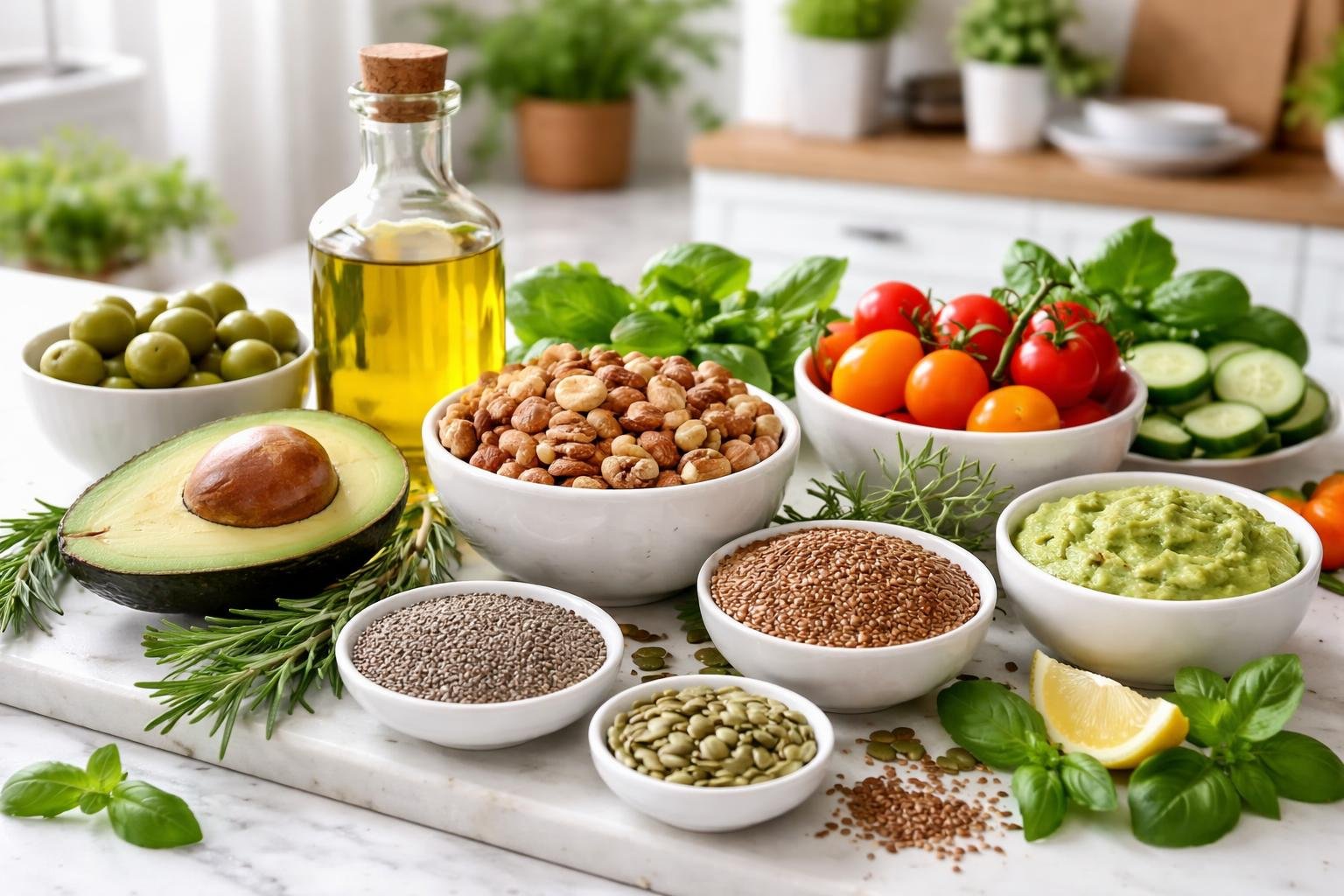
Stocking a kitchen with the right fats, quick snacks, and flavor boosters makes healthy eating easier and more enjoyable. These items support nutrition goals while adding taste and variety to daily meals.
Choosing Healthy Fats and Oils
The type of fat someone cooks with affects both flavor and health. Avocado oil works well for high-heat cooking[13] and has a neutral, slightly buttery taste that complements roasted vegetables and marinades.
Olive oil remains a kitchen staple for lower-heat cooking and dressings. It contains unsaturated fats that support heart health when used in place of butter or other saturated fats.
Cooking oils to keep on hand:
- Extra virgin olive oil for dressings and light sautéing
- Avocado oil for roasting and high-heat cooking
- Coconut oil for baking (used in moderation)
People should store oils in cool, dark places to prevent them from going rancid. Small bottles work better than large ones since oils lose quality over time once opened.
Nutritious Snacks and Easy Options
Keeping nutritious snacks readily available[14] helps prevent unhealthy choices when hunger strikes between meals. Nuts and seeds provide protein, fiber, and healthy fats that keep people satisfied longer.
Almonds offer vitamin E along with beneficial omega-3 fatty acids[13], while walnuts contain copper and manganese. Chia seeds pack nutrition into a small serving[13] with 10 grams of fiber and healthy fats per ounce.
Pumpkin seeds deliver phosphorous, magnesium, and zinc[13] for adding crunch to yogurt or salads. Nut butters made from only nuts (without added sugars or oils) spread easily on fruit or whole-grain toast. Fresh vegetables with hummus, hard-boiled eggs, and full-fat yogurt with berries round out quick snack options that require minimal preparation.
Enhancing Meals with Herbs and Spices
Herbs and spices transform simple ingredients into flavorful dishes without adding calories, sodium, or unhealthy fats. Fresh herbs like basil, cilantro, and parsley brighten vegetables and proteins with minimal effort.
Dried spices such as cumin, paprika, turmeric, and garlic powder create depth in soups, stews, and roasted dishes. Someone can build a basic spice collection with these versatile options and expand based on cooking preferences.
Flavor additions that boost nutrition:
- Fresh ginger and garlic for stir-fries
- Cinnamon for oatmeal and baked goods
- Lemon zest and juice for brightness
- Vinegars (balsamic, apple cider, rice wine) for dressings
Bone broth serves as a flavorful base for soups and can be sipped on its own. It contains gelatin and minerals extracted from bones during the long cooking process. People can make it at home or purchase quality versions from stores.
Frequently Asked Questions
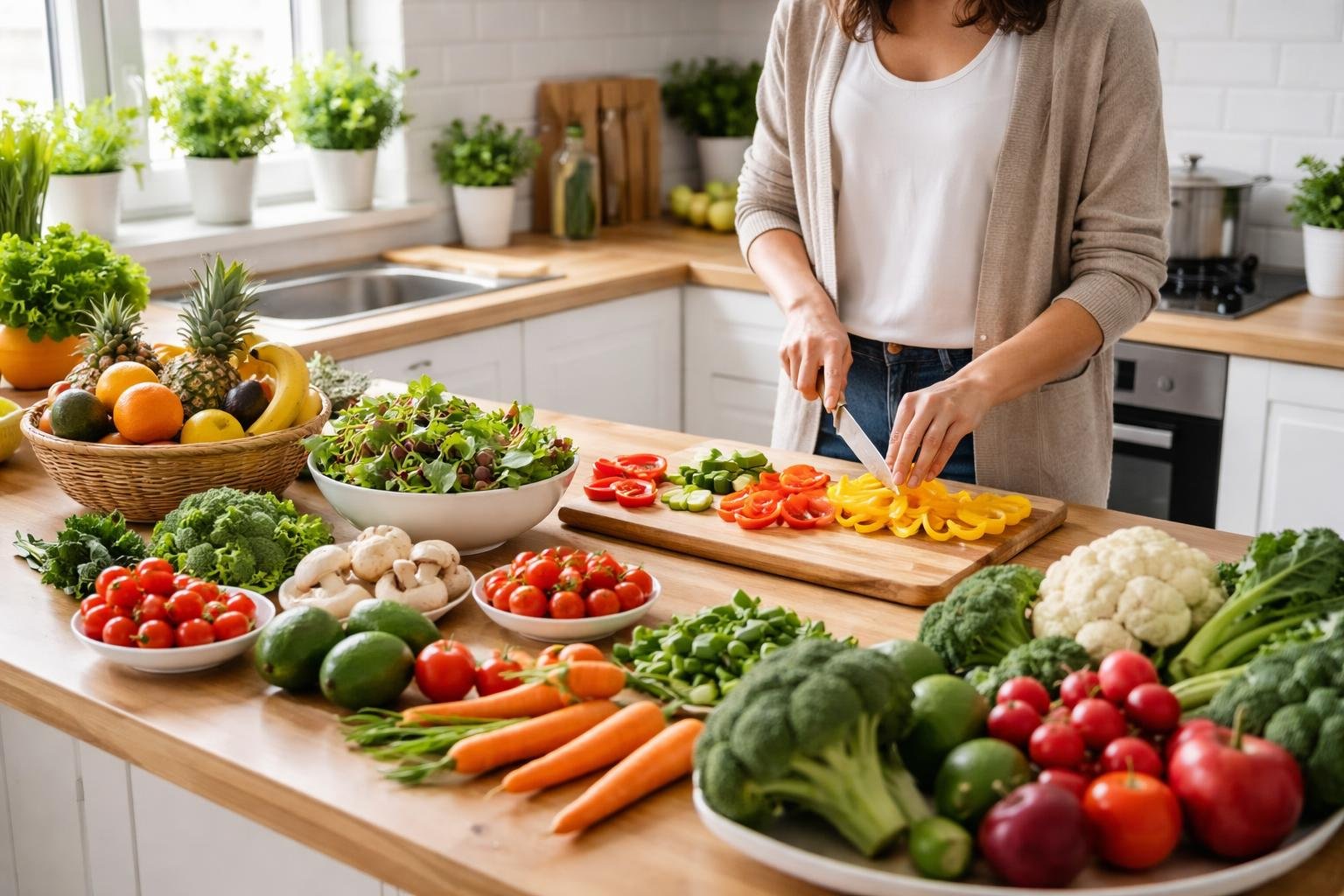
Kitchen organization and design choices directly impact daily food decisions, from storage systems that highlight fresh produce to tools that simplify healthy cooking and materials that reduce chemical exposure in food preparation areas.
What are the most effective layout changes to make a kitchen support healthier eating habits?
Placing healthy foods at eye level creates the most significant impact on eating choices. Clear containers on middle shelves in both the pantry and refrigerator make nutritious options like whole grains, nuts, and fresh vegetables immediately visible and accessible.
A dedicated prep station near the sink streamlines vegetable preparation. This area should include a cutting board, sharp knives, and a compost bin within arm’s reach. When healthy food preparation becomes convenient[15], people use fresh ingredients more frequently.
Counter space matters for healthy eating habits. Keeping small appliances like blenders stored in cabinets rather than cluttering countertops creates room for actual food preparation. A fruit bowl placed in a highly visible spot serves as a constant reminder to choose fresh produce.
The refrigerator’s upper shelves should hold ready-to-eat healthy foods like yogurt and pre-cut vegetables. Lower shelves work better for raw ingredients that need cooler temperatures. Door storage suits condiments and less perishable items since this area experiences the most temperature fluctuation.
How can I organize my pantry and refrigerator to make nutritious choices easier and faster?
Organizing your pantry for healthy eating[15] starts with clear, labeled containers for whole grains, legumes, nuts, and seeds. These containers allow quick identification of contents and make it easy to monitor supply levels.
Zone organization works best in pantries. One section holds cooking essentials like oils and spices, another contains baking ingredients, and a separate area stores snack foods. This system prevents chaos and helps people find ingredients without sorting through less healthy options.
Tiered shelves elevate items in the back so everything remains visible. Lazy Susans provide easy access to condiments and sauces. Over-the-door organizers add extra storage space and maximize vertical areas.
In the refrigerator, fresh produce belongs in clear bins at eye level to encourage healthy snacking. Leafy greens need slightly humid environments to stay fresh longer. Older items should move to the front to get used first, while airtight containers preserve leftovers and prevent waste.
Store healthy snacks like dried fruits and nuts at eye level where they become the first option people see. Less healthy items belong on harder-to-reach shelves. This simple arrangement makes nutritious choices automatic rather than deliberate.
Which kitchen tools and appliances are most useful for cooking healthier meals at home?
Quality nonstick cookware reduces the need for excessive cooking oils and fats. Nonstick frying pans enable low-fat sautéing, while saucepans with lids cook grains and sauces efficiently. A large stockpot handles soups and broths, and a Dutch oven works well for stews and one-pot meals.
A sturdy cutting board made from bamboo or hardwood supports preparation of fruits and vegetables. Sharp knives in various sizes allow precise cutting, which helps with portion control and maintains the integrity of fresh ingredients.
Measuring cups and spoons ensure accurate ingredient portions for managing caloric intake. A food scale provides precise portion sizes that align with dietary goals. These essential tools for healthy cooking[16] encourage experimentation with fresh, whole-food recipes.
A blender simplifies making smoothies with frozen fruits and vegetables. While it should stay accessible, storing it off the counter when not in use reduces clutter. Spiralizers and mandolines add variety to vegetable preparation, making healthy meals more interesting.
Glass food storage containers work better than plastic for many purposes. They do not absorb flavors or smells, are microwave-safe, and last longer. Clear containers of any material make it easy to see contents, which encourages using fresh produce and whole foods.
What are the best low-toxin materials and finishes to consider when updating a kitchen?
Glass and stainless steel offer the safest options for food storage and preparation surfaces. Glass containers do not leach chemicals into food and withstand repeated heating and cooling. Stainless steel cookware provides durability without chemical coatings that can break down over time.
BPA-free plastic containers work when glass is impractical, but quality matters. High-grade plastic designed for food storage resists degradation better than cheaper alternatives. These containers should be clearly labeled as food-safe and BPA-free.
Nonstick cookware needs careful selection. Modern nonstick surfaces use safer materials than older versions, but the quality of the coating affects both performance and safety. Oven-safe pieces expand cooking possibilities while maintaining lower toxin exposure.
Natural wood cutting boards, particularly bamboo and hardwood, avoid the chemicals found in some plastic boards. These materials naturally resist bacteria when properly maintained and do not introduce synthetic substances to food preparation.
Elevate Your Health for Just $29.99/Month
Join the Precision Wellness Subscription at My Healing 365 and get discounted services, priority coaching access, virtual care, and exclusive wellness resources to support your physical, emotional, and hormonal health.
Join for $29.99/MonthNatural stone or tile countertops provide non-toxic work surfaces. Sealed wood butcher block counters offer another low-toxin option. Both materials resist chemical absorption and do not release harmful compounds during food preparation.
Is there a free app that lets me redesign my kitchen from a photo or with a simple layout scan?
Several free kitchen design apps allow basic room visualization from photos. These apps typically offer limited features in their free versions, with full functionality requiring paid upgrades or subscriptions.
Most free apps provide basic layout planning tools but restrict the number of designs or limit access to premium materials and finishes. Users can usually create simple floor plans and test different arrangements of major appliances and cabinets.
The most useful free features include dimension tools, basic appliance placement, and simple color changes. These capabilities help visualize how different organizational systems might fit in existing spaces without professional design software.
Photo-based apps often struggle with accuracy compared to manual measurements. Taking precise measurements of the kitchen and inputting them directly produces better results than relying solely on photo scanning technology.
What is the 3 kitchen rule, and how can it improve workflow and meal prep efficiency?
The 3 kitchen rule refers to organizing the kitchen into three main work zones: storage, preparation, and cooking. Each zone contains the tools and ingredients needed for its specific function, reducing unnecessary movement during meal preparation.
The storage zone includes the refrigerator, freezer, and pantry. All ingredients and food items belong in this area, grouped by category and frequency
Post Views: 4
References
- Redesign Your Kitchen for Healthy Eating. https://drlisayoung.com/redesign-your-kitchen-for-healthy-eating/ Accessed April 14, 2026
- Kitchen Makeover: Healthy Eating Starts with a Healthy Space. https://www.formhealth.co/blog/kitchen-makeover-healthy-eating-starts-with-a-healthy-space Accessed April 14, 2026
- 15 Ways to Make Your Kitchen Support Healthy Habits. https://homedecorbliss.com/ways-to-make-your-kitchen-support-healthy-habits/ Accessed April 14, 2026
- Organize Your Kitchen Like a Dietitian: 8 Easy Tips for Healthier Eating. https://www.everydayhealth.com/diet-nutrition/how-rds-organize-their-kitchens-for-healthier-eating/ Accessed April 14, 2026
- Redesign Your Kitchen for Healthy Eating. https://health.usnews.com/wellness/food/articles/redesign-your-kitchen-for-healthy-eating Accessed April 14, 2026
- 12 Healthy Foods You Should Always Keep Stocked In Your Kitchen. https://www.self.com/story/foods-keep-stocked-in-your-kitchen Accessed April 14, 2026
- How To Stock a Healthy Pantry. https://nourishedbynutrition.com/how-to-stock-a-healthy-pantry/ Accessed April 14, 2026
- 28 Healthy Pantry Staples to Keep in Your Kitchen. https://www.tasteofhome.com/article/healthy-pantry-staples-kitchen/ Accessed April 14, 2026
- Healthy Kitchen Design: How Kitchen Design Empowers Health. https://capozzidesignbuild.com/healthy-kitchen-design/ Accessed April 14, 2026
- Revamping Your Kitchen For A Gut-Healthy Lifestyle. https://www.therealgutdoctor.com/kitchen-for-a-gut-healthy-lifestyle/ Accessed April 14, 2026
- The Best Smart Kitchen Appliances We’ve Tested for 2026. https://www.pcmag.com/picks/the-best-smart-kitchen-appliances Accessed April 14, 2026
- Smart Kitchen Tools for Healthier Cooking: 2025 Guide. https://kitchepicks.com/smart-kitchen-tools-for-healthier-cooking/ Accessed April 14, 2026
- Avocado oil works well for high-heat cooking. https://www.womenshealthmag.com/food/g32288985/healthy-fats-to-eat/ Accessed April 14, 2026
- 60 Healthy Snack Ideas That Keep You Full. https://www.eatthis.com/healthy-snack-ideas/ Accessed April 14, 2026
- Transform Your Kitchen for Healthy Eating. https://discover.texasrealfood.com/tidy-kitchen-tales/organizing-your-kitchen-for-healthy-eating Accessed April 14, 2026
- Essential Healthy Cooking Techniques: Transform Your Kitchen Skills. https://whatshouldieatnow.com/articles/essential-healthy-cooking-techniques-transform-your-kitchen-skills Accessed April 14, 2026

























